Los Cabos has quietly become one of Mexico's premier culinary destinations, with year-round organic farmers markets, world-class farm-to-table restaurants, and a food culture rooted in Baja's unique desert-meets-ocean terroir. Here is every market, restaurant, class, and food experience worth your time in 2026.
Key Takeaways
- ✓ Los Cabos hosts 4+ weekly farmers markets, with the year-round Cabo San Lucas market open Wednesdays and Saturdays
- ✓ Five standout farm-to-table restaurants operate on working farms spanning 25+ acres each
- ✓ Baja California Sur produces nearly 140,000 tons of fruits and vegetables annually from local farms
- ✓ Cooking classes, tequila tastings, and food tours run $40 to $200 USD per person
- ✓ Los Cabos welcomed a record 3.8 million visitors in 2025, with culinary tourism driving significant growth
Thinking About the Cabo Lifestyle?
Our team helps buyers find homes near the best dining, markets, and cultural experiences in Los Cabos.
Start Your SearchThe Complete Guide to Los Cabos Farmers Markets
The farmers market scene in Los Cabos has matured significantly over the past decade. What started as a handful of vendors selling organic greens has grown into a network of weekly markets stretching from Cabo San Lucas to Todos Santos, each with its own character and specialty offerings.
Whether you are stocking a vacation rental kitchen or building your weekly routine as a full-time resident, these markets are where you will find the freshest produce, the best artisanal products, and the most authentic taste of Baja food culture.
San Jose Mercado Organico (SANJOMO)
The largest and most popular market in the region, SANJOMO operates at Club La Huerta in San Jose del Cabo from early November through late April. Open Saturdays from 9 AM to 3 PM, this market draws residents, tourists, and chefs from across the peninsula.
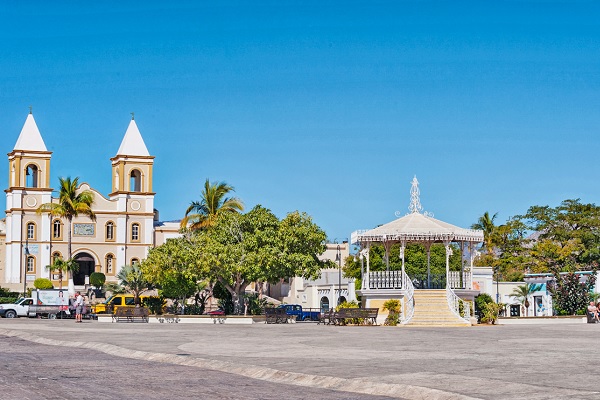
What sets SANJOMO apart is the scope. You will find locally grown produce, farm-fresh eggs, artisanal cheeses, organic coffee, local honey, homemade salsas, fresh-baked bread, and prepared Mexican foods. But it goes beyond groceries. The market features live music, yoga sessions, massage therapists, children's activities, and vendor booths with handmade crafts, jewelry, and photography.
For expats, SANJOMO is as much a social event as a shopping trip. It is where you meet neighbors, discover new restaurants through their vendor booths, and build the kind of community connections that make San Jose del Cabo feel like home.
Cabo San Lucas Organic Market
The only year-round market in the region, the Cabo San Lucas Organic Market operates every Wednesday and Saturday from 7:30 AM to 1 PM. This is the market for residents who want consistent access to fresh, local food regardless of the season.
Vendors offer an impressive variety: fresh seafood, organic chicken, farm eggs, artisanal cheeses, herbs, tropical fruits, and a rotating selection of prepared foods. The early morning start means you can fill your kitchen before the afternoon heat sets in.
The Shoppes at Palmilla Farmers Market
Located at Kilometer 27 of the Tourist Corridor, this Friday market (9 AM to 1 PM, through April) offers a more upscale experience. Set against the backdrop of the Palmilla resort community, the market caters to corridor residents and visitors with premium produce, gourmet prepared foods, and artisanal goods.
Todos Santos Farmers Markets
The artsy Pacific-side town of Todos Santos hosts multiple market days, each with distinct character.
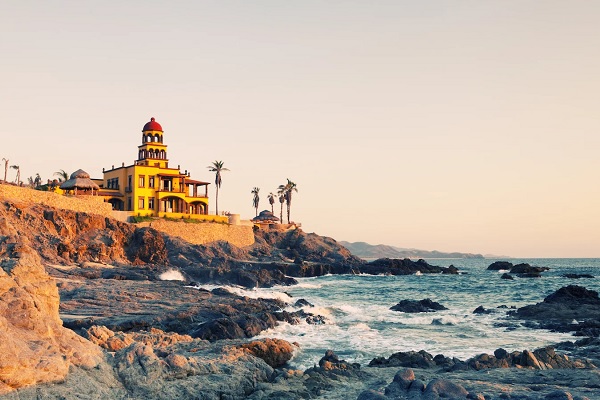
- La Esquina Farmers Market (Wednesdays, 9 AM to noon): Organic greens, local cheeses, handmade tamales, and artisan crafts in a charming courtyard setting
- Calle Topete Market (Fridays, 9 AM to 2 PM): Located near the Cultural Center, featuring a wider selection of produce and prepared foods
- Sunday Market (8 AM to 1 PM): The most festive option, with vegetable stands, local honey, baked goods, live music, drum circles, and family-friendly activities
If you are considering property near El Pescadero or Todos Santos, the local food access alone is worth the drive from the more developed Cabo corridor.
Farm-to-Table Restaurants: Where Chefs and Farmers Collaborate
The farm-to-table movement in Los Cabos is not a marketing gimmick. These restaurants operate on actual working farms, growing their ingredients on-site and sourcing what they cannot grow from local producers. The result is food that reflects both the season and the specific terroir of the Baja Peninsula.

| Restaurant | Location | Farm Size | Best For | Price Range |
|---|---|---|---|---|
| Flora Farms | San Jose del Cabo | 25 acres | Family dinners, live music | $$$ |
| Acre Restaurant | San Jose del Cabo | 25 acres | Date nights, fine dining | $$$$ |
| Los Tamarindos | San Jose del Cabo | Boutique farm | Cooking classes, traditional | $$$ |
| El Huerto | Cabo San Lucas | ~5 acres | Mediterranean-Asian fusion | $$$ |
| Torote | Cabo San Lucas | Countryside estate | Tasting menus, native Baja | $$$$ |
Flora Farms
Flora Farms is the restaurant that put Cabo on the culinary map. Spanning 25 acres in the foothills of the Sierra de la Laguna Mountains outside San Jose del Cabo, this working farm grows more than 100 varieties of vegetables and herbs across its eight-month growing season. The wood-fired pizza is legendary. The atmosphere is relaxed but buzzy, with live music most evenings and a genuine farm-to-fork ethos that has attracted attention from food publications globally.
Beyond dinner, Flora Farms operates a grocery store, a cocktail bar, an ice cream shop, and a field bar set among the crops. Many expats in Los Cabos consider a visit to Flora Farms a weekly ritual rather than a special occasion.
Acre Restaurant
If Flora Farms is the casual Saturday night, Acre is the anniversary dinner. Set across 25 acres of lush tropical landscape in San Jose del Cabo, Acre blends global culinary inspiration with ingredients grown directly on-site. Menus evolve with the seasons. The cocktail program pulls from an on-site herb garden. This is fine dining in a setting that feels transported from somewhere between Bali and Oaxaca.
Los Tamarindos
Widely regarded as the most historic organic farm restaurant in Los Cabos, Los Tamarindos offers a quieter, more traditional hacienda-style experience. The morning cooking classes are a highlight: you harvest ingredients from the garden, learn traditional Mexican techniques from local chefs, and then sit down to enjoy the meal you prepared. This is the closest you will get to understanding Cabo's food culture from the inside.
El Huerto and Torote
El Huerto in Cabo San Lucas operates across nearly 2 hectares of cultivated land, growing over 60 varieties of vegetables and blending Baja ingredients with Mediterranean and Asian influences. Torote, located in the countryside just outside Cabo San Lucas, takes a more reverent approach to native Baja ingredients with multi-course tasting menus showcasing local seafood, organic produce, and responsibly raised meats.
Want to Live Near Los Cabos' Best Food Experiences?
We match buyers with communities based on lifestyle priorities, including walkability to markets, restaurants, and cultural districts.
Book a Discovery CallLocal Produce and Baja's Agricultural Heritage
Despite its desert climate, Baja California Sur has a robust agricultural sector that produces close to 140,000 tons of fruits and vegetables annually from nearly 10,000 acres of cultivated farmland. Agriculture accounts for nine percent of total production in the state, and the organic farming movement has gained particular momentum in the Los Cabos corridor.

The Productores Organicos del Cabo, a cooperative of 132 local farmers, has built a successful organic export business, sending basil, cherry tomatoes, and other produce to markets in the United States, Japan, Singapore, and the United Arab Emirates. Key crops grown locally include:
- Vegetables: Organic basil, cherry tomatoes, chile peppers, asparagus, lettuce, herbs
- Tropical fruits: Mangoes, papayas, melons, watermelons, avocados, citrus, pitahaya (dragon fruit)
- Staples: Corn, beans, wheat, chickpeas
- Specialty items: Damiana (native herb used in liqueur), local honey, artisanal cheeses, organic coffee
For expats accustomed to shopping at Whole Foods, the quality and freshness of local market produce is consistently cited as one of the most pleasant surprises about living in Los Cabos. And at a fraction of the price.
Traditional Baja Food Culture: What to Eat and Where
Baja cuisine is distinct from mainland Mexican food. The peninsula's isolation, its proximity to the Pacific and the Sea of Cortez, and the influence of indigenous, Spanish, Chinese, and Japanese culinary traditions have produced a food culture that is uniquely its own.
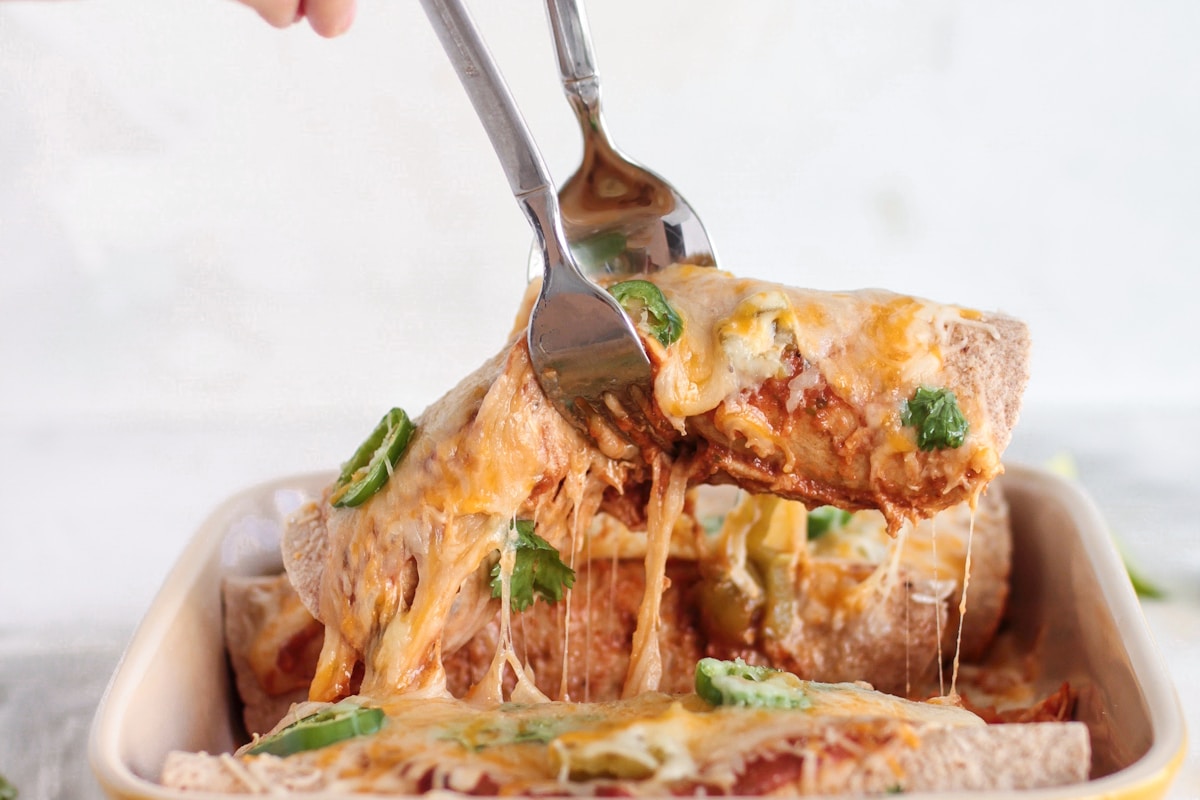
Must-Try Baja Dishes
- Chocolate Clams (Almejas Chocolatas): Named for their brown shells, these clams are native to Baja and are not found anywhere else in the world. Served raw with lime and chile or grilled with butter and garlic.
- Smoked Marlin Tacos: A Cabo signature. The marlin is smoked low and slow, shredded, and served in corn tortillas with fresh cabbage slaw and chipotle cream.
- Machaca: Dried, shredded beef or fish rehydrated and cooked with eggs, peppers, and tomatoes. A Baja breakfast staple.
- Ceviche de la Costa: Made with locally caught shrimp, octopus, or white fish cured in fresh lime juice with cilantro, tomato, and serrano chile.
- Pitahaya: Baja's native dragon fruit, harvested between July and October. Sweeter and more flavorful than the Asian variety.
For the most authentic street food experience, head to La Playita, the fishing village on the eastern edge of San Jose del Cabo. The seafood cocktails and tacos here are legendary among locals and a fraction of the price you will pay in tourist zones.
Cooking Classes and Culinary Experiences
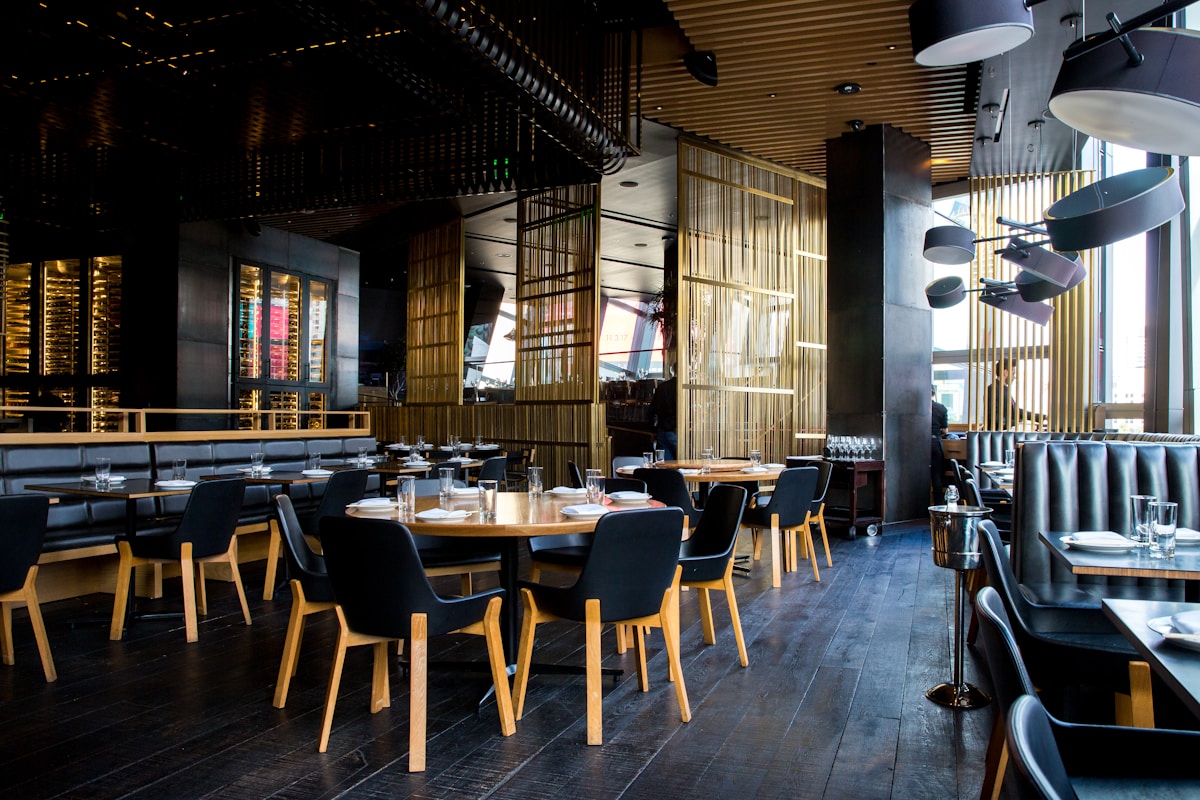
Whether you are visiting for a week or settling in permanently, hands-on cooking classes are one of the best ways to connect with Baja food culture. Several operators cater specifically to English-speaking visitors and expats.
| Experience | Provider | Duration | Price Range | Includes |
|---|---|---|---|---|
| Farm Cooking Class | Los Tamarindos | 3-4 hours | $80-$120 | Garden tour, cooking, lunch |
| Metate Garden Class | Various | 3 hours | $75-$100 | Garden tour, mezcal cocktails, appetizers |
| Taco Food Tour | Juan More Taco Tours | 3 hours | $60-$90 | Walking tour, 5-7 taco stops |
| Mezcal Tasting | Vas Que Vuelas | 2 hours | $50-$80 | 3 mezcals, cocktail class |
| Private Tequila Experience | Various | 2-3 hours | $100-$150 | 6+ tequilas, 3 mezcals, guide |
| Cook and Dance Night | Juan More Taco Tours | 4 hours | $90-$130 | Cooking, mixology, salsa dancing |
Tequila and Mezcal: Understanding Baja's Agave Spirits
While tequila and mezcal are produced primarily in mainland Mexico (Jalisco for tequila, Oaxaca for mezcal), Baja California Sur has developed a serious appreciation culture around agave spirits. Dedicated tasting rooms and mezcalerias have opened across Los Cabos, offering guided experiences that teach the differences between blanco, reposado, and anejo tequilas, as well as the complex, smoky world of artisanal mezcal.
Vas Que Vuelas Mezcaleria offers curated tastings where you sample three different mezcals before learning to craft cocktails. For a deeper dive, private tequila and mezcal workshops let you taste six or more premium varieties with a dedicated guide who explains production methods, terroir, and aging processes.
Food Tours: The Best Way to Discover Cabo's Food Scene
If you are new to the area, a guided food tour is the fastest way to build your mental map of where to eat. Juan More Taco Tours runs popular 3-hour walking tours through downtown Cabo San Lucas, hitting 5 to 7 stops along the way. You will eat tacos at street stalls that locals have frequented for decades, sample fresh ceviche, and often get introduced to restaurant owners and chefs who become regular stops long after the tour ends.

For a more curated experience, private market tours combine a visit to the organic market with a cooking class, giving you both the sourcing knowledge and the kitchen skills to replicate the experience at home. These are particularly popular with newly arrived expats who want to learn how to shop, negotiate, and cook like a local in a single morning.
Artisanal Products Worth Seeking Out
Beyond produce and restaurants, the Los Cabos food scene includes a growing ecosystem of artisanal producers creating products you will not find anywhere else.
- Damiana Liqueur: Made from the Damiana herb native to Baja, this sweet herbal liqueur has been produced locally for centuries. It is the base for the signature Damiana Margarita found at bars across Los Cabos.
- Local Honey: Baja honey, sourced from bees pollinating desert wildflowers and mango orchards, has a distinctively complex flavor profile. Available at every market.
- Artisanal Cheeses: Small dairy producers in the Todos Santos and San Jose del Cabo areas produce fresh queso fresco, aged manchego-style cheeses, and herbed goat cheeses.
- Organic Coffee: Shade-grown coffee from small producers in the Sierra de la Laguna mountains is available roasted and ground at the markets.
- Chile Salsas and Sauces: Homemade salsas, hot sauces, and mole pastes made from local chiles are market staples and make excellent gifts.
Why Food Culture Matters for Real Estate
Los Cabos welcomed a record 3.8 million visitors in 2025, a 130% increase over the past decade, with culinary tourism as one of the fastest-growing segments. The region's average daily hotel rate hit $440 USD, the highest in Mexico. Tourism contributes approximately $7.7 billion to the regional economy and supports roughly two out of three local jobs.
For property owners, this matters directly. Communities near the best food experiences, such as San Jose del Cabo's art and dining district, Todos Santos' bohemian market scene, and the corridor between them, consistently see stronger appreciation and higher rental demand. Guests increasingly choose vacation rentals based on proximity to culinary experiences, not just beach access.
If you are evaluating where to buy, the food infrastructure surrounding a property tells you something important about the community's trajectory. Areas investing in farm-to-table dining, artisanal markets, and culinary tourism are areas investing in the kind of lifestyle amenities that drive long-term property values.
Seasonal Food Calendar for Los Cabos
Knowing what is in season helps you shop smarter at the markets and order better at restaurants.
- November to April (high season): All markets in full swing. Peak produce variety. Whale-watching season pairs well with seafood festivals. SANJOMO and Palmilla markets operational.
- May to June: Mango season begins. Market selection narrows but Cabo San Lucas market continues year-round. Excellent time for ceviche as fishing picks up.
- July to October: Pitahaya (dragon fruit) season. Summer produce including melons and watermelons at peak. Fewer tourists mean more intimate cooking class experiences. Street food stalls operate without lines.
Regardless of when you visit or relocate, the Los Cabos food scene delivers something worth eating every month of the year. The quality of daily life here, the freshness of what lands on your plate, the ease of finding something exceptional for dinner on a Tuesday night, is one of the things that separates Cabo from other international destinations.
Ready to Make Los Cabos Home?
Let us help you find a property near the markets, restaurants, and lifestyle experiences that matter most to you.
Contact Us TodayThinking about buying here rather than just visiting? Our free 33-page Buying Property in Mexico guide covers the fideicomiso, closing costs in real dollars, and the 27-point checklist we run on every property.
Frequently Asked Questions
What are the best farmers markets in Cabo San Lucas?+
The top farmers markets are the San Jose Mercado Organico (SANJOMO) at Club La Huerta running November through April on Saturdays from 9 AM to 3 PM, the year-round Cabo San Lucas Organic Market on Wednesdays and Saturdays from 7:30 AM to 1 PM, the Shoppes at Palmilla Farmers Market on Fridays from 9 AM to 1 PM, and La Esquina Farmers Market in Todos Santos on Wednesdays from 9 AM to noon.
Are the farmers markets in Cabo open year-round?+
The Cabo San Lucas Organic Market operates year-round on Wednesdays and Saturdays. However, the larger San Jose del Cabo Mercado Organico is seasonal, running from early November through late April. The Todos Santos La Esquina market and several smaller markets also operate during the cooler months of October through May.
What are the best farm-to-table restaurants in Los Cabos?+
The top farm-to-table restaurants are Flora Farms, a 25-acre working farm with an on-site restaurant near San Jose del Cabo; Acre Restaurant, a fine-dining destination also on 25 acres; Los Tamarindos, the most historic organic farm restaurant in Los Cabos; El Huerto in Cabo San Lucas with nearly 2 hectares of cultivated land; and Torote, known for multi-course tasting menus featuring native Baja ingredients.
Can I take cooking classes in Cabo San Lucas?+
Yes, multiple operators offer hands-on Mexican cooking classes. Popular options include the Metate cooking class with a garden tour and mezcal cocktails, Juan More Taco Tours offering taco-making and food walking tours, and Los Tamarindos farm-to-table cooking classes where you harvest ingredients from the garden before preparing a traditional Mexican lunch. Prices range from $40 to $200 USD per person.
Where can I do tequila and mezcal tastings in Los Cabos?+
Vas Que Vuelas Mezcaleria offers curated mezcal tastings with cocktail classes. Private tequila and mezcal experiences let you sample six or more premium varieties with a dedicated guide. Many restaurants including Flora Farms and Acre also feature extensive agave spirit menus. Expect to pay $50 to $150 USD for a dedicated tasting experience.
What local produce is grown in Baja California Sur?+
Despite its desert climate, Baja California Sur produces close to 140,000 tons of fruits and vegetables annually from nearly 10,000 acres of farmland. Key crops include organic basil, cherry tomatoes, chile peppers, mangoes, melons, avocados, papayas, and citrus. The Productores Organicos del Cabo cooperative of 132 farmers exports organic produce globally.
Is the food scene in Cabo worth it for expats?+
Absolutely. The culinary scene is a top reason expats choose Los Cabos over other Mexican destinations. Beyond restaurants, the markets, cooking classes, and food community create a lifestyle centered around fresh, local eating. With year-round access to fresh seafood, tropical fruit, and organic produce at a fraction of US prices, many expats say their food quality improved dramatically after relocating.
What traditional Mexican foods should I try in Cabo?+
Must-try dishes include chocolate clams (almejas chocolatas) unique to Baja, smoked marlin tacos, machaca (dried shredded beef), pitahaya (dragon fruit) in season, Damiana liqueur made from a local herb, ceviche prepared with local catch, chiles rellenos, and handmade tamales from market vendors. The seafood cocktails at La Playita fishing village are also legendary among locals.

Aaron Cuha
Real Estate Advisor & Los Cabos Market Expert
Real estate advisor and founder of Living In Cabo. 15+ years helping families navigate complex real estate decisions. Strategic partner with Ronival — Baja's largest brokerage.