Los Cabos is in the middle of the biggest construction boom in its history. Over 82 active developments across five regions, more than $2 billion in development activity in 2025 and 2026, and pre-sale buyers routinely seeing 10 to 20 percent appreciation from contract signing to unit delivery. But new construction in Mexico is not like buying a new build in Scottsdale or Miami — the rules are different, the risks are different, and the biggest mistake I see buyers make costs them nothing in dollars but everything in protection. This is the tactical guide I wish every client read before signing a pre-sale contract.
Key Takeaways
- 82+ active developments across 5 Los Cabos regions with $2B+ in 2025–2026 construction activity
- Pre-sale buyers typically see 10–20% appreciation from contract to delivery (18–30 months)
- Standard payment structure: 10–30% down, progress payments during construction, 30–50% at delivery — usually 0% interest
- Critical due diligence: verify licencia de construccion, environmental permits, and developer financials independently
- The #1 mistake: buying direct from the developer without a buyer's agent — the developer pays the commission regardless
- Build in a 6–12 month buffer beyond the developer's stated delivery date for realistic planning
Considering a New Construction Purchase in Cabo?
We represent buyers across all 82+ developments in Los Cabos — at no cost to you. Get independent pricing analysis, contract review, and developer vetting before you commit.
Schedule a Free ConsultationThe Cabo Construction Boom by the Numbers
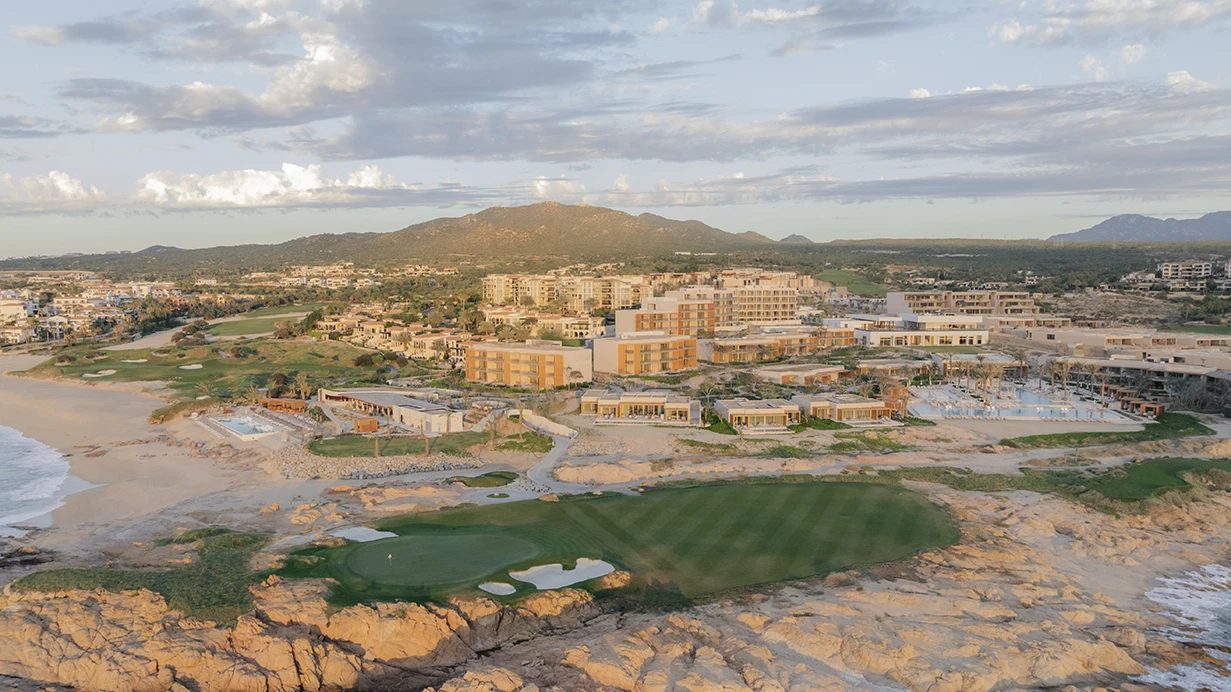
Let me give you the scale of what is happening here. When I first started tracking Los Cabos developments, there were maybe 30 active projects worth discussing. Today we track 82-plus across five distinct regions, and that number grows quarterly. The pipeline includes everything from $180,000 studio condos in El Tezal to $15 million branded residences at St. Regis and Nobu.
The drivers are straightforward: record tourism (4.2 million visitors in 2025), permanent expat migration from California and Texas accelerating post-pandemic, and institutional capital from hotel brands (Four Seasons, Montage, St. Regis, Ritz-Carlton, Nobu) that validates the market for individual investors. This is not speculative froth — it is demand-driven construction backed by real absorption data.
Active Developments by Region
| Region | Active Projects | Price Range | Avg. Appreciation |
|---|---|---|---|
| Cabo San Lucas | 25+ | $180K–$5M+ | 8–12% at delivery |
| The Corridor | 15+ | $500K–$15M+ | 10–15% at delivery |
| San Jose del Cabo | 20+ | $200K–$3M+ | 8–12% at delivery |
| East Cape | 10+ | $350K–$8M+ | 12–18% at delivery |
| Pacific Side | 12+ | $250K–$4M+ | 10–15% at delivery |
Understanding Pre-Sale Phases and Pricing
New construction in Cabo follows a predictable pricing curve. Understanding where a project sits on this curve is the single most important factor in your purchase timing. I have written about this in our pre-construction vs resale comparison, but here is the condensed version:
- Pre-launch / Friends & Family: 15–25% below projected delivery pricing. Limited units, minimal marketing. This is where insiders and repeat buyers get first pick.
- Pre-sale (before groundbreaking): 10–20% below delivery pricing. Marketing begins, showroom or model unit open. The best remaining selection.
- Under construction (foundation to structure): 5–15% below delivery pricing. The project is real and visible — risk decreases, price increases accordingly.
- Near completion (finishes phase): 0–5% below delivery pricing. Last units, often the least desirable floor plans or views. Still better than resale due to warranty and customization options.
- Delivered / Inventory units: Full pricing, but move-in ready. No construction wait, immediate rental income potential.
Here is the math that matters: a $400,000 pre-sale unit purchased during the foundation phase might appraise at $460,000 to $500,000 at delivery 18 to 24 months later. You have built 15 to 25 percent equity before you move in or list it for rent. That is not guaranteed — there is real risk — but it is the pattern I have watched play out across dozens of projects in this market.
Payment Structures — How Developer Financing Works
Unlike the US where you put 3 to 20 percent down and a bank finances the rest at closing, Cabo new construction uses a progress payment model. Most developers offer zero-interest financing during the construction period — you are essentially paying in installments as the building goes up.
Common Payment Structures
The three most common structures I see across the 82-plus developments we track:
- 30/30/40 model: 30% down at signing, 30% at structure completion, 40% at delivery. Most common for mid-range projects ($250K–$600K).
- 10-10-10-10-60 model: 10% down, then three additional 10% payments at quarterly milestones, with 60% at delivery. Popular with higher-priced projects where the developer wants to lower the barrier to entry.
- 40/30/30 model: 40% down (higher commitment), 30% at structure, 30% at delivery. Developers offer this when they want stronger buyer commitment and may give a 3–5% price reduction for the larger upfront payment.
- Custom schedules: Some luxury projects offer fully customized payment schedules, especially for penthouse and villa units above $1 million.
Key point: there is no bank mortgage during construction. You cannot get a traditional loan until the unit has a certificate of occupancy (habitabilidad) and is titled in a fideicomiso. That means you need cash or access to liquid funds for the entire construction period. Many US and Canadian buyers use HELOCs on their primary residence, self-directed IRA funds, or simple cash savings to cover progress payments.
Due Diligence on Developers — What to Verify
This is where most buyers get lazy, and where I earn my keep as an advisor. Due diligence on a Cabo developer is not the same as checking a US builder's license on a state website. Here is my checklist — the same one I use for every client:
Permits and Legal Documents
- Licencia de construccion — the municipal building permit. No permit, no purchase. Period.
- Manifestacion de impacto ambiental (MIA) — environmental impact statement approved by SEMARNAT. Required for all coastal construction.
- Proof of land ownership — verify the developer actually owns or has a long-term lease on the land, free of liens.
- Fideicomiso or corporate structure — how is the land held? If through a corporation, verify the corporate good standing.
- Condominium regime declaration — the legal document that creates the condo units. Without this, individual units cannot be titled.
Developer Track Record
- How many projects has this developer completed in Baja? Ask for addresses and go visit them.
- Talk to owners in previous projects. Were units delivered on time? On spec? How was the warranty experience?
- Search for any legal disputes or liens against the developer's other entities.
- Ask for references from other buyer's agents who have transacted with this developer.
Do not skip this work. I have seen buyers lose six figures on projects that looked beautiful in renderings but were built by developers with zero track record in Baja. A glossy sales office and a slick website are not substitutes for verified history.
Need Developer Vetting for a Specific Project?
We have due diligence files on all 82+ active developments in Los Cabos. Before you sign anything, let us share what we know about the developer, the project status, and the real pricing.
Book a CallCommon Risks and How to Protect Yourself
I am not going to sugarcoat this. New construction in any international market carries real risk. The upside is compelling — 10 to 20 percent appreciation, brand-new finishes, warranty coverage, customization options — but you need to go in with eyes open.
Construction Delays
This is the most common issue, not the most dangerous. A developer says 18 months; it takes 24 to 30. I have seen 6-month delays on well-run projects and 18-month delays on poorly managed ones. My standard advice: whatever the developer quotes, add 6 to 12 months for your financial planning. If they deliver on time, great. If they do not, you are not caught off guard.
Specification Changes
Developers may substitute materials, fixtures, or finishes during construction. Your purchase agreement should specify exact brands, models, and materials — not vague descriptions like "imported Italian tile." If the developer wants to change specs, the agreement should require your written approval and provide a price adjustment mechanism.
Developer Financial Trouble
The worst-case scenario. If a developer runs out of capital mid-construction, the project stalls and your money is at risk. Protection strategies:
- Escrow accounts: Insist that progress payments go into a third-party escrow held by a bank or notario — not directly into the developer's operating account.
- Financial vetting: Ask for the developer's capitalization structure. Is the project funded by pre-sales alone (higher risk) or backed by institutional investors or bank credit lines (lower risk)?
- Contractual protections: Include clauses for refund rights if milestone delivery dates are missed by more than 6 months, plus penalties for extended delays.
The Biggest Mistake: Buying Direct Without Representation
I say this in every consultation and I will say it here: never buy new construction in Cabo without your own buyer's agent. This is the single most expensive mistake I see, and it costs nothing to avoid.
Here is how it works in Mexico: the developer sets the unit price and builds the buyer's agent commission (typically 3 to 5 percent) into that price. If you show up without an agent, the developer keeps the commission. The price does not change. You pay the same amount whether you have representation or not — but without an agent, you lose:
- Independent pricing analysis against comparable projects
- Professional review of the purchase agreement (which the developer's lawyer drafted in their favor)
- Market data on the developer's track record and project status
- Negotiation leverage — an experienced agent knows which developers have flexibility and where
- Post-purchase advocacy during construction, punch list, and delivery
The developer's sales team works for the developer. They are professionals, they are usually great people, and they are not on your side of the table. This is not cynicism — it is structure. Get your own representation. Through our partnership with Ronival, we provide this at zero cost to the buyer.
Notable Projects Worth Watching in 2026
I will not turn this into a sales pitch for specific developments — you can browse all 82+ projects on our developments page. But a few standouts that illustrate the range of what is available right now:
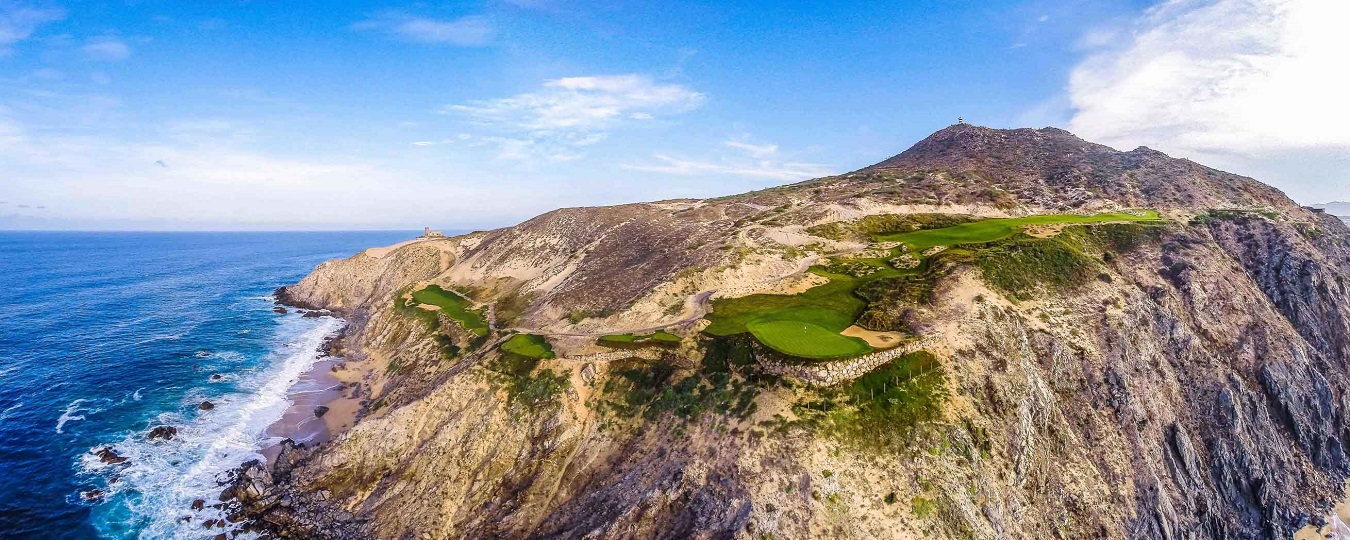
- St. Regis Residences at Quivira — branded luxury at the tip of the peninsula. $1.5M to $8M+ for oceanfront residences with full St. Regis butler service. Pre-sale units have already appreciated 12 to 15 percent.
- Damiana Residences — mid-range condos in Cabo San Lucas from $280,000 to $550,000. Strong pre-sale absorption indicates healthy demand. Developer has three completed projects in the area.
- Solaria Cabo — boutique project with ocean views starting at $320,000. Smaller scale means faster delivery (12 to 16 months) and more personalized buyer experience.
- Diamante new phases — the Dunes Course community continues to expand with lots from $450,000 and villas from $1.2M. Institutional backing from Discovery Land Company provides financial stability uncommon in this market.
Warranty and Punch List — Protecting Your Delivery
When your unit is ready for delivery, the developer schedules a walk-through. This is your punch list inspection — the most important hour you will spend on this purchase after signing the contract. Document everything: scratches, misaligned tiles, plumbing leaks, electrical issues, appliances that do not match spec.
Hire an independent inspector ($500 to $1,000) to do a professional assessment before you sign the delivery acceptance. Once you sign off, your leverage for corrections drops dramatically. Standard warranty coverage from reputable developers:
- Finishes and appliances: 1 year
- Mechanical systems (plumbing, electrical, HVAC): 2–3 years
- Structural elements: 5–10 years
Get every warranty term in writing in the purchase agreement. Verbal promises from the sales team are worthless. I have coached clients through warranty disputes where having specific written terms in the contract made the difference between a $30,000 repair bill and a developer-covered fix.
Financing Your New Construction Purchase
The financing landscape for Cabo new construction is different from what most US and Canadian buyers expect. Here is the reality:
During construction: no traditional mortgage is available. You self-finance through the developer's payment plan. Sources of funds I see most often:
- Cash or savings — the most common for the 80 percent of Los Cabos transactions that are cash deals
- HELOC on US primary residence — access equity at US rates (currently 7–9%) to fund progress payments
- Self-directed IRA — yes, you can buy international real estate with retirement funds, though the structure requires a specialized custodian
- 1031 exchange — possible for investment properties, though the timeline is tight and requires careful coordination with a qualified intermediary
After delivery: once the unit is titled in your fideicomiso, traditional financing becomes available. Mexican banks offer mortgages at 8 to 12 percent interest with 50 to 70 percent loan-to-value ratios. Cross-border lenders serve this market as well. Read our full Mexico closing costs guide for the complete financial picture.
Real Results — What I Have Seen Play Out
I will give you two real examples from clients I have worked with, with details anonymized:
The win: A couple from San Diego purchased a two-bedroom condo in a Corridor development during pre-sale at $485,000 with a 30/30/40 payment structure. Delivery came 22 months later (4 months delayed). At delivery, comparable units in the same building were listed at $585,000 to $610,000. They built $100,000 to $125,000 in equity — roughly 20 to 25 percent appreciation — before ever collecting a rental dollar. Their unit now grosses $4,800 per month in rental income during peak season.
And here is the cautionary tale that keeps me honest:
The lesson: A solo buyer from Houston purchased a pre-sale unit from a first-time Baja developer at an attractive price point — 20 percent below comparable projects. No escrow was used; payments went directly to the developer. Construction stalled at 60 percent completion when the developer ran into capital issues. Eighteen months of delays followed. The project eventually completed under new ownership, but the buyer endured stress, uncertainty, and opportunity cost that no amount of appreciation can fully compensate. The unit did eventually deliver and appreciate — but the experience underscored why developer vetting and escrow protection are non-negotiable.
Both stories are real. Both are instructive. The difference was due diligence, representation, and financial structuring — not luck.
For a broader view of whether Cabo is a strong investment market overall, read our analysis: Is Cabo Real Estate a Good Investment in 2026? And for a detailed comparison of going pre-construction vs buying an existing unit, see our pre-construction vs resale guide.
Ready to Explore New Construction in Cabo?
We track every active development across all five Los Cabos regions. Get independent analysis on pricing, developer track records, and which projects match your investment goals — all at zero cost to you.
Contact Us TodayFrequently Asked Questions
How much can I save buying pre-construction vs resale in Cabo?+
Pre-construction prices are typically 10 to 25 percent below comparable delivered units in the same development. A unit priced at $400,000 during the foundation phase may appraise at $480,000 to $500,000 at delivery 18 to 24 months later. The discount compensates you for construction risk, illiquidity during the build period, and the time value of progress payments. The strongest appreciation occurs between the pre-sale launch and 50 percent construction completion.
What is the typical payment structure for pre-construction in Cabo?+
Most Cabo developers use a progress payment model with zero interest during construction. A typical structure is 10 to 30 percent down at contract signing, followed by 3 to 6 progress payments tied to construction milestones (foundation, structure, finishes), with the remaining 30 to 50 percent due at delivery. Some developers offer a 40/30/30 split — 40 percent down, 30 percent at structure completion, 30 percent at delivery. The exact structure varies by developer and project phase. Earlier buyers get more favorable terms and lower per-square-foot pricing.
What permits should I verify before buying new construction in Mexico?+
At minimum, verify the licencia de construccion (building permit) issued by the municipal government, manifestacion de impacto ambiental (environmental impact statement) approved by SEMARNAT, proof of land ownership or long-term lease, the fideicomiso or corporate structure for the land, and any applicable tourism or hotel permits if the project includes hospitality components. Your attorney should also check for any pending litigation against the developer or the land parcel. Never rely on the developer to show you these documents — have your attorney request them independently from the relevant government offices.
What happens if a developer goes bankrupt during construction in Cabo?+
Developer insolvency is the most serious risk in pre-construction. If a developer fails, buyers typically become unsecured creditors with claims against the project assets. Protection strategies include using an escrow account held by a third-party bank or notario for progress payments, verifying the developer's financial statements and track record, ensuring the project land is not leveraged beyond the development's capitalization, and including contractual provisions for refund rights tied to milestone delivery. Some developments backed by institutional investors or publicly traded companies carry lower insolvency risk. Never pay progress payments directly to the developer without escrow protection.
Can I get financing for new construction in Cabo?+
Financing options during construction are limited. Most traditional lenders — both Mexican and cross-border — will not finance a property until it has a certificate of occupancy (habitabilidad). During the construction phase, you are essentially self-financing through progress payments. Some developers partner with financial institutions to offer structured payment plans, but these are developer-financed, not traditional mortgages. Once the unit is delivered and titled, you can pursue a traditional mortgage through Mexican banks (8 to 12 percent interest, 50 to 70 percent LTV) or cross-border lenders. Many buyers use US home equity lines of credit or self-directed IRA funds to cover progress payments.
How long does new construction typically take in Cabo?+
Standard construction timelines in Los Cabos are 18 to 30 months from groundbreaking to delivery for condo developments, and 12 to 18 months for single-family homes. However, delays are common — I advise clients to build in a 6 to 12 month buffer beyond the developer's stated delivery date. Common causes of delay include permitting complications, supply chain disruptions for imported materials, labor shortages during peak construction season, and weather events during the July through October hurricane season. Master-planned communities with multiple phases may have longer overall timelines but deliver individual phases on a more predictable schedule.
What is the biggest mistake buyers make with new construction in Cabo?+
The biggest mistake is buying directly from the developer without independent buyer representation. Developers in Mexico pay the buyer's agent commission regardless of whether you have an agent — it is built into the project pricing. When you go direct, you are negotiating against a professional sales team without your own advocate, you lose access to comparable market data and pricing analysis, you have no independent review of the purchase agreement, and the developer keeps the commission savings rather than passing them to you. Always work with a qualified buyer's agent who knows the local new-construction market. It costs you nothing and provides significant protection.
What warranty do I get on new construction in Cabo?+
Mexican law provides a basic structural warranty, but coverage varies by developer. Reputable developers typically offer 1 year on finishes and appliances, 2 to 3 years on mechanical systems (plumbing, electrical, HVAC), and 5 to 10 years on structural elements. Get warranty terms in writing in the purchase agreement. Conduct a thorough punch list inspection before accepting delivery — this is your leverage point for getting defects corrected. Consider hiring an independent inspector ($500 to $1,000) to review the unit before you sign off on delivery. Once you accept the unit, your warranty claims are limited to what is documented.

Aaron Cuha
Real Estate Advisor & Los Cabos Market Expert
Real estate advisor and founder of Living In Cabo. 15+ years helping families navigate complex real estate decisions. Strategic partner with Ronival — Baja's largest brokerage.