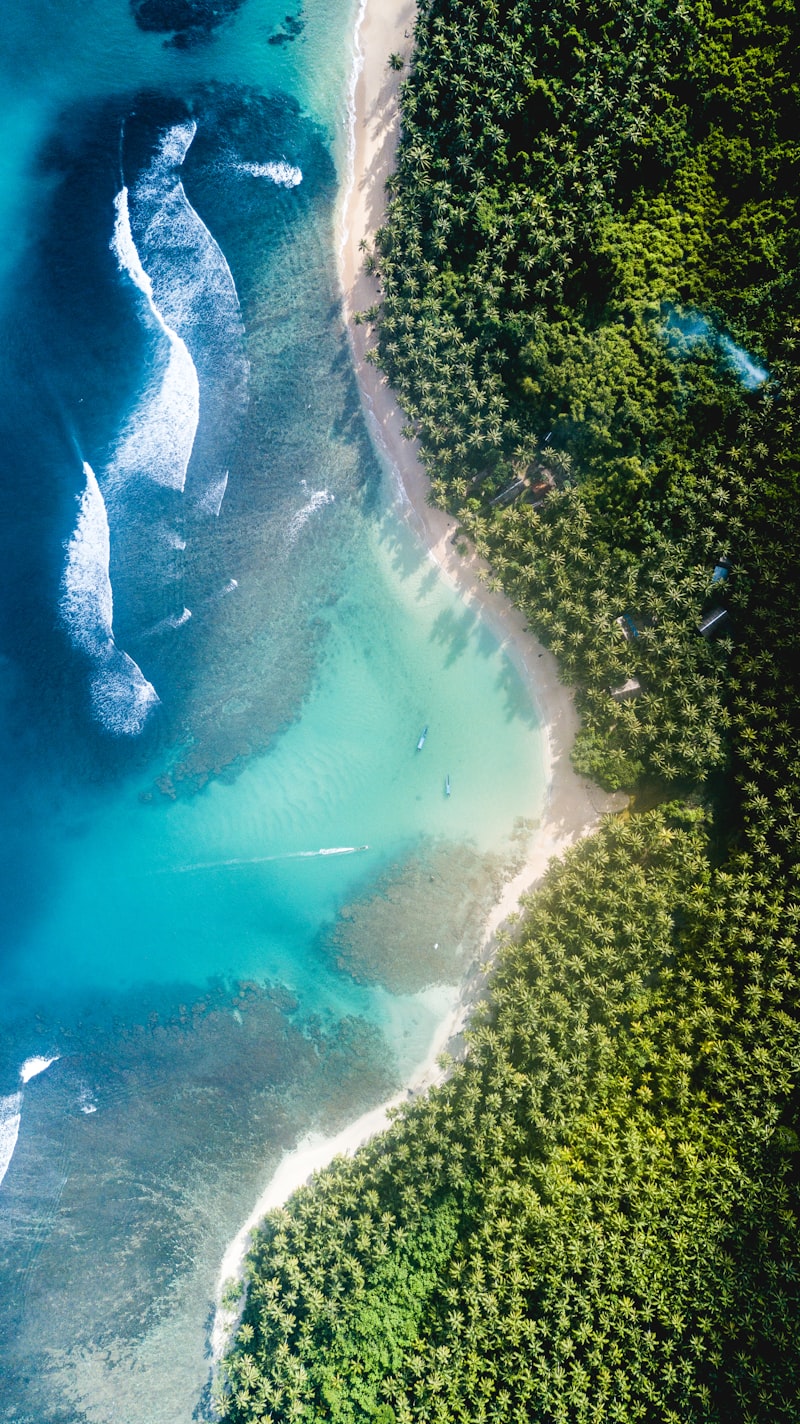
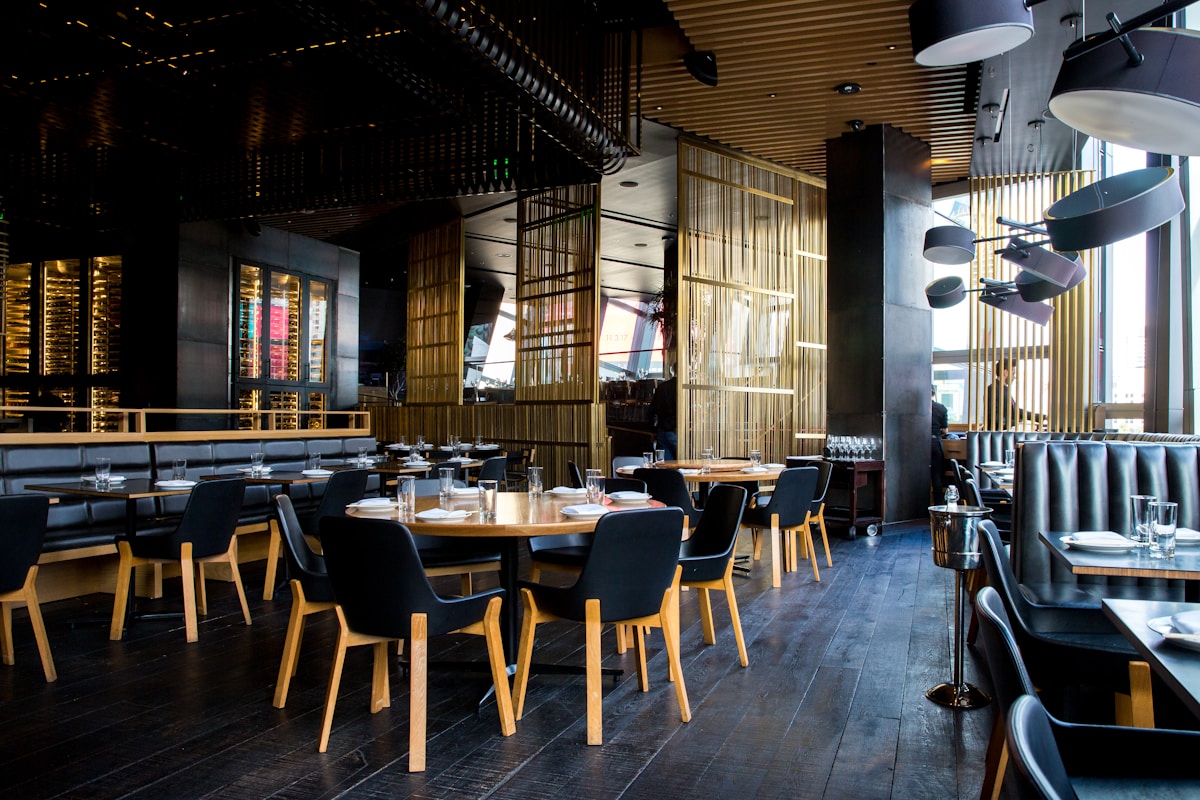
The architecture emerging across Los Cabos represents a design language built for this specific landscape — desert modern that dissolves the boundary between indoor and outdoor, uses local stone and concrete to anchor buildings to the terrain, and treats the ocean not as a view to frame but as a room to inhabit.
Key Takeaways
- ✓ Desert modern: clean lines, board-formed concrete, local stone, retractable glass walls
- ✓ Biophilic design drives the best new projects — nature as a room, not a backdrop
- ✓ Sustainability is practical here: solar abundance, water scarcity drives innovation
- ✓ Pedregal, Chileno Bay, Twin Dolphin, and Zacatitos lead in architectural ambition
- ✓ Local materials (parota wood, Baja stone, board-formed concrete) define the regional vocabulary
Looking for Architecturally Significant Homes?
We know which properties in Los Cabos were designed by notable architects and which are builder-grade disguised with nice finishes.
Find Architect-Designed HomesDesert Modern: What It Actually Means in Cabo
Desert modern is not a marketing term — it is a design response to a specific set of conditions. In Los Cabos, those conditions are: relentless sun, salt air, minimal rainfall, dramatic topography, and the constant presence of the ocean. The architecture that works here must handle all of that while making you want to live in it.
The defining characteristics:
- Horizontal lines that echo the landscape. Flat roofs and low-slung profiles that do not fight the desert horizon. The best Cabo homes look like they grew out of the rock rather than being placed on it.
- Board-formed concrete. The texture of rough wood grain imprinted in concrete walls — a technique that gives mass and permanence while creating visual warmth. You see this throughout Pedregal and Twin Dolphin.
- Local Baja stone. Cantera, basalt, and sandstone from regional quarries. Used for feature walls, flooring, and exterior cladding. The colors — sand, ochre, gray — harmonize with the desert palette.
- Retractable glass walls. Not sliding doors — entire walls that disappear, erasing the indoor-outdoor boundary. In Cabo's climate, this is not a luxury detail; it is the fundamental design move. The ocean becomes part of the living room.
- Shade architecture. Deep overhangs, pergolas, and cantilevered roofs that block direct sun while maintaining views. The best designs never need curtains during the day — the building itself manages light.
Biophilic Design: Nature as Architecture
The concept of biophilic design — architecture that intentionally connects occupants to nature — finds its most natural expression in Los Cabos. When your site faces the Sea of Cortez and your backyard is the Sonoran Desert, the building's job is not to compete with nature but to conduct it.
What this looks like in practice:
- Interior courtyards with native cardon cactus, palo blanco trees, and bougainvillea create private gardens that bring the desert inside
- Water features that mirror the ocean — infinity pools that merge with the horizon, courtyard reflecting pools, cascading water walls that provide ambient sound
- Natural material surfaces throughout — stone floors that continue from inside to outside without a threshold change, wood ceilings of tropical parota or mesquite, raw concrete walls
- Views treated as rooms. The best Cabo architects do not "capture views" — they orient the entire spatial sequence so that the ocean reveals itself progressively as you move through the home
Where to Find the Best Architecture in Los Cabos
Pedregal: The Museum
Pedregal de Cabo San Lucas has the richest architectural variety in Los Cabos, spanning five decades of custom building on dramatic cliff-side lots above Playa Solmar. The topography forces creative solutions — homes cascade down granite cliffs, cantilevered pools hover over the Pacific, and every lot presents a unique design challenge. Walking Pedregal is like walking through a curated exhibition of Baja residential architecture.
Twin Dolphin: Curated Modernism
Twin Dolphin takes a more curated approach — the master plan enforces a contemporary design vocabulary across all residences, creating architectural coherence that Pedregal's organic growth does not have. The result is a community where every home feels like it belongs to the same conversation, even when individual architects bring different ideas.
Chileno Bay: Resort as Architecture
Chileno Bay demonstrates what happens when a resort-grade design team (Auberge) applies their aesthetic to an entire community. The architecture is polished, consistent, and professionally landscaped. Less raw than Pedregal, more controlled — but the integration of building and landscape is excellent.
East Cape: The New Frontier
Zacatitos and the East Cape represent the wild card. With no HOA and no architectural review boards, architects have complete freedom. The result: some of the most daring and experimental residential architecture in Mexico, from minimalist desert pavilions to sculptural concrete compounds that would not look out of place in an architecture magazine. The $10M+ custom builds emerging in Zacatitos are commissioning work from architects who would be constrained by any review board.
Planning a Custom Build?
From architect selection to lot sourcing, we help buyers create homes that belong to the Baja landscape. See our custom building guide for the full process.
Book a Free CallSustainability: Practical, Not Performative
Los Cabos makes sustainability easy to justify on pure economics. When you have 350+ days of sunshine per year and a municipal water supply that regularly falls short of demand, solar panels and water recycling are not environmental statements — they are practical infrastructure decisions.
The sustainable features now standard in quality Los Cabos construction:
- Solar arrays: Many developments require or incentivize solar installation. Off-grid communities like Zacatitos run entirely on solar with battery backup. On-grid homes can offset or eliminate electricity costs.
- Gray water recycling: Treated gray water from showers and sinks is recirculated for landscape irrigation — critical when municipal water is intermittent.
- Native xeriscaping: Desert-adapted landscaping using cardon cactus, palo blanco, agave, and native grasses that require zero supplemental irrigation once established. The aesthetic is beautiful and the water savings are significant.
- Passive cooling: Cross-ventilation design, deep overhangs, thermal mass (concrete and stone walls that absorb heat by day and release it at night), and orientation that captures prevailing breezes. A well-designed passive-cooling home can reduce AC dependence by 40-60%.
- Rainwater harvesting: Though Cabo receives only 8-10 inches of rain annually, concentrated in summer storms, properly sized cisterns can capture thousands of liters per event.
The Baja Material Palette
The best Los Cabos architecture uses a consistent material vocabulary drawn from the region:
- Parota wood: A tropical hardwood native to western Mexico, used for beamed ceilings, doors, dining tables, and accent walls. Its golden-to-chocolate grain is the warm counterpoint to concrete and stone.
- Mesquite: Harder and darker than parota, used for flooring, structural beams, and custom furniture. Sustainably harvested from desert land-clearing.
- Board-formed concrete: The signature material of Cabo modernism. Structural, textural, and virtually maintenance-free in the marine climate.
- Baja stone: Cantera (a volcanic stone), basalt, and local sandstone. Cut into thin slabs for cladding or left rough for feature walls.
- Cor-ten steel: Weathering steel that develops a stable rust patina, used for exterior screens, planters, and decorative elements. The oxidized color harmonizes with the desert.
The architects who understand Baja source locally first and import only when a specific design intent cannot be achieved with regional materials. This is not just aesthetics — local materials perform better in the local climate, ship for less, and give the building an authentic connection to its place.
Architecture in Los Cabos is having its moment. The combination of dramatic sites, a climate that demands design response, and buyers willing to invest in quality is producing residential work that stands with the best in the Americas. For buyers who care about design as much as location, this is a market that rewards attention.
Find Design-Forward Properties in Los Cabos
From architect-designed resales to custom build lots, we help buyers who care about design find properties that match their vision.
Start Your SearchThinking about buying here rather than just visiting? Our free 33-page Buying Property in Mexico guide covers the fideicomiso, closing costs in real dollars, and the 27-point checklist we run on every property.
Frequently Asked Questions
What is desert modern architecture?+
Desert modern is an architectural style that responds to the desert landscape through clean lines, natural materials (concrete, stone, wood), extensive glazing, and indoor-outdoor integration. In Los Cabos, it is specifically adapted for the coastal desert — incorporating marine-grade materials, passive cooling design, and orientation strategies that capture ocean breezes while blocking harsh western sun.
What is biophilic design in Cabo homes?+
Biophilic design intentionally connects building occupants to nature through design. In Los Cabos, this manifests as retractable glass walls that eliminate the indoor-outdoor boundary, interior courtyards with native plantings, water features that mirror the ocean, natural stone and wood surfaces, and views framed as part of the living space rather than artwork behind glass.
Are sustainable homes common in Los Cabos?+
Increasingly, yes. Water scarcity and solar abundance make sustainability practical, not just aspirational, in Los Cabos. Common sustainable features include solar panel arrays (some developments require them), gray water recycling for landscaping, native xeriscaping that requires no irrigation, rainwater harvesting, and high-performance glazing that reduces cooling loads.
What materials are used in Cabo luxury homes?+
The dominant material palette includes: board-formed concrete (for walls and structural elements), local Baja stone (for cladding and feature walls), tropical hardwoods like parota and mesquite (for ceilings, doors, and furniture), marine-grade stainless steel (for hardware and railings), and floor-to-ceiling tempered glass. The best architects source locally first and import only for specific accent elements.
Which Cabo communities have the best architecture?+
Pedregal has the most dramatic architectural variety due to its cliff-side topography and decades of custom building. Chileno Bay and Twin Dolphin feature curated contemporary designs by their master planners. Querencia showcases high-end custom homes by prominent architects. Zacatitos on the East Cape is emerging as a destination for architect-designed homes without HOA restrictions on design.
How much does an architect cost in Los Cabos?+
Architectural design fees for a custom home in Los Cabos typically run 8-12% of construction cost for full service (concept through construction supervision) or 4-6% for design only. A Mexican DRO (Director Responsable de Obra) is required by law to sign permits and supervise construction. Many projects use a collaborative model: a US or international architect for design vision, plus a local DRO for code compliance and supervision.

Aaron Cuha
Real Estate Advisor & Los Cabos Market Expert
Real estate advisor and founder of Living In Cabo. 15+ years helping families navigate complex real estate decisions. Strategic partner with Ronival — Baja's largest brokerage.