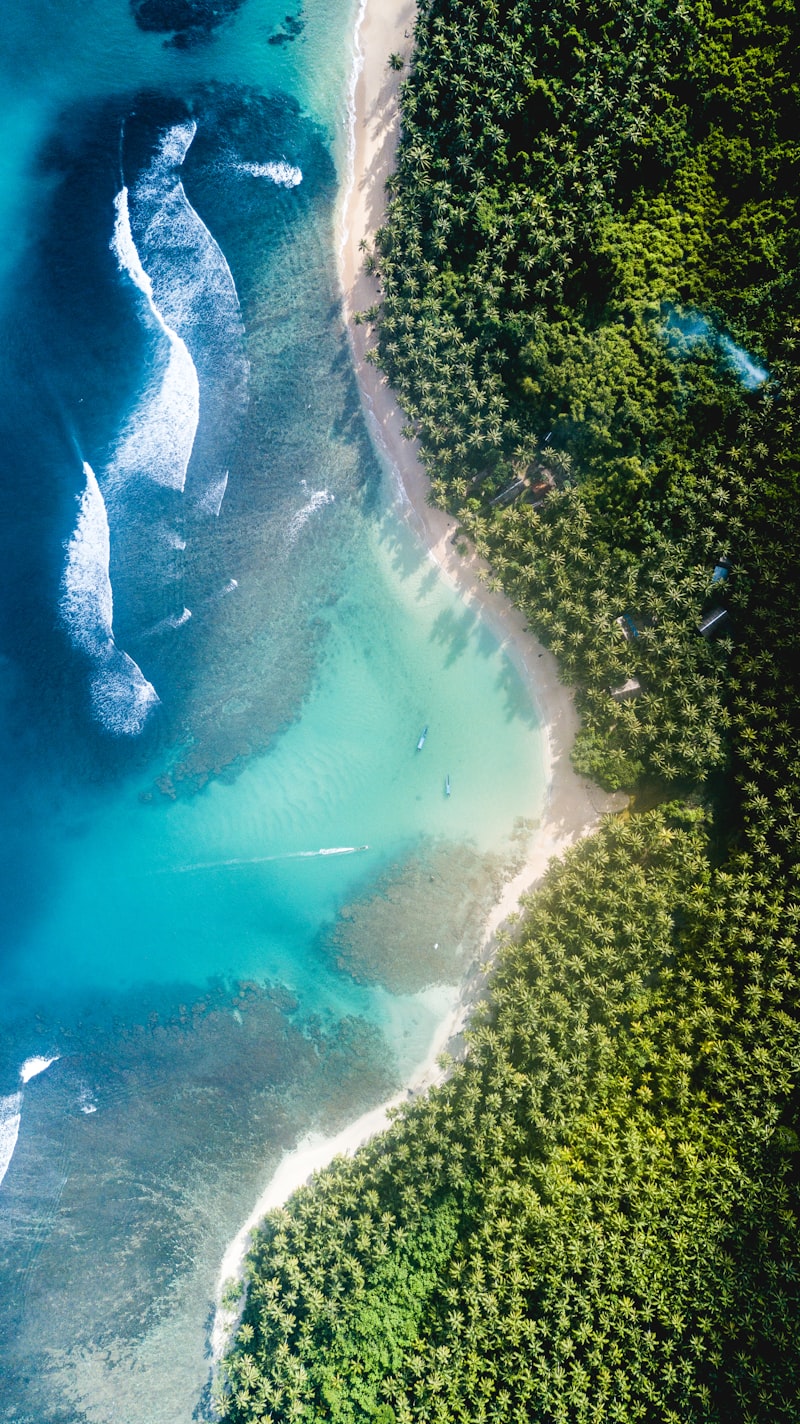
One of the most underrated things about owning property in Los Cabos is the driving. Not the 10-minute commute to the grocery store — the road trips. The southern Cape of Baja California Sur is 220 miles of coastline, desert, colonial towns, surf breaks, and untouched Pacific beaches that most tourists never see because they never leave their resort. A tank of gas and a Saturday morning is all it takes.
Key Takeaways
- ✓ The Cape Loop (Cabo → Todos Santos → La Paz → Los Barriles → San Jose): 220 miles, 5–6 hours driving, best as a 2–3 day trip
- ✓ Highway 1 and Highway 19 are well-maintained paved highways; drive daylight hours only due to livestock and limited lighting
- ✓ Mexican auto insurance is legally required — US/Canadian policies are not valid in Mexico
- ✓ Todos Santos: 1 hour from Cabo (art, surf, organic farms); La Paz: 2.5 hours (colonial capital, Balandra Beach, whale sharks)
- ✓ Fuel stations accept credit cards in major towns; carry cash in pesos for rural stops and small towns
Explore Your New Backyard
Owning in Los Cabos puts the entire southern Cape at your doorstep. We help buyers find properties that serve as the perfect base camp for exploring Baja.
Find Your Base CampThe Cape Loop: The Classic Baja Road Trip
The Cape Loop is the essential Baja road trip for Los Cabos residents. It circles the entire southern tip of the peninsula, hitting every landscape and microclimate that makes Baja special. Here is the route I recommend:
Leg 1: Cabo San Lucas to Todos Santos (Highway 19, 1 hour)
Head north out of Cabo on Highway 19, the Pacific highway. The road climbs out of the desert scrub into the Sierra de la Laguna foothills, passing through small farming communities and cactus-covered hillsides. The Pacific Ocean appears on your left as you descend toward the coast.
Stop at Cerritos Beach — the best beginner-to-intermediate surf break in the Cape region. Rent a board, take a lesson, or just watch from the beach clubs. The fish tacos at the roadside stands here are better than any restaurant in Cabo.
Continue to Todos Santos, the UNESCO Magic Town. Walk the art galleries, browse the boutique shops, and have lunch at one of the farm-to-table restaurants. The El Pescadero organic farms south of town supply some of the best produce in Baja. If you are spending the night, Hotel California (yes, that one — sort of) is the landmark, but boutique options like Guaycura and Hotelito have more charm.
Leg 2: Todos Santos to La Paz (Highway 19 to Highway 1, 1.5 hours)
Continue north on Highway 19 and then cut east on Highway 1 toward La Paz, the state capital of Baja California Sur. The landscape transitions from Pacific coastal scrub to the Sea of Cortez side — drier, more austere, and strikingly beautiful.
La Paz is a real Mexican city — 300,000+ people, a gorgeous malecón (waterfront promenade), colonial architecture, excellent seafood, and none of the tourist-resort atmosphere of Los Cabos. This is where you see Mexico beyond the expatriate bubble.
Must-do in La Paz:
- Balandra Beach: Consistently rated one of Mexico's most beautiful beaches. Shallow turquoise water, mushroom rock formations, and almost no development. Arrive early — parking fills by 10 AM during season.
- Malecón walk: 3 miles of waterfront promenade with sculptures, restaurants, and sunset views across the Sea of Cortez.
- Whale shark tours (November–April): La Paz is one of the world's best locations for swimming with whale sharks. Tours depart from the malecón area.
- Isla Espiritu Santo: A UNESCO World Heritage island accessible by boat from La Paz. Snorkeling with sea lions, kayaking through volcanic rock formations, and camping on pristine beaches.
Leg 3: La Paz to Los Barriles (Highway 1 South, 1.5 hours)
Head south on Highway 1 along the Sea of Cortez coast. The road passes through agricultural flatlands before climbing into the Sierra de la Laguna and descending into the East Cape.
Los Barriles is the kiteboarding capital of the East Cape — strong winds from November through March make it a world-class destination for the sport. Even if you do not kite, the town has a charming small-community feel with excellent restaurants, a growing expat population, and some of the best fishing in Baja.
Side trip: Continue south from Los Barriles to Zacatitos — a raw, undeveloped stretch of coastline with luxury villas scattered among the cacti. This is frontier Baja at its most beautiful.
Leg 4: Los Barriles to San Jose del Cabo (Highway 1, 1 hour)
The final leg follows Highway 1 south through the East Cape back into San Jose del Cabo. The road winds through desert landscape with occasional Sea of Cortez views before dropping into the SJD valley and reconnecting with the Corridor highway.
Total driving time: 5–6 hours. Total distance: approximately 220 miles. Fuel cost: roughly $50–$70 for a mid-size vehicle.
Practical Road Trip Essentials
Auto Insurance
Mexican auto insurance is legally required. Your US or Canadian policy is not valid south of the border. For road trips, daily policies run $15–$60 depending on coverage level. Full-time residents should carry annual policies ($300–$800/year). See our auto insurance guide for carrier recommendations and coverage details.
Fuel
Pemex stations are located in every town along the Cape Loop. Major stations accept credit cards; smaller rural stations may be cash-only (pesos). Fuel prices as of 2026 run approximately $4.50–$5.00 USD per gallon (MXN 22–25 per liter). Fill up in La Paz and Los Barriles — the stretch between them has fewer stations.
Driving Safety
- Drive daylight hours only. Free-roaming cattle, donkeys, and horses on rural highways are the single biggest hazard. They are nearly invisible at night.
- Watch for topes (speed bumps). Unmarked or poorly marked speed bumps at the entrance to every town. Hit one at speed and you will damage your vehicle. Slow down approaching any settlement.
- Carry water and supplies. Cell coverage is intermittent on Highway 1 between La Paz and Los Barriles. Carry at least 2 liters of water per person, a charged phone with offline maps, and basic vehicle supplies (spare tire, jack).
- Military checkpoints are routine. You may encounter military or immigration checkpoints on Highway 1. These are standard security operations — have your ID and vehicle registration accessible. They are brief and professional.
Want to Live at the Center of It All?
A property in the Corridor or San Jose puts you equidistant from every Cape Loop destination. We help you find the location that maximizes your Baja lifestyle.
Book a CallShorter Day Trips from Los Cabos
Not every adventure requires the full loop. Here are the best day trips:
- Cabo San Lucas to Cerritos Beach (45 min): Morning surf, fish tacos, afternoon on the beach, back by sunset. The most popular day trip for Los Cabos residents.
- San Jose del Cabo to Cabo Pulmo (1.5 hours): World-class snorkeling in the only living coral reef on the Pacific coast of North America. UNESCO World Heritage site. Bring your own gear and snacks — services are minimal. The road from Las Cuevas to Cabo Pulmo is unpaved but passable in a standard vehicle (slowly).
- Cabo to Todos Santos (1 hour): Art galleries, boutique shopping, and lunch at a farm-to-table restaurant. See our Todos Santos living guide.
- San Jose del Cabo to La Playita (15 min): The closest authentic fishing village to the tourist zone. Pangas (fishing boats) launch from the beach, fresh catch is sold dockside, and the restaurants serve what came in that morning.
The Extended Baja Trip: La Paz to Loreto
For residents who want a longer adventure, the La Paz to Loreto drive (4–5 hours north on Highway 1) opens up one of the most spectacular stretches of highway in North America. The road hugs the Sea of Cortez coast through desert canyon country, passing through the UNESCO-protected marine park and arriving in Loreto — a colonial gem with world-class fishing and the historic Jesuit missions of Baja California.
This is a 3–5 day trip at minimum, and it will change how you think about Baja. It is not a resort peninsula — it is a wild, beautiful, underdeveloped frontier that happens to have world-class luxury at its southern tip.
Your Baja Adventure Starts at Home
The right property is not just a home — it is the starting point for exploring everything the Cape has to offer. Let us find your base camp in Los Cabos.
Let's Find ItThinking about buying here rather than just visiting? Our free 33-page Buying Property in Mexico guide covers the fideicomiso, closing costs in real dollars, and the 27-point checklist we run on every property.
Frequently Asked Questions
How long does the Cape Loop take to drive?+
The full Cape Loop — Cabo San Lucas to Todos Santos via Highway 19, then north to La Paz, east and south through Los Barriles, and back to San Jose del Cabo via Highway 1 — is approximately 220 miles and takes 5–6 hours of pure driving time. It is best done as a 2–3 day trip with overnight stops in Todos Santos or La Paz to enjoy the destinations rather than rush through them.
Do I need Mexican auto insurance to drive in Baja?+
Yes — absolutely. US and Canadian auto insurance is not valid in Mexico. Mexican auto insurance is legally required and must be purchased separately. Policies start at $15–$30/day for liability coverage; comprehensive coverage runs $30–$60/day. Annual policies for residents are more economical at $300–$800/year. GNP, Qualitas, and HDI are the most common carriers. See our auto insurance guide for details.
Are the roads safe to drive in Baja?+
Highway 1 (Transpeninsular) and Highway 19 (Pacific) are well-maintained two-lane highways with good pavement. Drive during daylight hours — livestock on the road, limited lighting, and occasional potholes make night driving risky. Cell coverage is intermittent on Highway 1 between La Paz and Los Barriles. Always carry water, a charged phone, and a spare tire. The roads are safe; the precautions are standard for any rural highway driving.
Can I rent a car for the Cape Loop?+
Yes. Rental agencies at SJD airport and in Cabo San Lucas offer vehicles suitable for the paved Cape Loop — any sedan or SUV works on Highways 1 and 19. For unpaved side roads (beaches, remote communities), a high-clearance vehicle or 4x4 is recommended. Ensure your rental agreement permits driving outside the Los Cabos area and verify the Mexican auto insurance coverage included in the rental.
How far is La Paz from Cabo San Lucas?+
La Paz is approximately 110 miles (180 km) from Cabo San Lucas via Highway 1 through the Corridor and San Jose del Cabo, or via Highway 19 through Todos Santos. Driving time is 2.5–3 hours depending on route and traffic. The Highway 19 route via Todos Santos is more scenic; the Highway 1 route via the Corridor is slightly faster.
What should I bring on a Baja road trip?+
Essential road trip supplies: Mexican auto insurance documentation, valid driver's license, vehicle registration, at least 2 liters of water per person per day, sunscreen and hat, cash in small peso bills (some fuel stations and small towns are cash-only), a fully charged phone with offline maps downloaded, a spare tire and basic tools, snacks, and a reusable bag for beach stops. Cell coverage is reliable in towns but spotty between them.

Aaron Cuha
Real Estate Advisor & Los Cabos Market Expert
Real estate advisor and founder of Living In Cabo. 15+ years helping families navigate complex real estate decisions. Strategic partner with Ronival — Baja's largest brokerage.