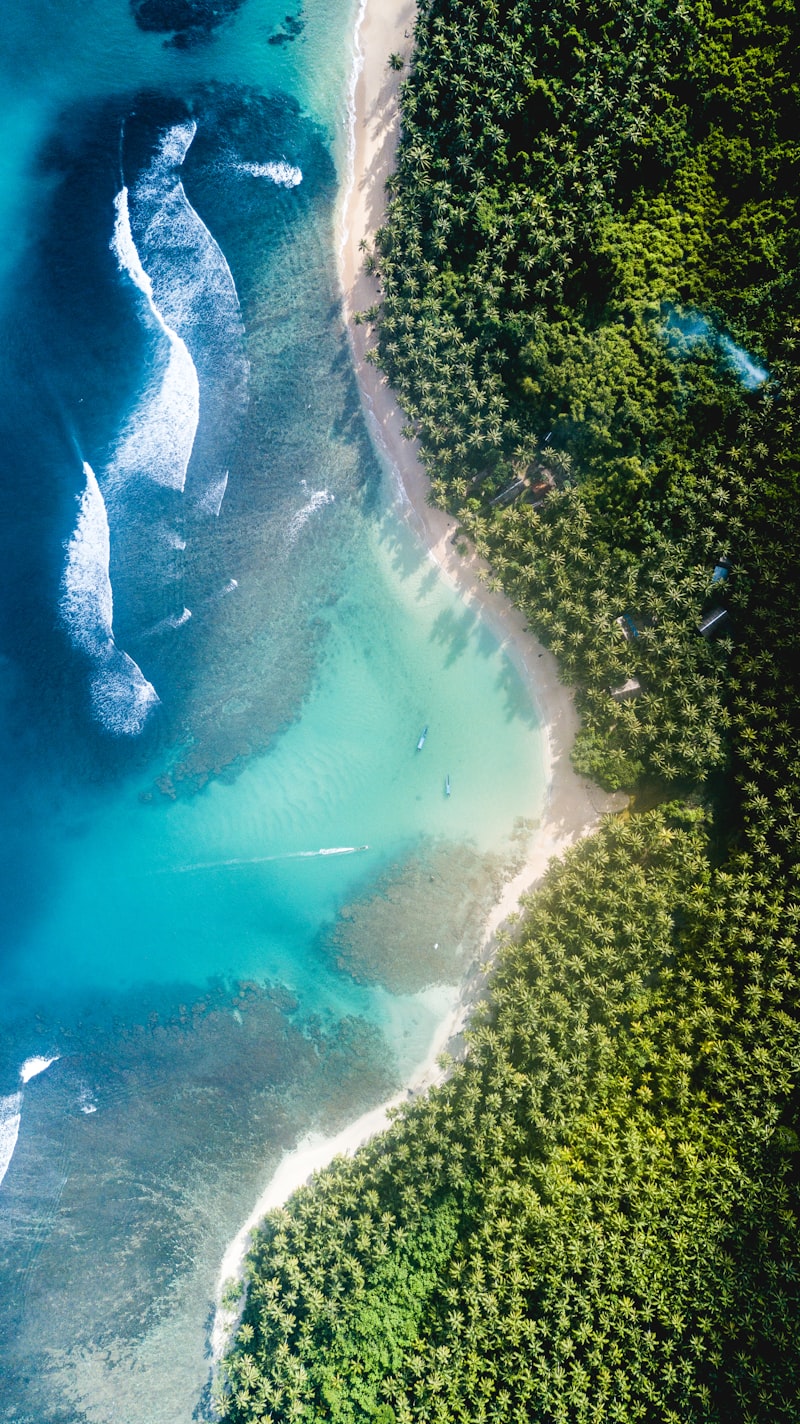
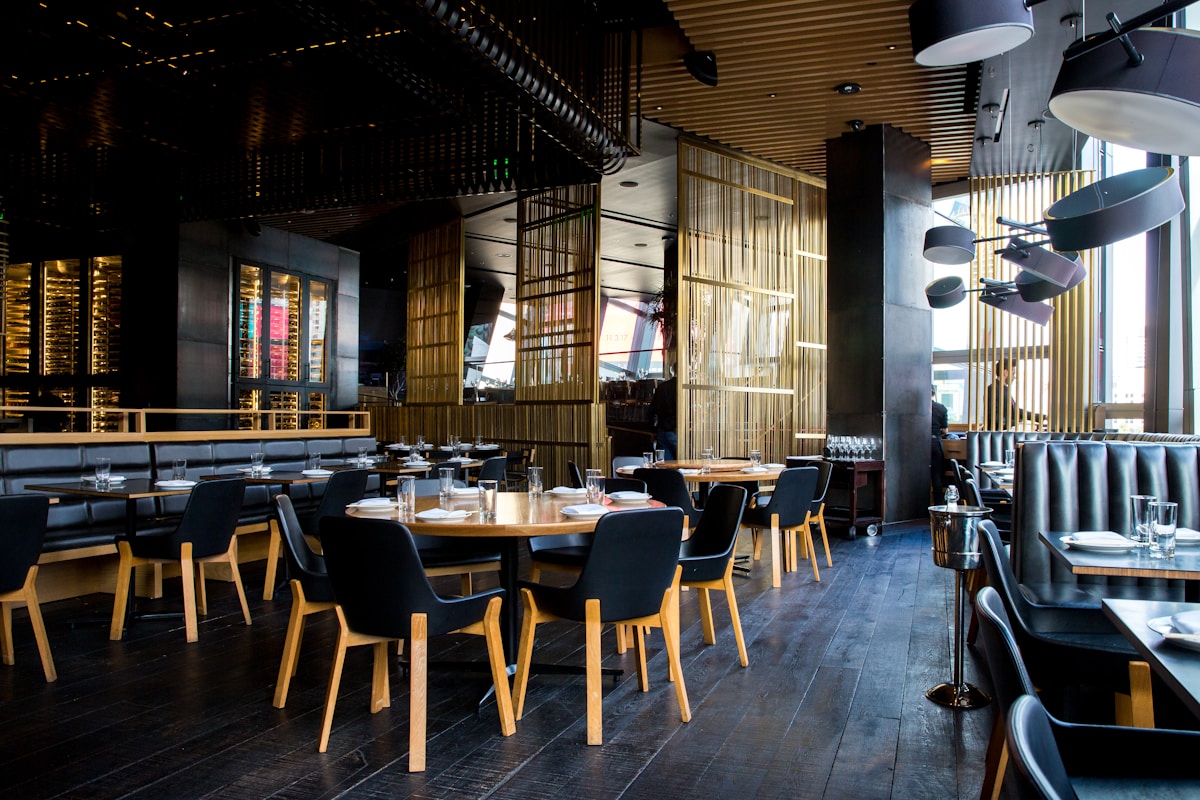
Los Cabos has quietly become one of Mexico's best farm-to-table destinations. Between Flora Farms' 25-acre organic compound, Acre's treehouse dining, Jazamango's indigenous ingredients, and a Saturday organic market that draws half of San Jose del Cabo, the food scene here goes far deeper than tourist-zone tacos and overpriced marina sushi.
Key Takeaways
- San Jose Organic Market: 30-40 vendors every Saturday, 9 AM-2 PM — best organic produce in Baja California Sur
- Flora Farms: 25-acre organic farm with restaurant, bar, spa, and shopping — dinner $60-$100/person
- Acre: treehouse dining on a working farm — Baja-Mediterranean cuisine with on-site organic produce
- Jazamango: Michelin-recognized restaurant in San Jose dedicated to indigenous Baja ingredients
- Farm-to-table dining is 30-50% less expensive than comparable experiences in California or Hawaii
Live Where the Food Is Grown
San Jose del Cabo's farm country is minutes from some of the most desirable residential communities in Los Cabos. Imagine Flora Farms as your neighborhood restaurant.
Explore San Jose PropertiesThe San Jose Organic Market: Saturday Morning Ritual
Every Saturday morning, I make the same drive into San Jose del Cabo's old town. By 9:15 AM the parking along Paseo de los Cabos is already full, and the market is humming with a mix of expats, locals, and tourists who have figured out that this is not just a market — it is the social center of the food community in Los Cabos.
The San Jose del Cabo Organic Market has operated every Saturday from 9 AM to 2 PM for over 15 years. It occupies a large open-air lot at the intersection of Paseo de los Cabos and Calle Centenario, with 30 to 40 vendors arranged in a U-shape around a central seating area where a local musician usually plays acoustic guitar. The vibe is Park City farmers market meets Mexican tianguis — straw hats, reusable bags, and dogs on leashes.
What to Buy at the Market
- Organic produce: Tomatoes, peppers, squash, leafy greens, herbs — all grown within 50 kilometers of the market. The cherry tomatoes in January taste better than anything you will find at a Whole Foods in July.
- Artisan bread: Baja Bread Co. has a stall with sourdough, multigrain, and olive loaves that sell out by 11 AM. Get there early.
- Local cheeses: Goat cheese from ranchos in the Sierra de la Laguna. The fresh chèvre with herbs is outstanding. Manchego-style aged cheese from the same producers is also worth buying.
- Fresh juices and smoothies: Multiple vendors press juice from local citrus, carrots, beets, and ginger. The green juice with nopal (prickly pear cactus) is a local specialty you will not find elsewhere.
- Prepared foods: Handmade tamales, fresh ceviche, empanadas, and wood-fired pizza by the slice. This is breakfast for half the market's visitors.
- Honey and preserves: Desert wildflower honey from Baja apiaries. The damiana honey — made from bees that pollinate the wild damiana plant native to Baja — has a floral, almost herbal flavor that is unique to this region.
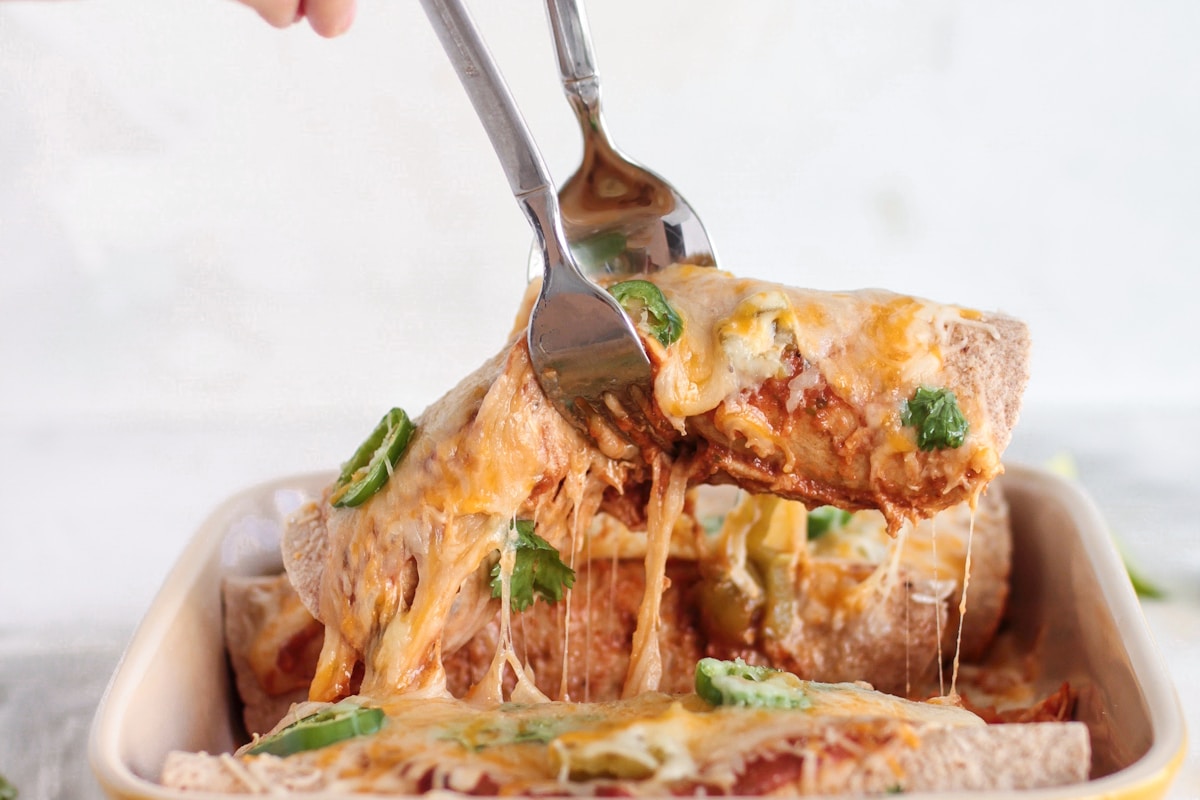
Pro tip for property owners: the market is a 5-minute drive from Fonatur and San Jose's central neighborhoods. When I tell prospective buyers that the Saturday market run is part of the weekly routine for people living in the Club Campestre area, it clicks — this is not a vacation activity, it is a lifestyle that comes standard with living in San Jose del Cabo.
Flora Farms: The Destination Restaurant That Changed Cabo's Food Scene
Flora Farms is the reason the international food press started paying attention to Los Cabos as a culinary destination. Built on 25 acres of formerly barren Baja farmland, it grows over 100 varieties of organic fruits, vegetables, and herbs that supply its on-site restaurant, Flora's Field Kitchen.
I have eaten at Flora Farms more times than any other restaurant in Baja, and it never feels routine. The menu changes with the seasons and whatever the farm is producing that week. In winter, it is roasted beets with local goat cheese and pepita pesto. In summer, heirloom tomato salads and grilled corn with chile-lime butter. The wood-fired pizzas — blistered, thin-crust, loaded with farm ingredients — are consistently the best pizza in Los Cabos and probably the best in Baja California.
Beyond Dinner at Flora Farms
The farm compound has expanded significantly over the years and now includes:
- Flora's Field Kitchen: The main restaurant. Open for lunch (noon-3 PM) and dinner (6-9 PM). Reservations essential, especially for dinner. Entrees $22-$45 USD.
- The Farm Bar: More casual cocktail and small plates spot adjacent to the restaurant. Farm-grown herb cocktails ($14-$18) are the draw. No reservations needed but seats fill quickly after 5 PM.
- The Farm Stand: On-site grocery selling farm produce, house-made sauces, jams, granola, and pantry staples. This is where locals stock up on organic basics.
- Farm Spa: Treatments using farm-grown botanicals. The farm massage with rosemary and lavender oil is excellent.
- Boutique shops: Curated clothing, home goods, and jewelry from Mexican artisans.
- Cooking classes: Seasonal cooking workshops using that morning's harvest. $75-$120 per person, 2-3 hours.
Acre: Treehouse Dining on a Working Farm
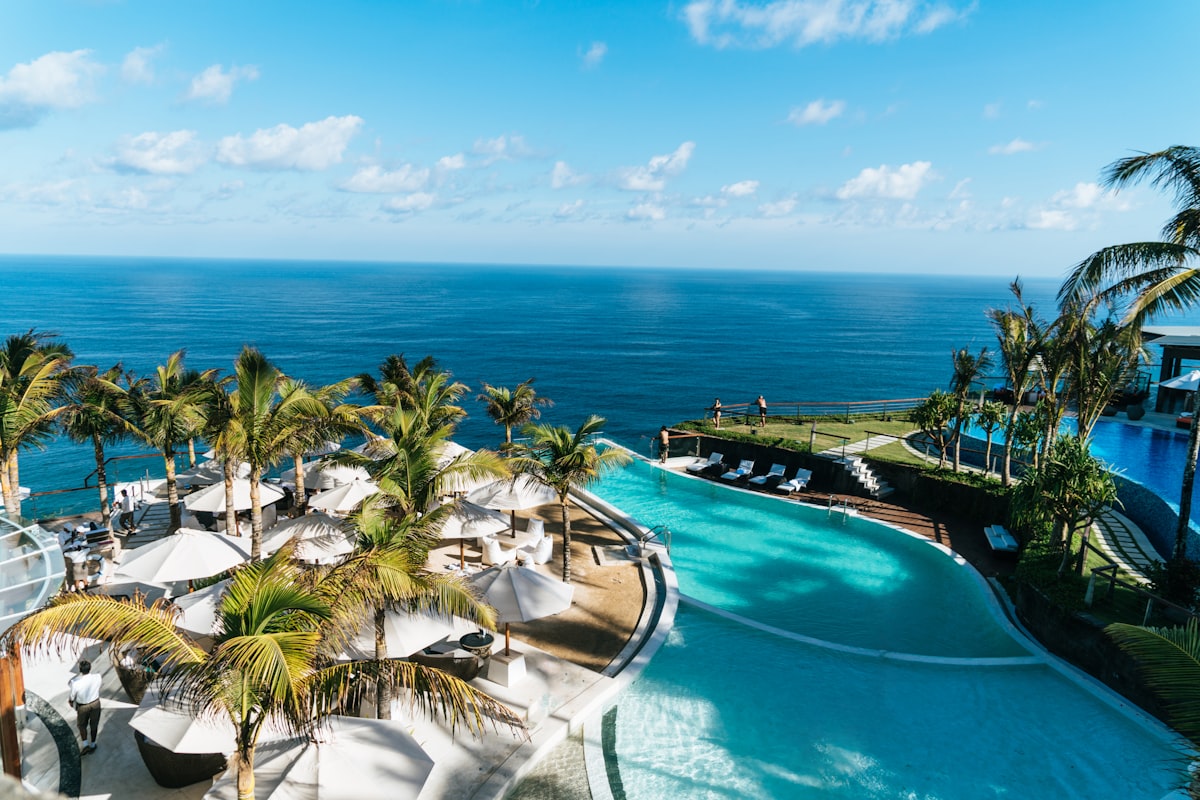
If Flora Farms is the polished, well-established grand dame of Cabo farm-to-table, Acre is the slightly wild younger sibling. The restaurant sits on elevated platforms built among towering mango, guava, and coconut trees on a working organic farm outside San Jose del Cabo. Dining here feels like eating in a treehouse — because you literally are.
The menu is Baja-Mediterranean: wood-fired octopus, handmade pasta with farm greens, catch-of-the-day ceviches, and cocktails made with mezcal, farm herbs, and house-made syrups. Dinner runs $50-$80 per person with drinks. The mezcal bar downstairs is worth a visit on its own — they carry 40+ mezcals from across Oaxaca, Durango, and Guerrero.
Acre also operates 12 luxury treehouses and safari-style tents for overnight stays ($300-$600 per night), making it one of the most unique boutique hotel experiences in Mexico. I have sent visiting friends here for a one-night splurge, and every single one has told me it was the highlight of their trip.
The Culinary Side of Cabo Real Estate
The farm-to-table corridor runs through San Jose del Cabo's residential heart. Communities like Querencia, Puerto Los Cabos, and Club Campestre put you minutes from these destination restaurants.
Book a Discovery CallJazamango: Indigenous Ingredients Elevated
Jazamango is Chef Alejandro Ruiz's restaurant in San Jose del Cabo's art district, and it represents the most intellectually ambitious cooking in Los Cabos. Ruiz, originally from Oaxaca, focuses on indigenous Baja and Mexican ingredients that most restaurants ignore — damiana, chaya (tree spinach), pitahaya (dragon fruit), and the chocolate clam native to the Sea of Cortez.
The menu reads like a love letter to the Baja Peninsula's biodiversity. A recent dinner included chocolate clams with salsa verde and quelites (wild greens), venison tartare with local chiltepín chile, and a dessert built around pitahaya sorbet with damiana cream. The ingredient sourcing is meticulous — Ruiz works directly with indigenous foragers, fishermen, and small-scale ranchos throughout Baja California Sur.
Dinner at Jazamango runs $45-$75 per person with cocktails. The location in the San Jose Art District means you can combine dinner with a gallery walk on Thursday evenings during the weekly Art Walk (November through June).

More Farm-to-Table Restaurants Worth Knowing
Huerta Los Tamarindos
Another farm-restaurant concept on the road between San Jose and the airport. Chef Enrique Silva grows produce on 5 acres and runs a lunch-focused restaurant with cooking classes. The cochinita pibil made with farm-raised pork and banana leaves from the property is one of the best versions I have eaten anywhere in Mexico. Less expensive and less crowded than Flora Farms — entrees $18-$30 USD.
La Lupita Taco & Mezcal (Todos Santos)
For a more casual farm-to-fork experience, La Lupita in Todos Santos sources ingredients from nearby farms in the El Pescadero agricultural valley. The tacos use handmade corn tortillas from locally milled nixtamal, and the mezcal selection is curated from small-batch Oaxacan producers. Dinner for two with mezcal flights runs $40-$60. The Pacific Side is developing its own food identity, and La Lupita is at the center of it.
Metate at Montage Los Cabos
For the luxury hotel version of Baja farm-to-table, Metate at Montage Los Cabos sources from the same network of local farms and incorporates traditional Baja preparation techniques — stone-ground (metate) salsas, wood-fired meats, handmade tortillas pressed tableside. It is the most expensive option on this list (entrees $35-$65 USD) but delivers a refined experience that bridges traditional Mexican cuisine with luxury resort dining.
For Residents: Building a Local Food Pantry
One of the things that surprised me about living in Baja is how easy it is to eat well using purely local ingredients. Between the Saturday market, the Flora Farms stand, the tienditas (small neighborhood shops) in San Jose's old town, and the seafood vendors at La Playita fishing village, you can stock a kitchen with ingredients that rival anything in a California farmers market at a fraction of the cost.
A typical Saturday market haul for a week of cooking runs 800-1,200 pesos ($45-$65 USD) and covers organic produce, fresh bread, local cheese, eggs, and seasonal fruit. Fresh fish from La Playita costs 150-250 pesos per kilo ($4-$7 per pound) for that morning's catch — yellowtail, dorado, snapper, or cabrilla depending on the season.
If you are considering expat life in Los Cabos, the food infrastructure is a major quality-of-life factor that does not get enough attention. The combination of Mexican culinary tradition, Baja-specific ingredients, a growing organic farming community, and world-class restaurants creates a food scene that continues to surprise me years into living here. For more on what daily life costs look like, read our cost of living guide.
Discover the San Jose Lifestyle
San Jose del Cabo offers the best food scene, art community, and walkable downtown in Los Cabos — plus real estate that delivers exceptional long-term value.
Get Our San Jose Area GuideThinking about buying here rather than just visiting? Our free 33-page Buying Property in Mexico guide covers the fideicomiso, closing costs in real dollars, and the 27-point checklist we run on every property.
Frequently Asked Questions
Where is the best farmers market in Los Cabos?+
The San Jose del Cabo Organic Market runs every Saturday morning from 9 AM to 2 PM at the intersection of Paseo de los Cabos and Calle Centenario. It features 30 to 40 vendors selling organic produce, artisan breads, local cheeses, handmade tortillas, fresh juices, and prepared foods. The market operates year-round and is the largest organic market in Baja California Sur. Arrive before 10 AM for the best selection.
What is Flora Farms in Cabo?+
Flora Farms is a 25-acre organic farm, restaurant, and shopping complex located in the foothills of the Sierra de la Laguna outside San Jose del Cabo. The farm grows over 100 varieties of fruits, vegetables, and herbs used in the on-site restaurant Flora's Field Kitchen, which serves lunch and dinner with a seasonal menu. The property also includes a bar (the Farm Bar), a grocery store (the Farm Stand), a spa, boutique shops, and event spaces. Reservations are essential, especially for dinner, and should be made 2 to 3 weeks in advance during peak season.
How much does dinner at Flora Farms cost?+
Dinner at Flora's Field Kitchen typically costs $60 to $100 USD per person with cocktails and wine. Entrees range from $22 to $45 USD, with wood-fired pizzas at the lower end and the catch of the day or lamb chops at the top. Craft cocktails using farm-grown herbs and fruits run $14 to $18 USD. The Farm Bar offers a more casual (and less expensive) option with smaller plates and drinks at $40 to $60 per person.
What is Acre restaurant in San Jose del Cabo?+
Acre is a treehouse restaurant and boutique hotel set on a working organic farm in the rural outskirts of San Jose del Cabo. The restaurant is built on elevated platforms among mango, guava, and coconut trees, creating a treehouse-like dining experience. The menu focuses on Baja-Mediterranean cuisine using produce grown on the property. Acre also features a mezcal bar, event spaces, and 12 luxury treehouses for overnight stays. Dinner reservations are strongly recommended.
Is there a farmers market in Cabo San Lucas?+
Cabo San Lucas has a smaller but growing market scene. The Cabo Market and the Mercado Gourmet in the Marina area offer artisan food products, though they are more tourist-oriented than the San Jose Organic Market. For the most authentic farmers market experience, make the 30-minute drive to San Jose del Cabo on Saturday mornings. In Todos Santos (60 minutes from Cabo), the Saturday morning market at the Cultural Center is also worth visiting.
What local ingredients define Cabo farm-to-table cuisine?+
Baja California Sur's farm-to-table cuisine draws from desert, mountain, and ocean. Key local ingredients include heirloom chiles (chiltepín, chilaca), Baja-grown citrus and dates from the oases, goat cheese from rancheros in the Sierra de la Laguna, Pacific-caught yellowtail and cabrilla, Gulf shrimp and chocolate clams (almejas chocolatas), farm-raised herbs (epazote, hierba santa), and prickly pear cactus (nopales). The chocolate clam is unique to the Sea of Cortez and appears on many high-end menus.

Aaron Cuha
Real Estate Advisor & Los Cabos Market Expert
Real estate advisor and founder of Living In Cabo. 15+ years helping families navigate complex real estate decisions. Strategic partner with Ronival — Baja's largest brokerage.