I didn't expect Los Cabos to have one of the best farm-to-table food scenes I've experienced anywhere — but after enough Saturday mornings wandering the San Jose Organic Market with a coffee in hand, I'm convinced it's one of the most underrated reasons to fall in love with this region.
Key Takeaways
- The San Jose Organic Market runs Saturdays, roughly November through June, in San Jose del Cabo's Art District
- Flora Farms is the anchor farm-to-table experience in the region — a working farm, restaurant, bakery, and store 10 minutes from downtown San Jose
- Todos Santos runs its own smaller, more local Saturday market on the Pacific side
- Local growing regions include the San Jose and Todos Santos valleys plus the Santiago and Miraflores oases
- Most markets and standout restaurants follow a seasonal schedule tied to tourism and rain patterns
Thinking About Life in Los Cabos?
If a slower, food-forward lifestyle is part of what's pulling you toward Los Cabos, let's talk about which community actually fits how you want to live — not just what's for sale.
Talk to Our Team1. The San Jose Organic Market — Saturday Mornings Done Right
Every Saturday from roughly 9am to 2pm during the season, the streets around San Jose del Cabo's Art District fill up with vendor stalls, live music, and a crowd that's part expat, part local, part tourist who wandered in from a nearby hotel. I make a point of getting there early — by 10am the good tamales are usually gone and the parking gets tight.
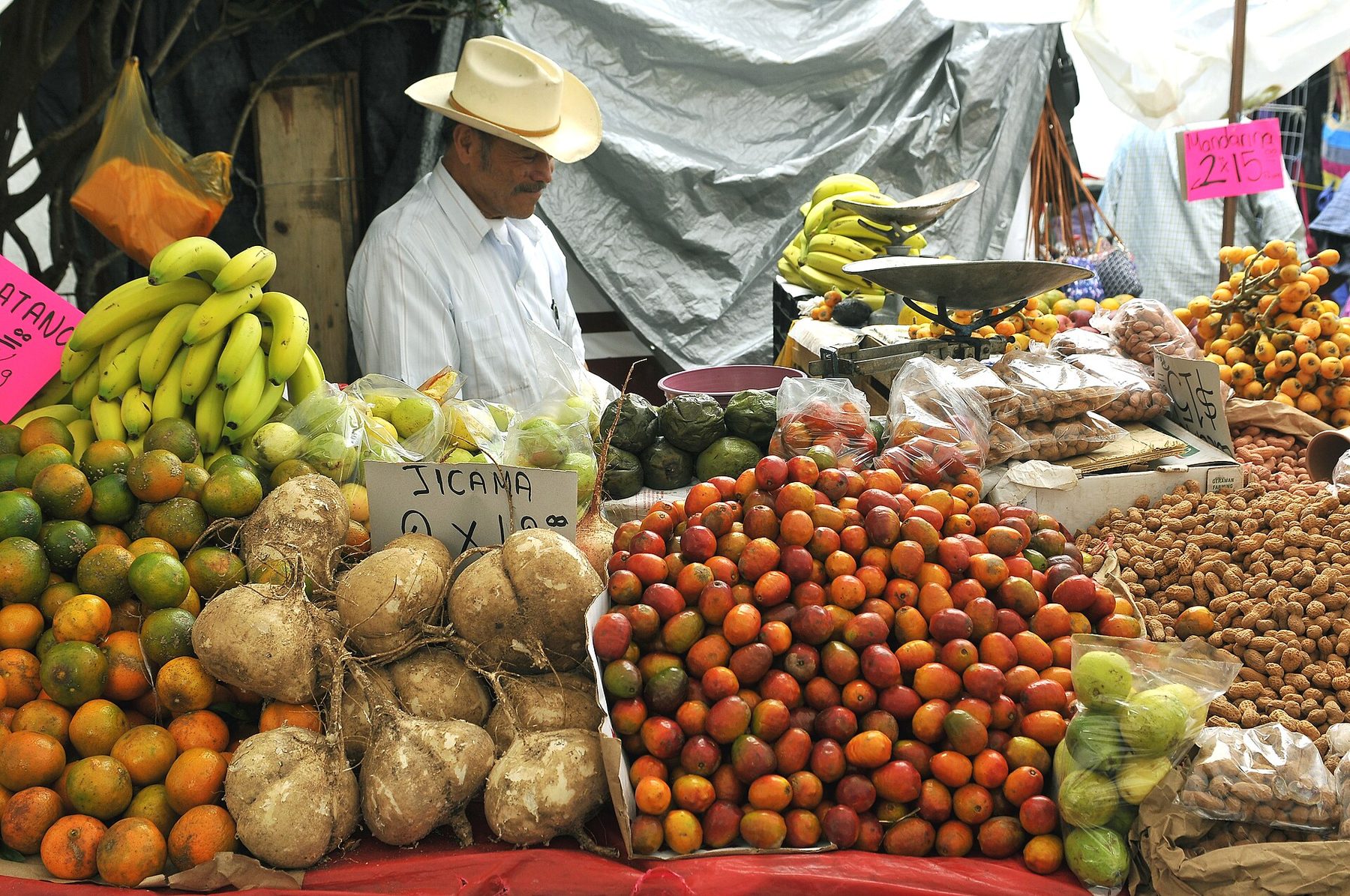
What you'll find: organic produce stalls stacked with mangoes, papayas, tomatoes, and whatever citrus is in season; prepared food from local cooks doing everything from birria tacos to fresh-pressed juice to wood-fired pizza; a rotating cast of artisans selling jewelry, textiles, and pottery; and a genuinely good live music lineup that ranges from acoustic guitar to a full local band.
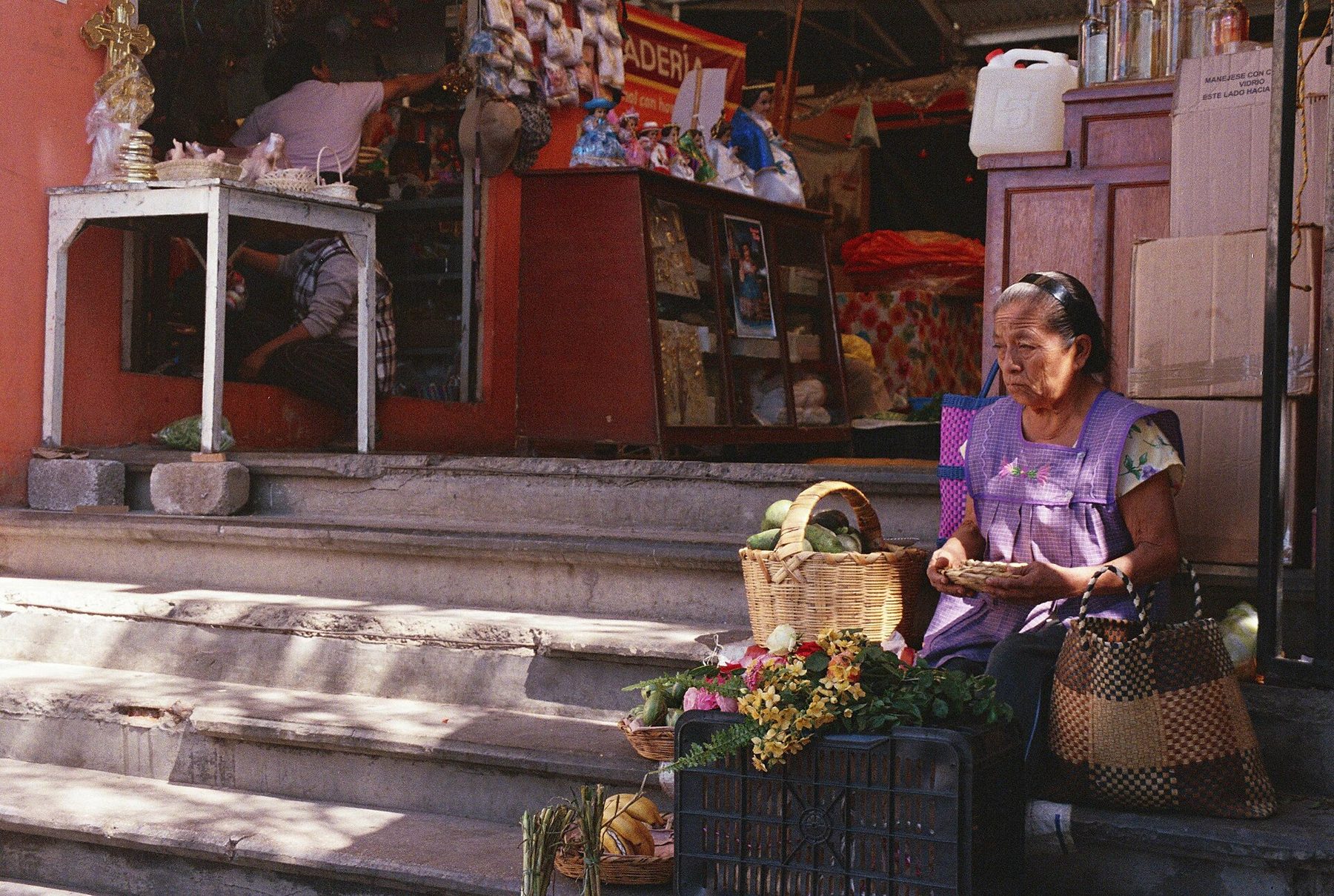
This isn't a tourist trap dressed up as a market — it's genuinely where a lot of San Jose del Cabo residents do their weekly shopping. If you want a real read on the community you're considering moving to, spend a Saturday morning here before you spend it at a resort pool.
2. Flora Farms — The Anchor Experience
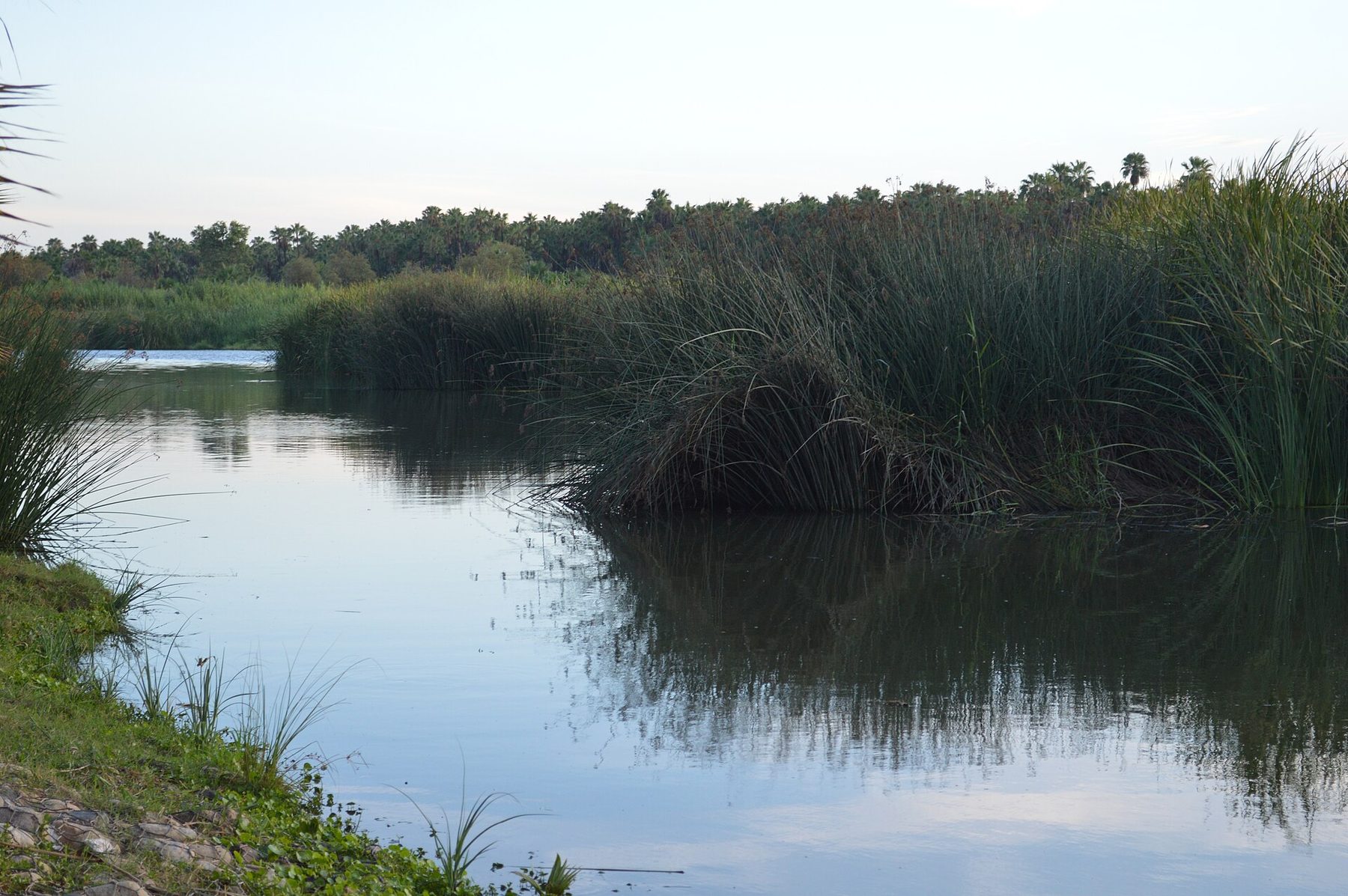
If you ask anyone who's spent real time in Los Cabos where to send a first-time visitor for a farm-to-table meal, Flora Farms comes up almost every time. It's a working organic farm in the hills above San Jose del Cabo, about 25-30 minutes from Cabo San Lucas and roughly 10 minutes from downtown San Jose, with an on-site restaurant, bakery, farm store, and event space built into the property.
I've had brunch there more times than I can count, and the thing that gets me every time is how much of what's on the plate was picked that morning — the herbs, the greens, often the eggs. The restaurant runs a market-driven menu that shifts with what the farm is producing, and the bakery's cinnamon rolls alone are worth the drive.
- Reservations: Strongly recommended for brunch and dinner, especially weekends during high season (November through April)
- Price range: Roughly $20-45 USD per person for a sit-down meal, not including drinks
- Farm store: Open separately for produce, baked goods, and pantry items if you just want to shop and go
- Location: Easily combined with a day trip through the San Jose del Cabo hills and Art District
Want a Local's Tour Before You Buy?
Book a call and we'll help you plan a trip that actually shows you how people live here — markets, farms, and neighborhoods included.
Book a Call3. Todos Santos — The Pacific Side's Bohemian Food Culture
Cross over to the Pacific side and the food scene shifts in character. Todos Santos has its own Saturday organic market — smaller, more local, with a slightly more bohemian crowd than San Jose del Cabo's, reflecting the town's long history as an arts colony. Vendors here lean into what the Todos Santos and El Pescadero valleys actually grow: mangoes, papayas, avocados, greens, and increasingly, coffee grown in the Sierra de la Laguna foothills inland.
The town itself is dense with farm-to-table restaurants that take the sourcing seriously rather than just using it as a marketing line. Between the surf culture in El Pescadero and the historic core of Todos Santos, this corridor has become a genuine food destination in its own right, separate from the resort-driven scene in Los Cabos proper.
4. Acre and the Broader San Jose del Cabo Farm-to-Table Scene
Beyond Flora Farms, Acre has built its own reputation on a similar model — a working restaurant embedded in a lush, jungle-like setting in the San Jose hills, with cocktails and a menu built around what's growing on the property and nearby farms. It's a different vibe than Flora Farms — more cocktail-bar-meets-jungle-lodge — but the sourcing philosophy is the same.
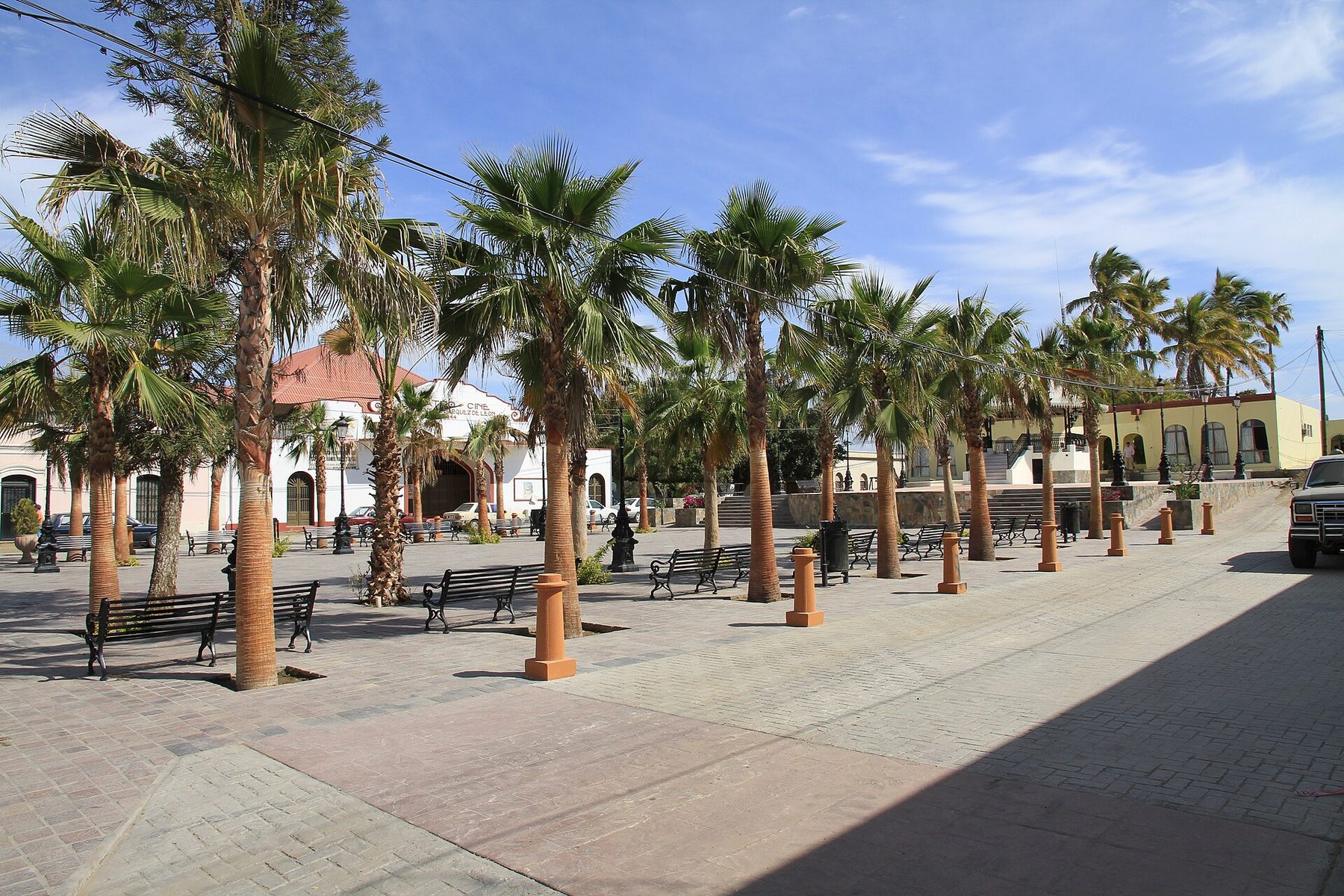
Downtown San Jose del Cabo, particularly around the Art District, has followed the same trajectory over the past several years: a wave of chef-driven restaurants sourcing from local farms and fishermen rather than trucking everything in. This is part of a broader shift I've watched play out across the region — restaurants competing on ingredient quality, not just ocean views.
- Acre — jungle-set restaurant and bar in the San Jose hills, farm-adjacent sourcing, strong cocktail program
- Art District restaurants (downtown San Jose) — a growing cluster of chef-driven spots leaning into local produce and seafood
- La Lonchería and similar taco/street-food spots — the everyday, budget-friendly side of the local food scene
5. The Fish Market at the Marina — Farm-to-Table's Ocean Counterpart
Farm-to-table in Los Cabos isn't only about produce. Down near Marina Cabo San Lucas, the fish market operates most mornings, selling the catch that sportfishing boats and local pangas bring in that same day — mahi-mahi, yellowtail, tuna, snapper, and whatever else the boats landed. I've watched charter captains hand off a client's catch to a market cleaning stall, then walk it two blocks to a restaurant willing to cook it to order the same afternoon.
Several restaurants around the marina and downtown Cabo San Lucas run this exact model on request — you bring in the fish, they cook it your way, and you're eating something that was in the ocean a few hours earlier. It's one of the more distinctly Cabo experiences available, and it pairs naturally with a morning at the market and an afternoon on the water. If boat life is part of what's drawing you here, this is where the food and water culture overlap most directly.

6. What's in Season — A Rough Calendar
Baja California Sur's dry climate and irrigation from underground aquifers support a longer growing window than most people expect. Here's roughly what to look for and when, based on what I've consistently seen at the markets:
| Season | What's Typically Fresh |
|---|---|
| Late fall / winter (Nov-Feb) | Citrus, tomatoes, greens, herbs, root vegetables |
| Spring (Mar-May) | Mangoes (early season), papayas, chiles, squash |
| Summer (Jun-Aug) | Peak mango season, melons, corn — though market hours often shrink |
| Fall (Sep-Oct) | Transition period; many markets pause or reduce hours during the rainy season |
If you're planning a scouting trip built around the food scene, aim for November through May — that's when both the San Jose Organic Market and the Todos Santos market run full schedules, and when most of the farm-to-table restaurants are at full staffing and menu depth.
7. What the Food Scene Tells You About a Community
I bring clients through the food scene early in their house-hunting process for a reason: it's one of the fastest ways to understand how a community actually functions day to day, separate from the marketing. A town that supports a weekly organic market and a cluster of serious farm-to-table restaurants has a different rhythm than one that's purely resort-driven.
- San Jose del Cabo's Art District and surrounding neighborhoods skew toward residents who value walkability, culture, and a slower pace
- Todos Santos and El Pescadero attract a more independent, arts-and-surf-oriented crowd on the Pacific side
- Areas closer to the Cabo San Lucas marina lean more tourist-and-nightlife-driven, with the food scene to match
None of these is objectively better — it depends on what kind of life you're trying to build. If you want more detail on how these areas differ day to day, our San Jose del Cabo community guide and Todos Santos guide go deeper on lifestyle and real estate specifics.
8. Practical Tips for Your First Farm-to-Table Weekend
- Bring cash. Most market vendors are cash-preferred even if some now accept cards — pesos, not dollars, get you better prices
- Go early. The best prepared food and produce sell out by mid-morning, especially in high season
- Book Flora Farms ahead. Walk-ins happen but reservations protect your table, especially for brunch
- Rent a car or arrange a driver if you want to combine the market, Flora Farms, and Acre in one day — rideshare coverage thins out in the hills
- Pair it with a community tour. If you're house hunting, ask your agent to build a market morning into your itinerary rather than treating it as a side trip
For more on planning a scouting trip around lifestyle rather than just listings, talk to our team about building a market visit around the food and community experiences that matter most to you.
9. Cooking at Home — Stocking a Kitchen the Local Way
Once you're living here rather than visiting, the markets stop being a novelty and start being how you actually shop. Most expats I know settle into a rhythm within a few months: Saturday market runs for produce and staples, a mid-week supermarket trip for anything packaged or imported, and occasional runs to specialty shops in San Jose del Cabo or Cabo San Lucas for harder-to-find ingredients.
A few things that surprised clients who've made this move with me: local produce is genuinely cheaper and often better than what you'd find in a US grocery store, but imported goods — specific cheeses, certain packaged foods, some wines — can cost more than back home due to import duties. Budgeting a mixed shopping strategy, rather than assuming everything will be either dramatically cheaper or dramatically more expensive, sets more realistic expectations.
- Produce and herbs: cheaper and fresher at markets than at supermarkets
- Seafood: exceptional and reasonably priced, especially bought directly near the marina
- Imported specialty goods: often pricier than in the US or Canada due to import costs
- Local coffee: increasingly good — small-batch roasters using beans grown in the Sierra de la Laguna have expanded noticeably over the past few years
10. Final Thoughts
People move to Los Cabos for the ocean, the weather, and the real estate math — but the food scene is what makes a lot of them stay in love with it. A region that can support a serious organic market, a working farm restaurant like Flora Farms, and a growing bench of chef-driven spots is a region with real community infrastructure, not just resort veneer.
If a lifestyle built around fresh, local food is part of what's drawing you to Los Cabos, let that guide where you look — not just the listing photos.
Find the Right Community for Your Lifestyle
Our team knows which neighborhoods actually deliver on the farm-to-table, walkable lifestyle — and which are all marketing. Let's find your fit.
Contact Us TodayCover photo: Estefanía Robles, CC BY-SA 4.0, via Wikimedia Commons
Thinking about buying here rather than just visiting? Our free 33-page Buying Property in Mexico guide covers the fideicomiso, closing costs in real dollars, and the 27-point checklist we run on every property.
Frequently Asked Questions
What is the best farmers market in Los Cabos?+
The San Jose Organic Market (Mercado Organico) in San Jose del Cabo's Art District is the best-known and best-run market in the region, open every Saturday from roughly 9am to 2pm November through June. It combines a produce market, prepared food stalls, and live music in a way that other markets in the area don't quite match. Todos Santos also runs a strong Saturday organic market, smaller and more local, with a slightly more bohemian crowd. Both are free to attend and cash-friendly, though several vendors now take cards.
Is Flora Farms worth the trip from Cabo San Lucas?+
Yes, and I say that as someone who has made the drive more times than I can count. Flora Farms sits in the hills above San Jose del Cabo, roughly 25-30 minutes from Cabo San Lucas and about 10 minutes from downtown San Jose. It is a working organic farm with an on-site restaurant, bakery, and farm store, and the produce on your plate was often picked that same morning. Reservations are recommended for brunch and dinner, especially on weekends during high season (November through April).
Are farmers markets in Los Cabos open year-round?+
Most run a seasonal schedule tied to tourism and produce cycles, typically active from late October or November through May or June, with reduced or suspended hours during the hottest, wettest months of July through October. The San Jose Organic Market and the Todos Santos market both follow this pattern. Some smaller municipal markets and tianguis (traveling markets) in San Jose del Cabo and Cabo San Lucas operate closer to year-round on a weekday rotation.
What local produce is grown in the Los Cabos region?+
The Todos Santos and San Jose del Cabo valleys, along with the Santiago and Miraflores oases inland, produce mangoes, papayas, citrus, tomatoes, basil, arugula, chiles, and a surprising amount of coffee grown in the Sierra de la Laguna foothills. Baja California Sur's dry climate and volcanic soil, combined with irrigation from underground aquifers, support small-scale organic farming that has expanded significantly over the past decade as demand from restaurants and residents has grown.
Do I need a car to visit the farm-to-table restaurants in Cabo?+
For most of the standout spots — Flora Farms, Acre, the San Jose Organic Market, and the farms around Todos Santos — yes, a car or a booked driver makes life much easier. Uber operates in San Jose del Cabo and Cabo San Lucas but coverage thins out once you're in the hills or heading toward Todos Santos. Many hotels and villa managers will arrange a driver for a farm-to-table day trip, which is what I'd recommend if you're not renting a car.
Are prices at Los Cabos farmers markets higher than in the US?+
Produce prices at the markets themselves are typically lower than US supermarket prices — mangoes, tomatoes, and herbs often run a fraction of what you'd pay at home. Prepared food and restaurant meals at farm-to-table spots like Flora Farms or Acre are priced closer to US casual-to-upscale dining, generally $15-45 USD per person depending on the meal, because you're paying for the experience and imported wine list as much as the ingredients.
Can I buy land near the farm-to-table communities in Los Cabos?+
Yes. The area around San Jose del Cabo's Art District and the corridor toward Flora Farms sits within easy reach of communities like La Playita and the broader San Jose del Cabo market, while Todos Santos and El Pescadero on the Pacific side have their own growing real estate markets built partly around this same food and arts culture. If access to this lifestyle is a priority in your search, tell your agent that upfront — it narrows the map considerably.

Aaron Cuha
Real Estate Advisor & Los Cabos Market Expert
Real estate advisor and founder of Living In Cabo. 15+ years helping families navigate complex real estate decisions. Strategic partner with Ronival — Baja's largest brokerage.