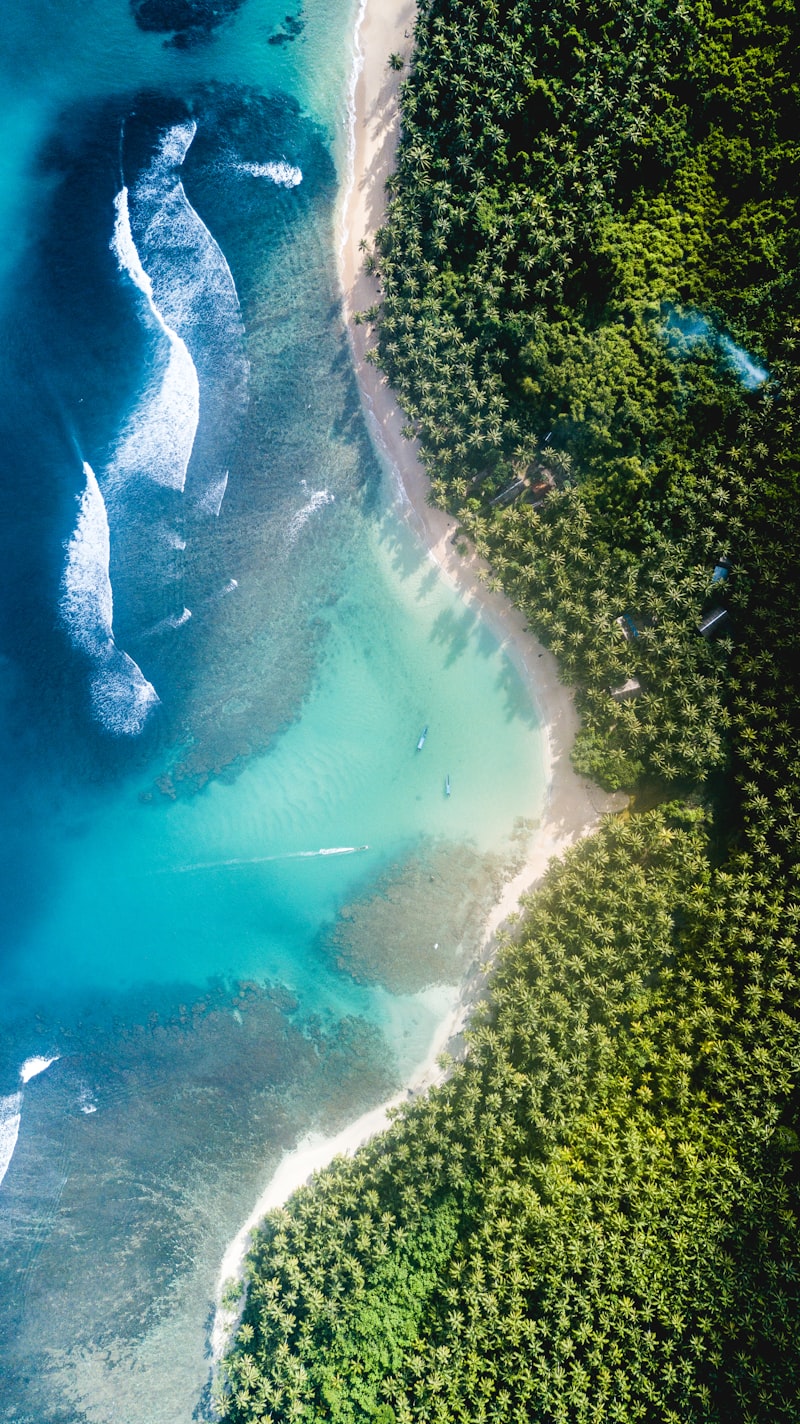
Los Cabos sits where the Pacific Ocean meets the Sea of Cortez, creating one of the most biodiverse marine environments on Earth. Jacques Cousteau called this body of water "the world's aquarium."
Key Takeaways
- ✓ Cabo Pulmo National Marine Park has seen a 460% increase in marine biomass since 1995 -- one of the world's greatest conservation success stories
- ✓ Two-tank boat dives cost 100-200 USD; snorkeling tours run 50-80 USD per person
- ✓ Best diving conditions: July through November (80-86 F water, 60-100 ft visibility)
- ✓ Whale sharks (Oct-Mar), humpback whales (Dec-Mar), and hammerheads (Jun-Nov) are seasonal highlights
- ✓ Chileno Bay and Santa Maria Bay offer world-class snorkeling right from the beach -- no boat needed
Own Your Own Oceanfront in Los Cabos
Live minutes from world-class diving and snorkeling. Explore beachfront homes and condos in Cabo's best marine communities.
Explore Oceanfront Properties1. The Sea of Cortez: The World's Aquarium
The Sea of Cortez (also called the Gulf of California) is one of the most biologically diverse bodies of water on the planet. It is home to over 900 species of fish, 32 species of marine mammals, and 5 of the world's 7 sea turtle species. In 2005, UNESCO designated the Islands and Protected Areas of the Gulf of California as a World Heritage Site, calling it "one of the most outstanding examples of virtually undisturbed marine and coastal processes in the world."
Los Cabos sits at the southern tip of the Baja California Peninsula, at the exact point where the Pacific Ocean meets the Sea of Cortez. This convergence zone creates extraordinary conditions: nutrient-rich cold water from the Pacific upwells into the warmer Sea of Cortez, supporting a food chain that ranges from microscopic plankton to 40-ton humpback whales.
For divers and snorkelers, this means one thing: there is always something spectacular in the water, every month of the year.
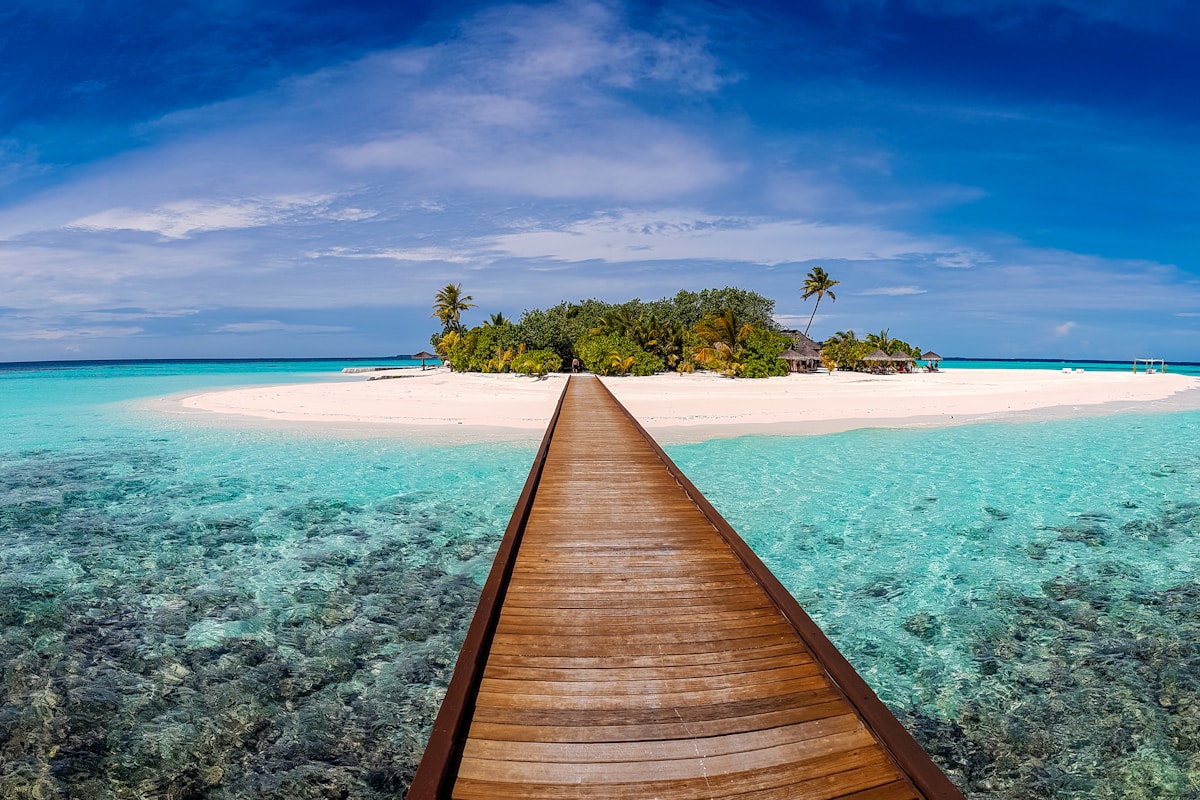
2. Top Dive Sites in Los Cabos
Los Cabos offers dive sites ranging from shallow reef snorkels to advanced deep-water pinnacles. Here are the destinations every diver should know.
Cabo Pulmo National Marine Park
Cabo Pulmo is the crown jewel. Located about 60 miles northeast of Cabo San Lucas in the East Cape region, this 17,571-acre national park protects the only living hard coral reef in the Sea of Cortez -- and one of only three living reefs on the west coast of North America.
In 1995, the local fishing community of Cabo Pulmo voluntarily stopped fishing and petitioned the Mexican government to designate the reef as a national park. The results have been staggering: a peer-reviewed study published in the journal PLoS ONE documented a 460 percent increase in marine biomass between 1999 and 2009. Schools of thousands of jacks, snappers, and groupers now swirl around the reef in formations that rival anything in the Caribbean or Indo-Pacific.
Key dive sites within the park include:
- El Vencedor: A shallow reef (30-60 ft) with massive schools of bigeye jacks that form into swirling bait balls
- El Bajo: A seamount where bull sharks, hammerheads, and whale sharks are regularly spotted
- La Esperanza: Pristine hard coral formations with moray eels, lobsters, and octopus
- Los Morros: Rocky pinnacles with large groupers and sea fans at 40-80 feet
Diving Cabo Pulmo typically costs 180 to 250 USD per person for a two-tank dive from a local operator in the village. Day trips from Cabo San Lucas add transportation costs and run 250 to 350 USD all-in.
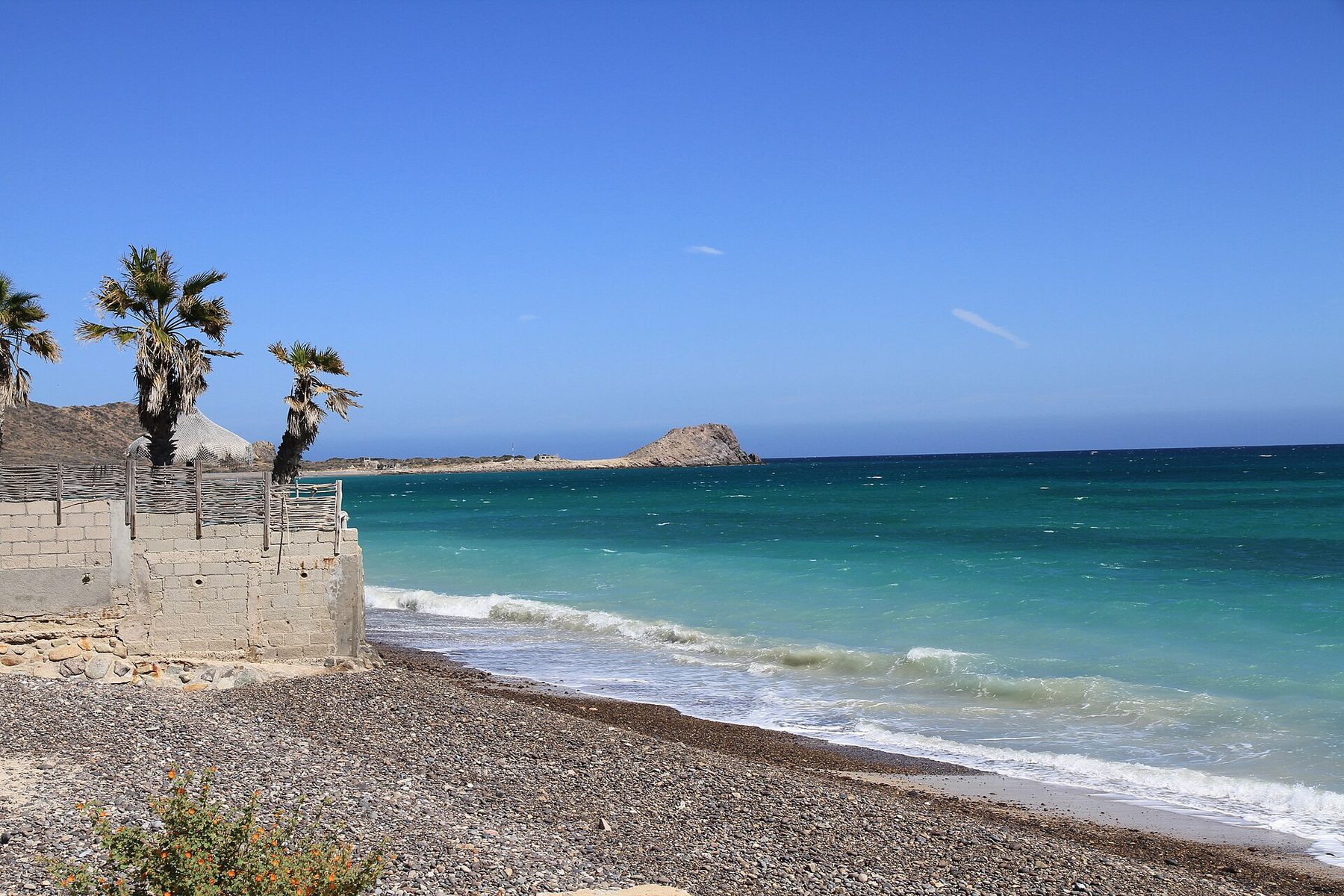
Gordo Banks
Gordo Banks is a pair of underwater seamounts rising from the deep ocean floor to within 110 feet of the surface, located about 8 miles offshore from San Jose del Cabo. The seamounts act as a magnet for pelagic (open-ocean) species.
This is an advanced dive site -- depths of 80 to 130 feet, open ocean conditions, and occasional strong currents. But the payoff is massive: hammerhead sharks (schools of 20-50 during summer months), whale sharks, manta rays, and marlin. Gordo Banks is widely considered one of the best big-animal dive sites in the Eastern Pacific.
Two-tank dives to Gordo Banks run 150 to 200 USD and depart from San Jose del Cabo's harbor. Only experienced divers with deep-water certification should attempt this site.
Land's End and Pelican Rock
Land's End is the dramatic rock formation at the very tip of the Baja Peninsula, where the Arch (El Arco) marks the dividing line between the Pacific Ocean and the Sea of Cortez. The Sea of Cortez side offers several excellent dive sites:
- Pelican Rock: A sloping reef from 15 to 80 feet, covered in sea fans and home to moray eels, pufferfish, and schools of tropical fish. This is Cabo's most accessible boat dive and a reliable site for beginners.
- Neptune's Finger: A towering rock pinnacle that rises from 90 feet to within 20 feet of the surface. Sea lions play around the base while schooling fish swirl above.
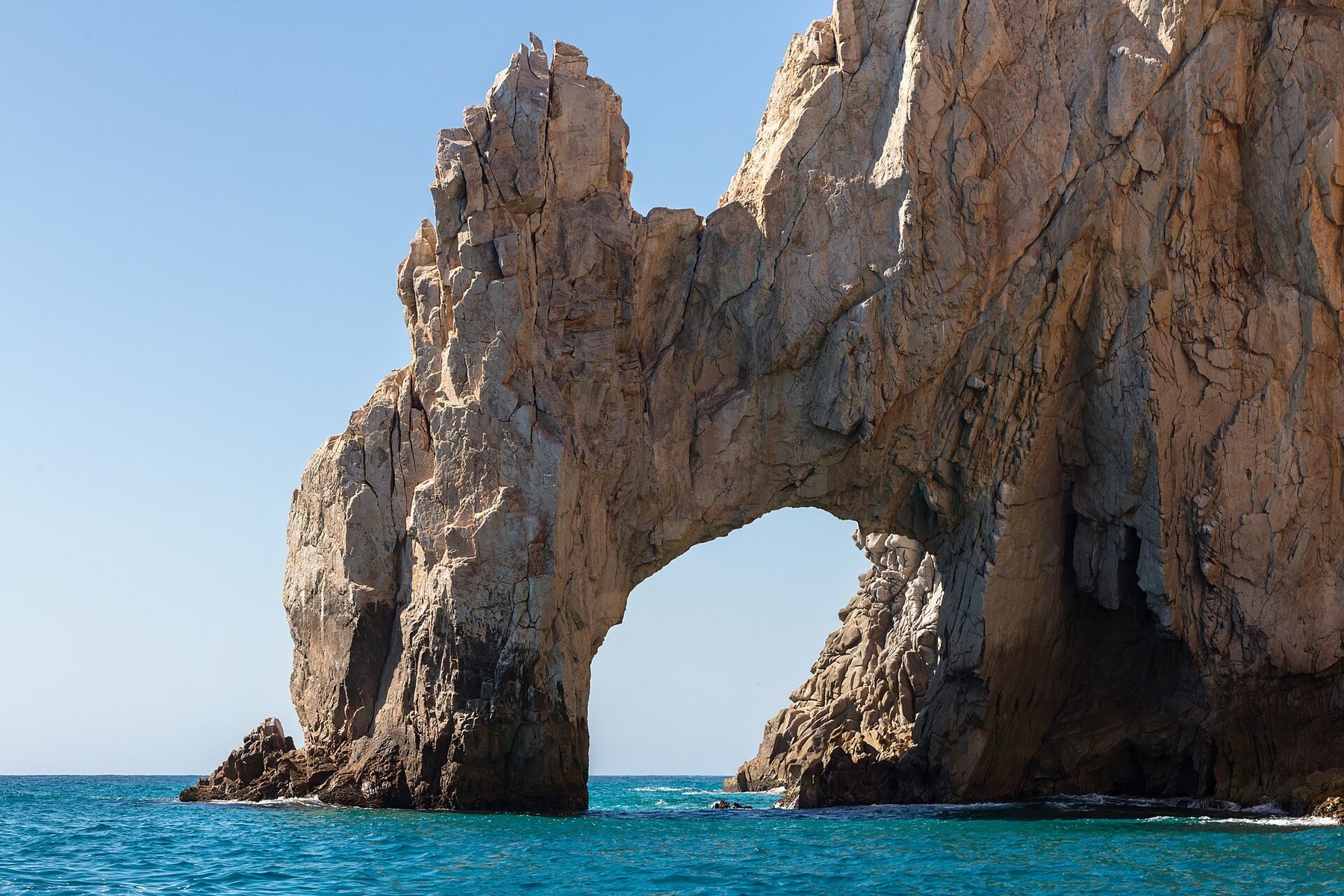
The Sand Falls
One of the most surreal dive sites in the world. Near Land's End, streams of sand pour over the edge of a submarine canyon in what looks exactly like an underwater waterfall. The sand cascades more than 100 feet into the deep blue abyss below. Jacques Cousteau filmed this phenomenon during his 1973 expedition aboard the Calypso.
This is an advanced dive at 80 to 110 feet with potentially strong currents. Visibility is usually excellent (80-100 feet), and the visual effect of watching sand "fall" off a cliff edge underwater is genuinely otherworldly. Most dive operators offer this as a deep specialty dive for certified advanced open water divers.
Chileno Bay Reef
Located in the Tourist Corridor between Cabo San Lucas and San Jose del Cabo, Chileno Bay has a protected reef system that starts at just 10 feet and drops to 50 feet. It is one of the few sites in Los Cabos where you can do a shore dive -- no boat required. The bay is sheltered from prevailing winds and currents, making it reliably calm.
Divers encounter sea turtles, eagle rays, and dense schools of tropical fish. For shore-entry diving, this is arguably the best site in Los Cabos.
Santa Maria Bay
Another protected cove in the Corridor, Santa Maria Bay is a horseshoe-shaped beach flanked by rocky headlands. The underwater terrain features boulder fields and coral patches at 10 to 40 feet. Marine life is abundant: angelfish, parrotfish, damselfish, juvenile rays, and occasional octopus. Like Chileno Bay, this is a shore-entry site ideal for both diving and snorkeling.
3. Best Snorkeling Spots
You do not need a scuba certification to experience the marine life of Los Cabos. Several world-class snorkeling sites are accessible right from the beach.
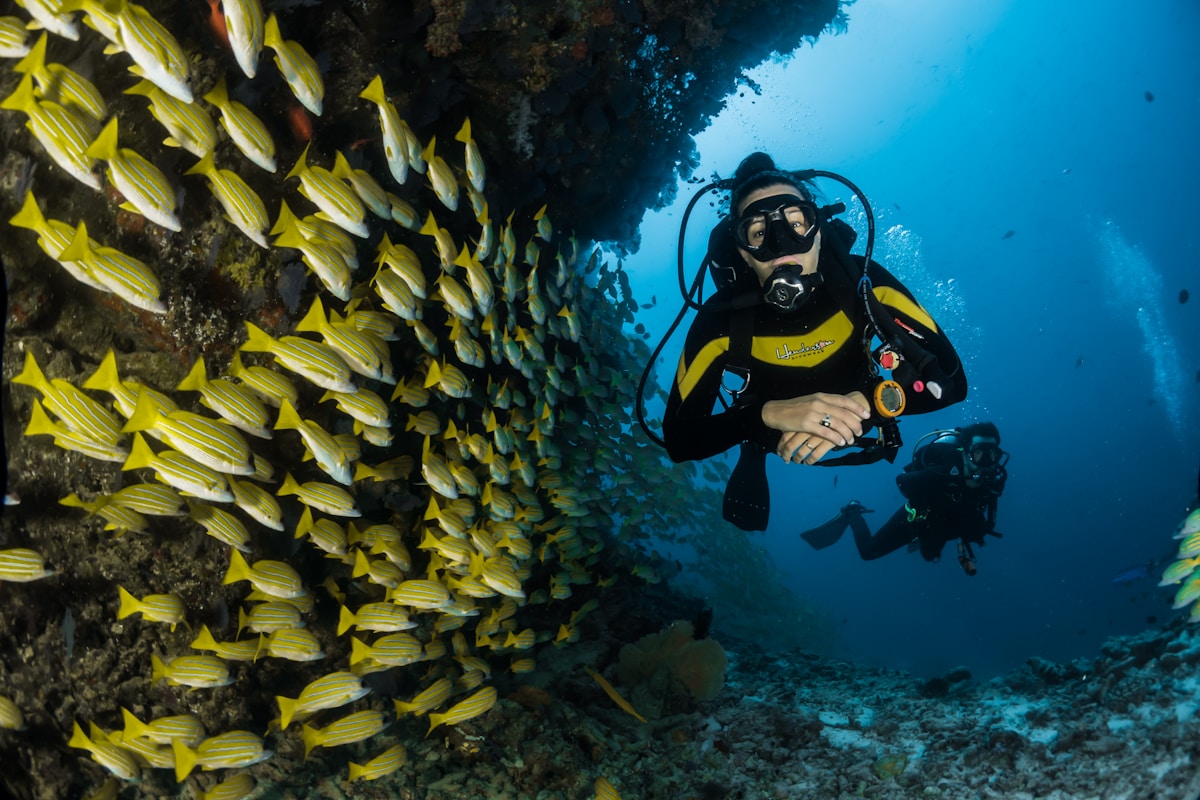
Chileno Bay (Shore Access)
The number-one snorkeling spot in Los Cabos. The bay is a protected marine area with crystal-clear water, a sandy bottom that transitions to rocky reef, and fish that are completely habituated to snorkelers. Water depth near the rocks ranges from 5 to 20 feet -- perfect for first-timers. You will see sergeant majors, king angelfish, Moorish idols, pufferfish, and often sea turtles. Access is free; parking is available at the beach.
Santa Maria Bay (Shore Access)
Santa Maria is Chileno's quieter cousin, located just a few minutes further along the Corridor. The snorkeling is equally good, with the added bonus of less crowding. Rock formations on both sides of the bay create sheltered pockets where fish congregate. Bring your own gear -- rental stands are not always present.
Pelican Rock (Boat Access)
Water taxis from Medano Beach in Cabo San Lucas reach Pelican Rock in about 10 minutes (10 USD round trip). The shallow areas around the rock formation are snorkel-friendly with depths of 10 to 25 feet. Expect to see large schools of sergeant majors, needlefish, and the resident colony of sea lions that regularly swim alongside snorkelers.
Lover's Beach (Boat Access)
Accessible only by water taxi from Medano Beach, Lover's Beach sits on the Sea of Cortez side of Land's End. The snorkeling is decent near the rock formations, with small reef fish and the occasional ray. The real draw is the scenery -- snorkeling with the Arch looming above you is a bucket-list experience. Stay on the Sea of Cortez side; the Pacific side (Divorce Beach) has dangerous currents.
Live Steps From the Water
Explore beachfront properties in Chileno Bay, the Corridor, and East Cape -- where the reef is your backyard.
Book a Free Property Consultation4. Marine Life by Season
One of the best things about Los Cabos diving is that there is no true "off-season." Every month brings different species to the waters. Here is what to expect throughout the year:
| Season | Water Temp | Visibility | Key Marine Life |
|---|---|---|---|
| Jan-Mar | 68-74 F | 40-80 ft | Humpback whales, gray whales, whale sharks, mobula rays, sea lions |
| Apr-Jun | 72-80 F | 50-80 ft | Manta rays, hammerhead sharks (begin arriving), sea turtles nesting, mobula rays |
| Jul-Sep | 80-86 F | 60-100 ft | Hammerhead sharks, manta rays, dolphin pods, marlin, sailfish, dorado |
| Oct-Dec | 76-82 F | 60-100 ft | Whale sharks, humpback whales (begin arriving), bull sharks, sea lions, hammerheads |
The sweet spot for overall diving conditions is July through November: warm water, peak visibility, and the greatest species diversity. But if your priority is whale encounters, plan for December through March. And if you want the rare experience of swimming with whale sharks -- the world's largest fish -- October through March is your window.
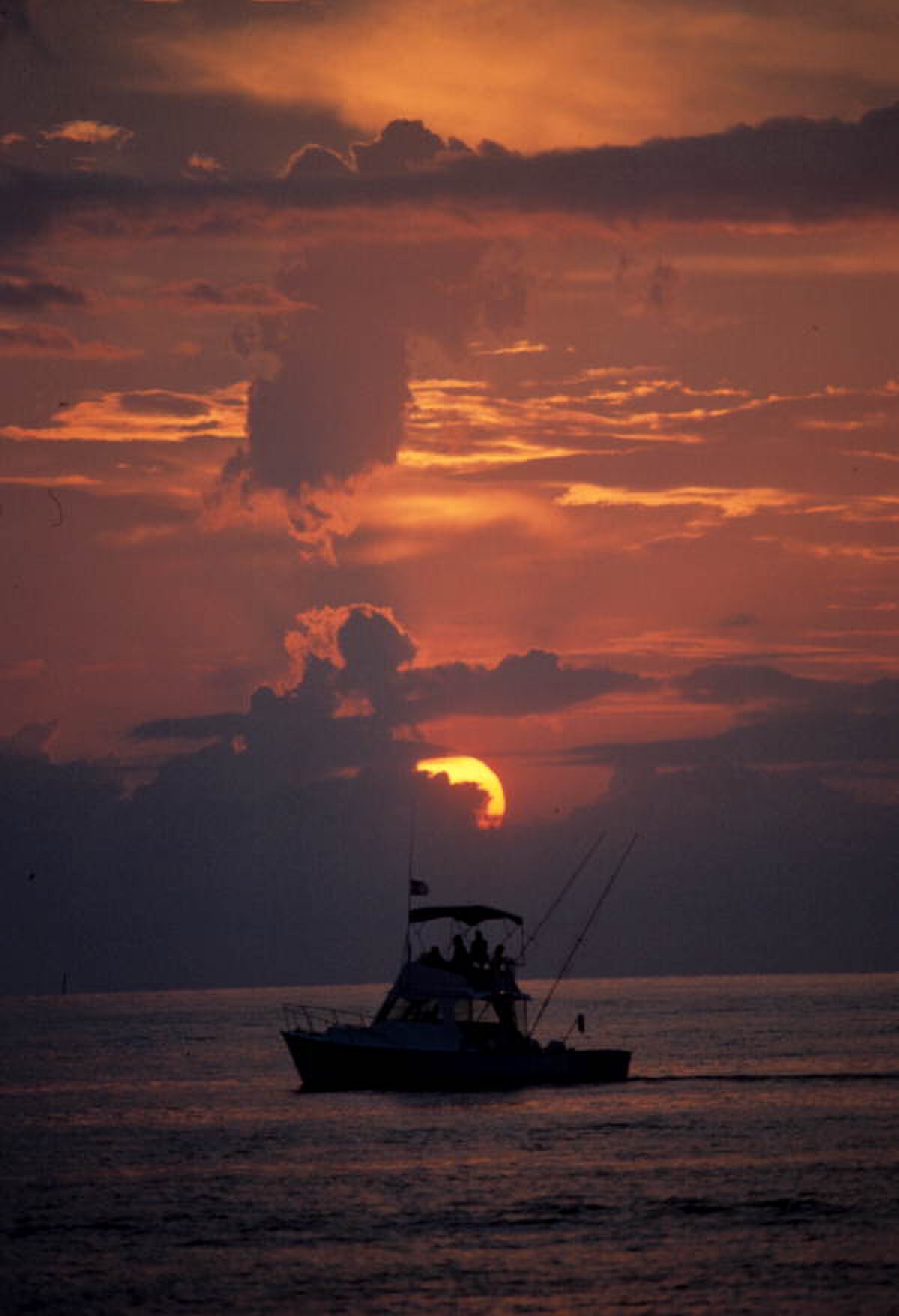
5. Cabo Pulmo: A Conservation Success Story
The story of Cabo Pulmo deserves special attention because it represents one of the most remarkable marine conservation achievements anywhere in the world.
For generations, the tiny fishing village of Cabo Pulmo depended on the surrounding reef for its livelihood. By the early 1990s, overfishing had depleted fish stocks to critical levels. In 1995, the community made a radical choice: they stopped fishing entirely and lobbied the Mexican government to designate the reef as a national marine park.
The results exceeded every prediction. Between 1999 and 2009, fish biomass in the park increased by 460 percent -- a rate of recovery that scientists described as "unprecedented." Large predator species -- bull sharks, groupers, and jacks -- returned in numbers not seen in decades. Today, Cabo Pulmo contains an estimated 5 tons of fish per hectare, compared to a global average of about 1 ton per hectare for healthy reefs.
The community transitioned from fishing to eco-tourism. Local dive operators, all staffed by former fishermen and their families, now generate more revenue from sustainable tourism than the village ever earned from fishing. It is a model that marine conservation groups around the world point to as proof that reef recovery is possible when communities lead the effort.
6. Dive Operators and Costs
Los Cabos has dozens of dive operators ranging from budget outfits to premium full-service shops. Here is what to expect in terms of pricing:
- Two-tank boat dive (local sites): 100 to 200 USD per person, equipment included
- Two-tank boat dive (Cabo Pulmo from CSL): 250 to 350 USD per person, full day
- Snorkeling boat tour (2-3 hours): 50 to 80 USD per person
- Discover Scuba Diving (non-certified intro): 150 to 200 USD per person
- PADI Open Water certification (3-4 days): 400 to 600 USD
- Equipment rental (full set): 30 to 50 USD per day
- Water taxi to Pelican Rock/Lover's Beach: 10 to 15 USD round trip
When choosing an operator, look for:
- PADI 5-Star or SSI Diamond Center rating
- Small group sizes (6-8 divers maximum per guide)
- Well-maintained equipment with recent inspection stickers
- DAN (Divers Alert Network) insurance coverage and emergency oxygen on the boat
- Bilingual dive guides with local knowledge
The closest hyperbaric chamber is in Cabo San Lucas, operated by the Divers Alert Network in partnership with local medical facilities. DAN insurance (about 40 USD per year) is strongly recommended for any diver visiting Los Cabos.
7. Night Diving and Freediving
Beyond standard daytime diving, Los Cabos offers two increasingly popular alternatives.
Night Diving
Night dives at Pelican Rock and Chileno Bay reveal a completely different underwater world. Nocturnal species emerge: octopus hunting across the reef, sleeping parrotfish in their mucus cocoons, bioluminescent plankton trailing behind your fins, and hunting moray eels. Night dives typically cost 20 to 40 USD more than daytime dives and require Advanced Open Water certification or equivalent experience.
Freediving
Freediving (diving on a single breath, no tanks) has exploded in popularity in Los Cabos over the past five years. The calm, warm waters of the Sea of Cortez are ideal training grounds. Several operators now offer AIDA-certified freediving courses ranging from introductory (1 day, 150 to 200 USD) to instructor level. The clear visibility at sites like Chileno Bay makes it possible to freedive to 40-60 feet with excellent reef views.
8. Getting Certified in Los Cabos
If you are not yet a certified diver, Los Cabos is one of the best places in the world to learn. Warm water, excellent visibility, calm protected bays for training, and immediate access to world-class dive sites once certified -- it checks every box.
Here is what is available:
- Discover Scuba Diving (1 day): A taste of scuba with pool training and one supervised ocean dive to 40 feet. No certification issued, but it lets you decide if diving is for you. Cost: 150 to 200 USD.
- PADI Open Water (3-4 days): The full entry-level certification. Includes classroom knowledge development, confined water skills, and 4 open water dives. Valid for life and recognized worldwide. Cost: 400 to 600 USD.
- Advanced Open Water (2-3 days): Builds on Open Water with 5 specialty dives including deep diving and underwater navigation. Opens up sites like Gordo Banks and the Sand Falls. Cost: 350 to 500 USD.
- Rescue Diver (3-4 days): Focuses on problem prevention and emergency management. A prerequisite for the Divemaster course. Cost: 400 to 550 USD.
Many property buyers take advantage of their house-hunting trips to knock out a certification. Four days of diving while scouting Chileno Bay or Costa Palmas properties is a solid way to spend a week.
9. Practical Tips for Snorkelers and Divers
Whether you are a first-time snorkeler or an experienced diver, these tips will help you get the most out of the water in Los Cabos:
- Bring your own mask and snorkel. Rental equipment is fine for fins, but a properly fitting mask is the difference between a great experience and a frustrating one. A 30 to 50 USD investment in your own mask pays for itself in one trip.
- Wear reef-safe sunscreen. Mexico has banned non-biodegradable sunscreens in marine parks and many beaches. Look for mineral-based formulas with zinc oxide or titanium dioxide. Chemical sunscreens with oxybenzone and octinoxate damage coral.
- Go early. Marine life is most active in the morning. Wind and waves typically pick up after noon, reducing visibility. The best snorkeling at Chileno and Santa Maria bays is before 10 AM.
- Respect the marine life. Do not touch, chase, or stand on coral. Keep a respectful distance from sea turtles and sea lions. Marine park regulations carry fines of up to 50,000 pesos (approximately 3,000 USD) for harassing wildlife.
- Check conditions. Swell from Pacific storms can make normally calm bays choppy, especially September through November. Ask your hotel concierge or dive operator about current conditions before heading out.
10. Why Marine Access Matters for Property Buyers
If you are considering buying property in Los Cabos, proximity to the water is not just a lifestyle perk -- it is a value driver. Properties near the best marine areas command premium prices and stronger rental demand. Consider the real estate implications by community:
- Chileno Bay: Home to the Chileno Bay Resort and some of the Corridor's most exclusive homesites. Snorkeling is literally steps from your door.
- Cabo Pulmo / East Cape: The most affordable beachfront in Los Cabos, with the best diving. Early buyers here are positioning for long-term appreciation as the region develops.
- Costa Palmas: An ultra-luxury East Cape community with private beach, marina, and easy access to Cabo Pulmo. The Four Seasons and Aman resorts anchor this development.
- Cabo San Lucas: Marina-adjacent properties offer quick boat access to Pelican Rock, Land's End, and the Sand Falls.
For detailed guides to each of these communities, visit our community pages. And for insight into the buying process, our guide to buying property in Mexico covers everything from fideicomiso trusts to closing costs.
Ready to Make Los Cabos Home?
From Chileno Bay to the East Cape, we will help you find a property that puts you minutes from the world's best diving and snorkeling.
Start Your Property SearchThinking about buying here rather than just visiting? Our free 33-page Buying Property in Mexico guide covers the fideicomiso, closing costs in real dollars, and the 27-point checklist we run on every property.
Frequently Asked Questions
How much does scuba diving cost in Los Cabos?+
A two-tank boat dive in Los Cabos costs 100 to 200 USD per person, depending on the operator and dive site. Cabo Pulmo trips run 180 to 250 USD because of the longer boat ride. Equipment rental adds 30 to 50 USD if you do not bring your own. Introductory Discover Scuba courses for non-certified divers cost 150 to 200 USD.
What is the best time of year to dive in Cabo?+
The best diving conditions in Los Cabos are from July through November, when water temperatures reach 80 to 86 degrees Fahrenheit and visibility extends 60 to 100 feet. Whale shark season runs October through March. Humpback whales visit December through March. Hammerhead sharks appear at Gordo Banks from June through November.
Is Cabo Pulmo worth the trip from Cabo San Lucas?+
Absolutely. Cabo Pulmo is a 2 to 2.5 hour drive from Cabo San Lucas or a 1 to 1.5 hour boat ride. The reef has seen a 460 percent increase in marine biomass since being designated a national park in 1995. It is consistently ranked among the top 10 dive sites in North America and is the only living coral reef in the Sea of Cortez.
Can beginners snorkel in Cabo San Lucas?+
Yes. Chileno Bay and Santa Maria Bay are ideal for beginners -- both are protected coves with calm, clear water, sandy entries, and abundant fish life. No boat is required; you can snorkel right from the beach. Water depth at both bays ranges from 5 to 30 feet near shore.
Do I need certification to scuba dive in Cabo?+
You need PADI Open Water certification (or equivalent) for standard dives. Non-certified visitors can take a Discover Scuba Diving course, which includes pool training and a supervised open-water dive to 40 feet, all in one day for 150 to 200 USD. Full Open Water certification courses take 3 to 4 days and cost 400 to 600 USD.
What marine life can I see snorkeling in Los Cabos?+
Common snorkeling sightings include tropical reef fish (parrotfish, angelfish, damselfish, wrasses), sea stars, sea urchins, moray eels, pufferfish, and rays. At Chileno Bay and Santa Maria Bay, schools of sergeant majors and king angelfish are abundant year-round. Sea turtles are regularly spotted from June through November. Sea lions are present at Land's End year-round.
Are there underwater sand falls in Cabo?+
Yes. The Sand Falls near Land's End is one of Cabo's most unusual dive sites. Sand cascades over the edge of a submarine canyon in what looks like an underwater waterfall, plunging more than 100 feet into the deep. It was featured in Jacques Cousteau's 1973 documentary about the Sea of Cortez. This is an advanced dive site with depths of 80 to 110 feet and strong currents.
Is it safe to swim and snorkel at Land's End in Cabo?+
Snorkeling at Pelican Rock near Land's End is generally safe in calm conditions and is accessible by water taxi from Medano Beach (about 10 USD round trip). However, the area between the Pacific and Sea of Cortez sides can have strong currents. Never swim around the Arch itself. Lover's Beach on the Sea of Cortez side is swimmable; Divorce Beach on the Pacific side is not due to dangerous surf.

Aaron Cuha
Real Estate Advisor & Los Cabos Market Expert
Real estate advisor and founder of Living In Cabo. 15+ years helping families navigate complex real estate decisions. Strategic partner with Ronival — Baja's largest brokerage.