Los Cabos off-season — roughly May through October — is when the destination transforms from a tourist playground into a local's paradise. The crowds disappear. The water warms up. The sunsets turn surreal. And if you are a buyer, sellers who have been sitting on the market since February start getting serious about making a deal.
Key Takeaways
- ✓ Hotel rates drop 40–60% from May through October; restaurants run summer specials at 30–40% off peak pricing
- ✓ Ocean temperatures peak at 82–86°F in summer — warmer than peak season — with excellent snorkeling, diving, and fishing
- ✓ Properties sell at 10–15% below asking during July–September versus 6–7% below during peak season
- ✓ Average daily highs: 92–97°F with increasing humidity July–September; comparable to Phoenix or Palm Springs
- ✓ Only 5 hurricanes have made direct landfall on the southern Cape since 1950; post-Odile building codes are significantly upgraded
Thinking About a Summer Visit?
Off-season is the best time to explore communities and negotiate deals. We will set up your property tours around the best the summer has to offer.
Plan Your VisitMonth by Month: What Off-Season Actually Looks Like
May: The Transition
The last snowbirds fly home. Spring break families are gone. The temperature climbs to the low 90s, but humidity is still low — dry desert heat. Water temperature hits 78°F and rising. Whale sharks arrive in the Sea of Cortez. This is the most comfortable off-season month and the best-kept secret for property shopping: sellers who listed in January and have not sold are starting to feel the pressure.
June–July: The Sweet Spot
Highs reach 95–97°F. Humidity begins to build in July. The Sea of Cortez becomes a warm bath — 82°F — and snorkeling around Cabo Pulmo and Chileno Bay is at its best. Manta rays appear in large numbers. Fishing transitions to dorado (mahi-mahi) season. Restaurants that are impossible to get into during February have open tables on Friday night. Golf courses are empty. The resort pools are yours.
For residents, June and July are when Cabo feels like home rather than a resort. You know the staff at your regular restaurants by name. You surf Cerritos at dawn without fighting for a wave. You walk the San Jose del Cabo Art District without dodging cruise ship groups.
August–September: The Wild Card
This is when Cabo earns its reputation for heat. Highs hold at 95–97°F with humidity climbing to 70–80%. Rain arrives — short, intense afternoon thunderstorms that drop 2–5 inches in an hour, turn arroyos into rivers, and then clear to spectacular sunsets. This is chubasco season.
September is statistically the peak month for tropical storms. But Los Cabos sits in a remarkably protected position — the Baja peninsula's spine deflects most Pacific storms northward. Since 1950, only 5 hurricanes have made direct landfall on the Cape region. After Hurricane Odile in 2014, building codes were significantly upgraded, and modern construction in gated communities is built to withstand Category 2+ winds.
For buyers: August and September are when you find the best negotiated deals of the year. Properties that have been on the market for 190+ days (the current average for houses in Q1 2026, according to Cabo Real Estate Services) are ripe for aggressive offers. Sellers who need to close before the next peak season will negotiate.
October: The Return
Temperatures drop to the low 90s. Humidity fades. The last rains clear. October is the calm before the high-season storm — the destination is gearing up for November arrivals but is not yet crowded. Marlin fishing peaks. Water is still warm at 84°F. Hotel rates start climbing but have not reached peak pricing yet.
October is the last window for off-season real estate pricing before the November–April sellers' market takes hold.
The Off-Season Real Estate Advantage
Here is what the data shows for buying during off-season:
- Listing inventory peaks. Q4 2025 hit an all-time high of 2,306 active listings according to Cabo Real Estate Services. That inventory sits through summer — by July, listings that went live in January have been on the market 6+ months. Motivated sellers emerge.
- Properties sell further below asking. The market-wide average is 6–7% below list price. During July–September, experienced agents report negotiating 10–15% below asking on properties with 180+ days on market.
- Fewer competing buyers. Peak-season open houses draw 10–20 visitors. Summer showings are often private, unhurried, and your agent can spend more time walking you through each property without the pressure of another offer landing while you think.
- Better agent attention. Agents are less busy during off-season. You get more time, more thorough property research, and faster responses.
- You see the property in its toughest conditions. If a condo is comfortable in August heat, it will be glorious in January. If the AC works, the roof does not leak, and the pool pump runs in September — those are problems that will not surprise you later.
Off-Season Buying Strategy
Our agents specialize in identifying motivated sellers and negotiating the best off-season deals. Start your property search now for the best selection and pricing.
Book a CallThe Off-Season Lifestyle
Here is what I genuinely love about being in Cabo from May through October:
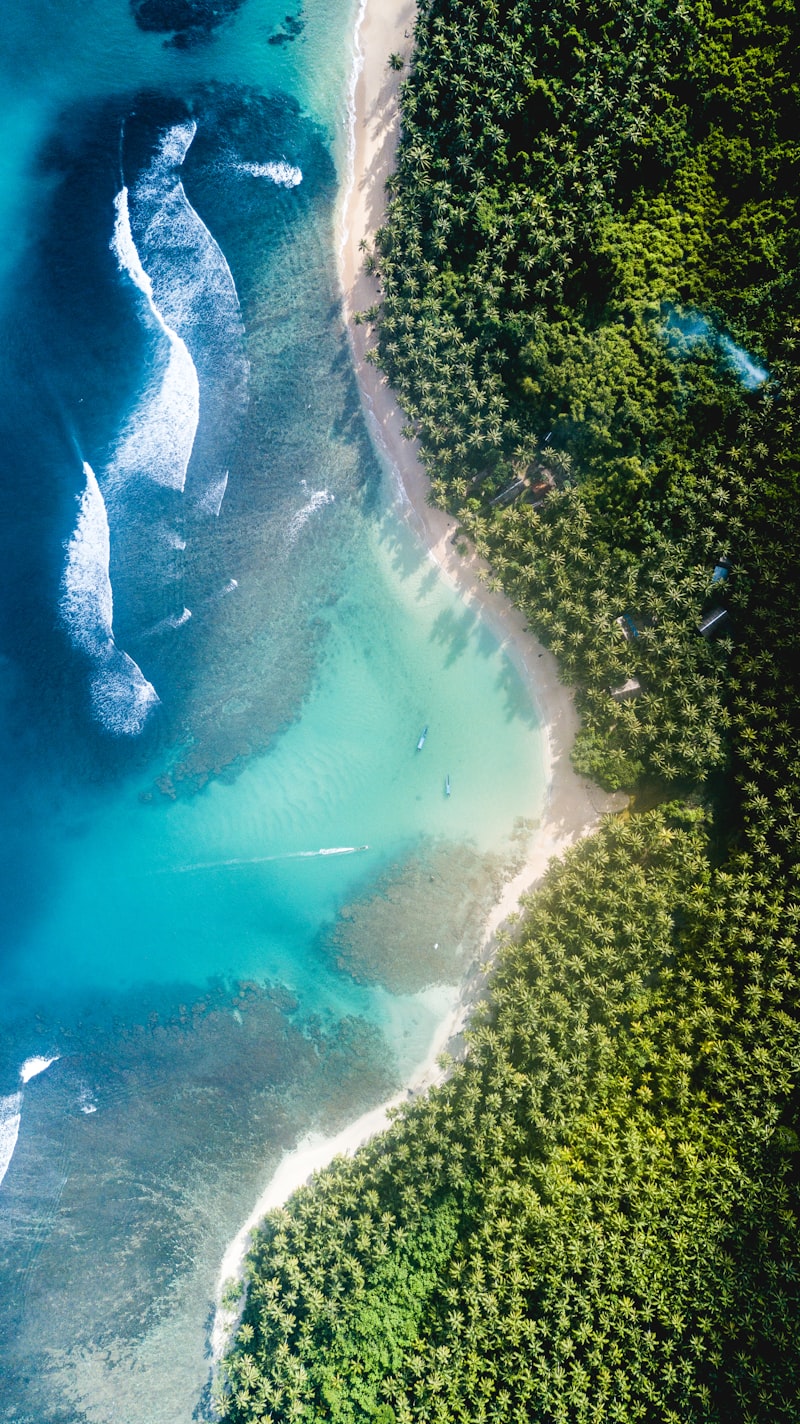
The ocean. Water temperatures peak at 82–86°F — you can snorkel for hours without a wetsuit. The Sea of Cortez calms down, visibility extends to 60–80 feet, and the marine life is extraordinary. Whale sharks, manta rays, mobula rays, sea lions, and schools of tropical fish you will never see in December because the water is too cold. If you are a diver, summer Cabo Pulmo is world-class.
The fishing. Dorado season runs June through October. Marlin fishing peaks August through October. The Bisbee's tournament in October draws the biggest boats and the biggest purses. Summer fishing in Cabo is arguably better than peak-season fishing.
The food scene. Restaurants that turn away walk-ins in February roll out summer menus, special tasting events, and locals-only pricing. Many chef-owned restaurants in San Jose del Cabo run 3-course prix fixe menus at 30–40% off peak pricing. You eat better, spend less, and actually get to know the chef.
The community. Off-season strips away the tourist layer and reveals the real community. The expats who live here year-round — the ones who chose Cabo as home, not just a vacation — are the people you meet at June dinner parties and July BBQs. These are your future neighbors, and off-season is when you build those relationships.
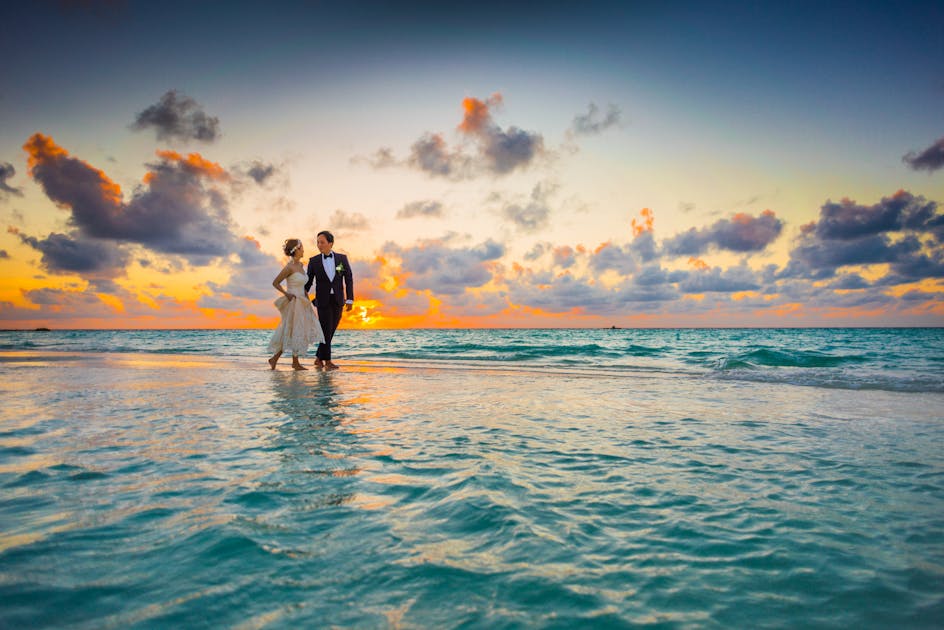
The sunsets. Summer moisture in the atmosphere creates sunset colors that the dry winter sky cannot match. The purples, oranges, and reds of an August Cabo sunset over the Pacific are legitimately some of the most spectacular I have seen anywhere. Every local will tell you the same thing: summer sunsets are better.
Practical Considerations
It is not all sunset cocktails. Here is the honest truth about off-season living:
- Heat management is non-negotiable. Your property needs working AC in every room, a pool or community pool, and good ceiling fans. Without these, August is miserable. Budget $200–$400/month for electricity during peak summer (AC running 12+ hours/day).
- Some businesses reduce hours. Tourist-oriented shops and some restaurants close for 2–4 weeks in September for maintenance and staff vacations. Major grocery stores (Costco, La Comer, Soriana), medical facilities, and essential services remain open year-round.
- Golf is hot. Tee times before 7 AM or after 3 PM are the way to play in summer. Many courses offer twilight rates at 40–50% off. See our golf membership guide for pricing.
- Pest pressure increases. Mosquitoes appear during rainy season (July–September), though they are minimal compared to Caribbean or mainland Mexico destinations. Scorpions are more active in warm months. A good pest control service ($50–$80/month) is essential.
- Vehicle maintenance matters. Intense sun degrades tires, wiper blades, and paint faster than temperate climates. UV-protective parking (covered or garaged) extends vehicle life significantly.
Who Thrives in Off-Season Cabo
Off-season living is not for everyone. It is for people who want to live here, not just vacation here. The ones who thrive are:
- Remote workers who can work from anywhere and want affordable luxury with reliable internet and a pool outside their window
- Retirees who prefer quiet communities, empty golf courses, and unhurried restaurant service over the social buzz of peak season
- Surfers at Cerritos and Costa Azul who want consistent swells without the winter crowds
- Families with kids on summer break who want warm water, outdoor activities, and affordable resort access
- Smart buyers who understand that the best deals close when everyone else is looking somewhere else
Experience Off-Season Cabo
The best time to buy is when everyone else has gone home. Let us show you the Cabo that only residents know — and find you a deal that peak-season buyers will envy.
Start Your SearchThinking about buying here rather than just visiting? Our free 33-page Buying Property in Mexico guide covers the fideicomiso, closing costs in real dollars, and the 27-point checklist we run on every property.
Frequently Asked Questions
How hot does Los Cabos get in summer?+
Average daily highs run 92–97°F from June through September, with humidity increasing from July through September. Night temperatures drop to 75–82°F. The heat is comparable to Phoenix or Palm Springs — dry and manageable with AC and pool access. October cools quickly to the low 90s as humidity drops.
Is it safe to be in Cabo during hurricane season?+
Los Cabos is statistically one of the safest spots in the eastern Pacific hurricane zone. The peninsula's geography deflects most storms. Since 1950, only 5 hurricanes have made direct landfall on the southern Cape — Hurricane Odile (2014) being the most significant. Modern construction codes implemented after Odile have made buildings significantly more resilient. See our hurricane preparedness guide for details.
How much cheaper are Cabo restaurants and hotels in off-season?+
Hotels discount 40–60% below peak-season rates. Many resort restaurants offer summer specials and prix fixe menus at 30–40% off. Golf green fees drop 25–40%. Spa treatments run 20–30% less. The overall cost of a week in Cabo during off-season is roughly half of the peak-season equivalent.
Are there things to do in Cabo during summer?+
Summer is arguably the best time for ocean activities. Water temperatures hit 82–86°F — warmer than peak season. Snorkeling and diving visibility is excellent. Dorado (mahi-mahi) and marlin fishing peak in August–October. Whale sharks appear in the Sea of Cortez from May through November. Manta ray encounters are common June–August. Surfing at Cerritos and Costa Azul is consistent year-round.
Can I get a better deal on real estate during off-season?+
Yes. Seller motivation peaks during low season when listing activity slows and properties have been sitting for months. Properties selling at 6–7% below list price during peak season may negotiate 10–15% below asking during July–September. Fewer competing buyers means less urgency, more negotiating leverage, and better terms. Our agents see their best negotiated deals close between June and September.
Do most businesses close during Cabo's off-season?+
Some tourist-oriented businesses reduce hours or close for 2–4 weeks in September for maintenance. Major restaurants, grocery stores, medical facilities, and essential services remain open year-round. The San Jose del Cabo Art Walk pauses during summer but the galleries stay open. You will notice a slower pace, not a ghost town.

Aaron Cuha
Real Estate Advisor & Los Cabos Market Expert
Real estate advisor and founder of Living In Cabo. 15+ years helping families navigate complex real estate decisions. Strategic partner with Ronival — Baja's largest brokerage.