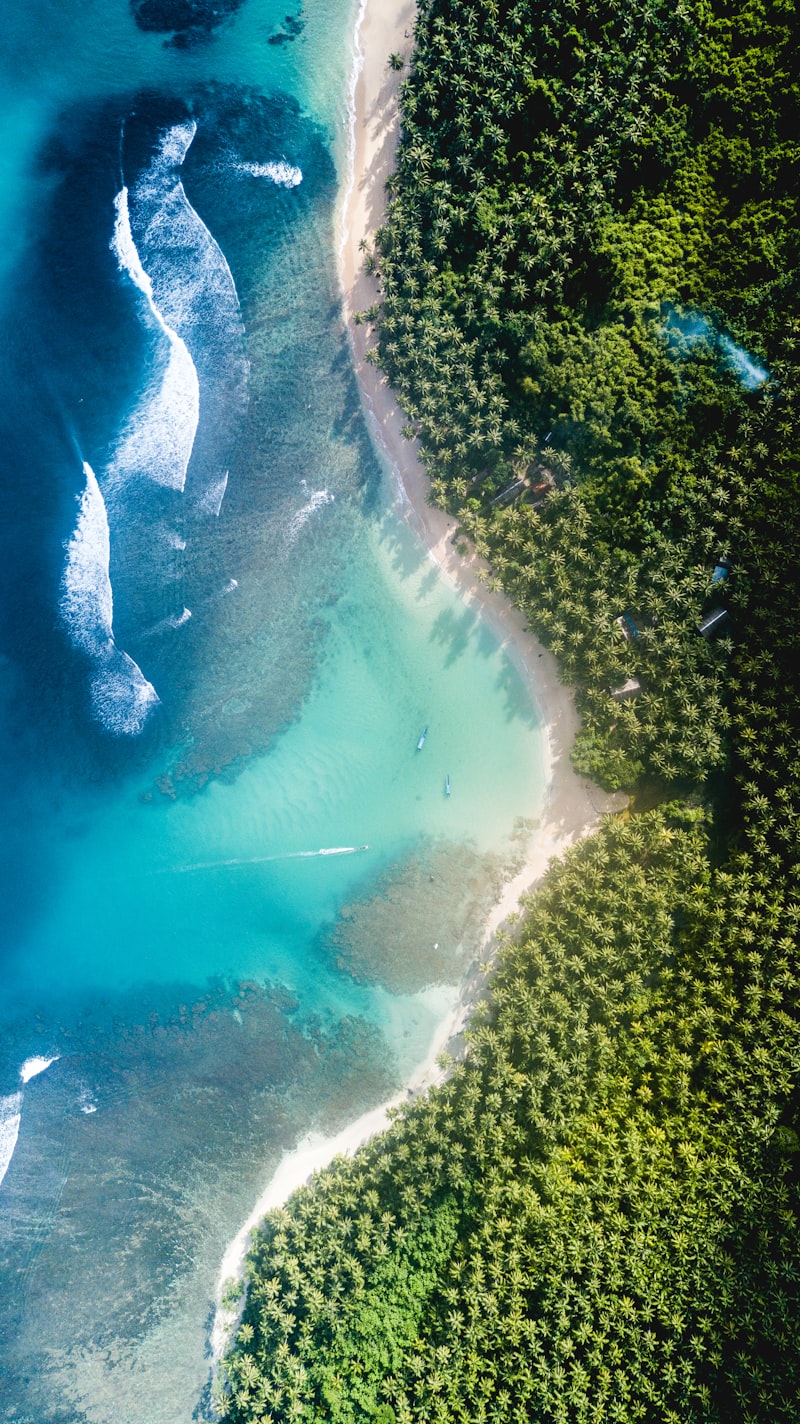
Los Cabos is where the Pacific Ocean meets the Sea of Cortez, creating two entirely different water playgrounds within a 30-minute drive. Beyond the famous marlin fishing, this region offers world-class kayaking, freediving, kitesurfing, and encounters with whale sharks.
Key Takeaways
- ✓ Sea of Cortez side offers calm water for kayaking, SUP, freediving, and snorkeling (15–30m visibility)
- ✓ Pacific side delivers world-class surfing at Costa Azul and Cerritos, plus kitesurfing in Los Barriles
- ✓ Cabo Pulmo National Marine Park — the only living coral reef on the Pacific coast of North America
- ✓ Whale shark snorkeling from La Paz runs October through April ($150–$200/person)
- ✓ Los Barriles El Norte winds make it a top-5 North American kitesurfing destination (Nov–Mar)
Want a Home Near the Water Action?
Whether you want beachfront SUP access or proximity to the best dive sites, we match buyers with communities that fit their water lifestyle.
Start Your SearchTwo Oceans, Two Personalities
I tell people this is the single most underappreciated fact about Los Cabos real estate: you are not buying on one coast. You are buying between two completely different bodies of water, each with its own character, temperature, and sport profile.
The Sea of Cortez (east side) is what Jacques Cousteau called "the world's aquarium." Calm, warm, crystal-clear water with visibility reaching 30 meters in peak season. This is your kayaking, paddleboarding, snorkeling, freediving, and open-water swimming coast. Communities like Chileno Bay, Costa Palmas, and Cabo Pulmo sit directly on it.
The Pacific Ocean (west side) brings energy — waves, wind, and current. This is where surfers, kitesurfers, and bodyboarders go. Cerritos Beach, Costa Azul, and the breaks around Todos Santos face the Pacific swell. The water is cooler (65–75°F vs. 70–85°F on the Cortez side) and more dynamic.
Kayaking and Stand-Up Paddleboarding
The Corridor's protected bays are a kayaker's paradise. I have paddled Santa Maria Bay at sunrise when the water is glass — you can see straight to the bottom at 20 feet. It costs nothing and takes 15 minutes from most Corridor communities.
Best Spots for Kayaking and SUP
- Santa Maria Bay — protected crescent with calm water year-round. Launch from the beach, paddle along the rocky points, snorkel the reef. Free access, parking available
- Chileno Bay — another sheltered Corridor bay with designated snorkel zones. SUP here in the morning before wind picks up
- Balandra Bay (La Paz day trip) — often ranked among Mexico's most beautiful beaches. Crystal-clear, knee-deep turquoise water perfect for kayaking. It is a 2.5-hour drive from Cabo San Lucas, but worth it at least once
- Medano Beach — the social option. Rent a SUP for $25–$40/hour and paddle in front of the beach clubs. Calm water in the morning, boat traffic by afternoon
- Estero San Jose — the estuary in San Jose del Cabo. A protected bird sanctuary where you can kayak among mangroves and see 200+ bird species. Completely different from ocean paddling
Many Cabo homeowners keep their own boards. If you buy in a beachfront community, check whether the HOA allows beach storage for kayaks and SUPs — some do, some charge a seasonal fee, and a few have dedicated water sport lockers.
Freediving: The Sea of Cortez's Rising Sport
Freediving is exploding in Los Cabos, and for good reason. The Sea of Cortez offers everything a freediver wants: warm water (no wetsuit needed June through October), exceptional visibility (15–30 meters), abundant marine life, and depth profiles that suit every level from beginner to competitive.
Key freediving sites:
- Los Islotes (La Paz) — a sea lion colony where curious juveniles swim alongside divers at 5–15 meters. One of the most magical underwater experiences in North America
- Cabo Pulmo — the living reef system hosts massive schools of jacks, groupers, and rays. Freediving here feels like swimming inside a nature documentary
- San Jose del Cabo underwater canyons — deeper sites (20–40 meters) where the continental shelf drops off. Mobula rays, whale sharks in season, and pelagic fish
Several AIDA-certified freediving schools now operate in Los Cabos. A beginner course (2 days) runs $300–$500 and teaches breath-hold technique, equalization, and safety protocols. The region hosts freediving competitions and training camps, drawing athletes from across the Americas.
Surfing the Pacific Side
The Pacific coast from San Jose del Cabo down to Todos Santos produces consistent, quality waves from October through April. The water is cooler than the Cortez side — a 3/2 wetsuit is smart from December through March — but the wave quality is world-class.
Primary Surf Breaks
- Costa Azul (Zippers) — the most famous break in Los Cabos. Right-hand point break, overhead to double-overhead in season. Experienced surfers only at the main peak. Located right off the Corridor, 10 minutes from Cabo del Sol
- The Rock (Costa Azul) — beginner-friendly break next to Zippers. Gentle, rolling waves perfect for longboarding and learning. Most surf schools operate here
- Cerritos Beach — the most accessible surf beach in the region. Wide, sandy bottom, consistent waves, multiple peaks spread across a long beach. Perfect for intermediate surfers. Rental shops and taco stands line the approach road
- San Pedrito — a few miles south of Todos Santos. Powerful beach break that handles big swells. Strong currents — not for beginners
- Los Cerritos to Pescadero stretch — multiple unnamed breaks along this Pacific coastline. Uncrowded and consistent. The El Pescadero community sits right here
Surf lessons run $70–$120 per session, and board rentals are $20–$40 per day at Cerritos or Costa Azul. If you are buying on the Pacific side specifically for surf access, Cerritos and the Pescadero area offer the most consistent daily waves and the most relaxed vibe.
Looking for a Surf-Accessible Property?
We know which Pacific communities are walking distance to breaks and which are a 30-minute drive. Let us narrow your search.
Book a CallKitesurfing in Los Barriles
Los Barriles on the East Cape is, hands down, one of the top five kitesurfing spots in North America. The El Norte wind pattern delivers 15–25 knot winds from November through March with remarkable consistency. Pair that with warm Sea of Cortez water (72–78°F), flat inside conditions, and a friendly local kite community, and you have a destination that draws riders from Maui to Hood River.
What makes Los Barriles special for kiting:
- Wind reliability — the El Norte pattern is thermal and geographical, funneling between the Sierra de la Laguna mountains and the Sea of Cortez. When it blows, it blows clean and side-onshore
- Water conditions — flat to light chop inside the bay, with wave riding opportunities outside. Good for beginners and experts on the same beach
- Community — a tight-knit group of seasonal kiters and year-round riders. Beach barbecues after sessions are standard
- Schools — multiple IKO-certified schools operate November through March. A 3-hour private lesson runs $150–$250. A 3-day beginner package (9 hours) is typically $500–$700
Several Cabo property owners I work with bought in Los Barriles specifically for the wind season. They kite November through March, then shift to SUP and fishing the rest of the year. The real estate here starts well below the Corridor — entry-level condos from $200,000 and homes from $350,000.
Snorkeling and Scuba Diving
The Cabo Pulmo National Marine Park is the crown jewel. Designated a UNESCO World Heritage Site, it contains the oldest coral reef on the Pacific coast of the Americas — estimated at 20,000 years old. After local fishermen pushed for its protection in 1995, marine biomass increased by over 460% in the following two decades, according to research published in PLOS ONE.
Snorkeling here is not like Caribbean snorkeling where you float over scattered coral heads. At Cabo Pulmo, you are enveloped by massive tornado-like schools of jacks (known locally as "the tornado"), surrounded by groupers the size of your torso, and watching bull sharks cruise the deeper edges. Visibility averages 15–25 meters.
For more casual snorkeling:
- Chileno Bay — walk in from the beach, snorkel a rocky reef with tropical fish in 5–15 feet of water. Free, easy, family-friendly
- Santa Maria Bay — similar to Chileno but slightly less visited. Better coral coverage on the east point
- Pelican Rock (Cabo San Lucas) — accessible by water taxi from Medano Beach ($10 round trip). Underwater sand falls, sea fans, and tropical fish in protected water
- Land's End — the underwater terrain where the Pacific meets the Cortez produces unique marine encounters. Guided snorkel tours $50–$80
Scuba diving certification courses (PADI Open Water) run $400–$600 in Los Cabos. Two-tank guided dives for certified divers are $120–$180 with equipment. The marine protected areas require licensed operators, so always use an established dive shop.
Whale Shark Encounters
Swimming alongside a 30-foot whale shark is the kind of experience that changes your relationship with the ocean. From October through April, these gentle filter-feeders congregate in the warm waters off La Paz, creating one of the most accessible whale shark encounters on the planet.
The logistics:
- Departure — tours leave from La Paz, approximately 2.5 hours from Cabo San Lucas or 2 hours from San Jose del Cabo by car
- Season — October through April, with peak density December through February
- Cost — $150–$200 per person, including boat, guide, snorkel gear, and lunch
- Regulations — CONANP limits groups to 6 swimmers per whale shark at any time. Touching is prohibited. Only snorkeling is allowed — no scuba
- What to expect — whale sharks average 20–40 feet in length. They are plankton feeders and completely harmless. You will float alongside them at the surface as they feed. Most tours encounter 3–10 whale sharks per trip
For Cabo property owners, this becomes a regular autumn ritual. I take visiting friends to La Paz for whale sharks at least twice every season. It is the single best nature experience within day-trip range of any Los Cabos community.
Medano Beach: The Social Water Playground
Medano Beach is where the high-energy water toys live. This is not the contemplative paddle-at-sunrise experience — it is jet skis, parasailing, banana boats, and glass-bottom boat tours against a backdrop of beach clubs pumping music.
Available on Medano:
- Jet ski rental — $80–$120/hour. Guided tours along the Arch are available for $100–$150
- Parasailing — $60–$80 for a 10-minute flight. Views of Land's End and the marina are spectacular
- Banana boat rides — $25–$35 per person. Great for kids and groups
- Glass-bottom boat tours — $15–$25 for a 45-minute tour past the Arch, Lover's Beach, and the sand falls
- Flyboarding — $100–$150 for a 20-minute session. Water-jet propulsion that launches you 30+ feet above the surface
Medano is also where most sailing charters depart. Sunset catamaran cruises run $60–$100 per person and are a nightly ritual during high season.
Water Sports Season Calendar
| Sport | Peak Season | Best Location |
|---|---|---|
| Surfing | Oct – Apr | Costa Azul, Cerritos |
| Kitesurfing | Nov – Mar | Los Barriles |
| Snorkeling / Diving | Jun – Nov | Cabo Pulmo, Chileno Bay |
| Freediving | Jun – Nov | Sea of Cortez sites |
| Kayaking / SUP | Year-round | Santa Maria, Balandra |
| Whale Sharks | Oct – Apr | La Paz |
| Whale Watching | Dec – Apr | Cabo San Lucas, Pacific |
The takeaway: there is no dead season for water sports in Los Cabos. Every month has something world-class happening either on the Cortez or the Pacific side. As a property owner, you simply rotate activities with the seasons — and that rotation is one of the reasons living here full-time never gets stale.
Find Your Perfect Water Lifestyle in Cabo
From Cortez-side calm to Pacific-side surf, every community has a different water personality. Tell us what you love and we will match you to the right neighborhood.
Get Personalized RecommendationsThinking about buying here rather than just visiting? Our free 33-page Buying Property in Mexico guide covers the fideicomiso, closing costs in real dollars, and the 27-point checklist we run on every property.
Frequently Asked Questions
What are the best water sports in Los Cabos besides fishing?+
The top water sports beyond fishing include kayaking at Balandra Bay and Santa Maria Bay, stand-up paddleboarding along the Corridor, freediving in the Sea of Cortez (15-30 meter visibility), kitesurfing in Los Barriles (November through March), snorkeling at Cabo Pulmo National Marine Park, surfing at Costa Azul and Cerritos Beach, and whale shark snorkeling off La Paz from October through April.
Where is the best snorkeling in Los Cabos?+
Cabo Pulmo National Marine Park offers the best snorkeling in the region — it is a UNESCO World Heritage Site with the only living coral reef on North America's Pacific coast. For more accessible snorkeling, Chileno Bay and Santa Maria Bay along the Corridor both have calm, clear water with abundant tropical fish and are reachable from most Cabo communities in 15-30 minutes.
Is kitesurfing good in Los Cabos?+
Los Barriles on the East Cape is one of the top kitesurfing destinations in North America. The El Norte wind pattern blows consistently from November through March at 15-25 knots, with warm water temperatures around 72-78°F. Several professional kiteboarding schools operate in Los Barriles, and the flat-water conditions inside the bay are ideal for beginners. Equipment rental runs $60-$100 per session.
Can you freedive in the Sea of Cortez?+
Yes — the Sea of Cortez is increasingly recognized as a world-class freediving destination. Visibility ranges from 15 to 30 meters depending on season, water temperatures stay between 70-85°F year-round, and the marine biodiversity rivals any tropical destination. Popular freediving sites include Cabo Pulmo, the sea lion colony at Los Islotes near La Paz, and the underwater canyons off San Jose del Cabo. Several AIDA-certified freediving schools now operate in the region.
When is whale shark season in Los Cabos?+
Whale shark season runs from October through April, with peak encounters in December through February. Tours depart from La Paz, which is approximately 2.5 hours from Cabo San Lucas or 2 hours from San Jose del Cabo. Tours cost $150-$200 USD per person and include snorkeling alongside whale sharks (the largest fish in the ocean, averaging 20-40 feet). Mexican regulations limit groups to 6 swimmers per whale shark.
What is the best time of year for water sports in Los Cabos?+
It depends on the sport. Surfing peaks October through April on the Pacific side. Kitesurfing is November through March in Los Barriles. Snorkeling and freediving are best June through November when water temperatures reach 80-85°F and visibility peaks. Kayaking and SUP are excellent year-round on the Sea of Cortez side. Whale shark encounters run October through April. There is no dead season — something is always world-class.
How much do water sports cost in Los Cabos?+
Typical costs: guided kayak tours $45-$80/person, SUP rentals $25-$40/hour, surf lessons $70-$120/session, kitesurfing lessons $150-$250 for a 3-hour session, guided snorkeling tours $50-$100/person, freediving courses $300-$500 for a 2-day beginner course, whale shark tours from La Paz $150-$200/person, and jet ski rentals $80-$120/hour. Owning your own gear reduces costs significantly — many Cabo homeowners keep kayaks and SUPs at their property or marina.
Are there any dangerous water conditions in Los Cabos?+
Yes — the Pacific side has strong currents and shore break that can be hazardous for inexperienced swimmers. Playa Solmar and Divorce Beach in Cabo San Lucas are not swimmable. The Sea of Cortez side is generally calmer, but undertows exist at some beaches. Jellyfish are occasional from August through October. Always check conditions locally, swim at beaches with lifeguards when possible, and never enter unfamiliar water without local knowledge.

Aaron Cuha
Real Estate Advisor & Los Cabos Market Expert
Real estate advisor and founder of Living In Cabo. 15+ years helping families navigate complex real estate decisions. Strategic partner with Ronival — Baja's largest brokerage.