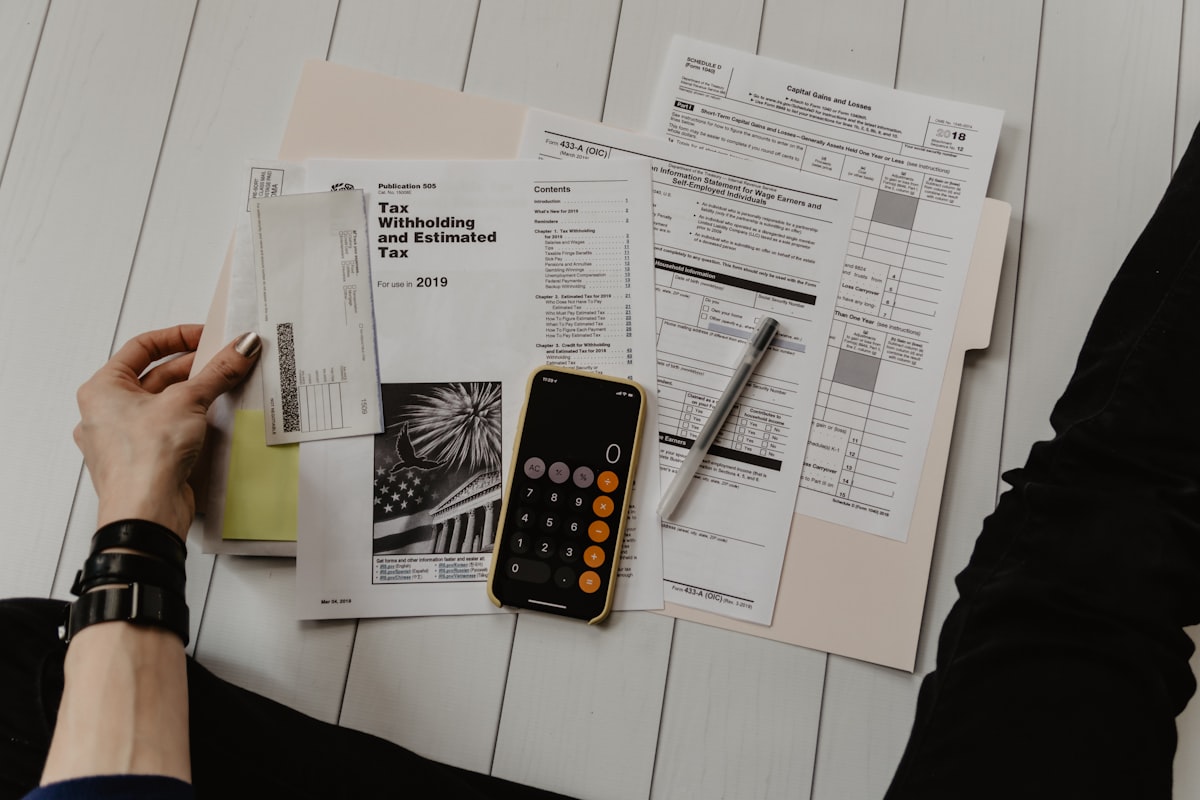
The Mexico escritura publica is the notarized deed that officially transfers property ownership. It is prepared by a notario publico, recorded at the Registro Publico de la Propiedad, and serves as your legal proof of ownership. If you buy property in Los Cabos or anywhere in Mexico, this is the document that matters most.
Key Takeaways
- The escritura publica is prepared exclusively by a notario publico, a government-appointed legal officer
- It records the property description, parties, sale price, tax payments, and the legal transfer of ownership
- The escritura must be recorded at the Registro Publico de la Propiedad to be legally effective
- For coastal properties, the escritura works alongside the fideicomiso bank trust, not instead of it
- Notario fees and recording costs are included in overall closing costs of 4-8% of the purchase price
Buying Property in Los Cabos?
We guide buyers through every legal document, from escritura to fideicomiso, with trusted local notarios.
Contact Us TodayWhat Is an Escritura Publica?
An escritura publica is a public deed prepared, authenticated, and notarized by a notario publico. In the context of real estate, it is the formal instrument that records the transfer of property from seller to buyer. Think of it as the Mexican equivalent of a recorded deed in the United States, but with more legal weight because it incorporates elements that would be handled by separate documents in the US system.
I have sat through more than a dozen closings at notario offices in San Jose and Cabo. The escritura is the document that actually transfers ownership. Everything else, the purchase agreement, the trust documents, the bank paperwork, builds toward the moment the notario reads and executes the escritura.
Unlike US deeds, which are typically prepared by a title company or attorney and then recorded at a county recorder's office, the escritura is both prepared and authenticated by the same legal officer. The notario publico is not simply a notary in the American sense. A Mexican notario is a government-appointed legal professional who verifies the legality of the transaction, calculates and collects taxes, and ensures the deed is properly recorded.
What the Escritura Contains
A complete escritura publica for a real estate transaction includes several key components. Understanding each one helps you know what to verify before signing.
- Property description: Legal description of the property including boundaries, measurements, lot number, and location within the municipality. This must match the cadastral records exactly.
- Parties to the transaction: Full legal names, nationalities, and identification details of buyer and seller. For foreigners, this includes passport information and immigration status.
- Sale price: The declared transaction amount. This is the figure used to calculate transfer taxes and capital gains. It should match your purchase agreement.
- Title chain: A summary of the property's ownership history, confirming the seller has clear title and the legal right to sell.
- Tax compliance certificates: Proof that property taxes (predial) are current, that no tax liens exist, and that applicable transfer taxes have been paid.
- Encumbrances and liens: Any mortgages, easements, or restrictions on the property.
- Fideicomiso reference: For coastal properties, the escritura references the bank trust that holds legal title on behalf of the foreign buyer.
- Notario certification: The notario's statement that all legal requirements have been met and the transfer is valid under Mexican law.
How the Escritura Differs from a US Deed
American buyers often assume the escritura works like a US warranty deed or quitclaim deed. There are important differences.
| Feature | US Deed | Mexico Escritura |
|---|---|---|
| Who prepares it | Title company or attorney | Notario publico (government officer) |
| Authentication | Notary stamp (witness only) | Notario full legal certification |
| Tax collection | Separate from deed recording | Notario calculates and collects taxes |
| Recording | County recorder office | Registro Publico de la Propiedad |
| Legal weight | Evidence of transfer | Full legal proof of transfer |
| Title verification | Title company search | Notario verifies title chain |
The key difference is the notario's role. In the US, the deed is a private document that happens to be recorded publicly. In Mexico, the escritura is a public instrument created by a government officer. The notario does not represent either party. They represent the Mexican state and are personally liable for errors in the deed.
Escritura vs Fideicomiso: How They Work Together
This is where foreign buyers get confused. The fideicomiso is the bank trust that holds legal title to coastal property on behalf of a foreign buyer. The escritura is the deed that records the transfer of that property into (or within) the trust.
When you buy coastal property in Los Cabos as a foreigner, the escritura transfers the property from the seller to the bank trustee. The fideicomiso agreement names you as the beneficiary with full control over the property. The two documents work together: the escritura handles the legal transfer, and the fideicomiso establishes your beneficial ownership rights.
For properties outside the restricted zone (more than 50 km from the coast), foreigners can hold title directly, and the escritura transfers ownership straight to the buyer without a trust.
Questions About Your Property Documents?
We walk every buyer through the escritura, fideicomiso, and closing process with experienced local guidance.
Book a CallThe Notario's Role in Preparing the Escritura
The notario publico is the central figure in every Mexican real estate closing. They do not work for the buyer or the seller. They are appointed by the state government, limited in number (there are only a handful of notarios in Los Cabos), and personally responsible for the legality of every transaction they process.
The notario's responsibilities for the escritura include:
- Verifying the seller's legal right to sell (title chain review)
- Confirming the property's legal description matches cadastral records
- Ensuring all taxes are current and no liens or encumbrances exist
- Calculating and collecting the acquisition tax (ISABI, typically 2-4% in Baja California Sur)
- Calculating the seller's capital gains tax (ISR) and withholding it
- Preparing the escritura document
- Supervising the signing ceremony
- Recording the escritura at the Registro Publico de la Propiedad
In Los Cabos, either the buyer or seller may choose the notario, but it is common for the buyer to select and pay for the notario. Notario fees are regulated but can vary; expect the notario component of closing costs to run 1-2% of the transaction value. For a complete breakdown, see our closing costs guide.
What to Verify Before Signing the Escritura
Before you sign, review the escritura carefully. If necessary, have it translated. Here is what to check.
- Property description accuracy: Confirm the lot number, measurements, boundaries, and address match what you inspected and what appears in the purchase agreement.
- Sale price: Ensure the declared price matches your actual purchase price. Under-declaring the price (to reduce taxes) is illegal and can create problems when you sell.
- Seller identity: Verify the seller listed in the escritura is the same person or entity that has legal title. If the seller is an LLC (SA de CV) or trust, confirm proper authorization.
- Encumbrances: The escritura should state the property is free and clear of liens, mortgages, and encumbrances, or explicitly list any that exist.
- Fideicomiso details: For coastal properties, verify the trust bank, trust number, and your name as beneficiary are all correct.
- Tax receipts: Confirm the notario has current property tax (predial) receipts and that all applicable transfer taxes have been calculated correctly.
Recording and Getting Certified Copies
After the signing, the notario submits the escritura to the Registro Publico de la Propiedad (Public Property Registry) in La Paz, the state capital of Baja California Sur. Recording typically takes 2-8 weeks, depending on the registry's workload.
Once recorded, the notario provides you with a certified copy (testimonio) of the escritura. This is your primary ownership document. Keep the original safe, ideally in a secure location in Mexico, and keep certified copies at home and with your attorney.
If you ever need additional certified copies, you can request them from the notario who prepared the original escritura or from the Registro Publico. There is a fee for additional copies, typically $50-$200 USD depending on the document length. For related due diligence, see our title search and due diligence guide.
Common Errors and Red Flags
In my experience reviewing transactions in San Jose del Cabo and Cabo San Lucas, these are the most frequent issues buyers encounter with escrituras.
- Measurement discrepancies: The escritura's property dimensions do not match the actual lot. This happens more often with older properties and ejido-conversion land.
- Under-declared sale price: The seller pressures the buyer to declare a lower price to reduce taxes. This is tax fraud, and it also reduces your cost basis when you sell, increasing your future capital gains tax.
- Missing encumbrances: A lien or easement exists but was not disclosed. A thorough title search before closing should catch this.
- Name errors: Misspelled names or incorrect passport numbers can delay recording and cause problems later.
- Delayed recording: Some notarios are slow to record the escritura. Follow up if you have not received confirmation of recording within 8 weeks.
The best protection is working with a reputable notario who handles foreign transactions regularly, and having your own bilingual real estate attorney review the escritura before the signing ceremony. This is standard practice in Los Cabos and costs $1,000-$2,500 USD for legal review.
Costs Involved in the Escritura
The escritura itself is not a separate line item. Its preparation and recording costs are bundled into the notario's overall closing fees. Here is where it fits in the broader closing cost picture:
- Notario fees (includes escritura preparation and recording): 1-2% of transaction value
- Acquisition tax (ISABI): 2-4% in Baja California Sur
- Fideicomiso setup (if applicable): $2,000-$3,000
- Appraisal: $300-$800
- Certificates and registry fees: $200-$500
- Total closing costs: 4-8% of the purchase price
These costs are typically the buyer's responsibility, though this is negotiable. The seller is generally responsible for their own capital gains tax (ISR) and any outstanding debts on the property.
Ready to Buy in Los Cabos?
We connect buyers with trusted notarios and guide you through every document in the closing process.
Get StartedFrequently Asked Questions
What is an escritura publica in Mexico?+
An escritura publica is the notarized public deed that officially transfers real estate ownership in Mexico. It is prepared and authenticated by a notario publico, a government-appointed legal officer. The escritura records the property description, parties, sale price, tax payments, and legal transfer of ownership, and must be registered at the Registro Publico de la Propiedad.
Who prepares the escritura in a Mexican real estate transaction?+
The escritura is prepared exclusively by a notario publico. In Mexico, the notario is a government-appointed legal professional who verifies the transaction's legality, collects taxes, and certifies the deed. They do not represent either the buyer or seller but act as an impartial agent of the state. There are only a limited number of notarios in each jurisdiction.
How does the escritura differ from a US property deed?+
The main difference is the notario's role. In the US, a deed is a private document prepared by a title company or attorney and recorded at a county office. In Mexico, the escritura is a public instrument created by a government officer who personally verifies the legality of the transfer, collects applicable taxes, and is legally liable for errors in the document.
What is the difference between an escritura and a fideicomiso?+
The escritura is the deed that records the property transfer. The fideicomiso is the bank trust required for foreigners buying coastal property. They work together: the escritura transfers the property to the trust bank, and the fideicomiso agreement establishes the foreign buyer as the beneficiary with full control. The escritura handles the legal transfer; the fideicomiso establishes your beneficial ownership.
How much does the escritura cost?+
The escritura preparation and recording costs are included in the notario's overall fees, which typically run 1-2% of the transaction value. There is no separate escritura fee. These costs are part of the total closing costs of 4-8% of the purchase price, which also include acquisition tax, fideicomiso setup, appraisal, and certificates.
How long does it take to record an escritura?+
After signing, the notario submits the escritura to the Registro Publico de la Propiedad in La Paz. Recording typically takes 2-8 weeks depending on the registry workload. The notario then provides you with a certified copy (testimonio). If recording takes longer than 8 weeks, follow up with your notario.
What should I check before signing the escritura?+
Verify the property description matches the lot you inspected, the sale price matches your purchase agreement, the seller identity is correct, the property is listed as free of liens and encumbrances, your fideicomiso details are accurate, and all tax receipts are current. Having a bilingual real estate attorney review the document before signing is standard practice and costs $1,000-$2,500 USD.
Can I get a copy of my escritura if I lose it?+
Yes. You can request certified copies from the notario who prepared the original escritura or from the Registro Publico de la Propiedad. Additional certified copies typically cost $50-$200 USD depending on the document length. Keep certified copies in at least two locations: one in Mexico and one in your home country.
Aaron Cuha
Real Estate Advisor & Los Cabos Market Expert
Real estate advisor and founder of Living In Cabo. 15+ years helping families navigate complex real estate decisions. Strategic partner with Ronival — Baja's largest brokerage.