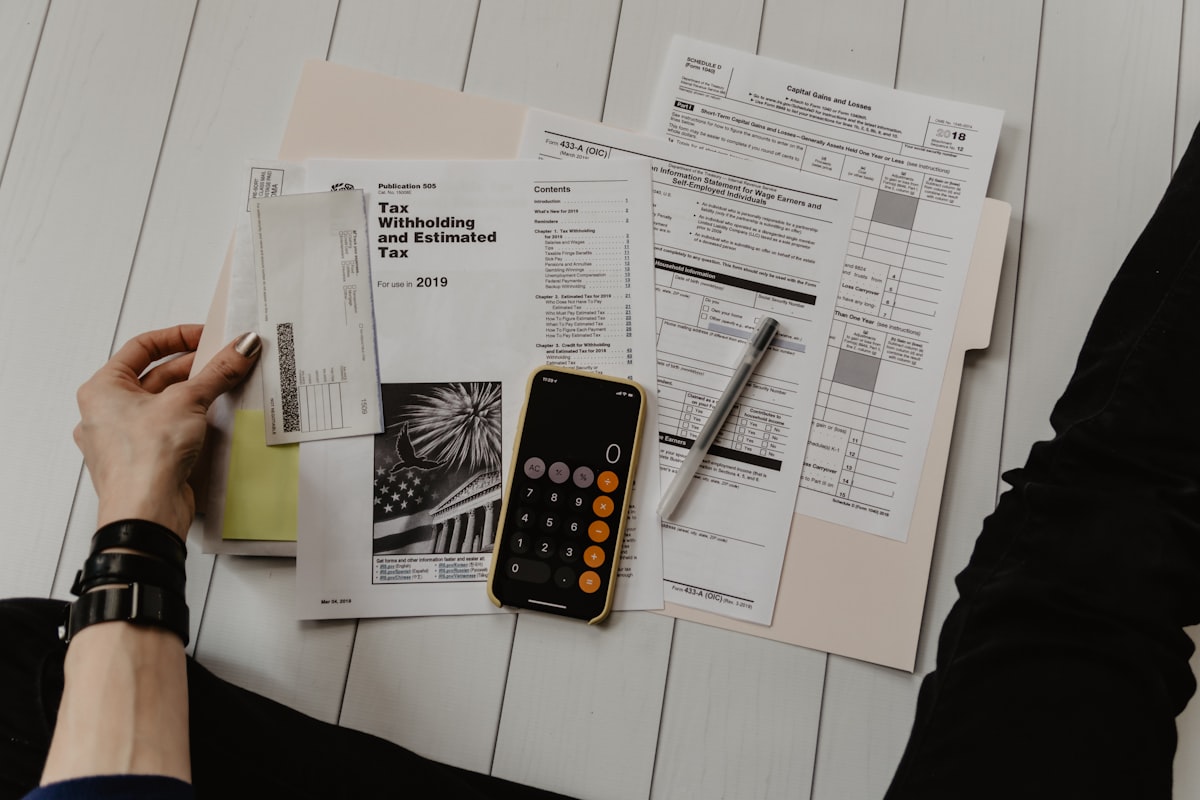
Every foreign buyer who closes on a Cabo property will sit through a Mexico notario AML interview at the closing table. Under Mexico's LFPIORPI (Ley Federal para la Prevención e Identificación de Operaciones con Recursos de Procedencia Ilícita — Mexico's anti-money laundering law enacted in 2012 and significantly tightened in 2020), every notario público is classified as a "sujeto obligado" — an obligated subject who must conduct customer due diligence on every party in a real estate transaction. If you have never been through one, it can feel intimidating. It should not be. But showing up unprepared is a different story.
Key Takeaways
- • Mexico's LFPIORPI requires notarios to conduct AML due diligence on every real estate transaction — no exceptions for foreigners or small deals
- • Cash payments in real estate transactions are capped at approximately 8,025 UMAs (~$8,200 USD in 2026) — everything above must be wire transfer or certified check
- • You must provide government-issued photo ID (passport), proof of address, and documentation of your source of funds (bank statements, investment accounts, or employment records covering 3–6 months)
- • The interview typically takes 20–40 minutes, but a missing document can delay your closing by 2–4 weeks
- • Politically Exposed Persons (PEPs) and third-party purchases trigger enhanced due diligence that adds steps and time
Closing on a Cabo Property Soon?
We walk every buyer through the closing process before they sit down with the notario — no surprises.
Get Closing SupportWhy the Notario AML Interview Exists
Mexico's anti-money laundering framework mirrors the international FATF (Financial Action Task Force) standards that most developed countries follow. The key difference: in Mexico, the notario público — not the real estate agent or the bank — is the primary gatekeeper for real estate transactions. Notarios hold a federal patent, function as a combination of attorney, public official, and compliance officer, and they bear personal criminal liability if they fail to conduct proper due diligence.
That personal liability is why your notario takes this seriously. A notario who signs off on a transaction without proper AML documentation can face criminal prosecution, loss of their patent, and prison time. They are not being difficult when they ask for your bank statements — they are protecting their livelihood and following federal law.
The LFPIORPI classifies real estate transactions as "vulnerable activities" (actividades vulnerables) that require mandatory reporting to Mexico's Financial Intelligence Unit (UIF — Unidad de Inteligencia Financiera) when they exceed certain thresholds. For real estate, any transaction above 8,025 UMAs (approximately $8,200 USD in 2026) must be reported. Since virtually every Cabo property sale exceeds this threshold, every closing triggers a UIF report. That report includes your identity, the transaction value, and the notario's assessment of your source of funds.
The Documents You Must Bring
This is where most delays happen. I have seen closings pushed back three weeks because a buyer showed up with nothing but a US driver's license and a smile. Here is the complete document checklist:
Mandatory for Every Foreign Buyer
- Valid passport: Not a driver's license. Not a SENTRI card. Not a Global Entry card. Your passport. The notario needs a government-issued ID with your photo, full legal name, date of birth, and nationality. Bring the original — they will make a certified copy
- Proof of current address: A utility bill, bank statement, or government correspondence dated within the last 3 months that shows your residential address. A US or Canadian address is fine — they need to know where you actually live, not a Mexican address
- Source of funds documentation: This is the big one. The notario needs to understand where the money for this purchase came from. Acceptable documents include:
- Bank statements showing the funds (3–6 months of statements from the account you are wiring from)
- Investment account statements if you liquidated investments
- Sale proceeds documentation if you sold another property
- Employment verification letter with salary information
- Tax returns (most recent year)
- Proof of business ownership and financial statements if self-employed
- RFC (Registro Federal de Contribuyentes): If you already have a Mexican tax ID, bring it. If you do not, the notario will process your RFC as part of the closing. Foreign buyers need an RFC to complete any real estate transaction in Mexico — the notario's office typically handles the application
- CURP: Your Clave Única de Registro de Población. Like the RFC, the notario can process this for you if you do not already have one. It functions as a population registry number and is required for the fideicomiso trust setup
Situational Documents
- Power of attorney (poder): If you cannot attend in person, you can designate someone to act on your behalf through a Mexican power of attorney. This must be notarized in Mexico or apostilled from the US/Canada. Budget $500–$1,500 USD for preparation
- Corporate documents: If purchasing through an entity (Mexican SA de CV or foreign LLC/corporation), bring articles of incorporation, operating agreements, shareholder resolutions authorizing the purchase, and identification for all authorized signers
- Marriage certificate: If purchasing with a spouse who is not present, some notarios will request proof of marital status
- Wire transfer confirmation: Proof that the purchase funds were sent via bank wire, including the SWIFT confirmation and the sending bank's details
What the Notario Will Actually Ask You
The AML interview follows a structured format. Think of it as a questionnaire, not a cross-examination. Here are the standard questions, in roughly the order they come:
Identity and Background
- Full legal name (as it appears on your passport)
- Date and place of birth
- Nationality and immigration status in Mexico
- Current residential address
- Occupation and employer (or business name if self-employed)
- Approximate annual income range
Transaction-Specific Questions
- Purpose of the purchase (personal use, investment, vacation home, retirement)
- How you found the property and who introduced you to the seller
- Your relationship to the seller (they are confirming you do not have an undisclosed relationship)
- Source of funds for this specific transaction (savings, investment proceeds, property sale, inheritance, business income)
- Whether you are purchasing on behalf of a third party (the answer should be "no" unless you are acting under a power of attorney or buying for an entity you control)
- Whether you hold or have held a government position (the PEP question — more on this below)
The Vulnerability Profile Assessment
The notario will also complete what is called a "perfil de vulnerabilidad" — a risk assessment form that they file with their records and may submit to the UIF. This is an internal document that scores the transaction based on factors like:
- Transaction value relative to your stated income
- Whether the purchase involves any cash component
- Geographic risk factors (certain countries trigger higher scrutiny)
- Complexity of the transaction structure
- Whether you are a new or repeat client of the notario
You may never see this form. It is the notario's internal compliance document. But understanding that it exists explains why some questions feel more probing than you expect.
Want a Closing Day Walkthrough?
We prep every buyer before they sit down at the notario's table so there are zero surprises.
Book a Pre-Closing BriefingCash Restrictions: The Rule Nobody Tells You
This catches people off guard. Under Mexico's anti-money laundering regulations, real estate transactions cannot include cash payments exceeding the UMA-linked threshold — approximately 8,025 UMAs, which in 2026 equals roughly $8,200 USD. Every peso above that limit must be paid via wire transfer, certified bank check (cheque de caja), or electronic transfer.
In practice, this means virtually the entire purchase price of any Cabo property must arrive by bank wire. You cannot walk into a closing with a briefcase of cash and buy a condo. The handful of buyers who have tried — typically people accustomed to cash-heavy real estate markets — have learned this the hard way when the notario refused to proceed.
Even below the threshold, cash payments are documented and reported. My advice: wire everything. It creates a clean paper trail that makes the AML interview effortless and eliminates any questions about the source of funds. The wire transfer confirmation from your bank is the single best document you can bring to a closing.
What Triggers Enhanced Due Diligence
Most closings involve the standard interview and documentation. But certain situations trigger what the UIF calls "enhanced due diligence" — additional questions, more documentation, and potentially a longer review period before the notario will proceed:
- Politically Exposed Persons (PEPs): If you are or have been a government official, elected representative, senior military officer, executive of a state-owned enterprise, or an immediate family member of any of the above. PEP status does not disqualify you from buying — it just means extra documentation and a longer review. Disclose it proactively; trying to hide it and getting caught is far worse
- Third-party purchases: Buying on behalf of someone else, or using funds provided by a third party who is not on the title. This triggers questions about the ultimate beneficial owner and the nature of the financial relationship
- Unusual payment structures: Split payments from multiple accounts, payments from accounts in different names, payments from jurisdictions flagged by Mexico's UIF (primarily known tax havens or countries under FATF sanctions)
- Inconsistency between stated income and purchase price: If you say you earn $80,000/year and you are buying a $2 million villa, expect questions. Have documentation ready that explains the gap (inheritance, business sale, investment gains, etc.)
- Multiple transactions in a short period: Buying two or more properties within 6 months flags the account for additional review
The Five Mistakes That Delay Closings
I have sat through enough closings in Palmilla, Pedregal, and Cabo San Lucas to know exactly what goes wrong. These are the five most common mistakes:
- Bringing only a driver's license. A US or Canadian driver's license is not sufficient identification under LFPIORPI. You need your passport. I have literally seen a closing postponed because a buyer forgot their passport at the hotel. Bring it
- No source of funds documentation. "I have money in the bank" is not documentation. The notario needs to see the account statements. Download them before you fly to Cabo — trying to access your bank's website from a Mexican hotel room with spotty WiFi is not a plan
- Getting nervous about routine questions. The AML interview is standardized. The notario asks the same questions to a retired schoolteacher buying a $300,000 condo and to a hedge fund manager buying a $5 million villa. Do not read malice into routine compliance. Answer straightforwardly and move on
- Not having your RFC ready. If your notario told you they would handle the RFC at closing, confirm two weeks beforehand that it is in progress. The SAT (Mexico's tax authority) can take 5–10 business days to process a new foreign RFC, and if it is not ready, the closing cannot proceed
- Wiring funds at the last minute. International wire transfers take 2–5 business days. The notario needs the funds confirmed in the escrow account before the signing. Wire your funds at least 7 business days before your scheduled closing date. I cannot tell you how many closings I have seen delayed because a buyer initiated their wire on Monday for a Wednesday closing
How to Prepare: The 14-Day Countdown
Here is my recommended timeline for AML interview preparation, counting backward from your closing date:
- 14 days before: Initiate your wire transfer. Confirm with your US/Canadian bank that they can send an international wire to Mexico (some banks require advance setup for international transfers). Get the SWIFT confirmation
- 10 days before: Gather all documents. Download bank statements (3–6 months from the account funding the purchase), print your most recent tax return, get a current utility bill for proof of address. Scan everything to PDF as backup
- 7 days before: Confirm with your notario that your RFC and CURP are ready. Confirm that the wire has been received in the escrow account. Send scanned copies of all documents to the notario's office so they can pre-review
- 3 days before: Review the escritura (deed) draft that the notario's office should have sent you. Flag any name misspellings, address errors, or incorrect property descriptions now — not at the signing table
- Day of: Arrive 15 minutes early with originals of every document. Bring a pen. Expect the interview and signing to take 1.5–3 hours for a straightforward transaction
If you are buying in a community like El Tezal or San Jose del Cabo where entry-level pricing means more first-time foreign buyers, the notarios are particularly experienced at walking nervous Americans through the process. It is routine for them. Let it be routine for you.
Ready to Close on Your Cabo Property?
From document prep to notario day, we make sure nothing delays your closing.
Talk to Our Closing TeamFrequently Asked Questions
What documents do I need for the AML interview at a Mexican notario closing?+
You need: (1) valid passport (not a driver's license), (2) proof of current residential address dated within 3 months (utility bill or bank statement), (3) source of funds documentation — 3–6 months of bank statements from the account funding the purchase, plus supporting documents like tax returns, employment verification, or investment statements, (4) wire transfer confirmation (SWIFT receipt), and (5) your RFC (Mexican tax ID) — the notario can process this if you do not have one. If purchasing through a corporate entity, add articles of incorporation, operating agreements, and shareholder resolutions. Budget 30–60 minutes for document review and 20–40 minutes for the interview itself.
Can I pay cash for a property in Mexico?+
No — not in any meaningful amount. Mexico's LFPIORPI restricts cash payments in real estate transactions to approximately 8,025 UMAs, which equals roughly $8,200 USD in 2026. Every peso above that threshold must be paid via bank wire transfer, certified check, or electronic transfer. Since virtually every Cabo property purchase exceeds $8,200, the practical answer is: wire everything. Cash payments in real estate are documented and reported to Mexico's Financial Intelligence Unit (UIF) regardless of amount. A clean wire transfer is the simplest way to satisfy AML requirements.
How long does the notario AML interview take?+
The interview portion typically takes 20–40 minutes for a straightforward purchase by a single foreign buyer. The full closing appointment — including document review, the AML interview, reading the escritura, signing, and payment confirmation — runs 1.5–3 hours. Complex transactions (corporate buyers, PEPs, multi-party purchases) can take longer. The variable is not the interview itself but document readiness: if anything is missing, the notario will pause the closing until the document is provided, which can mean days or weeks of delay.
What happens if I am a Politically Exposed Person (PEP) buying in Cabo?+
PEP status — current or former government officials, elected representatives, senior military officers, executives of state-owned enterprises, and their immediate families — triggers enhanced due diligence but does not disqualify you from purchasing. Expect: additional identity verification, more detailed source of funds documentation (typically 12+ months of financial records instead of 3–6), a longer review period (the notario may need 2–4 additional weeks), and a more detailed UIF filing. The critical point: disclose PEP status proactively. Attempting to conceal it is far worse than the extra paperwork — concealment can trigger a criminal referral.
Do I need an RFC to close on property in Mexico?+
Yes. Every party to a Mexican real estate transaction needs an RFC (Registro Federal de Contribuyentes — Mexico's tax ID number). Foreign buyers who do not have one can get it processed through the notario's office as part of the closing, but it takes 5–10 business days with the SAT. Confirm with your notario at least 2 weeks before closing that your RFC application is in progress. Without an RFC, the notario legally cannot execute the escritura. You will also need an RFC for the fideicomiso bank trust setup, property tax payments, and any future rental income reporting.
What if the notario finds a problem during the AML review?+
If the notario identifies a discrepancy or incomplete documentation, they will pause the closing — not cancel it. Common resolutions: (1) missing documents can typically be emailed or uploaded within 1–3 business days, (2) source of funds clarification may require an additional letter from your bank or accountant, (3) RFC processing delays usually resolve within 5–10 business days. If the notario identifies a genuine red flag — inconsistent information, suspected structuring, or undisclosed PEP status — they are legally required to file a suspicious activity report with the UIF and may decline to proceed with the transaction entirely. This is rare but happens.
Can I do the closing remotely if I cannot attend the AML interview in person?+
Yes, but it requires advance planning. You can designate a representative through a Mexican power of attorney (poder notarial) or a foreign power of attorney that has been apostilled and translated by a certified translator. The representative will need to present your original documents and answer AML questions on your behalf based on information you provide. Cost for the power of attorney: $500–$1,500 USD depending on whether it is prepared in Mexico or abroad. Timeline: allow 2–3 weeks for preparation and authentication. Some notarios also now accept video conference participation for the AML interview portion, though the final signing still requires a physical representative.
Aaron Cuha
Real Estate Advisor & Los Cabos Market Expert
Real estate advisor and founder of Living In Cabo. 15+ years helping families navigate complex real estate decisions. Strategic partner with Ronival — Baja's largest brokerage.