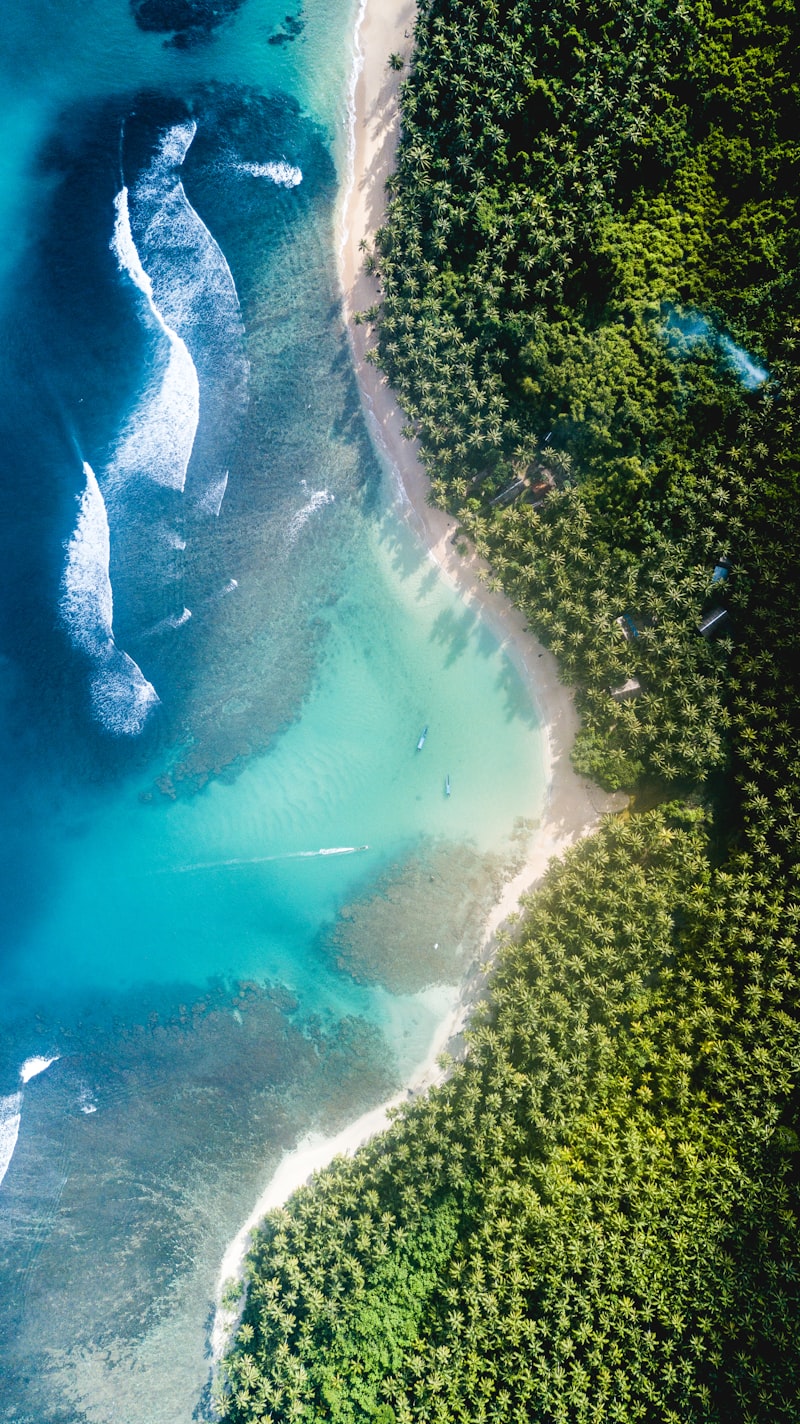
I have walked properties in Zacatitos where the seller proudly showed me solar panels and a cistern system that runs a four-bedroom house for under $50 a month in utilities. No electric bill. No water bill. Starlink beaming internet at 100 megabits. And the owner's biggest monthly expense was propane for the kitchen — about $30.
That is not a hippie commune. That is a well-designed modern home in one of the most beautiful stretches of coastline in North America, operating entirely off the municipal grid because the municipal grid does not reach there. In the East Cape and along the Pacific side of Baja California Sur, off-grid is not a lifestyle statement — it is the default condition. And thanks to 300-plus days of sunshine, modern lithium battery technology, and satellite internet, off-grid living in Baja is more comfortable and more connected than most Americans realize.
Key Takeaways
- A 6-8kW solar system in Baja costs $8,000-$15,000 installed — with 300+ sunny days/year, ROI is fast
- Starlink delivers 50-200 Mbps across remote Baja for ~$120/month — a game-changer for remote workers
- Monthly off-grid operating costs: $210-$320 for a four-bedroom home (propane + water + internet)
- CFE net metering lets grid-connected solar owners sell excess power back for credits
- Ejido land cannot be purchased by foreigners until formally converted to private title — never buy on a promise
- East Cape and Pacific side have the most off-grid properties; Zacatitos, El Pescadero, and Los Barriles lead
Considering Off-Grid Property in Baja?
We know which properties have solid infrastructure, which ejido land has been properly converted, and which communities are thriving. Let us save you from the costly mistakes.
Talk to Our TeamSolar Power: Baja's Unfair Advantage
Baja California Sur receives over 300 days of sunshine per year. The region's solar irradiance — the amount of energy hitting each square meter — is among the highest in North America, comparable to Arizona and the Saharan fringe. For solar power, this is as close to a cheat code as geography gets.
A residential solar system in the 6 to 8 kilowatt range costs $8,000 to $15,000 USD installed, depending on panel quality, inverter type, and battery storage. For off-grid homes, the battery bank is the most critical (and expensive) component — lithium iron phosphate (LiFePO4) batteries have become the standard, offering 10-plus year lifespans and better performance in Baja's heat compared to older lead-acid chemistry. Mexico's Federal Electricity Commission (CFE) administers the grid interconnection program for solar homes that want net metering.
System sizing
A typical four-bedroom Baja home with air conditioning, a refrigerator, washing machine, lighting, and electronics needs 6 to 8 kW of solar capacity and 15 to 30 kWh of battery storage. Here is what that looks like in practice:
| Component | Specification | Cost Range |
|---|---|---|
| Solar panels (400W each) | 16-20 panels | $3,000-$5,000 |
| Hybrid inverter | 8kW capacity | $1,500-$3,000 |
| LiFePO4 battery bank | 15-30 kWh | $3,000-$6,000 |
| Mounting, wiring, installation | Complete | $1,000-$2,000 |
For homes connected to Mexico's electrical utility CFE, net metering (known as interconexion) is available. You generate solar power during the day, sell excess to the grid for credits, and draw from the grid at night. This can reduce or eliminate your CFE bill entirely. See our detailed solar and electricity guide for the full breakdown.
Water Solutions for Off-Grid Properties
Water is the bigger challenge. Unlike electricity — where the sun is a free, abundant source — water in a desert requires infrastructure, planning, and either ongoing expense or significant upfront investment.
Cisterns and trucked water
The most common water setup for off-grid homes in Baja is a concrete or polyethylene cistern (10,000 to 30,000 liters is standard) filled by pipa — a water truck. A 10,000-liter delivery costs $60 to $120 USD depending on distance from the source and the season. A typical household uses one to two deliveries per month.
Well water
Some properties have private wells. Drilling a well in Baja costs $5,000 to $15,000 USD depending on depth (50 to 200 meters is typical in the East Cape). You also need a CONAGUA permit (Mexico's national water commission), which can take several months. Well water requires filtration and often softening due to high mineral content. Not every lot can support a well — the water table varies dramatically across short distances in Baja.
Rainwater harvesting
Baja gets roughly 6 to 10 inches of rain per year, concentrated between August and October during the chubasco season. A well-designed rainwater catchment system on a 2,000-square-foot roof can collect 3,000 to 5,000 gallons during a good rain season — enough to supplement a cistern but not replace trucked water entirely. First-flush diverters and basic filtration are essential.
Greywater recycling
Smart off-grid homes recycle greywater (from sinks, showers, and laundry) for landscape irrigation. A basic greywater system costs $500 to $2,000 to install and can reduce fresh water consumption by 30 to 40 percent. Mexico's environmental agency SEMARNAT encourages greywater recycling in water-stressed regions.
Starlink: The Connectivity Revolution
Before Starlink, remote Baja had exactly two internet options: expensive and slow satellite (Hughesnet-style, 1-5 Mbps with 600ms latency) or no internet at all. That single limitation kept many potential buyers — especially remote workers and digital nomads — from seriously considering East Cape or Pacific side properties.
Starlink changed the equation entirely. The service now covers all of Baja California Sur, delivering 50 to 200 Mbps with latency of 20 to 40 milliseconds. That is fast enough for video calls, streaming, large file transfers, and everything a remote worker needs. The hardware costs approximately $500 for the dish and router, and monthly service is around $120 USD.
I have personally tested Starlink at properties in Zacatitos, El Pescadero, and outside Todos Santos. In every case, speeds exceeded what I get from my wired ISP in Park City. The reliability during clear weather is excellent; heavy rain can cause brief interruptions, but those are rare in Baja's climate. For a deeper look at connectivity options, see our Starlink homeowner's guide and our connectivity guide.
Propane: Cooking and Hot Water
Even fully solar homes in Baja need propane for cooking and water heating — electric ranges and water heaters draw too much power to run sustainably off solar panels alone. Fortunately, propane is cheap and readily available across BCS.
A standard 30-kilogram tank costs 500 to 700 pesos ($28 to $40 USD) and lasts a typical household 3 to 6 weeks depending on cooking frequency and shower habits. Larger 45-kilogram tanks and stationary tanks (estacionarios) are available for bigger homes. Delivery services operate throughout the East Cape and Pacific side — even in remote Zacatitos, the propane truck makes regular rounds. For pricing context and how propane fits into overall living costs, see our cost of living breakdown.
On-demand (tankless) propane water heaters are the standard in Baja. They are efficient, compact, and last 10 to 15 years with minimal maintenance. Expect to pay $200 to $500 for the unit plus $100 to $150 for installation.
Sanitation: Septic and Composting
Off-grid properties in Baja do not have access to municipal sewer systems. The two primary options are septic systems and composting toilets.
A standard septic system (tank + leach field) costs $3,000 to $8,000 USD to install in Baja. Sizing depends on the number of bedrooms and expected occupancy. Septic systems require pumping every 3 to 5 years (roughly $200 to $400 per pump-out) and are the more conventional choice.
Composting toilets have gained significant traction in Baja's eco-communities. Modern units from manufacturers like Sun-Mar and Nature's Head are odorless, low-maintenance, and require no water. They convert waste into usable compost over a 4 to 8 week cycle. The initial cost is $1,000 to $2,500 per unit. Many eco-developments on the Pacific side use composting toilets as part of their sustainability design.
Which Off-Grid Community Fits Your Lifestyle?
From surf-culture El Pescadero to the quiet desert coast of Zacatitos, each East Cape and Pacific side community has its own character. We match buyers to the right one.
Schedule a Community BriefingWhere Off-Grid Living Thrives in Baja
Zacatitos
Zacatitos is the unofficial capital of off-grid living in Los Cabos. This small community south of San Jose del Cabo sits on dramatic rocky coastline with world-class surf breaks. Many homes here run entirely on solar power with cistern water systems. The vibe is intentionally low-key — dirt roads, no streetlights, and that is exactly the point. Properties range from $200,000 for a basic lot to $800,000+ for finished homes with established solar and water systems.
El Pescadero
El Pescadero straddles the line between off-grid and on-grid. The town center has CFE power and basic municipal water, but properties outside the town core are often off-grid. The agricultural roots (the name means "the fisherman" and "the fishery") give the area a working-farm character. Farms, yoga retreats, and surf camps coexist with increasingly upscale residential development. Lots start around $80,000; finished homes run $250,000 to $600,000.
Todos Santos
Todos Santos is the most established Pacific side community, with a thriving art scene, excellent restaurants, and a growing expat population. The town itself is on-grid, but surrounding properties — particularly toward the coast — are often off-grid. Todos Santos was designated a Pueblo Magico by the Mexican government, which brings tourism dollars and infrastructure investment.
Los Barriles
Los Barriles on the East Cape is the most "town-like" of the off-grid-adjacent communities. It has municipal power and water, grocery stores, restaurants, and a strong Canadian and American expat community. Properties within town are on-grid; properties heading south toward Punta Pescadero or north toward the mountains transition to off-grid. Known for world-class kiteboarding and windsurfing.
Ejido Land: The Legal Minefield
This is where off-grid property purchases in Baja get dangerous, and it is the section I need you to read twice.
Ejido land is communal agricultural land granted to communities by the Mexican government, primarily during the land reform era of the early-to-mid 20th century. Large portions of rural Baja California Sur remain classified as ejido. Foreigners cannot legally purchase ejido land. Period.
Ejido land can be converted to private title through a process called dominio pleno, which requires a vote by the ejido assembly and registration with Mexico's agrarian reform agency (RAN). This process takes 1 to 3 years and is not guaranteed — the assembly can vote no.
The danger: you will encounter sellers and even some agents who offer ejido land at attractive prices with assurances that the conversion is "in process" or "almost done." Do not buy ejido land on a promise of future conversion. If the conversion fails, you have no legal recourse to recover your money. Your "purchase" was never legally valid.
Always verify land status through the Public Registry of Property (Registro Publico de la Propiedad) and work with a licensed attorney who specializes in Baja real estate. Our guide on ejido land covers this in detail.
Building Permits in Rural BCS
Building permits are legally required throughout Baja California Sur, including off-grid areas. The municipal planning department (Direccion de Desarrollo Urbano) issues construction licenses based on your architectural plans, environmental impact assessment (when required), and proof of land ownership.
In practice, permit enforcement is inconsistent in remote areas. But building without permits creates real problems:
- Resale: Unpermitted structures complicate or block property sales. A buyer's attorney will flag unpermitted construction during due diligence.
- Insurance: Structural insurance may not cover unpermitted buildings.
- Disputes: If a neighbor or the municipality challenges your structure, you have no legal standing without permits.
- Demolition risk: In extreme cases, authorities can order demolition of unpermitted structures.
The permit process adds cost ($1,000 to $5,000 depending on project size) and time (2 to 6 months), but it is essential for protecting your investment. See our custom home building guide for the full permitting walkthrough.
Monthly Cost of Off-Grid Living
Here is a realistic monthly budget for a four-bedroom off-grid home in the East Cape or Pacific side, after initial infrastructure is installed:
| Expense | Monthly Cost | Notes |
|---|---|---|
| Electricity | $0 | Solar covers all needs |
| Propane | $30-$80 | Cooking + water heater |
| Water (trucked) | $60-$120 | 1-2 pipa deliveries |
| Internet (Starlink) | $120 | 50-200 Mbps satellite |
| Septic maintenance | $5-$10 | Averaged over pump-out cycle |
| Total | $215-$330 | Full-time occupancy |
Compare that to average US utility costs of $400 to $600 per month for a comparable home. The economics of off-grid in Baja are compelling — and they get better every year as solar panel costs decline and battery technology improves.
Is Off-Grid Right for You?
Off-grid living in Baja is not for everyone. It requires comfort with self-reliance, tolerance for occasional inconveniences (a cloudy week depletes batteries faster; a pipa delivery might be a day late), and a genuine appreciation for the natural environment rather than resort amenities.
It is ideal if you want: maximum privacy, low ongoing costs, environmental sustainability, and immersion in Baja's raw landscape. It is not ideal if you want: walkable restaurants, predictable services, or the ability to leave everything to an HOA.
The communities I have described here — Zacatitos, El Pescadero, Todos Santos, Los Barriles — each offer a different balance of remoteness and convenience. The right choice depends on how much infrastructure you want versus how much solitude you need. That is a conversation we have with buyers every week, and it starts with understanding what your actual daily life looks like in each location.
Find Your Baja Lifestyle
Off-grid retreat, beachfront surf break, or mountain-view ranchette — we will match you to the community and the property that fits how you actually want to live.
Start the ConversationThinking about buying here rather than just visiting? Our free 33-page Buying Property in Mexico guide covers the fideicomiso, closing costs in real dollars, and the 27-point checklist we run on every property.
Frequently Asked Questions
How much does a solar system cost in Baja California Sur?+
A residential solar system in Baja ranges from $8,000 to $15,000 USD for a 6-8kW setup, including panels, inverter, and battery bank. Off-grid systems on the higher end include lithium battery storage for overnight power. For homes connected to CFE (the Mexican electric utility), net metering allows you to sell excess power back to the grid, reducing or eliminating your electricity bill.
Does Starlink work in the East Cape and Pacific side of Baja?+
Yes. Starlink provides satellite internet service across Baja California Sur, including remote areas like Zacatitos, El Pescadero, and the East Cape. Speeds range from 50 to 200 Mbps with typical latency of 20-40ms. The service costs approximately $120 USD per month after a one-time hardware purchase of around $500. It has been a transformative technology for remote Baja communities.
Can you get municipal water in the East Cape?+
Municipal water service in the East Cape is limited. Los Barriles has basic municipal service. Communities south of Los Barriles — Zacatitos, Shipwrecks, Cabo Pulmo — generally rely on well water, cisterns with trucked water delivery ($60-$120 per 10,000-liter load), or rainwater harvesting. Costa Palmas has its own private water infrastructure.
What is ejido land and can foreigners buy it?+
Ejido land is communal agricultural land granted by the Mexican government. Foreigners cannot legally buy ejido land until it has been formally converted (desincorporated) to private title through a process called dominio pleno. This conversion can take 1-3 years and requires a vote by the ejido assembly. Never purchase ejido land based on a promise of future conversion — only buy land with confirmed private title or an active fideicomiso.
How much are utilities for an off-grid home in Baja?+
After the initial solar and water system investment, monthly operating costs for an off-grid home in Baja run remarkably low: $0 for electricity (solar), $30-$80 for propane (cooking and water heating), $60-$120 for trucked water (if no well), and $120 for Starlink internet. Total: $210-$320 per month for a comfortable four-bedroom home. That is less than most utility bills in a US city.
Do you need building permits for off-grid construction in BCS?+
Yes. Building permits are required in Baja California Sur regardless of whether the property is on-grid or off-grid. You need a construction license from the municipal planning department (Dirección de Desarrollo Urbano). In practice, permit enforcement is inconsistent in remote rural areas, but building without permits creates legal risk — especially for resale, as unpermitted structures can complicate or block a future sale.
Is composting toilet legal in Mexico?+
Composting toilets are legal and increasingly common in rural Baja. Mexico's environmental regulations (SEMARNAT) actually encourage alternative sanitation systems in areas without municipal sewer service. Many eco-developments in the Pacific side and East Cape use composting toilets paired with greywater recycling systems. Modern composting units are odorless and low-maintenance.

Aaron Cuha
Real Estate Advisor & Los Cabos Market Expert
Real estate advisor and founder of Living In Cabo. 15+ years helping families navigate complex real estate decisions. Strategic partner with Ronival — Baja's largest brokerage.