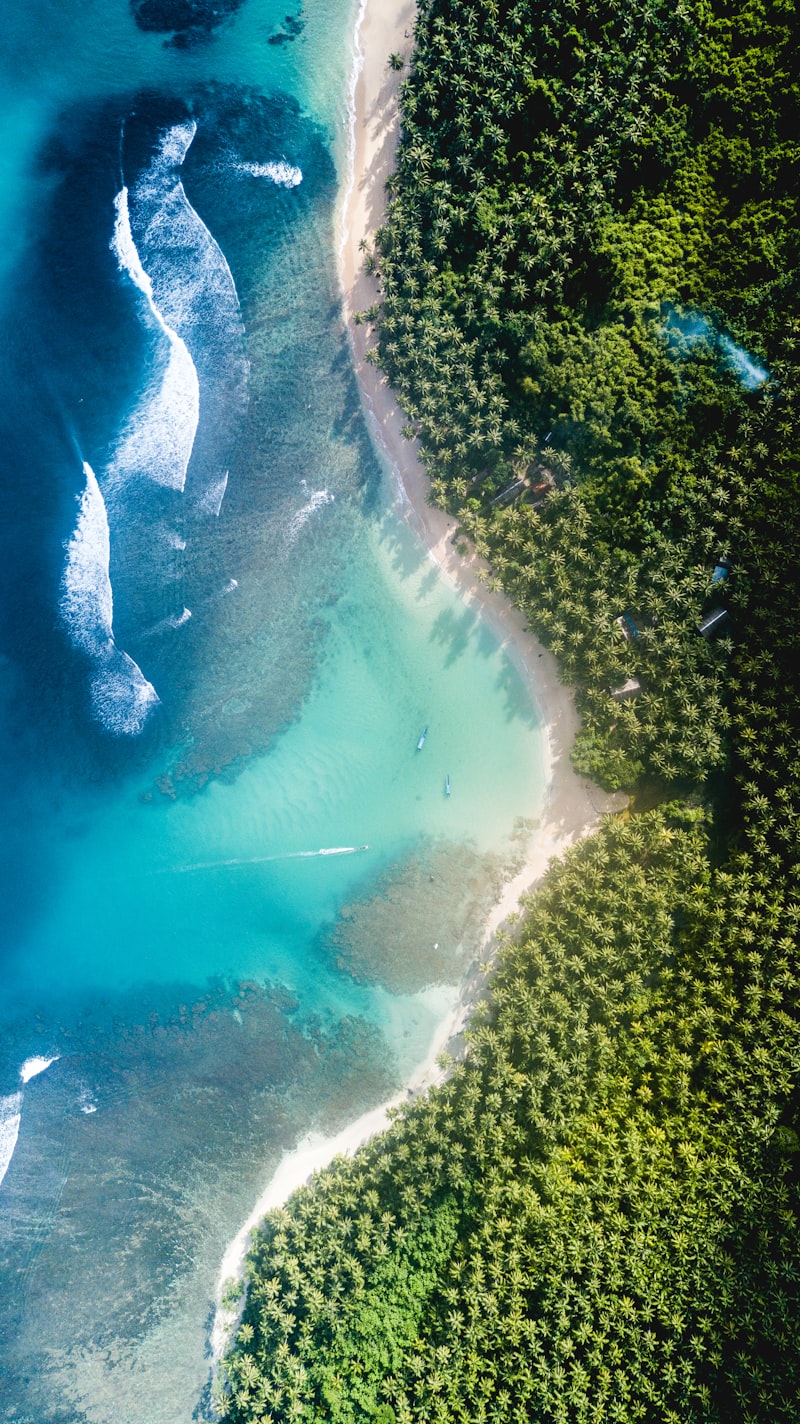
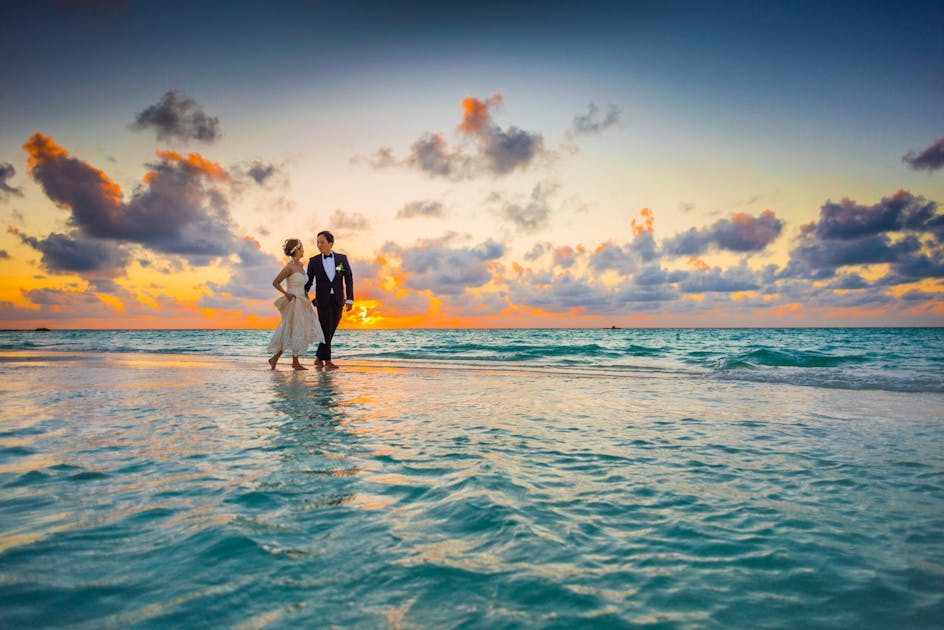
Los Cabos has year-round training weather, ocean swimming access, and enough road and trail variety to keep serious endurance athletes sharp. If you train while you are here, you will never want to go back to a basement treadmill.
KEY TAKEAWAYS
- Year-round temperatures of 70-95°F mean outdoor training 365 days with no winter layoffs
- The Corridor (Highway 1) offers 20+ miles of paved road cycling between the two capes
- Open water swimming at Santa Maria Bay and Chileno Bay — protected bays with calm, clear water
- Start before 7 AM from May through October to avoid peak heat — 6 AM is ideal
- Many gated communities have internal running paths, making property choice a training decision
FREE CONSULTATION
Find a Home Near Your Favorite Route
We match active buyers with communities that support their lifestyle — trails, pools, gym access included.
Contact Us TodayRunning Routes Worth Knowing
I run in Cabo. Not every day, and not as fast as I used to, but enough to know which routes work and which will leave you dodging traffic on a highway shoulder. Here are the ones I keep coming back to.
Cabo San Lucas Marina Boardwalk
The marina boardwalk in Cabo San Lucas is the most accessible flat run in town. About 2 miles out and back along the waterfront, with restaurants and water views the entire way. It is paved, lit, and safe at any hour. The downside: it gets crowded after 8 AM, especially during peak tourist season. Run it early and you will have it mostly to yourself.
Best for: easy recovery runs, 5K warm-ups, visitors getting their bearings.
The Corridor Coastal Stretches
Several resort and community access roads along the Corridor between Chileno Bay and Palmilla have paved shoulders or dedicated paths. These are not continuous — you cannot run the entire 20-mile corridor on a trail — but individual stretches of 3-5 miles are runnable and scenic.
The area near Chileno Bay has a path that runs along the coastline with views of the Sea of Cortez. Palmilla's internal roads are smooth, rolling, and largely car-free in the early morning.
Best for: tempo runs, long runs in segments, hill repeats on the undulating terrain.
San Jose del Cabo Estuary Loop
The estuary in San Jose del Cabo is a protected natural reserve where freshwater meets the sea. The perimeter path runs about 3 miles and is flat, packed dirt — soft enough to spare your joints, firm enough for speed work. You will see herons, pelicans, and the occasional iguana crossing the trail.
Best for: easy runs, birdwatching recovery jogs, heat-acclimation sessions in the shade of the mangroves.
Beach Running
Medano Beach in Cabo San Lucas is the obvious choice — long, relatively flat, and packed hard near the waterline. Run it at low tide for the best surface. Costa Azul beach near Costa Azul and Cerritos Beach on the Pacific side offer quieter alternatives with fewer beach vendors.
A word of caution: soft sand running is excellent resistance training but brutal on your Achilles tendons if you are not adapted. Start with short segments and build up over weeks, not days.
Cycling in Los Cabos
Road Cycling
Highway 1 (the Transpeninsular) between San Jose del Cabo and Cabo San Lucas is the main road cycling route. It is roughly 20 miles with a paved shoulder that varies from generous to nonexistent depending on the section. The terrain rolls gently with a few proper climbs near the Corridor resorts.
Rules of the road:
- Ride before 7 AM. Traffic on Highway 1 builds quickly, and Mexican commercial trucks are wider than what you are used to.
- Ride with a group when possible. Visibility is everything. Local cycling clubs organize weekend group rides — ask at any bike shop in town.
- Bring your own lights. Front and rear lights, even in daylight, are essential for tunnel sections and early morning starts.
- Carry more water than you think you need. There is no shade on long stretches of Highway 1, and convenience stores are spaced 5-10 miles apart.
Mountain Biking
The Sierra de la Laguna foothills north of San Jose del Cabo offer legitimate mountain biking terrain — rocky single-track, desert washes, and enough elevation change to test your legs. The trails are not marked like a U.S. trail system. Go with someone who knows the area or hire a guide for your first few rides.
The area around Rancho San Lucas and north toward the East Cape has some of the best dirt roads for gravel riding — long, quiet, and scenic without the technical demands of single-track.
PERSONALIZED GUIDANCE
Find Your Active Cabo Lifestyle
We will match you with communities that have running paths, pool access, and cycling-friendly roads.
Book Your CallOpen Water Swimming
This is where Cabo genuinely excels as a training destination. The Sea of Cortez provides protected bays with warm, clear water and minimal current — ideal for open water practice.
Best Open Water Spots
- Santa Maria Bay: A protected cove with calm water, good visibility, and a sandy entry. Swim from point to point for about 400-600 meters, or do laps along the beach. No boat traffic inside the bay. Water temperature ranges from about 70°F in winter to 85°F in summer.
- Chileno Bay: Another protected bay with excellent visibility. Slightly larger than Santa Maria, so you can do longer swims. The rocky points on either side make good turnaround markers.
- Medano Beach: Calmer than the Pacific side but busier with boats and jet skis. Swim early or find a section away from the marina entrance.
Safety note: never swim alone in open water. Period. Bring a buddy or a swim buoy (those inflatable orange bags that make you visible). Jellyfish are occasional visitors, mostly in late summer.
Training in Cabo Heat: What You Need to Know
Cabo's temperature range — roughly 70°F in winter mornings to 100°F+ in summer afternoons — requires adaptation if you are coming from a temperate climate.
- Start before 7 AM from May through October. By 9 AM the sun is punishing. I aim for 5:30-6:00 AM departure for anything over an hour.
- Heat acclimation takes 10-14 days. During your first two weeks, cut intensity by 20% and double your water intake. Your body will adapt, but you have to give it time.
- Electrolytes are not optional. You will sweat more than you realize in dry desert heat because the sweat evaporates before you feel wet. Carry electrolyte tabs or drink mix on every session over 45 minutes.
- UV is intense year-round. Cabo sits at about 23°N latitude. Wear sunscreen, sunglasses, and a hat or visor. Reapply sunscreen every 60-90 minutes during long sessions.
- November through April is perfect. Morning temperatures in the 65-75°F range, low humidity, and predictable sunshine. This is why so many endurance athletes make Cabo their winter training base.
Gyms, Pools, and Indoor Training
When the weather or your schedule does not cooperate, you have options.
- Resort gyms with day passes: Many resort properties in the Corridor and Cabo del Sol offer day passes or membership packages to non-guests. Expect to pay $20-$40 USD per visit or $150-$300 per month.
- Lap pools: Several communities have 25-meter pools suitable for training. If pool access matters to you, make it a criterion when choosing your property — it is easier to buy near a pool than to build one.
- Spin and indoor cycling: A handful of studios in the San Jose del Cabo area offer indoor cycling classes. These tend to open and close seasonally, so ask locals for current options.
Why This Matters for Your Property Decision
If you are an active person — and you are reading this, so you probably are — your training habits should influence where you buy in Los Cabos.
- Runners: Look at Palmilla, Chileno Bay, and Corridor communities with internal roads and proximity to the estuary loop.
- Cyclists: The Corridor communities put you right on Highway 1 without a car commute to start your ride. Cabo del Sol and Rancho San Lucas are also well positioned.
- Swimmers: Anything near Santa Maria Bay or Chileno Bay. Proximity to a community lap pool is a bonus for structured swim training.
- Triathletes: The Corridor is your sweet spot — running paths, cycling roads, and open water all within a 10-minute radius.
For a broader look at the active lifestyle in Los Cabos, including golf and water sports, explore our community guides for the Costa Azul and Pacific Side areas.
LIVE THE ACTIVE LIFE
Find Your Training Base in Cabo
We help active buyers find properties that match their lifestyle — not just their budget.
Get StartedThinking about buying here rather than just visiting? Our free 33-page Buying Property in Mexico guide covers the fideicomiso, closing costs in real dollars, and the 27-point checklist we run on every property.
Frequently Asked Questions
What is the best time of day to train outdoors in Los Cabos?+
Start before 7 AM year-round. From May through October, aim for 5:30-6:00 AM to avoid peak heat. November through April is more forgiving, with pleasant morning temperatures in the 65-75°F range. By 9 AM even in winter, the sun is strong enough to affect performance.
Are there running clubs or group rides in Los Cabos?+
Yes. Local cycling groups organize weekend group rides — ask at bike shops in San Jose del Cabo or Cabo San Lucas for current schedules. Running groups tend to be more informal, often organized through social media or expat community pages. The expat community is active and welcoming to newcomers.
Where is the best open water swimming in Cabo?+
Santa Maria Bay and Chileno Bay are the top choices — both are protected coves on the Sea of Cortez with calm water, good visibility, and sandy entries. Water temperature ranges from about 70°F in winter to 85°F in summer. Always swim with a buddy or a visible swim buoy.
Can I do triathlon training in Los Cabos year-round?+
Absolutely. Los Cabos offers year-round outdoor training for all three disciplines. The Corridor provides 20+ miles of road cycling, multiple bays for open water swimming, and running routes from flat boardwalks to hilly community roads. The November-April window is particularly ideal with 65-75°F mornings.
How long does heat acclimation take in Cabo?+
Plan for 10-14 days of reduced intensity. Cut your normal training load by about 20% and double your water intake during the adjustment period. Most athletes feel fully adapted within two weeks. Electrolyte supplementation is essential — dry desert heat causes rapid fluid loss without the visible sweating you expect.
Do any Los Cabos communities have running trails or lap pools?+
Several gated communities have internal paved roads ideal for running, including Palmilla, Chileno Bay, and Cabo del Sol. Some communities offer 25-meter lap pools. If pool access or running trails matter to you, make them part of your property search criteria — we can filter by these amenities.
Aaron Cuha
Real Estate Advisor & Los Cabos Market Expert
Real estate advisor and founder of Living In Cabo. 15+ years helping families navigate complex real estate decisions. Strategic partner with Ronival — Baja's largest brokerage.