Cabo San Lucas releases over 10,000 billfish annually and has held the title of Marlin Capital of the World for decades. With charter costs ranging from $500 for a half-day to $3,500 for luxury full-day trips, and Bisbee's Black & Blue offering record $4.4 million payouts, sportfishing is both a lifestyle and a reason serious anglers buy real estate here.
Key Takeaways
- ✓ Cabo releases 10,000–15,000 billfish annually — productive water starts just 200 yards offshore
- ✓ Charter costs range from $500 half-day to $3,500 luxury full-day, with 800+ boats in the fleet
- ✓ Bisbee's Black & Blue is the world's richest fishing tournament — $4.4M record single-fish payout
- ✓ Year-round fishing: striped marlin (Oct–Mar), blue marlin (May–Nov), yellowfin tuna (all year)
- ✓ Sportfishing contributes $200M annually to Los Cabos and drives significant real estate demand near the marina
Looking for Marina-Adjacent Real Estate?
Our team specializes in properties near the Cabo marina — from walkable condos to Pedregal estates with ocean views.
Schedule a Free ConsultationWhy Cabo Is the Marlin Capital of the World
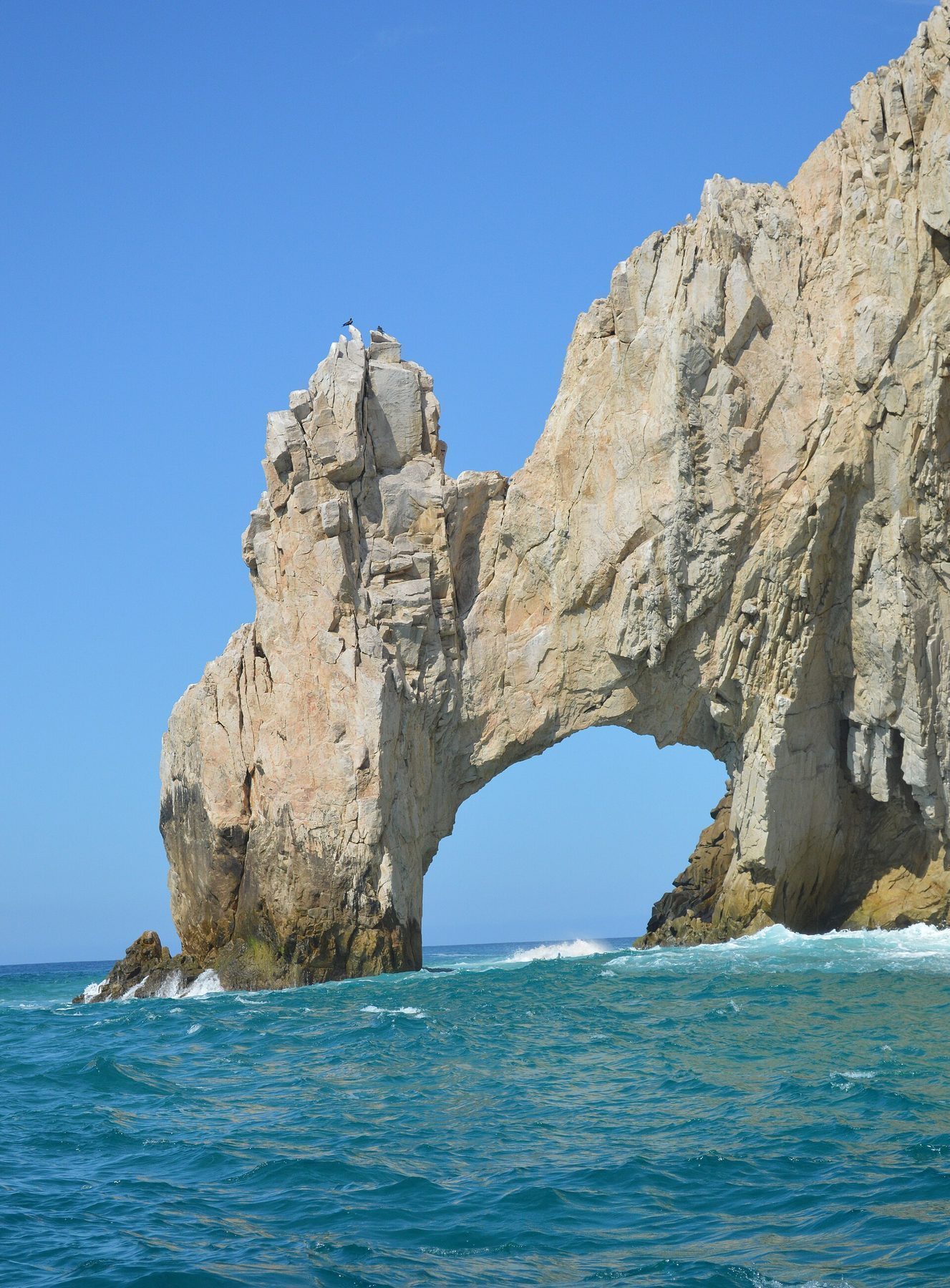
Cabo San Lucas sits at the tip of the Baja Peninsula where the Pacific Ocean meets the Sea of Cortez, creating one of the most productive marine ecosystems on Earth. Jacques Cousteau famously called the Sea of Cortez "the world's aquarium," and the underwater canyon just 200 yards offshore drops to 6,000 feet, concentrating baitfish and predators in a narrow strike zone.
This geography means Cabo's fishing grounds start immediately — boats are on productive water within 10 to 15 minutes of leaving the marina, compared to one to two hours in many other sport-fishing destinations. The warm Equatorial Counter Current brings tropical species north, while the cold California Current pushes nutrient-rich water south. Where these currents collide, fishing is exceptional year-round.
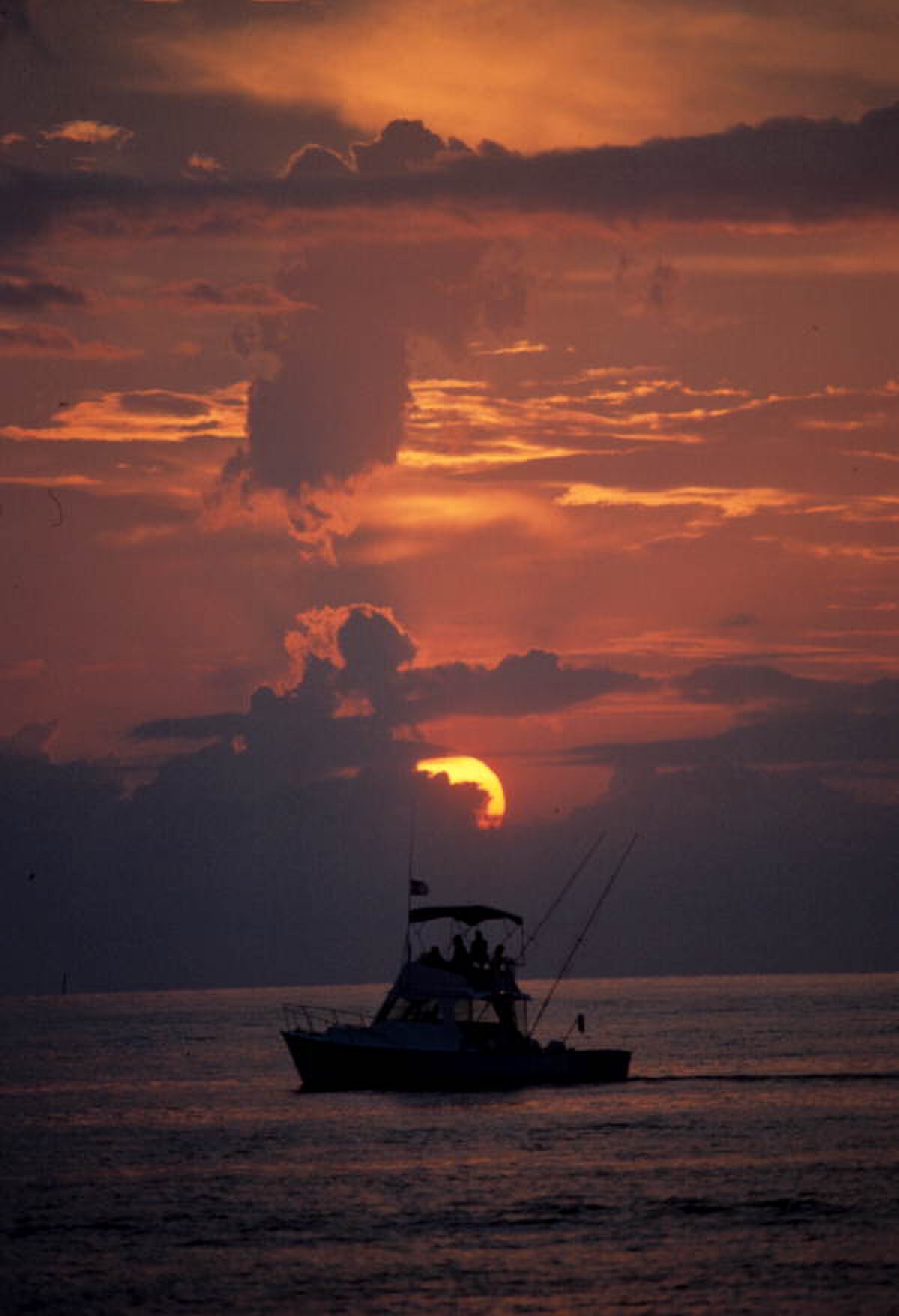
The numbers confirm the title. The Cabo San Lucas fleet releases an estimated 10,000 to 15,000 billfish annually. In tournament season (October), individual boats may raise 10 to 20 marlin in a single day. No other destination in the world matches this combination of abundance, accessibility, and consistency.
Sportfishing tourism contributes an estimated $200 million annually to the Los Cabos economy. The fleet employs approximately 2,500 captains, mates, and support personnel. Over 800 charter and private sportfishing boats operate from the Cabo San Lucas marina and the newer Puerto Los Cabos marina in San Jose del Cabo.
Species Calendar: What Bites When
Cabo San Lucas offers year-round fishing, with different species peaking in different seasons. Understanding the calendar is essential for planning trips and choosing the right charter.
Striped Marlin (October -- March)
The bread and butter of Cabo fishing. Striped marlin migrate south along the Baja coast in enormous numbers during fall and winter. Average size is 100 to 160 pounds, with occasional fish exceeding 200 pounds. These are the most frequently caught billfish in Cabo, with boats regularly releasing 3 to 8 fish per day during peak season. Catch-and-release is standard practice — over 95 percent of striped marlin are released.
Blue Marlin (May -- November)
The glamour species. Blue marlin are the largest billfish in the Pacific, with Cabo fish averaging 250 to 400 pounds and trophy specimens exceeding 800 pounds. The season peaks in September and October. Blues are typically caught one at a time, with a good day producing one to three raises and one hookup. These are the fish that win tournaments.
Black Marlin (September -- December)
Less common than striped or blue marlin but highly prized. Black marlin in Cabo average 300 to 500 pounds, with occasional fish over 700 pounds. They tend to feed closer to shore than blues, often near the underwater canyon. September and October offer the best shot at a black marlin, and landing one on the same day as a blue and striped marlin constitutes a "Grand Slam."
Yellowfin Tuna (Year-Round, Peak June -- November)
Yellowfin tuna provide year-round action, with the largest fish (150 to 300 pounds) appearing from June through November. Cabo's tuna grounds extend from the Gordo Banks (underwater seamounts near San Jose del Cabo) to the Golden Gate Bank offshore. Tuna fishing is excellent for eating — a day's catch provides sashimi-grade yellowfin for months. Average size is 30 to 80 pounds, with "cow" tuna over 200 pounds available during peak season.
Dorado/Mahi-Mahi (May -- November)
Dorado are the most colorful fish in the ocean and one of the best eating. Cabo's dorado season runs May through November, with peak action in September and October. Average size is 15 to 30 pounds, with bull dorado reaching 50 to 60 pounds. These fish are aggressive, acrobatic fighters that are perfect for family trips and less experienced anglers.
Wahoo (June -- December)
Wahoo are speed demons — the fastest fish in the ocean at 60 mph. Cabo's wahoo season peaks in November and December. Average size is 30 to 60 pounds, with occasional fish reaching 80 pounds. They are prized for their firm white meat, which many consider the best eating fish in the Pacific. Trolling with high-speed lures is the primary technique.
Roosterfish (April -- October)
Roosterfish are the signature inshore species of Baja, recognizable by the distinctive "rooster comb" dorsal fin. Found along sandy beaches and rocky shorelines, they average 20 to 40 pounds, with trophy fish exceeding 80 pounds. Roosters are strictly catch-and-release. The best fishing is along the East Cape and the La Playita shoreline near San Jose del Cabo.
Bisbee's Black & Blue: The Super Bowl of Fishing
Bisbee's Black & Blue tournament is the richest fishing tournament in the world, held annually in Cabo San Lucas during the last week of October. The event has defined Cabo's identity as a fishing destination since Bob Bisbee founded it in 1981.
The 2023 tournament set a record with a $4.4 million payout for a single qualifying black marlin, caught by the team aboard the boat "Release." Total prize money that year exceeded $7 million across all categories. The 2024 and 2025 events maintained prize pools above $5 million total.
Tournament structure: Teams pay a base entry fee of $5,000, with optional jackpot entries of $10,000, $25,000, and $50,000 that dramatically increase potential payouts. To qualify, a blue or black marlin must weigh at least 300 pounds. Over 100 teams typically enter, with boats ranging from 50 to 80 feet.
Economic impact: Bisbee's week generates an estimated $20 to $30 million in direct spending in Cabo San Lucas. Hotels, restaurants, bars, and marine services all experience peak demand. The marina becomes a floating party, with team boats decorated, barbecues running on every dock, and the weigh station drawing crowds of 2,000 to 5,000 spectators each afternoon.
Other notable tournaments include the Bisbee's Los Cabos Offshore (early October, a warmup event), the Stars & Stripes Tournament (July 4th weekend), and the Los Cabos Billfish Tournament (November). Tournament culture is a year-round social scene for the Cabo fishing community, as described by the Billfish Foundation, which supports conservation and catch-and-release practices across all major Cabo events.
Charter Costs & Booking Guide
Cabo San Lucas offers the widest range of charter options in the Pacific, from budget-friendly pangas to luxury 80-foot sportfishers. Understanding the tiers helps match expectations to budget.
Panga Fishing ($250 -- $400/day)
Pangas are traditional open-hulled fishing boats, typically 22 to 26 feet, powered by outboard motors. They offer an authentic, no-frills fishing experience close to shore. Best for: roosterfish, inshore dorado, and bottom fishing (snapper, grouper). Limited to 2-3 anglers. No shade, no head (restroom), no fighting chair. Duration: 5-6 hours.
Standard Charter ($500 -- $1,200/half day, $800 -- $2,000/full day)
The most popular option. Boats range from 28 to 38 feet with enclosed cabin, fighting chair, sonar, outriggers, and head. These boats handle offshore trips to the canyon, Gordo Banks, and Golden Gate Bank. Accommodate 4-6 anglers comfortably. Full day is 8-10 hours; half day is 4-5 hours. Includes captain, mate, bait, tackle, fishing licenses, and ice.
Premium Charter ($2,000 -- $3,500/full day)
Luxury sportfishers from 42 to 80 feet with air-conditioned cabins, multiple fighting chairs, advanced electronics, gourmet lunch, and premium beverages. These boats target the largest marlin and tuna at offshore grounds 30 to 60 miles out. Accommodate 6-10 anglers. Crews of 3-4, including experienced tournament captains. Best for serious anglers, corporate groups, and special occasions.
Booking Tips
- Book 2-4 weeks ahead during peak season (October-December) and tournament weeks
- Walk-up availability is common from April through August
- Tip 15-20% of charter cost, split between captain and mate
- Keep your catch or have the crew prepare sashimi and ceviche on board
- Most charter offices cluster along the marina boardwalk in Cabo San Lucas
📥 Free Download: Baja Buying Guide
Everything you need to know about purchasing property near the Cabo marina — legal process, costs, and financing options.
Download Free GuideMarina Life & the Fishing Community
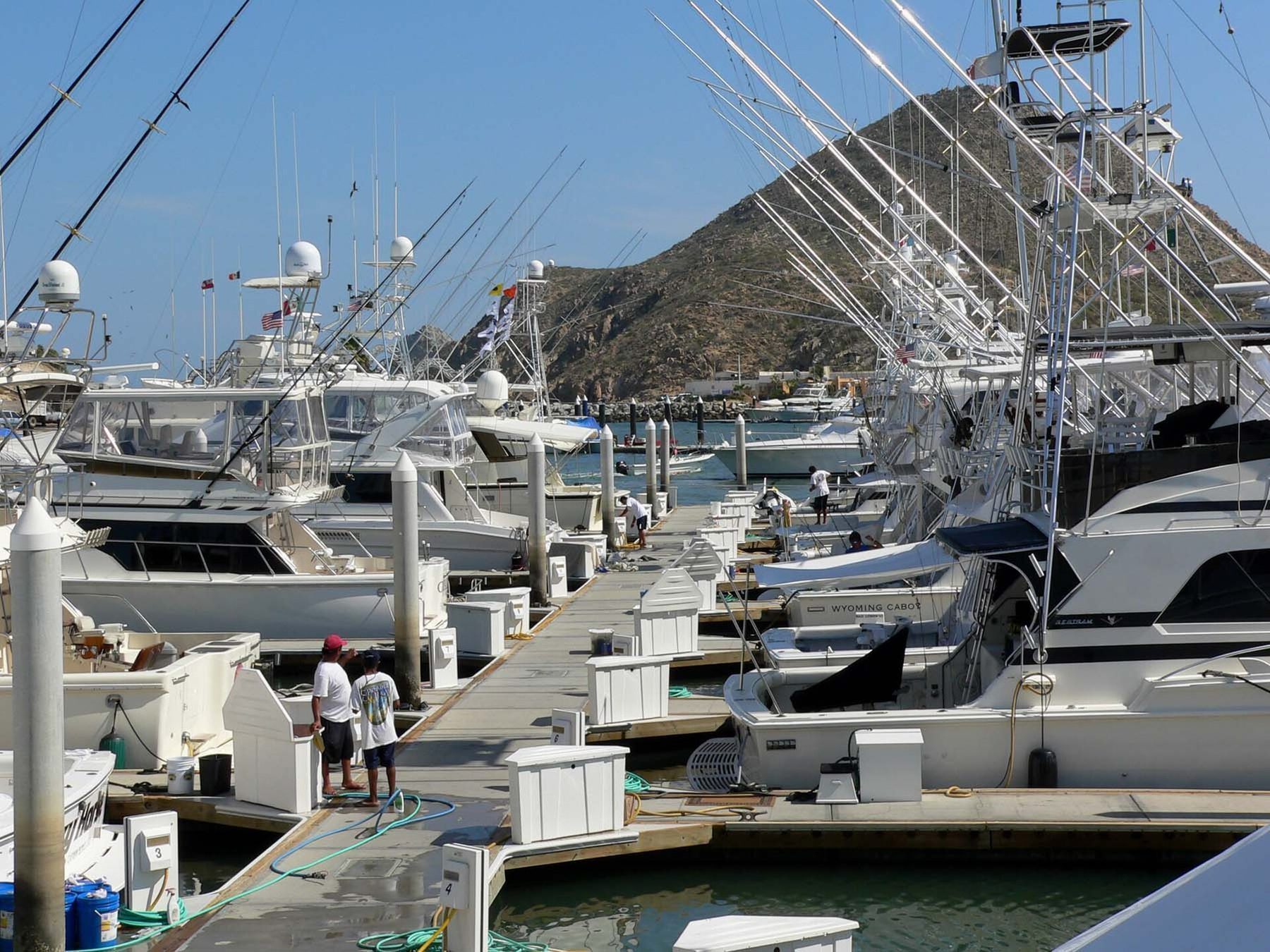
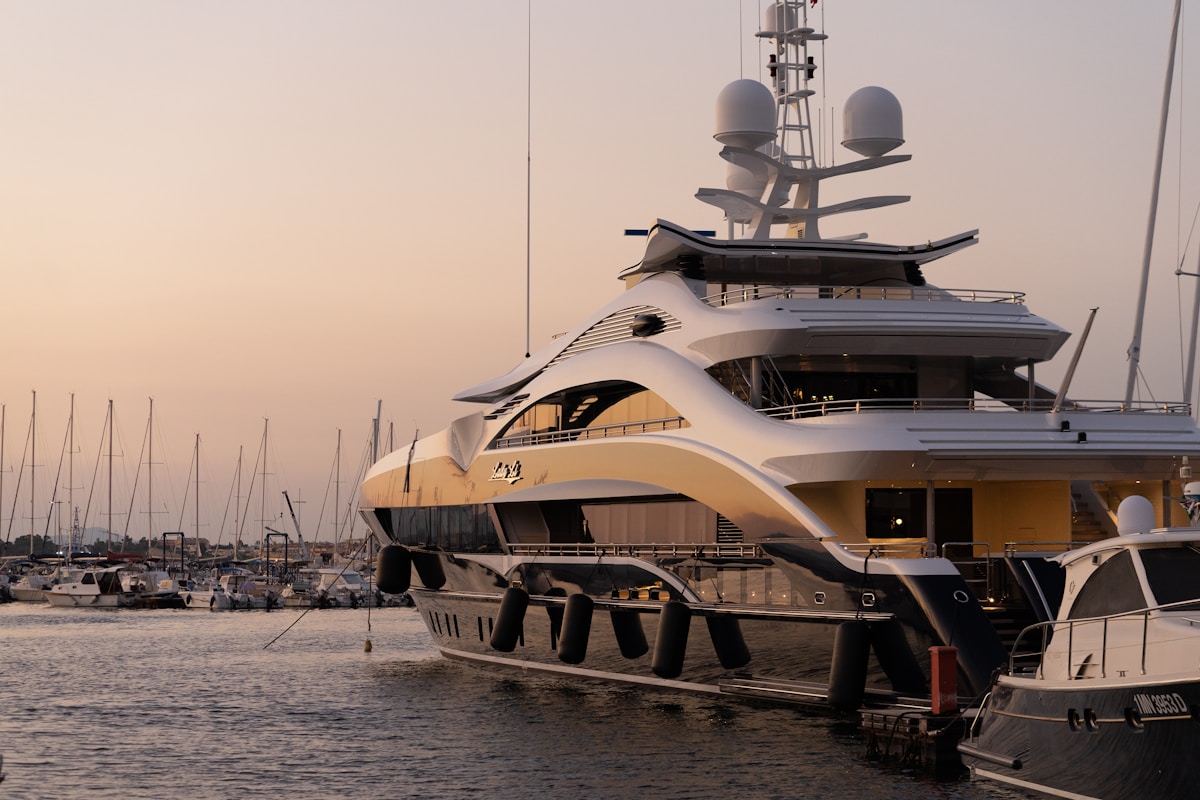
The Cabo San Lucas marina is the social hub of the fishing community, with over 380 slips accommodating boats from 25 to 200 feet. The marina boardwalk runs approximately one mile from the cruise ship terminal to the fuel dock, lined with charter offices, restaurants, bars, tackle shops, and marine services.
Gricelda's Smokehouse is a Cabo institution — a dockside restaurant that has been smoking marlin, tuna, and other fish for over 30 years. Anglers bring their catch for smoking and preparation, and the restaurant serves its own smoked fish tacos that draw locals and tourists alike. A meal costs $10 to $20 USD.
The marina is where the fishing community converges daily. Boats return between 1:00 and 4:00 PM, and the dock becomes a social event as catches are displayed, stories are traded, and plans are made for the next day. During tournament weeks, this energy amplifies tenfold — live music, open bars on boats, and crowds watching the weigh station.
For boat owners, slip fees at the Cabo San Lucas marina range from $800 to $3,000 monthly depending on boat length and location. The newer IGY Marina offers premium slips with full-service amenities. Puerto Los Cabos marina provides an alternative with a more residential, less tourist-oriented atmosphere.
The Fishing-to-Real Estate Pipeline
Sportfishing is one of the top three reasons buyers relocate to Cabo San Lucas, alongside golf and general lifestyle. The pattern is consistent: visitors come for a fishing trip, fall in love with the lifestyle, return two or three times, then start looking at property.
Communities that attract fishing-lifestyle buyers include:
- Pedregal: Hillside homes overlooking the marina and Pacific, $800,000 to $10 million. 5-minute drive to the marina. The original luxury residential community in Cabo.
- El Medano: Beachfront condos within walking distance of the marina, $400,000 to $2,500,000. Maximum convenience for daily fishing.
- Cabo San Lucas marina area: Condos and townhomes steps from the dock, $350,000 to $1,200,000. Ideal for owners who want to walk to their boat.
Serious anglers who own boats typically spend $2,000 to $5,000 monthly on slip fees, maintenance, fuel, and crew — an annual commitment of $24,000 to $60,000 beyond the real estate purchase. This ongoing cost is important to budget alongside the property investment. Our cost of living guide breaks down these ongoing expenses in detail.
Conservation & Catch-and-Release
Cabo's fishing community has become a leader in billfish conservation over the past two decades. Catch-and-release rates for marlin now exceed 95 percent in Cabo, up from approximately 50 percent in the 1990s. This shift has been driven by tournament rules (Bisbee's requires release of marlin under 300 pounds), angler education, and growing awareness that released marlin support the long-term fishery.
CONAPESCA (Mexico's national fisheries commission) regulates the Cabo fishery with seasonal closures, catch limits, and licensing requirements. The Tag & Release program, supported by the Billfish Foundation, tracks marlin migration patterns using satellite and conventional tags. Cabo anglers tag and release thousands of marlin annually, contributing to critical scientific data.
For buyers considering Cabo for the fishing lifestyle, conservation success matters directly to property values. A productive fishery keeps the fleet employed, tournaments funded, and the fishing tourism economy strong. The estimated $200 million annual economic contribution of sportfishing to Los Cabos supports infrastructure, services, and real estate demand across the region.
Getting Started: Your First Cabo Fishing Trip
Whether you are testing the waters (literally) or already know Cabo is your fishing home, here is a practical plan for getting started.
- First trip: Book a standard full-day charter ($1,200-$1,500) through a reputable fleet. Pisces Sportfishing, Tag Cabo, and Reel Cabo are established operators with modern boats and experienced crews. October or November offers the best odds for multiple species.
- Second trip: Try a premium charter to experience the offshore grounds. Fish the Golden Gate Bank for tuna or the canyon for blue marlin. Stay near the marina at El Medano to experience the fishing community atmosphere.
- Exploring ownership: Tour marina-adjacent properties and evaluate slip availability. Speak with boat owners about the realities of ownership in Cabo — maintenance, crew, costs, and the day-to-day fishing lifestyle.
- Making the move: Many fishing buyers start with a condo near the marina, then add a boat, then upgrade to a larger property as their commitment to the Cabo fishing lifestyle deepens. Our guide for Americans buying in Mexico covers the legal and financial framework.
The fishing community in Cabo San Lucas is welcoming, social, and deeply connected. Once you are on the docks, introductions happen naturally — over shared catches, tournament stories, and cold Pacificos at sunset. It is a lifestyle that hooks people as reliably as the marlin hook the bait.
For tournament schedules and entry information, visit Bisbee's Tournament website. Charter availability and fleet information is available through Pisces Sportfishing, one of the most established operators in Cabo. The Billfish Foundation provides conservation data and supports the tag-and-release program.
Take the Next Step
Ready to combine world-class fishing with Los Cabos real estate? Contact our team to find marina-adjacent condos, beachfront homes, and sportfishing lifestyle properties. For fleet reviews, Pisces Sportfishing publishes daily catch reports. Tournament schedules are available at Bisbee's official website.
Take the Next Step
From marina condos to oceanfront estates, we'll find your perfect fishing lifestyle property in Los Cabos.
Contact Us TodayThinking about buying here rather than just visiting? Our free 33-page Buying Property in Mexico guide covers the fideicomiso, closing costs in real dollars, and the 27-point checklist we run on every property.
Frequently Asked Questions
What is the best month for marlin fishing in Cabo San Lucas?+
October is widely considered the best single month for marlin fishing in Cabo San Lucas. Striped marlin are at peak numbers (October through March), and blue marlin are still present from the summer run (May through November). Water temperatures are warm, seas are typically calm after hurricane season, and the confluence of species makes October the prime month for a billfish grand slam.
How much does a fishing charter cost in Cabo San Lucas?+
Fishing charter costs in Cabo San Lucas range from $500 for a half-day (4-5 hours) on a standard 31-foot boat to $3,500 for a full day (8-10 hours) on a luxury 60-foot-plus sportfisher. Mid-range full-day charters on 35 to 42-foot boats typically cost $1,200 to $2,000. Prices include captain, crew, bait, tackle, and fishing licenses. Tips of 15 to 20 percent are customary.
What is the Bisbee's Black & Blue tournament?+
Bisbee's Black & Blue is the world's richest sportfishing tournament, held annually in Cabo San Lucas in late October. The 2023 event set a record with a $4.4 million payout for a single fish. Over 100 teams compete for prizes that regularly exceed $3 million total. Entry fees start at $5,000, with additional jackpot entries of $10,000 to $50,000. The tournament has run since 1981 and is considered the Super Bowl of sportfishing.
Do I need a fishing license in Cabo San Lucas?+
Yes. A Mexican fishing license is required for all recreational fishing in Mexican waters. Charter boats include licenses in their pricing. For private boat owners, licenses cost approximately $15 to $40 USD per day or $50 to $130 for an annual permit, depending on the type. Licenses are available through CONAPESCA (Mexico's fishing authority) and at the marina office.
What is the catch-and-release policy in Cabo San Lucas?+
Catch-and-release rates for marlin in Cabo now exceed 95 percent, up from approximately 50 percent in the 1990s. Most tournaments require release of marlin under 300 pounds. Tuna, dorado, wahoo, and other species may be kept for consumption. The conservation ethic is strong among the Cabo fleet, and most captains practice catch-and-release for all billfish regardless of size.
Can I fish year-round in Cabo San Lucas?+
Yes. Cabo offers year-round fishing thanks to its position where the Pacific Ocean meets the Sea of Cortez. Striped marlin peak from October through March, blue marlin from May through November, yellowfin tuna year-round with peaks in summer, and dorado from May through November. Even in the slowest months, yellowfin tuna and bottom fishing remain productive.
How far offshore do you need to go for marlin in Cabo?+
One of Cabo's biggest advantages is that productive fishing grounds start just 200 yards offshore, where an underwater canyon drops to 6,000 feet. Boats are on marlin water within 10 to 15 minutes of leaving the marina, dramatically closer than most sportfishing destinations which may require one to two hours of transit.
Aaron Cuha
Real Estate Advisor & Los Cabos Market Expert
Real estate advisor and founder of Living In Cabo. 15+ years helping families navigate complex real estate decisions. Strategic partner with Ronival — Baja's largest brokerage.