Los Cabos sits at the collision point of the Pacific Ocean and the Sea of Cortez — Jacques Cousteau's "aquarium of the world." That geography creates one of the most diverse water-sport playgrounds on the planet: world-class diving, snorkeling with sea turtles, surfing that ranges from beginner-friendly to terrifying, and everything from paddleboarding to whale shark encounters. I have done most of it. Here is what is actually worth your time and money.
Key Takeaways
- Cabo Pulmo National Marine Park is a UNESCO site with 460% marine biomass recovery — the best diving in the Sea of Cortez
- Chileno Bay and Santa Maria Bay are the top snorkeling spots — Blue Flag certified, calm water, free access
- Cerritos Beach is the best beginner surf spot in Baja; Monuments and Zippers are for advanced surfers only
- Water temperatures range from 68F (winter) to 85F (summer) — wetsuits optional most of the year
- Best overall season for water sports: October through June; diving visibility peaks July through November
Planning a Cabo Lifestyle Visit?
Water sports access is one of the top reasons people buy in Los Cabos. We help you find a home near the breaks, bays, and dive sites that match your lifestyle.
Schedule a Free Consultation1. Scuba Diving: The Sea of Cortez Is the Main Event
I did my first dive at Cabo Pulmo in 2020, and it ruined every other dive site for me. I am not being dramatic. When you drop into a reef system that has recovered 460 percent of its marine biomass since the 1995 fishing ban, and a school of a thousand bigeye jacks forms a tornado around you at 60 feet, your standards permanently change.
Los Cabos has three distinct diving zones, each with a different character:
Cabo Pulmo National Marine Park
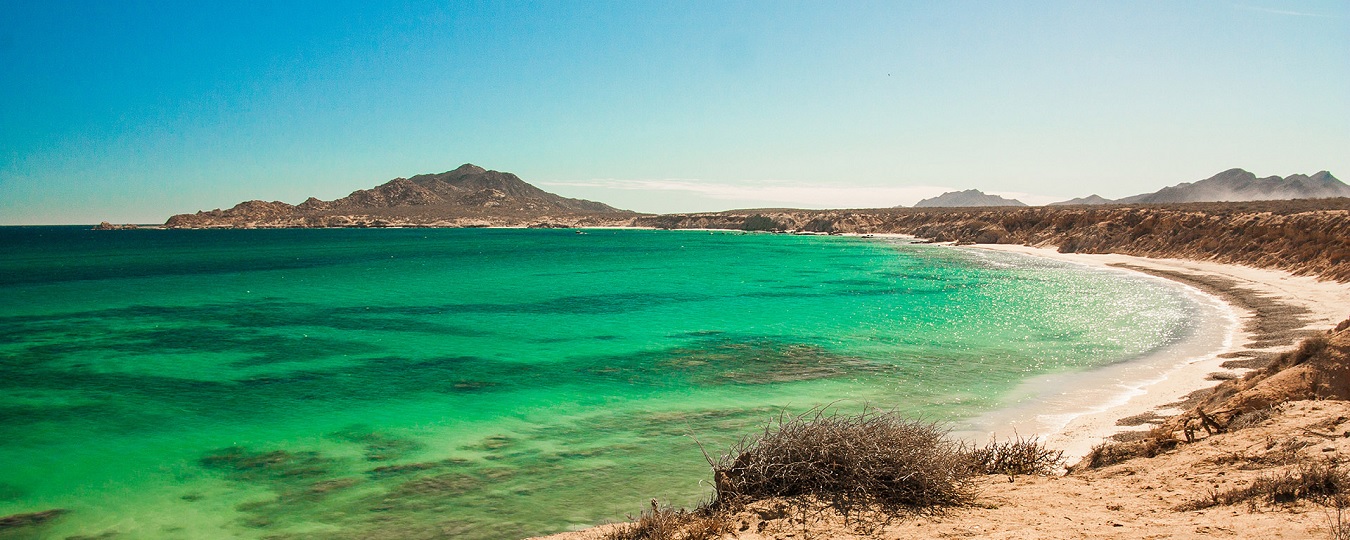
Cabo Pulmo is a 2-hour drive from Cabo San Lucas on the East Cape. The reef here is 20,000 years old — the oldest living coral reef on the Pacific coast of North America. Since the local fishing community voluntarily banned all fishing in 1995, the recovery has been one of the most documented marine conservation success stories in the world.
What you will see:
- Bull sharks — common from November through May, patrolling the deeper reef edges
- Hammerhead sharks — seasonal (August through November), usually at El Bajo seamount
- Manta rays — up to 15-foot wingspans, common in warm months
- Giant schools of jacks and snappers — the famous "tornado" formations
- Sea turtles, moray eels, and reef fish — year-round
Two-tank guided dives at Cabo Pulmo cost $130 to $180 per person with a local operator. Full-day trips from Cabo San Lucas (including transport, two tanks, lunch, and gear) run $180 to $250. I recommend Cabo Pulmo Divers — they have been operating in the park for decades and know every site. Book at least a week in advance during peak season.
If you are considering buying on the East Cape, proximity to Cabo Pulmo is a serious lifestyle advantage. Communities like Costa Palmas and Cabo Pulmo village put you within 30 to 45 minutes of the park entrance.
Cabo San Lucas Marina Dives
For dives that do not require a two-hour drive, the Cabo San Lucas marina area has solid options:
- Pelican Rock — the most popular site, a submerged rock formation with sea fans, eels, and tropical fish. Calm conditions, good for beginners. 10 minutes from the marina.
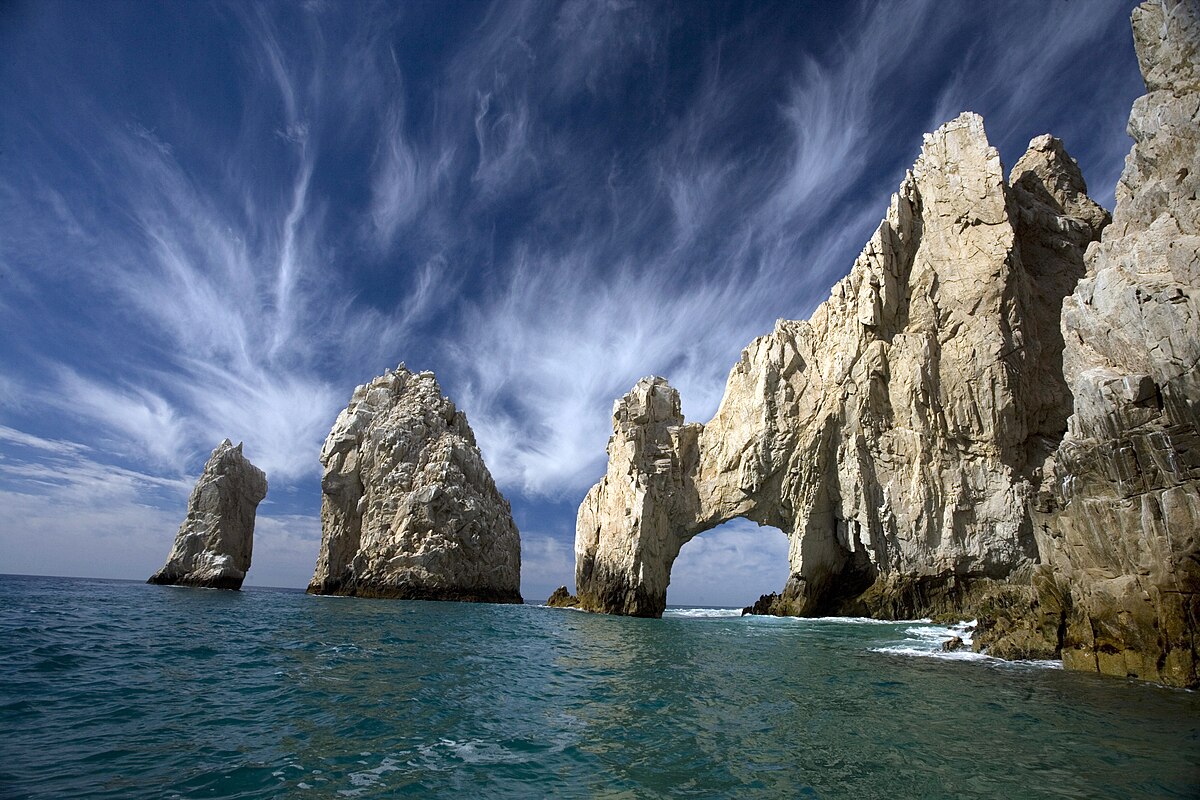
- Land's End — the famous Arch of Cabo San Lucas, diveable in calm conditions. Sea lions, large schools of fish, dramatic rock formations. Currents can be strong.
- Sand Falls — an underwater waterfall of sand cascading off the edge of a submarine canyon. One of the most visually surreal dive sites in the world. Advanced divers only — deep, some current, and the sand flow is at 90+ feet.
- Neptune's Finger — a pinnacle rising from 80 feet, covered in gorgonian fans. Good for intermediate divers.
Two-tank boat dives from the Cabo marina cost $100 to $150 including equipment. PADI Open Water certification runs $400 to $550 for a 3 to 4 day course.
Visibility and Season
Diving visibility in Los Cabos follows a predictable pattern:
- July through November: Best visibility — 80 to 100+ feet. Water temperatures hit 80 to 85 degrees. Plankton blooms bring whale sharks and mantas but can temporarily reduce visibility at some sites.
- December through March: Good visibility (50 to 80 feet). Cooler water (68 to 74 degrees) means you will want a 5mm wetsuit. Humpback whales are everywhere — you can hear them singing underwater.
- April through June: Transitional. Visibility 40 to 70 feet. Water warming up. Great for Cabo Pulmo as the reef activity increases.
2. Snorkeling: You Do Not Need a Certification
Not a diver? No problem. Los Cabos has some of the best snorkeling in Mexico, and the best spots are free to access.
Chileno Bay
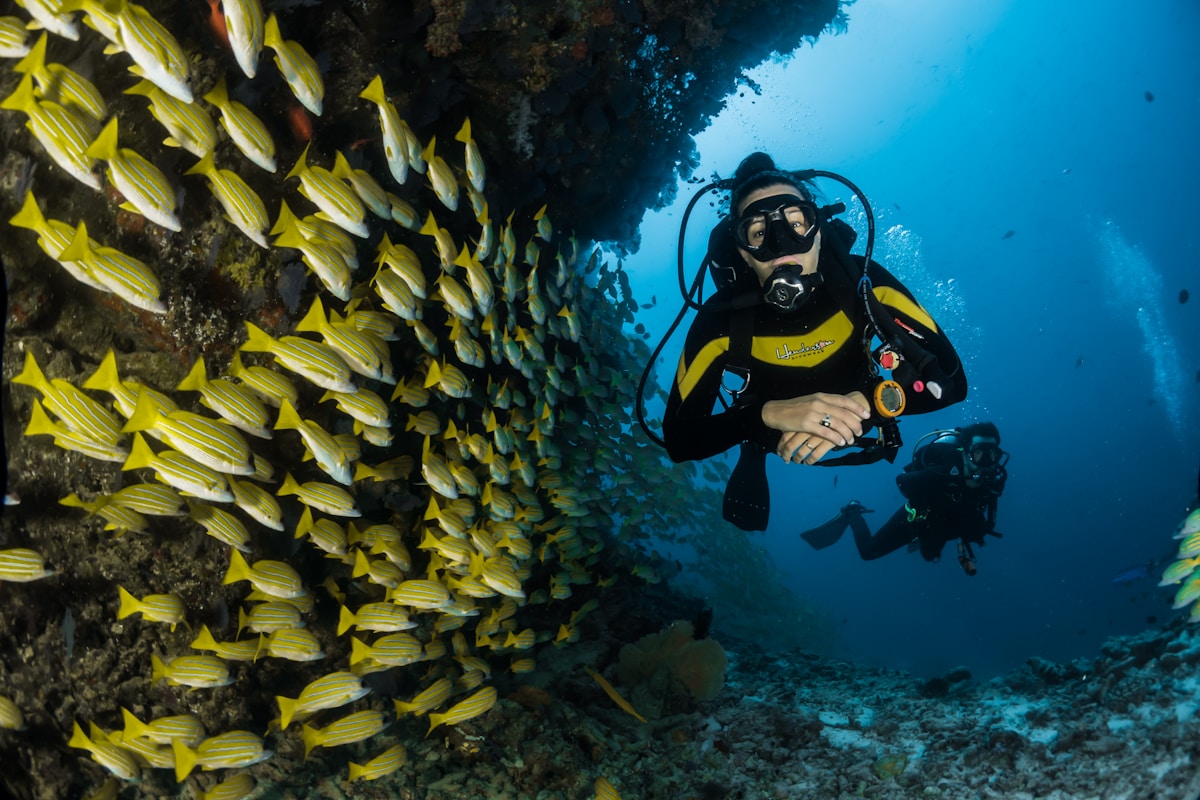
Chileno Bay is the best snorkeling spot in Los Cabos and it is not close. The bay is a sheltered crescent on the Tourist Corridor with a reef running parallel to shore about 30 yards out. The water is calm, clear, and warm. I have snorkeled here a dozen times and consistently see sea turtles, pufferfish, parrotfish, sergeant majors, and once — on a very good day — a small spotted eagle ray cruising along the reef edge.
The beach is public, free to access, and has restrooms and a small parking lot. Bring your own gear or rent from vendors on the beach ($10 to $15 for mask and snorkel). If you are buying in the Chileno Bay community, this is literally your backyard.
Santa Maria Bay
Santa Maria Bay is one cove east of Chileno and nearly as good for snorkeling. The horseshoe-shaped bay has a sandy bottom with rocky edges where the fish congregate. It is slightly less sheltered than Chileno, so visibility can vary. Also free and public.
Boat-Based Snorkel Tours
Glass-bottom boat tours from Cabo San Lucas marina visit the Arch, Lover's Beach, and Pelican Rock for $25 to $45 per person. More extensive snorkel trips hitting Chileno Bay, Santa Maria Bay, and Land's End run $60 to $90 for a half-day excursion with lunch. These are the best value for visitors who want to hit multiple spots without driving.
Want to Live Steps from the Water?
Beachfront and ocean-access communities across Los Cabos — from Chileno Bay's snorkeling reef to Cerritos' surf break. We match your lifestyle to the right address.
Book a Lifestyle Call3. Surfing: Pacific Power, Baja Soul
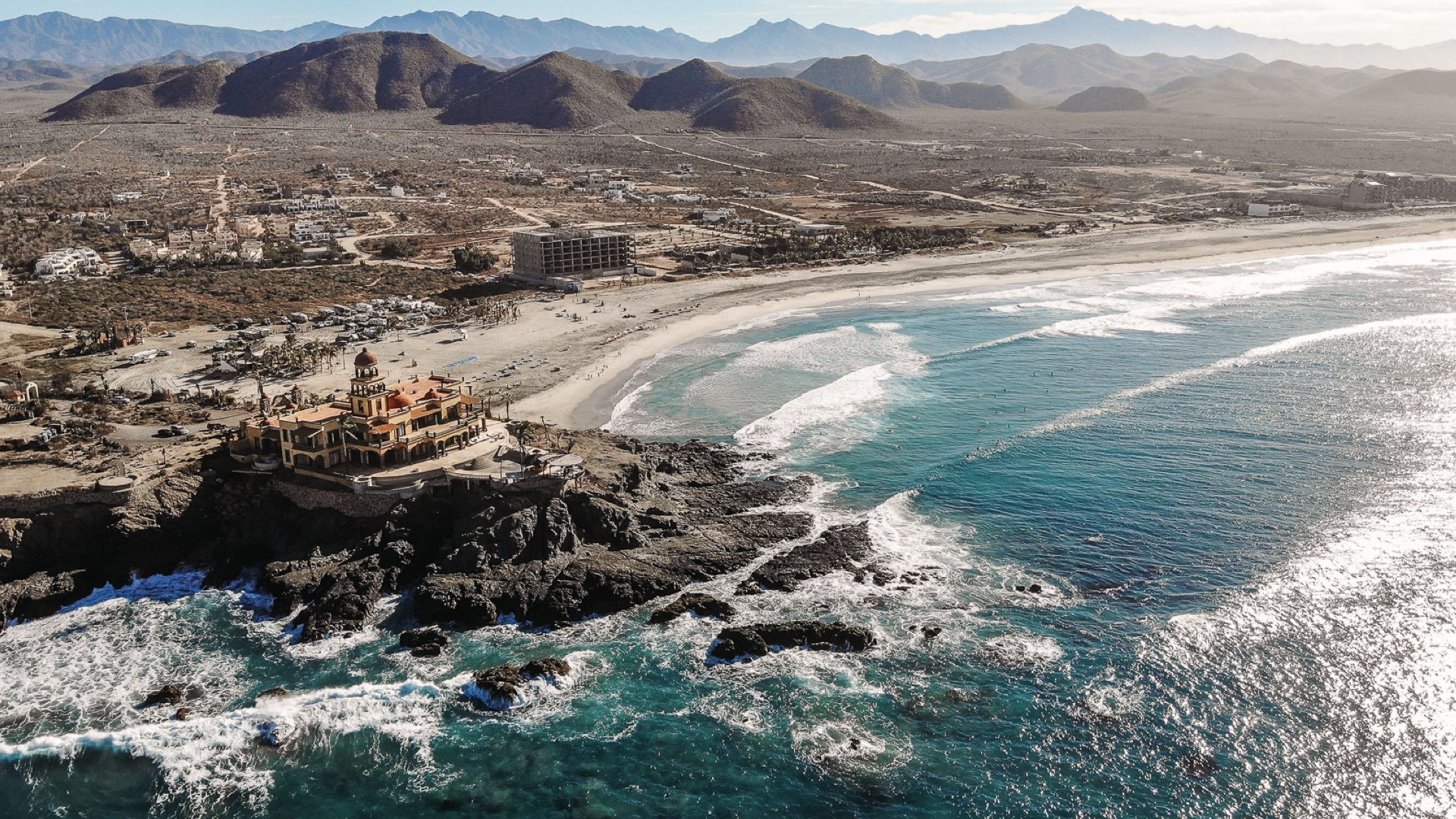
The first time I paddled out at Cerritos Beach, I was struck by how different the vibe was from the resort side of Cabo. No jet skis, no banana boats, no cruise ship passengers. Just waves, sand, and a lineup full of people who actually live there. That is the Pacific Side — a different world from the Corridor, and the best surf in the Los Cabos region.
Cerritos Beach (Beginners and Intermediates)
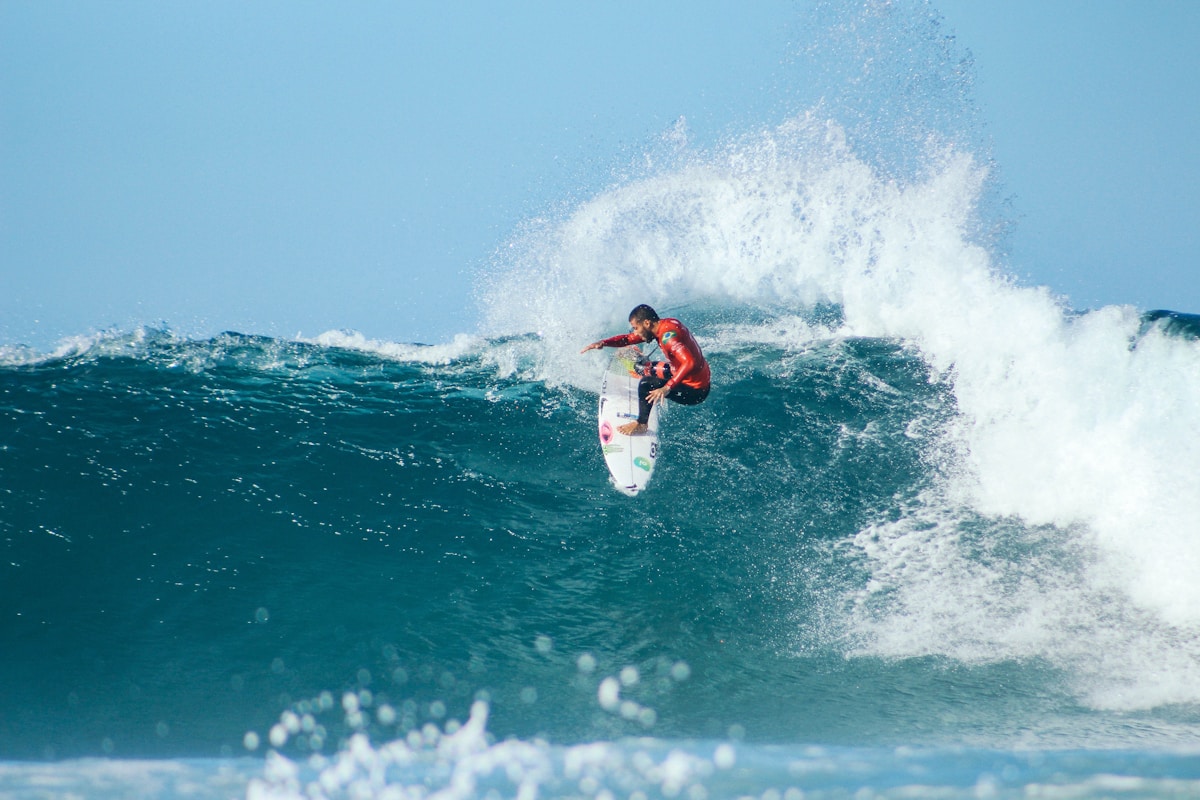
Cerritos Beach is the surf spot I send every beginner to. Wide sandy beach, consistent small-to-medium waves, warm water, and a dozen surf schools competing for your business. Lessons run $60 to $80 for a 90-minute session including board. Board rentals are $20 to $30 per day if you want to go solo.
The break here is a beach break — forgiving, not sharp reef, and the wave has a long shoulder that gives beginners time to stand up and ride. When a south swell hits, the outside section gets head-high and fun for intermediate surfers. It is located on the Pacific Side, about 45 minutes from Cabo San Lucas and 10 minutes from Todos Santos.
Costa Azul (Intermediates)
Costa Azul sits just south of San Jose del Cabo and has two breaks. The inside section (Old Man's) is a mellow wave good for longboarding and improving intermediates. The outside section (Zippers) is a fast, powerful right-hand point break that is for advanced surfers only — shallow reef, strong currents, and localism. Do not paddle out at Zippers unless you know what you are doing.
Monuments (Advanced Only)
Monuments is the wave that serious surfers come to Cabo for. It is a long left-hand point break on the Pacific Side, about 30 minutes west of Cabo San Lucas. When a northwest swell hits in winter, Monuments produces head-high to double-overhead walls that peel for 200 yards. It is exposed, powerful, and there is no beginner section. You need to know how to handle current and hold-downs.
Surf Season
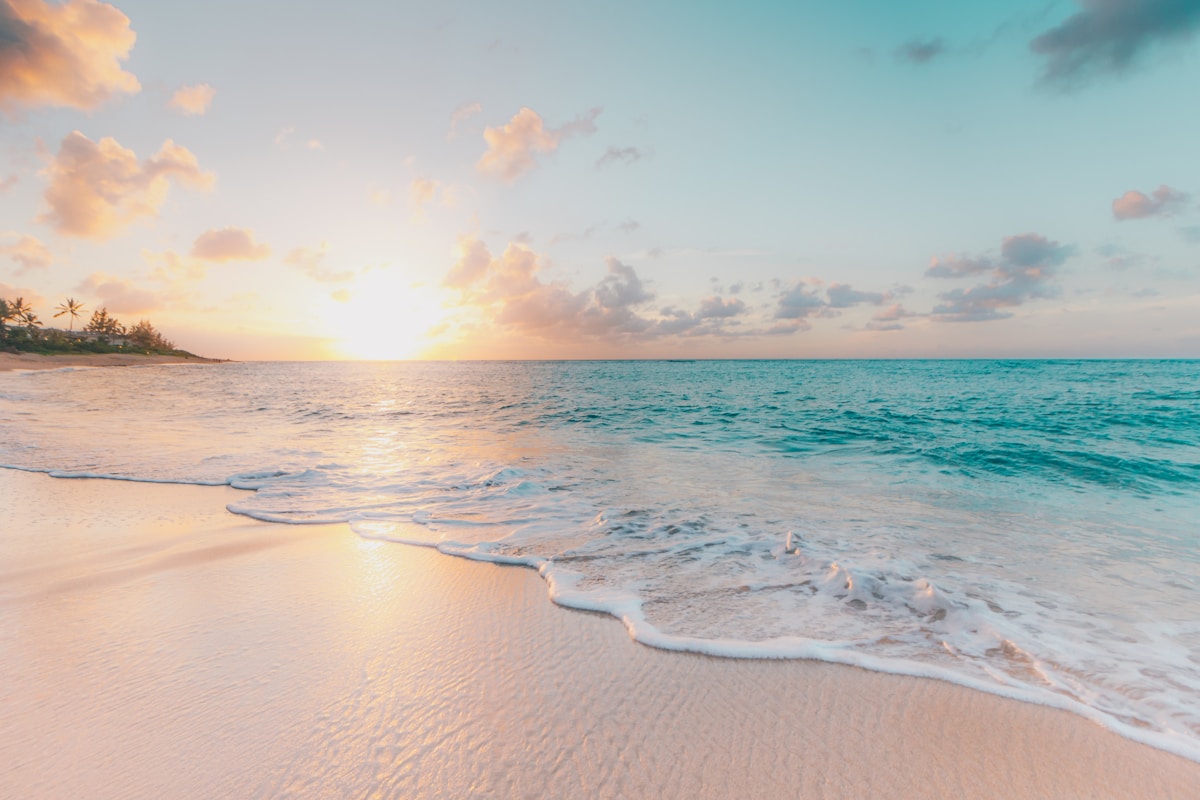
The best surf season in Los Cabos runs September through March, when northwest Pacific swells and hurricane-season south swells deliver consistent waves. Summer can be flat for weeks. Water temperatures stay above 70 degrees year-round, so a spring suit or boardshorts are fine for most sessions.
| Break | Level | Best Season | Wave Type | From CSL |
|---|---|---|---|---|
| Cerritos Beach | Beginner-Intermediate | Year-round (best Sept-Mar) | Beach break | 45 min |
| Costa Azul (Old Man's) | Intermediate | Sept-Mar | Point break (soft) | 30 min |
| Costa Azul (Zippers) | Advanced | June-Oct (south swell) | Point break (fast reef) | 30 min |
| Monuments | Advanced | Nov-Mar (NW swell) | Left point break | 30 min |
| San Pedrito | Intermediate-Advanced | Sept-Mar | Beach break | 55 min |
4. Paddleboarding and Kayaking
If you want to be on the water without the adrenaline, paddleboarding and kayaking in the Sea of Cortez are hard to beat. The Cortez side (east-facing coast) is generally calmer than the Pacific, making it ideal for flat-water paddling.
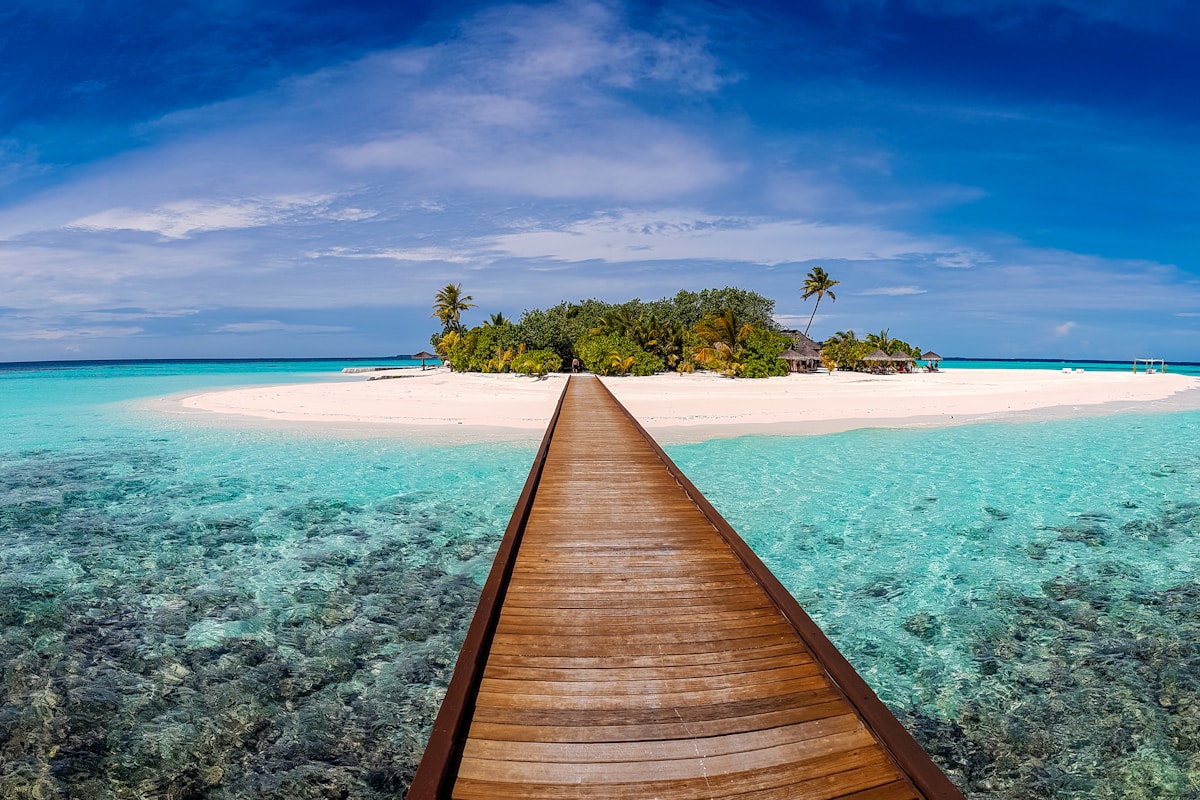
Best spots for standup paddleboarding (SUP):
- Medano Beach, Cabo San Lucas — flat water in the morning before the wind picks up. Rentals $30 to $50 per hour from beach vendors. The most convenient option for anyone staying in Cabo.
- Chileno Bay — paddle out over the reef for snorkeling from your board. Bring your own board or rent from vendors on the beach.
- Balandra Bay, La Paz — the Instagram-famous turquoise lagoon. A 2.5-hour drive from Cabo but absolutely worth it for a day trip. Knee-deep warm water, mangrove channels, and no waves.
- Santa Maria Bay — sheltered cove, good for combining paddling with snorkeling.
Kayaking is similarly accessible. Sit-on-top kayak rentals at Medano Beach run $25 to $40 per hour. Guided kayak tours to the Arch and Lover's Beach from the marina cost $50 to $75 per person. Multi-day kayak camping trips along the East Cape coast are available through operators in La Paz and the East Cape for $150 to $250 per day all-inclusive.
5. Jet Skiing, Parasailing, and Resort Water Sports
Medano Beach is the hub for resort-style water sports. Everything is available right on the sand, no reservations needed:
- Jet skiing: $80 to $120 per 30 minutes. Guided tours around Land's End run $120 to $160.
- Parasailing: $60 to $80 per ride. Standard 10-minute flights over Medano Beach with views of the Arch.
- Banana boat rides: $25 to $35 per person. Pure fun, no skill required.
- Flyboarding: $100 to $150 for a 20-minute session. Jet-powered board shoots you above the water. Harder than it looks.
A tip from experience: the morning is better for all of these. The wind picks up by early afternoon, especially from November through March, and chop makes jet skiing less enjoyable and parasailing occasionally gets cancelled.
6. Sportfishing: The Marlin Capital of the World
I could not write a water sports guide for Los Cabos and skip fishing. Cabo San Lucas is the sportfishing capital of the world — it is not marketing, it is biology. The Cortez-Pacific convergence zone creates one of the most productive marine environments on earth for pelagic species.
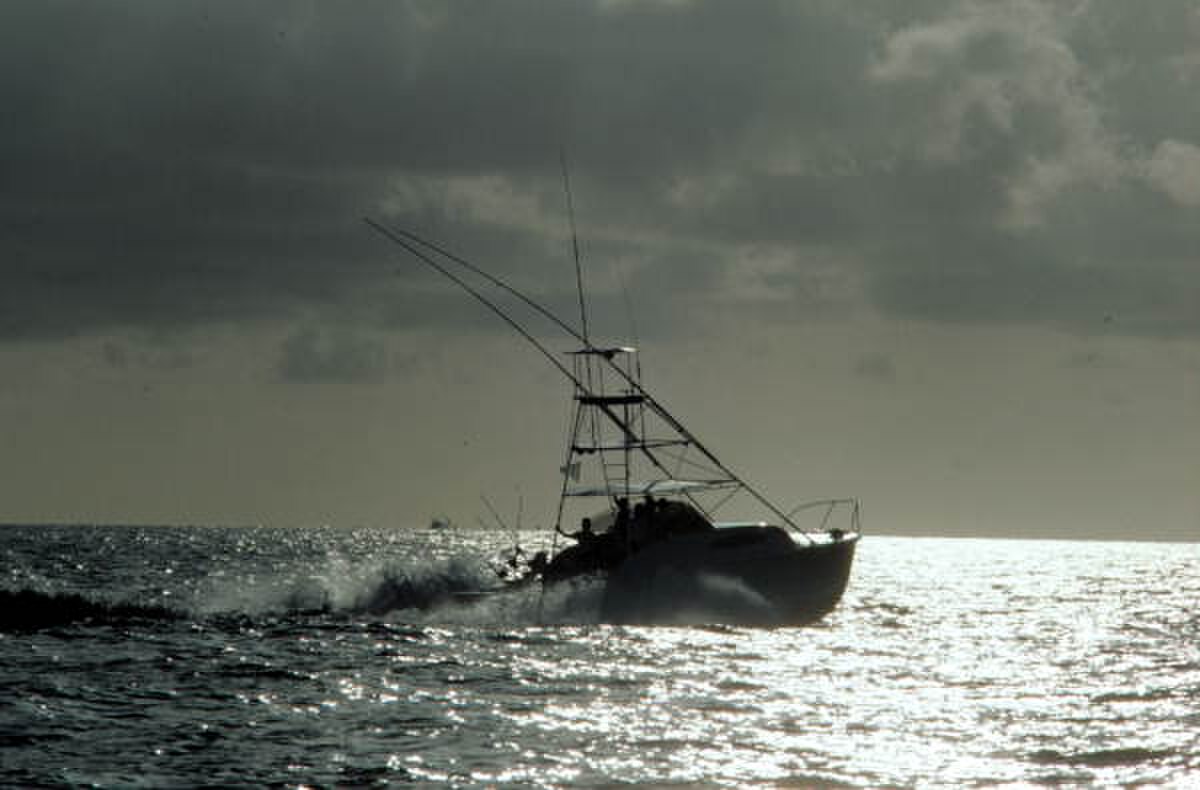
What you can catch by season:
- Striped marlin: Year-round, peak October through March
- Blue marlin: May through November, peak July through October (fish to 1,000+ lbs)
- Yellowfin tuna: Year-round, peak June through December (up to 300 lbs)
- Dorado (mahi-mahi): May through November
- Wahoo: June through December
- Roosterfish: Year-round, best from shore or inshore pangas
Charter costs range from $350 to $600 for a half-day panga (small boat, 1 to 3 anglers) up to $1,500 to $3,500 for a full-day charter on a 30 to 40-foot sportfisher (4 to 6 anglers). The International Game Fish Association (IGFA) recognizes Cabo as having produced more world records than any other port in the Pacific.
7. Whale Watching and Whale Shark Encounters
Two bucket-list marine encounters are accessible from Los Cabos:
Humpback whale watching (December through April): Humpback whales migrate from Alaska to the warm waters around Cabo to breed and calve. Whale watching tours depart from the Cabo marina daily — $65 to $95 per person for a 2-hour trip. You will see breaches, tail slaps, and mother-calf pairs. From January through March, it is almost impossible NOT to see whales. If you are diving during this season, you can hear them singing underwater at Pelican Rock.
Whale shark encounters (October through April): Whale sharks — the world's largest fish — congregate near La Paz, about 2.5 hours from Cabo. Guided snorkel tours cost $150 to $200 per person from La Paz, or $200 to $280 all-inclusive from Cabo including transport. These are regulated encounters: snorkeling only, no scuba, small groups. It is one of the most extraordinary wildlife experiences available anywhere.
8. Month-by-Month Water Sports Calendar
| Month | Water Temp | Best Activities | Notes |
|---|---|---|---|
| Jan-Mar | 68-72F | Whale watching, surfing, diving | Peak whale season; NW swell for surf |
| Apr-Jun | 72-80F | Diving, snorkeling, SUP, fishing | Warming water; diving visibility improving |
| Jul-Sep | 80-86F | Diving (peak visibility), whale sharks, snorkeling | Best viz; possible tropical storms Aug-Sep |
| Oct-Dec | 75-82F | Everything — best all-around season | Surf starts; whales arrive Dec; perfect temps |
The sweet spot is October through December. Water is still warm from summer, visibility is excellent, the surf season has started, and the humpback whales begin arriving in December. If you are planning a trip around water sports, that is your window.
9. Best Communities for Water Sport Access
If water sports are a primary reason you are buying in Los Cabos, location matters more than you think. Here is how the communities stack up:
- Chileno Bay — best for snorkeling and paddleboarding. The Blue Flag beach is steps from your door. Calm Sea of Cortez water for year-round water access.
- Cerritos Beach — best for surfing. Walk to the break. Pacific Side lifestyle, emerging real estate market with prices still 40 to 60 percent below the Corridor.
- Cabo Pulmo — best for diving. Remote East Cape living with direct access to the national marine park. Limited real estate inventory, off-grid character.
- El Medano / Cabo San Lucas — best for resort water sports, jet skiing, fishing charters. Walk to Medano Beach and the marina.
- Palmilla — balanced access to Corridor snorkeling, marina fishing, and reasonable proximity to Pacific Side surfing.
10. The Bottom Line
Los Cabos is not just a golf and resort destination. The water here is the reason the whole region exists. Whether you are a certified diver who wants to log 100 dives a year at Cabo Pulmo, a surfer looking for a winter escape from cold-water lineups, or someone who just wants to paddleboard on glass-calm water at sunrise, this coast has it.
I have lived the water sports lifestyle here across multiple trips and multiple seasons. The Sea of Cortez side is calm, warm, and loaded with marine life. The Pacific side has the waves and the wildness. And the fact that you can drive from a snorkeling reef to a surf break in 45 minutes is what makes Los Cabos different from just about any other coastal destination in the Americas.
The real question is not whether to get in the water. It is where you want to live relative to the water that matters most to you.
Find Your Waterfront Home in Los Cabos
From Chileno Bay's snorkeling reef to Cerritos' surf break to East Cape's world-class diving — we match your water sport lifestyle to the right community and property.
Contact Us TodayThinking about buying here rather than just visiting? Our free 33-page Buying Property in Mexico guide covers the fideicomiso, closing costs in real dollars, and the 27-point checklist we run on every property.
Frequently Asked Questions
What is the best diving spot in Los Cabos?+
Cabo Pulmo National Marine Park on the East Cape is the undisputed top dive destination. It is a UNESCO World Heritage Site with a 20,000-year-old living reef — the oldest on the Pacific coast of North America. Since the fishing ban in 1995, marine biomass has increased over 460 percent. Expect bull sharks, hammerheads, manta rays, and enormous schools of jacks. Two-tank guided dives cost $130 to $180 USD.
Where is the best snorkeling in Cabo?+
Chileno Bay on the Tourist Corridor is the best snorkeling spot for accessibility and water quality. It is a Blue Flag-certified beach with a sheltered cove, calm water, and a reef running parallel to shore. You will see tropical fish, sea turtles, and gorgonian fans. Santa Maria Bay, just east of Chileno, is the second-best option with similarly calm conditions. Both are free to access.
When is the best time for water sports in Cabo?+
October through June is prime season for most water sports. Diving visibility peaks from July through November (80 to 100+ feet). Surfing is best September through March when Pacific swells hit Cerritos and Costa Azul. Snorkeling is excellent year-round but calmest May through November. Whale watching runs December through April. Water temperatures range from 68 degrees in winter to 85 degrees in summer.
Can beginners surf in Los Cabos?+
Yes. Cerritos Beach on the Pacific Side is one of the best beginner surf spots in Baja California Sur. The wide sandy beach has a gentle break, and multiple surf schools offer lessons from $60 to $80 USD for a 90-minute session including board rental. Costa Azul near San Jose del Cabo has a beginner-friendly inside section but stronger currents. Avoid Monuments and Zippers unless you are an advanced surfer.
How much does scuba diving cost in Cabo San Lucas?+
A two-tank boat dive from Cabo San Lucas marina costs $100 to $150 USD including equipment rental. Popular sites like Pelican Rock and Land's End are 10 to 20 minutes from the marina. Cabo Pulmo day trips (2-hour drive from Cabo San Lucas) cost $180 to $250 USD including transport, two tanks, lunch, and gear. PADI Open Water certification courses run $400 to $550 for a 3 to 4 day program.
Is it safe to swim in Cabo San Lucas?+
Swimming safety varies dramatically by beach. Medano Beach in Cabo San Lucas is the only reliably safe swimming beach in town — calm water, lifeguards, and a gentle slope. Most Pacific-side and Corridor beaches have strong currents and are not safe for swimming. Chileno Bay and Santa Maria Bay on the Corridor are the other two consistently safe swimming beaches. Always check posted flags and conditions.
What water sports are available at Medano Beach?+
Medano Beach in Cabo San Lucas is the water sports hub: jet skiing ($80 to $120 per 30 minutes), parasailing ($60 to $80 per ride), banana boat rides ($25 to $35 per person), paddleboarding ($30 to $50 per hour), kayaking ($25 to $40 per hour), and glass-bottom boat tours to the Arch ($15 to $20 per person). Most vendors are on the beach between The Office restaurant and Mango Deck.
Can you see whale sharks in Cabo?+
Yes. Whale sharks visit the Sea of Cortez near La Paz (about 2.5 hours from Cabo San Lucas) from October through April. Guided snorkel tours cost $150 to $200 per person for a full-day trip from La Paz. Some Cabo-based operators offer all-inclusive day trips including transport for $200 to $280. The encounters are strictly regulated — snorkeling only, no scuba, limited group sizes.
Aaron Cuha
Real Estate Advisor & Los Cabos Market Expert
Real estate advisor and founder of Living In Cabo. 15+ years helping families navigate complex real estate decisions. Strategic partner with Ronival — Baja's largest brokerage.