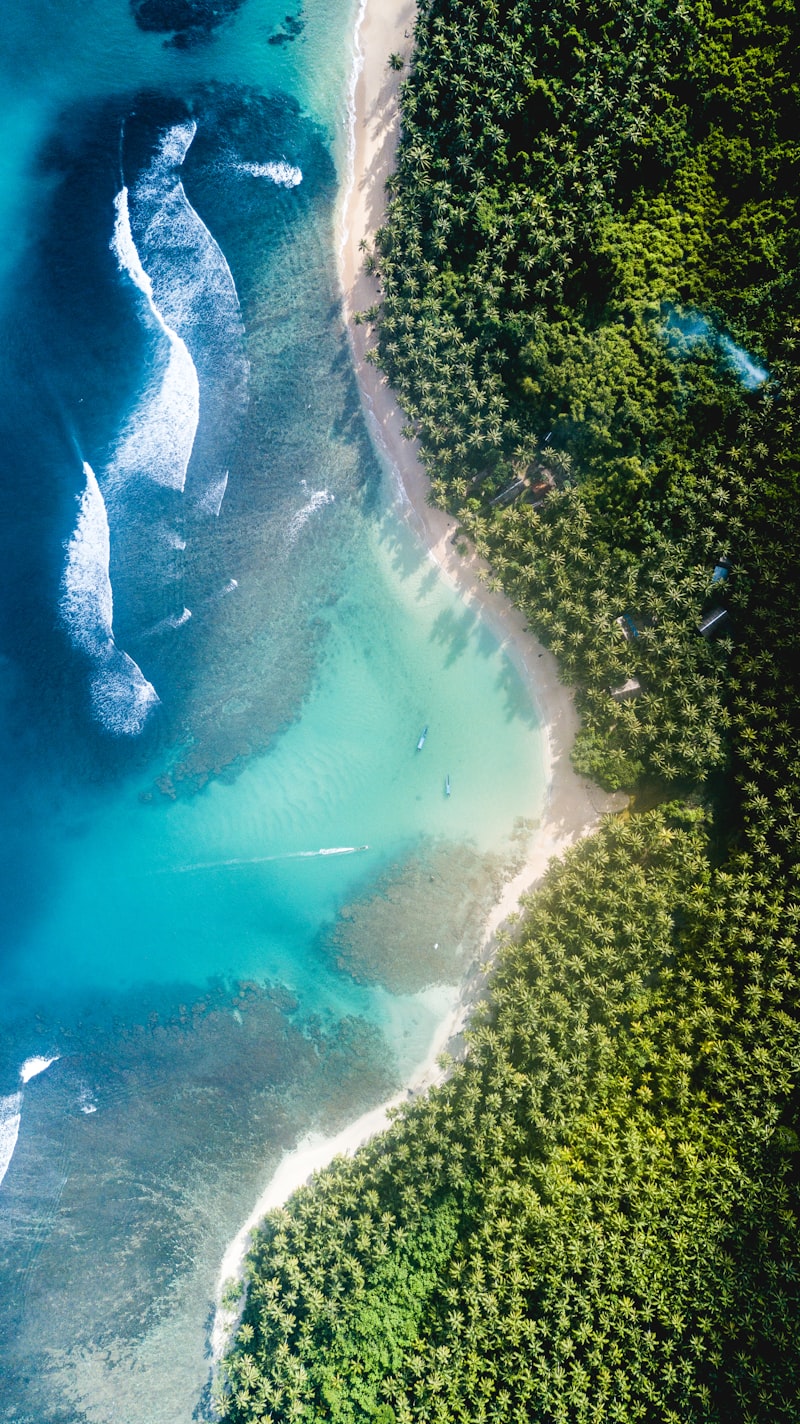
Los Cabos water sports draw nearly 4 million visitors annually to the point where the Pacific Ocean meets the Sea of Cortez. Jacques Cousteau called this body of water "the world's aquarium," and the data backs him up: over 900 fish species, 32 marine mammal species, and a 20,000-year-old coral reef that staged the largest marine recovery ever documented.
Key Takeaways
- Snorkeling tours start at $50 USD; Cabo Pulmo full-day trips run $150-$279 per person
- Water temperatures range from 68 degrees F (winter) to 84 degrees F (summer) in the Sea of Cortez
- Surf lessons cost $95-$145 USD with gear, instruction, and transportation included
- Cabo Pulmo National Marine Park recorded a 463% increase in fish biomass since becoming a no-take zone
- Peak season for most water sports: June through October; whale watching: January through March
Looking for Waterfront Property in Los Cabos?
The best water sports access starts at your front door. Our team specializes in beachfront and ocean-view properties across every Los Cabos community.
Schedule a Free ConsultationSnorkeling: The Best Spots in Los Cabos
The Sea of Cortez side of Los Cabos offers sheltered bays with crystal visibility, making this region one of the top snorkeling destinations in all of Mexico. Three sites stand above the rest, each offering a different experience and price point.
Chileno Bay
Chileno Bay is the most accessible snorkeling spot in the Tourist Corridor. The protected cove sits right off the highway between Cabo San Lucas and San Jose del Cabo, and it is free to enter if you bring your own gear. The rocky reef starts in just four feet of water, making it ideal for beginners and families.
Expect to see parrotfish, sergeant majors, pufferfish, and the occasional sea turtle. Visibility runs 30 to 60 feet most of the year. The bay is calmest in the morning before the wind picks up around noon.
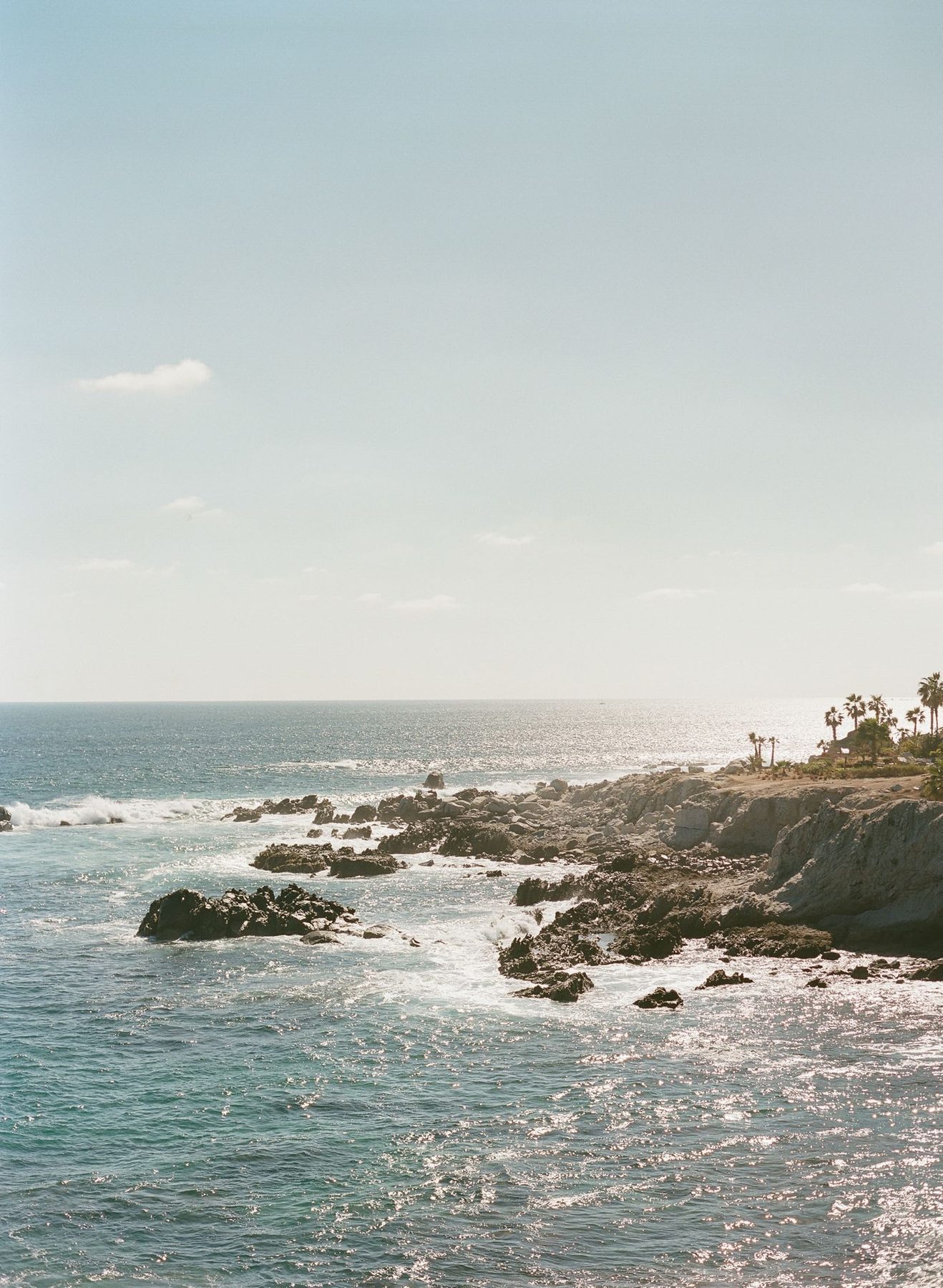
Residents of the Chileno Bay community and nearby Palmilla have direct beach access to this snorkeling paradise. For visitors, guided snorkeling tours to Chileno Bay start at $50 USD per person and typically include gear and a boat ride from the Cabo San Lucas marina.
Santa Maria Bay
Santa Maria Bay sits between Chileno Bay and Cabo San Lucas and is another protected Marine Corridor site. The horseshoe-shaped bay has slightly deeper water than Chileno, which means bigger fish and more diverse coral formations. It is a mandatory stop on most snorkeling boat tours out of Cabo.
This is where you are most likely to spot schools of yellowtail surgeonfish, king angelfish, and Moorish idols. The rocky outcroppings on both sides of the bay create natural channels where larger species patrol.
Cabo Pulmo National Marine Park
Cabo Pulmo is the crown jewel. Located on the East Cape about 60 miles north of Cabo San Lucas, this UNESCO World Heritage Site contains the oldest coral reef on the west coast of North America, estimated at 20,000 years old. In 1995, local fishermen voluntarily stopped commercial fishing and petitioned the Mexican government to designate it a no-take marine park. The result? A peer-reviewed study published in PLOS ONE documented a 463% increase in total fish biomass and an elevenfold jump in top-predator biomass -- the largest marine reserve recovery ever recorded worldwide.
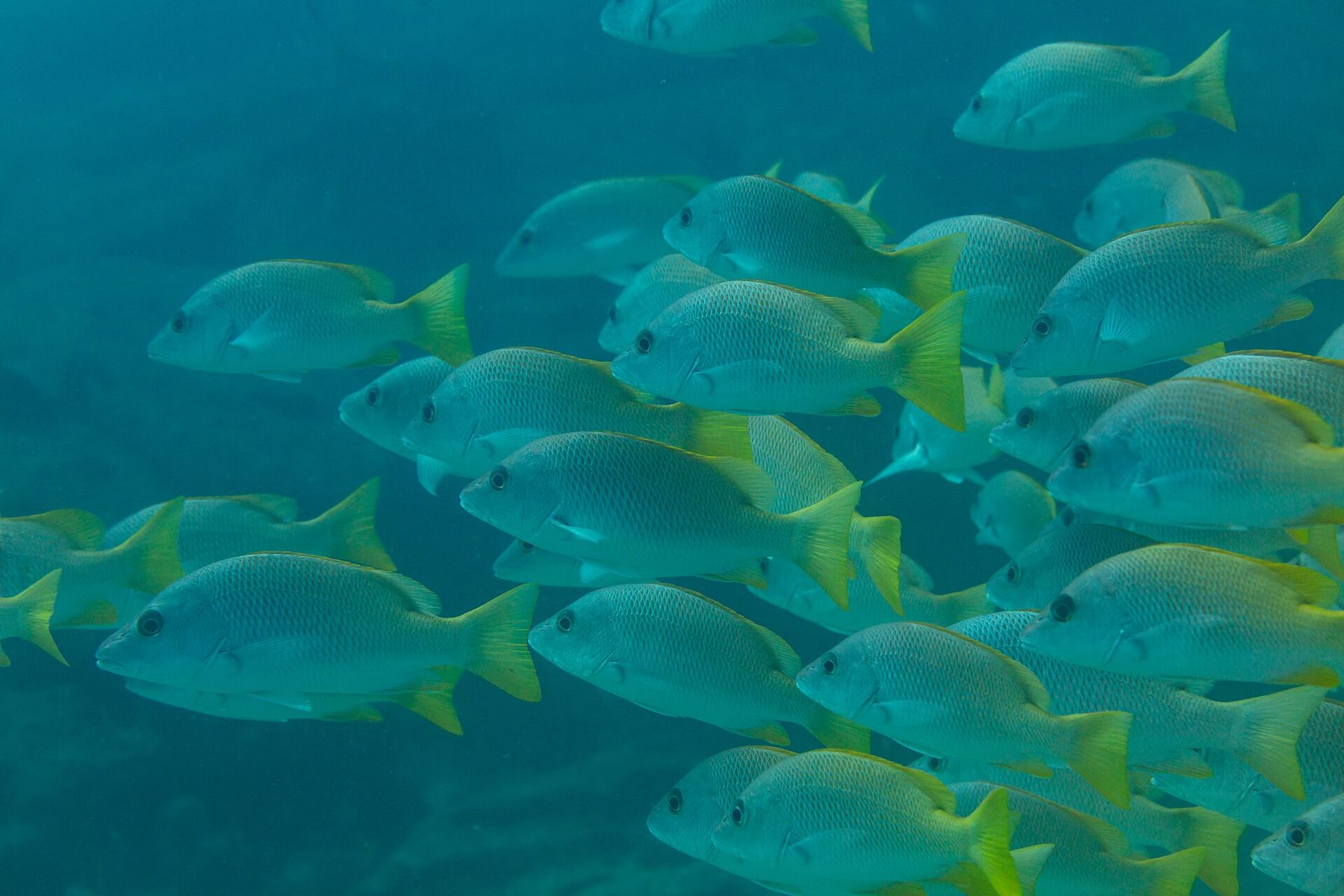
Snorkeling here is a full-day commitment. Group tours run $150 to $279 USD per person and include round-trip transportation from your hotel, two or three snorkel sites, a bilingual guide, gear, lunch, and park entrance fees. Private charters cost approximately $1,400 to $1,500 USD for up to six people. Expect to see massive schools of jacks, bull sharks (harmless to snorkelers at the surface), grouper, and sea turtles in numbers that make other sites look empty.
Property buyers drawn to this environment should explore Cabo Pulmo and the broader East Cape region, where beachfront lots still start under $200,000.
Scuba Diving: World-Class Sites for Every Level
Los Cabos sits at the junction of two massive bodies of water, creating nutrient-rich currents that attract everything from hammerhead sharks to whale sharks. The region offers dive sites for beginners, intermediates, and advanced divers, with operators running trips year-round.
Pelican Rock (Beginner to Intermediate)
Pelican Rock is the go-to site for first-time divers and Discover Scuba participants. Located inside the protected bay of Cabo San Lucas near Land's End, depths range from 15 to 45 feet. You will see sea fans, moray eels, lobsters, and schools of tropical fish in visibility that routinely exceeds 50 feet.
Discover Scuba experiences (no certification needed) start at $129 to $142 USD per person with established operators like Manta Scuba and Cabo Adventures.
Sand Falls (Advanced)
Sand Falls is one of the most unique dive sites on the planet. Discovered in 1959 by researcher Francis P. Shepard from the Scripps Oceanographic Institute and later made famous by Jacques Cousteau, this site features an underwater cascade of sand pouring over a granite wall and into a 1,200-foot canyon below. The phenomenon is created by tectonic friction where the Pacific and North American plates meet.
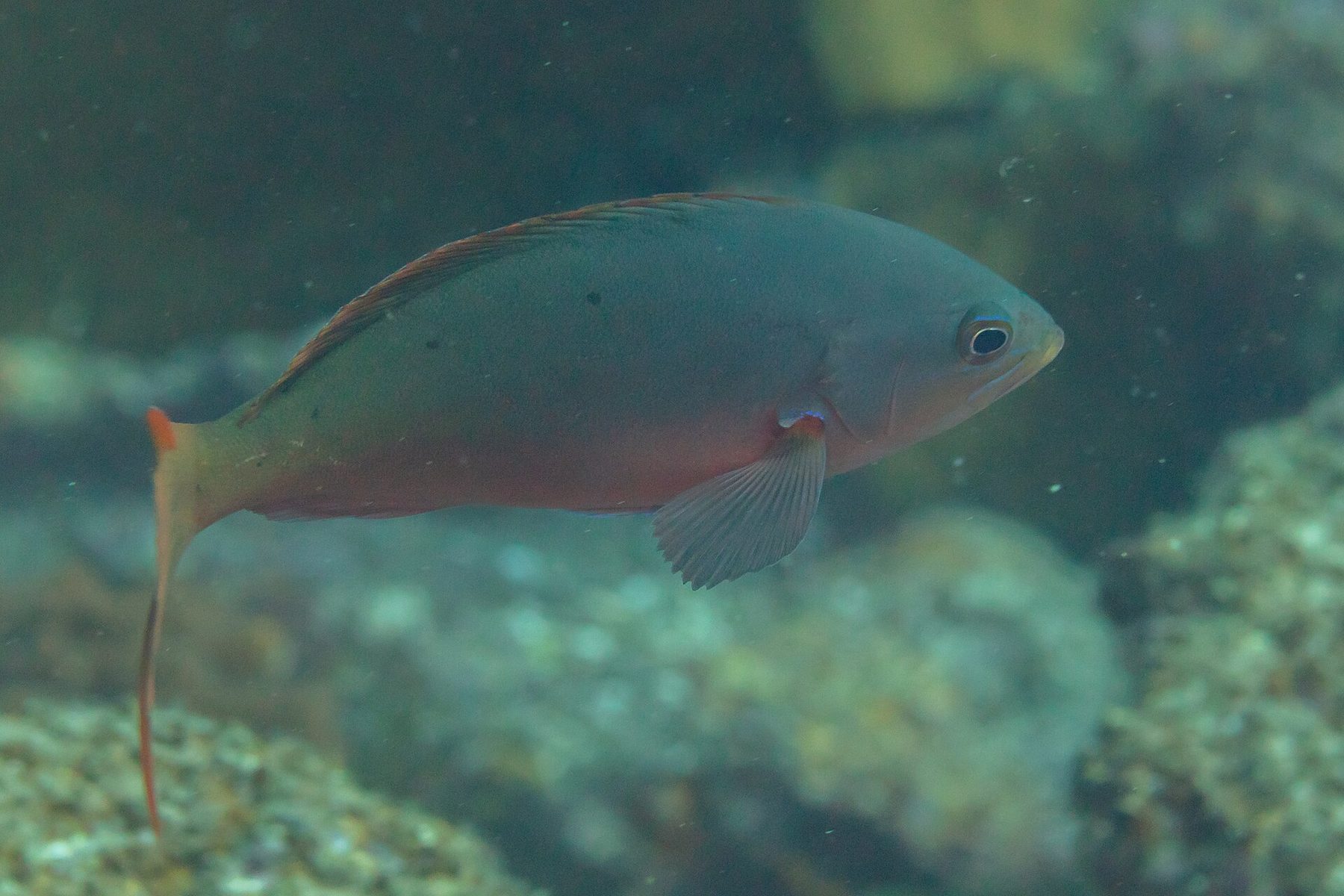
The dive starts at 90 feet and descends to 120 feet, so advanced open water certification is required. Expect to see Mexican goatfish, snappers, angelfish, octopus, sea slugs, seahorses, and frogfish hiding among the rocks and sponges.
Gordo Banks (Advanced)
Gordo Banks is a pair of seamounts eight miles offshore from San Jose del Cabo, rising from the ocean floor to within 110 feet of the surface. This is where the big stuff lives: hammerhead sharks (seasonal), whale sharks, giant manta rays, and massive schools of jacks. The open-water location means currents can be strong, so this dive is for experienced divers only.
Two-tank certified dives to sites like the Marine Reserve run $142 per person with operators like Manta Scuba. Private boat charters for groups of up to four start at $545 USD through top-rated operators like Cabo Private Guide.
Diving Price Comparison
| Experience | Price (USD) | Depth | Certification Required |
|---|---|---|---|
| Discover Scuba (beginner) | $129-$142/person | 15-45 ft | None |
| 2-Tank Marine Reserve | $142/person | 30-80 ft | Open Water |
| Sand Falls | $160-$200/person | 90-120 ft | Advanced Open Water |
| Gordo Banks | $180-$250/person | 110+ ft | Advanced Open Water |
| Private Charter (4 divers) | $545+/group | Varies | Varies |
| Cabo Pulmo (snorkel/dive) | $150-$279/person | 15-60 ft | Open Water for diving |
Surfing: Pacific Breaks for Every Skill Level
The Pacific side of Los Cabos delivers consistent surf from late spring through early winter. Two beaches dominate the scene, and they conveniently alternate seasons so there is always a wave to ride.
Costa Azul, San Jose del Cabo
Costa Azul is ground zero for Los Cabos surfing. Located just south of downtown San Jose del Cabo, the beach offers multiple breaks for different skill levels. The Old Man's break closest to shore is perfect for beginners and longboarders. Zippers, further out, is one of the best right-hand point breaks in Baja and draws competitive surfers from around the world.
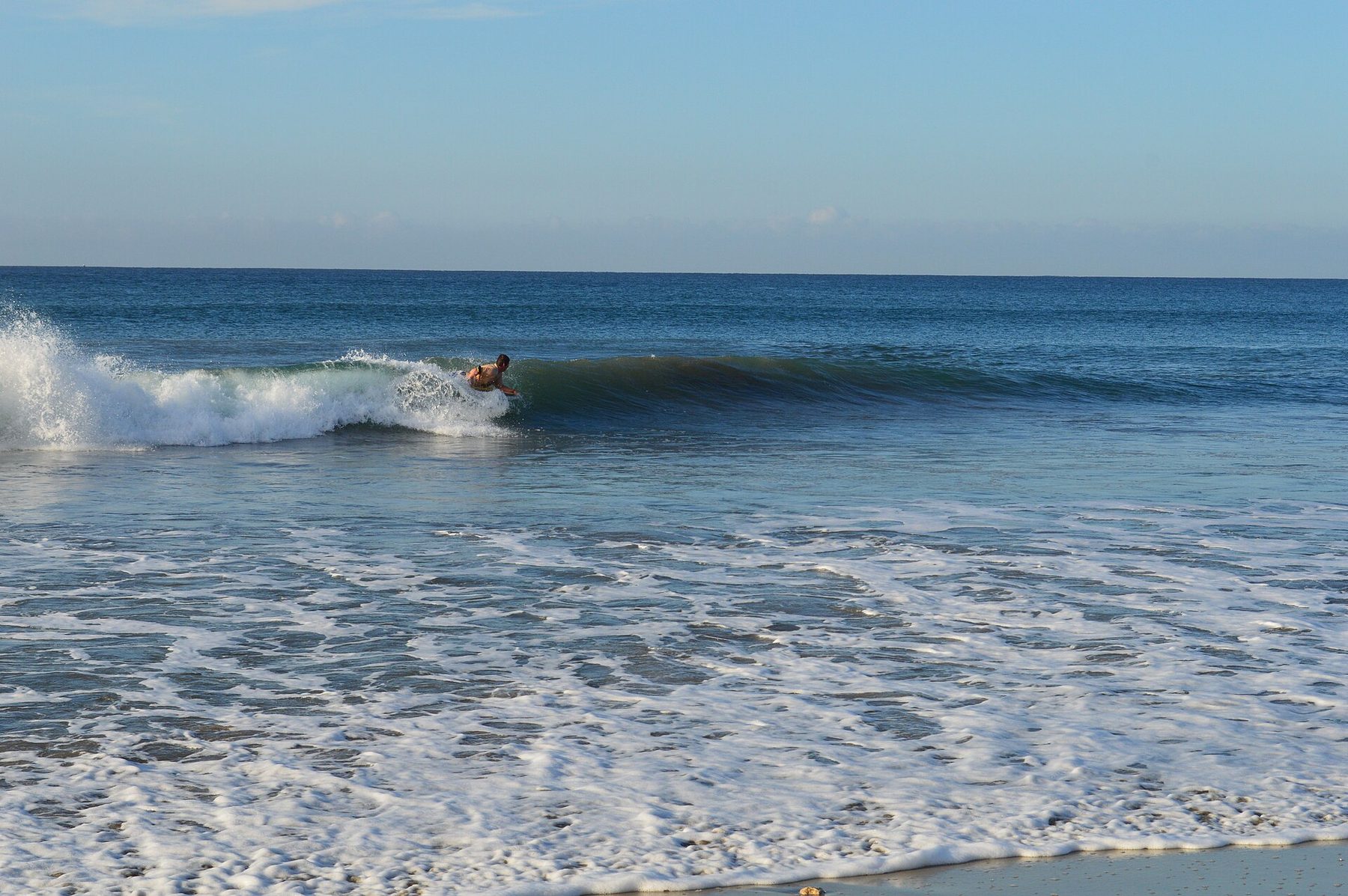
Surf lessons at Costa Azul run $95 USD per person (tax included) and last three to four hours. The package includes round-trip transportation, bilingual instruction, foam board, wetsuit, a shaded camp on the beach, beverages, and snacks. The season runs from March 15 to November 15. Schools like Costa Azul Surf Shop and High Tide Los Cabos run daily sessions for all experience levels.
Cerritos Beach, Todos Santos
When the swell shifts in winter, the action moves to Cerritos Beach on the Pacific Side near Todos Santos, about 45 minutes north of Cabo San Lucas. Cerritos offers a wide, sandy-bottom break that is more forgiving than Costa Azul -- ideal for beginners and intermediate surfers.
Lessons at Cerritos run $145 USD per person (tax included) and last six to seven hours -- nearly double the Costa Azul session. The longer day includes a traditional Mexican lunch with fish tacos, chicken, guacamole, and flavored water. Vegetarian options are available. The Cerritos season runs from November 15 to March 15, perfectly complementing Costa Azul's schedule.
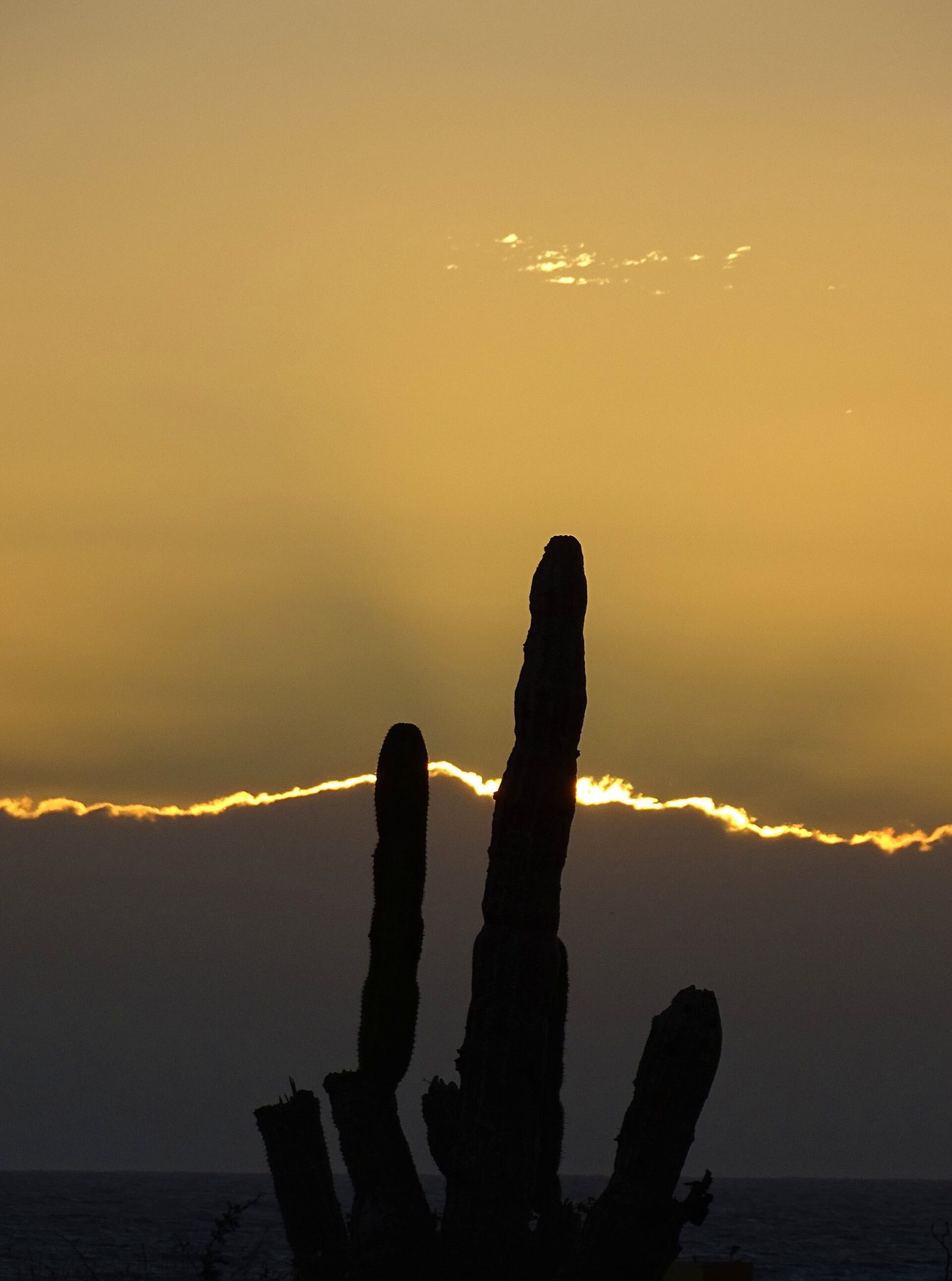
The Cerritos Beach community has become one of the fastest-growing areas for property buyers who want a laid-back, surf-centric lifestyle. Entry-level condos start in the $200,000 range.
Want to Live Steps from the Ocean?
From beachfront surf condos to luxury marina residences, we match buyers with the water access that fits their lifestyle.
Book a Discovery CallPaddleboarding & Kayaking
The protected waters of the Sea of Cortez make Los Cabos one of the best paddleboarding and kayaking destinations in Mexico. The combination of flat-water mornings, marine wildlife encounters, and dramatic coastal scenery is tough to beat.
Kayak and canoe rentals on Medano Beach in Cabo San Lucas run $10 to $15 USD per hour, and you can paddle all the way from Medano Beach to Land's End and Lover's Beach. Guided two-hour kayak tours cost approximately $25 USD per person. Paddleboard rentals run $20 to $30 USD per hour at most beachfront operators.
The best paddleboarding conditions are early morning before the wind picks up, typically before 10 AM. Top spots include:
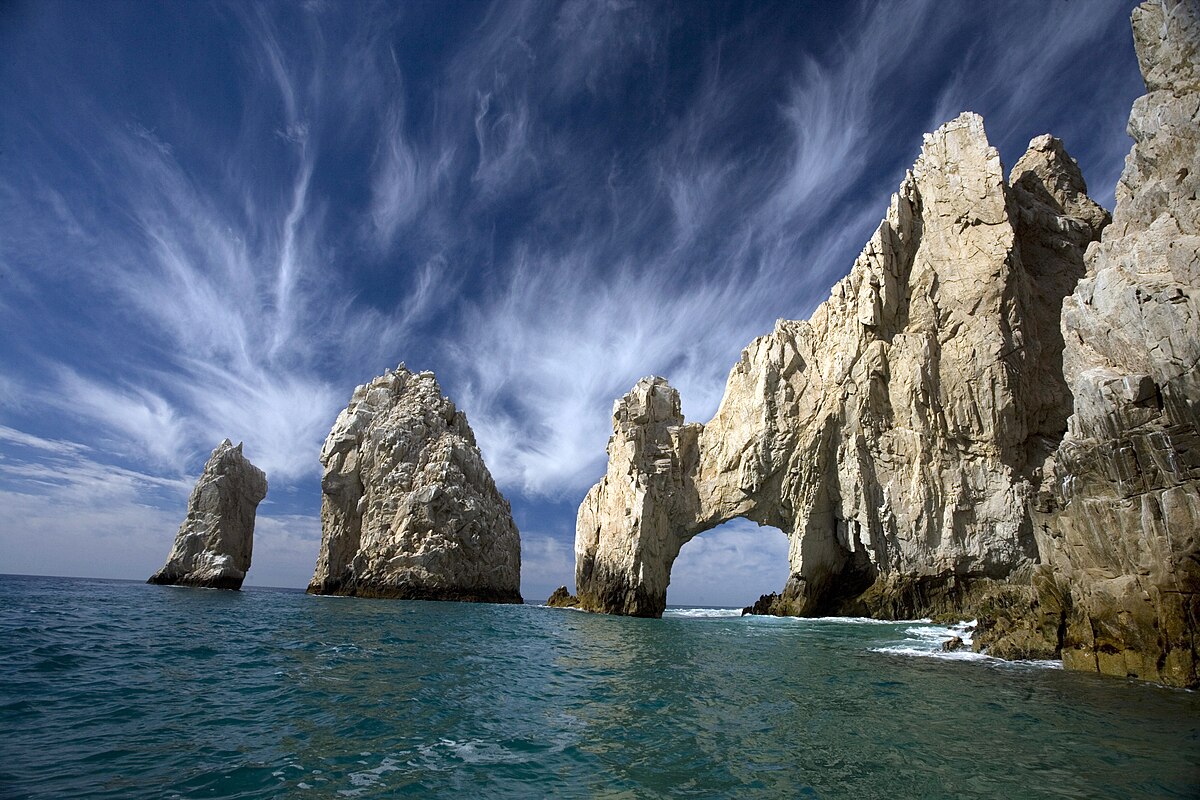
- Medano Beach to the Arch: The classic Cabo paddle route with sea lion colonies and the iconic rock formation
- Chileno Bay: Calm, protected waters with snorkeling-quality visibility -- paddle over tropical fish and rays
- Palmilla Beach: Wide, gently sloping entry perfect for beginners with resort-quality scenery
- Santa Maria Bay: Sheltered cove ideal for combining paddleboarding with a snorkel stop
- La Playita, San Jose: The local fishing village beach with calm morning waters and pelican flyovers
Jet Skiing & Parasailing
Medano Beach in Cabo San Lucas is the hub for motorized water sports. Multiple operators line the beach, and you can book on the spot or in advance. Jet ski rentals start at approximately $147 USD per person for a 30-minute guided ride along the bay, with 45-minute and 60-minute options available. Guided tours take you past the Arch and around Land's End at speeds up to 45 mph.
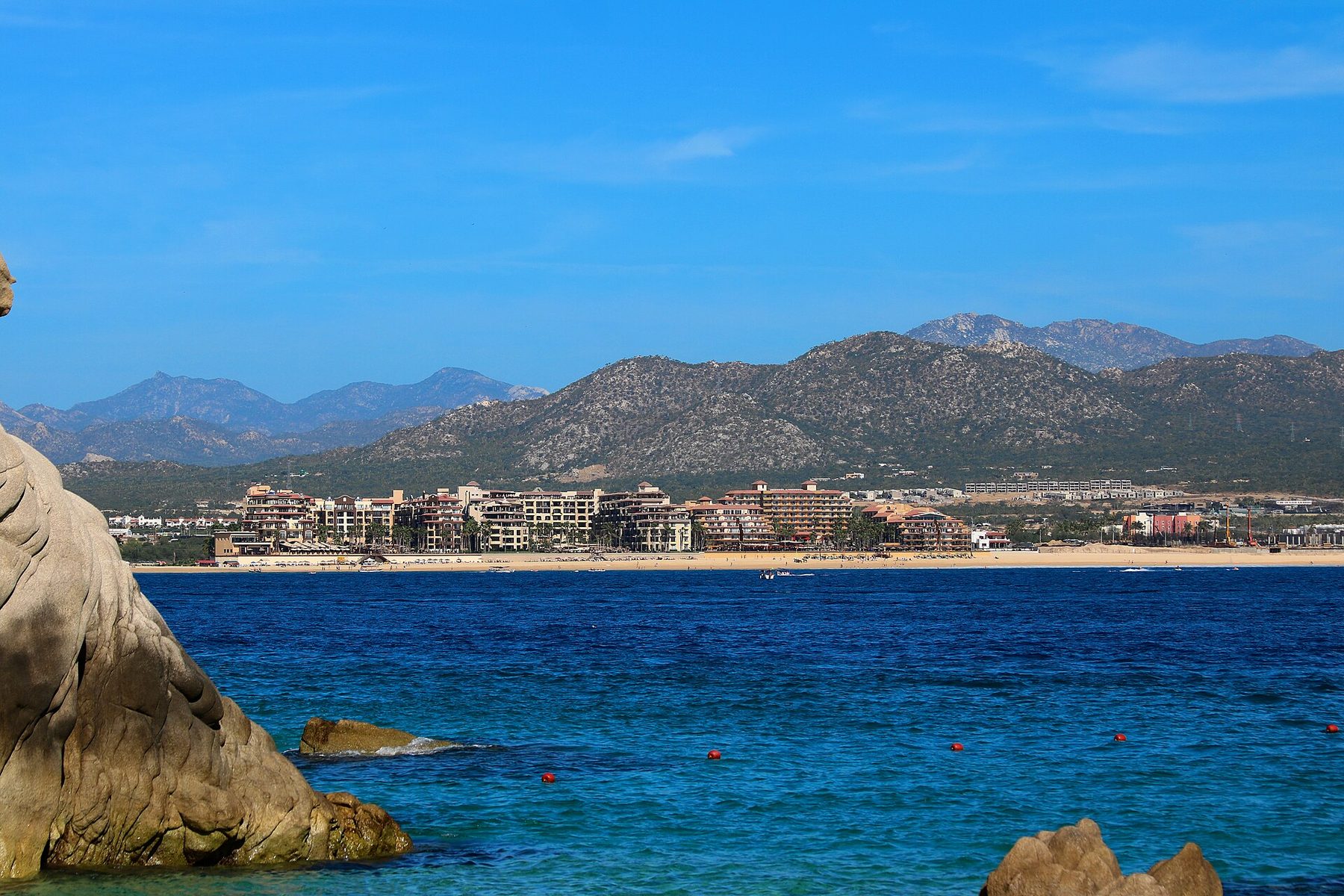
Parasailing flights over Cabo Bay offer aerial views of the Arch, Land's End, and the marina from 400 to 800 feet up. Flights last 10 to 12 minutes with pricing typically between $70 and $90 USD per person. Tandem rides are available for couples.
Operators like Aries Water Sports, Sea Cabo Activities, and Cabo Jet Skiing are established vendors with safety records and insurance. Round-trip hotel transportation is available for $15 USD per person if you are staying outside the Medano Beach area.
Property owners in the El Medano community have the luxury of walking to these activities from their front door.
Boat Tours & Sunset Cruises
No visit to Los Cabos is complete without getting on the water. The options range from shared party catamarans to private luxury sailboat charters.
Sunset Cruise Options
| Operator | Experience | Price | Includes |
|---|---|---|---|
| CaboRey | Dinner cruise with live show | $99 USD/adult, $49/child | 3-course dinner, open bar, live music, DJ, 20-min show |
| Cabo Adventures | Private monohull sailboat | $2,199/group (up to 16) | Private crew, sailing past the Arch at sunset |
| Cabo Adventures | Private catamaran | $3,299/group (up to 24) | Larger vessel, premium bar, appetizers |
| Shared catamaran tours | Group sunset sail | $65-$95/person | Open bar, snacks, live music, 2-3 hours |
| Glass-bottom boat | Arch tour + snorkel | $35-$50/person | Narrated tour, snorkel stop, 2 hours |
CaboRey's dinner cruise operates Monday through Saturday. Summer schedule (March through September) runs 6:00 PM to 8:30 PM; winter schedule shifts to 5:00 PM to 7:30 PM. Note that rates do not include gratuity or the $2 per person dock access fee. For private charters through Cabo Adventures, add $4 USD per person for the dock entrance fee.
During whale watching season (mid-December through mid-April), many boat tours double as whale-watching excursions. January and February deliver a 95%+ sighting success rate for humpback whales, and you can often spot them from shore at communities like Palmilla and Chileno Bay.
Water Temperature & Seasonal Guide
Timing matters. Water temperature, swell direction, visibility, and marine life migrations all shift dramatically through the year. Here is the month-by-month breakdown:
| Month | Water Temp | Best Activities | Highlights |
|---|---|---|---|
| January | 68-70 F | Whale watching, surfing (Cerritos) | Peak humpback whale season, grey whales migrating |
| February | 68-70 F | Whale watching, surfing | Peak whale density, 95%+ sighting rate |
| March | 69-72 F | Whale watching, surfing transition | Grey whale peak, Costa Azul season opens mid-month |
| April | 72-74 F | Snorkeling, diving, paddleboarding | Whale season ends, visibility improving |
| May | 74-76 F | Diving, snorkeling, kayaking | Calm seas, shoulder season pricing |
| June | 76-80 F | All water sports, surf (Costa Azul) | Summer swell arrives, warm water without wetsuit |
| July | 80-82 F | All water sports peak | Best overall conditions for everything |
| August | 82-84 F | Diving, snorkeling, jet skiing | Warmest water, tropical fish most active |
| September | 82-84 F | Diving (manta rays), snorkeling | Manta ray encounters begin, whale sharks arrive |
| October | 80-82 F | Diving (whale sharks), surfing | Whale shark season, hurricane season caution |
| November | 76-78 F | Surfing (Cerritos opens), diving | Surf transitions to Pacific side, great visibility |
| December | 72-74 F | Whale watching begins, snorkeling | Humpback whales arrive, holiday season |
A 3mm wetsuit is recommended from December through April. From May through November, a rash guard is sufficient for most people.
Swimming Safety in Los Cabos
Los Cabos has both the calmest bays and the most dangerous surf breaks in Baja California Sur. Understanding which beaches are safe for swimming is critical.
Safe swimming beaches:
- Medano Beach (Cabo San Lucas): The only swimmable beach in downtown Cabo, protected by the bay
- Chileno Bay: Protected cove with lifeguards and calm water
- Santa Maria Bay: Sheltered horseshoe bay with gentle entry
- Palmilla Beach: Wide, gradual slope with moderate waves
Dangerous beaches (do not swim):
- Divorce Beach: Deceptive calm appearance hides lethal rip currents
- Pacific side of Lover's Beach: Powerful shore break and undertow
- Monuments Beach: Heavy shore break, strong currents
- Most Pacific-facing beaches: Open ocean swells create hazardous conditions for casual swimmers
Always check the colored flag system posted at beaches: green means safe, yellow means swim with caution, red means stay out of the water. When in doubt, ask a local.
Best Property Communities for Water Access
If daily ocean access is a priority for your Los Cabos property search, these communities deliver the best waterfront lifestyle:
- Chileno Bay: Direct access to the region's best snorkeling. Four Seasons-anchored community with private beach club. Homes from $1.5M.
- Palmilla: The Corridor's original luxury community with a swimmable beach, Jack Nicklaus golf, and One&Only resort. Condos from $800K.
- El Medano: Walking distance to jet skis, parasailing, kayaking, and every beach vendor in Cabo. Condos from $350K.
- Cerritos Beach: Surf-centric lifestyle on the Pacific Side near Todos Santos. Beach homes from $200K. Growing fast.
- Cabo Pulmo: Off-grid paradise adjacent to the marine park. Undeveloped East Cape charm. Lots from under $100K.
Find Your Waterfront Home in Los Cabos
Whether you want to surf every morning or snorkel from your backyard, we will match you with the right community and property. Over 82 developments across 5 regions.
Contact Us TodayCover photo: Jean-Philippe Boulet, CC BY 3.0, via Wikimedia Commons
Thinking about buying here rather than just visiting? Our free 33-page Buying Property in Mexico guide covers the fideicomiso, closing costs in real dollars, and the 27-point checklist we run on every property.
Frequently Asked Questions
What is the best time of year for water sports in Los Cabos?+
The best overall months are June through October, when water temperatures reach 80-84 degrees Fahrenheit and visibility can exceed 100 feet. Surfing is best from June to November on the Pacific side. Whale watching peaks from January to March. Diving is excellent year-round, with manta ray and whale shark encounters most common from September to November.
How much does snorkeling cost in Los Cabos?+
Group snorkeling tours in Los Cabos start at $50 USD per person for basic trips to Chileno Bay or Santa Maria Bay, including boat ride and gear. Full-day excursions to Cabo Pulmo National Marine Park run $150 to $279 USD per person with gear, guide, lunch, and park entrance fees included. Private charters cost $1,000 to $1,500 USD for groups of up to six people.
Is it safe to swim in Los Cabos?+
Swimming safety varies significantly by beach. The safest swimmable beaches are Chileno Bay, Santa Maria Bay, Palmilla Beach, and Medano Beach in Cabo San Lucas. Pacific-side beaches like Cerritos have strong currents and are better suited for surfing. Always check local flag warnings: green means safe, yellow means caution, red means no swimming. Avoid Divorce Beach and Lover's Beach's Pacific side, where rip currents are dangerous year-round.
Can you surf in Los Cabos?+
Yes. Los Cabos has excellent surf breaks for all skill levels. Costa Azul in San Jose del Cabo is the most popular spot, with lessons available from March through November at $95 USD per person. Cerritos Beach near Todos Santos offers gentler beginner waves with lessons at $145 USD per person from November through March. Advanced surfers head to Zippers at Costa Azul or the outer breaks near Todos Santos.
What marine life can you see while snorkeling in Cabo?+
Los Cabos offers some of the richest marine biodiversity in North America. Common sightings include tropical fish, sea lions, manta rays, sea turtles, and moray eels. At Cabo Pulmo National Marine Park, the reef supports over 800 species of marine life and has seen a 463 percent increase in fish biomass since protection began. Whale sharks are spotted from October through March, and humpback whales migrate through from December to April.
How much does scuba diving cost in Cabo San Lucas?+
Two-tank certified dives in Los Cabos start at $129 to $142 USD per person for group trips to sites like Pelican Rock or the Marine Reserve. Discover Scuba experiences for beginners run $129 to $142 USD. Private boat diving charters start at $545 USD for groups of up to four divers. Advanced dives to Gordo Banks or Sand Falls cost more due to depth requirements and boat time.
What is the water temperature in Los Cabos by season?+
Water temperatures in the Sea of Cortez range from 68 degrees Fahrenheit in January and February to 84 degrees Fahrenheit in August and September. Summer months of July through October average 80 to 84 degrees, comfortable without a wetsuit. Winter months of December through March average 68 to 72 degrees, and a 3mm wetsuit is recommended. Spring months of April through June see temperatures climb from 70 to 78 degrees.
Are jet ski rentals available in Cabo San Lucas?+
Yes, jet ski rentals are widely available on Medano Beach in Cabo San Lucas. Rates start at approximately $147 USD for a 30-minute guided ride, with 45-minute and 60-minute options available at higher prices. Operators like Aries Water Sports and Cabo Jet Skiing offer guided tours along the coastline past the Arch. Riders must be at least 16 years old and a safety briefing is included.
Aaron Cuha
Real Estate Advisor & Los Cabos Market Expert
Real estate advisor and founder of Living In Cabo. 15+ years helping families navigate complex real estate decisions. Strategic partner with Ronival — Baja's largest brokerage.