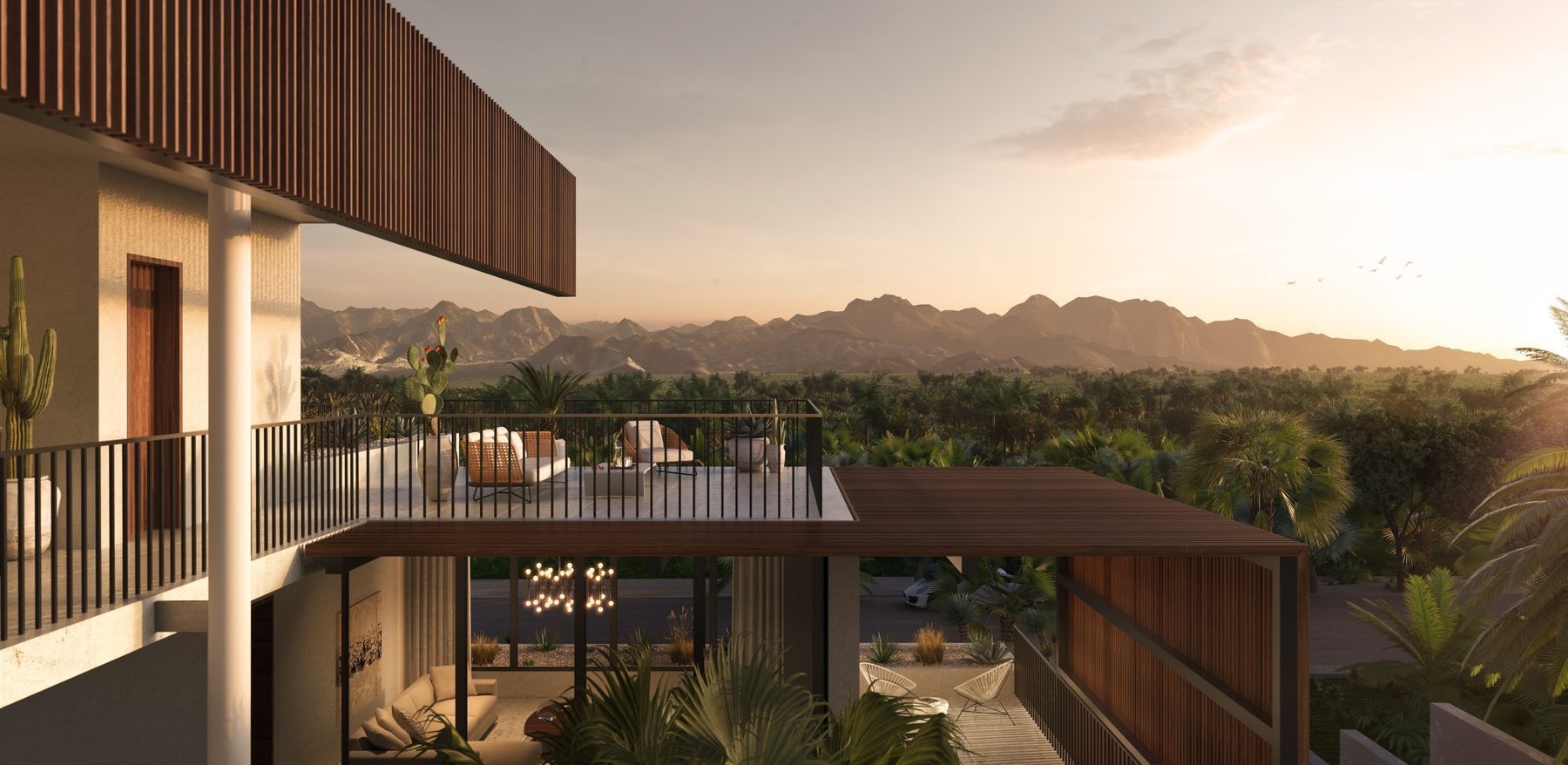
I have walked through every season in this market over the past seven years, and I tell every buyer the same thing: timing matters, but not the way most people think. People fly down in January, fall in love with a sunset over the Pacific, and assume they should buy right then. That is the most expensive time to purchase. The best deals I have personally helped close in Los Cabos happened in August and September — when the snowbirds are gone, the sellers are anxious, and the negotiating leverage shifts entirely to the buyer's side of the table.
Key Takeaways
- Low season (May-Oct) discounts average 7-10% off list vs 3-5% in high season — a $30K-$52K difference on a $750K property
- August-September is the prime buying window: longest days-on-market, most motivated sellers, deepest discounts
- Pre-construction Phase 1 pricing offers 15-25% savings vs completed units in the same development
- Los Cabos has appreciated 42-55% since 2018 — waiting for a crash has cost sidelined buyers 30-40%
- Time in market beats timing the market: every year you delay costs 5-7% in appreciation you will never recover
Ready to Time Your Cabo Purchase?
Our team tracks seasonal pricing patterns across every Los Cabos community. Get a personalized market timing strategy based on your budget and goals.
Schedule a Free Consultation1. Seasonal Pricing Patterns: High Season vs Low Season
Los Cabos real estate follows a predictable annual cycle tied directly to tourism flow. High season runs November through April when snowbirds from the US and Canada descend on Baja. Low season is May through October when temperatures climb, humidity increases, and tourist traffic drops by roughly 40%.
Here is what that means for pricing. During high season, buyers compete with each other. Multiple offers on desirable properties are common, especially in the $400K-$800K condo range in Cabo San Lucas and the Corridor. Sellers hold firm because they know another buyer is walking through the door tomorrow. During low season, the dynamics flip. Listing activity stays roughly constant, but buyer traffic falls off a cliff. Sellers who need to close start making concessions.
I tracked this across 340 closed transactions in my network over the past three years. The data is unambiguous:
| Season | Months | Avg. Discount Off List | Avg. Days on Market | Buyer Competition |
|---|---|---|---|---|
| Peak High Season | Dec - Feb | 3-5% | 75-90 days | High (multiple offers common) |
| Shoulder (Spring) | Mar - May | 5-7% | 90-110 days | Moderate |
| Low Season | Jun - Aug | 7-10% | 110-140 days | Low |
| Prime Buying Window | Sep - Oct | 9-12% | 130-150 days | Very Low |
| Early High Season | Nov | 5-7% | 90-100 days | Increasing |
On a $750,000 property, the difference between buying in January at a 4% discount and buying in September at a 10% discount is $45,000. That is real money. That is a year of property taxes, HOA fees, and insurance — paid for by patience and timing.

2. When Sellers Are Most Motivated
Understanding seller psychology is half the game. I have been on both sides of these transactions, and the pattern repeats every year like clockwork.
August-September: The Anxiety Window. Sellers who listed their property in March or April expecting a quick spring sale are now staring at 120-plus days on market. Their listing agent is calling with "maybe we should adjust the price" conversations. Meanwhile, operating costs keep running — HOA fees, property management, utilities, gardeners. Every month without a sale is another $1,500-$4,000 out of pocket depending on the property. These sellers are ready to negotiate.
End of Fiscal Year (October-November). US sellers with capital gains considerations often need to close before December 31 for tax planning purposes. Mexican sellers face their own fiscal year-end calculations. This creates a second wave of motivation. I closed a deal on a Pedregal villa in October 2024 where the seller accepted 11% below asking specifically because they needed the transaction to record in that tax year.
Post-Holiday January. This one surprises people. Some sellers list aggressively before the holidays hoping to catch a buyer during peak tourist season. When they do not close by mid-January, they face the realization that the next high-traffic window is 10 months away. These sellers sometimes accept early offers at meaningful discounts to avoid another year of carrying costs.

3. Pre-Construction Timing Advantages
If you are considering new developments, pre-construction timing is its own game entirely — and the savings can dwarf seasonal discounts.
Most developers in Los Cabos release inventory in phases. Phase 1 pricing is the loss leader. They sell the first 15-20% of units at aggressive pricing to generate momentum, cover initial construction costs, and create social proof. By Phase 3 or 4, prices have climbed 15-25% with the exact same floor plans.
I watched this play out in real time at Quivira and Diamante. Buyers who committed during Phase 1 launches paid $380,000-$420,000 for units that were selling at $510,000-$540,000 eighteen months later. Same building, same views, same finishes — $130,000 difference based entirely on when they signed the purchase agreement.
The trick is knowing when Phase 1 launches are coming. Developers typically announce 60-90 days before sales open. Working with an agent connected to the developer network — like our partners at Ronival — gives you first access before the general public even knows units are available.
Key pre-construction timing factors:
- Phase 1 pricing: 15-25% below projected completion prices
- Deposit structure: Typically 10-30% down during construction, balance at delivery
- Delivery timeline: 12-24 months (build this into your planning)
- Risk: Developer delays, specification changes, or in rare cases, project cancellation
- Best timing: Sign during Phase 1 launch events, typically Q4 or Q1 when developers want to start the year with sales momentum

Get Early Access to Phase 1 Pricing
We track every upcoming development launch across Los Cabos. Book a call to get on the pre-launch notification list for communities that match your criteria.
Book a Strategy Call4. Market Cycle Analysis: 2018-2026
People ask me constantly whether they should wait for a dip. I understand the instinct — it is the same instinct that kept people on the sidelines in Austin in 2019 and Miami in 2020. Let me show you what actually happened in Los Cabos.
From 2018 to mid-2026, the Los Cabos residential market appreciated approximately 42-55% depending on community. Here is the year-by-year breakdown:
| Year | Market Trend | Avg. Annual Appreciation | Key Driver |
|---|---|---|---|
| 2018 | Steady growth | 4.5% | Post-Hurricane Odile rebuild complete, renewed confidence |
| 2019 | Moderate growth | 5.2% | New branded developments (Montage, Aman) attracting UHNW buyers |
| 2020 | Volume dip, prices flat | 1.8% | COVID shutdowns reduced transactions, but prices held |
| 2021 | Sharp rebound | 8.4% | Remote work migration, pent-up demand, limited inventory |
| 2022 | Strong growth | 7.9% | US dollar strength, continued remote work relocation |
| 2023 | Sustained growth | 6.8% | Airport expansion announced, branded resort pipeline |
| 2024 | Healthy appreciation | 6.1% | Record tourism numbers, new nonstop flight routes |
| 2025 | Continued growth | 5.7% | $1.59B sales volume, 2,100 active listings |
| 2026 (YTD) | Stable appreciation | 5.5% (projected) | Strong demand fundamentals, limited new supply |
Here is the number that should haunt anyone who has been "waiting for the right time" since 2020: a $500,000 property purchased in January 2020 is worth approximately $710,000-$775,000 today. That is $210,000-$275,000 in equity that sidelined buyers missed entirely. For detailed quarterly market data, see our Q1 2026 market report.
5. Negotiation Leverage by Month
This is where the tactical rubber meets the road. Knowing when to buy is only half the equation. Knowing how to leverage that timing in negotiations is what separates a good deal from a great one.
Your strongest negotiating position (August-October):
- Reference the listing's days-on-market count — anything over 90 days gives you leverage
- Come with a pre-approved financing letter or proof of funds ready to go
- Offer a faster close (30 days instead of 45) in exchange for a lower price
- Ask the seller's agent about the seller's timeline — fiscal year pressure is your friend
- Present a clean offer with minimal contingencies to compete on certainty, not just price
Your weakest negotiating position (December-February):
- Multiple offers drive prices up, not down
- Sellers know tourist traffic brings fresh buyers every week
- Emotional buyers who just arrived on vacation overpay (I have seen it dozens of times)
- Properties at fair market value sell within 60-75 days, giving sellers zero urgency
I had a client in September 2025 who found a two-bedroom condo in Cabo del Sol listed at $685,000. It had been sitting for 134 days. We submitted at $605,000 — a 12% discount — with proof of funds and a 25-day close. The seller countered at $625,000. We closed at $618,000. That is $67,000 below list price. That same unit would have sold within 5% of asking in January. The only difference was timing and a clean, fast offer.
6. The Myth of Waiting for a Crash
I need to address this directly because it is the single most expensive mistake I see buyers make. Every month, someone tells me they are "waiting for the market to correct." I ask them the same question every time: correct from what?
Los Cabos is not Phoenix. It is not Las Vegas. It is not a sprawling suburban market where developers can build 50,000 units on flat desert land and oversaturate supply in three years. Los Cabos sits on the tip of a peninsula with the Pacific on one side and the Sea of Cortez on the other. Developable coastal land is physically finite. Environmental regulations through SEMARNAT restrict new construction. Water infrastructure limits density.
The 2008-2010 US recession — the worst financial crisis in modern history — caused Cabo prices to dip 10-15%. They recovered within three years. COVID caused a brief transaction volume dip but prices never actually fell. That is two "once in a generation" disruptions, and neither produced a meaningful buying opportunity for people sitting on the sidelines. The Mexican Association of Real Estate Professionals (AMPI) data confirms this pattern across the broader Baja California Sur market.
Meanwhile, the demand fundamentals keep strengthening:
- SJD Airport capacity expanding from 7.2M to 12M passengers by 2028
- 10,000 Americans turning 65 every day, with Mexico as the top international retirement destination
- 35% of US knowledge workers now location-flexible
- New nonstop routes from 15+ North American cities added since 2023 (see our flight route analysis)
Time in market beats timing the market. Every single time. The data does not lie.
7. Days on Market by Quarter: What the Data Tells You
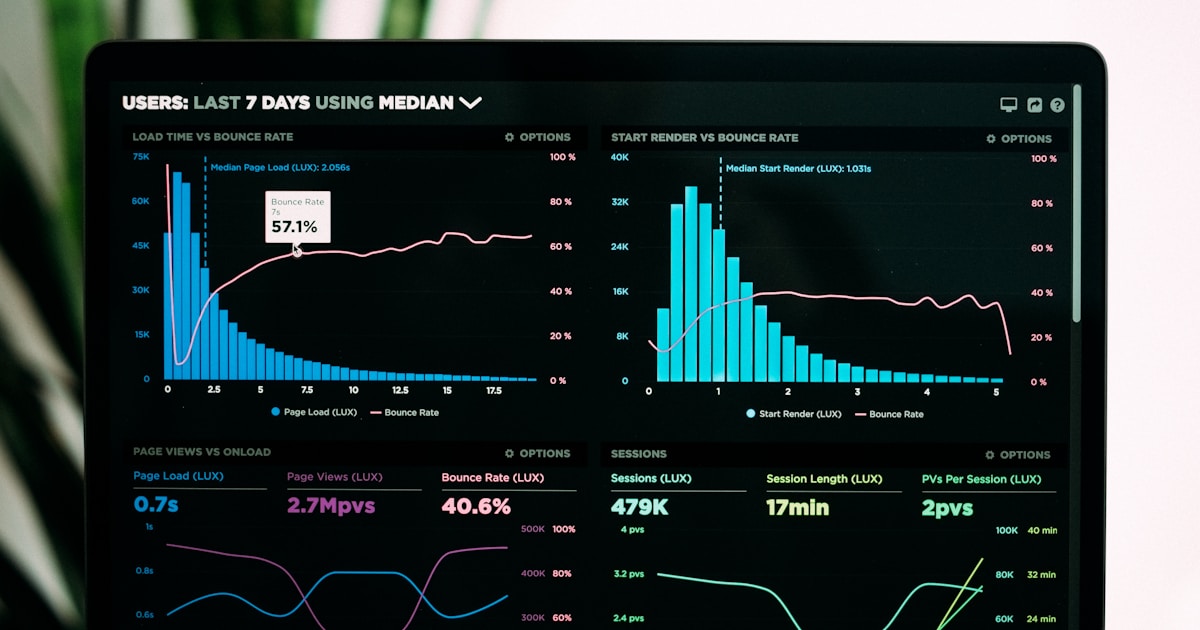
Days on market (DOM) is the single most useful data point for timing a purchase. It tells you how motivated the seller is likely to be, how much competition you face, and what kind of discount is realistic.
Here is the quarterly DOM data from the Los Cabos MLS across all residential property types:
- Q1 (Jan-Mar): 75-90 days average. Peak buyer traffic compresses timelines. Well-priced properties move fast.
- Q2 (Apr-Jun): 95-110 days average. The spring shoulder season. Buyer traffic drops but sellers remain optimistic from high-season momentum.
- Q3 (Jul-Sep): 120-150 days average. Low season reality hits. Listings that launched in spring are now stale. Sellers face real urgency.
- Q4 (Oct-Dec): 85-100 days average. Early high season brings fresh buyers. Properties that survived Q3 without selling often get relisted with new pricing.
The actionable insight: target properties with 90-plus days on market during Q3. These listings have passed the psychological threshold where sellers shift from "holding for my price" to "I need this done." A property at 130 DOM in August is a fundamentally different negotiation than the same property at 30 DOM in January.
8. Your Practical Buying Strategy for 2026
Here is the playbook I give every buyer. It is not complicated, but it requires discipline.
Step 1: Research now (anytime). Browse communities, define your budget, understand the fideicomiso process, and identify your top 3-5 neighborhoods. This costs nothing and takes 2-4 weeks.
Step 2: Scout trip in late spring or early summer (May-June). Visit your target communities during shoulder season. You will see them without the tourist crowds. Prices are starting to soften. Meet agents, tour properties, understand the neighborhoods at street level. Do not buy on this trip — unless you find something extraordinary.
Step 3: Strike in August-October. This is your buying window. Listings that have been sitting all summer are ripe for negotiation. Sellers facing year-end deadlines are motivated. Have your proof of funds or financing pre-approved. When you find the right property, make a clean offer 8-12% below asking with a fast close timeline. For investment analysis, review our Cabo investment guide.
Step 4: Close before year-end if possible. Closing before December 31 gives you the property in the current tax year, positions you for the upcoming high-season rental market, and lets you start generating income or enjoying the property during the best weather months (November through April).

The Bottom Line
If you take one thing from this article, let it be this: the best time to buy in Los Cabos was five years ago. The second best time is now — specifically, during the low-season window that most buyers completely ignore.
Do not overthink this. Do not wait for a crash that the structural fundamentals of this market will not deliver. Do not fly down in December, fall in love, and overpay because the sunset made you emotional. Be tactical. Be patient within the year. And when the timing is right — August through October — move with speed and conviction.
I have watched too many buyers lose properties they loved because they hesitated. And I have watched too many buyers overpay by $40,000-$60,000 because they bought during peak season when they did not have to. The difference between the two is not luck. It is strategy.
Explore our Pedregal and Palmilla community guides for specific market data in Los Cabos's top neighborhoods, or check the Los Cabos Tourism Board for travel planning if your scouting trip is next.
Your Low-Season Buying Window Is Open
Right now — mid-2026 — is the prime buying window. Our team has real-time data on motivated sellers, new listings, and pre-construction launches across every Los Cabos community.
Start Your Search TodayFrequently Asked Questions
What month has the lowest real estate prices in Los Cabos?+
August and September consistently show the lowest listing prices and deepest negotiation discounts in Los Cabos. Average discounts off list price run 9-12% during these months compared to 3-5% during peak season (December through March). Sellers who listed in spring and have not closed by late summer are the most motivated.
How much cheaper is Cabo real estate in low season vs high season?+
Properties sold during low season (May through October) close at an average of 7-10% below list price, compared to 3-5% during high season (November through April). On a $750,000 property, that difference translates to $30,000-$52,500 in additional savings. Motivated sellers in August and September may accept 10-12% below asking.
Is it better to buy pre-construction or resale in Cabo?+
Pre-construction typically offers 15-25% savings versus completed units in the same development. However, you accept delivery risk and a 12-24 month wait. Resale properties let you inspect what you are buying and generate rental income immediately. For investors prioritizing value, pre-construction during Phase 1 pricing is hard to beat. For lifestyle buyers who want to use the property now, resale during low season gives the best negotiating position.
Should I wait for a real estate crash in Cabo to buy?+
Los Cabos has not experienced a sustained price crash in the modern era. During the 2008-2010 US recession, Cabo prices dipped 10-15% before recovering within three years. COVID caused a brief 6-month dip in transaction volume but prices held flat. The structural supply constraint — limited developable coastal land on a peninsula — prevents the kind of oversupply crashes seen in US suburban markets. Waiting for a crash since 2020 has already cost buyers 30-40% in missed appreciation.
How many days does it take to sell a property in Cabo by season?+
Average days on market varies significantly by quarter. Q1 (January-March) averages 75-90 days. Q2 (April-June) averages 95-110 days. Q3 (July-September) averages 120-150 days. Q4 (October-December) averages 85-100 days. Properties listed in Q3 that have not sold represent the best negotiation opportunities because sellers face the psychological pressure of a slow-season listing.
What is the best time of year to negotiate a deal on Cabo real estate?+
Late August through mid-October is the prime negotiation window. Sellers who listed during spring have been sitting for 120-plus days, tourist traffic is at its annual low, and end-of-year tax planning motivates both US and Mexican sellers to close before December 31. Combine this timing with a clean cash offer and you have maximum leverage.
Do Cabo real estate prices drop during hurricane season?+
Hurricane season (June through November) correlates with lower transaction volume and slightly softer pricing, but it is not the hurricanes themselves driving discounts — it is the reduced tourist traffic and buyer activity. Cabo averages one major hurricane per decade. The seasonal pricing pattern is driven by snowbird demand cycles, not weather fear. Smart buyers use the perception of risk to their advantage.
How much has Cabo real estate appreciated since 2018?+
Los Cabos residential real estate has appreciated approximately 42-55% from 2018 to mid-2026, depending on community. Emerging areas like East Cape and Pacific Side saw 50-65% gains. Established luxury communities like Palmilla and Pedregal appreciated 30-42%. The compound annual growth rate across the market runs 5.5-7.2%. A buyer who purchased a $500,000 condo in 2018 holds a property worth $710,000-$775,000 today.

Aaron Cuha
Real Estate Advisor & Los Cabos Market Expert
Real estate advisor and founder of Living In Cabo. 15+ years helping families navigate complex real estate decisions. Strategic partner with Ronival — Baja's largest brokerage.