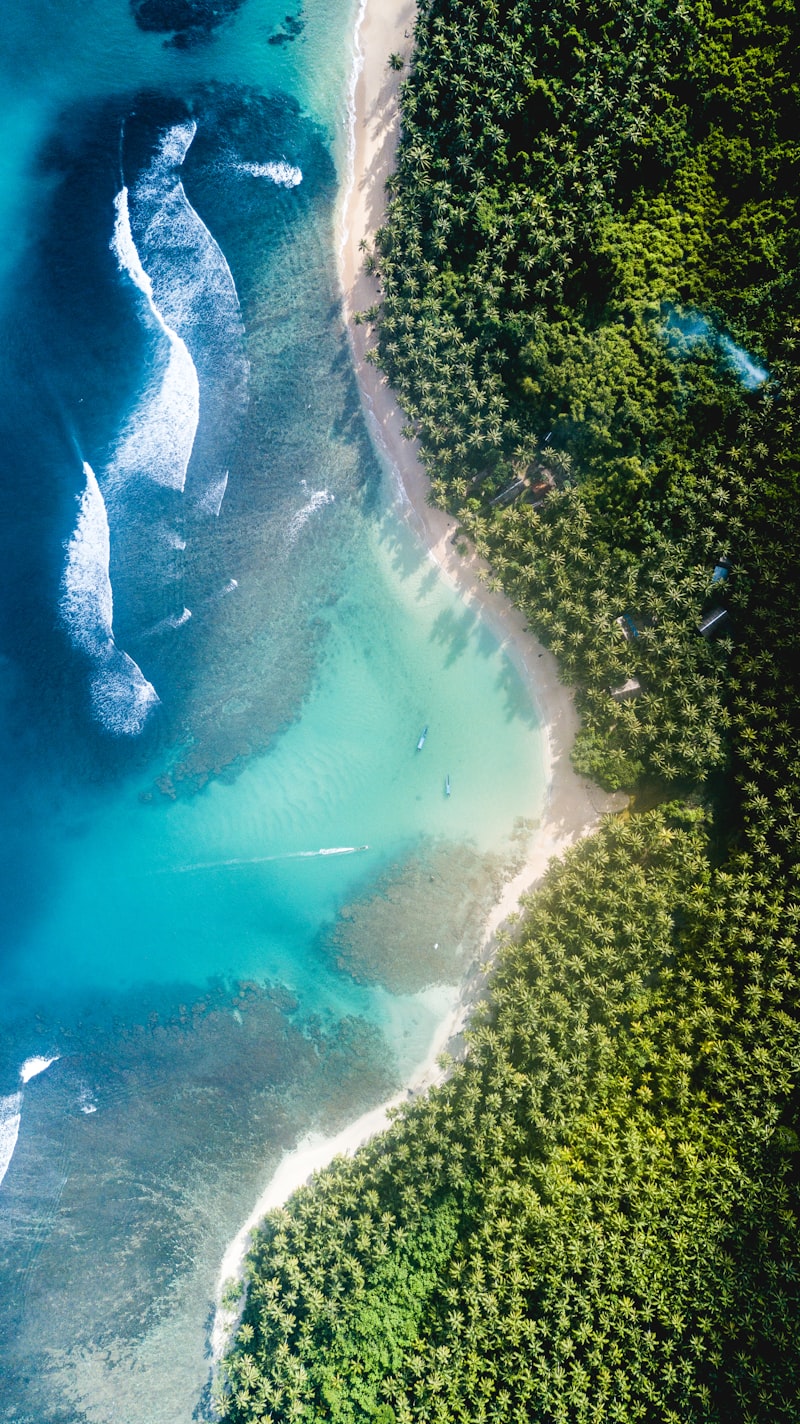
Los Cabos sits at the southern tip of the Baja California peninsula where the Sonoran Desert plunges into the sea. Behind the resort corridors and marina nightlife lies a UNESCO Biosphere Reserve with peaks over 7,000 feet, desert canyons hiding 45-foot waterfalls, and over 4,000 plant species — including the largest cacti on the planet.
Key Takeaways
- The Sierra de la Laguna Biosphere Reserve covers 112,437 hectares with peaks reaching 7,090 feet — just 90 minutes from Cabo
- Fox Canyon's Sol de Mayo waterfall (45 feet) is a beginner-friendly 15-minute hike; entry is 250 pesos (~$14 USD)
- ATV desert tours start at $85 USD; horseback beach rides from $68 USD; Wild Canyon all-day passes from $258 USD
- Best hiking season: October through April when waterfalls flow and temperatures drop below 85 degrees F
- Baja California Sur has 4,000+ plant species with 23% found nowhere else on Earth
Looking for a Home Base for Outdoor Adventure?
From East Cape wilderness to Pacific-side surf towns, Los Cabos offers communities built around the outdoor lifestyle. Our team knows every neighborhood.
Schedule a Free Consultation1. Sierra de la Laguna Biosphere Reserve
The Sierra de la Laguna is the crown jewel of Baja California Sur outdoor recreation and one of Mexico's most underrated wilderness areas. Designated a UNESCO Biosphere Reserve in 1994, this mountain range rises from the desert floor to 7,090 feet at Picacho de la Laguna — the highest point on the entire Baja peninsula south of the border.
The reserve covers 112,437 hectares and contains something genuinely remarkable: a "sky island" ecosystem. At elevation, the desert gives way to pine-oak forests and freshwater meadows that feel more like the Pacific Northwest than Baja Mexico. Scientists have documented over 900 plant species within the reserve, many found nowhere else on Earth.
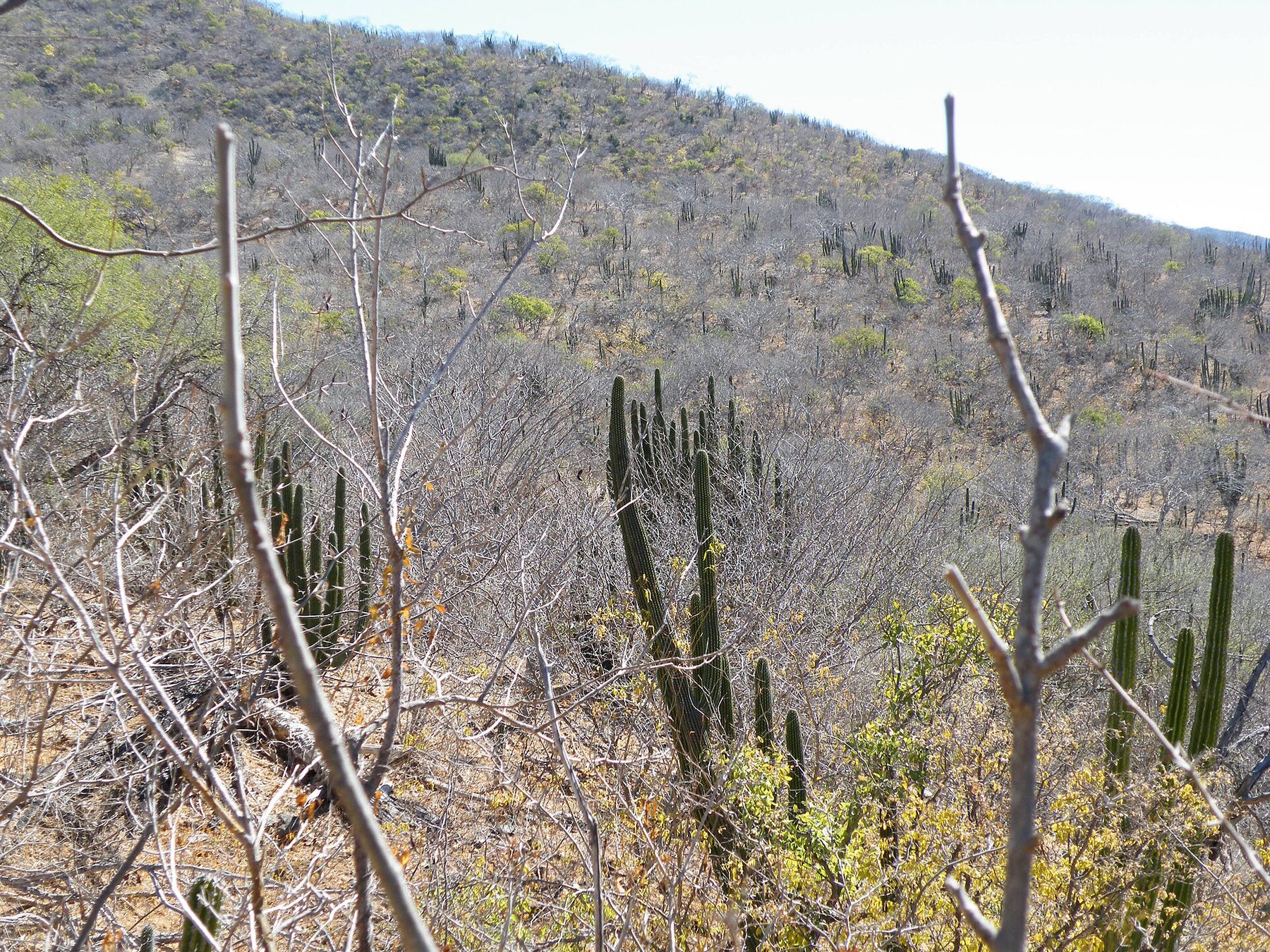
Day Hikes
The most accessible day hike is the Cascada Sol de Mayo trail, rated 4.7 stars on AllTrails, covering 0.6 miles with just 78 feet of elevation gain. It leads to a stunning waterfall and freshwater swimming hole — perfect for families and casual hikers. Other day hikes follow canyon bottoms through palm-lined arroyos with seasonal waterfalls and natural pools.
Most day hikers access the reserve from Santiago or Todos Santos. The trailhead from the Todos Santos side is approximately 45 minutes by car, followed by a rough 19-kilometer entrance road. A high-clearance vehicle is strongly recommended.
Multi-Day Backcountry Treks
The signature experience is the Sea-to-Sea crossing — a multi-day trek that starts at the Pacific Ocean, climbs through the Biosphere Reserve, and descends to the Sea of Cortez. The route through San Dionisio Canyon features the most elevation gain of any trail in the area at 6,437 feet of total ascent.
Multi-day treks require a local guide (mandatory for backcountry zones) and basic backpacking gear. Several outfitters in Todos Santos and Santiago organize guided crossings, typically 3 to 5 days in duration. Expect to pay $150 to $300 USD per day for a guided trek including meals and pack animals.
Best Season
October through April offers the ideal conditions: cooler temperatures, recent rain making the landscape green, and waterfalls at their most impressive. Summer brings extreme heat at lower elevations (95 to 105 degrees Fahrenheit) and occasional tropical storms that can make trails impassable. At summit elevation, temperatures are comfortable year-round, but access roads can wash out during hurricane season (June through October).
2. Fox Canyon (Canon de la Zorra) and Sol de Mayo Waterfall
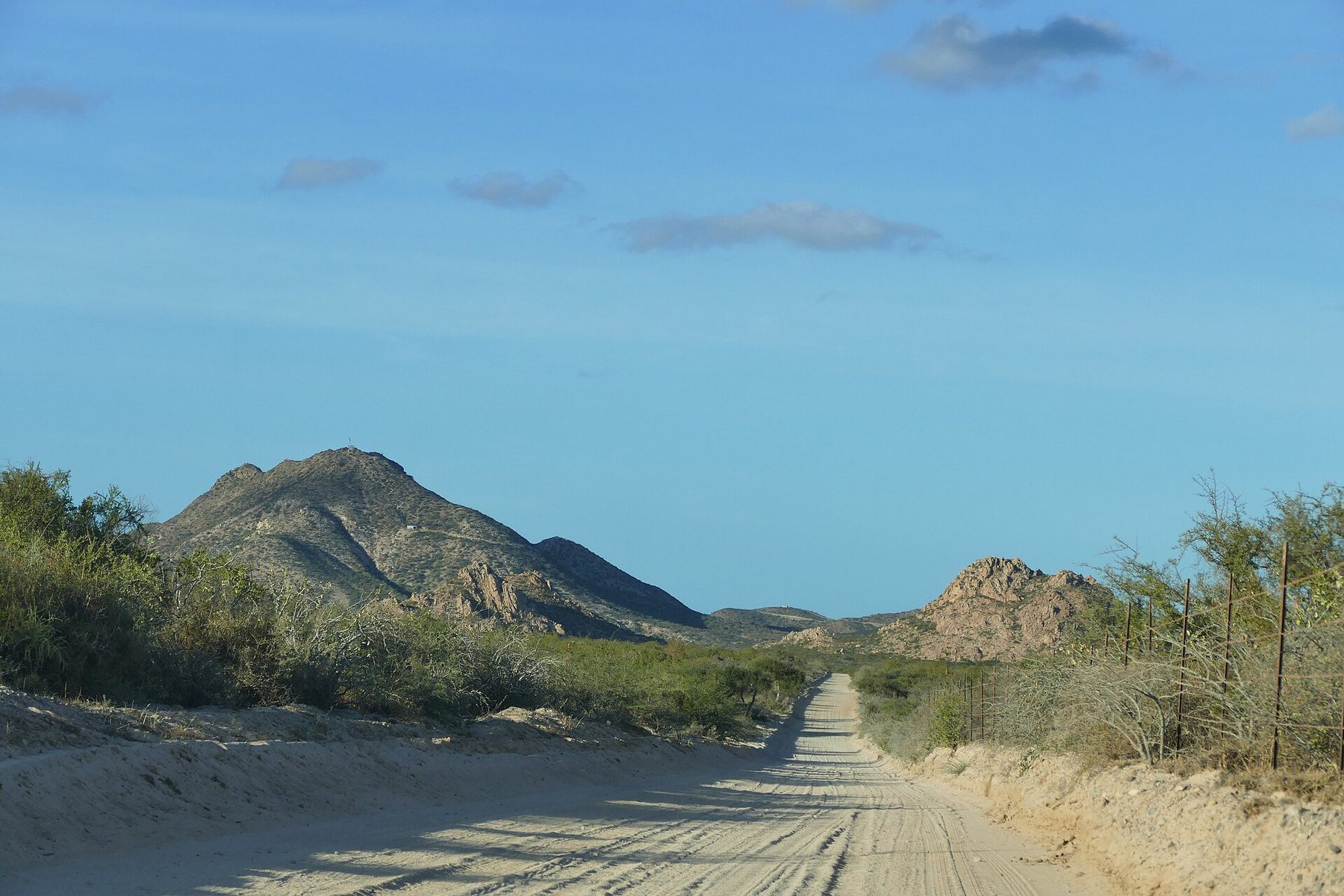
Fox Canyon is the single most popular day hike from Cabo San Lucas, and it deserves every bit of the hype. Located about 50 miles northeast of Cabo near the oasis town of Santiago, the canyon hides a 45-foot waterfall — the Sol de Mayo — that plunges into a crystal-clear swimming hole surrounded by desert rock and palm trees.
The contrast is what makes it special. You drive through arid desert, pass through a small agricultural town, arrive at Rancho Ecologico Sol de Mayo, and within 15 minutes of walking you are standing at the base of a waterfall in a lush canyon oasis. It genuinely feels like a mirage.
Trail Details
- Distance: Approximately 0.5 miles one way from the ranch entrance
- Time: 15 minutes each way
- Difficulty: Easy — rocky terrain but no technical climbing; suitable for children
- Entry fee: 250 pesos (~$14 USD) at Rancho Ecologico Sol de Mayo
- Facilities: Basic facilities at the ranch entrance; no services at the waterfall itself
- What to bring: Water, snacks, swimsuit, towel, sun protection, water shoes (rocky pool bottom)
Best time to visit: October through March, after the summer rains have filled the waterfall. By April, the flow typically dries to a trickle. Go early in the morning — the canyon gets crowded by midday during peak season, and the morning light in the canyon is spectacular.

3. Boca de la Sierra and Santiago Canyon Hikes
Boca de la Sierra ("Mouth of the Mountains") is the gateway to the eastern slopes of the Sierra de la Laguna, accessed from the town of Santiago about an hour northeast of San Jose del Cabo. This area offers moderate canyon hikes through palm-lined arroyos, natural rock pools, and seasonal waterfalls — with far fewer visitors than Fox Canyon.
The trails follow the canyon floor upstream, gaining elevation gradually through increasingly dramatic scenery. Several swimming holes along the route make it ideal for a half-day adventure combining hiking and swimming. A local guide is recommended (available in Santiago for $30 to $50 USD) as trails are not well-marked.
For East Cape property owners, these hikes are a 20-to-30-minute drive from home — one of the lifestyle advantages that draws outdoor enthusiasts to the area.
Want to Live Near Baja's Best Trails?
East Cape and Pacific Side communities offer direct access to the Sierra de la Laguna, desert canyons, and untouched Pacific beaches. Discover your ideal adventure home base.
Book a Discovery Call4. ATV and UTV Desert Tours
If hiking at your own pace is not your thing, ATV and UTV tours let you cover serious desert terrain in a fraction of the time. These guided rides take you through Baja's iconic cactus forests, along coastal bluffs, through dry riverbeds, and into areas that are simply not accessible on foot or by car.
Pricing and Options
| Vehicle Type | Starting Price | Duration | Best For |
|---|---|---|---|
| Single ATV | $85 USD/person | 1 - 2 hours | Solo riders, experienced |
| UTV Side-by-Side | $150 USD/vehicle | 1.5 - 2 hours | Couples, families |
| Can-Am X3 Turbo | $400 USD/vehicle | 2 - 3 hours | Performance seekers |
| ATV + Horseback Combo | $120 USD/person | 3 - 4 hours | Variety in one day |
Popular operators include Real Baja Tours, G-Force Tours, and Cactus Tours Park. Most tours include safety gear, a bilingual guide, and hotel pickup. Routes vary from beach-and-desert loops near Cabo San Lucas to backcountry trails through historic ranching communities and whale-watching viewpoints on the Pacific side.
5. Wild Canyon Adventures: Baja's Adventure Park
Wild Canyon Adventures is the only dedicated adventure park in Los Cabos, operating since 2006 on 115 hectares of private canyon land at kilometer 19.5 of the Tourist Corridor. If you want multiple adrenaline activities in a single day, this is the place.
Activities Available
- Zip-lining: Eight zip lines including Baja's longest at 815 meters, crossing the canyon at heights of up to 300 feet above the canyon floor
- Bungee jumping: From a bridge spanning the canyon — one of the few bungee sites in Mexico
- Giant canyon swing: A pendulum swing that launches riders over the canyon
- ATV and UTV canyon tours: Guided rides through the park's canyon terrain
- Camel rides: Yes, actual camels — a quirky Baja experience through the desert landscape
- Horseback riding: Canyon trails through native vegetation
- Wagoona Aqua Park: Water park for families
- Animal sanctuary: SEMARNAT-certified rescue facility
Pricing: All-inclusive day passes start at approximately $258 USD for adults and $175 for children (ages 4-12). Individual activities can be booked separately. An additional $25 park entrance fee and $10 transportation fee apply. The park is less than 30 minutes from any hotel in Los Cabos.
6. Horseback Riding: Beach and Desert
Horseback riding in Los Cabos comes in two distinct flavors, and both are worth experiencing.
Beach Rides
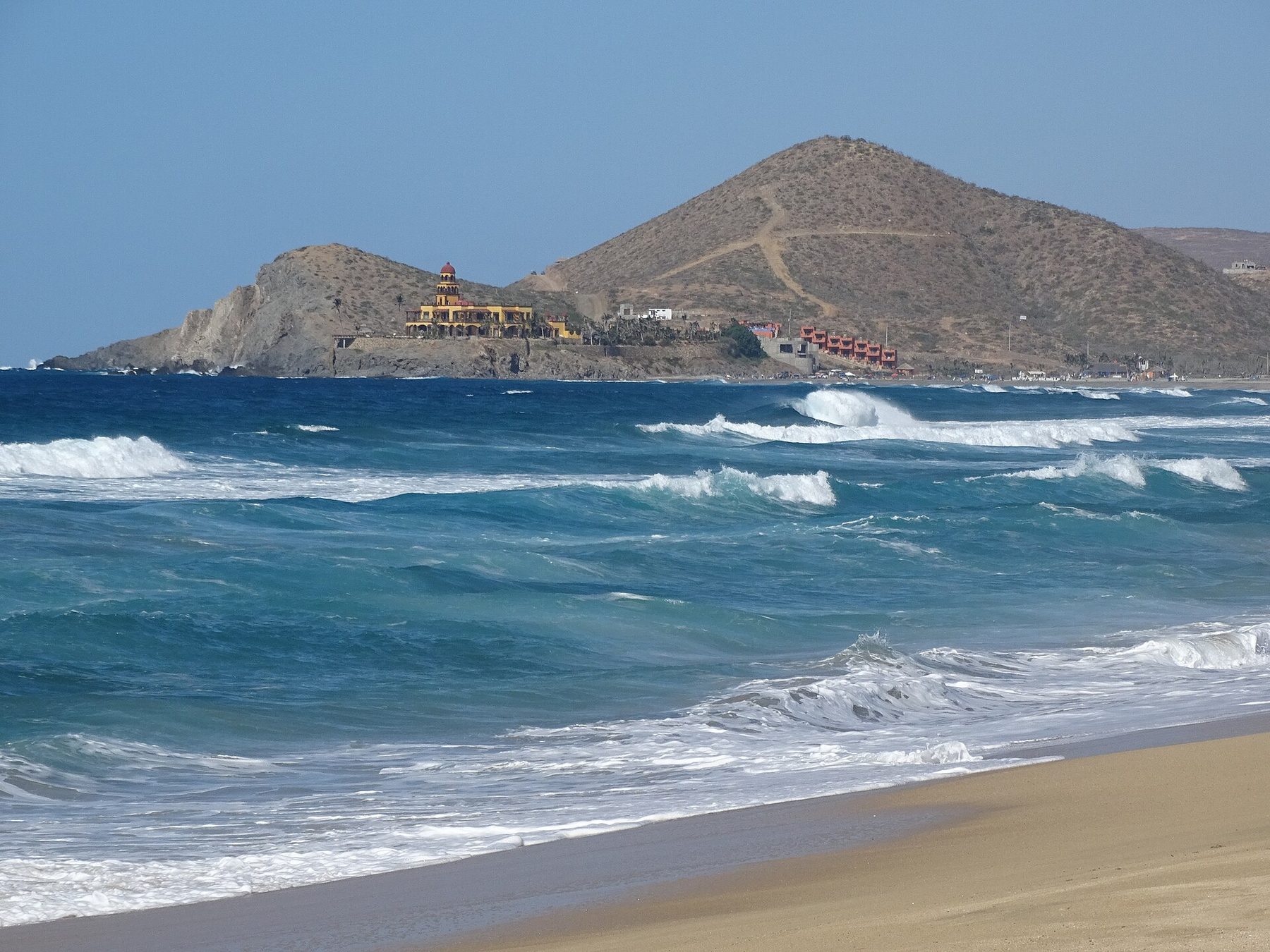
Pacific-side beach rides are the most popular option. Tours typically last 1 to 2 hours, following the coastline at sunset for maximum dramatic effect. Prices start at $68 USD per person and go up to $120 for premium sunset experiences. The horses are well-trained and accustomed to beginners — no prior riding experience is necessary.
Desert and Canyon Rides
For a more immersive experience, desert rides take you through cactus forests, along dry arroyos, and into the foothills of the Sierra de la Laguna. These rides are typically longer (2 to 3 hours) and more suited to intermediate riders comfortable at a trot. Wild Canyon Adventures offers canyon horseback rides through their private property.
7. Mountain Biking and Cycling
The desert terrain around Los Cabos offers surprisingly good mountain biking. The landscape is naturally suited to it — hard-packed dirt trails, rolling terrain, dramatic views, and minimal vegetation blocking the path.
Popular routes include single-track trails in the arroyos behind San Jose del Cabo, the ranch roads in the foothills above the Tourist Corridor, and backcountry trails on the East Cape where the Sierra de la Laguna meets the coast. Several Cabo-based operators offer guided mountain bike tours ranging from $80 to $150 USD per person including bike rental, guide, and snacks.
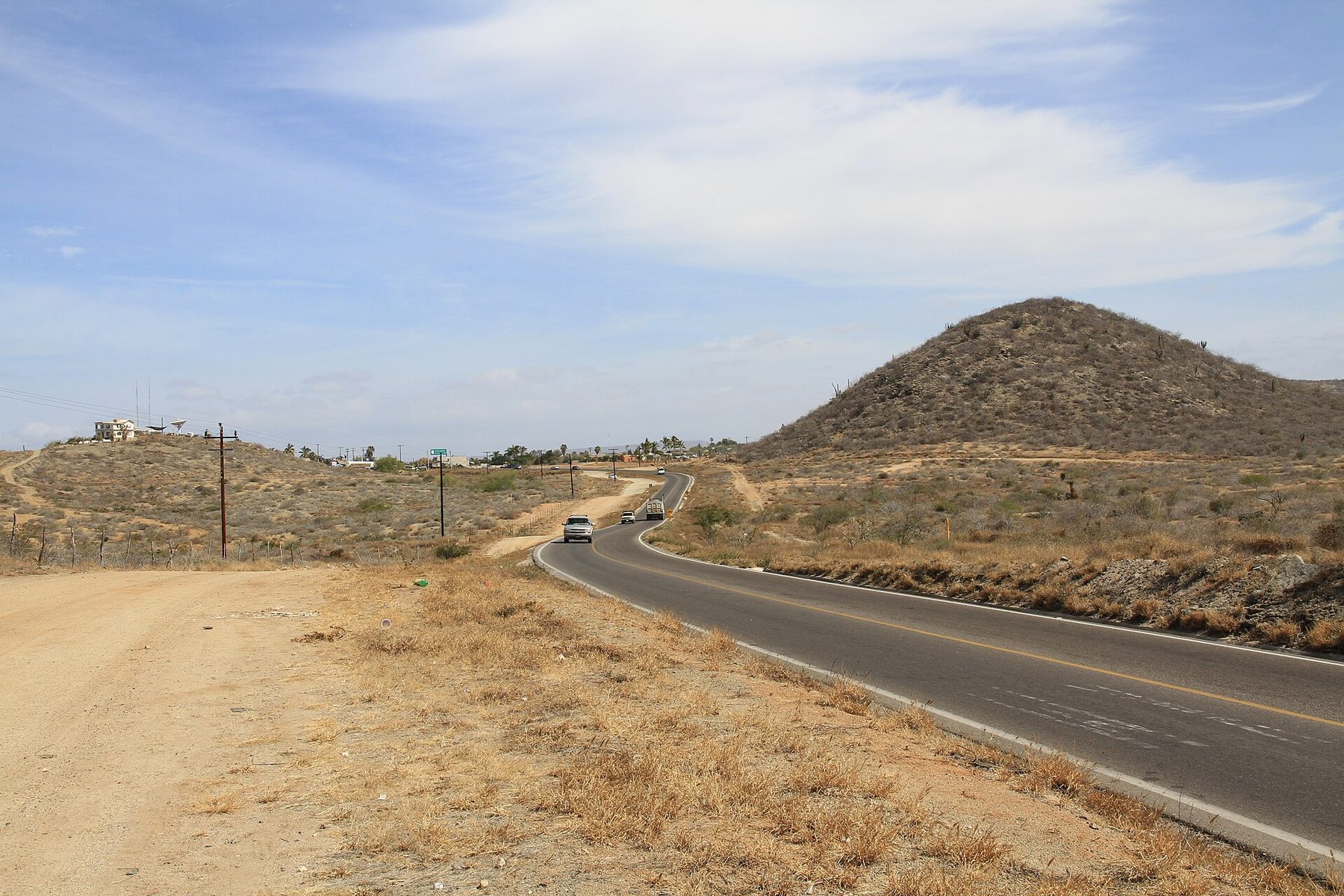
For cycling enthusiasts, the highway between Cabo San Lucas and Todos Santos (Highway 19) is a popular road cycling route with dramatic Pacific views, though it lacks dedicated bike lanes. The growing cycling community in Los Cabos organizes group rides, particularly from November through April when the weather is ideal.
8. The Desert Landscape: Flora and Wildlife
The Baja California desert is not a barren wasteland — it is one of the most biologically diverse desert ecosystems in the Americas. Understanding the landscape adds depth to every outdoor adventure.
The Cardon Cactus: Baja's Living Monument
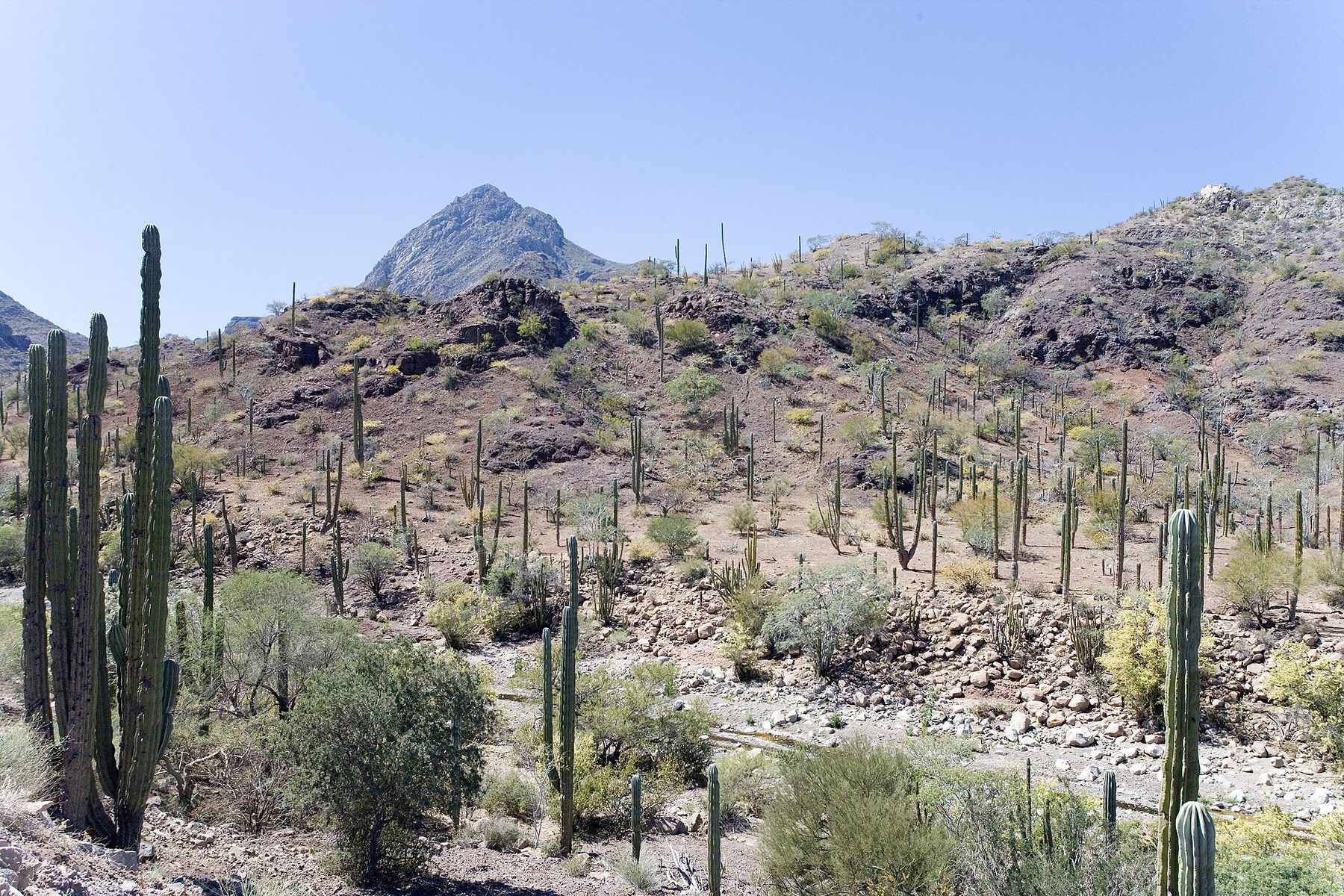
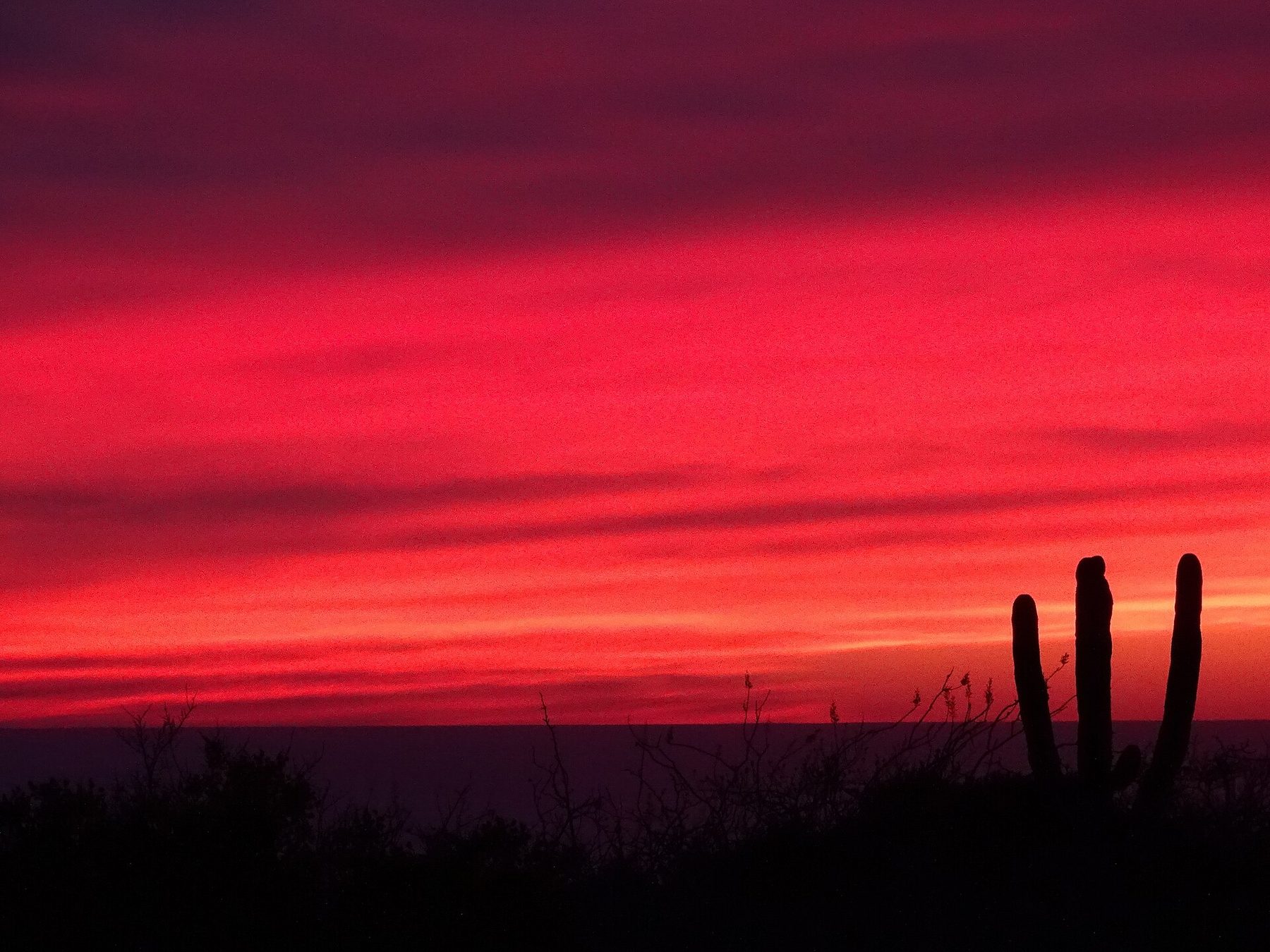
The cardon cactus (Pachycereus pringlei) is the largest cactus species in the world. These giants reach heights of 60 feet, weigh up to 25 tons, and live for hundreds of years. A cardon does not begin producing side branches until it reaches approximately 80 years of age. A single mature cardon supports an entire micro-ecosystem — woodpeckers and owls nest within it, bats pollinate its night-blooming flowers, and reptiles shelter at its base.
Endemic Species
Approximately 23 percent of the 4,000-plus plant species on the Baja peninsula are endemic — found nowhere else on Earth. About 10 percent of desert animals are endemic to the region, including the babisuri (ring-tailed cat), Baja ground squirrels, kangaroo rats, and the rare barefoot gecko found only on Isla San Marcos.
Birders will find over 300 documented species, including two endemic hummingbirds — the Xantus's hummingbird and the endemic subspecies of Costa's hummingbird. The CaboViVO conservation organization documents nine species found exclusively in Baja California Sur.
9. Guided vs. Self-Guided: What You Need to Know
Not every adventure in Los Cabos requires a guide, but some absolutely do. Here is how to decide:
Guide Required or Strongly Recommended
- Sierra de la Laguna backcountry: Mandatory for multi-day treks. Guides know water sources, campsites, and weather patterns. $150-$300/day.
- ATV/UTV tours: Always guided for safety and liability reasons. Included in tour price.
- Boca de la Sierra: Trails are unmarked. Local guides available in Santiago for $30-$50.
Self-Guided Is Fine
- Fox Canyon / Sol de Mayo: Well-marked from the ranch entrance. Staff at Rancho Ecologico Sol de Mayo point you in the right direction.
- Sierra de la Laguna day hikes: The Sol de Mayo waterfall trail and lower canyon routes are straightforward.
- Mountain biking on established trails: The arroyo trails behind San Jose del Cabo are rideable without a guide.
Safety Tips for All Outdoor Adventures
- Carry a minimum of 2 liters of water per person for any desert activity — dehydration is the number one risk
- Start early. Morning temperatures are 15 to 20 degrees cooler than afternoon
- Wear sun protection: hat, long sleeves, SPF 50+. The Baja sun is relentless, especially at elevation
- Tell someone your plans and expected return time, especially for backcountry hikes
- Watch for thorns, spines, and rattlesnakes on desert trails. Stick to established paths
- Cell service is nonexistent in the Sierra de la Laguna backcountry and spotty in canyons near Santiago
10. Adventure Calendar: What to Do When
| Season | Best Activities | Conditions |
|---|---|---|
| Oct - Dec | Hiking (waterfalls flowing), horseback riding, mountain biking | Post-rain green desert, 75-90 degrees F, low humidity |
| Jan - Mar | Sierra de la Laguna treks, canyon hikes, cycling, whale watching | Coolest months, 65-80 degrees F, crystal visibility |
| Apr - Jun | ATV tours (early morning), mountain biking, zip-lining | Warming up, 80-95 degrees F, waterfall flow diminishing |
| Jul - Sep | Wild Canyon park activities, indoor alternatives | Hot (95-105 degrees F), possible tropical storms, green desert after rain |
The sweet spot for most outdoor adventures is November through March — comfortable temperatures, recent rains greening the desert, waterfalls flowing, and the lowest humidity of the year. This also happens to be peak tourist season, so book guided treks and popular tours in advance.
11. The Outdoor Lifestyle as a Reason to Buy
Here is the part most travel guides leave out: the outdoor adventure scene in Los Cabos is not just a vacation amenity — it is a lifestyle that draws full-time residents and property buyers.
Property owners on the East Cape live 20 minutes from the Sierra de la Laguna trailhead. Todos Santos homeowners have access to Pacific surf, desert mountain biking, and backcountry hiking from their doorstep. Even in Cabo San Lucas, Wild Canyon and the Pacific coast trails are a short drive away.
The climate supports outdoor activity 350-plus days per year, as noted in our wellness living guide. For buyers who prioritize an active outdoor lifestyle, Los Cabos offers a rare combination: world-class adventure access, year-round warmth, and a real estate market with entry points from $300,000 condos to $15 million estates.
Explore our community guides to find the neighborhood that matches your outdoor priorities: East Cape for backcountry and fishing, Todos Santos for surf and mountain access, or El Pescadero for the sweet spot between beach and desert.
Find Your Adventure Home Base in Los Cabos
Whether you want a mountain-view East Cape lot, a surf-side Todos Santos retreat, or a Corridor villa minutes from Wild Canyon, our team will match you to the right property and community.
Contact Us TodayThinking about buying here rather than just visiting? Our free 33-page Buying Property in Mexico guide covers the fideicomiso, closing costs in real dollars, and the 27-point checklist we run on every property.
Frequently Asked Questions
What are the best hiking trails near Cabo San Lucas?+
The top hikes near Cabo include Fox Canyon (Canon de la Zorra) with its 45-foot Sol de Mayo waterfall, about 50 miles northeast of Cabo — a short 15-minute hike suitable for families. The Sierra de la Laguna Biosphere Reserve, approximately 90 minutes from downtown Cabo, offers day hikes and multi-day backcountry treks with elevations reaching 7,090 feet at Picacho de la Laguna. Boca de la Sierra near Santiago provides moderate canyon hikes through palm-lined arroyos. Wild Canyon adventure park in the Tourist Corridor also offers canyon hiking combined with zip-lining.
How much do ATV tours cost in Los Cabos?+
ATV tours in Los Cabos start at approximately $85 USD per person for a single ATV on a guided desert and beach ride lasting 1 to 2 hours. UTV side-by-side vehicles for two riders start at $150 USD. Premium Can-Am X3 Turbo experiences run approximately $400 USD. Wild Canyon Adventures offers ATV canyon tours combined with zip-lining starting at around $130 USD. Most tours include safety gear, guide, and hotel pickup.
Is the Sierra de la Laguna Biosphere Reserve worth visiting?+
Absolutely. The Sierra de la Laguna is a UNESCO-designated Biosphere Reserve with over 900 plant species, including pine and oak forests at elevation that contrast dramatically with the coastal desert below. The reserve covers 112,437 hectares and reaches 7,090 feet at its highest peak. Day hikes to waterfalls and swimming holes are accessible to most fitness levels. Multi-day crossings from the Pacific to the Sea of Cortez are among Baja's premier backcountry experiences. October through April is the best season to visit.
What wildlife can you see on outdoor adventures in Los Cabos?+
Baja California Sur is home to remarkable biodiversity. Approximately 10 percent of the desert animals are endemic to the region, including the babisuri (ring-tailed cat), Baja ground squirrels, and kangaroo rats. Over 4,000 plant species grow on the peninsula, with 23 percent being endemic — the cardon cactus being the most iconic, reaching heights of 60 feet and living for hundreds of years. Birders can spot over 300 species including the endemic Xantus hummingbird and Belding yellowthroat.
What is Wild Canyon Adventures in Cabo?+
Wild Canyon Adventures is the only adventure park in Los Cabos, operating since 2006 on 115 hectares of private canyon land at kilometer 19.5 of the Tourist Corridor. Activities include eight zip lines (including Baja's longest at 815 meters), bungee jumping, ATV and UTV tours, horseback riding, camel rides, a SEMARNAT-certified animal sanctuary, and the Wagoona Aqua Park. All-inclusive day passes start at approximately $258 USD for adults. The park is less than 30 minutes from any Los Cabos hotel.
When is the best time of year for hiking in Los Cabos?+
The best hiking season in Los Cabos is October through April, when temperatures are cooler (65 to 85 degrees Fahrenheit at lower elevations) and recent rains have greened the landscape and filled waterfalls. The Fox Canyon waterfall at Sol de Mayo is most impressive after the summer rain season from October through March. Summer months of June through September are extremely hot at lower elevations (95 to 105 degrees) and bring occasional tropical storms. The Sierra de la Laguna is cooler year-round at elevation but is best from November through April.
Can you do horseback riding on the beach in Cabo?+
Yes, beach horseback riding is one of the most popular outdoor activities in Los Cabos. Tours typically last 1 to 2 hours along Pacific-side beaches near Cabo San Lucas and cost $68 to $120 USD per person. Sunset rides are the most sought-after. Desert rides through cactus-lined trails are also available. Wild Canyon Adventures offers horseback rides through their canyon property. Several operators run tours year-round, and most include hotel pickup and drop-off.
Is Fox Canyon (Canon de la Zorra) difficult to hike?+
No. The hike from the entrance at Rancho Ecologico Sol de Mayo to the Sol de Mayo waterfall is only about 15 minutes and is suitable for most fitness levels, including families with children. The trail follows the canyon floor with some rocky terrain but no technical climbing. Entry costs 250 pesos (approximately $14 USD) as of 2025. The ranch is located outside the town of Santiago, about 50 miles northeast of Cabo San Lucas. There are no services at the waterfall — bring your own water, snacks, and sun protection.

Aaron Cuha
Real Estate Advisor & Los Cabos Market Expert
Real estate advisor and founder of Living In Cabo. 15+ years helping families navigate complex real estate decisions. Strategic partner with Ronival — Baja's largest brokerage.