Every winter, one of the most extraordinary wildlife migrations on Earth plays out in the waters just off the Baja California peninsula. Humpback whales travel thousands of miles from their feeding grounds in Alaska and the North Pacific to breed and give birth in the warm, protected waters of the Sea of Cortez. Gray whales make their legendary Pacific coast migration from the Bering Sea to the lagoons of Baja Sur — one of the longest mammal migrations documented anywhere.
I have lived and worked in Los Cabos for years, and whale season is still one of those things that stops me cold. The first time you see a 40-ton humpback breach completely out of the water 50 meters from your boat, nothing you have ever seen in a nature documentary quite prepares you for it.
- Peak whale watching season is December through April, with January and February offering the highest encounter rates.
- Standard shared tours run $80–$120 per person; private charters $150–$250; Magdalena Bay day trips $300–$600.
- The Sea of Cortez side concentrates humpbacks; the Pacific side and Magdalena Bay host gray whale calving.
- Magdalena Bay (a 2.5-hour drive north) is one of the greatest wildlife experiences in the world — gray whales approach boats voluntarily.
- Whale shark encounters are best accessed via a day trip to La Paz, where aggregations run from October through April.
Planning a visit to Los Cabos during whale season?
I help buyers find communities that put them close to the water — and I share the local knowledge that makes every visit more memorable. Let's talk.
Connect with AaronThe Whales You Will See
Los Cabos sits at the convergence of two remarkable migration corridors. Understanding the species that pass through helps you plan the right type of tour at the right time.
Humpback Whales (Megaptera novaeangliae) are the stars of the Sea of Cortez whale watching experience. Adult humpbacks reach 40–52 feet in length and weigh up to 40 tons — and they are spectacularly acrobatic. Breaching (launching 90% of the body out of the water and crashing back with a thunderous splash), tail-lobbing, pec-fin slapping, and spy-hopping (rising vertically with the head out of the water) are all common behaviors. Humpbacks are here to breed, which drives much of the surface activity — males compete, court, and sing (their songs can be heard underwater and are one of the most haunting sounds in nature).
Gray Whales (Eschrichtius robustus) are the champions of mammalian long-distance migration. Their round trip from the Bering Sea to the Baja lagoons and back covers approximately 10,000–12,000 miles — the longest documented migration of any mammal. Gray whales are more mottled in appearance, lack a dorsal fin, and are typically observed in the Pacific-facing waters of the Baja Peninsula rather than the Sea of Cortez. They are famous for their extraordinarily friendly behavior in the protected lagoons, particularly Magdalena Bay, where mother and calf pairs frequently approach boats so closely that visitors can reach over the side and touch them.
Blue Whales (Balaenoptera musculus) — the largest animals ever known to have lived on Earth, reaching 100 feet — are occasionally spotted in the Sea of Cortez from February through April, particularly in the deeper waters north of La Paz. Blue whale sightings are never guaranteed, but the Sea of Cortez is one of the few accessible places in the world where encounters are realistic. Jacques Cousteau famously called the Sea of Cortez the "aquarium of the world," and blue whale sightings are part of what justifies that designation.
Sea of Cortez vs. Pacific: Understanding the Geography
Los Cabos sits at the very tip of the Baja California peninsula, where the Pacific Ocean meets the Sea of Cortez. This geography shapes the whale watching experience more than anything else.
The Sea of Cortez (also called the Gulf of California) is the narrow body of water between Baja California and mainland Mexico. Its protected, nutrient-rich waters are the reason humpbacks come here to breed. The Sea of Cortez side of Los Cabos is typically calmer, with more consistent conditions for comfortable boat outings — particularly in the early morning. Tours departing from the Cabo San Lucas marina or from the East Cape access these waters.
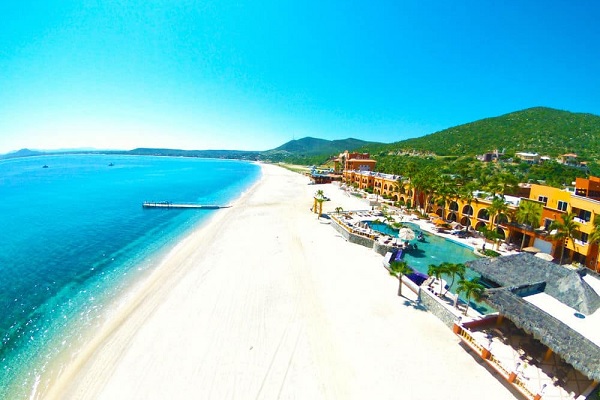
The Pacific Ocean runs along the western coast of the Baja Peninsula. The Pacific can be choppier and more exposed, but it hosts the gray whale migration corridor. Tours accessing the Pacific side typically depart from the Cabo San Lucas marina and round the famous arch at Land's End before heading northwest. The Pacific side also offers spectacular coastal scenery — dramatic cliffs, breaking surf, and the sense of open ocean that the Sea of Cortez's protected waters lack.
For the definitive whale experience in Baja, the two sides complement each other rather than compete. A Sea of Cortez humpback tour and a Magdalena Bay gray whale excursion together give you the complete picture of why this peninsula is one of the world's premier whale destinations.
Buyers considering properties along the East Cape — where communities like Los Barriles and Zacatitos sit right on the Sea of Cortez shore — appreciate how close they are to these waters year-round. Whale season is simply the peak of a marine environment that is extraordinary in every month.
Magdalena Bay: The Gray Whale Experience
If whale watching in Cabo is exceptional, Magdalena Bay is transcendent. Located approximately 150 miles north of Cabo San Lucas on the Pacific coast of Baja Sur, Magdalena Bay is a protected system of coastal lagoons that serves as the primary calving and nursing ground for the eastern Pacific gray whale population.
What makes Magdalena Bay unique is the behavior of the gray whales here. Unlike the humpbacks in the open ocean (which are wild animals maintaining appropriate distance from boats), gray whale mothers in the Magdalena Bay lagoons actively approach small pangas (open boats) with their calves. They present the calves to the boat, as if introducing them. Calves — curious and playful — put their heads against the hull, allow themselves to be touched, and roll to expose their bellies for attention from passengers.
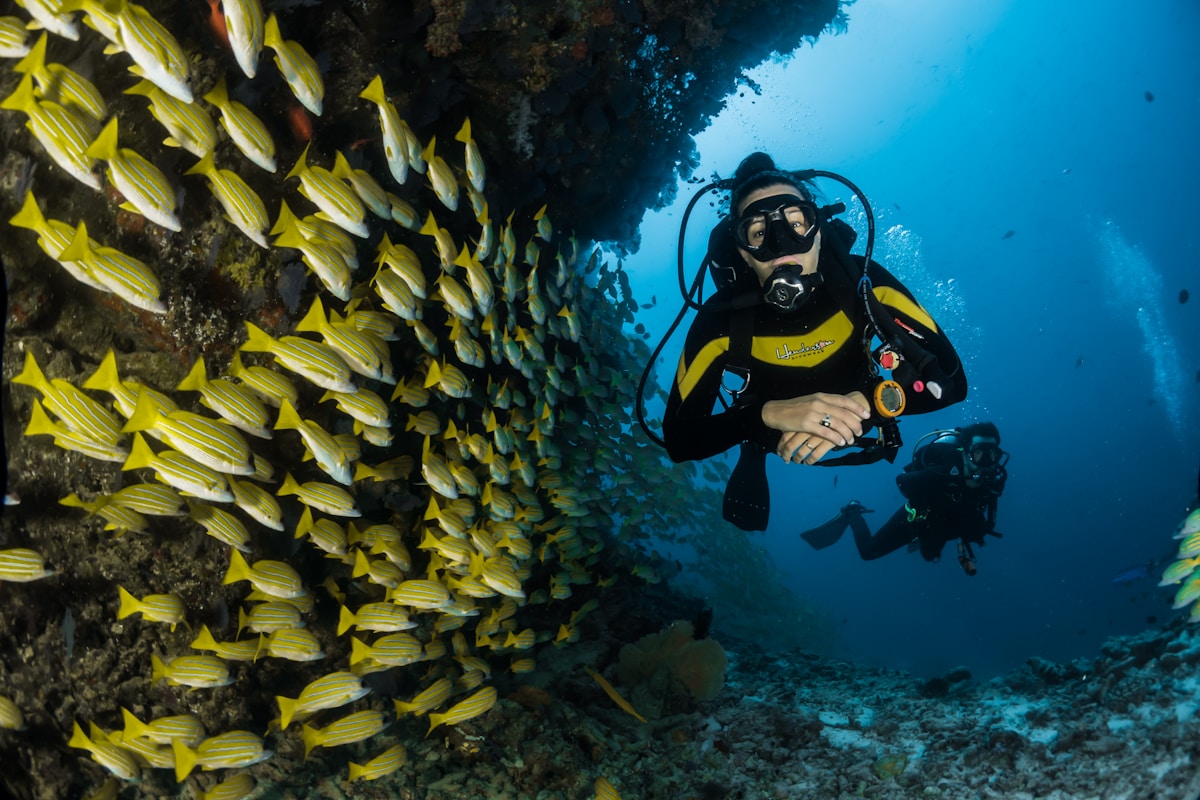
This behavior is not a product of habituation to tourist boats in the traditional sense — gray whales are wild animals and the interactions are entirely voluntary. Scientists believe it began in the 1970s when a single gray whale approached a fishing panga at San Ignacio Lagoon (another famous Baja whale lagoon, further north), and the behavior spread through the population. Whatever its origins, it is one of the most profound wildlife encounters available anywhere on Earth.
Day trips to Magdalena Bay from Cabo San Lucas involve a 2.5-hour drive north on Highway 1 to the fishing town of Puerto López Mateos, followed by a morning session in the lagoons by panga. Operators include transport, lunch, and 2–3 hours on the water. Prices run $300–$600 per person depending on group size and operator. Overnight trips are also available for those who want a full immersive experience.
The season at Magdalena Bay runs January through April, with February and March as the peak months. The SEMARNAT-permitted operators work with a strict code of conduct — limited boat numbers per area, no engine gunning, and mandatory naturalist guides on every panga.
The SEMARNAT (Mexico's Environmental Secretariat) oversees all commercial whale watching operations in Mexican waters and publishes the regulations that govern distance, vessel conduct, and permitted areas.
Interested in owning near the water in Los Cabos?
Whale season is one of many reasons the Los Cabos lifestyle is extraordinary. I specialize in finding buyers the right community — whether that is beachfront on the East Cape or a marina-adjacent condo in Cabo San Lucas.
Find My CommunityBest Tour Operators in Cabo San Lucas
The quality of your whale watching experience is heavily determined by which operator you choose. The Los Cabos tourism industry has a long tail of boat operators, and the differences between the best and the mediocre are significant — in guide quality, vessel safety, and whether the focus is on the whales or on selling you a tequila shot.
Cabo Adventures is the largest and most established adventure operator in Los Cabos. Their whale watching program uses comfortable catamarans with open decks, professional bilingual naturalist guides, and SEMARNAT-compliant protocols. Group sizes are managed, the vessels are well-maintained, and the guides genuinely know the biology. Standard tours run about $120 per person, typically 2.5–3 hours.
Cabo Expeditions is a smaller operator with an excellent reputation in the hardcore naturalist community. They run smaller vessels (better for getting closer to whale activity areas), have very knowledgeable guides with marine biology backgrounds, and place a genuine conservation focus on their programming. For serious wildlife enthusiasts, this is often the first recommendation.
Manta Cabo focuses on the premium end of the market — private charters on well-appointed vessels with custom itineraries. If you are celebrating a special occasion or want a whale watching experience that includes a gourmet lunch and a flexible itinerary, Manta Cabo is worth the premium.
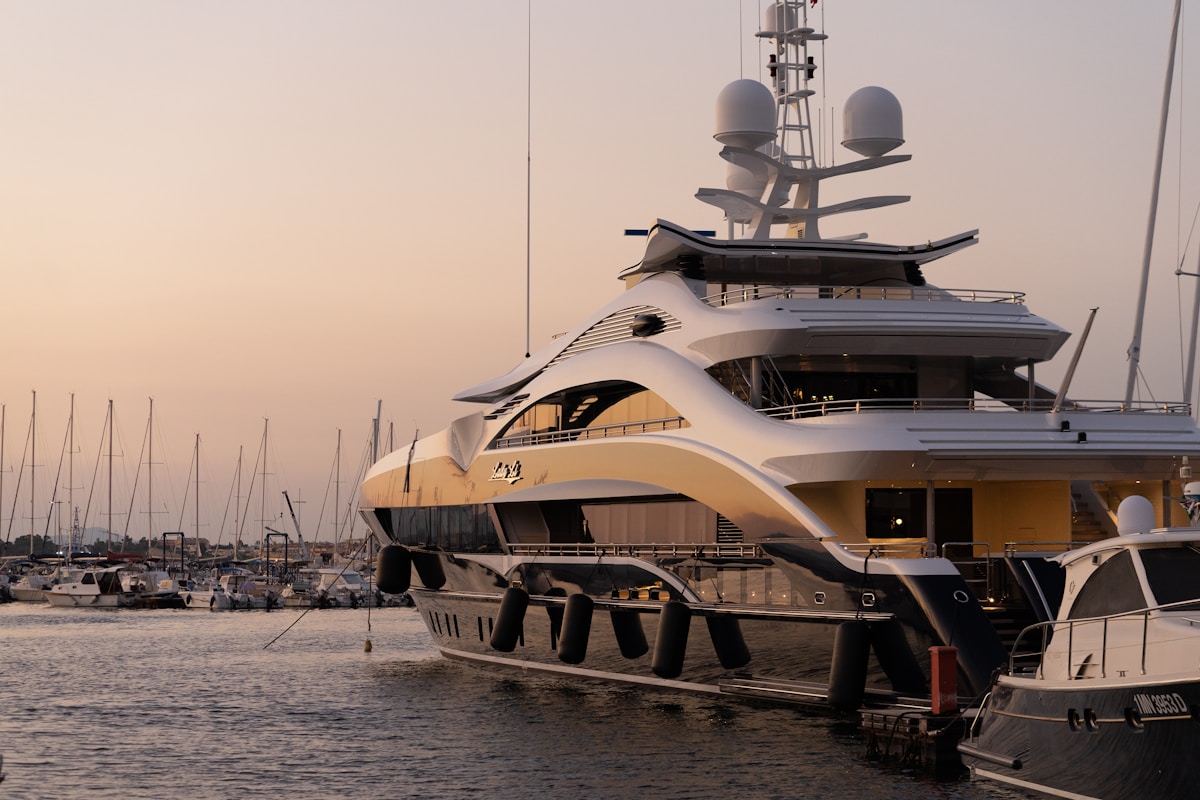
A note on booking: I recommend booking directly with operators (online or by phone) rather than through hotel concierge desks. Hotel concierges typically add a 20%–30% surcharge to any activity booking. The same tour booked directly costs meaningfully less. TripAdvisor and Viator reviews are useful for screening operators, but direct booking is always cheaper.
Pricing guide for 2026: Shared group tours, $80–$120 per person. Private half-day charter (2–4 people), $600–$1,000 total. Full-day private charter, $1,200–$2,000. Magdalena Bay day trip, $300–$600 per person. La Paz whale shark snorkeling day trip, $200–$350 per person.
Whale Sharks: A Different Extraordinary Encounter
While technically not whales — whale sharks (Rhincodon typus) are the world's largest fish, a species of shark — they are so extraordinary that they belong in any discussion of marine wildlife in Baja California.
Whale sharks aggregate in large numbers in the waters around La Paz from October through April. These are filter-feeding animals that present no danger to swimmers. Organized snorkeling encounters with whale sharks are one of the most bucket-list wildlife experiences available anywhere in the world — you enter the water alongside 30–40-foot animals as they glide slowly just below the surface, mouth open, feeding on plankton.
Cabo-based operators including Cabo Adventures and several La Paz specialists offer day trips from Los Cabos specifically for whale shark encounters. The trip involves a 45-minute flight or 3-hour drive to La Paz, a boat ride to the encounter zone, and typically 2–3 water entry sessions with the animals. SEMARNAT regulations limit group sizes, prohibit scuba equipment during encounters (to minimize disturbance), and mandate maintaining respectful distances.
The whale sharks of La Paz are documented in scientific literature — the IUCN Red List classifies whale sharks as Endangered, making the conservation context of these encounters meaningful. Responsible operators invest in citizen science programs, and passengers are often invited to contribute their underwater photographs to population monitoring databases.
For buyers and visitors based along the East Cape — particularly around Los Barriles and Zacatitos — the drive to La Paz is under 2 hours and whale shark day trips are a realistic day trip option throughout the winter-spring season.
Photography Tips for Whale Watching
Whale watching photography is challenging and deeply rewarding. A few practical tips from someone who has been on dozens of these tours.
Telephoto reach is everything. A lens in the 200–400mm range (or a superzoom equivalent) gives you flexibility to fill the frame with surface behaviors from standard tour distances. On a private charter where the captain can position the vessel more aggressively, you may find 100–200mm is sufficient. Smartphones with 3x–5x optical zoom work reasonably well in good light for social media documentation, but for print-quality shots, a dedicated camera wins.
Anticipation beats reaction. Whale behaviors — breaching, tail slapping — are preceded by subtle surface signs: accelerating bubbles, a swelling on the water surface, a pectoral fin lifting. Experienced boat guides will call the behavior before it happens. Keep your camera up and ready when conditions suggest activity.
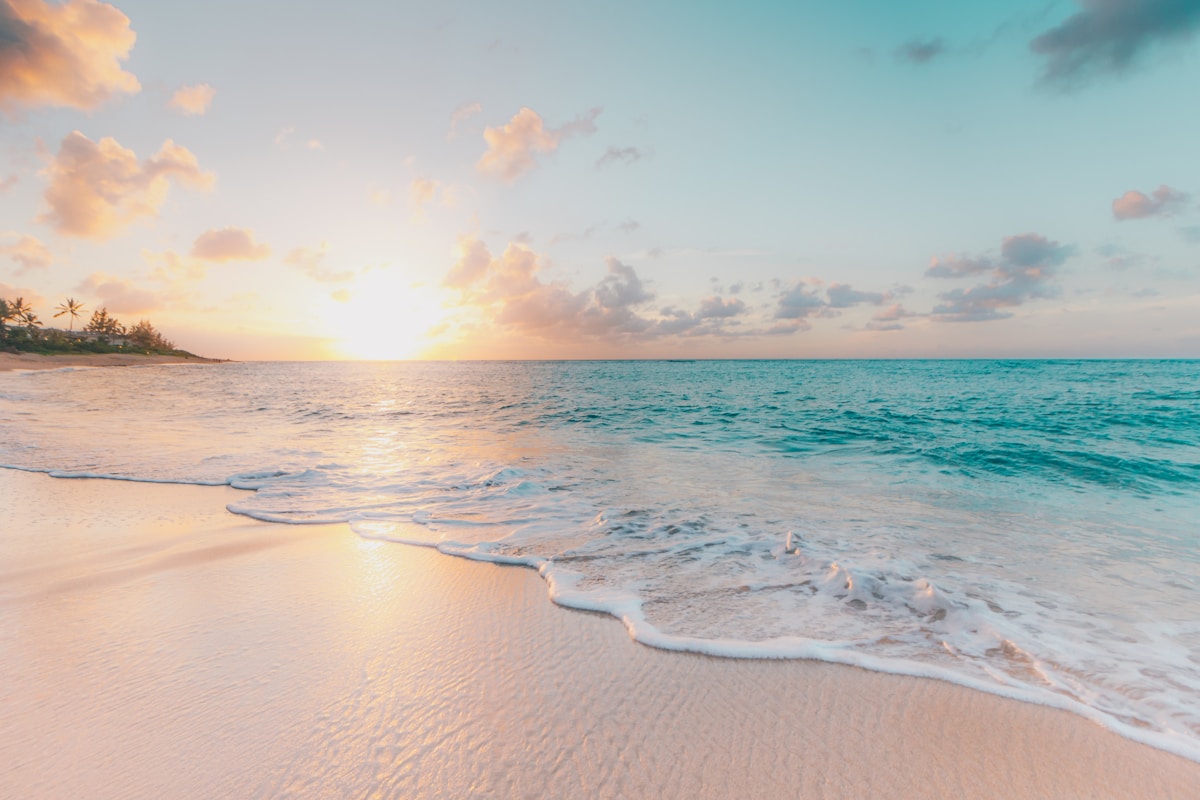
Light and timing matter enormously. Overcast days actually produce better photography conditions than harsh midday sun — even illumination, no hot-spots on the water. Morning golden hour light makes surface-active photos extraordinary. If you are booking specifically for photography, request the morning departure.
Stabilization is critical on a moving boat. Image stabilization in modern lenses and camera bodies is your friend. A monopod is useful if you are shooting with a heavy telephoto. Brace against the rail, breathe out before pressing the shutter, and shoot in bursts — you cannot predict the exact moment of maximum drama.
For underwater photography at Magdalena Bay or during whale shark snorkeling, a waterproof action camera (GoPro Hero or equivalent) mounted on a short pole allows you to submerge alongside the animals without risking a mirrorless camera. Set it to video and grab stills from the footage later — chasing individual frames underwater is frustrating.
Conservation Context and Responsible Watching
The gray whale population, once hunted nearly to extinction by commercial whaling, has recovered to approximately 20,000–27,000 animals — a conservation success story that is directly tied to the protection of Baja California's calving lagoons. The Laguna San Ignacio and Laguna Ojo de Liebre (Scammon's Lagoon, further north) are both UNESCO World Heritage Sites and Biosphere Reserves.
Humpback whale populations in the North Pacific have also recovered substantially since the end of commercial whaling, though they remain categorized as Least Concern with ongoing monitoring. The NOAA Southwest Fisheries Science Center publishes annual humpback population assessments for the North Pacific.
Responsible watching means choosing SEMARNAT-permitted operators, respecting approach distance guidelines (minimum 100 meters for boats approaching whales in open water, shorter for cases where whales approach voluntarily), and not pressuring captains to violate distance limits for a better photograph. The presence of high-quality whale watching tourism in Baja is itself a conservation mechanism — local fishing communities have economic incentives to protect the whales rather than harvest them.
Family Whale Watching: Practical Planning
Whale watching with children is one of the most genuinely magical family experiences available in Los Cabos, and one that generates stories children retell for years. A few practical considerations for families:
Children ages 5 and up are typically ready for whale watching. Younger children may struggle with the boat motion and the waiting between whale sightings. If you are bringing children under 5, book on the largest, most stable catamaran available and have seasickness medication (Dramamine or prescription scopolamine patch from a local pharmacy) on hand.
Morning departures are strongly recommended for families — calmer seas, better whale activity, and children are fresher. Afternoon departures in January–March can have 2–4-foot chop as trade winds build, which makes for an uncomfortable ride with small children.
The Magdalena Bay experience is ideal for older children (8+) who can appreciate the intimacy of the lagoon encounter. The drive north is 2.5 hours each way, so plan for a full day. Most operators include a picnic lunch at the lagoon edge — an excellent break before the afternoon panga sessions.
For a full picture of the lifestyle available to families in Los Cabos — from schools to beach access to recreational activities — my comprehensive Cabo San Lucas expat guide covers the topic in depth, and my guide to moving to Cabo walks through the practical logistics.
Whale season is not the only reason to love life in Los Cabos — but it is one of those annual reminders, for those of us who live here, that we made the right choice. When a 40-ton humpback launches itself out of the water 200 meters off your beach, the value proposition of this place clarifies itself instantly.
Want to experience whale season as a Los Cabos homeowner?
Owning here means whale season every year — from your own backyard. Let me help you find the right community and the right property to make this life yours.
Book a Call with AaronThinking about buying here rather than just visiting? Our free 33-page Buying Property in Mexico guide covers the fideicomiso, closing costs in real dollars, and the 27-point checklist we run on every property.
Frequently Asked Questions
When is whale watching season in Cabo San Lucas?+
The primary whale watching season runs from December through April, with peak activity in January and February. Humpback whales are most abundant from December through March. Gray whales pass through the Pacific side — and concentrate in Magdalena Bay — from January through April. Blue whales can occasionally be spotted in the Sea of Cortez from February onward.
How much do whale watching tours cost in Cabo?+
Standard shared whale watching tours in Cabo San Lucas run $80–$120 per person and last 2–3 hours. Private charter tours run $150–$250 per person depending on vessel size and duration. Magdalena Bay overnight or day-trip excursions are more expensive — typically $300–$600 per person including transport from Cabo, and are the most extraordinary whale encounter available in Baja.
What is the difference between whale watching in the Sea of Cortez vs the Pacific?+
The Sea of Cortez (the body of water on the east side of the Baja Peninsula) is where humpback whales congregate in winter to breed and calve. These are typically more active animals — breaching, tail-slapping, and surface-active behavior is common. The Pacific side hosts the gray whale migration route and is where you access the famous Magdalena Bay lagoons where gray whales calve in intimate, shallow water settings.
Is whale watching in Cabo good for families with children?+
Yes — whale watching is one of the best family activities in Los Cabos. Children ages 5 and up typically find it captivating. Larger catamarans provide more stability for kids prone to seasickness. Morning departures in calm conditions are recommended for young children. Most operators provide life jackets and have bilingual guides who engage kids throughout the tour.
Can you swim with whale sharks in Cabo San Lucas?+
Whale shark encounters are more reliably found around La Paz, about 100 miles north of Cabo, where whale sharks aggregate from October through April in the waters of the Bay of La Paz. Cabo-based operators offer day trips to La Paz specifically for whale shark snorkeling. The experience — swimming alongside 30-foot filter-feeding sharks — is one of the most remarkable wildlife encounters in the world.
Which whale watching tour operators in Cabo are the most reputable?+
The most reputable operators include Cabo Adventures, Cabo Expeditions, and Manta Cabo — all SEMARNAT-permitted and operating with trained naturalist guides. For Magdalena Bay, operators like Magdalena Bay Expeditions and Baja Outdoor Activities specialize in the lagoon experience with knowledgeable bilingual guides. I recommend booking directly with operators rather than through hotel concierges, which typically carry surcharges.
What is the best time of day for whale watching in Cabo?+
Morning tours (departing 7–9 AM) offer the calmest sea conditions, best light for photography, and typically highest whale activity — humpbacks tend to be more surface-active in morning hours. Afternoon tours (1–3 PM) can have choppier conditions as trade winds pick up, but sunset light makes for spectacular photography if conditions are calm.

Aaron Cuha
Real Estate Advisor & Los Cabos Market Expert
Real estate advisor and founder of Living In Cabo. 15+ years helping families navigate complex real estate decisions. Strategic partner with Ronival — Baja's largest brokerage.