Moving to Cabo San Lucas requires a valid passport, a temporary or permanent resident visa (or 180-day tourist visa for initial exploration), shipping arrangements through a licensed customs broker, and 3-6 months of planning. The total relocation cost for a couple ranges from $5,000 to $15,000 depending on shipping volume. This comprehensive checklist walks you through every step from visa applications to finding your home in Los Cabos.
Key Takeaways
- ✓ Tourist visa (180 days) requires no advance application — ideal for an initial exploratory stay
- ✓ Temporary residency requires ~$2,800/month income or ~$46,000 in savings
- ✓ Total relocation costs: $5,000-$15,000 for a couple, depending on shipping volume
- ✓ Duty-free household goods import available for temporary and permanent residents (one-time)
- ✓ Universal advice: rent for 6-12 months before buying to experience different neighborhoods
Planning Your Move to Cabo?
Our relocation team handles every detail — from finding your neighborhood to connecting you with immigration attorneys and property managers.
Schedule a Free Consultation
1. Visa Types and Immigration
Mexico offers three main pathways for foreign residents, each with different requirements and benefits.
Tourist Visa (FMM): US and Canadian citizens receive a free 180-day tourist permit upon entry. No advance application needed. This is ideal for an initial exploratory period, but you cannot work legally, open certain bank accounts, or apply for IMSS healthcare on a tourist visa. Many expats use this for their first 3-6 months while deciding on permanent relocation.
Temporary Resident Visa (Residente Temporal): Valid for 1-4 years and renewable. Allows you to live, open bank accounts, import household goods duty-free (one-time), and access IMSS healthcare. Income requirements as of 2026:
- Monthly income: ~$2,800 USD (or peso equivalent) demonstrated over 6 months
- OR savings/investments: ~$46,000 USD average balance over 12 months
- Application fee: approximately $300 USD
Permanent Resident Visa (Residente Permanente): No expiration, no need to renew. Full access to all benefits including voting rights after naturalization. Requirements:
- Monthly income: ~$4,600 USD demonstrated over 6 months
- OR savings/investments: ~$190,000 USD average balance over 12 months
- OR 4 years of temporary residency
- Application fee: approximately $400 USD
Apply at the Mexican Consulate nearest to your US or Canadian address. Processing takes 2-4 weeks. Bring original bank statements, passport photos, and completed application forms. The Mexican National Immigration Institute (INM) provides current income requirements. Once approved, you receive a visa sticker and must complete registration at the INM office in Cabo within 30 days of arrival.

2. Relocation Timeline: 6-Month Plan
A structured timeline prevents costly mistakes and reduces stress. Here is the recommended sequence:
| Timeframe | Action Items |
|---|---|
| 6 months before | Research communities, visit Cabo for 1-2 weeks, begin visa application, get medical checkups |
| 4 months before | Secure housing (rent first recommended), start decluttering, get pet health certificates, open Mexican bank account remotely if possible |
| 3 months before | Hire customs broker for shipping, get quotes from international movers, arrange mail forwarding, notify financial institutions |
| 2 months before | Pack and ship household goods, set up VoIP phone service, arrange car shipping or plan to buy in Mexico |
| 1 month before | Cancel or transfer US utilities, confirm Cabo rental, notify USPS of forwarding, gather original documents |
| Arrival week | Complete INM registration, activate bank accounts, set up internet and utilities, register with local expat groups |
3. Shipping Household Goods
Temporary and permanent residents can import household goods duty-free one time within 6 months of receiving their visa. This is a significant financial benefit worth planning around.
Shipping options:
- Full container (20ft): $3,500-$6,000 from US West Coast, $5,000-$8,000 from East Coast. Fits a 1-2 bedroom apartment worth of furniture.
- Shared container (LCL): $1,500-$3,500 depending on cubic footage. Cost-effective for smaller shipments.
- Freight forwarding (boxes only): $500-$2,000 for 10-30 boxes of personal items.
You must hire a licensed Mexican customs broker (agente aduanal) to clear your shipment. Broker fees run $800-$1,500. The process takes 2-4 weeks from port arrival to delivery. Key items NOT allowed duty-free: vehicles (separate process), new or commercial goods, weapons, and certain electronics in commercial quantities.
Pro tip: Many expats sell large furniture in the US and buy locally in Cabo. Mexican furniture is high quality, often handcrafted, and significantly less expensive. IKEA now ships to La Paz (2 hours from Cabo), and Costco and Home Depot in Cabo carry furniture and housewares.
4. Bringing Pets to Mexico
Mexico is one of the easiest countries in the world for pet importation. No quarantine is required for dogs or cats.
- Health certificate from USDA-accredited veterinarian issued within 10 days of travel
- USDA endorsement of the health certificate (obtain from your state USDA-APHIS office)
- Current rabies vaccination (at least 15 days old but not expired)
- General wellness exam confirming pet is free of parasites and infectious diseases
Airlines typically charge $125-$200 for in-cabin pets (under 20 lbs) and $200-$500 for cargo transport. Alaska Airlines and Southwest are popular for Cabo flights and have reasonable pet policies. If driving through Baja, present documentation at the border checkpoint.
Cabo has several excellent bilingual veterinarians, pet supply stores, and dog-friendly beaches. The expat community includes many pet owners, and most San Jose del Cabo and Cabo San Lucas neighborhoods are pet-friendly.
📥 Free Download: Cabo Relocation Checklist
Get our complete printable checklist covering every step of the relocation process, from visa to move-in day.
Download Free Guide5. Banking and Financial Setup
Setting up your financial life in Mexico requires some advance planning but is straightforward once you have residency.
Mexican bank account: Temporary and permanent residents can open accounts at Banorte, BBVA, Santander, and other major banks. Requirements include your resident card, passport, proof of address (utility bill or lease), and CURP (national ID number, obtained at the immigration office). Most banks in Cabo have English-speaking staff.
Recommended approach:
- Keep your US bank accounts active for receiving income and social security
- Open a Charles Schwab or Fidelity account for fee-free international ATM withdrawals
- Open a Mexican bank account for paying local bills (rent, utilities, internet)
- Use Wise (formerly TransferWise) for USD-to-MXN transfers at the best exchange rates
Tax considerations: US citizens must file US taxes regardless of where they live. Mexico considers you a tax resident if you spend more than 183 days per year in the country. The US-Mexico tax treaty prevents double taxation, as detailed by the IRS Foreign Tax Credit guidelines. Consult a cross-border tax specialist; several operate in the Cabo expat community. Annual cost for cross-border tax preparation is $500-$1,500.
6. Healthcare and Insurance
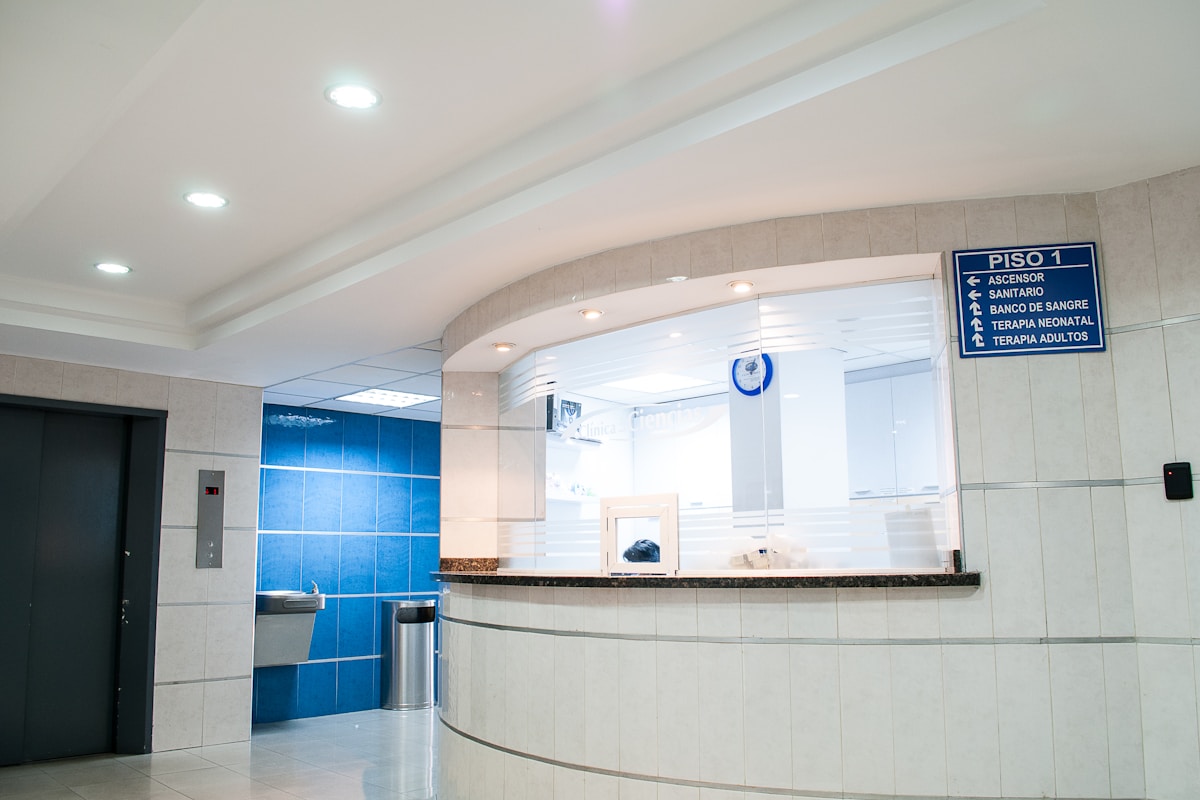
Healthcare in Cabo is modern, affordable, and largely bilingual. The medical infrastructure has grown significantly in the past decade.
Hospitals: Blue Net Hospitals (newest, full-service), H+ Hospital Los Cabos, Hospiten (Spanish chain), and AmeriMed. All have 24/7 emergency rooms, English-speaking doctors, and modern equipment.
- IMSS (public): ~$600/year per person. Covers everything including hospitalization, surgery, and prescriptions. Wait times can be longer. Available to temporary and permanent residents.
- Private Mexican insurance: $1,500-$4,000/year depending on age and coverage. Companies include GNP, AXA, and Seguros Monterrey. Shorter wait times, private rooms.
- International insurance: $2,000-$8,000/year. Companies like Cigna Global, Allianz Care, and IMG cover you in Mexico and worldwide. Best for people who travel frequently.
- US Medicare: Does NOT cover you in Mexico. Consider supplemental international coverage.
Prescription medications in Mexico cost 50-70% less than in the US. Pharmacies like Farmacia Guadalajara and Farmacia del Ahorro are well-stocked. Many medications that require prescriptions in the US are available over the counter in Mexico.

7. Schools and Education
Families with children have several quality educational options in Los Cabos:
- El Camino School: Bilingual (English/Spanish), preschool through high school, IB curriculum available. Tuition: $5,000-$10,000/year.
- Costa Azul School: Bilingual private school, strong academics, small class sizes. Tuition: $4,000-$8,000/year.
- Colegio Peninsular: Mexican curriculum with English instruction. Tuition: $3,000-$6,000/year.
- Homeschooling: Many expat families homeschool using US-based online curricula. Legal in Mexico with no registration required.
8. Internet and Staying Connected
Reliable internet is essential for remote workers and staying connected with family. Cabo's connectivity has improved dramatically.
- Telmex fiber: 100-500 Mbps plans available in most urban areas. Cost: $35-$65/month. Most reliable option.
- Totalplay fiber: 100-500 Mbps. Cost: $40-$70/month. Available in newer developments.
- Starlink: $120/month plus $599 equipment. Best for rural areas like East Cape and Todos Santos where fiber is limited.
- Cell service: Telcel has the best coverage in Baja. Plans with unlimited data start at $25/month. US carriers (AT&T, T-Mobile) include Mexico roaming at no extra cost.
Most expat communities, coffee shops, and coworking spaces in San Jose del Cabo have reliable Wi-Fi. The Flora Farms area and San Jose Art District are popular remote work hubs.
9. Finding Housing: Rent First, Buy Later
The universal expat advice is to rent for at least 6-12 months before buying. This lets you experience different neighborhoods, seasons, and lifestyle patterns before committing.
| Type | Cabo San Lucas | San Jose del Cabo | Pacific Side |
|---|---|---|---|
| Studio / 1BR | $800-$1,500 | $700-$1,200 | $600-$1,000 |
| 2BR condo | $1,200-$2,500 | $1,000-$2,000 | $900-$1,500 |
| 3BR house | $2,000-$4,000 | $1,500-$3,000 | $1,200-$2,500 |
| Luxury villa | $4,000-$10,000+ | $3,000-$8,000 | $2,500-$5,000 |
Find rentals through local Facebook groups (Cabo Real Estate, Los Cabos Expats), local agents, and platforms like Inmuebles24.com. Avoid booking long-term stays through Airbnb since you lose negotiating power and pay the platform fee. Negotiate directly with landlords for the best monthly rates.

10. Total Relocation Cost Summary
| Expense | Budget Range |
|---|---|
| Visa application and fees | $300-$500 |
| Exploratory trip (1-2 weeks) | $2,000-$4,000 |
| Shipping household goods | $2,000-$8,000 |
| Customs broker fees | $800-$1,500 |
| Pet transport (if applicable) | $500-$2,000 |
| First/last/deposit on rental | $2,400-$7,500 |
| Utility setup and deposits | $200-$500 |
| Internet installation | $50-$150 |
| Initial groceries and household | $500-$1,000 |
| Total | $8,750-$25,150 |
Many expats come in well under $10,000 by shipping minimally and furnishing locally. The biggest variable is how much furniture and personal goods you ship.
11. Your Next Steps
Start with an exploratory visit. Spend 2-3 weeks in Cabo experiencing different communities at different times of day. Visit Cabo San Lucas for energy and nightlife, San Jose del Cabo for culture and walkability, and the Pacific Side for surf lifestyle and lower costs. Read our cost of living guide for detailed monthly budgets, and explore our community guides to find your ideal neighborhood. When you are ready, contact our team for personalized relocation assistance.
Take the Next Step
From visa applications to move-in day, our relocation team makes your Cabo transition seamless. Start your journey today.
Contact Us TodayFrequently Asked Questions
What visa do I need to move to Cabo San Lucas?+
US and Canadian citizens can enter Mexico on a tourist visa (FMM) valid for up to 180 days with no advance application. For stays longer than 180 days, you need a Temporary Resident visa (valid 1-4 years, renewable) or Permanent Resident visa. Temporary residency requires proof of income of approximately $2,800 USD per month or $46,000 in savings. Permanent residency requires about $4,600 per month income or $190,000 in savings. Apply at your nearest Mexican consulate.
How much does it cost to move to Cabo?+
Total relocation costs for a couple range from $5,000 to $15,000. This includes visa fees ($300-$500), shipping household goods ($2,000-$8,000 depending on volume), pet transport if applicable ($500-$2,000), initial rent deposits (typically 2-3 months), and setup costs for utilities, internet, and furnishings. If you sell everything and start fresh in Cabo, costs can be as low as $3,000-$5,000.
Can I bring my pets to Cabo San Lucas?+
Yes. Mexico requires a health certificate from a USDA-accredited veterinarian issued within 10 days of travel, proof of current rabies vaccination, and a general health exam. No quarantine is required. Airlines charge $125-$500 per pet for cabin or cargo transport. Most Cabo rental properties and many communities are pet-friendly, but verify pet policies before signing a lease.
What is the cost of living in Cabo San Lucas?+
A comfortable lifestyle for a couple in Cabo costs approximately $3,000 to $5,000 per month. This includes rent ($1,200-$2,500 for a furnished 2-bedroom), utilities ($150-$300), groceries ($400-$600), dining out ($300-$500), healthcare ($100-$300), transportation ($200-$400), and entertainment. Luxury living can exceed $8,000 per month.
Is healthcare good in Cabo San Lucas?+
Yes. Cabo has several modern hospitals including Blue Net Hospitals, H+ Hospital Los Cabos, and Hospiten. Most doctors are bilingual. A private health insurance plan for an individual costs $1,500-$4,000 per year. IMSS (Mexico's public health system) costs about $600 per year for voluntary enrollment. Dental care, vision, and prescription medications are typically 50-70% less expensive than in the US.

Aaron Cuha
Real Estate Advisor & Los Cabos Market Expert
Real estate advisor and founder of Living In Cabo. 15+ years helping families navigate complex real estate decisions. Strategic partner with Ronival — Baja's largest brokerage.