San Jose del Cabo is the preferred retirement destination in Los Cabos, offering American retirees a walkable Art District, world-class healthcare, and a thriving expat community at $2,500-$5,000 per month. Unlike the tourist bustle of Cabo San Lucas, SJD delivers the quiet, cultural, authentically Mexican lifestyle that retirees consistently rank as their top priority.
Key Takeaways
- ✓ Comfortable retirement for couples at $2,500–$5,000/month including housing, healthcare, and dining
- ✓ Quality private healthcare at 40–70% less than U.S. costs, with English-speaking doctors
- ✓ Walkable downtown with Art District, organic markets, and colonial plaza — no car needed daily
- ✓ Established expat community of 3,000–5,000 Americans and Canadians with active social groups
- ✓ Property taxes just $300–$800/year vs. $5,000–$15,000+ for comparable U.S. properties
Planning Your Retirement in San Jose del Cabo?
Our team helps retirees find the perfect SJD property — walkable downtown condos, golf community villas, and beachfront homes.
Schedule a Free Consultation1. Why San Jose del Cabo Over Cabo San Lucas for Retirement
San Jose del Cabo attracts retirees who want culture, walkability, and a traditional Mexican town feel — not spring break energy.
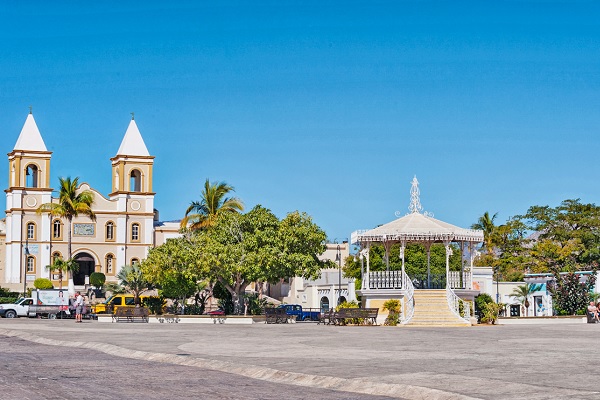
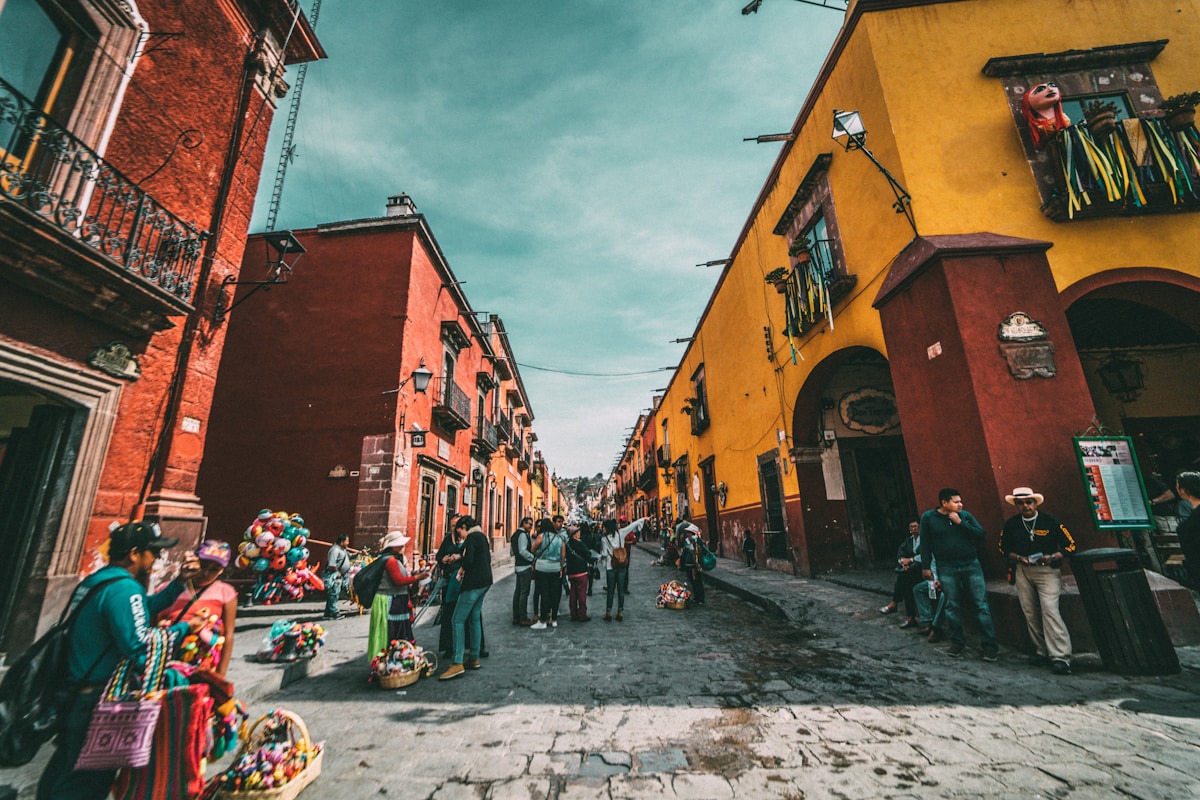
While Cabo San Lucas and San Jose del Cabo sit just 20 miles apart, they offer fundamentally different retirement experiences. Cabo San Lucas is a resort town built around tourism, nightlife, and the marina. San Jose del Cabo is a 300-year-old colonial town built around a mission church, art galleries, and a central plaza where local families gather every evening.
For retirees, the differences that matter most are:
- Walkability: Downtown SJD is flat, compact, and pedestrian-friendly. You can walk to galleries, restaurants, the organic market, pharmacies, and the plaza without a car. Cabo San Lucas requires driving for most errands.
- Cultural depth: The Thursday Art Walk, weekly organic market, art festivals, and traditional Mexican celebrations provide a rich social calendar. Cabo's social scene centers on bars and restaurants.
- Quieter pace: SJD does not have cruise ships, spring breakers, or the constant hum of tourist activity. Mornings are for coffee at French Riviera Bakery and walks along the estuary. Evenings are for plaza strolls and dinner.
- Authentic feel: SJD retains its Mexican character — cobblestone streets, local tiendas, neighborhood taquerias, and a community where you know your neighbors by name.
- Lower cost: Downtown SJD condos start 15-25% below comparable Cabo San Lucas properties.

2. Cost of Retirement: Detailed Monthly Budget
A couple can retire comfortably in San Jose del Cabo on $2,500-$5,000 per month, with the range depending on housing and lifestyle choices.
| Category | Modest | Comfortable | Luxury |
|---|---|---|---|
| Housing (rent) | $1,200-$1,500 | $1,800-$2,500 | $3,000-$5,000 |
| Groceries | $400-$500 | $500-$600 | $600-$800 |
| Dining out | $200-$300 | $400-$600 | $800-$1,200 |
| Healthcare/insurance | $200-$300 | $300-$500 | $500-$800 |
| Utilities (electric, water, internet) | $100-$150 | $150-$200 | $200-$350 |
| Transportation | $100-$150 | $150-$200 | $300-$500 |
| Entertainment | $100-$200 | $200-$400 | $500-$1,000 |
| Household help | $0 | $200-$300 | $400-$600 |
| Total (couple) | $2,300-$3,100 | $3,700-$5,300 | $6,300-$10,250 |
Homeowners who have paid off their property can subtract $1,200-$2,500 from these figures. Property taxes in Mexico are remarkably low — typically $300-$800 per year for a condo, compared to $5,000-$15,000+ for comparable US properties.
For a detailed breakdown of all living costs, see our Cost of Living in Cabo guide.
3. Healthcare for American Retirees
San Jose del Cabo offers quality private healthcare at 40-70% less than US costs, though Medicare does not cover treatment in Mexico.
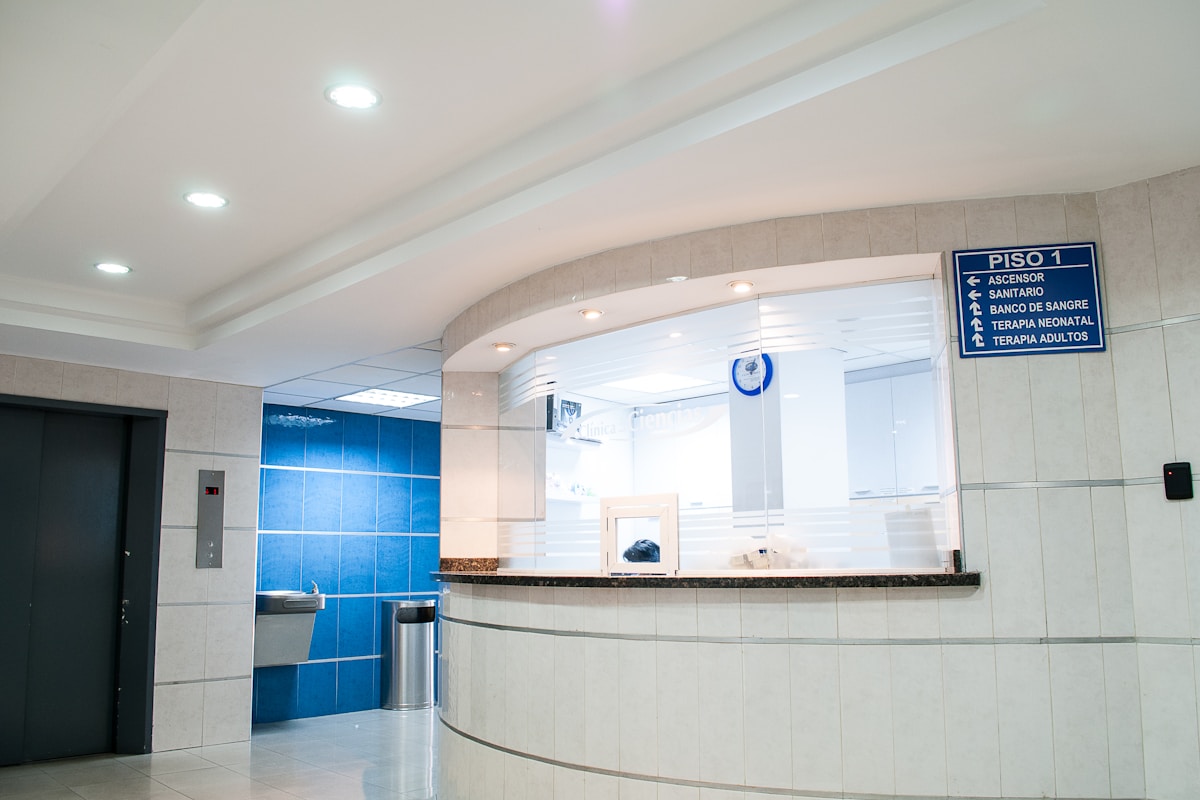
The Los Cabos region has several private hospitals with English-speaking doctors, modern equipment, and international accreditation:
- BlueNet Hospital (SJD): The newest and most modern hospital in the region, with 24/7 emergency services, specialists in cardiology, orthopedics, and internal medicine. Many doctors trained in the US or Europe. Office visits: $40-$80. Emergency room: $150-$300.
- H+ Hospital (SJD): A well-established hospital with comprehensive services including surgery, imaging, and laboratory. Known for responsive care and reasonable pricing.
- Hospiten (The Corridor): An international hospital chain with modern facilities. Popular with expats and tourists for its English-language services.
- Amerimed (Cabo San Lucas): The largest hospital in Los Cabos with full trauma and surgical capabilities. 30 minutes from downtown SJD.
Healthcare coverage options for retirees:
- International health insurance: $200-$500/month depending on age, coverage level, and deductible. Companies like Cigna Global, Allianz Care, and GeoBlue offer plans designed for US expats in Mexico. These cover private hospitals in Mexico and the US.
- IMSS (Mexican social security): Foreign residents can enroll in IMSS for approximately $500/year. Covers hospital care, medications, and specialist visits at public facilities. Wait times are longer, but coverage is comprehensive.
- Cash pay: Many retirees pay out-of-pocket for routine care given the low costs. A doctor visit ($40-$80), dental cleaning ($60-$100), and prescription medications (often 50-80% less than US prices) make cash pay practical for everyday healthcare.
4. A Day in the Life of a Retiree in San Jose
Daily life in San Jose del Cabo revolves around morning walks, coffee rituals, cultural engagement, and a relaxed social pace.
Here is what a typical day looks like for many American retirees:
Morning (6:30-9:00 AM): Start with a walk along the San Jose estuary — a protected bird sanctuary where you will see herons, pelicans, and frigate birds. The estuary path connects to the beach at the river mouth. Afterward, coffee at French Riviera Bakery on Alvaro Obregon — the unofficial expat meeting point where you will see familiar faces every morning. Fresh pastries, strong coffee, and conversation.
Mid-morning (9:00 AM-12:00 PM): Errands on foot — pick up produce at the Huerta organic market (Saturday mornings) or shop at Mega or Soriana for weekly groceries. Visit the farmacia, stop at the bank, or browse a gallery. Everything is walkable from downtown.
Afternoon (12:00-4:00 PM): Lunch at a local restaurant — comida corrida (set lunch) at a neighborhood spot costs $5-$8 for soup, main course, drink, and dessert. Afternoons are for reading, swimming, or an afternoon nap. Some retirees take Spanish classes (group classes $10-$15/session) or volunteer with local organizations.
Evening (5:00-9:00 PM): Walk to the plaza where families gather, children play, and vendors sell fresh fruit. Thursday evenings mean the Art Walk — wine, gallery openings, and socializing with the expat and local community. Dinner at one of downtown's restaurants, then home on foot.

📥 Free Download: Relocation Checklist
Our step-by-step retirement relocation checklist covers visas, healthcare, banking, pets, and everything in between.
Download Free Guide5. The Expat Social Scene
San Jose del Cabo has a well-established expat community of approximately 3,000-5,000 Americans and Canadians with organized social groups, volunteer opportunities, and regular events.
Social connection is one of the top concerns for potential retirees — and one of SJD's greatest strengths. The community is large enough to offer diverse social options but small enough that you will know people by name within weeks.
- Los Cabos Expat Group (Facebook): The largest online community with 15,000+ members. Daily posts about events, recommendations, buying/selling, and newcomer questions.
- Rotary Club of San Jose del Cabo: Active chapter with weekly meetings and community service projects. A great way to meet engaged, community-minded expats.
- Volunteer opportunities: The Humane Society of Los Cabos, local school tutoring programs, and community beautification projects welcome English-speaking volunteers.
- Church communities: Several English-language church services cater to the expat community, including non-denominational and Catholic services.
- Activity groups: Walking groups, book clubs, cooking classes, Spanish conversation tables, yoga on the beach, and golf groups at Puerto Los Cabos courses.

6. Residency Visa for Retirees
American retirees need a Temporary or Permanent Resident visa to live in Mexico legally beyond 180 days — tourist visas are not sufficient for long-term retirement.
Temporary Resident Visa (Residente Temporal):
- Valid for 1 year, renewable up to 4 years
- Income requirement: approximately $2,800 USD/month (or $46,000 in savings/investments)
- Allows you to open bank accounts, sign leases, and own property
- Does NOT allow you to work in Mexico
- Apply at a Mexican consulate in the US before moving
Permanent Resident Visa (Residente Permanente):
- No expiration — valid for life
- Income requirement: approximately $4,200 USD/month (or $185,000 in savings)
- Same benefits as Temporary plus no renewal hassle
- Available directly or after 4 years on a Temporary visa
- Also available to those over 65 at reduced income thresholds in some cases
The application process takes 2-4 weeks at a Mexican consulate in the US. You will need proof of income (pension statements, Social Security, investment accounts), a valid passport, and completed application forms. Many retirees use an immigration attorney ($500-$1,500) to streamline the process.
7. Banking and US Tax Obligations
US citizens must file federal tax returns regardless of where they live, and Social Security payments continue to deposit normally while you reside in Mexico.
Banking in Mexico:
- Major Mexican banks (BBVA, Santander, Banorte, HSBC) offer accounts to foreign residents with a valid visa
- Online banking is available in English at most major banks
- ATM withdrawals from US accounts work at most machines — Charles Schwab and Fidelity reimburse international ATM fees
- Wire transfers from US banks to Mexican accounts take 1-3 business days
- Many retirees maintain both US and Mexican accounts
Tax obligations:
- US citizens file federal returns annually — this does not change when you move abroad
- Social Security income is not taxed by Mexico under the US-Mexico tax treaty
- The Foreign Earned Income Exclusion (FEIE) can exclude up to $126,500 (2026) of earned income from US taxes
- FBAR reporting is required if your foreign accounts exceed $10,000 at any point during the year
- Property taxes in Mexico are minimal — $300-$800/year for most condos
- Consult a cross-border tax specialist to optimize your situation

8. Bringing Your Pets to Mexico
Bringing dogs and cats to Mexico requires a health certificate issued within 10 days of travel and proof of current vaccinations — no quarantine is required.
Mexico is one of the most pet-friendly countries for expats. Requirements:
- Health certificate from a US-licensed veterinarian dated within 10 days of travel
- Current rabies vaccination (more than 15 days but less than 1 year before travel)
- USDA endorsement of the health certificate (contact your state APHIS office)
- No breed restrictions or quarantine period
San Jose del Cabo is very pet-friendly. The estuary walk is popular with dog owners, many restaurants allow dogs on patios, and veterinary care is affordable ($30-$50 for a standard visit). There are several English-speaking veterinarians in the area.
9. Best Neighborhoods for Retirees
The best neighborhood depends on your budget, mobility preferences, and desired lifestyle — downtown SJD offers walkability while surrounding communities provide more space and amenities.
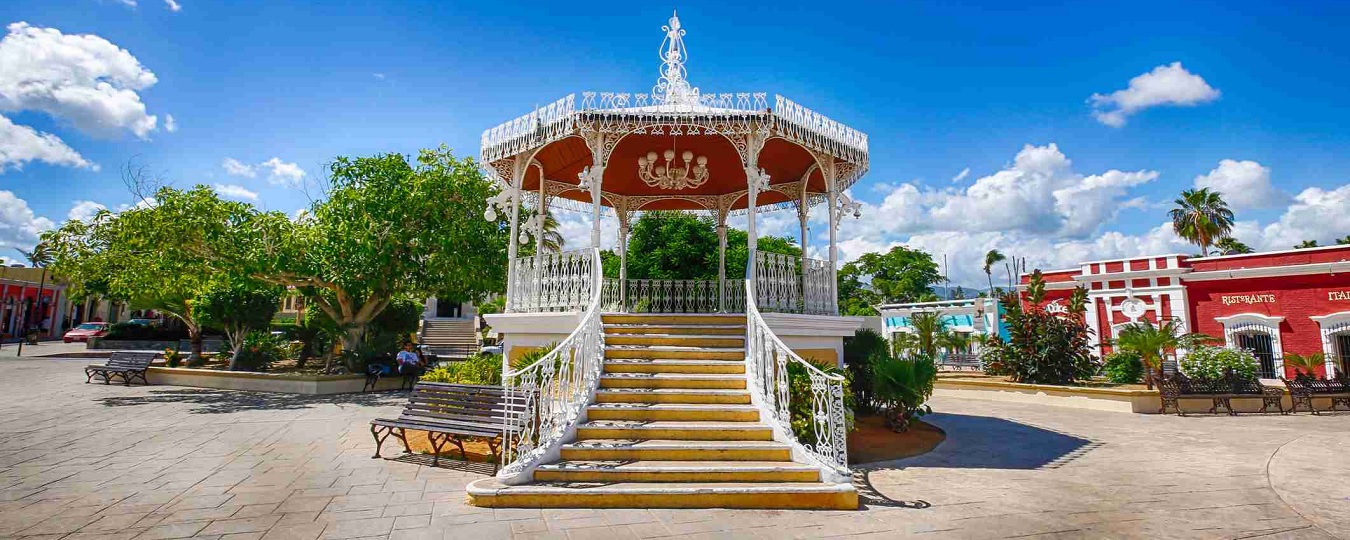
Downtown San Jose del Cabo ($350K-$750K condos): The top choice for retirees who want walkable daily life. Steps from galleries, restaurants, the plaza, and the organic market. Colonial charm, tight-knit community, no car needed. Trade-off: smaller lots, street noise, limited parking.
Puerto Los Cabos ($400K-$4M): A master-planned community 10 minutes from downtown with two golf courses (Nicklaus + Norman), a marina, beach club, and resort amenities. Ideal for active retirees who want golf, tennis, and resort-style living with easy access to SJD's cultural scene.
Palmilla ($1.5M-$15M): The premier luxury community on the Tourist Corridor with the One&Only resort, a Jack Nicklaus golf course, and some of the most stunning oceanfront estates in Mexico. For retirees with larger budgets who want privacy, prestige, and world-class amenities.
La Playita ($128K-$1.9M): A laid-back fishing village on the eastern edge of SJD. The most affordable beachfront option in the area, with a charming local character. Surfers, fishermen, and budget-conscious retirees love La Playita's authenticity.
10. Start Your San Jose del Cabo Retirement
San Jose del Cabo offers the rare combination of culture, community, affordability, and quality healthcare that American retirees consistently rank as their top priorities. The walkable Art District, established expat network, and proximity to modern hospitals make it one of Mexico's best retirement destinations.
Read our comprehensive San Jose del Cabo Real Estate Guide for property options, or explore the How to Move to Cabo guide for the full relocation roadmap. When you are ready, contact our team for a personalized consultation on retirement properties in San Jose del Cabo. For visa requirements, the U.S. State Department Mexico page provides current travel and residency information. The Mexico National Immigration Institute (INM) publishes updated visa requirements for foreign nationals.
Take the Next Step
Ready to start your San Jose del Cabo retirement? Our team provides personalized property tours and relocation guidance.
Contact Us TodayFrequently Asked Questions
How much does it cost to retire in San Jose del Cabo?+
A comfortable retirement in San Jose del Cabo costs $2,500-$5,000 per month for a couple. This includes rent ($1,200-$2,500), groceries ($400-$600), healthcare ($200-$500 for insurance), dining out ($300-$600), utilities ($100-$200), transportation ($100-$200), and entertainment ($200-$400). Homeowners with no mortgage can live well on $2,000-$3,500/month.
Does Medicare work in Mexico?+
No. Medicare does not cover healthcare in Mexico. American retirees in San Jose del Cabo use international health insurance ($200-$500/month depending on age and coverage), Mexican national health insurance (IMSS, approximately $500/year), or pay out-of-pocket at private hospitals where costs are 40-70% less than the US. Many retirees combine international insurance with local cash-pay for routine care.
What visa do American retirees need to live in Mexico?+
American retirees need a Temporary Resident visa (1-4 years, renewable) or Permanent Resident visa. The Temporary Resident visa requires proof of monthly income of approximately $2,800 USD or savings of $46,000 USD. Permanent Residency requires $4,200/month income or $185,000 in savings. After 4 years on a Temporary visa, you can convert to Permanent.
Do I still pay US taxes if I retire in Mexico?+
Yes. US citizens must file federal tax returns regardless of where they live. However, the Foreign Earned Income Exclusion (FEIE) and Foreign Tax Credit can reduce your tax burden. Social Security is taxable in the US but not in Mexico under the tax treaty. Consult a cross-border tax specialist — firms like Greenback Expat Tax Services and Bright!Tax specialize in US-Mexico tax situations.
Is San Jose del Cabo safe for American retirees?+
Yes. San Jose del Cabo is one of the safest cities in Mexico, with crime rates comparable to mid-size US cities. The downtown and surrounding communities have active police presence, gated neighborhoods, and a welcoming local culture. The expat community is well-established with support networks, social groups, and English-speaking services.
Can I receive Social Security payments while living in Mexico?+
Yes. Social Security payments continue to deposit normally while you reside in Mexico. You can receive payments via direct deposit to a US bank account and access funds through ATMs in Mexico. The Social Security Administration requires periodic proof of life, which can be completed at the US Embassy or Consulate. Social Security income is not taxed by Mexico under the US-Mexico tax treaty.
What is the expat community like in San Jose del Cabo?+
San Jose del Cabo has an established expat community of approximately 3,000 to 5,000 Americans and Canadians. Social groups include the Rotary Club, volunteer organizations, book clubs, walking groups, and activity-based meetups. The community is welcoming to newcomers, and most people report making friends within their first weeks. The Thursday Art Walk is a popular weekly social gathering point.
Can I bring my pets when I retire to Mexico?+
Yes. Dogs and cats require a health certificate issued within 10 days of travel and proof of current rabies vaccination. No quarantine is required. San Jose del Cabo is very pet-friendly with estuary walking trails popular among dog owners, outdoor restaurant patios that welcome pets, and affordable veterinary care at $30 to $50 per visit.

Aaron Cuha
Real Estate Advisor & Los Cabos Market Expert
Real estate advisor and founder of Living In Cabo. 15+ years helping families navigate complex real estate decisions. Strategic partner with Ronival — Baja's largest brokerage.