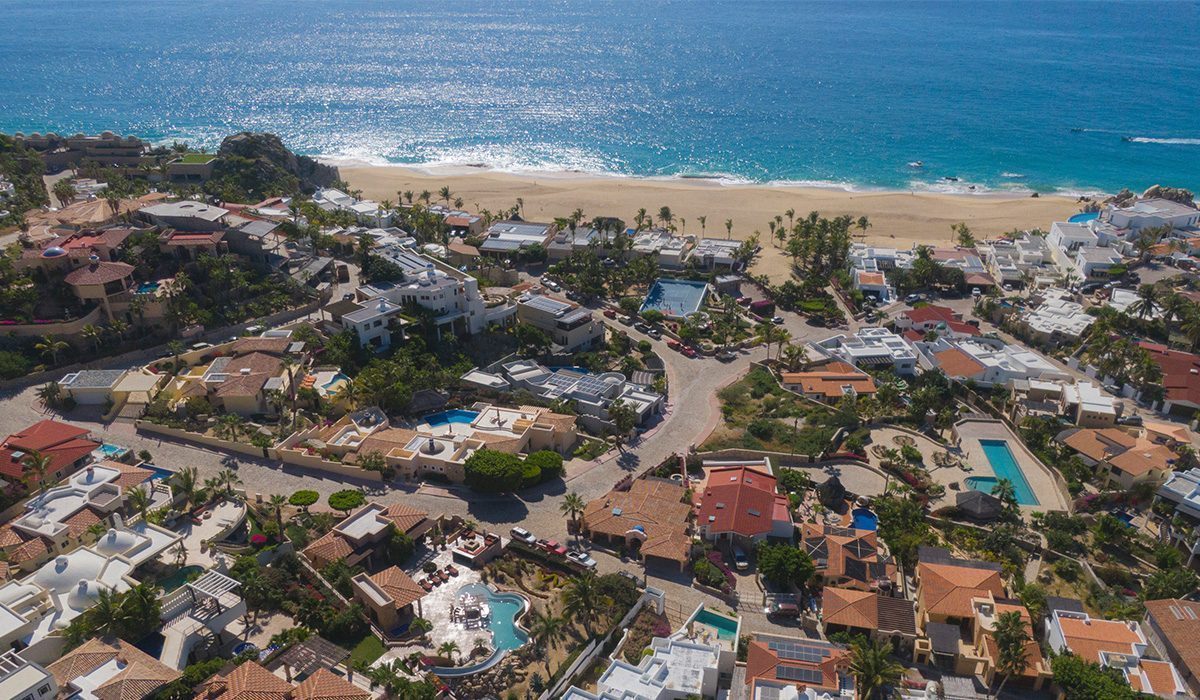
Two Great Markets, One Big Decision
Every week I talk to buyers who have narrowed their Mexican beach property search to two cities: Cabo San Lucas and Cancun. Both are world-class destinations, both allow foreign ownership, and both offer the warm-weather lifestyle that draws North Americans south of the border.
But they are fundamentally different markets — in climate, geography, real estate pricing, rental dynamics, and the lifestyle they deliver. After years of working Los Cabos real estate and closely tracking the Riviera Maya market, here is my honest, data-driven comparison.
- Cabo commands higher per-square-foot prices in the luxury tier; both markets start near $250K for entry condos
- Cancun has significantly more hurricane exposure — Cabo's storm frequency is roughly 4x lower
- Los Cabos luxury rentals average higher nightly rates ($1,500–$4,000+) while Cancun benefits from year-round occupancy
- Cabo's appreciation in the luxury segment has outpaced Cancun's over the past decade (60–90% vs 40–60%)
- Both markets use fideicomiso trusts for foreign ownership — the legal process is identical in each city

Climate: Desert vs Tropical Jungle
This single factor drives more buyer preference than any other. The two cities sit on opposite ends of Mexico's climate spectrum.
Los Cabos enjoys a Sonoran Desert climate softened by Pacific and Sea of Cortez breezes. You get 350+ sunny days per year, low humidity (30–50% average), and temperatures that stay comfortable year-round — highs of 75–85°F in winter and 88–95°F at peak summer. The air is dry and the landscape is dramatic: cacti, rocky volcanic peaks, turquoise water.
Cancun is tropical. Humidity regularly hits 70–85%, summers feel oppressive to many North Americans, and the lush jungle backdrop is genuinely beautiful. The Yucatan's wet season runs June–October, overlapping almost perfectly with hurricane season.
For buyers who plan to live in their property year-round or winter long-term, Cabo's climate is consistently preferred. For buyers seeking a vacation property they will use for short bursts, Cancun's year-round warmth and party energy works well.
Hurricane Risk: A Critical Investment Factor
Hurricane risk is not just a lifestyle question — it is a property insurance, maintenance cost, and resale value question.
Cancun sits in the main Atlantic hurricane corridor. The Yucatan Peninsula has been directly hit by 12 named storms since 1980, including two Category 5 events. Hurricane Wilma (2005) caused billions in damage and forced a complete rebuild of the Hotel Zone. Insurance premiums in Quintana Roo reflect this elevated risk — expect $3,000–$8,000 per year for a standard condo, more for beachfront units.

Los Cabos sits on the Pacific side of the Baja Peninsula. The Sea of Cortez typically weakens Pacific storms before they reach the tip. Major hurricane landfalls are rare — Hurricane Odile (Category 4) in 2014 was the worst in recent memory and caused significant damage, but before that the area had not seen a major storm in decades.
Property insurance in Los Cabos averages $1,500–$4,000 per year for equivalent coverage. That annual premium difference ($1,500–$4,000 saved) compounds significantly over a 20-year hold period.
For the National Hurricane Center's historical track data, you can directly compare the density of storm tracks for each region — the Yucatan is saturated, Baja California is sparse.
Real Estate Prices: Cabo vs Cancun Side by Side
Both markets have a wide price range depending on location, views, and amenities. Here is how they stack up by tier in 2026:
Entry-Level Condos ($200K–$450K USD)
Cabo: 1–2 BR condos in communities like Cabo Corridor, Pedregal entry units, or inland San Jose del Cabo. Expect 700–1,100 sq ft.
Cancun: Studio to 2BR units in secondary Hotel Zone or Puerto Cancun. Broadly comparable square footage and amenities.
Mid-Market ($450K–$1.2M USD)
Cabo: Oceanview condos at Pedregal, Palmilla area developments, or Sea of Cortez-view properties in East Cape. Strong rental fundamentals.
Cancun: Beachfront condos in the Hotel Zone, pre-construction towers in Tulum or Playa del Carmen (Riviera Maya submarket). More inventory, more competition.
Luxury ($1.2M–$8M+ USD)
Cabo: Gated communities like Diamante, Querencia, Chileno Bay, and Costa Palmas. These properties have posted 60–90% appreciation over 10 years.
Cancun: Luxury is concentrated in Cancun's Zona Hotelera penthouses and Tulum's ultra-luxury eco segment. Pricing is aggressive but sustained appreciation is less consistent.
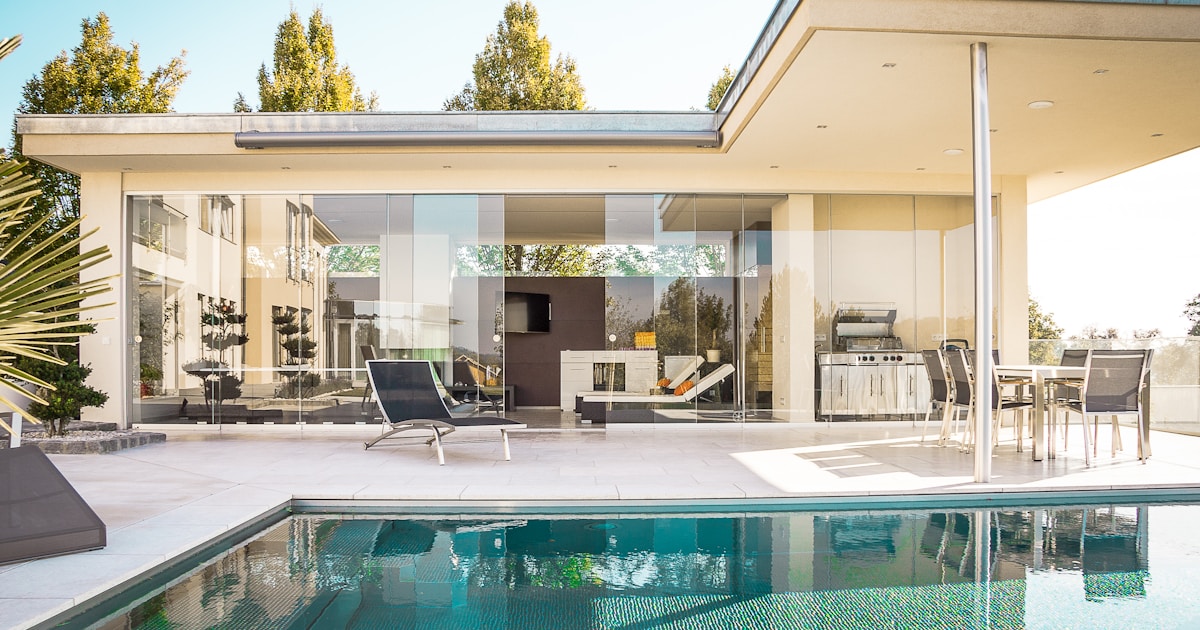 Request a Free Cabo Investment Analysis — Compare Properties in Your Budget →
Rental Income & Yields: Which Market Cash-Flows Better?
Both cities are short-term rental powerhouses. The right answer depends on your price point and rental strategy.
Los Cabos attracts a wealthier visitor profile — average daily rate for vacation rentals runs $400–$600 for a 2BR condo and $1,500–$4,000+ for a luxury villa. The peak season (November through April) is extremely tight; occupancy during whale watching season and holidays hits 90–95%. Off-season (July–September) occupancy dips to 55–65%.
Cancun's STR market is driven by volume. Average daily rates are lower — $150–$250 for a 2BR condo — but the year-round warm tropical climate means occupancy stays elevated even in summer. Annual occupancy for well-managed Hotel Zone properties typically runs 70–80% year-round.
Gross yield comparison for a $600K USD property:
Cabo: ~$60,000–$80,000 gross annual rental revenue → 10–13% gross yield
Cancun: ~$45,000–$65,000 gross annual rental revenue → 7.5–11% gross yield
Net yields after management fees (25–35% in both markets), HOA, insurance, and utilities typically land between 5–8% in Cabo and 4–7% in Cancun. For detailed Cabo yield modeling, see my vacation rental ROI breakdown.
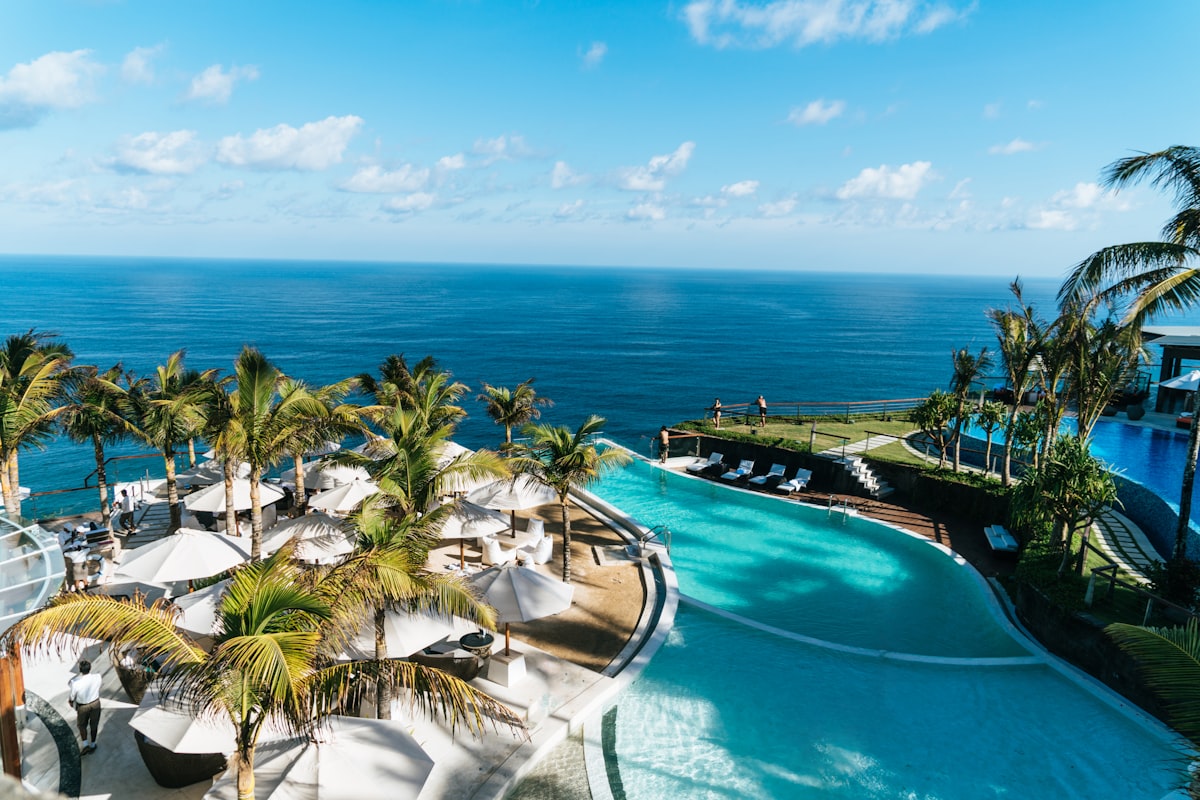
Tourism & Visitor Volume: The Demand Foundation
Tourism numbers underpin both rental demand and long-term property appreciation. Here is where the two markets diverge significantly in scale.
Cancun is Mexico's most visited destination. The SECTUR tourism data consistently shows Cancun and the Riviera Maya corridor receiving 10–12 million international visitors annually. Cancun International Airport (CUN) is Mexico's second-busiest airport.
Los Cabos International (SJD) handles 4–5 million international passengers annually — smaller volume but extremely high average spend per visitor. The Los Cabos Tourism Board reported average visitor spend of $1,200–$1,800 per person per trip in 2025, among the highest in Mexico.
What does this mean for investors? Cancun's higher volume protects against demand dips. Cabo's higher-spend visitor base protects premium pricing and premium rental rates. Neither market is fragile from a demand standpoint.
Flight Access: How Easy Is It to Get There?
Ease of access affects both your personal use and your rental pool. Both cities are well-served but Cancun has the edge in raw connectivity.
Cancun (CUN) offers nonstop service from 70+ U.S. and Canadian cities, including multiple daily flights from every major hub. Flight times range from 2.5 hours (Miami) to 4.5 hours (Los Angeles).
Los Cabos (SJD) has nonstop service from 30+ U.S. cities and excellent connectivity from the West Coast — just 2 hours from Los Angeles, 2.5 hours from San Francisco, 3.5 hours from Dallas. East Coast travelers need to connect, typically through Dallas, Houston, or Los Angeles.
For West Coast buyers, Cabo is actually more convenient than Cancun. For East Coast and Midwest buyers, Cancun's direct connectivity gives it an edge. This matters for personal use frequency and for attracting East Coast renters.
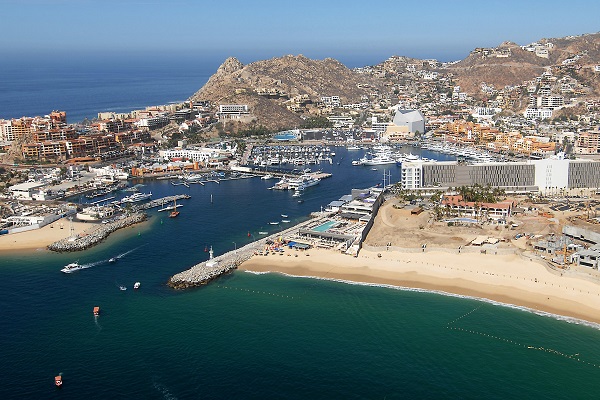
Safety: A Grounded Look at Both Markets
Safety is the number-one question I get from buyers considering Mexico. Both cities are far safer for tourists and property owners than the headlines suggest, but context matters.
The U.S. State Department rates Baja California Sur (home to Los Cabos) at Level 2: Exercise Increased Caution — the same rating as France and dozens of other popular travel destinations. The tourist corridor in Los Cabos (Corridor Turistico, downtown Cabo, San Jose del Cabo) is well-patrolled and incidents involving tourists are rare.
Quintana Roo (Cancun) also carries a Level 2 advisory at the state level. Crime in the Hotel Zone is low; issues are concentrated in non-tourist areas of the state.
Practically speaking, buyers in both markets report feeling safe in resort corridors and gated communities. I would not hesitate to recommend either market on safety grounds, with the normal advisement to stay in well-known tourist and residential areas.
Expat Community & Lifestyle Comparison
The community you join matters as much as the property you buy. The social fabric in Cabo and Cancun is quite different.
Los Cabos has roughly 15,000–20,000 full-time foreign residents. The community skews toward successful retirees, semi-retired professionals, and an active remote-working younger demographic. There are active golf clubs, fishing tournaments, charity events, and a tight social network. The pace is relaxed — people come to decompress. See my full expat guide to Cabo for a deep dive.
Cancun's foreign resident population exceeds 30,000 and is younger, more transient, and more diverse in origin. The nightlife and entertainment scene is world-class. Playa del Carmen (45 minutes south) has become a major digital nomad hub with co-working spaces and a strong European expat presence.

If you want a quieter, smaller-community feel with golf, fishing, and whale watching — Cabo is your answer. If you want energy, nightlife, diverse food, and an international crowd year-round — Cancun/Playa del Carmen delivers.
Legal Ownership: Identical Process, Different Nuances
Foreign buyers in both cities must use a fideicomiso (bank trust) since both sit within Mexico's Restricted Zone (within 50 km of the coast). The mechanics are identical: a Mexican bank holds legal title on your behalf for a renewable 50-year period. You retain full beneficial ownership rights — to use, rent, sell, or bequeath the property.
Trust setup costs $1,500–$2,000 USD in both markets; annual fees run $500–$700. Total closing costs in both markets run 4–7% of the purchase price. See our complete fideicomiso guide and closing costs breakdown for detail.
One nuance: Cabo's notarios (real estate attorneys) are highly experienced with U.S. and Canadian buyers and the closing process is well-established. The Cancun market, with higher transaction volume, also has a mature ecosystem but a slightly higher incidence of developer-side issues in pre-construction projects — due diligence on developer track record is essential.
2026 Investment Outlook: Which Market Wins?
I am asked this directly every week, so here is my honest assessment.
For pure luxury investment with strong appreciation and premium rental rates — Los Cabos is the stronger market. The combination of limited developable land (the tip of Baja is finite), a wealthier visitor base, lower hurricane risk, and a maturing luxury infrastructure puts it ahead for the $600K–$8M buyer.
For volume-driven STR investing at the $250K–$500K level with year-round occupancy — Cancun and the broader Riviera Maya corridor can generate competitive returns, especially in emerging submarkets like Tulum and Puerto Morelos. Pre-construction plays carry higher risk but also higher upside in that market.
The bottom line: if I am deploying serious capital into Mexican beach real estate in 2026, I am putting it in Los Cabos. The demand quality, climate, land scarcity, and appreciation track record are hard to beat. See our full Cabo investment thesis for 2026.
Schedule a Free 30-Minute Call — Let's Find Your Perfect Market Fit →Still have questions? Check out our Los Cabos Buyer's Resource Guide or reach out directly through the contact page — I respond personally to every inquiry.
Frequently Asked Questions
Is Cabo San Lucas or Cancun more expensive for real estate?+
Cabo runs higher on a per-square-foot basis at the luxury end — oceanfront condos in communities like Palmilla and Pedregal start around $900/sq ft versus $600–$750/sq ft in Cancun's Hotel Zone. Entry-level condos are similarly priced in both markets, ranging from $250,000 to $400,000 USD, but Cabo's median sale price is roughly 15–20% higher overall.
Which market has better rental yields — Cabo or Cancun?+
Both markets produce strong short-term rental yields of 8–12% gross annually for well-managed properties. Cabo edges ahead for ultra-luxury villas (average nightly rate $1,500–$4,000) during peak season November–April, while Cancun benefits from year-round demand driven by its 12-month warm season and higher volume of budget and mid-tier travelers.
Is Cabo safer than Cancun for property owners and tourists?+
Los Cabos has consistently ranked among Mexico's safest tourist destinations. The U.S. State Department places Los Cabos in Baja California Sur, a Level 2 (Exercise Increased Caution) state, while parts of Quintana Roo around Cancun are also Level 2. Crime in tourist zones in both cities remains relatively low, but Cabo's smaller, more contained resort corridor generally feels more controlled.
Does Cancun have more hurricane risk than Cabo?+
Yes, significantly. Cancun sits directly in the Atlantic hurricane belt and has been hit by multiple Category 4–5 storms including Hurricane Wilma (2005) and Hurricane Gilbert (1988). Cabo lies on the Pacific/Sea of Cortez side and while it can receive hurricanes — Hurricane Odile (Cat 4) struck in 2014 — major storm events are far less frequent and the season is shorter.
Which city has better flight access from the US?+
Cancun (CUN) handles over 25 million passengers per year and offers nonstop service from more than 60 U.S. cities. Los Cabos International (SJD) serves roughly 8–10 million passengers annually with nonstop flights from 30+ U.S. cities including direct routes from New York, Chicago, Dallas, Los Angeles, and Houston. For most American buyers, both destinations are equally accessible.
Which market has seen stronger appreciation over the past decade?+
Los Cabos has posted stronger appreciation in the luxury segment — average prices at top communities have risen 60–90% over 10 years. Cancun's pre-construction condo market has been hot, but significant oversupply in the mid-tier segment has dampened overall appreciation. Both markets accelerated sharply in 2021–2023 post-pandemic.
Can I get a fideicomiso (bank trust) to own property in either city?+
Yes. Both Cabo San Lucas and Cancun are within Mexico's Restricted Zone (50km from the coast), so foreign buyers use a fideicomiso trust through a Mexican bank to hold title. The process is identical in both locations. Trust setup costs approximately $1,500–$2,000 USD and annual fees run $500–$700. Learn more in our guide to the fideicomiso.
What is the expat community like in each city?+
Los Cabos has roughly 15,000–20,000 full-time foreign residents, predominantly American and Canadian retirees and remote workers drawn to the desert-meets-ocean lifestyle. Cancun's foreign resident population is larger and more diverse — over 30,000 — including Europeans, South Americans, and a large digital nomad contingent attracted by lower costs and year-round warmth.

Aaron Cuha
Real Estate Advisor & Los Cabos Market Expert
Real estate advisor and founder of Living In Cabo. 15+ years helping families navigate complex real estate decisions. Strategic partner with Ronival — Baja's largest brokerage.