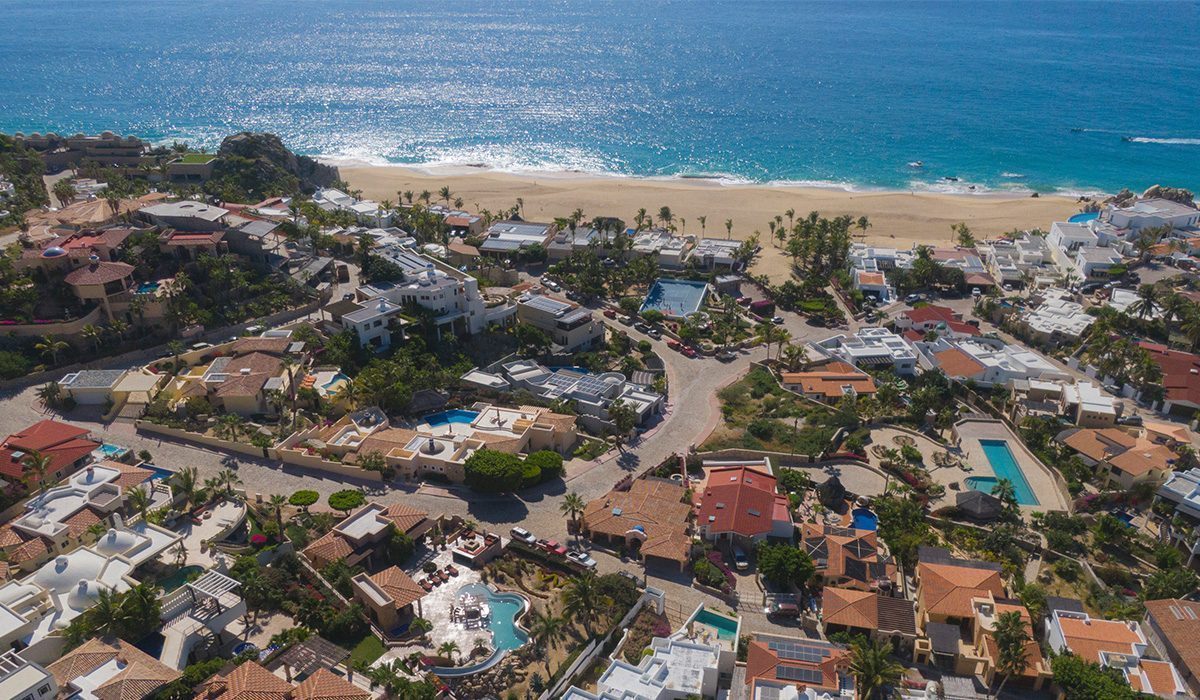
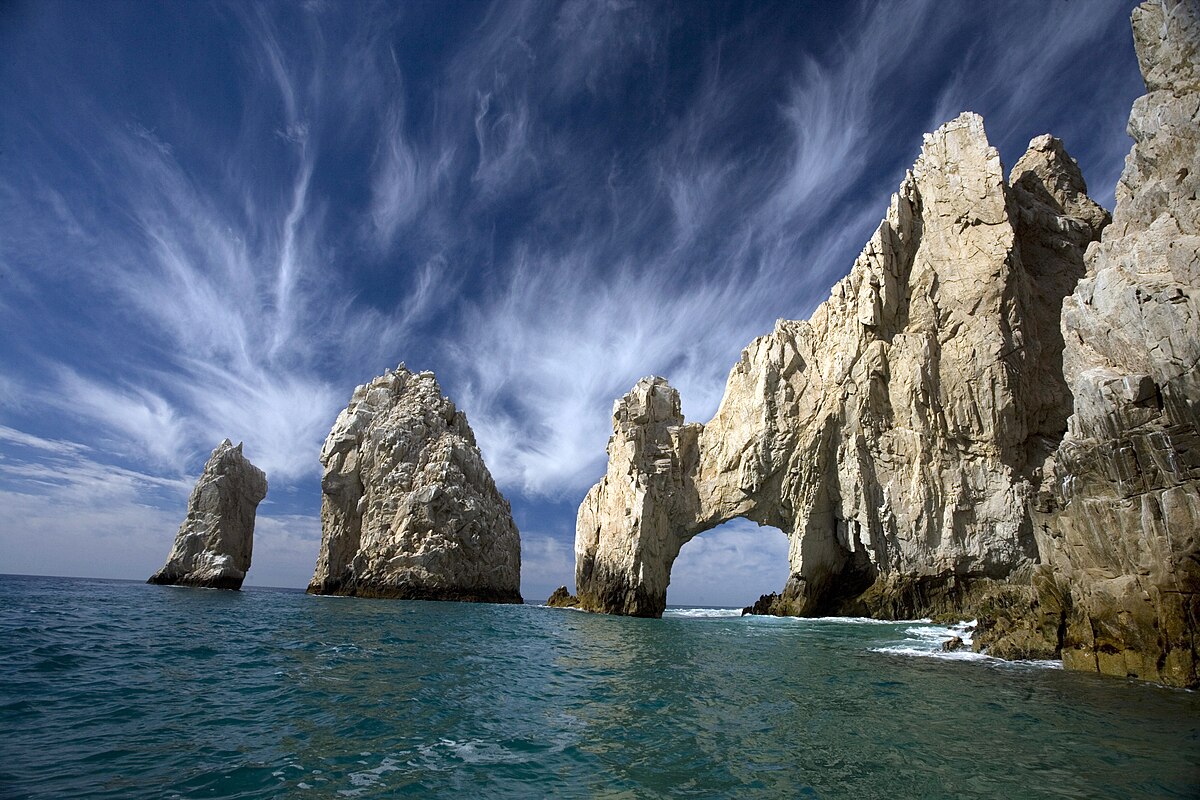
Cabo San Lucas outperforms Tulum for foreign real estate buyers on nearly every metric that matters: legal protections, infrastructure, rental yields, and long-term appreciation. Cabo properties average 5-7% annual appreciation with 6-8% rental yields, while Tulum faces infrastructure gaps, title fraud risks, and ejido land disputes. Here is the data-driven 2026 comparison to help you invest wisely.
Key Takeaways
- ✓ Cabo rental yields: 6–8% vs. Tulum's 4–6% — with longer peak season (7 months vs 5)
- ✓ Cabo has reliable infrastructure; Tulum faces frequent power outages and water issues
- ✓ Cabo's legal framework is more established — title insurance readily available from major providers
- ✓ Tulum has ejido land risks; Cabo's development areas were converted decades ago
- ✓ SJD airport: 500+ weekly flights vs. Tulum's new airport with limited routes
Considering Cabo Over Tulum?
Our team helps buyers compare markets with real data. Get personalized investment analysis for Los Cabos properties.
Schedule a Free Consultation1. Market Overview: Two Very Different Destinations
Cabo San Lucas and Tulum are Mexico's two most popular real estate markets for foreign buyers, but they serve fundamentally different segments. Cabo is a mature, infrastructure-rich resort destination with 40+ years of foreign investment history. Tulum is a rapidly growing eco-tourism hub that has experienced explosive development over the past decade, often outpacing its infrastructure and regulatory framework.
Understanding these differences is critical before committing capital. Both offer beachfront living and strong rental demand, but the risk profiles, legal protections, and long-term trajectories diverge significantly.

2. Price Comparison by Property Type
Tulum generally offers lower entry prices, but the gap is narrowing rapidly as Tulum's market matures. Here is a side-by-side comparison for 2026.
| Property Type | Cabo San Lucas | Tulum | Difference |
|---|---|---|---|
| Studio condo | $250,000 - $350,000 | $150,000 - $250,000 | Tulum 30-40% less |
| 2BR condo | $400,000 - $700,000 | $250,000 - $500,000 | Tulum 25-35% less |
| Single-family home | $600,000 - $1,500,000 | $400,000 - $900,000 | Tulum 25-30% less |
| Beachfront luxury | $2,000,000 - $10,000,000+ | $800,000 - $3,000,000 | Tulum 50-60% less |
| Undeveloped lot | $150,000 - $500,000 | $80,000 - $300,000 | Tulum 40-50% less |
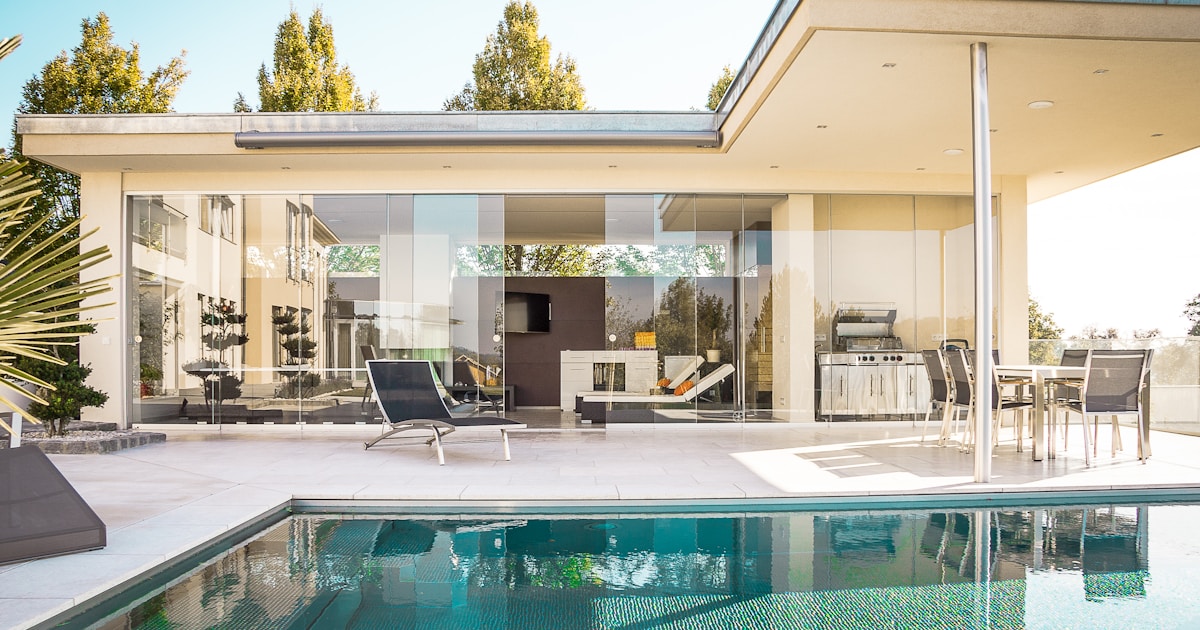
However, Tulum's lower sticker price often does not account for infrastructure costs that Cabo includes by default. Many Tulum properties require backup generators ($5,000-$15,000), water storage tanks ($2,000-$5,000), and satellite internet equipment ($1,000-$3,000) due to unreliable municipal services.
3. Infrastructure Comparison
Infrastructure is where the Cabo advantage becomes most apparent. Los Cabos has benefited from decades of government and private investment in utilities, roads, healthcare, and telecommunications.
| Infrastructure | Cabo San Lucas | Tulum |
|---|---|---|
| International airport | SJD: 20 min, 500+ weekly flights | TQO (new): 30 min, limited routes |
| Power grid | Reliable CFE service | Frequent outages, generators common |
| Water supply | Municipal + desalination | Limited, wells + cisterns common |
| Internet | Fiber optic available | Spotty, satellite/Starlink common |
| Healthcare | 3 major hospitals, specialists | Basic clinics, serious cases go to Cancun |
| Roads | 4-lane highway, well-maintained | 2-lane roads, frequent flooding |
| Wastewater | Modern treatment plants | Largely untreated, cenote contamination |
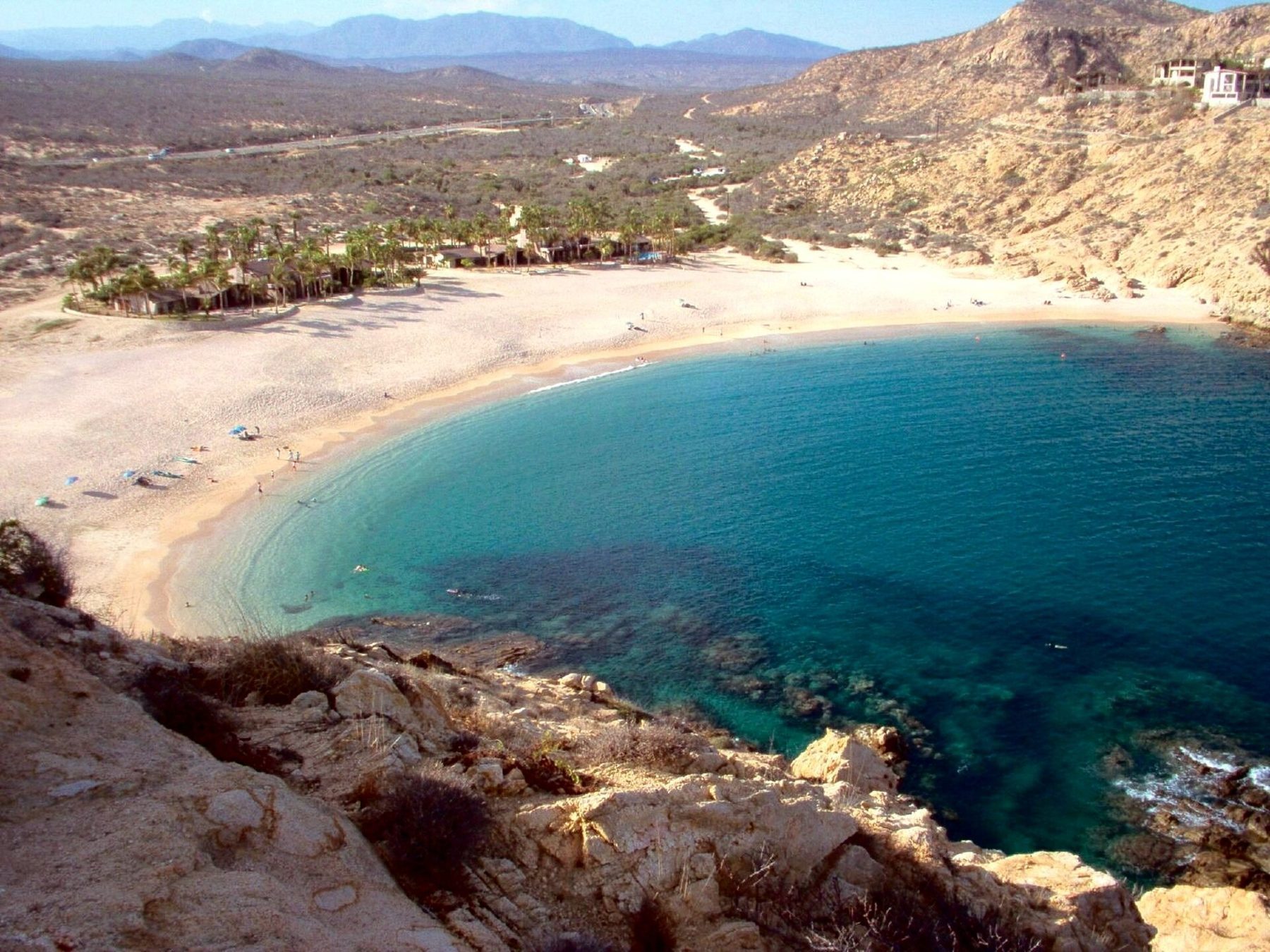
Tulum's new international airport (Felipe Carrillo Puerto, code TQO) opened in 2024, which is a significant improvement. However, route availability remains limited compared to SJD, which serves 500+ weekly flights from major US and Canadian cities.
4. Legal Framework and Title Security
Both Cabo and Tulum require a fideicomiso trust for foreign buyers purchasing within the restricted zone (50 km from coast). However, the execution and reliability of the legal process differs dramatically.
Cabo advantages:
- Established notario publico offices with decades of foreign transaction experience
- Title insurance readily available from Stewart Title, First American, and Fidelity
- Clean title histories on most properties due to long-established development
- Experienced bilingual real estate attorneys specializing in foreign transactions
- MLS system (Flex MLS) providing transparent market data
Tulum risks:
- Ejido (communal) land disputes remain a significant risk. Developers have sold condos on land still legally classified as ejido, leading to ownership challenges
- Title searches are more complex due to less organized land records in Quintana Roo
- Fewer notarios with extensive foreign buyer experience
- Several documented cases of developers selling the same property to multiple buyers
- Environmental regulations (SEMARNAT) can restrict or halt development after purchase
📥 Free Download: Rental Income Calculator
Compare rental yields between Cabo and other Mexico markets with our comprehensive income calculator.
Download Free Guide5. Rental Yield Comparison
Vacation rental performance is a key consideration for investment buyers. Cabo consistently outperforms Tulum on both occupancy and yield metrics.
| Rental Metric | Cabo San Lucas | Tulum |
|---|---|---|
| Gross rental yield | 6-8% | 4-6% |
| Peak season occupancy | 85-95% (Nov-May) | 75-85% (Dec-Apr) |
| Shoulder season occupancy | 55-70% (Jun-Oct) | 35-50% (May-Nov) |
| Average nightly rate (2BR) | $250-$450 | $150-$300 |
| Peak season length | 7 months | 5 months |
| Property management fees | 20-25% of revenue | 25-35% of revenue |
Cabo's longer peak season (November through May) and higher nightly rates produce significantly more annual rental income. Properties in Pedregal and the Tourist Corridor consistently rank among Mexico's top-performing vacation rentals on platforms like Airbnb and VRBO.
6. Lifestyle and Accessibility
Lifestyle preference is ultimately personal, but the two destinations offer very different experiences.
Cabo lifestyle: Desert-meets-ocean landscape, world-class golf (15+ courses), deep-sea fishing, luxury dining, resort-grade amenities, strong expat community of 30,000+, English widely spoken, US-style retail and services.
Tulum lifestyle: Jungle-meets-Caribbean setting, cenotes and Mayan ruins, yoga and wellness culture, bohemian beach clubs, eco-conscious community, younger demographic, more Spanish-language immersion, limited large-scale retail.
For accessibility, Cabo wins decisively. SJD airport offers direct flights from 40+ US cities, with flight times of 2-3 hours from the western US. Tulum's new airport has growing but limited route coverage, and the alternative Cancun airport (CUN) is a 90-minute drive away.


7. Long-Term Investment Outlook
Both markets have positive long-term trajectories, but with different risk-reward profiles.
Cabo outlook: Steady 5-7% annual appreciation supported by constrained coastal supply, $3+ billion in resort pipeline (including East Cape developments), mature legal infrastructure, and diversified demand from US, Canadian, and Mexican buyers. The main risk is hurricane exposure, though Los Cabos' arid climate produces fewer storm events than the Caribbean coast.
Tulum outlook: Potentially higher appreciation (8-12% in select areas) driven by Tulum airport expansion and Mayan Train connectivity. However, environmental regulations could restrict future development, ejido disputes create ongoing title uncertainty, and infrastructure deficits may limit the market's ability to support higher price points long-term.
8. The Verdict: Which Should You Buy?
For most foreign buyers prioritizing investment security, reliable rental income, and lifestyle infrastructure, Cabo San Lucas is the stronger choice. The legal framework is more established, infrastructure is superior, rental yields are higher, and the long-term appreciation trajectory is supported by fundamentals rather than speculation.
Tulum may appeal to buyers seeking lower entry prices, a Caribbean setting, or a more bohemian lifestyle. However, the additional risks around title security, infrastructure, and environmental regulation require thorough due diligence and experienced local legal counsel.
Ready to explore Cabo real estate? Browse our community guides to find the right neighborhood, or contact our team for personalized property recommendations. For safety and travel information, the US State Department classifies Baja California Sur at Level 2 — the same as France and the United Kingdom.


Take the Next Step
Make your Mexico investment with confidence. Our team provides data-driven guidance to help you buy in the right market.
Contact Us TodayFrequently Asked Questions
Is Cabo or Tulum a better real estate investment in 2026?+
Cabo San Lucas offers stronger fundamentals for foreign buyers, including established legal frameworks, superior infrastructure, higher rental yields (6-8% vs 4-6%), and more reliable title processes. Tulum has lower entry prices but carries higher risk from ejido land disputes, underdeveloped infrastructure, and a less mature legal framework for foreign ownership.
What are the risks of buying property in Tulum?+
Tulum's primary risks include ejido (communal) land disputes where developers sell property on land they do not fully own, infrastructure deficits including unreliable power and water, limited wastewater treatment threatening the cenote ecosystem, and a less established notario and title insurance market compared to Los Cabos. Several high-profile fraud cases have affected foreign buyers in recent years.
Are rental yields higher in Cabo or Tulum?+
Cabo San Lucas produces higher net rental yields for most property types. Cabo averages 6-8% gross rental yield with 85%+ occupancy in peak season, while Tulum averages 4-6% gross yield with more seasonal demand fluctuation. Cabo benefits from direct international flights, a longer peak season, and a more affluent traveler demographic.
Which is cheaper, Cabo or Tulum real estate?+
Tulum has lower average entry prices, with condos starting around $150,000 USD compared to $250,000+ in Cabo. However, price per square foot is converging as Tulum's popularity grows. When factoring in infrastructure costs (generator, water tanks, internet), Tulum's all-in cost advantage narrows significantly. Cabo's higher upfront price includes reliable utilities and resort-grade amenities.
Is Cabo or Tulum closer to the US?+
Cabo is significantly more accessible from the western US. SJD airport is a 2-hour flight from Los Angeles, 2.5 hours from Dallas, and 3 hours from Chicago, with 500+ weekly flights from major US cities. Tulum's new airport has limited routes, and the alternative Cancun airport (CUN) adds a 90-minute drive. From the eastern US, Cancun/Tulum flight times are comparable to Cabo.
What about hurricane risk in Cabo vs Tulum?+
Both locations face hurricane risk, but the exposure differs. Cabo's arid Pacific climate produces fewer major storms than the Caribbean coast. Hurricane Odile (2014) was the most significant recent event in Cabo. Tulum and the Riviera Maya face more frequent Caribbean hurricane activity. Both areas have improved building codes and emergency response systems since major storms.

Aaron Cuha
Real Estate Advisor & Los Cabos Market Expert
Real estate advisor and founder of Living In Cabo. 15+ years helping families navigate complex real estate decisions. Strategic partner with Ronival — Baja's largest brokerage.