Los Cabos offers higher appreciation rates averaging 5-7% annually compared to Puerto Vallarta's 3-5%, a dry desert climate with 350 sunny days per year, and stronger rental yields driven by luxury tourism. Puerto Vallarta provides lower entry prices (median $280,000 vs $480,000), lush tropical scenery, and a larger established expat community. Here is a complete side-by-side comparison covering price, lifestyle, climate, access, investment returns, and safety for 2026 buyers.
1. Price Comparison: What Your Dollar Buys
Cabo and Puerto Vallarta serve different price tiers, and understanding those differences is essential before choosing a market.
| Metric | Los Cabos | Puerto Vallarta |
|---|---|---|
| Median home price | $480,000 | $280,000 |
| Entry-level condo | $150,000-$220,000 | $120,000-$180,000 |
| Luxury villa | $2M-$10M+ | $800K-$3M |
| Price per sq ft (avg) | $350-$550 | $200-$380 |
| Annual HOA (condo) | $3,600-$12,000 | $2,400-$7,200 |
| Property tax (annual) | $300-$2,500 | $250-$1,800 |
| Annual appreciation | 5-7% | 3-5% |
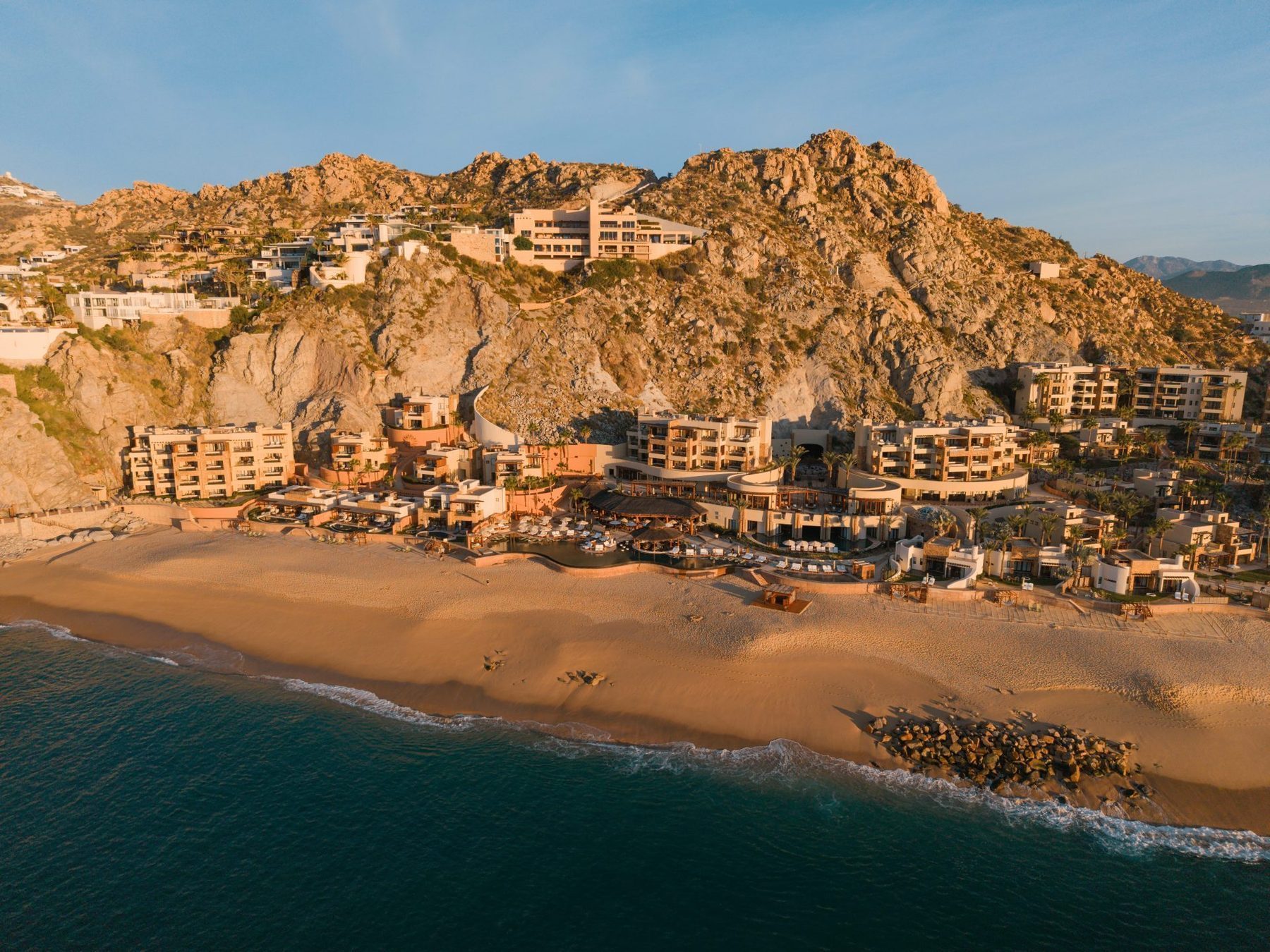
Cabo's higher median price reflects its positioning as Mexico's premier luxury resort market. Branded residences from Four Seasons, Montage, and Ritz-Carlton drive the upper end above $5 million. Puerto Vallarta's market is broader, with more mid-range inventory between $200,000 and $500,000.
For budget-conscious buyers, both markets have entry points under $200,000. In Cabo, look at El Tezal and Cerritos Beach for affordable condos. In Vallarta, the Versalles and 5 de Diciembre neighborhoods offer similar value.

2. Lifestyle and Culture
The day-to-day experience of living in these two destinations differs significantly, from dining scenes to expat community size.
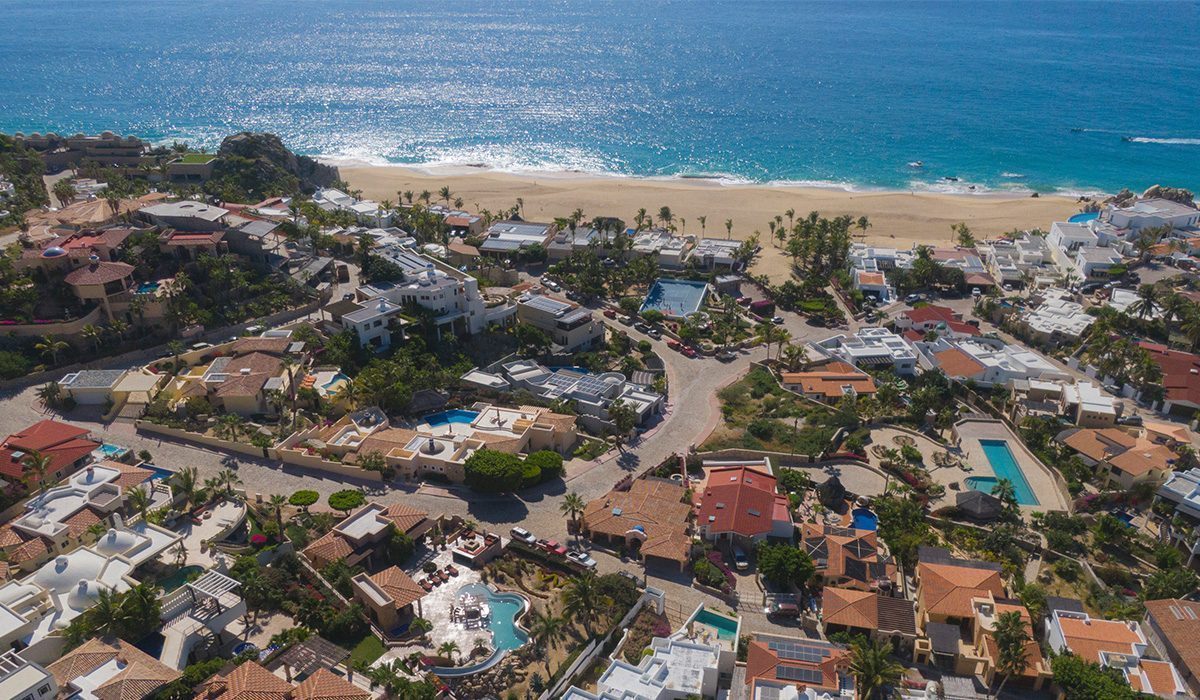
Los Cabos attracts a resort-oriented crowd. The lifestyle revolves around world-class golf courses (16 championship courses within 30 miles), deep-sea fishing, luxury dining, and beach clubs. The expat community is estimated at 15,000-20,000 full- and part-time residents, concentrated in communities like Pedregal, San Jose del Cabo, and the East Cape.
Puerto Vallarta offers a more culturally immersive experience. The Malecon boardwalk, Old Town cobblestone streets, and thriving art gallery scene create a distinctly Mexican atmosphere. The expat community is larger, estimated at 30,000-40,000, with established social clubs, volunteer organizations, and English-language services.
Dining in Cabo tends toward upscale resort restaurants with celebrity chef outposts. Vallarta has a deeper range from street tacos to fine dining, and groceries tend to cost 10-15% less than in Cabo. Both cities have Costco, Walmart, and City Club for familiar shopping.
3. Climate and Weather
Climate is one of the biggest differentiators between these two markets, and it directly affects building maintenance costs and lifestyle enjoyment.
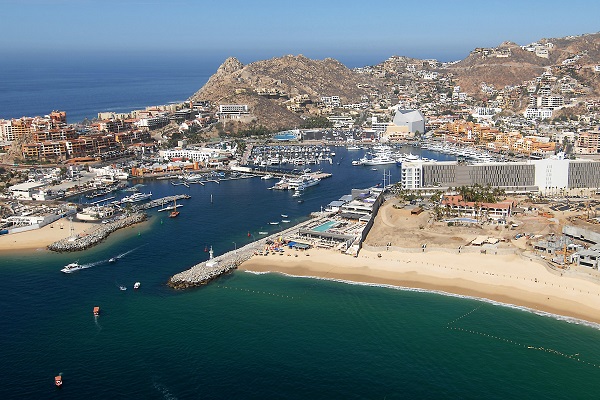
Los Cabos sits in a desert-arid zone at the tip of the Baja California Peninsula. It receives only about 10 inches of rain per year, mostly September through October. The result is 350+ sunny days, low humidity for most of the year, and minimal mold or moisture issues in homes. Summer highs reach 95-100 degrees Fahrenheit but with dry heat. Winter highs average 78-82 degrees.
Puerto Vallarta is tropical. Annual rainfall is approximately 55 inches, concentrated from June to October. Humidity runs 70-90% during the rainy season. The lush green mountains and jungle vegetation are beautiful but come with higher home maintenance requirements: mold prevention, more frequent painting, and air conditioning costs. Winter weather is near-perfect at 75-85 degrees with almost no rain.
For retirees and year-round residents, Cabo's dry climate means lower utility bills, less home maintenance, and more outdoor days per year. Vallarta's rain creates greener scenery but requires more property upkeep.
4. Airport Access and Travel Convenience
Getting to and from your property matters, especially if you split time between Mexico and the US or Canada.
San Jose del Cabo International Airport (SJD) served 7.2 million passengers in 2024 and offers nonstop flights to 45+ US and Canadian cities. Flight times from Los Angeles are 2 hours 20 minutes, from Dallas 3 hours, and from New York about 5 hours 30 minutes. A $2.5 billion airport expansion currently underway will increase capacity to 12 million passengers by 2028.
Puerto Vallarta International Airport (PVR) served 6.8 million passengers in 2024 with nonstop service to 35+ US and Canadian cities. Flight time from Los Angeles is 2 hours 45 minutes, from Dallas 3 hours 15 minutes, and from New York about 5 hours. The airport is closer to the city center (15 minutes vs 30-45 minutes from SJD to most Cabo communities).
Both airports have strong connectivity. Cabo edges out Vallarta slightly on total routes and passenger volume, and the airport expansion signals strong future investment. The Los Cabos Tourism Board reports record passenger growth of 8-10% annually.
5. Investment Returns and Rental Income
Rental income potential is a major factor for buyers who plan to offset ownership costs or generate passive income.
| Rental Metric | Los Cabos | Puerto Vallarta |
|---|---|---|
| Avg nightly rate (1BR) | $180-$300 | $90-$180 |
| Avg nightly rate (3BR) | $350-$800 | $180-$400 |
| Peak season occupancy | 80-92% | 75-88% |
| Annual occupancy (avg) | 65-78% | 60-72% |
| Gross rental yield | 6-9% | 5-7% |
| Net yield (after mgmt) | 4-6.5% | 3.5-5% |
| Peak season | Nov-May | Nov-Apr |
Cabo commands premium nightly rates because of its luxury brand positioning and high-spending visitor demographic. The average Cabo visitor spends roughly $2,200 per trip compared to $1,400 in Vallarta. This translates directly into higher rental income for property owners.
Both markets benefit from strong winter-season demand from snowbirds. Cabo's peak season extends slightly longer (through May) thanks to drier spring weather. Read our detailed Cabo rental income ROI analysis for community-specific data.
6. Community Size and Infrastructure
The greater Los Cabos area has a population of approximately 380,000, while the Puerto Vallarta metro area is about 530,000. Both are growing rapidly.
Cabo's infrastructure has expanded dramatically. The city now has multiple modern hospitals including Blue Net Hospitals and H+ Hospital, international schools, fiber-optic internet in most communities, and a growing commercial district. However, Cabo still feels more like a resort town than a full city. For detailed community options, explore our Los Cabos community guides.
Vallarta has deeper urban infrastructure: a larger public hospital system, more school choices, a wider variety of neighborhoods (from downtown walkable to suburban gated), and a more developed public transportation system. The city feels more like a complete small city rather than a resort destination.
7. Safety Comparison
Both Los Cabos and Puerto Vallarta are among the safest destinations in Mexico for foreign residents and tourists.
Cabo benefits from geographic isolation. The Baja peninsula is physically separated from mainland Mexico, and the Los Cabos municipality has its own police force with specialized tourist protection units. The homicide rate per capita is well below the Mexican national average.
Puerto Vallarta likewise has a strong safety record. The state of Jalisco has more security complexity than Baja California Sur, but the Vallarta resort zone and residential areas maintain excellent safety standards. The city has a dedicated tourist police force and active neighborhood watch programs.
Both destinations have reliable private healthcare, 24/7 pharmacies, and bilingual emergency services. The US State Department rates both Baja California Sur and Jalisco (Vallarta's state) favorably compared to other Mexican states. Neither should cause concern for foreign residents living in established residential areas.

8. The Verdict: Which Market Is Right for You?
Choose Los Cabos if you prioritize: investment returns, dry climate, world-class golf, luxury resort lifestyle, stronger rental income, and newer construction. Explore communities like Palmilla, Diamante, or Quivira.
Choose Puerto Vallarta if you prioritize: lower entry prices, cultural immersion, larger expat community, lush tropical scenery, walkable downtown, and a more established city infrastructure.
Many buyers ultimately own in both markets. Los Cabos for the dry-season escape and investment upside, Vallarta for the culture and community. Whatever you decide, contact our team for a personalized market analysis based on your budget and lifestyle goals.
Take the Next Step
Get a personalized comparison analysis for your specific budget and lifestyle goals. Our Los Cabos specialists are ready to help.
Contact Us TodayFrequently Asked Questions
Is Cabo or Puerto Vallarta a better real estate investment?+
Cabo currently delivers stronger investment returns. Average annual appreciation in Los Cabos runs 5-7% compared to 3-5% in Puerto Vallarta. Cabo also commands higher nightly rental rates ($250-$600 vs $120-$350) and attracts more high-spending tourists. However, Puerto Vallarta offers lower entry prices, so your initial capital requirement is smaller.
What is the average home price in Cabo vs Puerto Vallarta?+
The median home price in Los Cabos is approximately $480,000 USD while Puerto Vallarta sits around $280,000 USD. Entry-level condos start near $150,000 in both markets, but Cabo's luxury tier ($2M-$10M+) is significantly larger and more active than Vallarta's.
Which has better weather, Cabo or Puerto Vallarta?+
Cabo has a dry desert climate with 350 sunny days per year and only 10 inches of annual rainfall. Puerto Vallarta is tropical with lush green jungle but receives about 55 inches of rain annually, mostly June through October. Cabo summers are drier; Vallarta summers are humid with frequent afternoon showers.
Is it safer to live in Cabo or Puerto Vallarta?+
Both destinations are considered safe for expats and tourists by Mexican standards. Los Cabos and Puerto Vallarta consistently rank among the safest resort areas in Mexico. Cabo benefits from geographic isolation on the Baja peninsula, while Vallarta has a long-established expat infrastructure. Neither has significant safety concerns for residents in tourist and residential zones.
Which market has better golf courses, Cabo or Puerto Vallarta?+
Cabo wins decisively on golf. Los Cabos has 16 championship courses designed by Jack Nicklaus, Tiger Woods, Tom Fazio, Greg Norman, and Davis Love III. Puerto Vallarta has 4-5 courses. Cabo is consistently ranked among the top golf destinations in the world by Golf Digest and Golf Magazine.
Can I easily fly between Cabo and Puerto Vallarta?+
Yes. Several airlines offer direct flights between San Jose del Cabo (SJD) and Puerto Vallarta (PVR), with flight times of approximately 1 hour 45 minutes. This makes owning in both markets practical for those who want the best of both lifestyles.
Which destination is better for full-time living vs vacation home?+
Puerto Vallarta is generally considered better for full-time living due to its larger city infrastructure, walkable downtown, and bigger expat community. Cabo excels as a vacation and investment property destination with higher rental returns. However, the growing San Jose del Cabo area increasingly attracts full-time residents who want Cabo's climate with a more livable town feel.

Aaron Cuha
Real Estate Advisor & Los Cabos Market Expert
Real estate advisor and founder of Living In Cabo. 15+ years helping families navigate complex real estate decisions. Strategic partner with Ronival — Baja's largest brokerage.