I split my time between Park City and Cabo, so I know what it feels like to straddle a mountain market and a beach market. Denver is the next city over from me in the mountain West, and I have watched more Colorado buyers land in Los Cabos over the past three years than from almost any other metro. The reason is simple: the math works, the flights are short, and the lifestyle upgrade is absurd.
Key Takeaways
- Denver median single-family: ~$615K with 3.2-month supply; Cabo entry condos start at $250K with 190 days on market average
- Property taxes: Denver ~0.55% vs Cabo ~0.1% — saving $2K-$3K per year on comparable properties
- Insurance: Denver $2K-$4K (rising due to hail/wildfire) vs Cabo $500-$1,500 with hurricane included
- DEN to SJD: 2.5 hours nonstop, multiple daily flights year-round
- Cabo sellers currently accepting ~6% below asking — negotiating leverage that Denver buyers have not seen in their home market since 2019
Colorado Buyer Considering Cabo?
We work with Front Range buyers every week. Get a personalized property comparison based on your Denver budget and lifestyle goals.
Schedule a Free ConsultationThe Price Reality: What Your Denver Dollar Buys in Cabo
Denver's housing market in 2026 is what I would call "aggressively median." The metro-area median single-family home sits around $615,000. The overall median including condos and townhomes is approximately $575,000. Inventory has crept up to about 3.2 months of supply — healthier than the insanity of 2021-2022, but still not a true buyer's market.
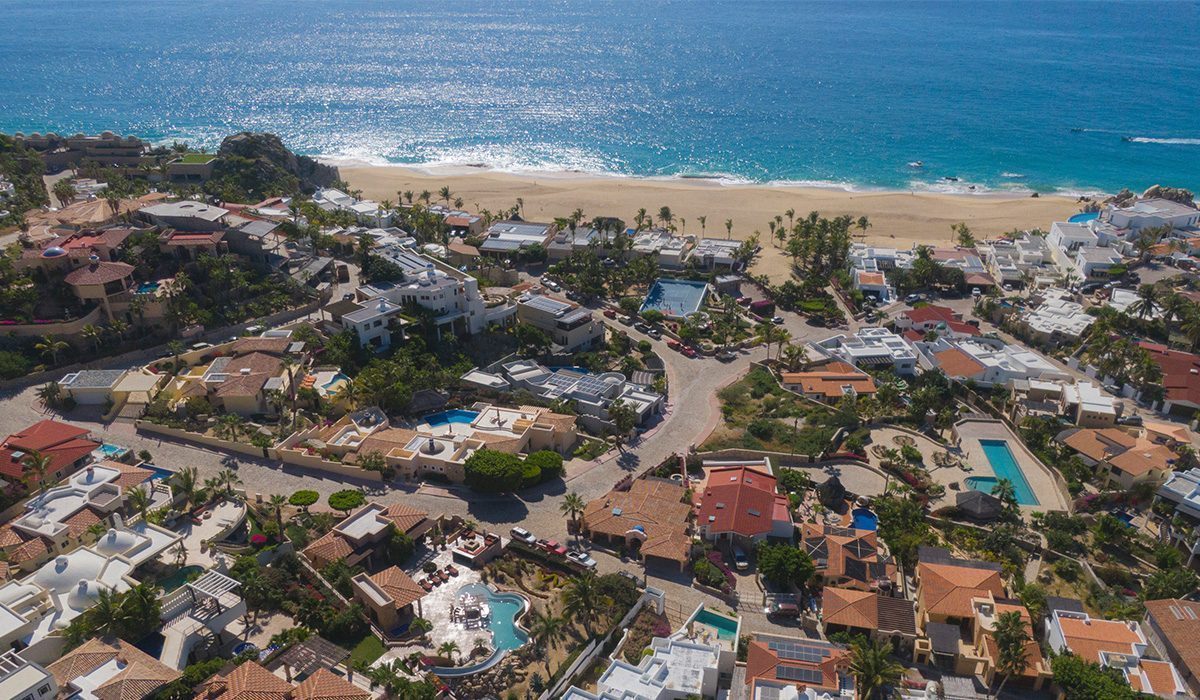
Now look at Cabo. Entry-level condos in communities like El Tezal and Fonatur start around $250,000. Step up to a two-bedroom ocean-view unit in a resort community like Quivira or Rancho San Lucas, and you are in the $400,000-$600,000 range — with pools, gyms, golf, and 24-hour security included.
Here is what your Denver dollar actually buys in each market:
| Price Point | Denver Gets You | Cabo Gets You |
|---|---|---|
| $300K | 1-bed condo or fixer townhome in Aurora/Thornton | 2-bed condo in El Tezal or downtown SJD with pool |
| $500K | Below-median 3-bed ranch, no updates, suburban | 2-3 bed ocean-view condo in a resort community with full amenities |
| $750K | Updated 3-4 bed in Highlands Ranch or Arvada | 3-bed villa at Diamante or Quivira with private pool and golf access |
| $1M+ | Entry-level in Cherry Creek or Washington Park | Luxury beachfront at Pedregal, Palmilla, or Chileno Bay |
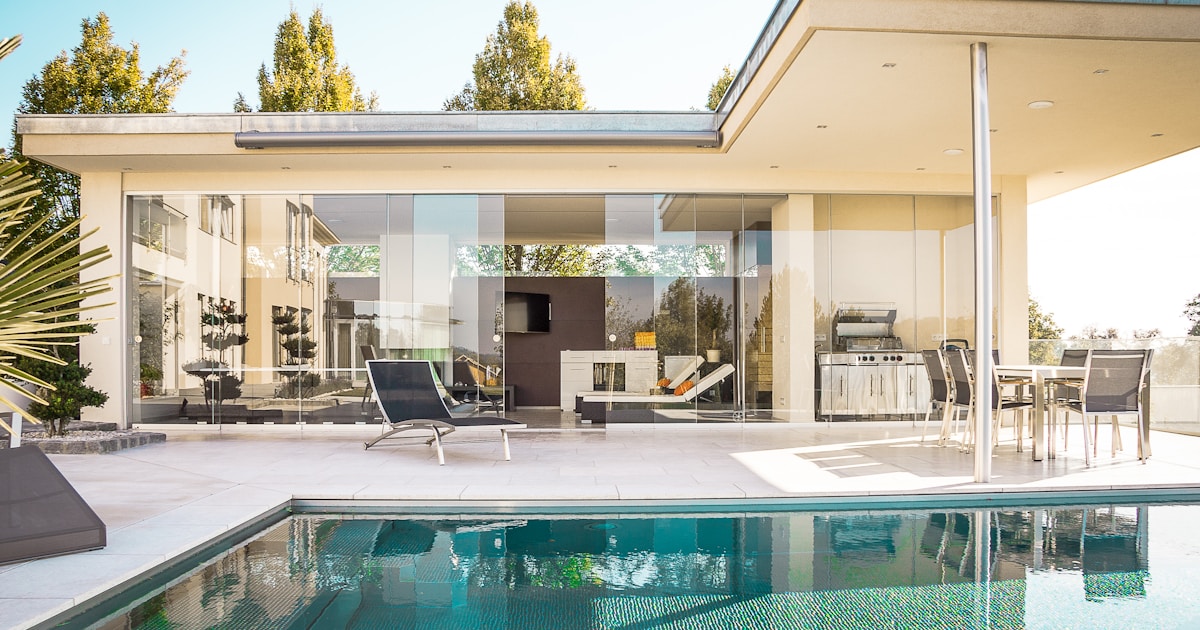
The contrast is not subtle. A $600,000 Denver home comes with a 1970s kitchen, a detached two-car garage, and a monthly reminder that your furnace costs more to run than some people's mortgages. A $600,000 Cabo condo comes with an infinity pool, a concierge, and the Sea of Cortez turning orange outside your window every evening.
Carrying Costs: Where Cabo Pulls Away
Purchase price is only the entry ticket. The real comparison is what it costs to own the property every year. And this is where Cabo embarrasses Denver.
| Annual Cost | Denver ($600K Home) | Cabo ($500K Condo) |
|---|---|---|
| Property Tax | $3,300 (0.55%) | $500-$1,500 (0.1-0.3%) |
| Insurance | $2,000-$4,000 | $500-$1,500 |
| HOA / Maintenance | $0-$6,000 | $3,000-$8,000 |
| Utilities | $3,600-$5,400 | $1,200-$3,000 |
| Fideicomiso | N/A | $550-$1,000 |
| Total Annual | $8,900-$18,700 | $5,750-$15,000 |
Even with the fideicomiso trust fee (the annual bank trust cost unique to foreign ownership in Mexico's coastal zone), Cabo's total carrying costs are lower. The property tax difference alone — Denver's 0.55% versus Cabo's 0.1% — saves you $2,000-$3,000 annually on comparable properties. For a detailed breakdown, see our Cabo property tax guide.
And here is the kicker that Denver owners feel in their bones: Colorado insurance premiums have been rising 10-15% annually since the Marshall Fire in 2021. Front Range hailstorms, wildfire risk zones, and a shrinking pool of carriers are pushing annual premiums past $4,000 for higher-value homes. Cabo insurance? Flat, stable, and includes hurricane coverage. Our insurance guide has the full comparison.
Rental Income: Vacation Cash Flow vs Long-Term Leases
Denver's rental market is solid — long-term rental yields typically run 4-6% gross on residential property. A $600,000 Denver home might rent for $2,800-$3,200 per month, generating $33,600-$38,400 annually before expenses. But Denver is also a market with tenant protections, property management headaches, and the constant wear of Colorado's freeze-thaw cycles on your asset.
Cabo's vacation rental market works differently. A well-managed $500,000 Cabo condo in a prime location can gross $30,000-$50,000 annually through short-term rentals, with peak-season nightly rates of $200-$400 and occupancy of 65-80% during the November-April high season. That is a 6-10% gross cap rate on a lower purchase price. For the full analysis, see our Cabo rental income guide.
The real advantage? You use it yourself during the best weeks of the year, then rent it when you are back in Colorado. Try doing that with a Denver rental house — your tenants will not appreciate you kicking them out for Presidents' Day weekend.
Lifestyle: 300 Days of Sun vs 300 Days of Sun (But Different)
Denver famously claims 300 days of sunshine. What they do not tell you is that 120 of those days are "sunny but 15 degrees with a 30-mph wind." Cabo averages 350+ sunny days, with winter highs of 75-82 degrees Fahrenheit and water temperatures that never drop below 68 degrees.
The lifestyle comparison is not really about weather, though. It is about what you do with your time:
- Denver: World-class skiing (90 minutes to the slopes on a good day, 3 hours on an I-70 Saturday), craft breweries, hiking, professional sports, a strong food scene, and the perpetual quest for a parking spot in RiNo.
- Cabo: Deep-sea fishing, surfing, snorkeling, championship golf, farm-to-table dining in San Jose del Cabo's Art District, whale watching from your terrace (December-March), and the absence of anyone asking if you have tried the new brewery on Tennyson.
For a lot of Colorado buyers, the answer is not either/or — it is both. Keep the Denver base for summers and ski season. Add the Cabo property for November through April. The 2.5-hour nonstop flight makes weekend trips genuinely feasible.
The DEN-SJD Corridor: 2.5 Hours to a Different Life
This is the single biggest reason Colorado buyers are the fastest-growing segment of Cabo purchasers. Denver International to San Jose del Cabo International is 2.5 hours nonstop — shorter than driving to Steamboat Springs on a Friday afternoon.
Multiple carriers serve the route year-round:
- United: Daily nonstop, with additional seasonal frequencies
- Southwest: Multiple weekly nonstops
- American: Seasonal nonstop service
- Frontier/Volaris: Budget options with periodic nonstop service
Round-trip fares run $250-$500 in shoulder season and $400-$700 during peak winter months. When you factor in the time and cost of a Denver ski weekend (gas, lift tickets, parking, lodging), a Cabo weekend is often comparable.
For the full route map and seasonal schedule, see our nonstop flights guide.
Download the Free Cabo Buying Guide
Step-by-step walkthrough of buying property in Mexico, including closing costs, legal requirements, and financing options tailored for US buyers.
Get the Free GuideAppreciation History: How Both Markets Have Performed
Denver's appreciation story is well documented. The metro saw 8-12% annual gains from 2020 through 2023, driven by Californian migration, remote work demand, and constrained inventory. That growth has moderated to 3-5% annually as inventory has increased and the market has balanced.
Los Cabos luxury real estate has appreciated 6-10% annually over the same period, with the strongest gains in the branded-residence and beachfront segments. The key difference: Cabo's appreciation is being driven by structural demand (more direct flights, more US buyers discovering the market, branded-resort pipeline) rather than the migration-fueled frenzy that drove Denver. That suggests more sustainable growth.
The other factor Denver buyers need to understand: Cabo properties currently average about 190 days on market, and sellers are accepting approximately 6% below their asking price. That is negotiating leverage. In Denver, even in the more balanced 2026 market, most properties sell within 30-45 days at or near asking. You will get a better deal in Cabo than you will in your own backyard.
The Insurance and Weather Risk Comparison
Colorado's insurance market has become genuinely painful for homeowners. The Marshall Fire, recurring hailstorms along the Front Range, and wildfire risk in the foothills have pushed premiums up 40-60% since 2021 for many homeowners. Some carriers have exited the state entirely for high-risk zones.
Cabo's insurance market is stable and straightforward. Policies through GNP Seguros or Qualitas run $500-$1,500 annually for a typical condo, including earthquake and hurricane coverage. There is no separate wind/hail rider, no wildfire exclusion zone, and no annual surprise rate hike.
That said, be honest about the risks in each market:
- Denver: Hail (frequent), wildfire (moderate in foothills), flooding (localized), blizzards (manageable with good infrastructure)
- Cabo: Hurricanes (rare but real — one significant event per 8-10 years), earthquake (low risk, modern construction codes are strict), tropical storms (occasional, usually minimal property damage in well-built communities)
The bottom line: both markets have natural hazard risk. Denver's risk costs you more to insure against.
Who Should Consider the Switch
Not every Denver homeowner is a fit for Cabo. The buyers I see making this move successfully tend to share a few characteristics:
- Empty nesters who no longer need four bedrooms in Littleton and want to downsize into a lifestyle property
- Remote workers who can work from anywhere and want 3-6 months in a warmer climate — Cabo's time zone matches Denver's perfectly (MST year-round)
- Pre-retirees (55-65) building a retirement footprint in stages — buy the Cabo property now, rent it out until retirement, then split time
- Investment-minded owners looking for better cap rates than Denver's flattening rental market offers
- Ski-and-sun types who already do the I-70 corridor on winter weekends and want the beach equivalent for January through March
If you are still raising kids in the Denver suburbs and need access to Cherry Creek schools, Cabo is a vacation destination, not a primary residence move. Know the difference.
The Buying Process for Colorado Residents
Buying in Mexico is different from buying in Colorado, but it is not complicated. The key steps:
- Set up a fideicomiso — the bank trust that enables foreign ownership in coastal Mexico ($2,000-$3,000 one-time, $550-$1,000/year)
- Work with a local agent who knows the market — our partner Ronival is Baja's largest and most trusted brokerage
- Close before a notario publico — Mexico's government-appointed closing attorney who protects all parties
- Total closing costs: 4-8% of purchase price (comparable to Colorado's 3-5%)
- Timeline: 40-45 days from accepted offer to possession
For the complete step-by-step, read our American buyer's guide.
Making the Move: Your Next Steps
If the numbers in this comparison have your attention, here is the practical path forward:
- Explore communities: Start with our Cabo San Lucas, Diamante, and Quivira guides — these are the communities where I see the most Denver buyer activity
- Run the rental math: Our cap rate analysis breaks down expected returns by community and property type
- Book a scouting trip: 2.5 hours from DEN. Fly down on a Thursday, tour properties Friday and Saturday, fly home Sunday. We will set up a full itinerary.
- Talk to us: We work with Colorado buyers every week and understand the specific questions — US tax implications, HOA structures, and how to time the purchase with your Denver plans.
Ready to Compare Properties?
Tell us your Denver budget and we will show you what that same money buys in Los Cabos. Most Colorado buyers are genuinely surprised.
Get Your Personalized ComparisonFrequently Asked Questions
How much cheaper is Cabo real estate than Denver?+
Entry-level condos in Los Cabos start around $250,000 in communities like El Tezal or Fonatur, compared to Denver's median single-family price of approximately $615,000. At the luxury end, a beachfront Cabo condo with resort amenities runs $500,000-$800,000 — comparable to an average Denver single-family home but with ocean views, pool access, and dramatically lower carrying costs.
How long is the flight from Denver to Cabo?+
Denver International Airport (DEN) to San Jose del Cabo International Airport (SJD) is approximately 2 hours and 30 minutes nonstop. Multiple carriers offer direct service including United, Southwest, and American Airlines, with year-round daily flights and additional seasonal service during winter months.
What are property taxes in Cabo vs Denver?+
Denver metro property taxes average approximately 0.55% of assessed value annually — on a $615,000 home, that is roughly $3,400 per year. Los Cabos property taxes (predial) run 0.1-0.3% of the catastral value, which is typically below market value. On a $500,000 Cabo property, annual predial is typically $500-$1,500. The tax savings alone can be $2,000-$3,000 per year.
Can I rent out my Cabo property when I'm not using it?+
Yes. Los Cabos has a strong vacation rental market with peak-season occupancy rates of 65-80% for well-located properties. A $500,000 Cabo condo can generate $30,000-$50,000 in annual gross rental income. Denver long-term rental yields are typically 4-6% gross, while Cabo vacation rentals can achieve 6-10% gross cap rates depending on location and management.
Is homeowner insurance cheaper in Cabo than Denver?+
Significantly. Denver homeowner insurance runs $2,000-$4,000 annually and has been rising due to wildfire risk and severe hail claims across the Front Range. Cabo property insurance costs $500-$1,500 annually for comparable coverage. Hurricane coverage is included in most Mexican policies at no additional cost, unlike the separate wind/hail riders many Colorado policies require.
What does $600K buy in Cabo vs Denver?+
In Denver, $600,000 buys a median three-bedroom single-family home, likely built in the 1960s-1990s, in a suburban neighborhood — no pool, no views, and you are shoveling snow from November through April. In Cabo, $600,000 buys a two-to-three-bedroom ocean-view condo in a gated resort community with pool, gym, concierge, 24-hour security, and year-round sunshine.
Do many Denver residents own property in Cabo?+
Colorado is one of the top five US states for Cabo property purchases. The combination of a short 2.5-hour nonstop flight, time zone alignment (MST year-round in both locations during winter), and lifestyle contrast (escape the cold, keep the mountain home) makes Denver-Cabo one of the most popular dual-market ownership corridors in the US.

Aaron Cuha
Real Estate Advisor & Los Cabos Market Expert
Real estate advisor and founder of Living In Cabo. 15+ years helping families navigate complex real estate decisions. Strategic partner with Ronival — Baja's largest brokerage.