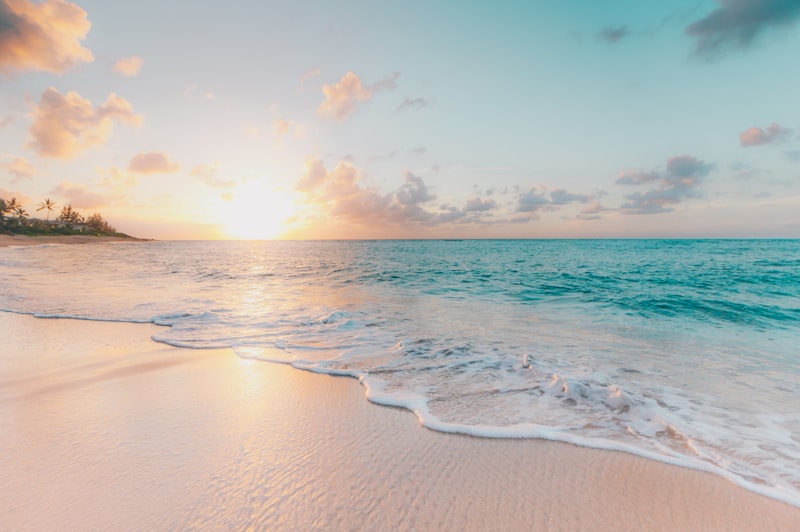
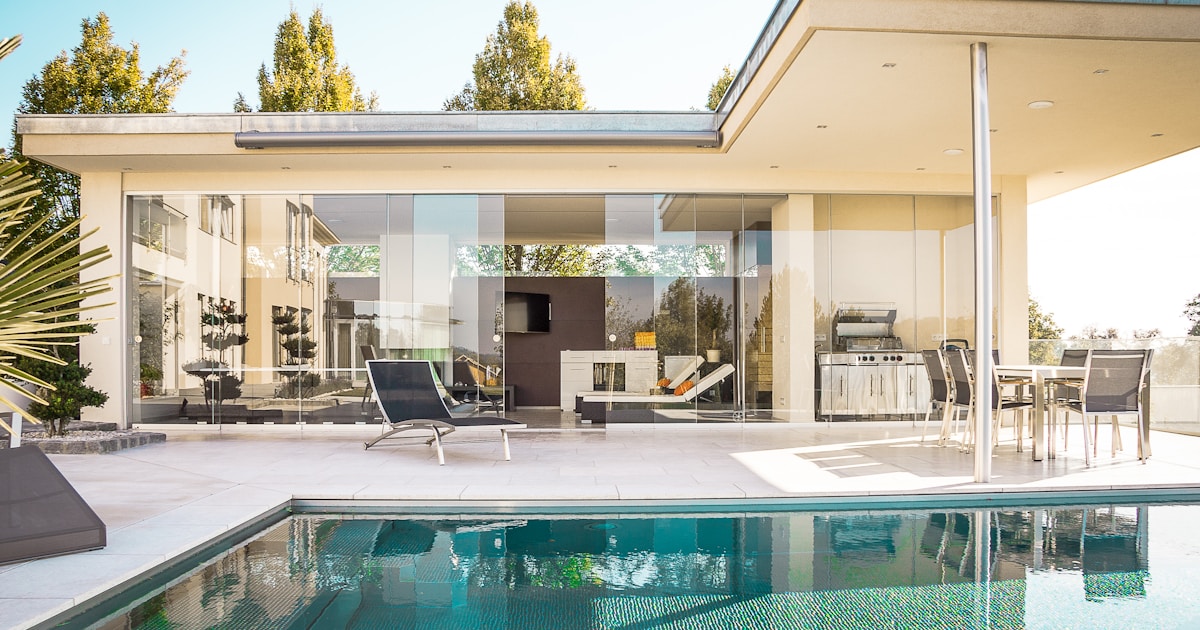
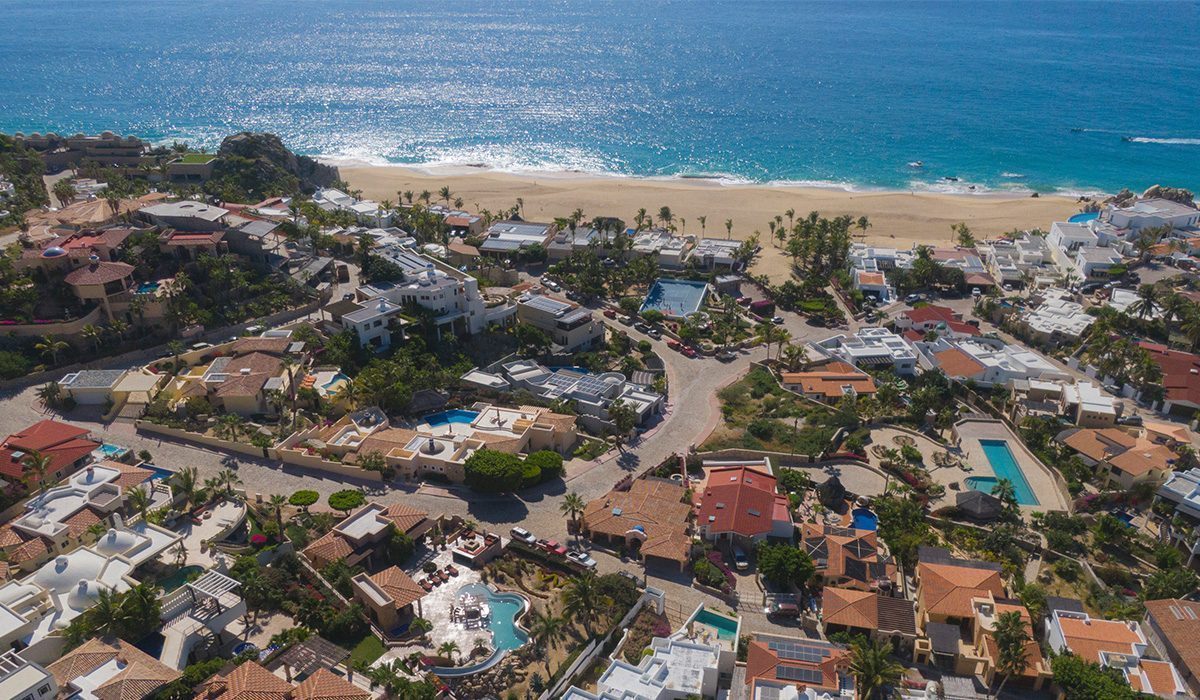
Cabo vs Park City real estate is not a comparison I read about — it is a comparison I live. I am based in Park City, Utah. I coach real estate professionals across 12 states. And I work with buyers buying property in Los Cabos through our partnership with Ronival. When someone asks me "mountain or beach?" I have walked both sides of that equation more times than I can count.
Key Takeaways
- ✓ Park City median home: $1.8M–$8M+; Los Cabos luxury: $650K–$2.5M — Cabo delivers more property per dollar at every price point
- ✓ Park City property taxes: 0.5–0.7% ($15K–$21K/year on $3M); Cabo predial: 0.1–0.3% ($500–$2K/year on $1M)
- ✓ Park City peak season: Dec–Mar (4 months); Cabo peak: Nov–Apr (6 months) — Cabo's longer season supports better annual rental yield
- ✓ SLC to SJD: 3 hr 15 min nonstop — one of the most efficient mountain-to-beach corridors for dual-market owners
- ✓ Many Park City owners are now adding Cabo as their warm-weather counterpart — skiing December, Cabo January–March, Park City summers
Park City Owner Considering Cabo?
We work with mountain-market owners who want a warm-weather property. We know both lifestyles and help you find the right Cabo community for your season rotation.
Let's TalkThe Price Reality
Park City's post-COVID price explosion has priced out a significant portion of the market. Deer Valley homes routinely clear $5M–$10M+. The Canyons area and Old Town, which were "affordable" by Park City standards five years ago, now start at $1.5M for a decent condo. The median home sale across Summit County sits around $1.8M.
In Los Cabos, you can buy a three-bedroom ocean-view condo in a gated community with a pool, gym, and 24-hour security for $500,000–$800,000. A luxury villa in Pedregal or Diamante with private pool and ocean views runs $1.5M–$3M. That same dollar in Park City buys you a two-bedroom condo near the gondola — without the views.
| Property Type | Los Cabos | Park City |
|---|---|---|
| Entry condo | $300K–$500K | $800K–$1.5M |
| Luxury condo (resort) | $700K–$1.5M | $1.5M–$4M |
| Single-family (luxury) | $1.2M–$3.5M | $3M–$8M+ |
| Trophy property | $3.5M–$10M | $8M–$30M+ |
| Annual property tax | $500–$2,000 | $10,000–$40,000+ |
Carrying Costs: Where Cabo Crushes
Purchase price is only the beginning. The annual cost of owning a property — taxes, insurance, HOA, utilities, and maintenance — is where the two markets diverge dramatically.
For a $2M Park City home, expect annual carrying costs of $29,000–$49,000: property taxes ($10,000–$14,000), insurance ($3,000–$5,000), HOA ($8,000–$15,000), utilities ($3,000–$5,000), and snow removal/winter maintenance ($5,000–$10,000). Snow removal alone — plowing the driveway, roof raking, ice dam management — is a line item that does not exist in Cabo.
For a $1M Cabo condo, annual carrying costs run $7,500–$18,000: predial tax ($500–$2,000), insurance ($1,500–$3,000), HOA ($3,000–$8,000), utilities ($2,000–$4,000), and fideicomiso annual fee ($500–$800). That is $15,000–$30,000/year less in carrying costs — money that either stays in your pocket or funds renovation, furnishing, or travel.
Rental Income: Longer Season Wins
Both markets produce strong vacation rental income, but the seasonality is different:
Park City: Peak rental season is December through March (ski season), with a brief summer shoulder season (July–August for mountain biking, hiking, and Park City arts events). Christmas week and Sundance Film Festival (January) command $1,000–$3,000+/night for quality homes. But the shoulder season (April–June, September–November) sees occupancy drop to 20–35%.
Los Cabos: Peak season runs November through April — a full six months. Christmas and Spring Break command premiums, but the broader season maintains $250–$500/night for quality condos. Even low season (May–October) sustains 30–50% occupancy at reduced rates. The result: more consistent annual revenue with less dead time.
Gross cap rates are comparable — 4–8% for both markets — but Cabo's lower purchase prices mean you often need a smaller down payment to achieve the same cash flow. For a detailed rental income breakdown, see our rental setup guide.
Lifestyle: Two Beautiful Problems to Have
This is where the comparison gets personal. Both places are spectacular. They just serve different moods.
Park City is about four-season mountain living. World-class skiing at Deer Valley and Park City Mountain. Summer hiking on 450+ miles of trails. Mountain biking that rivals Moab. Fall foliage along the Weber River. Film festivals, art galleries, a vibrant food scene on Main Street, and a community of entrepreneurs and athletes who chose mountains over offices.
Los Cabos is about warm-weather luxury with an edge. Desert meeting ocean. Championship golf year-round. Deep-sea fishing at the Marlin Capital of the World. Farm-to-table dining in San Jose del Cabo. Surf breaks at Cerritos. Whale watching in winter. And a cost of living that lets you live like royalty on a fraction of what Park City demands.
What I have found — and what I tell buyers who ask — is that the two are not competing. They are complementing. The ideal dual-market play for mountain people is: Park City from June through November (mountain summer and fall, early ski season), Cabo from December through April (peak warm weather, escape the inversion, best ocean conditions). You ski the holidays, fly south in January, and come home when the wildflowers bloom.
The Mountain-to-Beach Play
We help Park City and mountain-market homeowners find their warm-weather counterpart in Cabo. Let us match you with the community that fits your season rotation.
Book a CallThe SLC–SJD Corridor
Salt Lake City to San Jose del Cabo is a 3-hour-15-minute nonstop flight on Delta and seasonally on other carriers. During peak season (November–April), daily nonstop service makes the commute painless. You leave Park City at 8 AM, clear customs by 2 PM Cabo time, and are sitting by your pool before sunset.
This is one of the most efficient mountain-to-beach corridors in North America. Compare that to Park City to Hawaii (6+ hours, one time zone change) or Park City to the Caribbean (6–8 hours with connections). Cabo is the closest warm-weather luxury market to the Wasatch Front, and it shows in the buyer demographics — a growing number of Park City homeowners are now buying in Querencia, Twin Dolphin, and Palmilla.
Investment Outlook
Park City appreciated 8–12% annually from 2020–2024, driven by COVID migration from California and remote work flexibility. That growth has moderated to 4–6% as inventory has normalized and interest rates have cooled speculative demand. The market is healthy but no longer explosive.
Los Cabos is in a different growth phase. Institutional investment is accelerating — Park Hyatt opened at Cabo del Sol in December 2025, Soho House is scheduled for late 2026, and the Four Seasons Private Residences continue to sell. The $2M–$5M luxury segment saw a 40% year-over-year price jump in the Palmilla-Querencia-Chileno corridor between 2024 and 2025, according to BHHS Baja. Q1 2026 saw $391M in sales volume — up 39% over Q4 2025.
I believe both markets have long-term appreciation ahead. But Cabo offers more upside per dollar invested, lower carrying costs while you wait, and a more favorable tax environment. For the buyer who already has a mountain home and is looking for the second piece of the lifestyle puzzle, the math is compelling.
Mountains and Beach — Why Not Both?
We help mountain-market homeowners find their Cabo counterpart. Start with a conversation about what you want from your warm-weather property — we will handle the rest.
Get StartedFrequently Asked Questions
Is Park City more expensive than Cabo for real estate?+
Significantly. The median home price in Park City exceeds $1.8 million, with Deer Valley and Old Town averaging $3M–$8M+. In Los Cabos, the median luxury property runs $650,000–$2.5 million, with entry-level condos in communities like El Tezal or Fonatur starting at $300,000–$450,000. Dollar for dollar, Cabo delivers more square footage, more amenities, and lower carrying costs.
Which has better rental income — Park City or Cabo?+
Park City generates strong ski-season rental income ($500–$2,000+/night during Christmas and Sundance), but the peak season is concentrated in December through March with a brief summer shoulder season. Cabo's peak season runs November through April (6 months) with consistent warm-weather demand. Gross cap rates are comparable at 4–8%, but Cabo's lower purchase prices and longer season typically produce better cash-on-cash returns.
What are property taxes in Park City vs Cabo?+
Park City property taxes run 0.5–0.7% of assessed value annually. On a $3 million home, that is $15,000–$21,000/year. Los Cabos property taxes (predial) run 0.1–0.3% of the catastral value, which is typically lower than market value. On a $1 million Cabo property, annual predial is $500–$2,000. The tax savings alone can be $10,000–$20,000/year.
How do carrying costs compare between Park City and Cabo?+
Annual carrying costs for a $2M Park City home: $10,000–$14,000 property taxes, $3,000–$5,000 insurance, $8,000–$15,000 HOA, $3,000–$5,000 utilities, $5,000–$10,000 snow removal and winter maintenance. Total: $29,000–$49,000. Annual carrying costs for a $1M Cabo condo: $500–$2,000 predial, $1,500–$3,000 insurance, $3,000–$8,000 HOA, $2,000–$4,000 utilities, $500–$1,000 fideicomiso maintenance. Total: $7,500–$18,000. The difference is striking.
Can I fly direct from Salt Lake City to Cabo?+
Yes. SLC to SJD has multiple weekly nonstop flights on Delta and seasonally on other carriers. Flight time is approximately 3 hours and 15 minutes. During peak season (November–April), daily nonstop service is common. This makes the Park City-to-Cabo commute one of the most efficient mountain-to-beach corridors for second-home owners.
Which appreciates faster — Park City or Cabo?+
Park City appreciated 8–12% annually from 2020–2024, driven by post-COVID migration from California and remote work demand. That growth has moderated to 4–6% as inventory has increased and the market has normalized. Los Cabos luxury is appreciating 6–10% annually with particular strength in the $2M–$5M branded-residence segment, which saw a 40% year-over-year price jump in Palmilla-Querencia-Chileno corridor between 2024 and 2025.

Aaron Cuha
Real Estate Advisor & Los Cabos Market Expert
Real estate advisor and founder of Living In Cabo. 15+ years helping families navigate complex real estate decisions. Strategic partner with Ronival — Baja's largest brokerage.