The Bay Area Math No Longer Works
I have watched more Bay Area tech workers buy in Los Cabos over the last three years than from any other single metro area. The math is not complicated. San Francisco's median home price hit $1.7 million in mid-2026, with single-family homes averaging $2.15 million — up 18% year-over-year. A 1,400-square-foot two-bedroom in the Mission or Noe Valley starts at $1.2 million and comes with a $15,000 annual property tax bill, $600/month HOA, and California's 13.3% top marginal income tax rate.
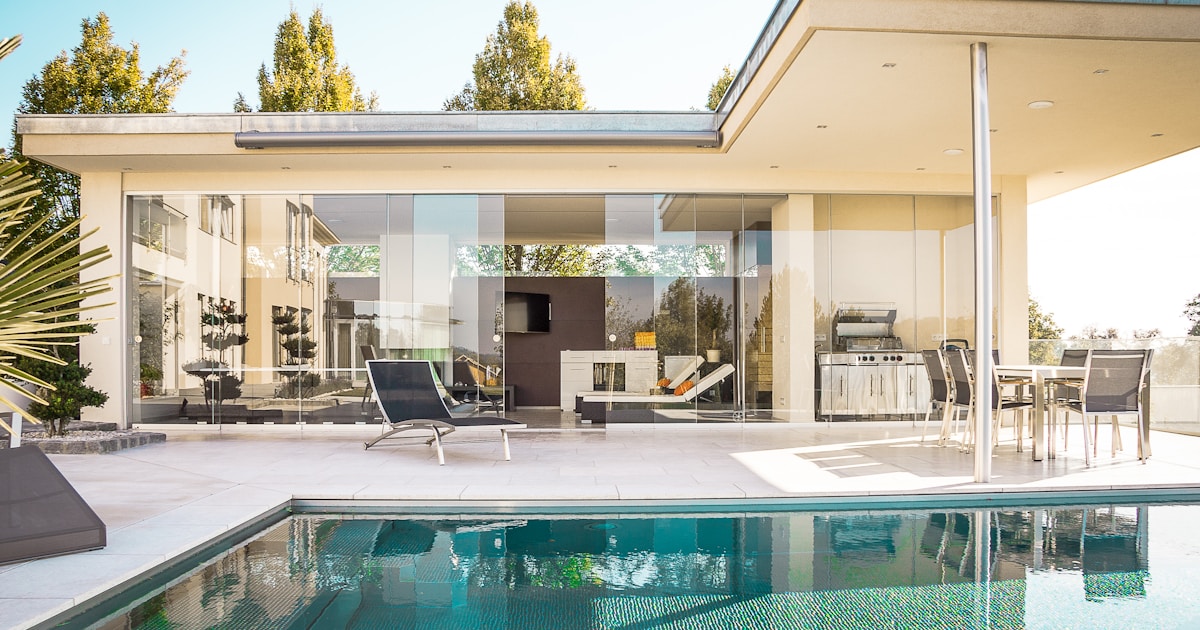
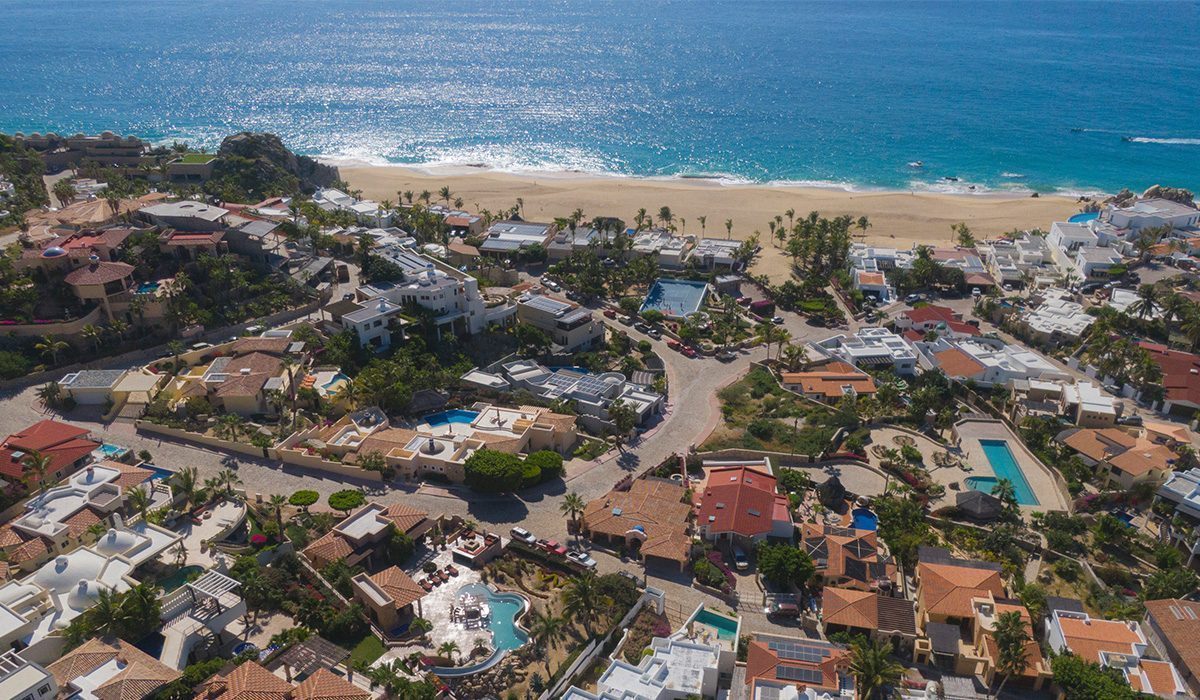
That same $1.2 million in Los Cabos buys a three-bedroom villa on the Corridor with an infinity pool, Sea of Cortez views, and annual carrying costs under $15,000 total. The two-hour direct flight from SFO runs daily on Alaska, United, and Volaris.
Key Takeaways
- SF median home price: $1.7M in 2026 vs. Los Cabos average condo price of $400K–$900K — your dollar stretches 2–3x farther
- Property taxes: SF charges 1.2% of market value ($20,400/year on a $1.7M home) vs. Cabo's predial at 0.1% of catastro ($800–$2,500/year)
- State income tax savings: California's top 13.3% rate disappears when you establish Mexico residency — that alone can save $50K–$150K/year for high earners
- Rental yield: SF rental yields average 3.8%; Cabo vacation rentals average 6–10% gross depending on location and management
- Flight time: SFO to SJD is 2 hours 20 minutes — shorter than driving to Lake Tahoe on a Friday
Your SF Condo Down Payment Buys a Cabo Villa
I help Bay Area buyers translate their California equity into Los Cabos property. Let me show you what your budget actually buys here.
Start the ConversationPrice Comparison: What Your Money Buys
Numbers tell the story better than adjectives. Here is what the same dollar amount purchases in each market, based on current MLS data from both cities:
| Budget | San Francisco | Los Cabos |
|---|---|---|
| $500K | Studio or 1BR condo in Outer Sunset; needs updates | 2BR ocean-view condo in San Jose del Cabo or Cabo San Lucas with pool, gym, concierge |
| $800K | 1BR condo in SOMA or Marina; HOA $700/mo | 3BR penthouse in a Corridor development with rooftop terrace and Sea of Cortez views |
| $1.2M | 2BR condo in Noe Valley or Mission; no parking, no outdoor space | 3BR villa with private pool on the Corridor; gated community with golf, beach club |
| $2M | 3BR fixer in Pacific Heights or 2BR in Russian Hill with views | 4BR oceanfront estate in Palmilla or Pedregal with guest casita |
| $3M+ | Entry-level single-family in Pacific Heights; vintage, needs $500K in updates | Trophy property in Chileno Bay or Querencia — new construction, turnkey, ocean views from every room |
Annual Carrying Costs: Where the Real Savings Live
The purchase price is just the opening number. The carrying costs are where San Francisco truly punishes homeowners. I have run this comparison for dozens of Bay Area buyers, and the annual savings from owning in Cabo versus SF consistently exceed $30,000 — before you even factor in California income tax.
On a $1.2M Property
| Cost | San Francisco | Los Cabos |
|---|---|---|
| Property Tax | $14,400/yr | $1,200–$2,000/yr |
| HOA / Maintenance | $7,200–$8,400/yr | $3,600–$8,400/yr |
| Insurance | $3,600–$4,800/yr | $1,200–$2,500/yr |
| Fideicomiso | N/A | $500–$700/yr |
| Utilities (avg) | $3,600/yr | $2,400–$3,600/yr |
| Total | $28,800–$31,200/yr | $8,900–$17,200/yr |
That is a $14,000–$22,000 annual savings on carrying costs alone. Over a ten-year hold, that difference compounds into $140,000–$220,000 that stays in your pocket instead of going to the county assessor and your insurance company.
The California Tax Escape
This is the conversation that gets Bay Area buyers leaning forward. California's top marginal income tax rate is 13.3% — the highest in the nation. For a tech worker earning $400,000 in RSU income, that is $53,200 in state income tax alone. Mexico has no state income tax on foreign-sourced income for temporary residents, and the US-Mexico tax treaty prevents double taxation.
I am not a tax advisor, and I always tell buyers to work with a cross-border CPA. But I have watched several Bay Area clients restructure their tax situation by establishing Mexico residency and saw annual savings north of $80,000. The property pays for itself within a few years from tax savings alone.
The Remote Work Accelerant
The reason this comparison even exists is remote work. Before 2020, buying in Cabo as a Bay Area tech worker meant owning a vacation home you visited six times a year. Now, it means a primary or split-time residence where you work from a terrace overlooking the Pacific. The two-hour time zone difference from Pacific time is irrelevant for most tech roles — you are still online during California business hours.
I know multiple engineers at companies headquartered in San Francisco who spend October through May in Cabo and summer in the Bay Area. They kept their jobs. They kept their salaries. They stopped paying California income tax on the months they were absent. And they bought property here that appreciates at 8–12% annually while generating rental income during the months they are back in the States.
Let Me Run Your Numbers
I can show you exactly what your SF equity buys in each Cabo region — and what the five-year math looks like on taxes, carrying costs, and rental income.
Book a CallFlight Logistics: Closer Than Tahoe
The SFO-to-SJD route is one of the best-served corridors in Baja travel. Alaska Airlines, United, and Volaris all operate daily nonstops. Flight time is 2 hours 20 minutes. Round-trip fares run $250–$450 on Alaska and United, and $150–$250 on Volaris.
For context: driving from San Francisco to Lake Tahoe takes 3.5 hours without traffic — and anyone who has sat in Friday afternoon I-80 traffic knows it can take five. Flying to Cabo is genuinely faster than driving to Tahoe for a weekend, and the weather is better every single month of the year.
The Global Entry Advantage
Every Bay Area buyer I work with has Global Entry. If you do not, get it before you close. The SJD airport's US preclearance facility means you land at SFO as a domestic arrival — no customs, no immigration, straight to your car. Total door-to-door from a Corridor condo to a SoMa apartment: under four hours.
Rental Income: Making the Property Pay
Here is something San Francisco property cannot do: generate meaningful vacation rental income. SF's Proposition F and subsequent regulations make short-term rentals nearly impossible — you must live in the unit as your primary residence and are capped at 90 nights per year.
Los Cabos has no such restrictions for most developments. A well-managed two-bedroom condo on the Corridor generates $45,000–$75,000 in gross rental income annually. A three-bedroom villa in a premium community like Cabo del Sol or Diamante can produce $80,000–$150,000 gross. After management fees (typically 20–25%), maintenance, and operating costs, net yields of 6–10% are common.
Compare that to an SF condo rented long-term at $4,000/month — $48,000 gross — with San Francisco's tenant-friendly regulations, rent control, and the ever-present risk of a bad tenant you cannot remove. The Cabo rental is seasonal, tourist-driven, and you control your own calendar.
Quality of Life: The Unquantifiable
The financial case writes itself. But the Bay Area buyers who actually pull the trigger tell me the same thing: it was never really about the money. It was about stepping outside in January and not needing a jacket. It was about hosting friends in a villa with a pool instead of a 1,200-square-foot condo. It was about the ocean being 80 degrees instead of 55. It was about eating at world-class restaurants where a $150 dinner for two costs $45 in Cabo.
San Francisco is a world-class city. I am not here to tell anyone to sell their SF home — many of my clients keep both. But if you are paying $3,500/month to park a car, $1,800/month in HOA, and $4,000/month in state income tax, and your quality of life involves dodging homeless encampments on your walk to a $22 sandwich, the comparison at least deserves a spreadsheet.
The Bay Area Buyer Pipeline
According to Ronival's internal data, Bay Area zip codes represent the second-largest buyer pipeline for Los Cabos luxury property, behind only Southern California. The top feeder zip codes — 94107 (SoMa), 94110 (Mission), 94114 (Castro), 94117 (Haight), and 94123 (Marina) — correlate with tech-heavy demographics aged 35–50 with household incomes above $300,000.
These buyers are not retirees. They are mid-career professionals buying their first international property. They want lock-and-leave. They want rental income when they are not there. And they want to be in a community with other professionals who understand the lifestyle — not a timeshare resort with a sales presentation.
The communities that attract Bay Area buyers disproportionately are Chileno Bay (design-forward, modern), Twin Dolphin (privacy, exclusivity), and Cabo del Sol (the Park Hyatt effect). Golf is not the primary driver for this cohort — beach clubs, restaurants, and wellness amenities are.
Join the Bay Area Buyers Who Already Made the Move
I have helped dozens of SF tech workers find the right community in Los Cabos. Let me show you what is available right now.
Get StartedFrequently Asked Questions
How much cheaper is Cabo real estate compared to San Francisco?+
On average, Los Cabos property costs 40–60% less than comparable San Francisco real estate. A two-bedroom condo that costs $1.2M in SF's Mission District buys a three-bedroom Corridor villa with a pool and ocean views in Cabo. Annual carrying costs are $14,000–$22,000 lower in Cabo due to lower property taxes (0.1% vs 1.2%), lower insurance, and no state income tax.
How long is the flight from San Francisco to Cabo San Lucas?+
Direct flights from SFO to SJD (San Jose del Cabo International Airport) take 2 hours 20 minutes. Alaska Airlines, United, and Volaris operate daily nonstops. Round-trip fares range from $150–$450 depending on carrier and season.
Can I avoid California income tax by buying property in Mexico?+
Potentially, but it requires establishing genuine residency in Mexico and meeting specific IRS and FTB rules for domicile change. Simply owning property in Mexico is not enough — you must spend more than 183 days outside California and demonstrate intent to change your domicile. Consult a cross-border CPA before making any tax residency changes.
What do Bay Area tech workers look for in Cabo property?+
Bay Area buyers prioritize reliable high-speed internet (Starlink or fiber), modern design, lock-and-leave convenience, and communities with beach clubs and wellness amenities over traditional golf. The top choices are Chileno Bay, Twin Dolphin, and Cabo del Sol. Most are buying as split-time residences, not pure vacation homes.
Is Cabo property a better investment than San Francisco real estate?+
Los Cabos property has appreciated 8–12% annually over the past five years while generating 6–10% gross rental yields — compared to San Francisco's 5–7% appreciation and 3.8% rental yields. Combined with dramatically lower carrying costs and property taxes, the total return math favors Cabo for most investment profiles, though past performance does not guarantee future results.
Can I work remotely from Cabo as a California employee?+
Yes. Cabo is in Mountain Time (MST), two hours ahead of Pacific — you are still online during California business hours. Starlink and fiber internet provide reliable 100+ Mbps connections. Many Bay Area tech workers split time: October through May in Cabo, summer in the Bay Area. Consult your employer's remote work policy and a tax advisor about multi-state/multi-country tax implications.

Aaron Cuha
Real Estate Advisor & Los Cabos Market Expert
Real estate advisor and founder of Living In Cabo. 15+ years helping families navigate complex real estate decisions. Strategic partner with Ronival — Baja's largest brokerage.