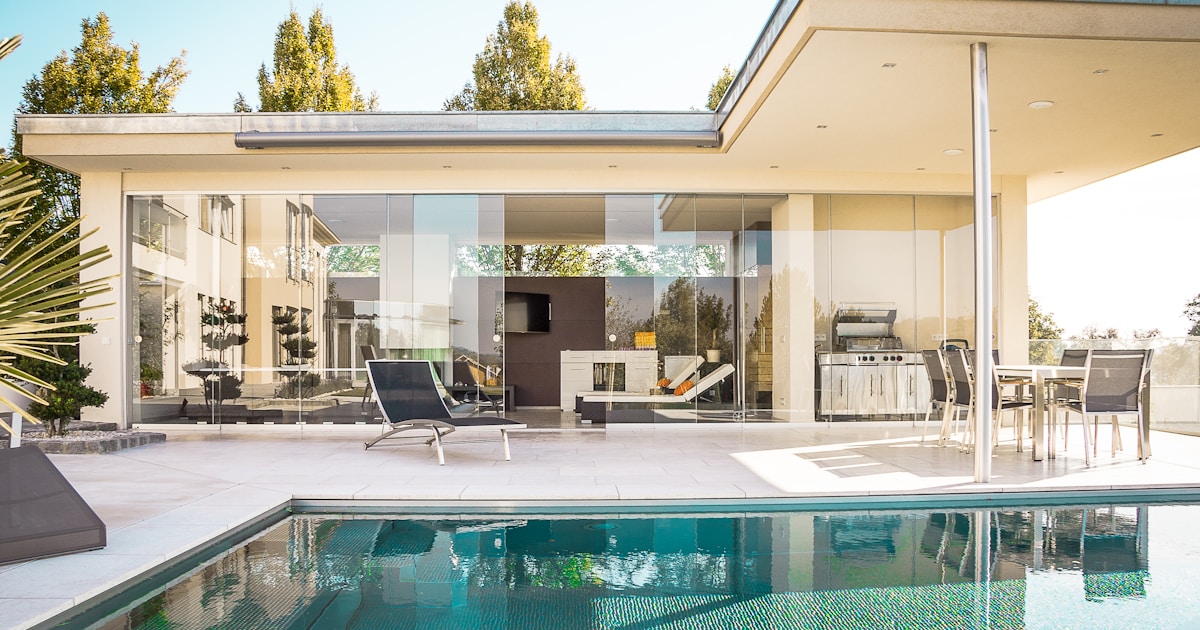
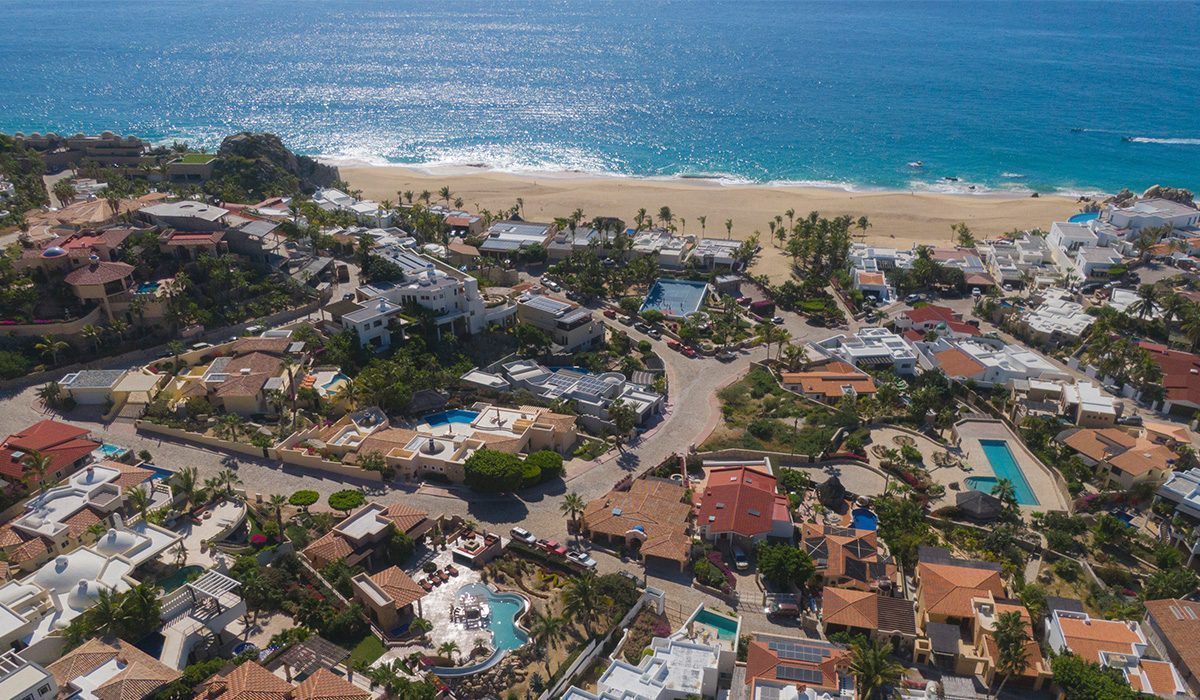
I owned property in the Mountain West for 20 years. The first time I drove up to Querencia I thought: this is Sedona with an ocean. The red rocks replaced by the desert bluffs of the Corridor. The vortex energy replaced by the Sea of Cortez. The same type of buyer — wellness-oriented, experience-driven, willing to pay for natural beauty — but a fundamentally different value proposition.
Both markets attract high-net-worth individuals looking for a lifestyle property in a dramatic desert landscape. Both have exploded in price since 2020. Both compete for the same dollar from the same buyer profile. But the numbers, the tax treatment, the rental economics, and the ownership experience tell very different stories.
Here is the honest comparison.
Key Takeaways
- Median luxury home price (3+ bed, quality construction): Sedona ~$1.2M, Los Cabos Corridor ~$850K — a 30% price advantage for Cabo at comparable quality
- Property taxes: Sedona averages 0.55–0.65% of assessed value (~$6,600–$7,800/yr on a $1.2M home); Los Cabos predial tax averages $800–$2,000/yr regardless of market value
- Rental yield: Sedona averages 4–6% gross for vacation rentals; Los Cabos averages 5–8% gross with a longer peak season
- Sedona has year-round access via Phoenix (2 hours) but brutal summers (100°F+); Cabo has direct international flights but humid summers (95°F)
- Both markets are wellness-driven, but Cabo's medical cost advantage (60–80% less for functional medicine) is a structural differentiator
Comparing Desert Luxury Markets?
We help buyers evaluate Los Cabos against any US market and understand the true cost of ownership on both sides of the border.
Get a ComparisonThe Price Comparison
Sedona has gotten expensive. Fast. According to Redfin data, the median home sale price in Sedona has climbed significantly since 2020, driven by remote work migration and the wellness tourism boom. Luxury properties (3+ bedrooms, quality finishes, views) routinely list above $1.5 million, with premium locations in the $2–$5 million range.
In the Los Cabos Corridor (the stretch between Cabo San Lucas and San Jose del Cabo where most luxury developments sit), comparable properties — similar square footage, similar quality of construction, gated community with amenities — start in the $600K–$900K range. Premium Corridor properties run $1.5–$4 million. Ultra-luxury (Querencia, Chileno Bay, Palmilla) starts at $2 million and goes to $15 million+.
| Metric | Sedona, AZ | Los Cabos Corridor |
|---|---|---|
| Median luxury home (3+ bed) | ~$1.2M | ~$850K |
| Ultra-luxury entry | $2.5M+ | $2M+ |
| Price per sq ft (luxury) | $450–$700 | $350–$600 |
| New construction premium | 15–25% | 10–20% |
| 5-year appreciation (2021–2026) | ~45–55% | ~35–50% |
Both markets have appreciated strongly, but Sedona's run has pushed it into territory where the value proposition gets thin. When you are paying $1.2 million for a 2,500-square-foot home on a quarter-acre lot with no ocean, no beach, and no international lifestyle — the question becomes: what are you really buying?
Property Taxes: Where Cabo Wins Decisively
This is the single biggest financial difference between the two markets, and it is not close.
Sedona (Yavapai County, Arizona): Property tax rates in the Sedona area average approximately 0.55–0.65% of full cash value (Arizona assesses residential property at 10% of full cash value, then applies the tax rate). On a $1.2 million home, expect annual property taxes of $6,600–$7,800. On a $2.5 million home: $13,750–$16,250.
Los Cabos: The Mexican predial (property tax) is based on catastral value, which is typically 30–50% of market value and often lower. Annual predial for a $1 million market-value property in the Corridor runs $800–$2,000. A $2.5 million property might pay $2,000–$4,000. And BCS offers an early-payment discount of approximately 10–15% if you pay in January.
On a $1.2 million property, the annual tax difference is roughly $5,000–$6,000 per year. Over 10 years, that is $50,000–$60,000 in tax savings — enough to cover the fideicomiso fees for the entire decade and then some.
Rental Economics
Both markets are strong vacation rental markets, but with different seasonal profiles:
Sedona
Sedona's peak season is spring (March–May) and fall (September–November). Summer is brutal — temperatures regularly exceed 100°F — and winter brings cold nights (30s–40s) that suppress tourism. Occupancy averages 55–65% annually for vacation rentals, with peak months hitting 75–80%. Nightly rates for luxury properties range from $300–$800 depending on season and quality.
Important note: Sedona has been tightening short-term rental regulations. The city has implemented caps on new STR permits and increased enforcement. Arizona state law previously preempted local STR restrictions, but recent legislation has given municipalities more authority. Check current regulations before assuming rental use.
Los Cabos
Peak season runs November through April — six months versus Sedona's four to five months of strong demand. Occupancy for well-managed luxury properties averages 65–75% annually, with peak months at 80–90%. Nightly rates range from $250–$1,000+ depending on property type and season. Green season (June–September) drops to 30–45% occupancy but does not zero out — sport fishing and adventure tourism keep a base level of demand.
The gross rental yield advantage tilts toward Cabo: 5–8% versus 4–6% for Sedona, primarily because of the longer peak season and lower acquisition cost. After expenses, the gap narrows — Cabo has higher property management costs (typically 25–35% of gross rental revenue versus 20–25% in Sedona) and currency exchange adds friction.
Weather and Lifestyle Comparison
| Factor | Sedona | Los Cabos |
|---|---|---|
| Winter highs | 55–65°F | 78–82°F |
| Summer highs | 95–105°F | 90–95°F |
| Annual rainfall | ~18 inches | ~10 inches |
| Sunshine days | ~280 | ~350 |
| Ocean access | None | Sea of Cortez + Pacific |
| Hiking/trail quality | World-class | Good, improving |
| Golf courses | ~15 within 30 min | 18+ within 30 min |
| Dining scene | Strong for town size | World-class, growing rapidly |
| Natural hazard | Wildfire, flash floods | Hurricane (rare), earthquake (low) |
The ocean is the elephant in the room. Sedona has some of the most dramatic landscapes in North America, and the red rock terrain is genuinely awe-inspiring. But it does not have a coastline. For buyers whose lifestyle includes ocean swimming, water sports, fishing, or simply watching the sunset over water, Sedona cannot compete on that axis.
Conversely, Sedona's hiking infrastructure is superior. Bell Rock, Cathedral Rock, Devil's Bridge, and dozens of other trails are world-renowned. Los Cabos has hiking — the Sierra de la Laguna and various desert trails — but it is not in the same tier for trail enthusiasts.
Want Both Desert and Ocean?
Book a call and we will show you communities in Los Cabos that combine desert landscape with oceanfront access — the combination Sedona cannot offer.
Book a CallWellness Infrastructure
Both Sedona and Los Cabos have branded themselves as wellness destinations. Sedona has vortex energy, crystal shops, and a long history of spiritual tourism. Los Cabos has functional medicine clinics, ocean fitness, and year-round outdoor training. The question is which version of "wellness" matters to you.
For buyers whose wellness is primarily spiritual and nature-based — meditation, energy work, hiking as practice — Sedona has an established infrastructure that Los Cabos does not match. The town has been a center for this community for decades.
For buyers whose wellness is physical and medical — functional medicine, hormone optimization, IV therapy, cold exposure, fitness programming — Los Cabos has the better infrastructure at dramatically lower cost. A full executive health panel in Sedona means driving to Phoenix (2 hours) and paying $5,000+. In Los Cabos, the same panel is available locally for $1,200–$2,500.
Access and Travel
Sedona does not have a commercial airport. The nearest commercial airports are Flagstaff (45 minutes, limited service) and Phoenix Sky Harbor (2 hours by car). From most US cities, getting to your Sedona property requires a flight to Phoenix plus a two-hour drive. Realistic door-to-door from most major metros: 5–7 hours.
Los Cabos International Airport (SJD) has direct flights from over 40 US and Canadian cities. From LAX, you are on the ground in Cabo in 2.5 hours. From Dallas, 3 hours. From Chicago, 4.5 hours. Door-to-door from most West Coast cities: 4–5 hours. From East Coast cities: 7–8 hours.
For buyers on the West Coast, Los Cabos is actually easier to reach than Sedona. For buyers in the Mountain West (Denver, Salt Lake City, Phoenix), Sedona has the access advantage. For everyone else, it depends on available direct routes.
Ownership Complexity
This is where Sedona has an unambiguous advantage. Buying in Sedona is a straightforward US real estate transaction — title insurance, conventional or cash closing, standard HOA governance, familiar tax reporting. There is no fideicomiso, no notario, no ISABI acquisition tax, no dual-country tax compliance.
Buying in Los Cabos means navigating a foreign legal system, managing currency exchange, maintaining a bank trust, and potentially filing tax returns in two countries. The closing cost structure is different. The capital gains tax treatment is different. The compliance obligations for LLC structures are increasing.
None of these are dealbreakers — thousands of Americans own property in Los Cabos successfully. But they are real transaction costs and ongoing administrative burdens that Sedona buyers simply do not have. Factor them into your comparison honestly.
My Honest Take
If I were advising a buyer who came to me and said "I love desert beauty, I want a wellness lifestyle, and I want a property that appreciates" — I would ask two questions:
- Do you want ocean access? If yes, Cabo wins immediately. Sedona cannot offer it.
- Do you want ownership simplicity? If you have zero appetite for cross-border legal complexity, Sedona is the easier buy.
On pure financial terms — lower acquisition cost, dramatically lower property taxes, stronger rental yields, and lower wellness spending — Los Cabos wins. On operational simplicity and familiarity, Sedona wins. On year-round usability, Cabo's longer mild season gives it an edge, though Sedona's spring and fall are genuinely perfect.
The real decision usually comes down to which tradeoff you can live with: the complexity of owning in Mexico, or the absence of an ocean.
Ready to See How Cabo Compares for You?
We build personalized financial comparisons for buyers considering Los Cabos versus any US market. Real numbers, not marketing.
Get Your ComparisonFrequently Asked Questions
Is Cabo cheaper than Sedona for comparable luxury properties?+
Yes. Median luxury home prices (3+ bedrooms, quality construction) are approximately $850K in the Los Cabos Corridor versus $1.2M in Sedona — a roughly 30% price advantage for Cabo. Price per square foot for luxury construction runs $350-$600 in Los Cabos versus $450-$700 in Sedona. The gap widens at the ultra-luxury tier.
How do property taxes compare between Sedona and Los Cabos?+
Property taxes are dramatically lower in Los Cabos. A $1.2M Sedona home pays approximately $6,600-$7,800/year in property taxes (Yavapai County rate of 0.55-0.65%). A comparable Los Cabos property pays $800-$2,000/year in predial tax, with an additional 10-15% early-payment discount available in January. Over 10 years, the difference is $50,000-$60,000.
Which has better rental income potential — Sedona or Cabo?+
Los Cabos has a slight edge on gross rental yield (5-8% vs 4-6%) primarily because of its longer peak season (6 months vs 4-5 months) and lower purchase price. However, Cabo has higher management costs (25-35% of gross vs 20-25%) and currency exchange friction. Sedona faces growing STR regulatory restrictions that may limit rental use. Net yields are closer than gross numbers suggest.
Is it easier to get to Sedona or Cabo from major US cities?+
From the West Coast, Los Cabos is actually easier — 2.5 hours nonstop from LAX with over 40 direct US/Canadian routes. Sedona requires flying to Phoenix (2-hour drive) or Flagstaff (45 min, limited flights). From the Mountain West (Denver, SLC, Phoenix), Sedona has the advantage. From the Midwest and East Coast, both require similar total travel time of 7-8 hours door-to-door.
Which is better for wellness — Sedona or Cabo?+
It depends on your definition of wellness. Sedona excels at spiritual and nature-based wellness — meditation, energy work, hiking as practice — with decades of established infrastructure. Los Cabos excels at physical and medical wellness — functional medicine (60-80% cheaper than US clinics), ocean fitness, year-round outdoor training, cold plunge facilities, and clean air (AQI consistently below 50). Both have strong yoga and spa cultures.
What are the biggest disadvantages of buying in Cabo vs Sedona?+
Ownership complexity is the primary disadvantage. Cabo requires navigating the fideicomiso (bank trust) system, Mexican notario closings, dual-country tax compliance, and potentially the Corporate Transparency Act for LLC structures. Closing costs are higher (approximately 5-7% vs 2-3%). Currency exchange adds friction. None are dealbreakers, but they represent real administrative burden that Sedona buyers avoid entirely.
How does wildfire risk in Sedona compare to hurricane risk in Cabo?+
Both carry natural hazard risk but of different types. Sedona sits in an increasingly fire-prone area — the Coconino National Forest has had significant wildfire events, and fire insurance costs have risen sharply across Arizona. Los Cabos has hurricane risk, but statistically fewer than 10 significant hurricanes have hit the area in 50 years. Hurricane insurance in Cabo is typically included in standard property insurance at $800-$2,000/year. Wildfire insurance in Sedona has become materially more expensive and harder to obtain.

Aaron Cuha
Real Estate Advisor & Los Cabos Market Expert
Real estate advisor and founder of Living In Cabo. 15+ years helping families navigate complex real estate decisions. Strategic partner with Ronival — Baja's largest brokerage.