Cabo vs Tulum real estate is the comparison I get asked about more than any other right now. Both are Mexican beach markets that American buyers love. Both offer warm weather, ocean views, and strong rental income. But they are fundamentally different investments with very different risk profiles — and the wrong choice can cost you six figures.
Key Takeaways
- ✓ Los Cabos median luxury condo: $650K–$2.5M; Tulum: $250K–$800K — but Tulum's lower prices carry higher infrastructure and legal risk
- ✓ Cabo receives 40+ US/Canadian nonstop routes; Tulum's new airport (TQO) has limited service — most visitors still fly into Cancún, 90 minutes away
- ✓ Tulum has faced SEMARNAT enforcement actions shutting down developments built on protected land; Cabo has more mature permitting and title infrastructure
- ✓ Cabo generates $40K–$70K gross annual rental on a two-bedroom condo vs $25K–$45K in Tulum, with a longer peak season
- ✓ Both require a fideicomiso (bank trust) for foreign buyers in the restricted coastal zone
Considering Cabo Real Estate?
We help American and Canadian buyers navigate Los Cabos communities, pricing, and the buying process. No obligation, no sales pressure.
Get StartedTwo Markets, Two Personalities
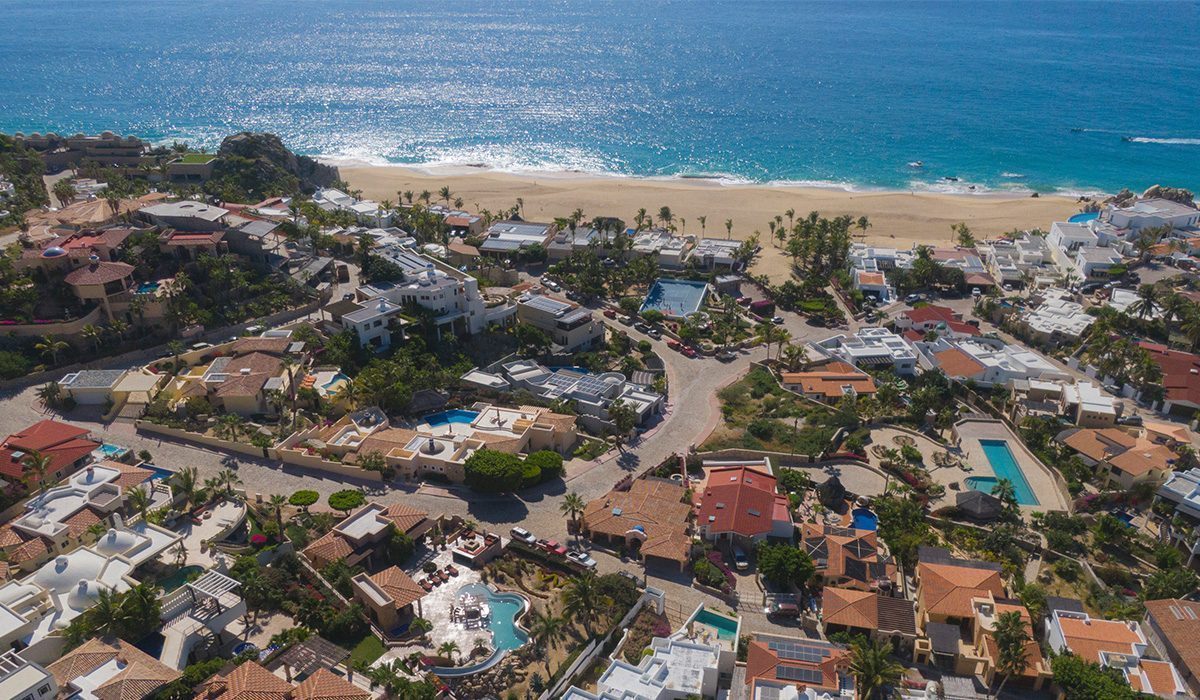
Los Cabos sits at the southern tip of the Baja California peninsula — a desert meeting the Sea of Cortez and Pacific Ocean. It is a mature luxury market with 40 years of institutional development, branded residences from Four Seasons, Montage, and Park Hyatt, and over 40 direct flights from US and Canadian cities. The buyer profile skews older, wealthier, and more conservative: second-home owners from California, Texas, Arizona, and the Pacific Northwest who want golf, ocean views, and a 2.5-hour flight from LAX.
Tulum sits on Mexico's Caribbean coast in Quintana Roo, about 80 miles south of Cancún. It exploded from a bohemian backpacker destination into a global wellness and digital-nomad hub over the past decade. The buyer profile skews younger, more Instagram-driven, and more speculative: remote workers, yoga entrepreneurs, and investors looking for entry-level pricing and aggressive appreciation.
Neither is better. They serve different people at different life stages with different risk tolerances. What matters is knowing what you are actually buying.
Pricing: What Your Dollar Buys
The price gap is real but context-dependent:
| Metric | Los Cabos | Tulum |
|---|---|---|
| Entry-level condo | $300K–$450K | $150K–$250K |
| Mid-market condo | $500K–$1.2M | $300K–$600K |
| Luxury villa | $1.5M–$5M+ | $600K–$2M |
| Price per sq ft | $350–$850 | $200–$500 |
| Annual appreciation | 6–10% | 8–15% (volatile) |
Tulum's lower prices attract first-time international buyers. But cheaper per square foot does not mean better value. A $200,000 Tulum condo in a development with unreliable water, no paved access road, and an unresolved ejido land claim is not a deal — it is a liability. A $450,000 Cabo condo in a gated community with clean title, municipal water, 24-hour security, and branded management is.
Flight Access: Not Even Close
This is where Cabo dominates. SJD airport receives 40+ nonstop routes from US and Canadian cities. LAX to SJD is 2 hours and 20 minutes. There are multiple daily flights from Dallas, Denver, Phoenix, San Francisco, Seattle, and even seasonal service from Newark and JFK.
Tulum's Felipe Carrillo Puerto Airport (TQO) opened in April 2024 but has been slow to attract major carriers. Most US visitors still fly into Cancún International (CUN) — a 90-minute drive (or longer with Cancún traffic) — which adds friction and cost to every visit. Until TQO gets meaningful US route expansion, this remains Tulum's biggest structural disadvantage.
For a second-home owner who plans to visit 6–10 times per year, flight convenience is not a minor consideration. It is the difference between a home you actually use and one you abandon.
Title and Legal Risk
Both markets require a fideicomiso (bank trust) for foreign buyers in the restricted coastal zone. But the similarity ends there.
Los Cabos
Cabo's real estate infrastructure has been developing since the 1970s when FONATUR (Mexico's tourism development trust) laid out San Jose del Cabo and the Tourist Corridor. Title insurance is available from companies like Stewart Title and First American. Most properties in established communities have clean chain-of-title going back decades. The due diligence process is well-established, and experienced notarios have handled thousands of foreign transactions.
Tulum
Tulum's land history is more complicated. Much of the surrounding area was originally ejido land — communal agricultural parcels that were never intended for private sale. While Mexico's 1992 PROCEDE reform allowed ejido conversion to private title, the process was not always completed properly. Some Tulum developments were built on land where the ejido-to-private conversion is disputed, incomplete, or fraudulent.
Additionally, SEMARNAT has taken enforcement action against multiple Tulum-area developments built in ecological protection zones, on cenote systems, or in mangrove areas. In 2022, Mexican authorities demolished the Tulum airport terminal construction due to environmental violations, forcing a redesign. Several residential developments have faced similar scrutiny.
This does not mean all Tulum real estate is risky. It means your due diligence must be exhaustive, and you need a Mexican attorney (not just the developer's notario) reviewing land tenure, environmental permits, and municipal construction authorizations independently.
Infrastructure Reality Check
Infrastructure separates a first-world second home from a developing-world adventure property. Here is the honest assessment:
- Water: Los Cabos has municipal water service (OOMSAPAS) supplemented by desalination plants in major developments. Tulum's water infrastructure is strained — many developments rely on wells and cenote water that may not meet quality standards, and the water table is shallow and vulnerable to contamination.
- Roads: Cabo's Highway 1 (Transpeninsular) and the Corridor highway are well-maintained, four-lane divided highways. Tulum's main coastal road is a two-lane highway that becomes congested, and many developments are accessed by unpaved roads that flood during rainy season.
- Internet: Cabo has fiber optic in developed areas and Starlink coverage everywhere else, with speeds of 50–200 Mbps. Tulum has improved but still has spotty service in newer developments — critical for remote workers.
- Power: CFE provides reliable electricity in Los Cabos with occasional outages during hurricane season. Tulum experiences more frequent outages, and generator or solar backup is more important.
- Healthcare: Los Cabos has modern hospitals including H+ Los Cabos and Blue Net, with specialists and medical tourism infrastructure. Tulum has limited medical facilities — serious medical needs require transfer to Playa del Carmen or Cancún.
Ready to Explore Cabo Communities?
We match buyers to the right community based on lifestyle, budget, and investment goals. Start with a no-obligation call.
Book a CallRental Income Comparison
Both markets produce strong vacation rental income, but the profiles differ:
| Metric | Los Cabos | Tulum |
|---|---|---|
| Gross annual (2BR condo) | $40K–$70K | $25K–$45K |
| Peak season | Nov–Apr (6 months) | Dec–Mar (4 months) |
| Peak nightly rate | $250–$450 | $180–$350 |
| Low season occupancy | 30–50% | 20–40% |
| Management fee | 20–30% | 20–35% |
Cabo's longer peak season and higher nightly rates produce better absolute returns. But Tulum's lower purchase prices can produce competitive cap rates — if the property is well-located, properly titled, and has reliable infrastructure. That is a big if.
Climate and Lifestyle
This is deeply personal, but the differences are stark:
Los Cabos: Desert climate. 350+ days of sunshine. Low humidity most of the year (June–September gets humid). Water temperature 68–86°F depending on season. Pacific side has powerful surf; Sea of Cortez side has calmer, warmer water. The vibe is resort luxury — golf, deep-sea fishing, fine dining, wine bars. Average age of the expat community skews 50+.
Tulum: Tropical Caribbean. High humidity year-round (75–95%). Heavy rainfall June–October. Mosquitoes are a real quality-of-life issue during rainy season — something that does not exist in Cabo's dry climate. Warm Caribbean water (78–84°F) with cenotes for freshwater swimming. The vibe is bohemian wellness — yoga, cacao ceremonies, underground clubs, farm-to-table. Average age skews 30–40.
I have walked both markets. Los Cabos feels like a destination that grew up. Tulum feels like a destination still deciding what it wants to be. Neither is wrong — but if you are buying a second home where you plan to spend decades, the maturity of the market matters.
The Bottom Line: Who Should Buy Where
Buy in Cabo if:
- You want established infrastructure, clean titles, and institutional-grade development
- Flight convenience matters — you will visit 6+ times per year
- You prioritize golf, fishing, desert landscapes, and dry heat
- You want branded-residence options (Four Seasons, Montage, Park Hyatt)
- You are buying a long-term second home, not a speculative flip
Buy in Tulum if:
- You want lower entry price and are comfortable with higher risk
- Caribbean vibes, cenotes, and tropical jungle are your aesthetic
- You are younger, more adventurous, and willing to deal with infrastructure growing pains
- You have independent legal counsel verifying land title and environmental compliance
- You understand that Tulum's rapid appreciation may not continue at historical rates
My bias is obvious — I sell Cabo. But the bias comes from experience: I have watched buyers lose money in Tulum on projects that never delivered, developments shut down by SEMARNAT, and condos that could not hold value because the access road was never paved. I have also watched smart Tulum buyers make excellent returns on properly vetted properties. The difference is always due diligence.
Explore Los Cabos Communities
Get matched to the right Cabo community for your lifestyle, budget, and investment timeline. We represent buyers exclusively — no sales pressure.
Start HereFrequently Asked Questions
Is Tulum cheaper than Cabo for real estate?+
Yes. Entry-level condos in Tulum start around $150,000–$250,000 USD, while Los Cabos entry-level condos in communities like El Tezal or Fonatur start around $300,000–$450,000. However, Tulum's lower price point comes with significant infrastructure risk — many developments lack reliable water, paved roads, or proper permitting.
Which has better rental income — Cabo or Tulum?+
Los Cabos produces higher gross rental income per property. A two-bedroom Corridor condo generates $40,000–$70,000 gross annually versus $25,000–$45,000 for comparable Tulum properties. Cabo also has a longer high season (November through April) compared to Tulum's concentrated December–March peak.
How many direct flights go to Tulum vs Cabo from the US?+
SJD airport receives 40+ nonstop routes from US and Canadian cities. Tulum's new Felipe Carrillo Puerto Airport (TQO) opened in 2024 but has limited international service — most visitors still fly into Cancún (CUN), a 90-minute drive away. Cabo's flight access is dramatically better for US and Canadian buyers.
Is Tulum real estate safe to buy as a foreigner?+
Some Tulum developments carry significant risk. SEMARNAT (Mexico's environmental agency) has shut down or fined multiple projects built on protected mangroves or cenote systems. Ejido land disputes are common — verify that the land has been fully privatized with a clean title. Los Cabos has more mature title infrastructure and fewer land-tenure complications, though due diligence is essential in both markets.
What is the climate difference between Cabo and Tulum?+
Los Cabos is desert with 350+ days of sunshine and low humidity most of the year. Tulum is tropical Caribbean with high humidity year-round (75–95%), heavy rainfall from June through October, and mosquito pressure that does not exist in Cabo's dry climate. Most buyers from the Western US find Cabo's climate more comfortable.
Which is appreciating faster — Cabo or Tulum?+
Tulum appreciated faster from 2018–2023, with some areas seeing 12–15% annual gains. However, that growth has moderated as infrastructure problems and environmental enforcement actions slowed new development. Los Cabos luxury appreciated 6–10% annually during the same period with less volatility and more institutional demand from branded residences.

Aaron Cuha
Real Estate Advisor & Los Cabos Market Expert
Real estate advisor and founder of Living In Cabo. 15+ years helping families navigate complex real estate decisions. Strategic partner with Ronival — Baja's largest brokerage.