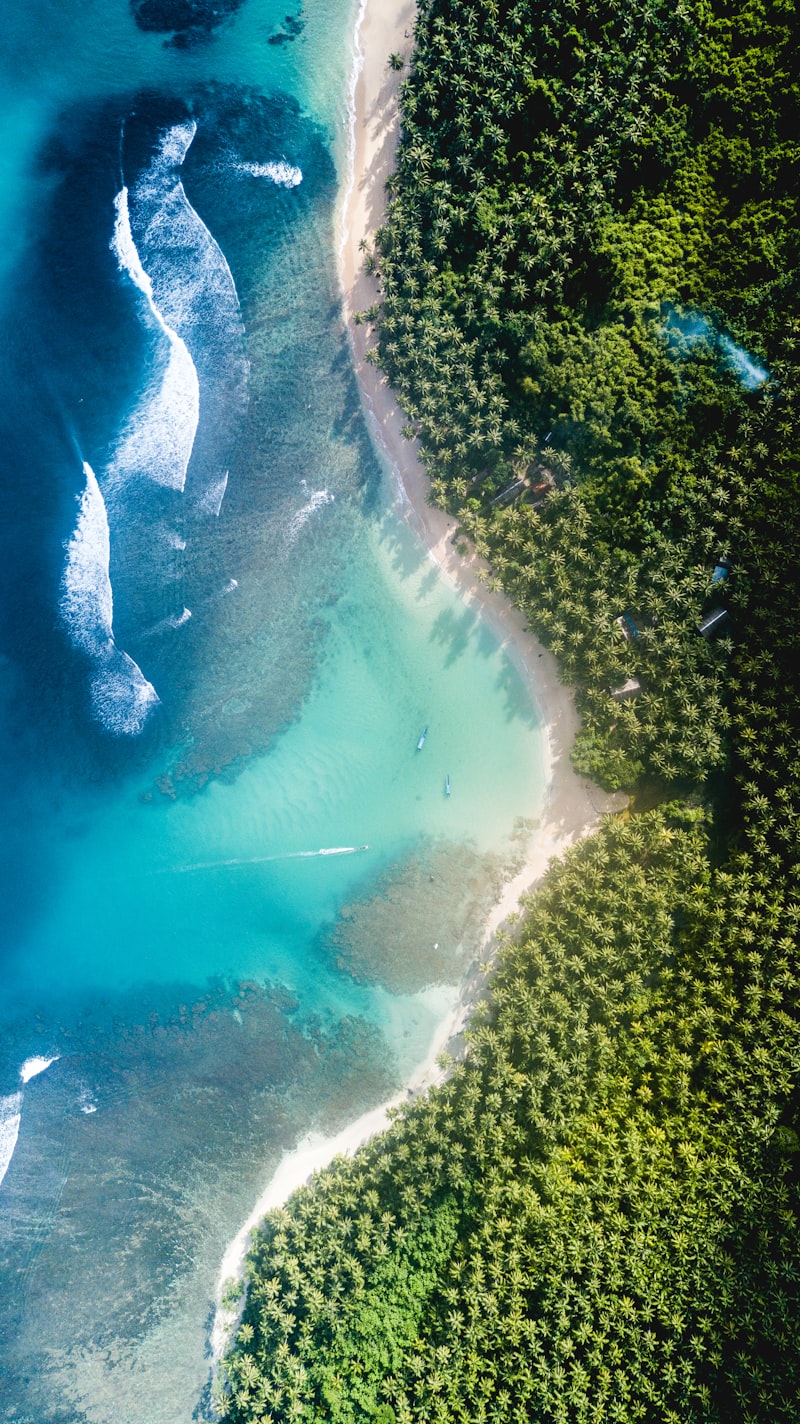
Twenty thousand humpback whales migrate past Los Cabos every winter. From the right terrace, the show is free. Here is the month-by-month calendar.
Key Takeaways
- ✓ Humpback whale season: December-April, peak January-February (20,000+ whales)
- ✓ Best vantage communities: Pedregal, Quivira, Punta Ballena, Diamante (Pacific side)
- ✓ Whale sharks near La Paz: October-March (world's largest aggregation)
- ✓ Sea turtle nesting on Pacific beaches: June-December
- ✓ Ocean-view rentals command $50-$150/night premium during whale season
Want an Ocean-View Property?
The best whale watching happens from home. We help buyers find ocean-facing properties in the communities with the best vantage points.
Find Your ViewThe Morning Coffee Show
I will never forget the first time I saw a humpback whale breach from a client's terrace in Pedregal. We were sitting outside reviewing property documents with our morning coffee, and a 40-ton whale launched itself completely out of the water about 800 meters offshore. The splash was visible for five seconds. The client looked at me and said, "I do not need to see any more listings."
That is the thing about ocean wildlife in Los Cabos that no listing photo captures: it is not a once-a-season event. During peak whale season (January-February), homeowners with Pacific-facing properties see whale activity almost daily — breaches, tail slaps, spouts on the horizon, and occasionally mother-calf pairs swimming close to shore. It becomes the backdrop of your morning routine.
Jacques Cousteau called the Sea of Cortez "the world's aquarium." He was not exaggerating. The convergence of cold Pacific currents and warm tropical waters creates one of the most biodiverse marine environments on the planet. And Los Cabos sits right at the tip where these two bodies of water meet.
Month-by-Month Wildlife Calendar
January-February: Peak Whale Season
This is the main event. An estimated 20,000+ humpback whales migrate from Alaska and British Columbia to the warm waters around Baja California Sur to breed and calve, according to CONANP (Mexico's national protected areas commission). The Sea of Cortez and Pacific coast around Los Cabos are primary congregation areas. Gray whales are also present on the Pacific side, heading to their calving lagoons in Magdalena Bay (3 hours north).
What homeowners see: daily whale spouts and breaches from elevated ocean-facing properties. During peak activity, you might count 10-20 spouts in an hour with binoculars. Breaches — the full-body launch — happen multiple times per day. Mother-calf pairs swim closer to shore than adult males, sometimes passing within 200-300 meters of beachfront communities.
March-April: Late Season and Calf Activity
Whale activity continues but gradually decreases as the migration reverses. Late season is actually excellent for whale watching because newborn calves are learning to breach and play — their smaller, more frequent breaches are entertaining and closer to shore. The mothers are less skittish than during breeding season. By mid-April, most humpbacks have departed north.
May-June: Transition Season
Whale activity drops off, but the ocean does not go quiet. Manta rays begin appearing in the Sea of Cortez. Dolphin pods are active year-round but especially visible in late spring as water temperatures warm. Sea turtle nesting season begins on Pacific beaches in June — olive ridley turtles come ashore at night to lay eggs.
July-September: Summer Marine Life
Water temperatures peak at 80-86°F, attracting tropical species. Snorkeling and diving are at their best — visibility in the Sea of Cortez reaches 80-100 feet. Mobula ray migrations (thousands of rays leaping from the water) are a spectacular summer phenomenon. Marlin and sailfish runs intensify, building toward the legendary Bisbee's tournament in October.
October-December: Whale Sharks and the Return
Whale sharks — the world's largest fish, up to 40 feet long and completely harmless — congregate in La Paz bay from October through March. The 90-minute drive from Los Cabos makes this a regular weekend outing for homeowners. Swimming alongside a whale shark in clear, warm water is one of the defining Baja experiences.
By late November, the first humpback whales arrive and the cycle restarts.
Want a Front-Row Seat?
Ocean-facing properties with whale watching potential are in high demand during peak season — both for personal enjoyment and rental premiums.
Explore Ocean-View PropertiesBest Communities for Wildlife Viewing
- Pedregal: Elevated Pacific-facing villas offer some of the best whale watching vantage points in all of Los Cabos. The cliffside properties look directly out over the whale migration corridor
- Quivira: Pacific-facing condos and villas along the dramatic bluffs. Copala and Mavila units with ocean views catch daily whale activity during season
- Punta Ballena: The name means "Whale Point" — named specifically for the whale watching. Cliffside lots with unobstructed Pacific views
- Diamante: Pacific-facing properties along the Crystal Lagoon and El Cardonal course look out over prime whale territory
- Palmilla and Chileno Bay: Sea of Cortez-facing properties also see humpback activity, particularly in the deep channel between the Corridor and the islands
Pro tip: invest in quality binoculars ($150-$300 for a good marine pair) and keep them by your terrace door. The difference between naked-eye whale watching and binocular-enhanced viewing is dramatic — you will see behaviors (spy-hopping, pec-slapping, calf nursing) that are invisible without magnification.
Conservation and Responsible Viewing
Los Cabos takes marine wildlife protection seriously. Mexican regulation NOM-131-SEMARNAT governs whale watching activities: boats must maintain a 100-meter minimum distance, approach from behind and to the side (never head-on), limit viewing time, and reduce speed in whale zones. Cabo Pulmo national marine park, a 90-minute drive up the East Cape, is one of the most successful marine conservation stories in the world — a no-take zone since 1995 that has seen fish biomass increase by over 400% according to Scripps Institution of Oceanography.
As homeowners, we are stewards of this ecosystem. Support operators who follow the regulations. Do not approach nesting sea turtles on the beach. Participate in beach cleanups. And know that the ocean wildlife you enjoy from your terrace exists because of decades of conservation work — and continued protection depends on the community that lives here.
Ready to See It for Yourself?
The wildlife calendar alone makes Los Cabos one of the most remarkable places to own property. Let us find you the home with the view to match.
Start Your SearchThinking about buying here rather than just visiting? Our free 33-page Buying Property in Mexico guide covers the fideicomiso, closing costs in real dollars, and the 27-point checklist we run on every property.
Frequently Asked Questions
When is whale season in Los Cabos?+
Humpback whale season in Los Cabos runs from mid-December through mid-April, with peak activity in January and February. An estimated 20,000+ humpback whales migrate from Alaska and British Columbia to the warm waters of the Sea of Cortez and Pacific coast of Baja California Sur to breed and calve. During peak season, it is common to see multiple whale breaches, tail slaps, and spouts from elevated ocean-facing properties. Gray whales follow a slightly different calendar: they pass through the Pacific side from late November through March, heading to and from their calving lagoons in Magdalena Bay and Laguna Ojo de Liebre further up the Baja peninsula.
Can I see whales from my property in Cabo?+
Yes, if your property has an elevated ocean-facing view. Communities with the best whale watching from home include Pedregal (elevated Pacific-facing villas), Quivira (Pacific-facing condos and villas along the bluffs), Punta Ballena (cliffside properties with direct Pacific views), Diamante (Pacific-facing lots and homes), and elevated Corridor properties with Sea of Cortez views at Palmilla, Chileno Bay, and Cabo del Sol. During peak season (January-February), homeowners in these communities routinely see breaches, spouts, and mother-calf pairs from their terraces, pools, and living rooms. Binoculars enhance the experience significantly — a good pair costs $150-$300 and is essential gear for any ocean-facing Cabo home.
What other marine wildlife can Los Cabos homeowners see?+
Beyond whales, Los Cabos offers year-round marine wildlife viewing. Dolphins: bottlenose and spinner dolphins are visible year-round, often in pods of 20-100+ animals. Manta rays: giant Pacific mantas (wingspans up to 20 feet) frequent the Sea of Cortez September through November. Sea lions: a permanent colony resides at Land's End (El Arco) year-round, visible from Pacific-facing properties and boats. Sea turtles: olive ridley and leatherback turtles nest on Pacific beaches from June through December, with hatchling releases organized by conservation groups. Whale sharks: the world's largest fish congregate in La Paz bay (90 minutes from Cabo) from October through March. Marlin and sailfish: visible (and catchable) from May through November, with the famous Bisbee's tournament in October.
Which side of Cabo is better for whale watching — Pacific or Sea of Cortez?+
Both sides offer whale sightings, but the Pacific is generally better for watching from shore. Humpback whales frequent both the Pacific coast and the Sea of Cortez, but the Pacific side (Pedregal, Quivira, Diamante, Punta Ballena) tends to have more concentrated activity because the whales follow the Baja Pacific coastline on their migration route. The Sea of Cortez side (Palmilla, Chileno Bay, Cabo del Sol) also sees humpback activity, particularly in the channel between the Corridor and the East Cape. Gray whales are exclusively Pacific-side. For boat-based whale watching tours, both sides offer excellent operators departing from the Cabo San Lucas marina.
Are there whale watching tours from Los Cabos?+
Yes, numerous operators run whale watching tours from the Cabo San Lucas marina during December-April. Tours typically last 2-3 hours and cost $60-$150 per person. The boats head into the Pacific or around Land's End where whale activity concentrates. Mexican regulations (NOM-131-SEMARNAT) require boats to maintain a minimum 100-meter distance from whales, though whales frequently approach boats voluntarily. Premium tours on smaller vessels with marine biologist guides cost $150-$300 per person and offer a more intimate experience. For gray whale encounters, day trips to Magdalena Bay (3 hours north) offer the unique experience of gray whales approaching pangas (small boats) close enough to touch — a bucket-list experience available January through March.
Does whale season affect Cabo property values?+
Indirectly but meaningfully, yes. Properties with clear Pacific-facing or Sea of Cortez views command premiums partly because of the whale watching experience. During whale season (which coincides perfectly with peak tourist and rental season), ocean-view properties with whale sighting potential achieve higher nightly rental rates — I have seen $50-$150/night premiums for listings that specifically mention whale watching from the terrace. Whale season also drives tourism foot traffic, restaurant reservations, and charter boat bookings throughout Los Cabos, supporting the overall economic ecosystem that underpins property values. The wildlife is not just a lifestyle perk — it is a driver of the tourism economy that makes Cabo real estate valuable.

Aaron Cuha
Real Estate Advisor & Los Cabos Market Expert
Real estate advisor and founder of Living In Cabo. 15+ years helping families navigate complex real estate decisions. Strategic partner with Ronival — Baja's largest brokerage.