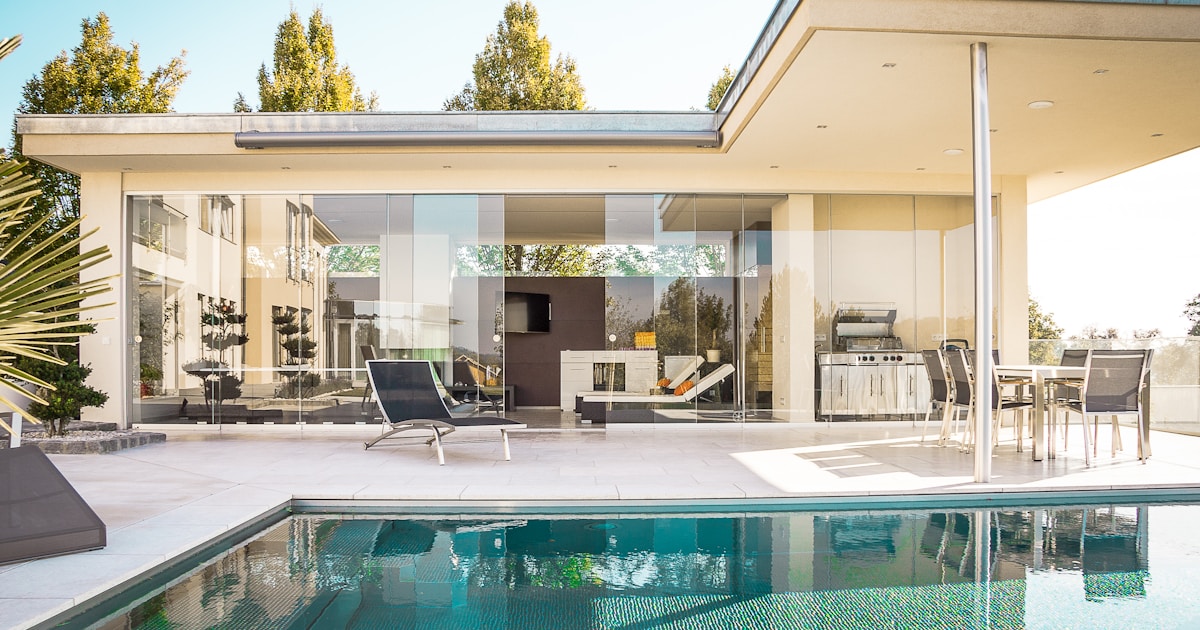
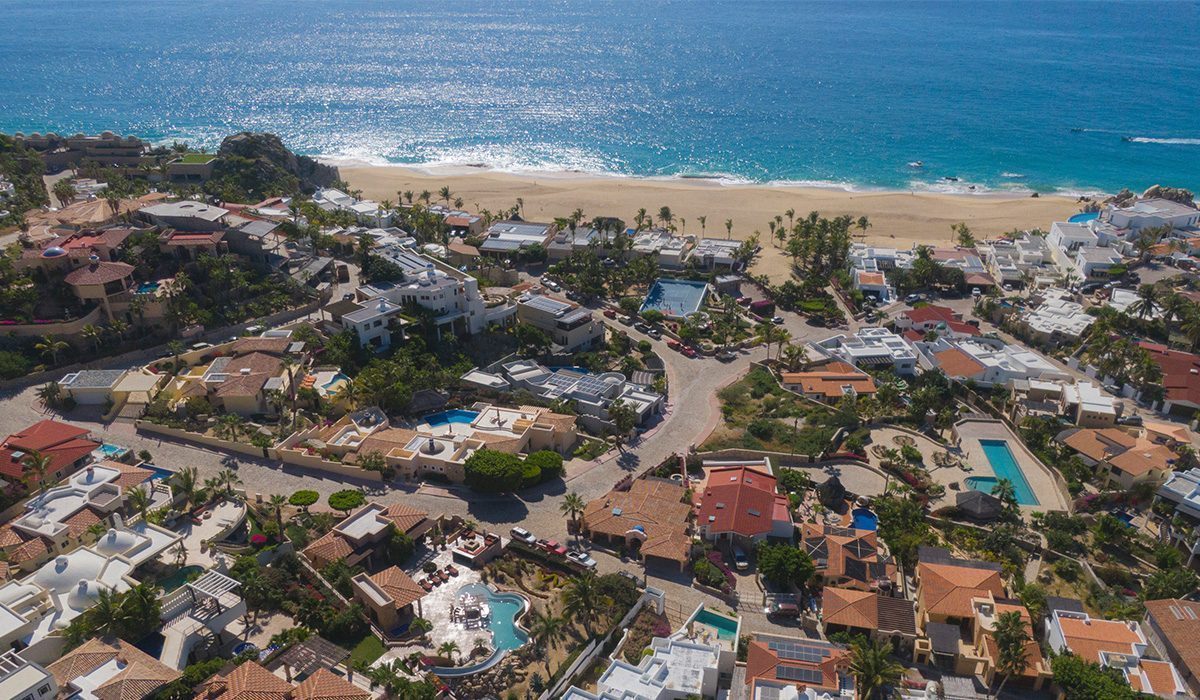
I've walked through hundreds of condos and villas across Los Cabos over the years — from $280,000 one-bedrooms in El Medano to eight-figure clifftop estates in Pedregal — and the question I get asked more than any other is some version of "which one should I buy?" The honest answer is that it depends entirely on what you're actually optimizing for, and most buyers haven't thought that through before they start touring properties.
Key Takeaways
- ✓ Condos start around $250K-$400K; villas typically start $700K-$1.2M in gated communities
- ✓ Condo HOA fees run $300-$1,200/month; villa HOAs run $400-$1,500/month where applicable
- ✓ Condos generally deliver higher, more consistent rental occupancy; villas deliver bigger per-booking revenue
- ✓ Condos resell faster due to a larger buyer pool; villas take longer but appreciate more over long holds
- ✓ Maintenance is effectively outsourced with a condo HOA; villa owners carry more direct responsibility
Not Sure Which Fits Your Goals?
Tell me what you're optimizing for — rental income, personal use, or resale — and I'll point you at the right property type and neighborhood.
Get Personalized Guidance1. Price Comparison by Property Type
Let's start with hard numbers, because price anchors every other decision in this comparison.
- Entry-level condos: $250,000 - $400,000 for a 1-2 bedroom unit in a mid-tier building, often inland or a short walk from the beach.
- Beachfront/premium condos: $500,000 - $1.2 million, concentrated in El Medano, the marina, and select Corridor developments.
- Entry-level villas: $700,000 - $1.2 million for a 3-bedroom home in a gated community like Cabo del Sol or the outer perimeter of Diamante.
- Luxury villas: $1.5 million - $5 million-plus in communities like Palmilla, Quivira, or the ultra-premium clifftop lots of Pedregal.
The gap between the top of the condo market and the bottom of the villa market has narrowed in recent years as penthouse and branded-residence condo product has pushed condo ceilings higher. Don't assume "condo" automatically means "cheaper" — a Quivira penthouse can cost more than a modest Cabo del Sol villa.

2. Maintenance: What You're Actually Signing Up For
This is the category buyers underestimate the most, and it's the one I push clients to think hardest about before they commit.
With a condo, your HOA handles the roof, the pool, the landscaping, exterior painting, common-area security, and usually a front-desk or concierge staff. You write one check a month and the building is someone else's operational problem. That's a real, quantifiable benefit if you're not living in Cabo full-time.
With a villa, you own the pool, the palapa, the irrigation system, the generator, the AC units, and every square foot of landscaping — and salt air, heat, and humidity are hard on all of it. Even inside a gated community with an HOA covering perimeter security and common roads, the house itself is entirely your responsibility. Most villa owners who aren't full-time residents hire a property manager or caretaker, which typically runs $300-$800 per month on top of HOA dues.

3. HOA Fees: Condo vs. Villa
Both property types carry HOA costs, but the fee structures and what they buy you differ meaningfully:
- Condo HOA: $300-$1,200/month, typically bundling building insurance, pool/gym maintenance, exterior upkeep, water, and often internet or basic utilities into one predictable line item.
- Villa HOA (gated community): $400-$1,500/month, generally covering perimeter security, gatehouse staffing, common landscaping, and road maintenance — but not anything inside your property line.
- Standalone villa (no gated community): $0 HOA, but also zero shared security infrastructure, meaning you're funding private security and all maintenance entirely on your own.
Run the true all-in monthly cost before comparing sticker prices. A $900,000 condo with a $700 HOA and a $1.1 million villa with a $500 HOA plus a $500 caretaker often land close to the same real monthly carrying cost.
Want the Real Numbers on a Specific Property?
Book a call and I'll break down true all-in carrying costs — HOA, property management, utilities — for the specific condo or villa you're considering.
Book a Free Call4. Rental Income: Which Actually Performs Better
This is where I see the most confused thinking. Buyers assume "bigger property, bigger rental income" — but that's not how Cabo's short-term rental market actually works.
A well-located 2-bedroom condo in El Medano or near the marina books consistently because it fits the largest slice of the rental market: couples, small groups of friends, and families who don't need five bedrooms. High booking frequency at a moderate nightly rate often produces a strong, steady annual yield.
A villa in Palmilla or Quivira books less frequently but at a dramatically higher nightly rate — often to groups splitting the cost across six to ten people for a bachelor party, family reunion, or wedding week. Gross annual revenue can rival or exceed a comparable condo, but the booking calendar is lumpier and more seasonal.
Neither is objectively "better" for income — it's a question of whether you'd rather have steady, moderate cash flow or fewer, larger payouts with more seasonal risk. For a deeper look at the numbers, see our vacation rental income and ROI guide.
5. Lifestyle Fit: Which One Matches How You'll Actually Live
Set the spreadsheet aside for a minute. Ask yourself how you'll actually use the property.
- If you want to lock the door and leave for six months without worrying about anything, a condo is the lower-stress choice.
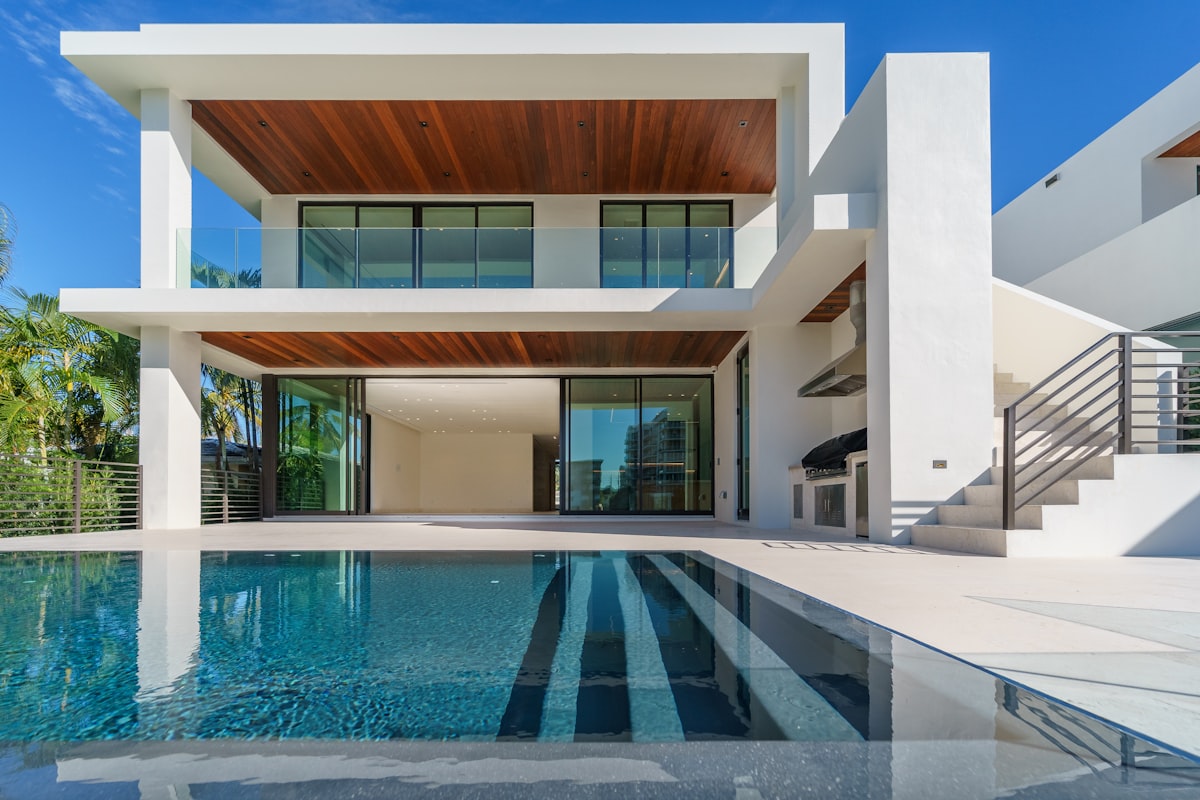
- If you want space to host family, a private pool, and the feeling of owning a real home rather than a unit in a building, a villa delivers that in a way no condo can.
- If walkability to restaurants, the beach, and nightlife matters, condos in El Medano or the marina area win decisively — most villa communities require a car or golf cart for everything.
- If privacy and quiet are non-negotiable, a villa in a lower-density community like Cabo del Sol or Palmilla will beat any condo, no matter how nice the building.
6. Resale and Long-Term Appreciation
Condos generally resell faster. The buyer pool is larger because the entry price is lower and the maintenance commitment is smaller, which means more qualified buyers can say yes. A well-priced, well-located condo in a strong building can move in weeks to a few months.
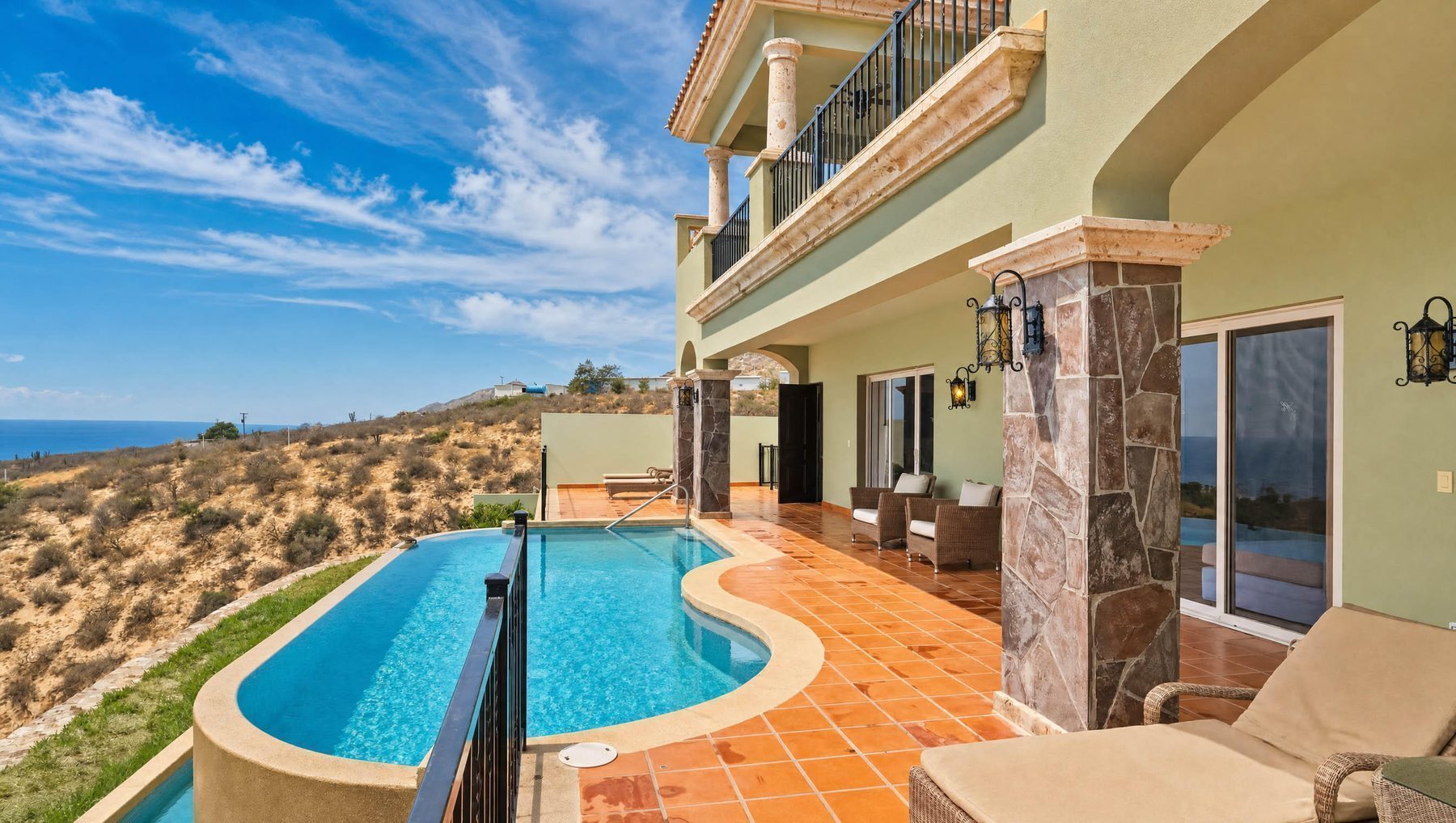
Villas take longer to sell — often several months to over a year for higher-priced luxury product — because the buyer pool is inherently smaller. But villas, particularly in established, land-constrained communities like Pedregal, have historically shown stronger long-term appreciation. Land is finite; condo inventory in a given building is not, and new competing towers can cap price growth for existing units in a way that doesn't happen with a unique, single-lot villa.
If your time horizon is five-plus years and appreciation matters more than liquidity, that tilts toward a villa. If you want to be able to sell relatively quickly if your plans change, that tilts toward a condo.
7. Financing and Insurance Differences
Financing terms can differ meaningfully between condos and villas, and it's worth understanding before you fall in love with a specific property. Cross-border and Mexican bank lenders often view condos in established buildings as lower risk — there's a track record of comparable sales in the same building to anchor an appraisal, and HOA-maintained common areas reduce the lender's concern about deferred maintenance tanking the collateral value.
Villas, especially custom or unique properties, can be harder to appraise cleanly because there's no perfect comparable next door. This doesn't mean villas can't be financed — they routinely are — but expect a more detailed appraisal process and potentially a slightly lower loan-to-value ratio than you'd get on a comparable-priced condo.
Insurance follows a similar pattern. Condo owners typically insure only their unit's interior and contents, since the building's master policy (funded through HOA dues) covers the structure itself. Villa owners need a full property insurance policy covering the structure, pool, and all improvements — meaningfully higher premiums, but also full control over coverage levels rather than relying on a building-wide policy you don't control.
8. The Day-to-Day Ownership Experience
I've owned and managed both property types on behalf of clients, and the lived experience is genuinely different in ways that don't show up in a spec sheet. Condo ownership feels closer to owning a really nice hotel room you happen to hold title to — amenities are shared, decisions about the building are made collectively through the HOA board, and your personal control stops at your unit's front door.
Villa ownership feels like owning a home anywhere else in the world, just with palm trees and salt air. You decide on landscaping, you choose your own security setup if you're outside a gated community, and you're not subject to a condo board's rules about renovations, rental restrictions, or pet policies. That autonomy is exactly what some buyers want and exactly what other buyers find exhausting to manage from a distance.
Ask yourself honestly: do you want ownership to feel like an extension of a resort, or like a second home you fully control? That answer, more than any financial spreadsheet, usually points buyers toward the right property type.

9. Matching Property Type to Neighborhood
Not every neighborhood favors both property types equally, and this is where a lot of buyers waste time touring the wrong inventory. El Medano is overwhelmingly a condo market — high-rise towers dominate the beachfront, and villa inventory there is scarce and expensive. Pedregal is the opposite: it's fundamentally a villa community built on dramatic hillside lots, with only limited condo product available.
Communities like Palmilla, Cabo del Sol, and Diamante offer a genuine mix of both, which makes them good hunting grounds if you're still deciding between property types and want to compare real options side by side within the same neighborhood rather than across completely different parts of the region.
10. So Which Should You Buy?
Here's the honest framework I use with clients:
- Buy a condo if: this is a lock-and-leave second home, rental income and liquidity matter more than space, or your budget caps out under $600,000.
- Buy a villa if: you plan to spend extended time in Cabo, want privacy and space for family, or your time horizon is long enough to ride out a slower resale.
- Consider both if your budget allows — some of our clients start with a condo to learn the market, then move up to a villa once they know exactly which neighborhood and lifestyle actually fits.
Whichever direction you're leaning, walk both product types in person before you commit. Photos flatten the difference between a condo and a villa in a way that a single afternoon on the ground never will.
11. Mistakes I See Buyers Make on This Decision
After walking hundreds of buyers through this exact choice, a few patterns repeat often enough that I want to flag them directly:
- Buying a villa for rental income without checking real occupancy data first. Villas can generate excellent revenue, but only in the right location and price band — a villa in a less-connected neighborhood can sit empty for stretches that a comparable condo in a high-demand building wouldn't.
- Buying a condo for personal use without checking the building's rental policy. Some HOAs restrict short-term rentals significantly, which is fine if you never plan to rent, but a real problem if your financial plan quietly assumes rental income you won't actually be allowed to generate.
- Underestimating villa maintenance costs. New villa owners are consistently surprised by pool chemical costs, palapa re-thatching, and AC unit replacement in the salt air environment — budget more conservatively than you think you need to.
- Overweighting a beautiful photo over a practical walkthrough. Both property types photograph well in Los Cabos. Only an in-person visit reveals noise levels, actual sun exposure, and how a floor plan really feels to move through.
12. A Simple Framework Before You Commit
If you're still torn, run through these three questions in order — most buyers land on a clear answer by the third one:
- How many months per year will you actually be in Cabo? Under two months favors a condo; more than four months starts to favor a villa.
- Is rental income essential to your financial plan, or a nice-to-have? Essential favors a condo in a high-demand building; nice-to-have opens the door to a villa purchased primarily for lifestyle.
- Do you want to manage a home, or hand that responsibility to an HOA? Be honest here — plenty of buyers think they want the villa lifestyle and discover they actually prefer the lock-and-leave simplicity of a condo once they own one.
There's no wrong answer, only a mismatch between the property type and how you'll actually use it. Get that match right and either option performs well.
13. Hybrid Options Worth Knowing About
Before you lock into a purely binary decision, it's worth knowing that Los Cabos has a growing middle category that blends elements of both: townhomes and duplex villas. These typically offer more private outdoor space and a lower-density feel than a high-rise condo, while carrying an HOA structure similar to a condo rather than full standalone maintenance responsibility.
You'll find this product type scattered through communities like Cabo del Sol and parts of Diamante, typically priced between the top of the condo range and the entry point for a full villa. If you like the idea of villa-style living without taking on 100% of the maintenance burden, it's worth adding a few of these to your tour list alongside pure condos and pure villas.
I've placed more than a few clients into this hybrid category once they realized, partway through touring, that they wanted more privacy than a condo building offers without fully committing to standalone villa maintenance. It's an underrated middle path that a lot of buyers don't know to ask about until an agent actually shows it to them.
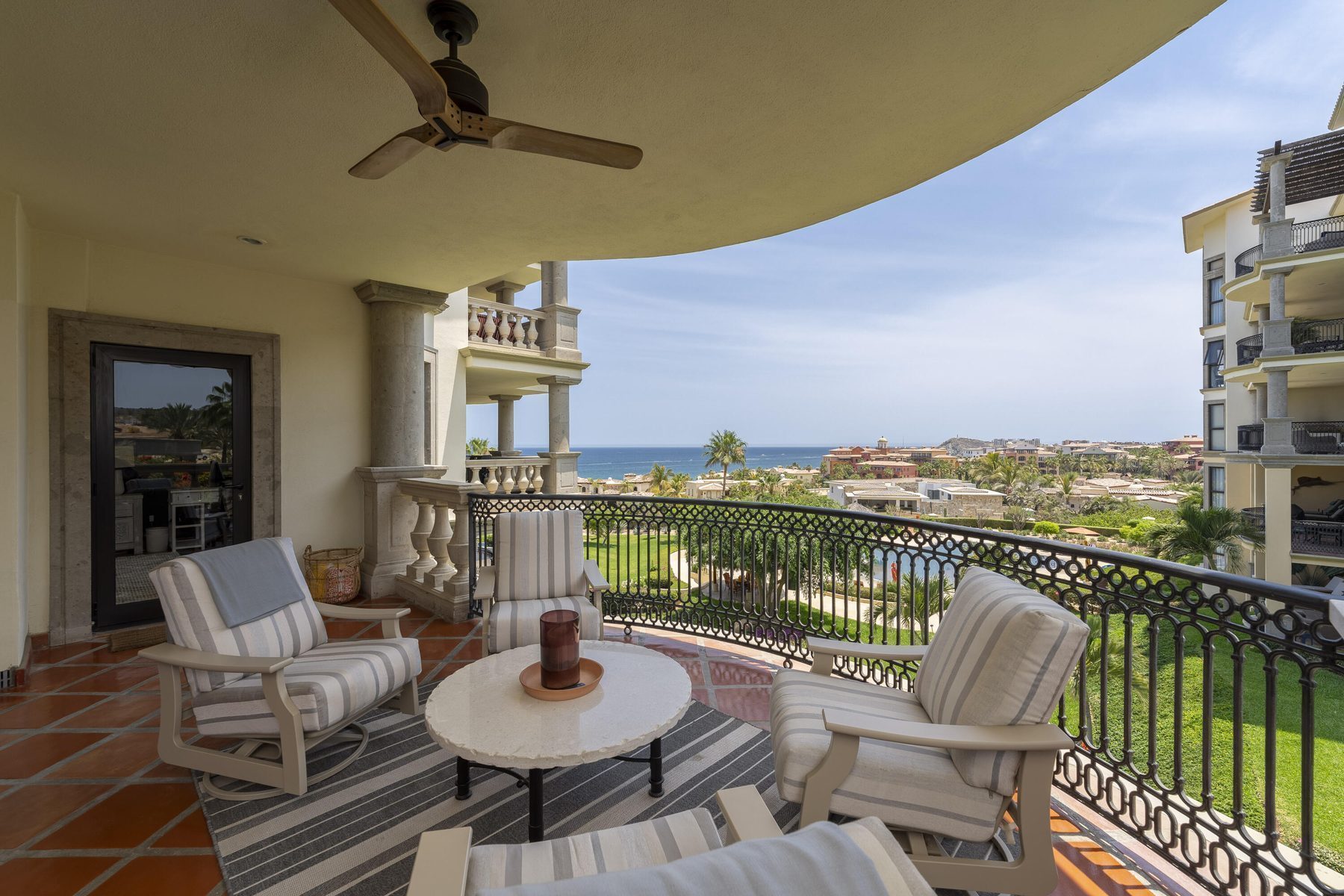
Ready to See the Difference In Person?
I'll set up a side-by-side tour of condos and villas that match your budget and goals so you can decide with real information, not guesswork.
Plan Your TourFrequently Asked Questions
Is a condo or villa a better investment in Los Cabos?+
Condos generally deliver stronger rental yield and easier resale due to a larger buyer pool and turnkey management, while villas deliver better long-term appreciation and lifestyle upside for buyers who plan to use the property extensively themselves. If short-term rental income is the primary goal, a well-located condo usually wins. If long-term wealth-building and personal use matter more, a villa usually wins.
What are typical HOA fees for a Cabo condo?+
HOA fees for Los Cabos condos typically range from $300 to $1,200 per month depending on the building's amenities, staffing, and location. Beachfront buildings in El Medano or the Corridor with pools, security, concierge, and restaurant access sit at the higher end; smaller inland complexes sit lower.
Do villas in Los Cabos have HOA fees too?+
Most villas inside gated communities like Pedregal, Palmilla, or Diamante do pay an HOA fee, typically $400 to $1,500 per month, covering security, common-area landscaping, and gate staffing. Standalone villas outside gated communities may have no HOA at all, but also no shared security or amenities.
How much does a condo cost in Los Cabos compared to a villa?+
Condos typically start around $250,000 to $400,000 for a one- or two-bedroom in a mid-tier building, and can run $1 million-plus for beachfront penthouses. Villas start around $700,000 to $1.2 million for a modest 3-bedroom in a gated community and climb well past $5 million for luxury estates in Pedregal or Querencia.
Which generates more rental income, a condo or a villa?+
Condos in high-demand beach areas like El Medano typically generate higher annual occupancy and more consistent booking volume because they suit the largest segment of short-term renters — couples and small groups. Villas generate fewer but higher-dollar bookings, often from larger families or groups splitting the nightly rate, which can produce comparable or higher gross revenue on a per-booking basis but with more seasonal variability.
Is it harder to sell a villa than a condo in Los Cabos?+
Generally yes. Villas have a smaller buyer pool because of the higher price point and the maintenance commitment involved, which typically means a longer time on market. Condos in strong locations tend to sell faster because more buyers can qualify for the price point and the maintenance is effectively outsourced to the HOA.

Aaron Cuha
Real Estate Advisor & Los Cabos Market Expert
Real estate advisor and founder of Living In Cabo. 15+ years helping families navigate complex real estate decisions. Strategic partner with Ronival — Baja's largest brokerage.