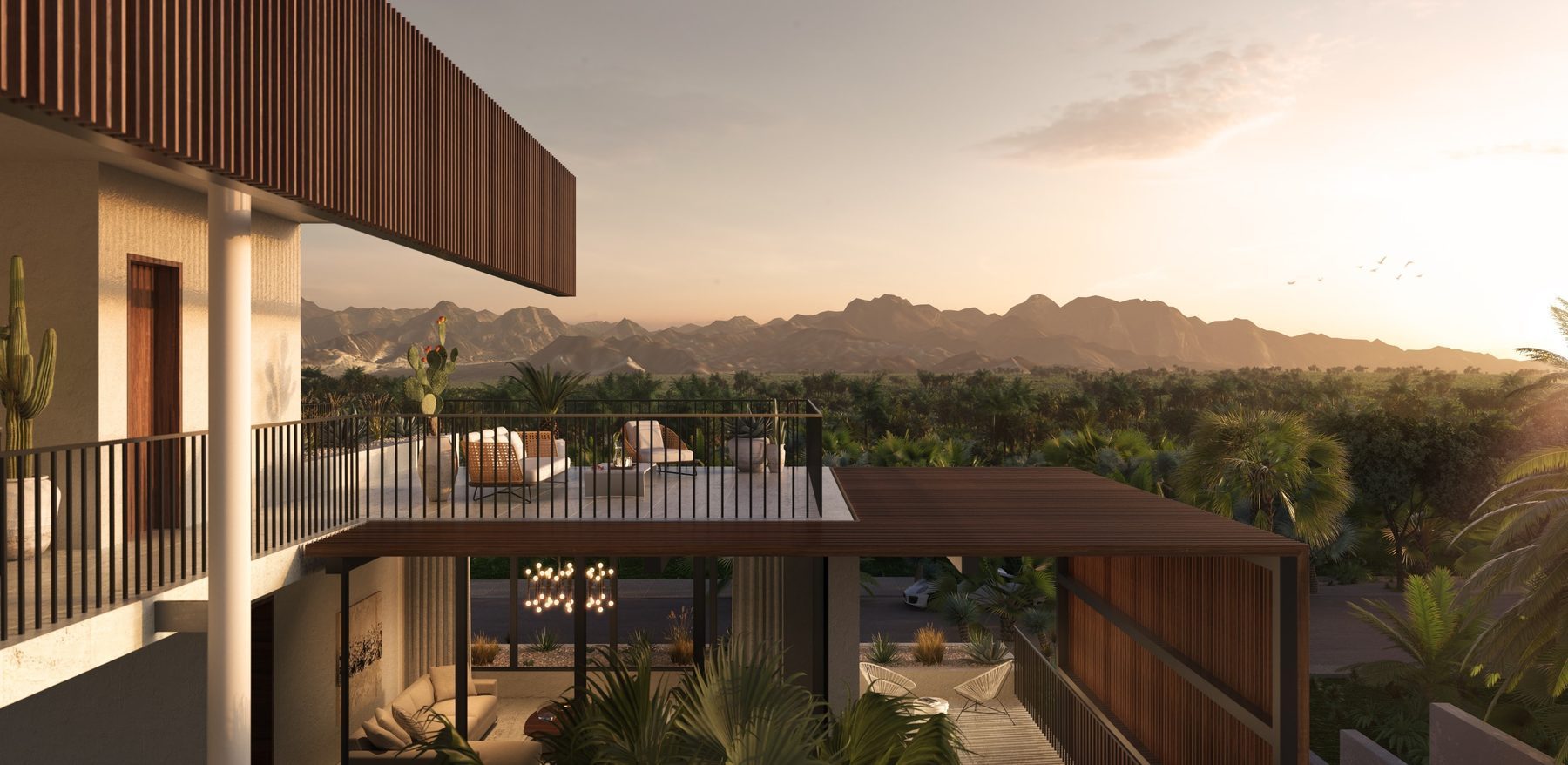
After walking dozens of Los Cabos developments over the years, I have a framework that tells me more about a community in 90 minutes than a sales office presentation will tell you in a week. It is not complicated. It is systematic. And it catches things that glossy brochures and drone videos never show you.
Key Takeaways
- A structured 90-minute walk-through covers five zones: gate and entry, common areas, building interiors, the unit itself, and conversations with current owners.
- The condition of what you see between units — hallways, landscaping, pool furniture — reveals the HOA's financial health more reliably than any financial statement.
- Talking to one current owner is worth more than an hour with the sales team. Ask about the last special assessment and whether they would buy here again.
- Red flags that make me walk away: dead landscaping, non-functioning elevators, no security cameras, empty restaurant at prime hours, and owners who hesitate when asked about management.
- This framework works on new-construction, resale, and mature developments alike.
Want me to walk a development with you?
Our Ronival partners know which communities pass this test and which do not. Tell us your shortlist and we will arrange the tours.
Send My ShortlistWhy 90 Minutes and Not an Afternoon
You do not need a full day. Ninety minutes of focused, structured observation tells you whether a development deserves a deeper look or whether you should cross it off the list. The key is knowing where to look and what the signals mean. Most buyers spend too much time in the sales office looking at floor plans and not enough time walking the actual grounds. I flip that ratio completely.
This framework works whether you are looking at Cabo del Sol, Quivira, Rancho San Lucas, or any other community. The scale changes but the principles do not.
Phase 1: The Gate and Entry (0:00 to 0:15)
The first fifteen minutes happen before you see a single unit, and they are the most diagnostic. Everything between the public road and the sales office tells you about management priorities.
The Security Gate
A well-run gate has professional guards who check IDs, log visitors, and communicate with a radio or digital system. They should be in uniform, alert, and courteous. A guard on his phone who waves you through without asking your name is the first yellow flag.
Look at the gate itself. Is it well-maintained? Does it open smoothly? Are there cameras? A gatehouse with a roster board, functioning monitors, and proper signage says the HOA takes security seriously. A folding chair and a rope barrier says the opposite.
Roads and Landscaping
Drive slowly. Look at the road surface. Potholes, cracked curbs, and faded striping are deferred maintenance. In Los Cabos, desert landscaping is the norm, but it should still be intentional: trimmed, irrigated, and alive. Dead plants, dry irrigation heads, and accumulated debris along the road edges tell you the landscape budget was cut.
Count the number of streetlights. Walk past one at night if you can. Lighting is one of the first things boards cut when money gets tight, and one of the last things they restore.
The Feel Test
This sounds soft, but it matters. Does the development feel like a place where people live and care, or does it feel like a place where people invest and check out? Active communities have residents walking dogs, staff cleaning common areas, and a general sense of life. Ghost-town communities have closed blinds, empty parking lots, and a salesperson who is a little too eager.
Phase 2: Common Areas (0:15 to 0:35)
The common areas are where the HOA budget lives or dies. You cannot fake good common-area maintenance. It costs money, and the condition of these spaces tells you exactly how the association is spending yours.
The Pool Area
Inspect the pool deck closely. Look at the grout between tiles. Look at the pool furniture: is it matching, clean, and in good repair, or is it a mismatched collection with torn cushions and rust stains? Check the shade structures. Look at the bathroom and shower facilities near the pool. A sparkling pool with a filthy restroom is a red flag — they are maintaining what photographs well and ignoring what does not.
Gym and Fitness Center
Walk in and test a few machines. Check for "out of order" signs. Look at the equipment brands and age. A gym with current, commercial-grade equipment tells you the association invests in resident amenities. A gym with residential-grade equipment from a decade ago, half of it broken, tells you the opposite. Also check: is it air-conditioned? In Cabo's heat, an un-cooled gym is unusable.
Restaurant or Club Area
If the development has an on-site restaurant, visit during a meal time. An empty restaurant at noon on a Saturday is a problem. It might mean the food is bad, but more often it means the community does not have enough residents or the social fabric is weak. A busy restaurant at lunch, even if it is casual, tells you people actually live here and want to be here.
Lobby and Reception
Approach the front desk and ask a question — even something simple like where the nearest ATM is. How quickly does someone respond? Are they professional? Is the lobby clean and well-lit? Check the bulletin board or notice area. Maintenance notices, community events, and upcoming meetings all signal an active, communicating management.
Phase 3: The Building Walk (0:35 to 0:55)
Now you go inside. This phase is about the shared infrastructure that your HOA fees are supposed to maintain.
Hallways and Corridors
The hallway is the most honest space in any building. Nobody stages a hallway for a sale. Look at paint condition, floor covering (tile, carpet, or polished concrete), lighting fixtures, and cleanliness. Scuffed walls, burned-out lights, and stained carpets mean deferred maintenance. Fresh paint, working fixtures, and clean surfaces mean someone is paying attention.
Elevators
Take the elevator. How many does the building have? What is the wait time? Check the inspection certificate — it should be current. Listen to the motor. A grinding or groaning elevator is an expensive repair waiting to happen. In a development where many owners are absentee and rely on rental management, the elevator carries luggage, cleaning equipment, and heavy traffic. It needs to be robust.
Parking and Trash Areas
Walk the parking structure or lot. Are spaces numbered and assigned? Is it well-lit? Are there cameras? Check the trash and recycling area. A clean, organized waste management system says the management company cares about the day-to-day. An overflowing dumpster behind a building tells you everything about priorities.
Also note the vehicles. A mix of Mexican-plated daily drivers and rental cars is normal. A lot full of dusty vehicles with flat tires might mean a lot of absentee owners who are not maintaining their spaces.
Phase 4: The Unit (0:55 to 1:10)
Now you enter the specific unit you are considering. The sales agent will want to talk features and finishes. Ignore the pitch for a moment and run these tests.
Water Pressure Test
Turn on every faucet and flush every toilet simultaneously. Low water pressure in a coastal Mexican development can mean undersized pipes, a failing pump, or municipal supply issues. This is the single most practical test you can do in a unit and it takes 30 seconds.
Air Conditioning Test
Turn on the AC and wait five minutes. Check every vent. Walk to the farthest room and hold your hand near the vent. If one room does not get cool, the system may have a refrigerant leak, a blocked duct, or an undersized unit. In Los Cabos, a broken AC is not a minor inconvenience — it is a dealbreaker for rental guests and for you. See my guide to AC and cooling in Cabo.
Windows and Sliding Doors
Open and close every sliding door and window. They should move smoothly. Salt air corrodes aluminum tracks and frames fast in Los Cabos. A sticky slider is a maintenance issue. A slider that does not lock properly is a security issue. Check the seals — gaps mean the AC bill goes up and moisture gets in.
Cell Signal and WiFi
Check your cell signal in every room. Some concrete buildings in Los Cabos create dead zones, especially on lower floors or interior units. If you plan to rent the property, your guests need cell service. Ask the management office for a WiFi speed test — anything below 30 Mbps is going to generate guest complaints. For full connectivity details, read the Starlink and internet guide.
Outlets and Switches
Flip every light switch. Plug your phone charger into outlets in different rooms. Non-functioning electrical is not uncommon in properties that have been vacant for months. It might be a tripped breaker or it might be a wiring issue. Either way, you want to know before you close.
Touring developments this week?
Book a call before you fly down. I will tell you which developments are worth your 90 minutes and which to skip.
Book a CallPhase 5: The Conversation (1:10 to 1:30)
This is the most important phase, and it is the one most buyers skip. The sales office will tell you what they want you to hear. Current owners will tell you the truth.
Find a Current Owner
If you see someone at the pool, in the gym, or walking the grounds, introduce yourself. Say you are considering buying and ask: "If you had to do it over, would you buy here again?" That one question opens a floodgate. Follow up with: "What is the one thing you wish you had known before buying?" and "When was the last special assessment and how much was it?"
If you cannot find an owner during your visit, ask the management office to connect you with one. Any good management company will facilitate this. A management company that refuses is hiding something.
Talk to the Security Guard
Not the supervisor. The guard at the gate. Ask casually: "Been pretty quiet around here?" Guards are surprisingly forthcoming about incidents, noise complaints, and how the community actually operates at 2 AM on a Saturday. They know which buildings have the most noise complaints and which sections are essentially vacant.
Check Visitor Parking at 7 PM
If you can, drive by the development in the evening. Full visitor parking at dinner time means the restaurants are active and people are living here. Empty lots at 7 PM in peak season suggest the community is more investment vehicle than living neighborhood. This single observation has changed my recommendation on more than one development.
Red Flags That Make Me Walk Away
- Dead or dying landscaping throughout the property. Landscape maintenance is a recurring budget item. If they cannot keep plants alive, they are not funding maintenance.
- Non-functioning elevators, pool pumps, or gym equipment. Capital equipment failures that are not being repaired mean the reserve fund is empty or the board is not prioritizing.
- No visible security cameras. Modern developments should have comprehensive CCTV. Absence suggests cost-cutting in an area that directly affects safety.
- An empty restaurant or closed amenity during posted operating hours. If the amenities that were part of the sales pitch are not operating, the economics of the community may be under stress.
- Current owners who hesitate or change the subject when asked about management. Happy owners brag about their community. Unhappy owners deflect. Read the silence. Also read my guide to 10 red flags in Los Cabos purchases.
- Visible water damage, mold, or salt corrosion in common hallways. Individual unit issues can be repaired. Building-wide moisture problems are expensive and systemic.
Green Flags That Make Me Lean In
- Staff who know residents by name. This means low turnover and a management company that invests in people.
- A busy pool on a weekday. People are here. The community is alive.
- A bulletin board with upcoming events, meeting minutes, and maintenance schedules. Transparency and communication from the board.
- Fresh paint, current elevator certificates, and matching pool furniture. The mundane stuff is being maintained, which means the budget is healthy.
- An owner who says "yes" without hesitation when asked if they would buy again. That is the most powerful endorsement a development can have.
- Construction quality you can feel: solid doors, heavy-gauge sliders, quality tile work, and properly grouted surfaces. Read more about what quality construction looks like in Cabo.
What to Do After the 90 Minutes
If the development passed, your next step is financial due diligence: request three years of HOA meeting minutes, the current budget, the reserve study, and the delinquency rate. That data will either confirm or contradict what you observed on the ground. If there is a gap between what you saw (great) and what the financials say (weak), dig deeper. The physical condition does not lie, but it might be masking a recent injection of cash that is not sustainable.
If the development failed, move on. There are 82+ developments across Los Cabos. Life is too short to talk yourself into a community that did not pass a 90-minute test.
And if you are unsure — if some signals were strong and others were concerning — that is exactly when you need a local expert walking next to you. The sales office is not going to point out the dead landscaping or the sticky elevator. Your agent should.
Need a second opinion on a development?
Send the name and I will tell you what I know about it — the good, the bad, and whether the numbers work.
Get My TakeFrequently Asked Questions
How long should I spend touring a Cabo development before buying?+
A structured 90-minute walk-through covering the gate, common areas, building interiors, a specific unit, and a conversation with a current owner will give you more actionable intelligence than a full day of sales presentations. Follow up with financial due diligence if the development passes.
What is the biggest red flag in a Los Cabos development?+
Dead or dying landscaping throughout the property. Landscape maintenance is a recurring, non-discretionary budget item. If the association is not watering the plants, they are cutting corners on everything else too. It is the most visible sign of financial stress.
Should I trust the sales office presentation?+
Sales offices are designed to sell. They will show you the best unit, the best view, and the best renderings. Trust but verify: walk the grounds yourself, test the infrastructure, and talk to current owners before making a decision.
How do I find a current owner to talk to during a tour?+
Visit during weekday midmorning or late afternoon when residents are at the pool or common areas. Introduce yourself honestly and ask simple questions. If no residents are visible, ask the management office to connect you. A refusal to facilitate this conversation is itself a red flag.
What should I test inside a condo unit?+
Run all faucets and flush toilets simultaneously to test water pressure. Turn on the AC and check every vent after five minutes. Open and close all sliding doors and windows. Test outlets in every room. Check cell signal strength in each room and ask for a WiFi speed test.
Does this framework work for new-construction developments?+
Yes, with modifications. In new construction, focus more on the developer's track record, the construction quality of finished buildings, the sales velocity (what percentage is sold), and the delivery timeline versus original promises. Common-area condition still applies to the phases that are complete.
What financial documents should I request after a development passes the walk-through?+
Request three years of HOA meeting minutes (actas de asamblea), the current annual budget, the reserve study if one exists, and the delinquency rate. These four documents will confirm or contradict what you observed on the ground.
How many developments should I tour before buying in Los Cabos?+
Tour at least three to five developments in your target price range and region. Seeing multiple communities back to back sharpens your eye and makes quality differences obvious. A development that seemed good in isolation might look mediocre next to a well-run competitor.

Aaron Cuha
Real Estate Advisor & Los Cabos Market Expert
Real estate advisor and founder of Living In Cabo. 15+ years helping families navigate complex real estate decisions. Strategic partner with Ronival — Baja's largest brokerage.