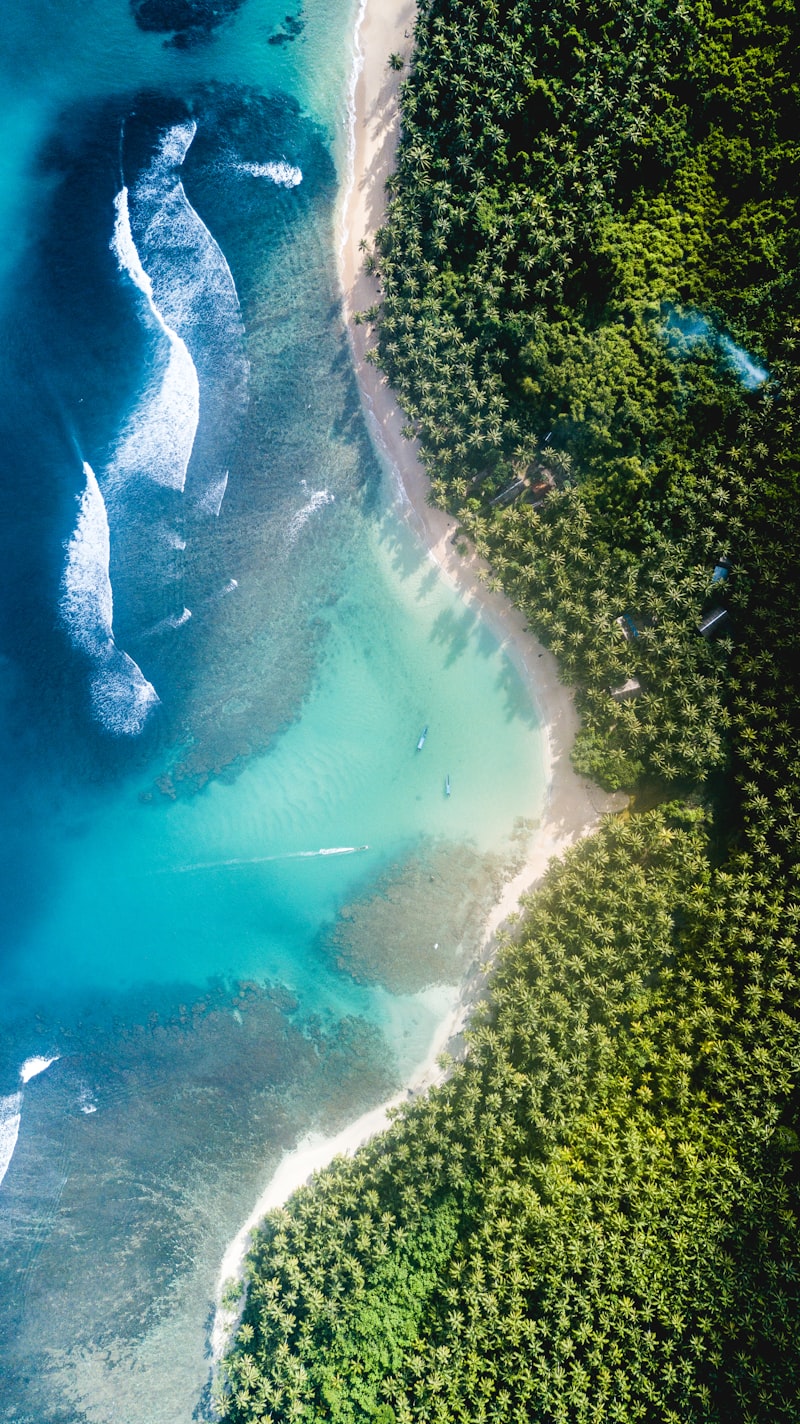
Two hours north of Los Cabos sits a city that most Cabo tourists never see — and most Cabo residents cannot stop visiting. La Paz is the capital of Baja California Sur, population roughly 300,000, and it is everything that Cabo is not: authentically Mexican, culturally rich, architecturally colonial, and home to some of the most extraordinary marine encounters on Earth.
Key Takeaways
- ✓ La Paz is 2 hours north of Cabo San Lucas via the Transpeninsular Highway — an easy day trip or overnight.
- ✓ Whale shark season (October–April) offers snorkeling with 30- to 40-foot whale sharks — tours run $120–$180 per person from La Paz.
- ✓ Balandra Beach is consistently ranked among Mexico's most beautiful — shallow turquoise water, white sand, free access.
- ✓ La Paz has Costco, Sam's Club, and Home Depot — many Cabo residents do bulk shopping runs here.
- ✓ The Malecon waterfront is one of Mexico's best — 3 miles of sculpture, restaurants, and sunset views over the Sea of Cortez.
Thinking About Living in Los Cabos?
La Paz is part of the package. Let's show you the full Baja lifestyle — not just the resort corridor.
Get in TouchGetting to La Paz
The drive from Cabo San Lucas to La Paz is approximately 110 miles (177 km) via the Transpeninsular Highway (Highway 1), Baja's main north-south artery. The road is well-maintained, mostly a divided highway, and the scenery is stunning — you pass through the Sierra de la Laguna foothills, cactus-dotted desert, and stretches of Sea of Cortez coastline.
From San Jose del Cabo, the drive is about 1 hour 45 minutes. From Cabo San Lucas, add 15-20 minutes. If you are coming from the East Cape or Los Barriles, La Paz is only about 60-75 minutes north via the coastal road.
Driving Tips
- Gas up before you leave. There are Pemex stations along the highway, but spacing can be 30-40 miles between them.
- Do not drive at night. Free-range cattle and burros on the highway are a real hazard after dark. The highway is unlit and animals on the road are nearly invisible.
- Leave early. For a full day trip, leave by 7-8 AM. This gives you a full day in La Paz with a comfortable return before dark.
- Bring your car insurance. Mexican auto insurance is mandatory — see our Baja driving guide. If you have a US-plated vehicle, verify that your policy covers travel beyond the free zone.
Whale Sharks: The Main Event
From October through April, the Bay of La Paz hosts one of the world's great marine wildlife aggregations. Whale sharks — the largest fish on Earth, reaching 30 to 40 feet in length and weighing up to 20 tons — gather in the shallow, plankton-rich waters to feed. And you can snorkel with them.
This is not a "maybe you will see one" experience. During peak season (November through February), encounter rates on guided tours are essentially 100%. The boats motor out to the aggregation area — usually 20-30 minutes from the La Paz marina — and you slip into the water alongside animals the size of a school bus. They are filter feeders, completely harmless, and entirely indifferent to your presence.
It is, hands down, one of the most extraordinary wildlife experiences available anywhere on the planet. And it is two hours from your Cabo front door.
Tour Logistics
- Cost: $120–$180 USD per person from La Paz operators. Cabo-based day-trip packages (including round-trip transportation) run $200–$280.
- Duration: Boat tours are typically 3-4 hours, including transit to the aggregation area and 2-3 in-water encounters.
- What's included: Snorkel gear, wetsuit, guide, boat, and usually a light lunch or snacks.
- Regulations: Mexican law requires guides, limits the number of swimmers per shark (2 plus a guide), prohibits touching the animals, and mandates a minimum approach distance. Licensed operators follow these rules strictly — they depend on the whale sharks' continued presence for their livelihood.
- Booking: Book directly with La Paz operators for the best prices. Fun Baja, Whale Shark Experience, and Baja Adventure Co. are reputable outfitters. High-season weekends sell out — book a week ahead.
Balandra Beach
Playa Balandra is about 15 miles north of downtown La Paz, and it is one of the most beautiful beaches in the Americas. The water is shallow — you can wade 200 meters offshore and still be waist-deep — turquoise, warm, and calm. The sand is white. The surrounding desert hills create a sheltered cove that feels like a private lagoon.
The iconic feature is El Hongo (The Mushroom) — a naturally sculpted rock formation that has become the unofficial symbol of La Paz. It is been photographed millions of times, and in person it is even better than the photos.
Practical notes:
- Access: Free, but the beach now has a daily visitor cap to protect the ecosystem. Arrive early — before 9 AM on weekends, before 10 AM on weekdays.
- Facilities: Minimal. No food vendors, no restaurants. Bring water, snacks, a cooler, and sunscreen. There are basic restrooms and a parking area.
- Combine with: On the same road, Playa El Tecolote is another excellent beach with palapa restaurants serving fresh ceviche and fried fish. Hit Balandra in the morning, then Tecolote for lunch.
Isla Espiritu Santo
Espiritu Santo is a UNESCO World Heritage-listed island in the Bay of La Paz — a volcanic desert island with sea lion colonies, snorkeling reefs, and kayaking channels. Day trips from La Paz are one of Baja's premier outdoor experiences.
- Sea lion colony at Los Islotes: Snorkel with a colony of ~600 California sea lions. The juveniles are playful and curious — they will swim circles around you, blow bubbles in your face, and generally treat you like a new toy.
- Kayaking: Multi-day kayak camping trips around the island are a bucket-list Baja experience. Day trips focus on the western shore's sheltered coves.
- Tour cost: $100–$175 per person for a full-day boat trip including snorkeling, sea lion encounter, lunch on a beach, and kayaking.
Want the Full Baja Lifestyle?
Los Cabos is the home base. La Paz, the East Cape, Todos Santos — they are all part of the experience.
Book a CallThe La Paz Malecon
La Paz's Malecon (waterfront promenade) is one of Mexico's finest — a 3-mile stretch along the bay with public art sculptures, restaurants, bars, ice cream shops, and some of the best sunset views in Baja. Unlike Cabo's marina, which is primarily a tourist zone, the La Paz Malecon is where locals walk, jog, socialize, and bring their families on weekend evenings.
What to do on the Malecon:
- Walk the sculpture trail. Dozens of public art installations line the promenade, from realistic bronze sea creatures to abstract modern pieces.
- Eat seafood. The Malecon has everything from $3 ceviche tostadas at street stalls to $40 grilled lobster dinners at waterfront restaurants.
- Watch the sunset. La Paz faces west across the Bay of La Paz. The sunsets rival anything you see from the Cabo Corridor, with the added atmosphere of a bustling city promenade.
- Visit the cathedral. La Catedral de Nuestra Señora de La Paz sits just off the Malecon — a beautiful colonial church dating to the 19th century.
The Food Scene
La Paz is widely considered to have better seafood than Los Cabos — more authentic, more varied, and significantly less expensive. This is a working fishing port, not a resort town, and the quality of what comes off the boats reflects that.
Must-Try Dishes
- Chocolate clams (almejas chocolatas): La Paz's signature dish. These large, dark-shelled clams are unique to the Sea of Cortez and are prepared raw as ceviche, grilled with garlic butter, or served in cocktails. You cannot get them at this quality anywhere else in Mexico.
- Ceviche: The Malecon stalls serve ceviche that rivals anything on the Yucatan coast. Shrimp, fish, mixed — fresh, bright, and $5-8 per serving.
- Fish tacos: La Fuente and Bismark are institutions. Battered and fried or grilled, with handmade tortillas, at prices ($2-3 per taco) that make Cabo's $8 fish tacos feel like robbery.
- Machaca de marlin: Smoked, dried marlin shredded and sautéed with onions, peppers, and tomatoes. A Baja specialty that you eat for breakfast with eggs and flour tortillas.
- Mercado Municipal: The central market has produce stalls, butchers, spice vendors, and food counters serving $5-8 lunch plates of the day. This is where La Paz eats, not the tourist restaurants.
Why Cabo Residents Go to La Paz
Beyond the beaches and whale sharks, La Paz serves a practical function for Los Cabos residents:
- Shopping: La Paz has a Costco, Sam's Club, Home Depot, Liverpool (department store), and a larger selection of retail than Los Cabos. Many Cabo residents make monthly shopping runs for bulk groceries and household goods.
- Government offices: The state capital houses government offices for immigration (INM), tax registration (SAT for RFC), vehicle registration, and other administrative needs that require in-person visits.
- Medical specialists: La Paz has the state's largest hospital (Hospital General de BCS) and medical specialists not available in Los Cabos — see our healthcare guide.
- Ferry to mainland Mexico: The Baja Ferries and TMC terminals in La Paz connect to Mazatlan and Topolobampo on the mainland — useful for vehicle transport and cargo if you are relocating.
- Real estate: Some Cabo expats eventually buy second properties in La Paz, where prices are 40-60% lower than comparable Los Cabos properties and the lifestyle is authentically Mexican.
Making It an Overnight
While La Paz works as a day trip, spending a night opens up the full experience. Boutique hotels in the historic center run $80-$150 per night (compared to $300+ for comparable quality in Los Cabos). The nighttime Malecon — lit up, alive with street musicians, and cooled by the sea breeze — is an experience worth staying for.
A suggested overnight itinerary:
- Day 1: Drive up in the morning. Balandra Beach and Tecolote Beach. Late lunch of chocolate clams on the Malecon. Sunset walk. Dinner at Nim or Rancho Viejo.
- Day 2: Whale shark tour (October–April) or Isla Espiritu Santo trip. Lunch at the Mercado Municipal. Browse the shops on Obregon. Drive home in the afternoon.
Frequently Asked Questions
Ready to Explore All of Baja?
Cabo is the home base. The whole peninsula is the lifestyle. Let's find your place in it.
Contact MeThinking about buying here rather than just visiting? Our free 33-page Buying Property in Mexico guide covers the fideicomiso, closing costs in real dollars, and the 27-point checklist we run on every property.
Frequently Asked Questions
How far is La Paz from Cabo San Lucas?+
La Paz is approximately 110 miles (177 km) north of Cabo San Lucas, a drive of about 2 hours via the Transpeninsular Highway (Highway 1). From San Jose del Cabo, the drive is about 1 hour 45 minutes. The road is a well-maintained divided highway for most of the route, with beautiful desert and Sea of Cortez views.
When is whale shark season in La Paz?+
Whale shark season in the Bay of La Paz runs from October through April, with peak encounters from November through February. Snorkeling with whale sharks — the world's largest fish, reaching 30 to 40 feet in length — is one of the most extraordinary wildlife experiences on the planet. Tours cost approximately $120 to $180 USD per person from La Paz operators and include gear, guides, and boat transportation. The sharks are filter feeders and completely harmless to humans.
What is Balandra Beach and how do I get there?+
Playa Balandra is a UNESCO World Heritage-nominated beach about 15 miles north of downtown La Paz, known for its shallow turquoise water, white sand, and the iconic mushroom-shaped rock formation (El Hongo). It is consistently ranked among Mexico's most beautiful beaches. Access is free but the beach now has a daily visitor cap — arrive early (before 9 AM) on weekends. There is no food service at the beach, so pack provisions.
Is La Paz worth visiting for Cabo residents?+
Absolutely. La Paz offers a completely different experience from Los Cabos — it is a working Mexican city with genuine culture, an excellent Malecon (waterfront promenade), world-class seafood, Costco and Sam's Club for bulk shopping, government offices for residency paperwork, and access to activities like whale shark snorkeling, Balandra Beach, Isla Espiritu Santo, and the Carnival celebration. Most long-term Cabo residents visit La Paz regularly for both practical errands and leisure.
Can I take a whale shark tour from Cabo San Lucas?+
Most whale shark tours operate from La Paz, not Cabo San Lucas. Cabo-based operators offer day-trip packages that include round-trip transportation to La Paz plus the boat tour, typically costing $200 to $280 USD per person all-in. Alternatively, you can drive to La Paz yourself and book directly with a local operator for $120 to $180 per person, which gives you more flexibility to explore the city before or after.
What should I eat in La Paz?+
La Paz is widely considered to have better seafood than Los Cabos, at lower prices. Must-try dishes include: chocolate clams (almejas chocolatas) — a La Paz specialty found nowhere else in this quality, ceviche at the Malecon stalls, fish tacos at La Fuente or Bismark, marlin smoked fish (machaca de marlin), and fresh oysters at the Mercado Municipal. The Malecon waterfront has dozens of restaurants ranging from casual seafood stands to upscale dining.

Aaron Cuha
Real Estate Advisor & Los Cabos Market Expert
Real estate advisor and founder of Living In Cabo. 15+ years helping families navigate complex real estate decisions. Strategic partner with Ronival — Baja's largest brokerage.