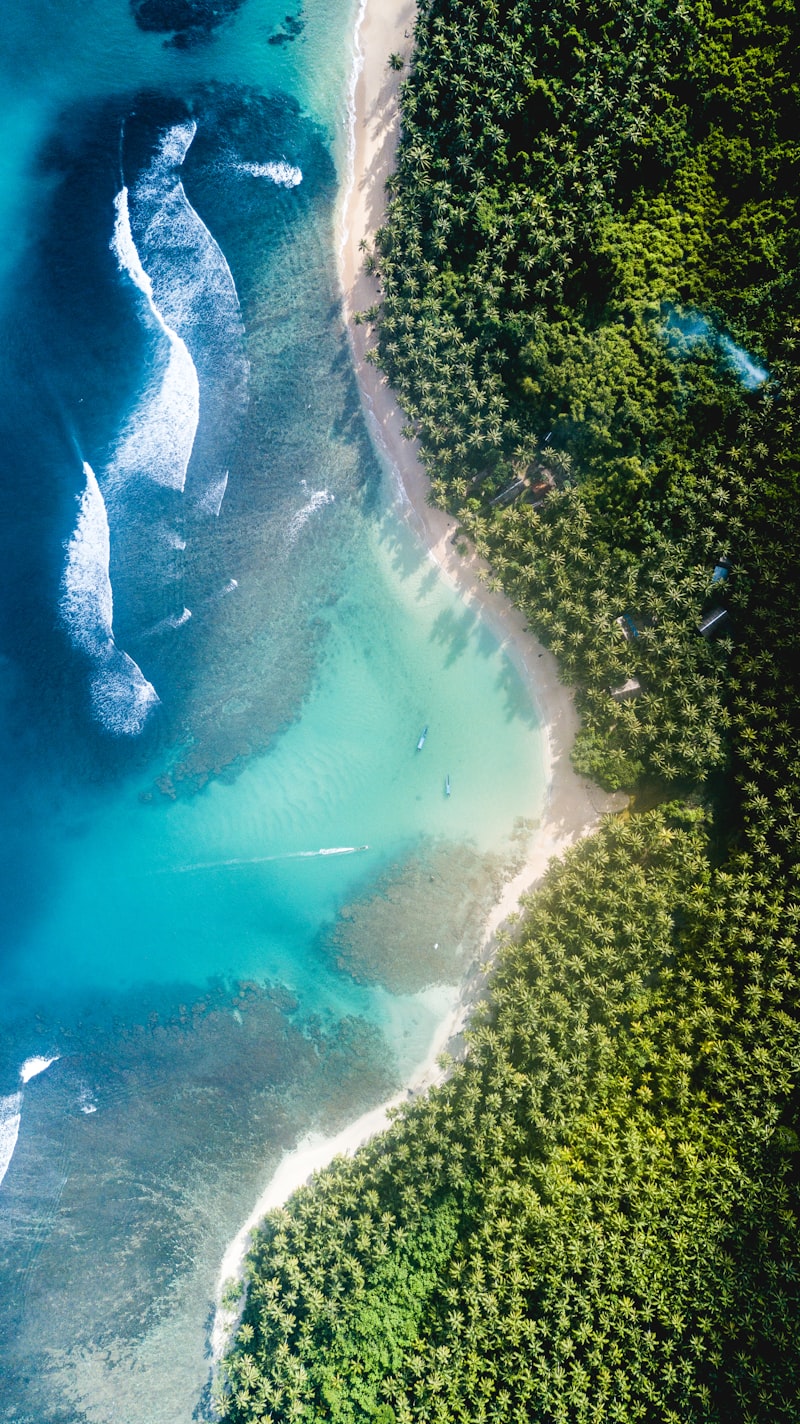
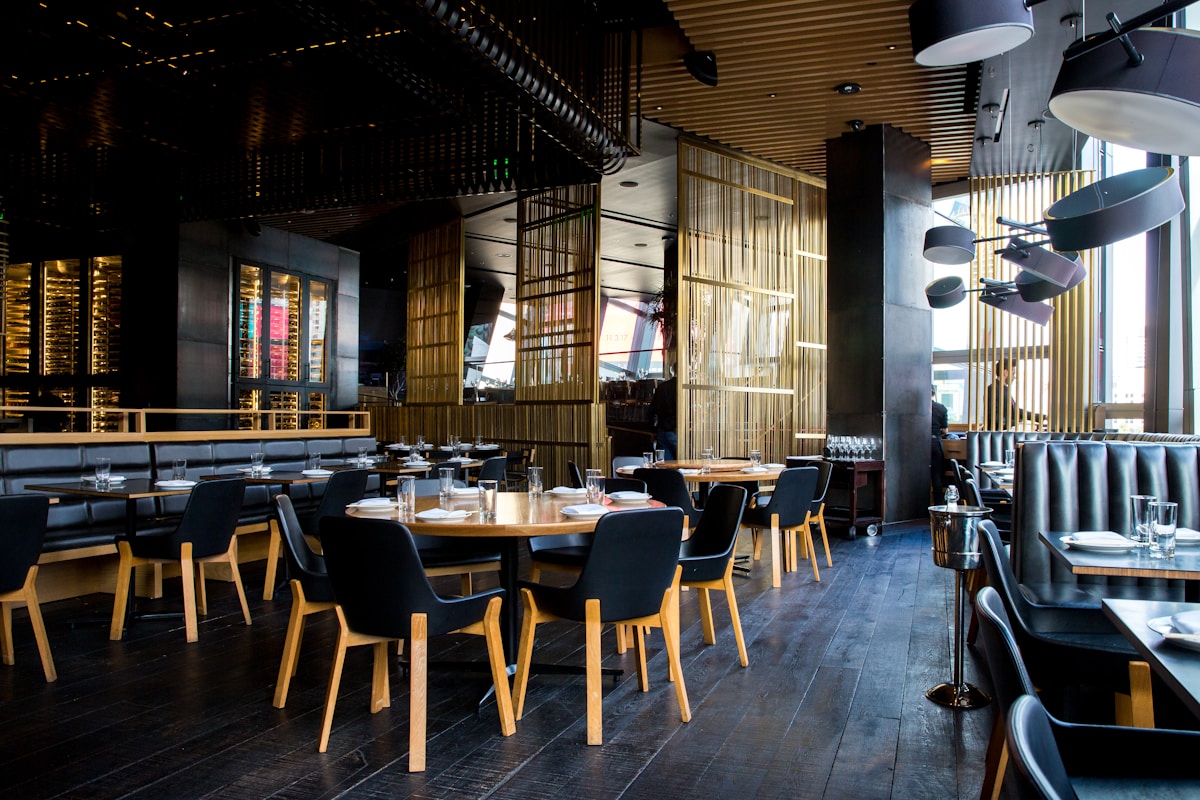
I eat at the resort restaurants. They are excellent. But when I want the meal I will actually remember — the one that makes me close my eyes because the flavors are that good — I am sitting on a plastic chair at a taco stand on a side street that has no sign and no menu in English.
Key Takeaways
- ✓ Street tacos in Cabo run 25-50 pesos ($1.50-$3 USD) — a full meal for two under $25
- ✓ Smoked marlin tacos are the signature Baja California Sur street food
- ✓ Chocolate clams (almejas chocolatas) are a regional delicacy found only in BCS
- ✓ The San Jose del Cabo organic market (Saturday mornings) is the best single food destination
- ✓ Baja Med cuisine — Mexican-Mediterranean-Asian fusion — is the region's culinary identity
Moving to Cabo? The Food Is Part of the Lifestyle.
Location determines which taco stands, markets, and food scenes are in your daily orbit. Let us match you to a community that fits your lifestyle.
Find Your NeighborhoodBaja California Sur Specialties You Will Not Find Elsewhere
Every beach town in Mexico has tacos and ceviche. What makes Los Cabos different is what grows, swims, and is preserved here and nowhere else.
Tacos de marlin ahumado. Smoked marlin is to Cabo what pulled pork is to the Carolinas — the foundational local protein. Fishermen have smoked marlin here for generations as a preservation method. The fish is shredded, mixed with tomato, onion, and chipotle, then folded into a corn tortilla with shredded cabbage. Every taco stand has its own version. The best ones use marlin smoked that morning. Price: 25-45 pesos.
Almejas chocolatas (chocolate clams). Named for their deep brown shells, these large clams are harvested from the shallow waters around Baja California Sur. They are not available on the mainland or in the United States — this is a hyper-local ingredient. Served raw with lime and Valentina hot sauce, or grilled with garlic butter. Order them at any mariscos restaurant. They are sustainable, delicious, and something your friends back home have never heard of.
Machaca. Sun-dried shredded beef — a Baja staple that predates refrigeration. Traditionally pounded with a stone and rehydrated with scrambled eggs, tomato, onion, and green chiles. You will find machaca burritos at breakfast spots and market stalls throughout the Cape region. It is comfort food at its most fundamental.
Pitahaya. The native cactus fruit of Baja Sur, harvested from cardón cactus in September through November. It looks like a small dragon fruit with a more intense, berry-like flavor. You will see it at farmers markets and roadside fruit stands. It is seasonal and local — this is the kind of ingredient that makes a food scene distinctive rather than generic.
Damiana. An herb native to Baja California Sur, traditionally used as a medicinal tea and now distilled into a liqueur. The Damiana margarita is the signature cocktail of Los Cabos — you will find it at everything from beach bars to fine dining. The liqueur tastes faintly of herbs and honey. Buy a bottle at the airport duty-free on your way home.
The Taco Guide: Where Locals Actually Eat
The tourist strip along the Cabo San Lucas marina has taco options. They are fine. They are also twice the price and half the quality of what you will find two blocks inland. Here is where to go:
Cabo San Lucas
The taco scene in Cabo San Lucas lives on and around Calle Hidalgo and Calle Zaragoza — the downtown grid behind the marina tourist strip. Walk past the souvenir shops, turn inland, and follow the smoke.
- Taquería Los Paisas — carne asada and al pastor on handmade tortillas. No English menu. Point at what you want. Tacos run 35-50 pesos.
- Tacos Gardenias — a Cabo institution for fish tacos. Beer-battered fish, shredded cabbage, creamy chipotle sauce. Open late, always packed.
- The unnamed stands near Soriana — the parking lot cluster near the Soriana supermarket on Lázaro Cárdenas has 3-4 rotating taco operations that serve the lunch crowd. Birria, carnitas, and cabeza (beef head — try it before you judge it).
- Maro's Shrimp House — technically a restaurant, but the garlic shrimp platter and cold beer on the marina is a local ritual. Portions are enormous. Under $15 per person.
San Jose del Cabo
San Jose is the quieter, more authentic food town. The taco scene here skews more local and less tourist-adjusted.
- The mercado on Boulevard Mijares — the main market area has multiple food stalls with birria, pozole, tortas ahogadas, and fresh jugos (juices). Breakfast here is a revelation.
- Taquería Rossy — locals' favorite for breakfast burritos and machaca.
- The street vendors near the church — on weekend evenings, the area around the San Jose mission church fills with food carts selling elotes (grilled corn), esquites (corn cups), churros, and marquesitas (crispy rolled crepes).
Mariscos: The Raw and the Grilled
Los Cabos sits at the confluence of the Pacific Ocean and the Sea of Cortez — what Jacques Cousteau called "the world's aquarium." The seafood here is not just fresh; it is genuinely some of the best on the planet.
Ceviche and tostadas de ceviche. Raw fish (typically sierra, dorado, or shrimp) cured in lime juice with tomato, onion, cilantro, serrano pepper, and avocado. Served on a crispy tostada or in a cup with saltine crackers. The fish was swimming this morning. Every mariscos cart and restaurant serves their version.
Aguachile. Raw shrimp in a spicy lime-chile water — green (serrano), red (chile de árbol), or black (soy-based). This is Sinaloa and BCS in a bowl: brutally simple, violently spicy, and addictive. Aguachile verde is the classic. Order it at any mariscos spot and specify your spice tolerance — "no muy picante" if you are not ready for the full experience.
Zarandeado fish. Whole butterflied fish (typically huachinango/red snapper or pargo) rubbed with chile, garlic, and achiote, then grilled over mesquite. This is a Nayarit-Sinaloa tradition that has become a Los Cabos standard. A whole zarandeado with tortillas, rice, and salsa runs 250-400 pesos at a beach palapa restaurant.
Food Is Half the Reason to Live Here
Seriously. The tacos alone are worth the cost of the flight. Let us help you find a home in the neighborhood where the food is best.
Book a Free CallMarkets and Farm-to-Table
The Saturday organic market in San Jose del Cabo is the single best food destination in Los Cabos. It is not a tourist attraction, although tourists do show up. It is where local chefs source ingredients, where farms sell direct, and where you can eat your way through a dozen stalls for under $20.
For the full market and farm-to-table scene, including Flora Farms, Acre, and the Corridor organic options, read our dedicated guide. The short version: Los Cabos has evolved from a chips-and-salsa destination to a legitimate culinary region in under a decade, and the farm-to-table movement — anchored by Flora Farms in the San Jose foothills — is a big reason why.
What to Drink
The tequila and mezcal scene gets its own guide. But here is the street-level drinking guide:
- Michelada — beer, lime, Clamato, chamoy, Tajín, and hot sauce in a salt-rimmed glass. This is the default day-drinking choice for anyone who knows what they are doing. Every convenience store, beach bar, and taco stand serves them. 50-80 pesos.
- Agua de Jamaica — hibiscus iced tea, naturally sweetened. Refreshing, cheap, available everywhere. The best version is at market stalls that brew it fresh.
- Damiana margarita — the Cabo signature cocktail, made with the native BCS herb liqueur. Every bar has it. The good ones use fresh lime and real Damiana, not the neon-yellow syrup version.
- Pacifico and Tecate — the Baja beers. Pacifico is from Mazatlán; Tecate is from Tecate in northern Baja. Both are better than Corona, and ordering them signals that you know where you are.
Practical Tips for First-Timers
- Carry small bills. Many taco stands do not accept cards and cannot break a 500-peso note. Carry 50s and 100s.
- Eat where locals eat. If the menu is only in English and the prices are in dollars, keep walking.
- Lunch is the best meal. The freshest fish, the most recently made tortillas, and the shortest wait are all at lunchtime (1-3 PM).
- Try everything with lime. Lime is the universal Baja condiment. Squeeze it on tacos, ceviche, fruit, beer, everything.
- Learn three phrases: "Sin cilantro" (no cilantro), "No muy picante" (not too spicy), and "Otra, por favor" (another one, please). The last one is the most important.
The food scene is one of the underrated reasons people fall in love with Cabo and decide to buy. I have watched it happen: someone comes for the beaches, discovers the tacos, and starts looking at real estate by day three. The resort restaurants are the introduction. The street food is the relationship.
Ready to Make Cabo Home?
The food is just one piece. Let us show you the communities, the lifestyle, and the properties that match how you actually want to live.
Explore CommunitiesThinking about buying here rather than just visiting? Our free 33-page Buying Property in Mexico guide covers the fideicomiso, closing costs in real dollars, and the 27-point checklist we run on every property.
Frequently Asked Questions
What is the most famous local food in Los Cabos?+
Tacos de marlin — smoked marlin shredded and served in a corn tortilla with cabbage, chipotle mayo, and lime. Smoked marlin is a Baja California Sur specialty that originated as a way to preserve the abundant catch. You can find them at nearly every taco stand in Cabo for 25-45 pesos ($1.50-$2.50 USD) each.
How much does street food cost in Cabo?+
Street tacos run 25-50 pesos ($1.50-$3 USD) each. A full plate of mariscos (seafood cocktail, tostadas, or aguachile) costs 120-250 pesos ($7-$14 USD). Fresh fruit cups and aguas frescas are 30-60 pesos ($2-$3.50 USD). A full street food meal for two with drinks runs $15-$30 USD total — compared to $80-$200 at resort restaurants.
Is street food safe to eat in Los Cabos?+
Generally yes, with standard precautions. Look for stands with high turnover (food is not sitting around), fresh preparation visible to you, and a crowd of locals — the best food safety indicator is consistent local patronage. Avoid pre-made items sitting in the sun. Start with cooked items (grilled fish tacos, birria, carne asada) before trying raw preparations like ceviche until your stomach adjusts.
What is a chocolate clam?+
Almejas chocolatas (chocolate clams) are a large clam native to the shores of Baja California Sur, named for their chocolate-brown shells. They are a regional delicacy served raw with lime and hot sauce, grilled with butter and garlic, or in ceviche. You will find them at mariscos restaurants throughout Los Cabos. They are sustainably harvested and available year-round.
Where are the best taco stands in Cabo San Lucas?+
The best taco concentration is on and around Calle Hidalgo and Calle Zaragoza in downtown Cabo San Lucas — away from the marina tourist strip. Taquería Los Paisas, Tacos Gardenias, and the unnamed stands near the Soriana parking lot are consistently excellent. In San Jose, the area around the main mercado (market) on Boulevard Mijares has strong options.
What is Baja Med cuisine?+
Baja Med (Baja Mediterranean) is a culinary style that originated in Tijuana and Ensenada, fusing Mexican ingredients with Mediterranean and Asian techniques. In Los Cabos, Baja Med influence shows up in restaurants that pair local seafood with olive oil, wine reductions, and Japanese-inspired preparations. Chef Javier Plascencia and the Tijuana culinary scene heavily influenced this movement.

Aaron Cuha
Real Estate Advisor & Los Cabos Market Expert
Real estate advisor and founder of Living In Cabo. 15+ years helping families navigate complex real estate decisions. Strategic partner with Ronival — Baja's largest brokerage.