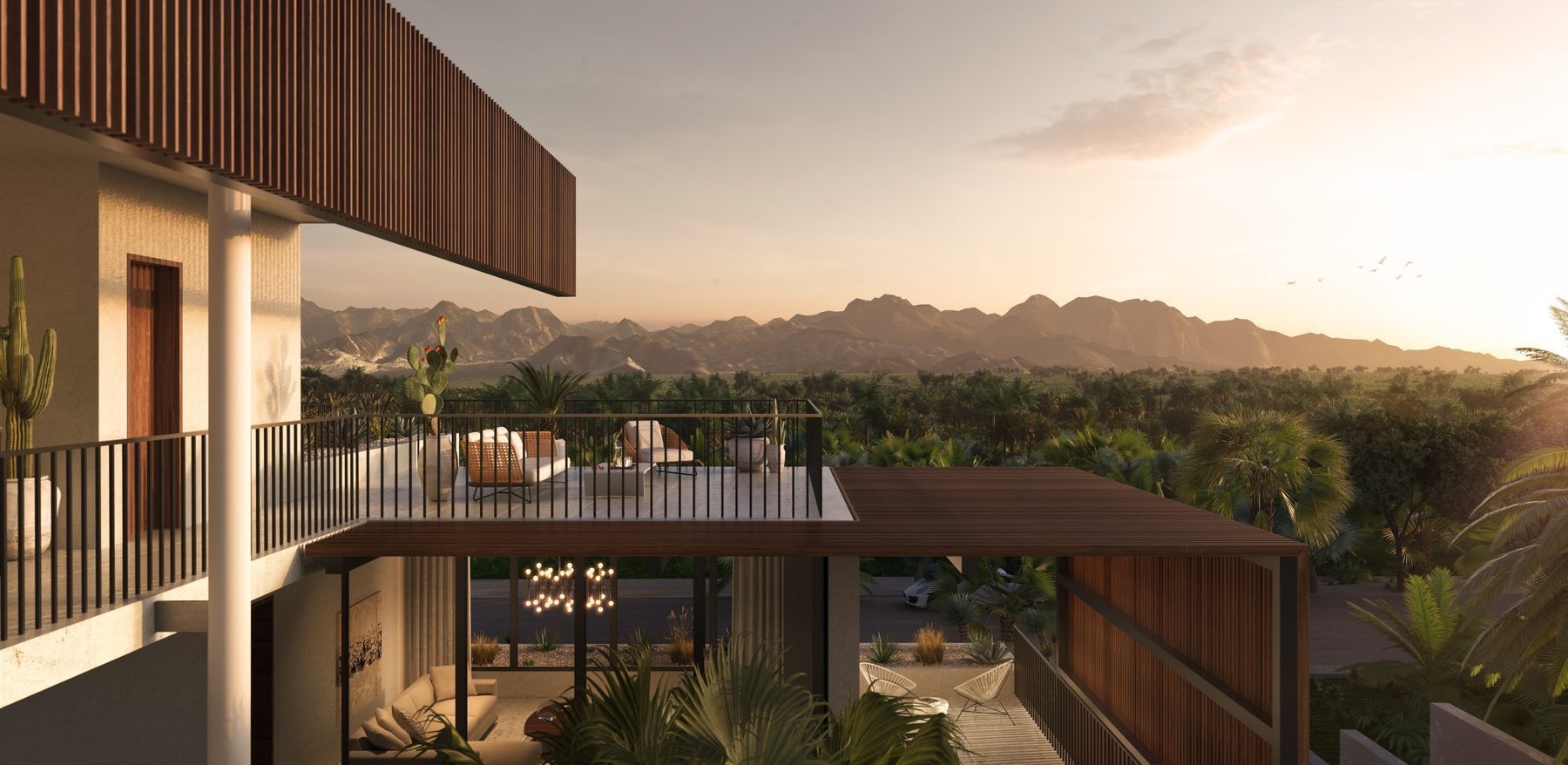
Steel corrodes ten times faster in salt air with high humidity. That single data point — documented across corrosion studies and confirmed by every property manager I know in Los Cabos — explains more about Cabo home maintenance than any other fact. If you buy property anywhere within three miles of the shoreline — which is nearly everywhere in Los Cabos — salt air and humidity will be the primary forces working against your investment. Not earthquakes, not hurricanes, not termites. Salt. Here is how to fight it.
Key Takeaways
- ✓ Steel corrodes 10x faster in coastal salt air — use 316 marine-grade stainless for all fixtures
- ✓ Monthly freshwater rinsing of exterior surfaces is the single most effective prevention measure
- ✓ HVAC systems last 5-8 years in Cabo vs 12-15 years inland — use coastal-rated units with epoxy coils
- ✓ Salt is hygroscopic (attracts moisture) — creating hidden mold conditions inside walls and ducts
- ✓ Budget 10-15% above inland maintenance costs: approximately $2,000-$5,000/year premium
Protecting Your Cabo Investment?
We connect buyers with property managers who understand coastal maintenance. The right prevention plan saves thousands in repairs every year.
Get Expert HelpHow Salt Air Attacks Your Property
Salt air is not just "salty breeze." It is a corrosive chemical agent that works continuously on every exposed surface of your property. Here is the science in plain language:
Ocean spray and evaporation deposit microscopic salt crystals on every surface — metal, glass, paint, wood, concrete. These crystals are hygroscopic, meaning they actively pull moisture from the surrounding air. This creates a thin film of salt water on surfaces that accelerates corrosion, oxidation, and degradation far beyond what plain water or dry salt would cause. The effect is most severe within 1-3 miles of the shoreline, though measurable salt deposition has been documented up to 50 miles inland in some coastal regions.
In Los Cabos, every property you are considering buying is within this zone. The Corridor, Pedregal, Palmilla, Chileno Bay, the Marina — all of it. Even properties in El Tezal or Rancho Paraiso, which feel "inland," are well within the salt air zone.
What Gets Damaged and How Fast
Metal: The Primary Casualty
Standard carbon steel corrodes at roughly 0.1mm per year in inland environments. In coastal environments with salt exposure, that rate jumps to 1.0mm per year or more — ten times faster. A wrought iron railing that would last 30 years in Denver will be structurally compromised in 3-5 years in Cabo without proper treatment.
Galvanized steel (zinc-coated) offers better protection but is not immune. Zinc corrosion rates in coastal areas average 11.1 grams per square meter per year, meaning even galvanized gutters, fasteners, and structural components have accelerated lifespans. Chrome plating — common on bathroom fixtures, door handles, and kitchen hardware — corrodes and pits within 6-12 months in salt air.
HVAC Systems: The Expensive Casualty
Your air conditioning condenser — the outdoor unit — has aluminum and copper coils that are directly exposed to salt air. Salt deposits on these coils attract moisture, creating galvanic corrosion between the dissimilar metals. The result: reduced efficiency (higher electricity bills), refrigerant leaks, and eventual system failure. Standard HVAC units in Cabo last 5-8 years compared to 12-15 years in inland environments.
Exterior Finishes: The Visible Casualty
Salt strips exterior paint faster than UV, wind, or rain. Marine-grade exterior paints last 3-5 years in Cabo versus 7-10 years for standard paints in non-coastal environments. Stucco finishes develop salt efflorescence — white crystalline deposits that leach through from beneath the surface. Concrete surfaces develop surface scaling as salt penetrates the porous material.
Electronics and Appliances
Humidity — amplified by salt's moisture-attracting properties — infiltrates electronic devices, corroding circuit boards and contacts. TVs, sound systems, and smart home devices in beachfront properties have shorter lifespans. Store electronics in climate-controlled rooms (not open-air palapa areas) and use silica gel packets in entertainment centers.
The Prevention Playbook
1. Material Selection (Before You Buy or Renovate)
- 316 marine-grade stainless steel for all railings, hardware, fasteners, outdoor kitchen components, and structural connections. Costs 20-30% more than 304 stainless; lasts indefinitely.
- Powder-coated aluminum for outdoor furniture, window frames, and non-structural elements. Corrosion-resistant and available in any color.
- Fiberglass or aluminum door and window frames instead of wood or steel. Wood swells and warps in humidity; steel corrodes.
- Concrete tile or clay tile roofing instead of asphalt shingles. Salt erodes asphalt's protective granules, accelerating aging.
- Brushed nickel or matte black finishes for interior hardware and fixtures instead of chrome.
For a deeper dive on materials that survive Cabo's climate, see our furnishing guide.
2. Monthly Freshwater Rinse (The Single Best Habit)
The most effective and cheapest prevention: rinse all exterior surfaces with freshwater monthly. This removes salt crystals before they can attract moisture and start the corrosion cycle. Include:
- Exterior walls and railings
- Windows (salt film on glass etches over time)
- HVAC condenser coils
- Outdoor furniture
- Roof surfaces (if accessible)
- Garage doors and hinges
Most property managers include this in their monthly service ($50-$100 per visit). For beachfront properties, bi-weekly rinsing during the humid season is recommended.
3. HVAC Protection
- Install coastal-rated units with epoxy-coated or Blue Fin coils — these resist salt corrosion significantly better than standard coils
- Position the condenser unit on the lee side of the building (sheltered from direct ocean exposure) when possible
- Rinse condenser coils with freshwater monthly
- Schedule professional HVAC service every 6 months instead of annually
- Budget for coil replacement every 5-7 years
Buying a Property? Ask the Right Questions
Before you close, ask about the HVAC type, metal specifications, and the previous owner's maintenance history. We will help you evaluate the true condition and future costs.
Book a Call4. Humidity and Mold Prevention
During the green season (July-October), humidity on the Sea of Cortez side reaches 60-80%. Combined with salt's hygroscopic properties, this creates prime conditions for mold growth — particularly in properties that sit empty for weeks or months.
- Run the HVAC in dehumidifier mode when the property is unoccupied. Set the target to 50-55% relative humidity. Yes, this costs $100-$200/month in electricity. It is cheaper than mold remediation ($500-$3,000).
- Use closet dehumidifiers — rechargeable moisture absorbers or plug-in units in closets, cabinets, and storage areas.
- Ensure bathroom exhaust fans vent to the exterior — not into the attic or ceiling space.
- Have your property manager check for mold quarterly — under sinks, behind furniture against exterior walls, inside closets, and in HVAC ducts.
The Annual Salt Air Premium: Real Numbers
Budget 10-15% above what you would spend on an equivalent inland property. For a typical 3-bedroom villa in Los Cabos:
| Expense | Annual Cost |
|---|---|
| Monthly exterior rinse (12x) | $600-$1,200 |
| HVAC coastal maintenance premium | $200-$400 |
| Exterior paint (amortized 3-5 years) | $600-$1,600 |
| Fixture/hardware replacement | $500-$1,500 |
| Dehumidification electricity (4 months) | $400-$800 |
| Total annual salt air premium | $2,300-$5,500 |
These are preventive costs. Reactive costs — replacing a corroded HVAC system ($3,000-$8,000), emergency mold remediation ($500-$3,000), or repainting after salt damage ($3,000-$8,000) — are significantly higher. Prevention is always cheaper.
For a complete annual ownership cost breakdown including property taxes, HOA fees, insurance, and maintenance, see our annual cost guide. For seasonal maintenance scheduling, see our year-round maintenance calendar.
Protect Your Cabo Investment From Day One
We connect buyers with property managers who specialize in coastal maintenance. The right team saves thousands in preventable damage every year.
Contact Us TodayFrequently Asked Questions
How fast does salt air corrode metal in Los Cabos?+
Steel corrodes approximately 10 times faster in salt air with high humidity compared to inland air with normal humidity. In Los Cabos, untreated mild steel can show visible rust within weeks, and structural corrosion within 6-12 months. Galvanized steel gutters and railings typically last 5-10 years in the salt zone compared to 20-30 years inland. The corrosion effect is most severe within 1-3 miles of the shoreline, though measurable salt air effects extend 5-10 miles inland. Zinc corrosion rates in coastal areas average 11.1 grams per square meter per year.
What kind of stainless steel should I use in a Cabo property?+
Use 316-grade stainless steel (also called marine-grade) for all metal fixtures, hardware, railings, outdoor kitchen components, and fasteners. The key difference from standard 304 stainless is the addition of molybdenum, which provides superior resistance to chloride (salt) corrosion. Standard 304 stainless will pit and corrode in Cabo's salt air within 1-2 years. 316 stainless costs approximately 20-30% more than 304 but lasts indefinitely with basic maintenance (periodic freshwater rinse).
How often should I rinse my Cabo property's exterior?+
Monthly freshwater rinsing of all exterior surfaces — roof, siding, windows, railings, outdoor furniture, HVAC condenser unit — is the single most effective salt-damage prevention measure. For properties directly on the beach or within 500 meters of the shoreline, bi-weekly rinsing during the humid season (July-October) is recommended. The rinse removes accumulated salt crystals before they can attract moisture and begin the corrosion cycle. Most property managers include this in their monthly service, costing approximately $50-$100 per visit.
How does salt air affect HVAC systems in Cabo?+
Salt air accelerates deterioration of HVAC condenser coils, which are typically made of aluminum or copper. Salt deposits on the coils attract moisture, creating galvanic corrosion that reduces efficiency and eventually causes leaks. In Cabo, standard HVAC condensers last 5-8 years compared to 12-15 years in inland environments. Solutions: install coastal-rated units with epoxy-coated or pre-treated coils, rinse condenser coils monthly with freshwater, and budget for coil replacement every 5-7 years. The annual cost of coastal HVAC maintenance is approximately $200-$400 above what you would pay in a non-coastal environment.
Does humidity cause mold in Cabo properties?+
Yes, particularly during the green season (July-October) when humidity levels reach 60-80% on the Sea of Cortez side. Salt is hygroscopic — it actively attracts moisture from the air — which creates conditions for mold growth inside walls, behind cabinetry, in closets, and within HVAC ducts. Prevention: run the HVAC in dehumidifier mode when the property is unoccupied (set to 50-55% relative humidity), use closet dehumidifiers or silica gel packs in closed spaces, ensure adequate ventilation in bathrooms and kitchens, and have your property manager check for mold quarterly. Mold remediation costs $500-$3,000 depending on severity.
How much more does coastal property maintenance cost in Los Cabos?+
Budget 10-15% above what you would spend on an equivalent inland property in the US. For a typical 3-bedroom villa in Los Cabos, the salt air and humidity premium adds approximately $2,000-$5,000 per year to maintenance costs. Major additional expenses: HVAC maintenance and earlier replacement ($200-$400/year premium), exterior painting every 3-5 years instead of 7-10 ($3,000-$8,000 per paint job), replacement of corroded fixtures and hardware ($500-$1,500/year), and dehumidification (electricity costs for running HVAC in dehumidifier mode, $100-$200/month during green season).
Aaron Cuha
Real Estate Advisor & Los Cabos Market Expert
Real estate advisor and founder of Living In Cabo. 15+ years helping families navigate complex real estate decisions. Strategic partner with Ronival — Baja's largest brokerage.