Jacques Cousteau called the Sea of Cortez "the world's aquarium," and everything that title promises is accessible from Los Cabos. The southern tip of the Baja Peninsula sits at the confluence of the Pacific Ocean and the Sea of Cortez, creating a nutrient-rich collision zone that supports one of the most biodiverse marine ecosystems on the planet. Whether you are a certified diver chasing hammerheads at Gordo Banks or a snorkeler floating over the reef at Chileno Bay, Los Cabos delivers underwater experiences that rival the Caribbean, the Galapagos, and the Red Sea.
Key Takeaways
- Los Cabos offers world-class diving from beginner snorkel coves to advanced pelagic dives
- Cabo Pulmo National Park — 2.5 hours east — is a top-5 North American dive site with 460% fish biomass recovery
- Best diving season: July-November for warmth and marine life; October-March for whale sharks
- Chileno Bay and Santa Maria Bay provide free, accessible snorkeling just minutes from town
- The Sand Falls at Land's End is one of the world's most unique underwater formations
- Water temperatures range from 68F (winter) to 86F (summer) with visibility of 40-100+ feet
Dreaming of a Waterfront Life in Cabo?
Live steps from world-class diving and snorkeling. Our team helps you find oceanfront properties in the best marine life corridors of Los Cabos.
Explore Oceanfront Properties1. Cabo Pulmo National Park — North America's Living Reef
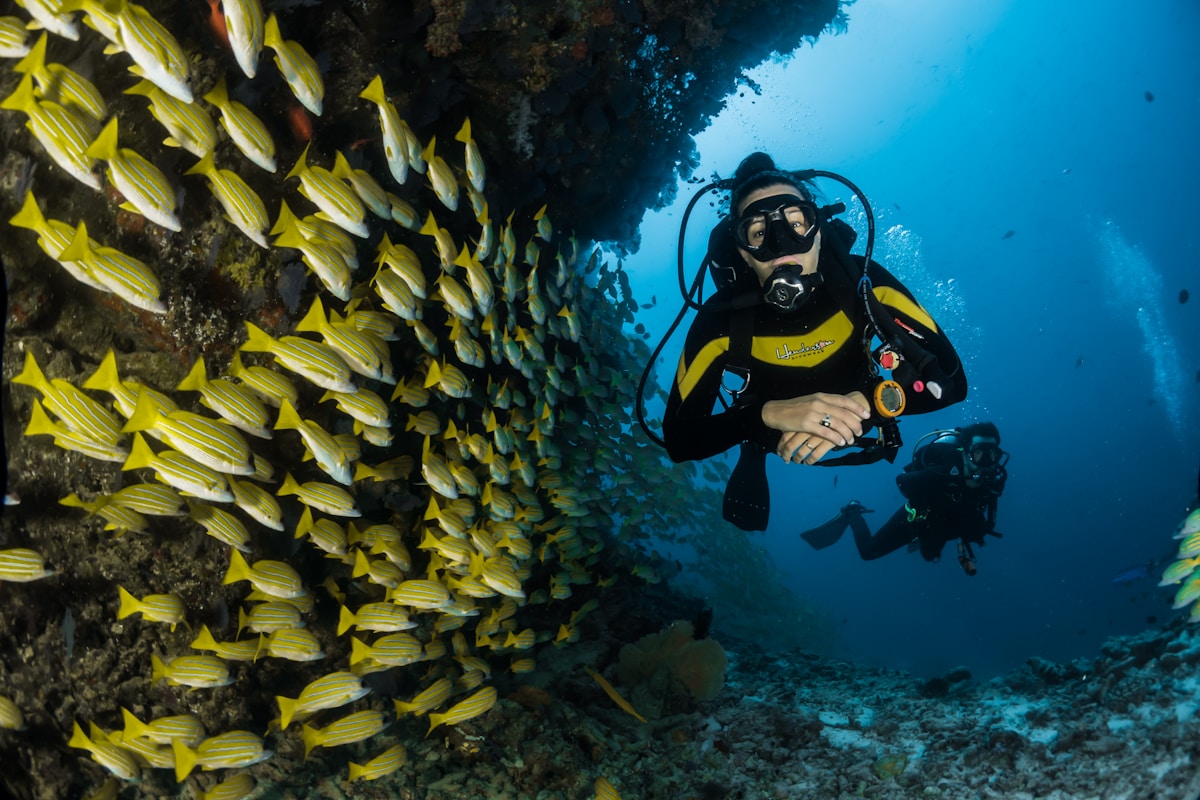
Cabo Pulmo is not just the best dive site in Los Cabos — it is one of the most remarkable marine conservation success stories on Earth. Located on the East Cape approximately 2.5 hours northeast of Cabo San Lucas, this national marine park protects the only hard coral reef on the western coast of North America.
When the local fishing community voluntarily banned all fishing in 1995, the reef was nearly dead. Three decades later, fish biomass has increased by an astonishing 460%, and the reef now supports over 6,000 documented species. Diving here feels like entering a time machine to an ocean untouched by humans.
What you will see:
- Massive schools of bigeye jacks (bait balls of 10,000+ fish)
- Bull sharks (June-November, deeper sites)
- Grouper the size of Volkswagens (seriously)
- Green and hawksbill sea turtles at cleaning stations
- Mobula ray aggregations (May-June, sometimes thousands)
- Hard coral formations up to 20,000 years old
Dive sites within the park: El Vencedor (the wreck), El Bajo (the deep wall), La Esperanza (coral garden), Los Morros (sea lion colony), El Cantil (the drop-off).
Logistics: Day trips from Cabo San Lucas run $250-$350 per person including two dives, transport, lunch, and equipment. The park charges a 200 MXN (~$11 USD) entrance fee. Maximum 10 divers per site at any time — book early in peak season. The CONANP (National Commission of Natural Protected Areas) manages the park with strict ecological guidelines.
2. Land's End and the Sand Falls
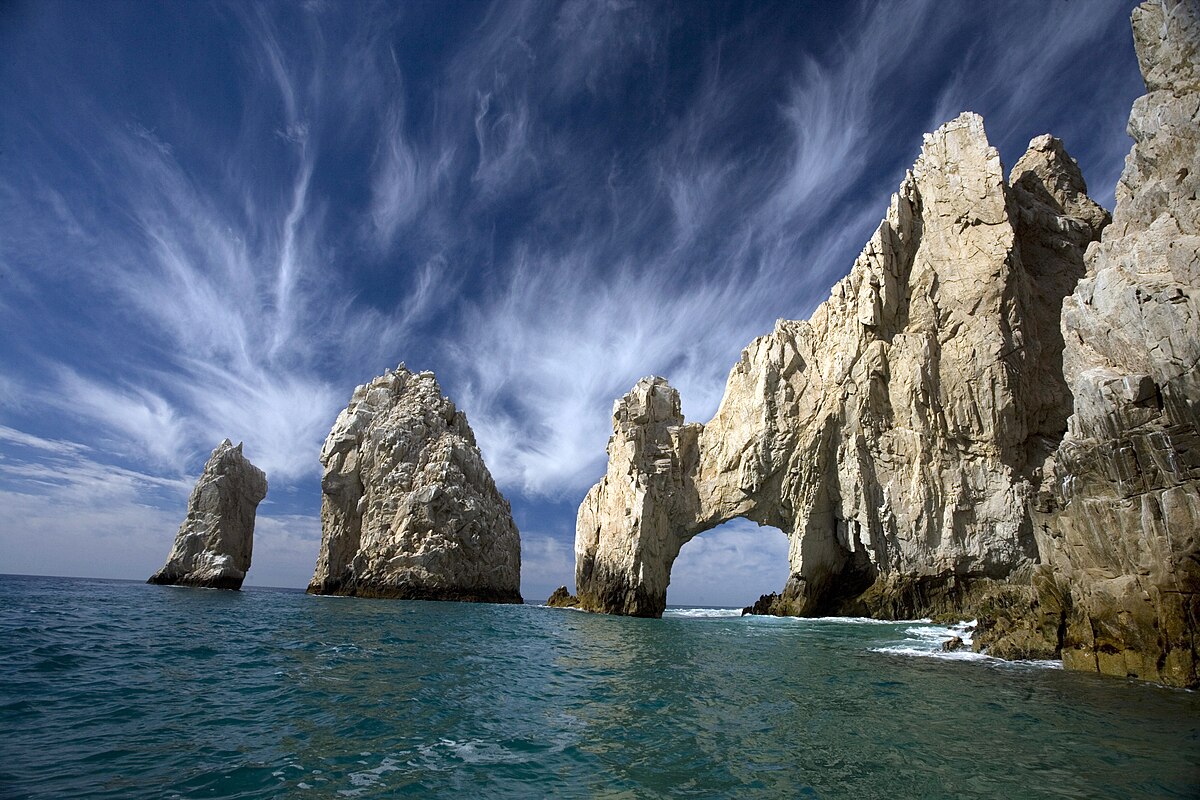
The iconic Arch of Cabo San Lucas marks where the Pacific Ocean meets the Sea of Cortez, and below it lies one of the world's most surreal underwater formations: the Sand Falls. Discovered by Cousteau in the 1970s, this underwater cascade of sand pours over a submarine canyon edge at about 90 feet depth, creating the illusion of a waterfall flowing into the abyss.
Key dive sites at Land's End:
Pelican Rock: The most accessible dive site in Cabo San Lucas — calm waters, 30-80 foot depth range, abundant marine life. Sea lions patrol the rocky reef, moray eels hide in crevices, and schools of tropical fish swirl around coral-encrusted boulders. Perfect for Open Water certified divers and DSD experiences.
Neptune's Finger: A dramatic pinnacle rising from the sandy bottom at 80 feet to within 30 feet of the surface. Covered in gorgonian fans and surrounded by schooling fish. Moderate current — appropriate for Advanced Open Water divers.
The Sand Falls: Advanced dive (90-120 feet) requiring excellent buoyancy control and comfort at depth. The sand cascades over the continental shelf edge into a 6,000-foot submarine canyon. This is a bucket-list dive that few destinations can match for sheer geological wonder.
3. Chileno Bay — The Best Snorkeling in Los Cabos
Chileno Bay is a protected cove along the Tourist Corridor with calm, crystal-clear water and a healthy rocky reef just 20-50 feet from shore. It is consistently ranked as the best snorkeling spot in Los Cabos and is completely free to access as a public beach.
What makes Chileno Bay special:
- Protected from Pacific swells — calm water even when other beaches are rough
- Rocky reef starts in 3-4 feet of water — no boat required
- Abundant marine life: sergeant majors, king angelfish, Moorish idols, pufferfish, needlefish, rays
- Sea turtles frequent the bay, especially early morning
- Visibility typically 30-60 feet
- Blue Flag certified beach with lifeguards, restrooms, and shade palapas
For residents of the Corridor communities, this is a five-minute drive (or walk from Chileno Bay Residences) from your front door. It is one of the strongest lifestyle arguments for living along the Tourist Corridor.
4. Santa Maria Bay — The Hidden Horseshoe
Just north of Chileno Bay, Santa Maria Bay is a horseshoe-shaped cove with equally spectacular snorkeling. The rocky points on either side of the bay create a protected natural aquarium where colorful reef fish concentrate in shallow water.
Why locals prefer Santa Maria:
- Less crowded than Chileno Bay despite equal snorkeling quality
- Deeper reef sections (10-25 feet) offer more advanced snorkeling
- Rocky headlands are excellent for spotting octopus and eels
- No vendors or development on the beach — completely natural setting
- Green sea turtles are regular visitors
Access is via a short walk from the highway parking area. No facilities on the beach — bring water, sun protection, and your own gear. For snorkel equipment rentals, most Cabo dive shops offer full-day rental kits for $15-25 USD.
Live Steps From World-Class Diving
From Chileno Bay residences to East Cape beachfront, find your perfect oceanfront home in Los Cabos.
Schedule a Property Tour5. Gordo Banks — Big Animal Encounters
For experienced divers seeking pelagic encounters, Gordo Banks is Los Cabos' premier big-animal site. Located 8 miles offshore from San Jose del Cabo, these twin seamounts rise from 200+ feet to within 110 feet of the surface, creating an upwelling that attracts the ocean's largest residents.
What you might encounter:
- Scalloped hammerhead sharks (schools of 20-100+, July-October)
- Giant manta rays (wingspan up to 20 feet)
- Whale sharks (October-February)
- Schooling hammerheads circling the seamount pinnacles
- Yellowfin tuna, wahoo, and marlin cruising through
Requirements: Advanced Open Water certification minimum, deep diving specialty recommended. Typical depth: 80-130 feet. Strong currents are common — this is not a beginner site. Operators bring surface marker buoys and require demonstrated deep-water competence.
Cost: $180-$250 per person for a two-tank Gordo Banks trip. The boat ride is 30-45 minutes each way from the San Jose del Cabo marina.
6. Seasonal Diving Calendar
Los Cabos offers year-round diving, but what you see changes dramatically by season:
January-March: Humpback whales (audible underwater), whale sharks near La Paz, cooler water (68-74F), excellent visibility (80-100+ feet). Best for: underwater photography, whale encounters.
April-June: Water warming (74-80F), mobula ray aggregations (May-June, sometimes thousands), manta rays appear, sea lion pups at colonies. Best for: ray encounters, playful sea lion dives.
July-September: Peak season — warmest water (80-86F), maximum biodiversity, hammerheads at Gordo Banks, bull sharks at Cabo Pulmo, least wind. Best for: overall diving quality, big animal encounters.
October-December: Whale sharks arrive, water cooling (76-80F), less tourist congestion, excellent visibility returns. Best for: whale shark snorkeling, uncrowded dive sites.
7. Whale Shark Encounters
Swimming with whale sharks is one of Baja's most unforgettable experiences. These gentle filter-feeders — the largest fish on Earth at up to 40 feet — aggregate in the waters near La Paz from October through March.
How it works:
- Tours depart from La Paz (2-hour drive from Cabo, or book a tour with Cabo pickup included)
- Snorkel only — no scuba tanks permitted near whale sharks
- Maximum 2 snorkelers in the water per whale shark at a time
- Encounters last 5-45 minutes depending on the shark's behavior
- Certified guides required — no self-guided interactions allowed
Cost: $150-$200 USD including transport from Cabo, professional guides, equipment, marine park fee, and lunch. Book through licensed operators certified by SEMARNAT (Mexico's environmental ministry).
For residents of the Costa Palmas and East Cape communities, whale shark encounters are significantly closer — just 45-60 minutes to La Paz versus 2+ hours from Cabo San Lucas.
8. Getting Certified and Gear Tips
Certification in Los Cabos:
- Open Water (3-4 days): $400-$550 USD — includes all pool sessions, open water dives, materials, and certification card
- Advanced Open Water (2 days): $300-$400 USD — unlocks deeper sites and specialties
- Rescue Diver (3 days): $400-$500 USD — recommended for anyone diving regularly
- Discover Scuba (half day): $120-$150 USD — single supervised dive, no prior experience needed
Gear recommendations for Cabo residents:
- Wetsuit: 3mm shorty (summer) and 5mm full suit (winter) covers all conditions
- Mask and snorkel: Invest in a properly fitted mask — rentals often leak
- Dive computer: Essential for regular diving — Shearwater, Suunto, and Garmin are popular choices
- Reef-safe sunscreen: Required by law in marine parks — chemical sunscreens are banned per SEMARNAT regulations protecting coral ecosystems
9. Recommended Dive Operators
Los Cabos has dozens of dive shops, but quality varies significantly. Look for these indicators of a reputable operator:
- PADI 5-Star or SSI Diamond Center rating
- Small group sizes (maximum 6-8 divers per guide)
- Well-maintained equipment with documented service records
- DAN (Divers Alert Network) insurance and oxygen on board
- Licensed for Cabo Pulmo National Park operations
- Bilingual divemasters (English/Spanish)
For Cabo Pulmo specifically, only operators with CONANP permits can legally conduct dives within the park. Unlicensed operators risk fines and endanger the reef. Always verify permit status before booking.
10. Living the Dive Lifestyle in Los Cabos
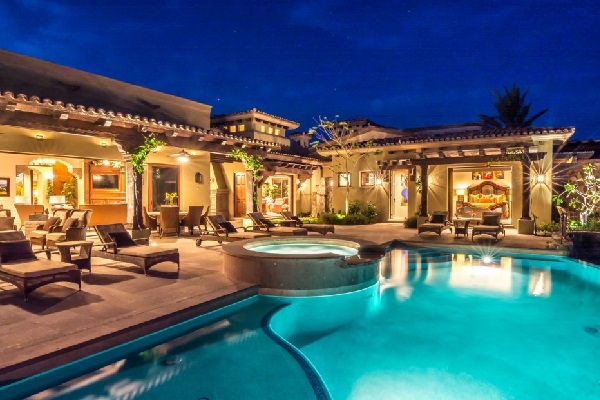
For many property buyers, access to world-class diving is a primary lifestyle motivator. Here is how different communities align with the underwater lifestyle:
- Chileno Bay: Walk to the best snorkeling in the region. Kayak to deeper dive sites.
- Palmilla: 5 minutes to Chileno and Santa Maria Bays. Easy access to Corridor dive boats.
- Costa Palmas: Closest luxury community to Cabo Pulmo (45 min). East Cape diving at your doorstep.
- Cabo Pulmo: Live directly on the reef. Walk to dive sites. Maximum immersion.
- East Cape: Uncrowded diving, pristine reefs, and a quieter coastal lifestyle.
See our complete water sports guide for paddleboarding, surfing, fishing, and sailing options across the region.
Find Your Oceanfront Home in Los Cabos
From Corridor condos minutes from the best snorkeling to East Cape estates near Cabo Pulmo — we will match you with the perfect waterfront property for your lifestyle.
Contact Our Waterfront SpecialistsThinking about buying here rather than just visiting? Our free 33-page Buying Property in Mexico guide covers the fideicomiso, closing costs in real dollars, and the 27-point checklist we run on every property.
Frequently Asked Questions
What is the best time of year for diving in Los Cabos?+
The best overall diving season runs from July through November when water temperatures reach 80-86F, visibility averages 60-100+ feet, and marine life is most abundant. Whale sharks appear from October through March. Mobula ray aggregations peak in May-June. Winter months (December-March) offer cooler water (68-74F) but bring humpback whales and excellent visibility.
Do I need to be certified to dive in Cabo?+
Yes, most dive operators require at minimum an Open Water certification (PADI, SSI, or equivalent) for boat dives. Discover Scuba Diving (DSD) introductory experiences are available for uncertified visitors at sites like Pelican Rock and Santa Maria Bay. Full Open Water certification courses take 3-4 days and cost $400-$550 USD in Los Cabos.
Is Cabo Pulmo worth the drive from Cabo San Lucas?+
Absolutely. Cabo Pulmo is a 2.5-hour drive from Cabo San Lucas but is considered one of the top 5 dive sites in North America. The reef supports over 6,000 species and fish biomass has increased 460% since fishing was banned in 1995. The hard coral reef — the oldest living reef on the west coast of North America at 20,000 years — is unlike anything else in Baja.
Where is the best snorkeling near Cabo San Lucas?+
Chileno Bay offers the best easily accessible snorkeling with calm waters, a protected rocky reef, and abundant tropical fish just 15 minutes from downtown Cabo. Santa Maria Bay is equally excellent with a horseshoe-shaped cove. Both are public beaches with no entry fee. Pelican Rock near Land's End requires a water taxi ($15-20 round trip) but offers sea lion encounters.
Can I see whale sharks in Cabo?+
Yes. Whale sharks aggregate in the waters near La Paz (2-hour drive from Cabo) from October through March, with peak sightings December through February. These are snorkel-only encounters — no scuba tanks allowed. Tours operate daily from La Paz and cost $150-$200 USD including transport from Cabo, guides, equipment, and lunch.
How much does scuba diving cost in Los Cabos?+
Two-tank boat dives in Cabo San Lucas run $120-$180 USD per person including equipment. Cabo Pulmo day trips from Cabo cost $250-$350 including transport, two dives, lunch, and gear. Night dives are $100-$140. Multi-day packages (3-5 days) offer 15-25% discounts. Snorkel tours range from $50-$90 for half-day trips.
What marine life will I see diving in Cabo?+
Common sightings include sea lions, mobula rays, manta rays, reef sharks, moray eels, sea turtles, tropical reef fish (angelfish, parrotfish, triggerfish), octopus, and nudibranchs. Seasonal encounters include whale sharks (October-March), humpback whales (December-April), hammerhead sharks (July-October at Gordo Banks), and massive schools of jacks and barracuda year-round.

Aaron Cuha
Real Estate Advisor & Los Cabos Market Expert
Real estate advisor and founder of Living In Cabo. 15+ years helping families navigate complex real estate decisions. Strategic partner with Ronival — Baja's largest brokerage.