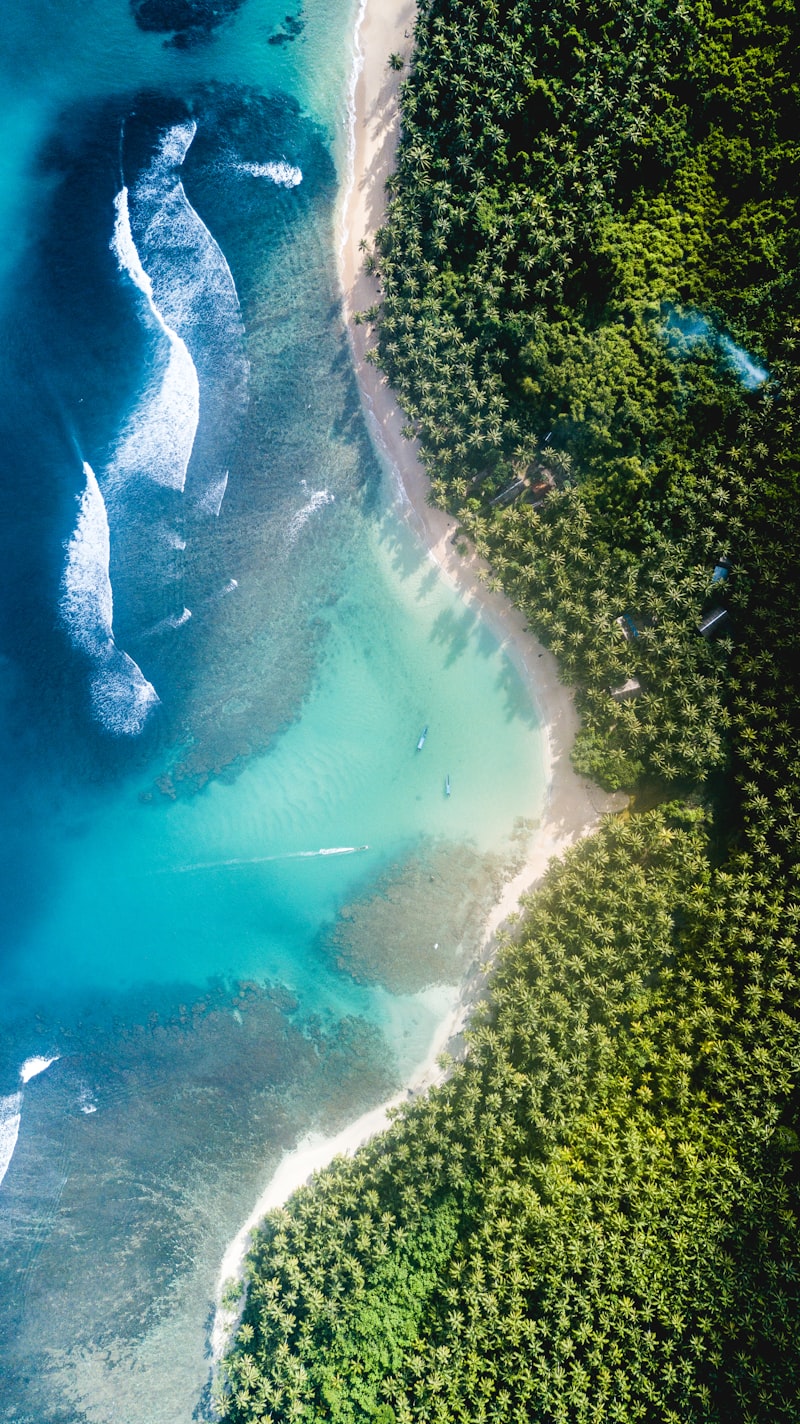
Los Cabos has two seasons, not four. The dry season runs November through June with blue skies and 75-85 degree days. The green season runs July through October with afternoon showers, lush desert hillsides, and 5-15% softer property prices. Most buyers only visit during dry season — which means they overpay for property and never discover that September is actually the best month to live here.
Key Takeaways
- ✓ Dry season (Nov-Jun): 75-85 degrees F, near-zero rainfall, peak tourism and property pricing
- ✓ Green season (Jul-Oct): 85-95 degrees F, brief afternoon showers, 5-15% softer property prices
- ✓ Best months to buy: September-October (lowest competition, most seller flexibility) and May-June (peak inventory)
- ✓ Annual rainfall averages only 10-12 inches — drier than Los Angeles (14.9 in) and far drier than Miami (61.9 in)
- ✓ Major hurricane impact is rare — approximately one significant event every 10-15 years
Ready to Time Your Cabo Property Purchase?
We help buyers plan house-hunting trips during the months with the most inventory and the most negotiating leverage. Tell us your timeline and we will build a strategy.
Schedule a Free Consultation1. Dry Season (November — June): What It Feels Like
The dry season is the Cabo that everyone imagines. Cloudless skies from sunrise to sunset, temperatures in the mid-70s to mid-80s, and humidity hovering around 40-55%. The Sea of Cortez side is calm and clear — perfect for snorkeling, paddleboarding, and boat days. The Pacific side has consistent surf breaks and whale-watching conditions.
Here is a month-by-month breakdown of what the dry season delivers:
- November: The transition month. Temperatures cool from summer highs to comfortable 80-82 degrees F days. Last of the tropical moisture clears. The snowbird population starts arriving. Restaurants reopen after annual maintenance closures. This is arguably the most pleasant month of the year — summer warmth without summer humidity.
- December-February: Peak season. Temperatures range 72-82 degrees F. Whale watching begins in December and peaks in January-March. Tourism is at maximum capacity. Hotel rates and Airbnb nightly rates are highest. Property showings are busy. This is when most buyers visit — and when sellers are least motivated to negotiate.
- March-April: Spring break drives another tourism peak. Temperatures climb to 78-85 degrees F. Whale watching continues through April. This is a popular time for families to visit for house-hunting combined with vacation.
- May-June: The hidden gem months. Tourism drops as US school starts and travelers shift to summer destinations. Temperatures hit 85-90 degrees F. Humidity starts to climb. Property inventory tends to peak because snowbird owners list before summer. Fewer competing buyers. May and June are my favorite months to take serious buyers on property tours.
According to climate data from NOAA and Mexican meteorological services, Los Cabos averages only 0.1 to 0.5 inches of rain per month during dry season — functionally zero. You can plan outdoor events with near-certainty that it will not rain.
2. Green Season (July — October): The Season Most Buyers Miss
Here is what happens to Cabo San Lucas during green season: the brown desert hillsides turn emerald green, the streets empty of tourists, restaurant reservations become unnecessary, the ocean warms to bathtub temperatures, and sellers become significantly more flexible on price.
I live the green season. I prefer it. Here is what it actually looks like:
- July: The first real rains arrive, usually as afternoon thunderstorms that build over the Sierra de la Laguna mountains and roll through between 3-6 PM. Mornings are clear and sunny. Temperatures hit 88-93 degrees F. The desert starts to green. Ocean temperatures climb to 80-84 degrees F — the warmest and most comfortable of the year for swimming.
- August: Rain intensifies slightly, with 3-5 inches total for the month. The landscape is visibly lush. Sea turtle nesting begins on Pacific beaches. Manta rays arrive in the Sea of Cortez. Tourism is at its lowest point. Restaurants that cater to locals stay open; tourist-dependent spots may close for vacation or renovation.
- September: The statistical peak of hurricane season and the month with the most rainfall (4-6 inches). But context matters: Miami gets 10+ inches in September, and Houston gets 5-7 inches. Cabo's 5 inches falls in concentrated afternoon bursts, not all-day drizzle. Temperatures reach 90-95 degrees F — the hottest month. This is the best month to buy property. Sellers are motivated, competition is near-zero, and airfare is 20-40% cheaper.
- October: Transition back to dry season. Rain tapers off by mid-October. Temperatures moderate to 85-90 degrees F. The landscape is at peak green beauty. Fishing is excellent — dorado, tuna, and marlin are running. Tourism starts to pick up toward month-end. Still an excellent buying month with more flexibility than November.
3. Hurricane Season — The Realistic Risk Assessment
Let me address the elephant in the room. Yes, Los Cabos is in a hurricane zone. The Eastern Pacific hurricane season runs June 1 through November 30, with statistical peak activity in September and October. But the actual risk to property owners is far lower than the headlines suggest.
The facts, based on data from NOAA's National Hurricane Center:
- Major hurricanes directly impacting Los Cabos are rare — approximately one significant event every 10-15 years
- Hurricane Odile (Category 3, September 2014) was the most destructive in modern history, causing significant damage to Cabo San Lucas. The region rebuilt within 12-18 months.
- Hurricane Kay (2022) brushed the cape as a weakening tropical storm — minimal structural damage
- Most Eastern Pacific hurricanes track west into open ocean, away from the Baja peninsula
- Modern construction in gated communities (post-2014) is built to withstand Category 3+ wind loads. Building codes were significantly upgraded after Odile.
Homeowner insurance covering hurricanes is available and affordable — annual premiums for a $500K-$1M property run $1,200-$3,000 including hurricane, earthquake, and liability coverage. The hurricane deductible is typically 2-5% of insured value. For the full insurance picture, see our insurance guide.
For hurricane preparedness specific to property owners, read our hurricane prep guide. The bottom line: insure your property, have a property manager who executes a storm prep protocol, and do not let a once-a-decade weather event prevent you from buying in a market that appreciates 5-10% annually.
4. How Cabo's Seasons Affect Property Prices and Inventory
Seasonality in Los Cabos real estate is real, predictable, and exploitable if you time your purchase correctly.
Peak Pricing: December — March
The most expensive time to buy. Snowbirds are in town, tourism is at maximum, and the emotional impact of visiting Cabo during perfect weather drives impulse offers. Sellers know this. Properties listed in December through March are typically priced at full ask, and sellers have less motivation to negotiate because they know another buyer will walk through next week.
Inventory is moderate — some owners wait until they arrive for the season to list, while others listed in the fall and are still on market. Competition among buyers is highest.
Transition: April — June (Best Inventory)
Inventory peaks in May and June as snowbird owners decide to sell before summer. Pricing softens slightly — sellers who listed in January at $2.5M and did not get a bite are now at $2.35M. Buyer competition drops as tourists shift to summer destinations. This is an excellent time for methodical, comparison-focused house hunting.
Best Deals: September — October
This is when I tell my serious buyers to fly down. Here is why:
- Seller motivation peaks. Properties that have been on market since spring are now 5-6 months stale. Sellers who planned to sell before summer are now watching carrying costs accumulate through another year. Price reductions of 5-15% below original ask are common.
- Buyer competition is near-zero. Most Americans are back in school-year routines and would not think to visit Cabo for house hunting in September. You may be the only buyer your agent shows a property to that week.
- Airfare is cheap. Flights from major US cities to SJD are 20-40% below peak-season pricing. A house-hunting trip in September saves $500-$1,000 per person on flights alone.
- You see the real Cabo. A property that impresses you in September — during the hottest, most humid month with occasional afternoon rain — will absolutely delight you in February. Buying only in peak season is like test-driving a car only on smooth highway. Visit during green season and you know exactly what you are getting.
Planning a Green Season House-Hunting Trip?
We will line up 10-15 properties, schedule private showings, and build your itinerary around the morning hours when the weather is perfect. September buyers get the best deals — let us help you find them.
Book a Call5. Tourism vs Living — How Seasons Feel Differently
Tourists experience dry season Cabo. Residents experience both — and most will tell you the green season has its own magic.
Here is what the full-time expats in San Jose del Cabo and Todos Santos say about living through both seasons:
- Dry season (resident perspective): Busy. Restaurants are packed, traffic increases, the beaches are full, and the social calendar is nonstop. It is fantastic — the energy is infectious and the weather is flawless. But it is not peaceful. Full-time residents sometimes feel like they are sharing their home with 4 million tourists.
- Green season (resident perspective): Quiet, warm, community-oriented. The expat community tightens — the people who stay through summer are committed residents, not seasonal visitors. Local friendships deepen. Beaches are empty. Restaurants that stay open are grateful for the business and often offer specials. The landscape is beautiful — the desert hills genuinely turn green from the rain. The afternoon storms are dramatic and beautiful, not disruptive.
Many full-time residents identify September as their favorite month. The ocean is the warmest it will be all year (80-86 degrees F), the beaches are yours alone, the sunsets after afternoon storms are otherworldly, and sea turtles are nesting on the Pacific beaches. If you are evaluating whether to live in Cabo full-time versus seasonally, visit during both seasons before deciding. For a full comparison, see our snowbird vs full-time guide.
6. Season-Specific Activities
Some of Cabo's best experiences are seasonal. Here is what each season offers exclusively:
Dry Season Exclusives
- Whale watching (Dec-Apr): Humpback and gray whales calve and nurse in the warm Baja waters. Peak viewing in Jan-Mar. Tours run from both Cabo San Lucas marina and the East Cape. This is a must-do — see our whale watching guide.
- San Jose del Cabo Art Walk (year-round, but best Nov-May): Thursday evenings in the gallery district. The winter season brings special exhibitions and visiting artists.
- Golf conditions at peak: Courses are in pristine shape, temperatures are ideal (75-82 degrees F), and greens are firm and fast. The Diamante and Querencia courses are at their best in January through April.
Green Season Exclusives
- Sea turtle nesting (Aug-Nov): Olive ridley and leatherback turtles nest on Pacific side beaches. Hatchling releases are organized by conservation groups — an unforgettable experience, especially with kids.
- Manta ray encounters (Jul-Nov): Giant oceanic manta rays arrive in the Sea of Cortez. Snorkel and dive operators run manta trips from Cabo Pulmo and La Paz.
- Dorado (mahi-mahi) peak season (Aug-Oct): The best fishing of the year for dorado, yellowfin tuna, and striped marlin. Charter boats report their highest catch rates during green season.
- Desert in bloom: The Baja desert comes alive after the rains — wildflowers, cacti blooming, the cardon cacti at their greenest. The drive to Todos Santos through the Sierra is at its most scenic during September and October.
7. The Bottom Line — When to Buy
If I had to rank the best months for property purchases, based on price flexibility, inventory availability, and competition level:
- September — best prices, least competition, highest seller motivation, cheapest airfare
- October — nearly as good as September with slightly better weather as rains taper
- May — peak inventory, moderate pricing, pleasant weather transitioning to summer
- June — good inventory, pricing starts to soften, still dry and comfortable
- November — transition month, some lingering flexibility before peak-season pricing kicks in
The worst months to buy on price: January and February. The worst month for inventory: August (few new listings). For a pure market-timing analysis detached from seasonality, see our best time to buy guide.
My advice: visit in January for the experience, fall in love with the lifestyle, then come back in September to make the purchase. You will pay less, face no competition, and know exactly what the property feels like in every season.
Start Your Cabo Property Search
Whether you are visiting next month or next September, we will prepare a curated property list matched to your budget, lifestyle, and ideal community. The search starts with one conversation.
Contact Us TodayThinking about buying here rather than just visiting? Our free 33-page Buying Property in Mexico guide covers the fideicomiso, closing costs in real dollars, and the 27-point checklist we run on every property.
Frequently Asked Questions
What is the rainy season in Cabo San Lucas?+
The rainy season in Cabo San Lucas runs from late July through mid-October. However, 'rainy season' is misleading — Cabo receives only about 10 to 12 inches of total annual rainfall, compared to 50+ inches in Miami or 60+ in Houston. Rain typically falls in brief, intense afternoon showers that clear within 30 to 60 minutes, followed by dramatic sunsets. Mornings are almost always clear and sunny even during peak rainy season.
What is the hurricane risk in Los Cabos?+
Los Cabos sits in the Eastern Pacific hurricane basin. The statistical hurricane season runs June 1 to November 30, with peak risk in September and October. Major hurricanes directly hitting Los Cabos are rare — approximately one significant impact every 10 to 15 years. Hurricane Odile (2014) was the most destructive in recent history. Modern construction in gated communities is built to withstand Category 3+ winds, and comprehensive insurance is available and affordable.
What is the best month to buy property in Cabo?+
The best months for property deals are September and October (lowest tourism, motivated sellers, 5-15% price flexibility) and May to June (end of dry season, inventory peaks as snowbirds list before summer). January and February are the worst months for deals — tourism is at peak, buyers are competing, and sellers hold firm on pricing. If you can house-hunt in September, you will see the most inventory at the best prices.
How hot does it get in Cabo during summer?+
Summer highs in Los Cabos reach 90 to 95 degrees Fahrenheit (32 to 35 Celsius) from July through September. However, the coastal location provides consistent ocean breezes that make the heat more tolerable than inland desert cities. Overnight lows stay around 75 to 80 degrees F. Pools and ocean water are warm — 80 to 86 degrees F — making water activities comfortable all summer. All modern properties have air conditioning.
Is whale watching seasonal in Los Cabos?+
Yes. Whale watching season runs from December through April, with peak activity in January through March. Humpback whales and gray whales migrate through the Sea of Cortez and along the Pacific coast, calving and nursing in the warm Baja waters. Tours operate from both Cabo San Lucas marina and San Jose del Cabo. This is a dry-season exclusive activity and one of the most memorable experiences in Baja.
Do property prices drop during green season in Los Cabos?+
Yes, though the discount varies by property type and motivation. Resale properties from individual sellers show the most flexibility — typically 5 to 15 percent below peak-season ask prices during September and October. New construction from developers is less seasonal because pricing is set by phase, not by foot traffic. The real advantage in green season is less competition: fewer buyers means more negotiating leverage, longer inspection periods, and less pressure to waive contingencies.
What is it like living in Cabo during the rainy season?+
Living in Cabo during rainy season is warmer, greener, and quieter than dry season. The desert hills turn lush green from the rain, restaurants and beaches are less crowded, and the expat community is smaller and more tight-knit. The rain itself is typically brief afternoon thunderstorms — not all-day downpours. Many full-time residents consider September their favorite month because of the warm ocean, empty beaches, and dramatic skies. The trade-off: higher humidity, occasional tropical weather watches, and some restaurants close for annual maintenance.
Does the Cabo airport operate year-round?+
Yes. SJD International Airport operates year-round with 50+ nonstop routes from US and Canadian cities. Flight frequency decreases slightly during green season (some routes go from daily to 3-4 times per week), but major routes from Los Angeles, Dallas, Denver, Phoenix, San Francisco, Houston, and Mexico City operate daily year-round. Airfare is typically 20 to 40 percent cheaper during green season, making September and October the most affordable months for house-hunting trips.

Aaron Cuha
Real Estate Advisor & Los Cabos Market Expert
Real estate advisor and founder of Living In Cabo. 15+ years helping families navigate complex real estate decisions. Strategic partner with Ronival — Baja's largest brokerage.