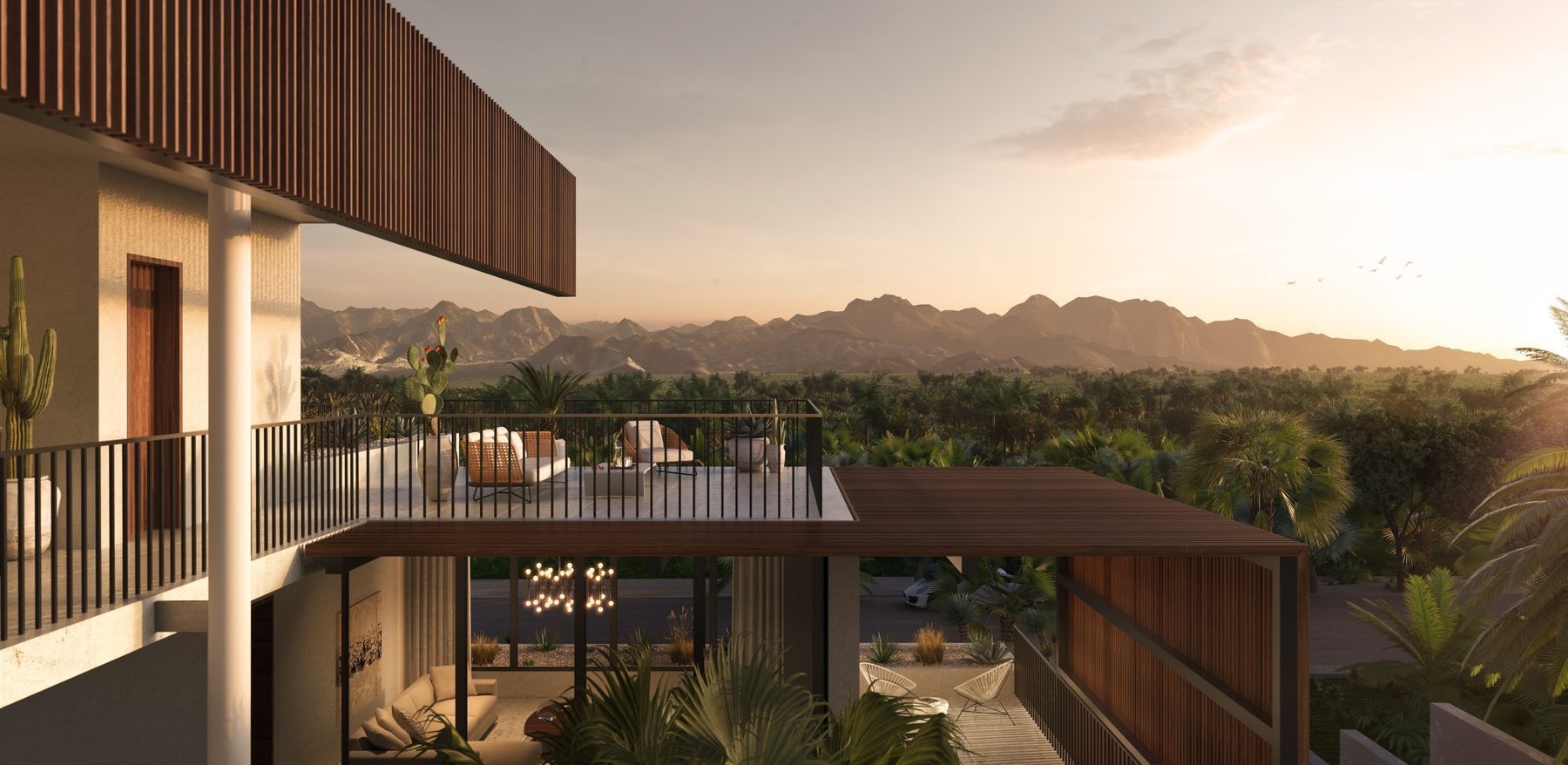
New construction in Los Cabos ranges from world-class to corners-cut. After walking dozens of active job sites across the peninsula, I can tell you the difference between cabo new construction quality that holds up for decades and the kind that starts showing cracks within three years.
Key Takeaways
- ✓ Premium developments use #5 rebar at 15 cm spacing with epoxy coating in coastal zones — budget builds cut to #4 at 25 cm
- ✓ Multi-layer waterproofing costs $3-6/sq ft but prevents the $15,000-40,000 leak repairs that happen every rainy season
- ✓ Independent pre-delivery inspections run $500-1,500 and catch an average of 15-30 punch list items per unit
- ✓ The best indicator of build quality is the developer track record — not the marketing renderings
Buying New Construction in Cabo?
We connect you with independent inspectors and walk the construction with you. No surprises at delivery.
Get ConnectedWhat to Inspect on a Cabo Construction Site
Every buyer gets the glossy brochure with renderings and infinity pool photos. Few get to walk the job site while the concrete is being poured. I have made it a point to visit active construction across Cabo San Lucas, the Corridor, and San Jose del Cabo — and the variance in build quality is stark.
The difference rarely shows in the finish materials. Tile, cabinetry, and fixtures are the easy part. The quality that matters is in the structure — the stuff you cannot see once the walls are up.
Structural Concrete and Rebar
Mexico builds almost exclusively with reinforced concrete and concrete masonry block — wood framing is rare outside of roof structures. That means the rebar and concrete quality are literally the skeleton of your home.
What Good Rebar Work Looks Like
The NOM building standards specify minimum rebar requirements, but premium developers exceed them substantially in seismic Zone B (which covers all of Baja California Sur). Here is what I look for:
- Bar gauge: #4 (1/2-inch) minimum for residential, #5 (5/8-inch) in columns and coastal foundations
- Spacing: 15-20 cm on center in load-bearing walls and slabs. Anything wider than 25 cm in a foundation is a concern
- Lap splices: bars should overlap at least 40 diameters (20 inches for #4 bar) and be tied with wire at every intersection
- Cover: at least 5 cm of concrete covering the rebar on exterior faces to prevent salt air corrosion
- Epoxy coating: in beachfront developments, top-tier builders use epoxy-coated rebar. This adds 15-20% to the steel cost but extends the structure life by decades
At Querencia, I watched them pour a foundation that used #5 rebar at 12 cm spacing — tighter than code requires. That is the kind of over-engineering that makes a structure last 50+ years in a coastal environment. At a mid-tier development I will not name, I saw #4 rebar at 30 cm spacing in a three-story structure. Both were advertised as "luxury."
Concrete Mix and Testing
Standard residential concrete in Mexico is f'c = 250 kg/cm2 (approximately 3,500 PSI). Premium builds use f'c = 300-350 kg/cm2 (4,000-5,000 PSI), especially in foundations and columns. The developer should be able to show you cylinder test reports from an accredited lab — these are taken during each pour and tested at 7 and 28 days to verify the concrete reached design strength.
If a developer cannot produce these reports, that is a significant red flag. Every reputable builder maintains them.
Waterproofing — Where Corners Get Cut Most
This is the single biggest quality variable I see in Cabo construction, and the most expensive to fix after the fact. Los Cabos gets 80% of its annual rainfall in a 10-week window from August through October, when tropical storms can dump 4-8 inches in a single event. If the waterproofing fails, it fails spectacularly.
Roof Systems
The standard Cabo roof is a reinforced concrete slab with waterproofing applied on top. Here is what the layering should look like from bottom to top:
- Concrete slab (10-15 cm thick with rebar)
- Primer coat
- Liquid-applied membrane (Sika, BASF, or equivalent — 2-3 coats)
- Thermal insulation layer (critical for reducing AC costs)
- Finished surface (tile, pavers, or a reflective coating)
Budget builds skip the thermal insulation entirely and apply a single coat of impermeabilizante — a paint-on product that costs $1-2 per square foot and lasts 3-5 years. When it fails, you are looking at $15,000-40,000 to tear off the finished surface, reapply proper waterproofing, and reinstall. I see this repair happening every rainy season across Cabo. See our new construction buyer's guide for more on what to negotiate into your purchase agreement.
Want a Construction Walk-Through?
We arrange site visits during active construction so you see what is going into your walls before they close up.
Book a CallPlumbing and Electrical Systems
Plumbing Materials and Layout
Cabo plumbing has evolved significantly in the last decade:
- Supply lines: CPVC for hot water, PVC for cold. Premium builds use Pex throughout, which resists scale buildup and handles the mineral-heavy Cabo water supply better
- Drainage: heavy-wall PVC (Series 3000 or equivalent) with proper slope (1-2% grade minimum). Thin-wall pipe cracks during building settlement
- Water heaters: tankless (Bosch or Rheem) are standard in quality builds. See our utilities guide for propane costs
- Cistern integration: properly plumbed homes have an underground cistern, a pump, and a rooftop tinaco for gravity-fed pressure
Electrical Systems
Mexico runs on 127V/60Hz. The NOM-001-SEDE standard governs residential electrical work. What I look for:
- Main panel: 200-amp service minimum for a 3-bedroom home. Name-brand breakers only
- GFCI protection: required in kitchens, bathrooms, outdoor outlets, and near pools
- Grounding: a proper copper ground rod driven into the earth and bonded to the panel
- Conduit: wiring should run through PVC conduit in walls, not loose through hollow block
- Surge protection: a whole-house surge protector at the main panel — Cabo's grid experiences voltage fluctuations during storms
Windows, Doors, and Building Envelope
In a climate where air conditioning is your largest utility cost and hurricanes are a real possibility, window quality matters enormously. Premium Cabo developments install aluminum-framed windows with thermal breaks and laminated glass. The thermal break prevents the frame from conducting heat into the interior, reducing AC load by 15-25%. Laminated glass resists impact and provides UV protection.
Budget builds use single-pane aluminum windows without thermal breaks. These conduct heat freely, fog up in humidity, and provide zero storm protection. If a window manufacturer cannot produce a DP (design pressure) rating, the window has not been tested for wind resistance.
Which Developments Get It Right
Build quality correlates strongly with developer track record, not price point. Developers with consistently high build quality that I have personally verified:
- Querencia: Over-engineered foundations, premium waterproofing, Pex plumbing throughout
- Montage Los Cabos: Hotel-grade construction standards applied to residential
- Chileno Bay: Discovery Land Company builds to a global standard with rigorous QC
- Diamante: Consistent quality across their phases
The best indicator is not what the developer promises — it is what their 5 and 10-year-old buildings look like. Walk an older phase before buying in a new one. See our home inspection guide for the full checklist.
The Bottom Line
New construction in Los Cabos is not inherently better or worse than resale — it depends entirely on who built it and how thoroughly you inspect it before taking delivery. The glossy renderings and model units show you the surface. The rebar, waterproofing, and electrical panels tell you whether the building will still be performing in 20 years.
Invest in the inspection. Walk the site during construction if possible. Ask for concrete test reports and waterproofing specifications. The best developers welcome these questions because they know the answers reflect well on them.
Get the Full Picture Before You Buy
We connect buyers with independent bilingual inspectors and arrange construction site walk-throughs. See what you are actually buying.
Start Your SearchFrequently Asked Questions
What rebar spacing should I expect in quality Cabo construction?+
Standard NOM-compliant construction uses #4 (1/2-inch) rebar at 15-20 cm spacing in foundations and load-bearing walls. Premium developments like Querencia and Montage use #5 (5/8-inch) rebar at 15 cm centers with epoxy-coated bars in coastal zones. If you see rebar spaced wider than 25 cm or uncoated in a beachfront build, that is a red flag.
What waterproofing systems are standard in Cabo homes?+
Quality Cabo construction uses multi-layer waterproofing: a liquid-applied membrane (Sika or BASF brands) on the roof slab, followed by thermal insulation and a finished surface. Budget builds use a single coat of impermeabilizante (a paint-on product) that typically lasts 3-5 years before leaking. Premium developments add sheet membranes at foundation walls. Expect to spend $3-6 USD per square foot on proper roof waterproofing.
How much does a private construction inspection cost in Los Cabos?+
An independent construction inspection in Los Cabos costs $500-1,500 USD depending on scope. A pre-delivery punch list inspection runs $500-800. A full structural evaluation with an engineer runs $1,000-1,500. Several bilingual inspection firms operate in Cabo. This is money well spent compared to discovering defects post-closing.
What plumbing materials are used in Cabo construction?+
Quality Cabo construction uses CPVC (chlorinated polyvinyl chloride) for hot water lines and PVC for cold water and drainage. Some premium builders use Pex piping throughout. Copper is rarely used due to cost and corrosion in the salty environment. Watch for PVC used on hot water lines (it warps above 60 degrees C) or thin-wall drainage pipes that crack during settlement.
What electrical standards apply to new construction in Cabo?+
Mexico uses NOM-001-SEDE as its electrical standard. Residential circuits run on 127V/60Hz (similar to US). Quality builds include a main breaker panel with individual circuit breakers (Square D, Siemens, or Eaton), GFCI protection in wet areas, and a proper grounding system. Budget builds sometimes skip the ground rod or use low-quality knockoff breakers. A 3-bedroom home typically needs a 200-amp service panel.
Do Cabo developments offer construction warranties?+
Most reputable developers offer a 1-year general warranty and a 3-5 year structural warranty. This is standard in branded developments. However, warranty enforcement in Mexico depends heavily on the developer reputation. Major developers like Ohana (Twin Dolphin, Maravilla), Questro (Cabo del Sol), and Discovery (Chileno Bay) honor their warranties. Smaller developers may not exist in 3 years. Get the warranty terms in writing and in your purchase contract.

Aaron Cuha
Real Estate Advisor & Los Cabos Market Expert
Real estate advisor and founder of Living In Cabo. 15+ years helping families navigate complex real estate decisions. Strategic partner with Ronival — Baja's largest brokerage.