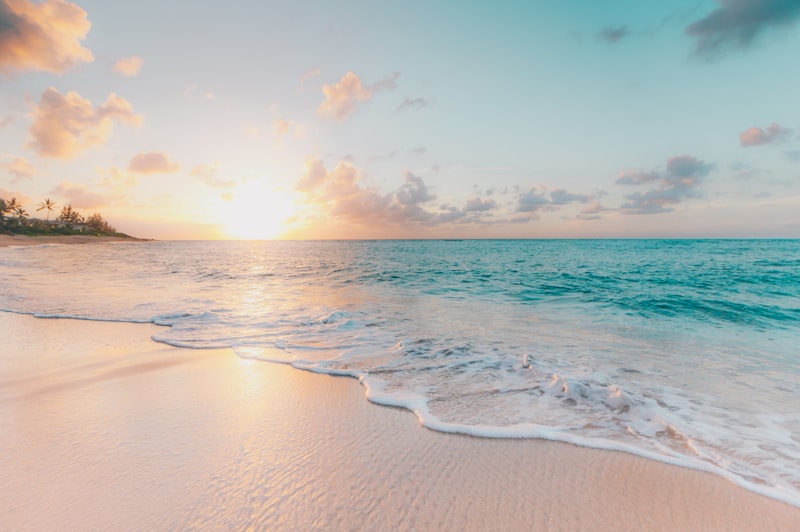
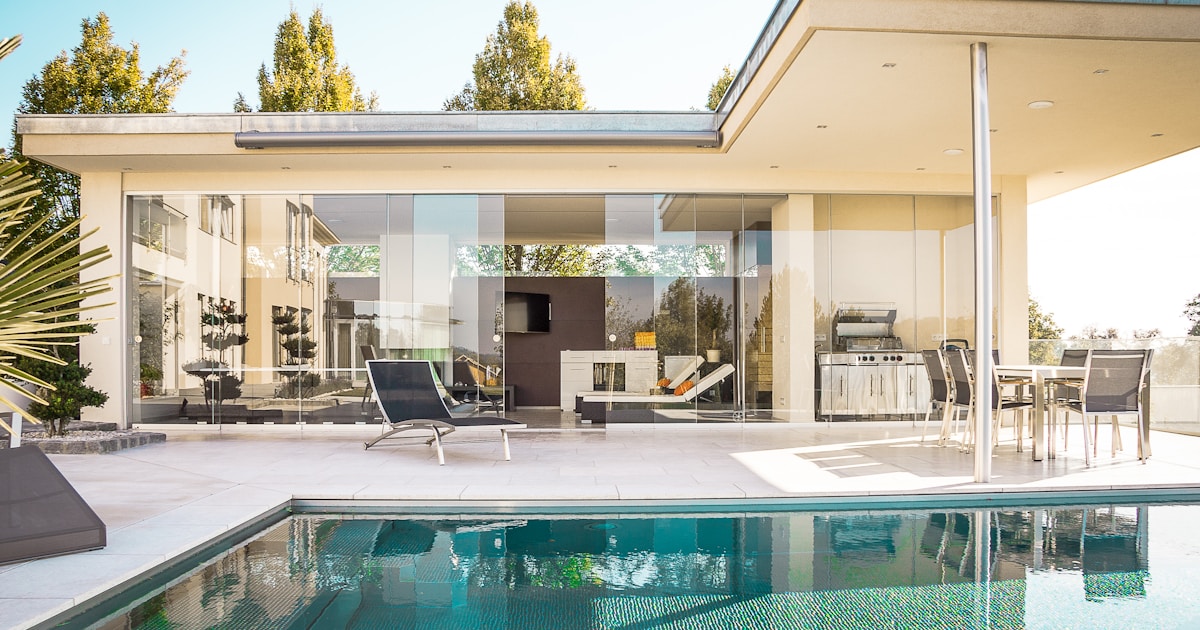
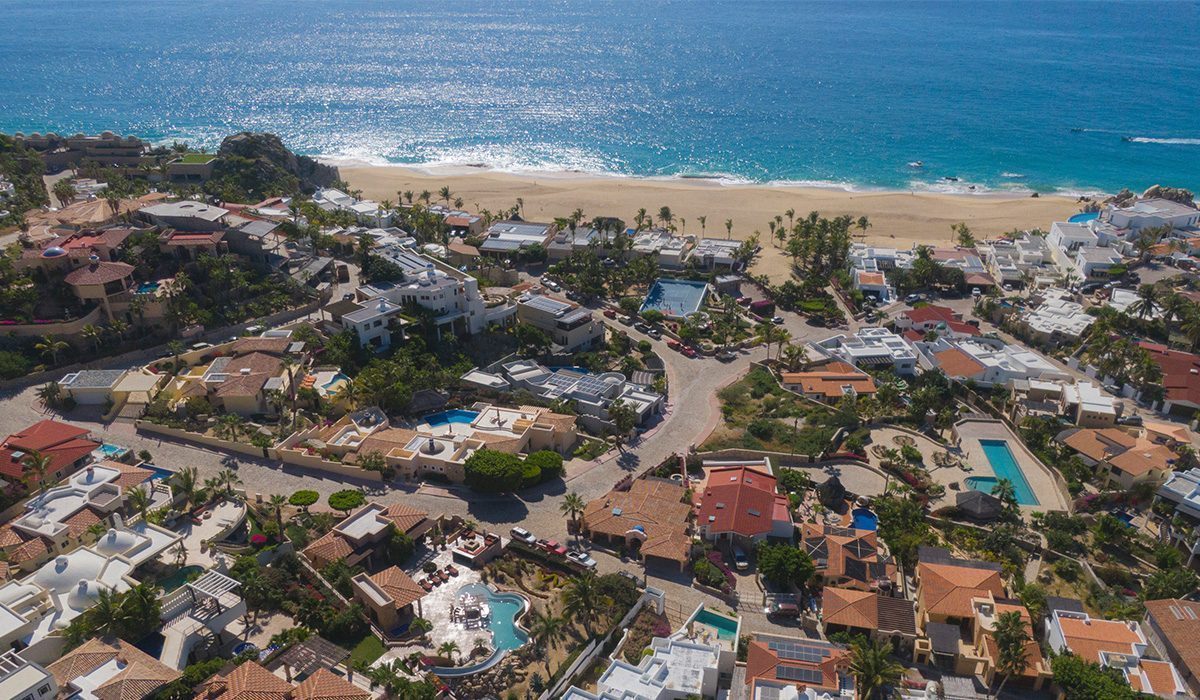
Cabo and Costa Rica are the two most popular international property markets for American buyers, but they serve fundamentally different needs. Cabo is closer, more liquid, and dominates luxury branded residences. Costa Rica is greener, allows direct ownership, and has a lower entry price. Here is the head-to-head comparison for 2026.
Key Takeaways
- ✓ Cabo is 2-3 hours from major US cities; Costa Rica is 4-6 hours — the flight-time gap drives higher occupancy and easier ownership
- ✓ Costa Rica allows direct foreign ownership; Cabo requires a fideicomiso bank trust ($2K-$3K setup, $550-$1K/year)
- ✓ Cabo luxury condos average $250-$450/night at 65-80% occupancy; Costa Rica averages $150-$300/night at 50-65%
- ✓ Property taxes are low in both: Mexico 0.1-0.3% vs Costa Rica 0.25% plus a luxury surcharge above ~$300K
- ✓ Cabo has superior resale liquidity for homes above $1M due to branded-residence infrastructure
Evaluating Cabo vs Other International Markets?
Our team helps Americans compare Los Cabos against every alternative — pricing, returns, lifestyle, and logistics. Get a data-driven recommendation.
Schedule a Free Consultation1. Flight Times and Accessibility
This is the single biggest differentiator, and it affects everything — rental occupancy, weekend visits, property management oversight, and resale demand. Cabo's proximity to the US mainland is unmatched by any tropical destination in Latin America.
| US City | To Cabo (SJD) | To Costa Rica (SJO) | Difference |
|---|---|---|---|
| Los Angeles | 2.5 hours | 5.5 hours | +3 hours |
| Phoenix | 2 hours | 5 hours | +3 hours |
| Dallas | 3 hours | 4.5 hours | +1.5 hours |
| Denver | 3.5 hours | 5.5 hours | +2 hours |
| Houston | 3 hours | 4 hours | +1 hour |
| Miami | 5 hours | 3.5 hours | -1.5 hours |
| New York | 5.5 hours | 5 hours | -0.5 hours |
| Chicago | 4.5 hours | 5 hours | +0.5 hours |
Los Cabos International Airport (SJD) handled over 6.5 million passengers in 2024, according to Mexico's Ministry of Infrastructure, with over 60 direct US routes. The airport is expanding with new terminals expected to handle 10+ million passengers annually. Costa Rica's Juan Santamaria (SJO) and Daniel Oduber (LIR in Guanacaste) collectively handle approximately 4 million international passengers annually.
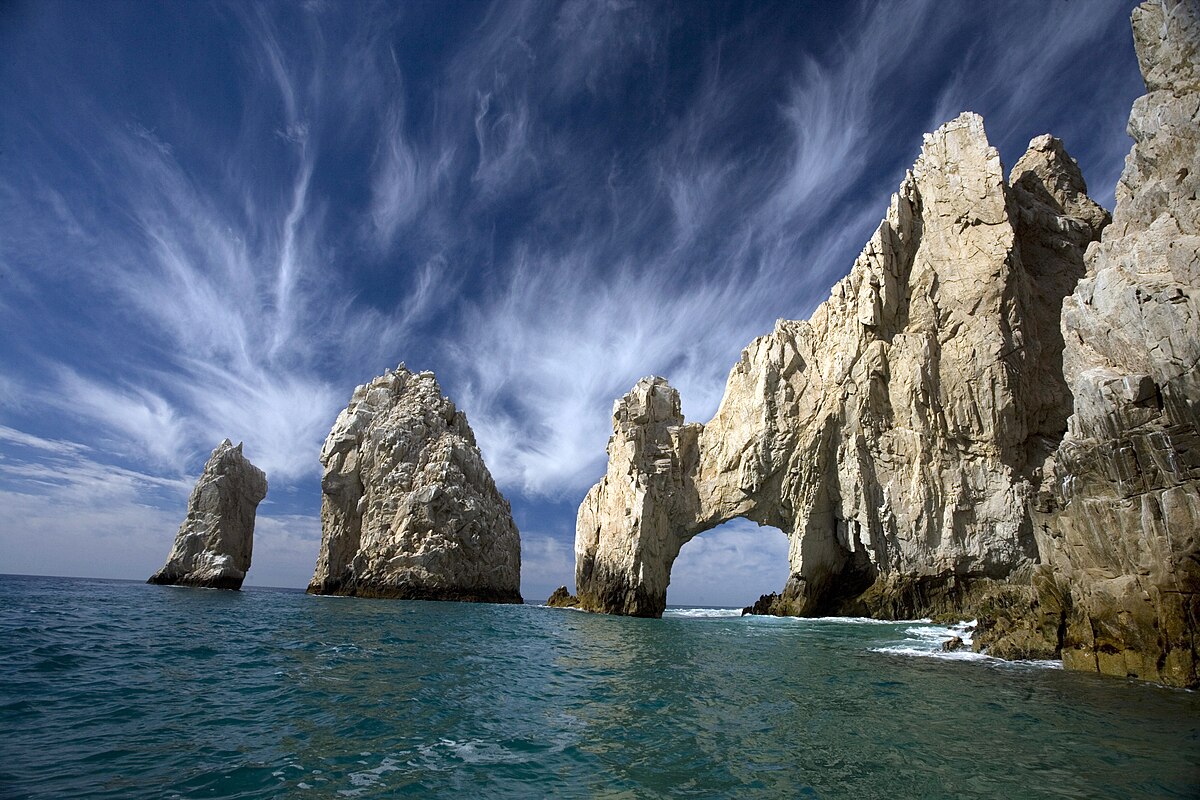
The flight-time advantage is decisive for buyers west of the Mississippi. If you live in California, Arizona, Texas, or Colorado, Cabo is essentially a domestic trip. Costa Rica makes more sense geographically for buyers in Florida, the Southeast, or the Northeast.
Cabo also has a rapidly expanding network of nonstop flights from second-tier US cities. In 2026 alone, new direct service launched from several additional markets, further closing the accessibility gap with domestic destinations.
2. Property Ownership Laws
This is where Costa Rica has a clear structural advantage: foreigners can own property directly in their own name with the same rights as Costa Rican citizens. No trust, no intermediary, no annual bank fees.
Mexico: The Fideicomiso System
In Mexico, foreigners buying within 50 kilometers of the coast (which includes all of Los Cabos) must use a fideicomiso — a bank trust where a Mexican bank holds title while you retain full control as beneficiary. Setup costs $2,000-$3,000 USD with annual fees of $550-$1,000. The trust lasts 50 years and renews indefinitely. For a full breakdown, see our What Is a Fideicomiso? guide.
The fideicomiso is well-established (50+ years, millions of transactions) and provides full ownership rights — sell, rent, remodel, inherit. But it is an extra cost and layer of complexity that Costa Rica does not require.
Costa Rica: Direct Ownership With One Exception
Costa Rica allows outright foreign ownership for most properties. The exception is the Maritime Zone (Zona Maritimo Terrestre): property within 200 meters of the high-tide line. The first 50 meters is public and cannot be developed. The next 150 meters (the restricted zone) requires a concession from the local municipality, and foreigners can only hold concessions through a Costa Rican corporation where they hold no more than 49% ownership.
This is an important nuance. Many of Costa Rica's most desirable beachfront properties fall within the maritime zone, which means the "direct ownership" advantage does not apply to the most sought-after coastal land. Inland and non-maritime-zone properties are straightforward.
3. Real Estate Prices: Side by Side
Cabo and Costa Rica operate in different price universes at the luxury end, but overlap significantly in the mid-market. Here is a realistic 2026 comparison:
| Property Type | Los Cabos | Costa Rica (Guanacaste/Central) |
|---|---|---|
| Studio/1BR condo | $200K-$350K | $120K-$250K |
| 2BR condo | $350K-$600K | $200K-$400K |
| 3BR single-family | $600K-$1.5M | $350K-$800K |
| Luxury home (non-branded) | $1.5M-$5M | $800K-$2.5M |
| Ultra-luxury / branded | $4M-$29M+ | $2M-$8M (limited) |
| Avg price/sqft (luxury) | $400-$1,400 | $200-$500 |
Costa Rica's entry price is 20-40% lower than Cabo across comparable property types. But the luxury ceiling is dramatically lower. Costa Rica has no equivalent to Cabo's branded-residence market — no Four Seasons Private Residences, no Park Hyatt, no Montage, no Ritz-Carlton Reserve. The branded-luxury segment is where Cabo is genuinely in a different category.
For buyers in the $300K-$800K range, Costa Rica offers more square footage and more land for the money. For buyers above $2M, Cabo offers a depth of luxury product and globally branded options that Costa Rica cannot match.
Need Help Comparing International Markets?
We provide side-by-side analysis of Los Cabos against any international destination — pricing, returns, tax implications, and lifestyle fit.
Book a Call4. Cost of Living Comparison
Day-to-day living costs in both destinations are significantly lower than the US mainland, but with different distributions:
- Groceries: Costa Rica is 15-20% cheaper for local produce and staples. Cabo has better access to American brands through Costco, Walmart, and La Comer
- Dining out: Comparable at local restaurants ($8-$15 per meal). Cabo's fine dining scene is more developed and more expensive ($100-$300+ per person at top restaurants)
- Domestic help: Costa Rica runs $2-$4/hour for housekeeping. Cabo runs $3-$5/hour. Both are dramatically below US rates
- Utilities: Costa Rica electricity rates are among the highest in Central America (government monopoly). Cabo utilities are generally lower, especially with CFE subsidized rates
- Internet: Both offer fiber in developed areas. Cabo's Telmex fiber covers most luxury communities with 100-300 Mbps. Costa Rica's ICE and Kolbi networks provide comparable speeds in urban areas but can be inconsistent in rural locations
- Auto insurance: Costa Rica requires mandatory INS coverage. Mexico requires mandatory liability. Both are lower than US premiums
A couple living comfortably in Los Cabos should budget $3,000-$5,000/month for living expenses (excluding housing). The same lifestyle in Costa Rica runs $2,500-$4,000/month. The gap narrows in tourist-heavy areas like Guanacaste or Manuel Antonio.
5. Healthcare Quality
Both Cabo and Costa Rica offer quality healthcare at a fraction of US costs, but the systems differ structurally.
Los Cabos healthcare: Private hospitals (Hospital H+, Blue Net Hospital, Hospiten) offer modern facilities with English-speaking physicians, many US-trained. A doctor visit costs $40-$80 USD. An MRI runs $200-$400. Major surgical procedures cost 40-60% less than US equivalents. Legal residents can enroll in IMSS public healthcare for approximately $100-$200/month. For a detailed overview, see our Healthcare in Los Cabos Expat Guide.
Costa Rica healthcare: The CCSS (Caja Costarricense de Seguro Social) public system is well-regarded and available to legal residents for approximately $100-$200/month based on income. Wait times can be long for non-emergency procedures. Private hospitals in San Jose (CIMA, Clinica Biblica) are world-class. Rural and beach areas have more limited facility access.

The key difference: Cabo's medical facilities are concentrated in the SJD-Cabo corridor, so virtually all residents are within 30 minutes of a quality hospital. In Costa Rica, healthcare quality drops significantly as you move away from the Central Valley. Buyers in Guanacaste or the Caribbean coast may be 1-2 hours from a major hospital.
6. Tax Implications for US Citizens
US citizens owe federal taxes on worldwide income regardless of where they live or own property. Both destinations have local tax obligations:
Property Taxes
- Mexico (predial): 0.1-0.3% of assessed value annually. A $1 million property in Cabo typically owes $1,000-$3,000/year
- Costa Rica: 0.25% of registered value, paid quarterly. A $1 million property owes approximately $2,500/year. However, Costa Rica's Solidarity Tax (Impuesto Solidario) adds 0.25-0.55% on the value above approximately $300,000 (275 million colones) for luxury homes. That same $1M property could owe an additional $1,750-$3,850 in luxury surcharge, bringing the total to $4,250-$6,350/year
At the $1M+ price point, Mexico's property tax burden is meaningfully lower than Costa Rica's. At entry-level prices under $300K, the rates are comparable.
Capital Gains
- Mexico: Capital gains tax on real estate sales is calculated as 35% of the profit (after allowable deductions) or 25% of the gross sale price — whichever is lower. The IRS Foreign Tax Credit allows US citizens to offset Mexican capital gains taxes against their US obligation, avoiding double taxation
- Costa Rica: Capital gains tax is 15% on profits from property sales, enacted under the 2019 fiscal reform. The US Foreign Tax Credit also applies here
Costa Rica's lower capital gains rate (15% vs Mexico's effective 25-35%) is an advantage for investors planning to sell. However, Mexico's higher rate often results in a larger Foreign Tax Credit offset against US taxes, potentially neutralizing the difference for US citizens. Consult a cross-border tax advisor for your specific situation. The IRS Publication 54 covers tax obligations for US citizens abroad.
7. Rental Income Potential
Both markets generate vacation rental income, but the dynamics differ significantly:
| Metric | Los Cabos | Costa Rica (Guanacaste) |
|---|---|---|
| Avg nightly rate (luxury) | $250-$450 | $150-$300 |
| Peak season occupancy | 65-80% | 50-65% |
| Peak season | Nov-Apr (6 months) | Dec-Apr (5 months) |
| Off-season occupancy | 35-50% | 25-40% |
| Annual gross (2BR condo) | $60K-$120K | $35K-$70K |
| Property mgmt fees | 20-30% of gross | 15-25% of gross |
| Platform presence | Strong Airbnb + direct | Strong Airbnb + VRBO |
Cabo's higher nightly rates and occupancy stem from three factors: shorter flights driving more weekend/short-stay bookings, higher average tourist spending, and the branded-resort halo that elevates the entire market. Costa Rica's lower property management fees partially offset the rate differential, but Cabo still produces 40-70% higher gross rental income on comparable properties.
For a detailed breakdown of Cabo rental returns by community and property type, see our Cabo Vacation Rental Income & ROI guide.
8. Safety and Infrastructure
Both destinations are generally safe for foreign property owners, but the profiles differ:
Los Cabos safety: Cabo consistently ranks as one of Mexico's safest tourist regions. The state of Baja California Sur has a homicide rate well below the Mexican national average, and the tourist corridor is heavily patrolled. Gated communities like Pedregal, Palmilla, and Diamante have 24/7 private security. Infrastructure is modern — paved roads, reliable water, municipal services throughout the developed areas.
Costa Rica safety: Costa Rica has one of the lowest violent crime rates in Central America and abolished its military in 1949. Property crime (theft, break-ins) has increased in tourist areas in recent years. The country's infrastructure varies dramatically by location — excellent in the Central Valley and established beach towns, challenging in rural and developing areas. Road quality is notoriously inconsistent, particularly during the rainy season (May-November).
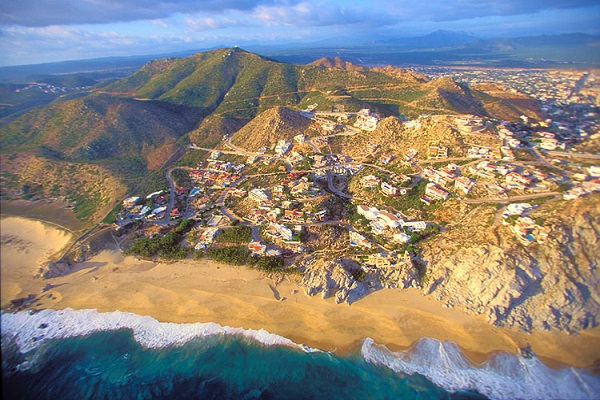
Cabo's infrastructure edge is significant for property owners. Reliable electricity, water, and internet are not guaranteed in Costa Rica's less developed beach areas, which can affect both livability and rental income. Cabo's luxury communities are built to resort standards with redundant utilities and professional management.
9. Resale Liquidity and Market Maturity
This is where Cabo pulls away decisively for luxury buyers. The Los Cabos real estate market has deeper liquidity, faster transaction times, and a more established buyer pipeline than Costa Rica at every price point above $1 million.
- Cabo days on market (luxury): 90-120 days for well-priced properties; branded residences often sell faster due to constrained supply
- Costa Rica days on market (luxury): 6-18 months for properties above $1M; the buyer pool shrinks dramatically above $2M
- Cabo transaction volume: Los Cabos recorded over $2 billion in residential real estate transactions in recent years, according to Ronival market reports
- Costa Rica transaction volume: The Guanacaste luxury market is estimated at $200-$400 million annually — a fraction of Cabo's volume
The branded-residence factor cannot be overstated. Four Seasons, Park Hyatt, Montage, Ritz-Carlton, Auberge, and St. Regis all have residential products in Los Cabos. These brands create a global buyer network — a Four Seasons owner in Cabo del Sol is marketing to the same buyer pool that shops Four Seasons Bora Bora, Vail, and Anguilla. Costa Rica has no comparable branded-residence ecosystem. For more on this market dynamic, see our Cabo Branded Residences 2026 guide.
10. Climate and Lifestyle Differences
The two destinations offer fundamentally different natural environments:
Los Cabos: Desert climate with 350+ days of sunshine annually. Average high temperatures range from 80F (winter) to 95F (summer). Minimal rainfall (under 10 inches/year) concentrated in September-October. Low humidity most of the year. Landscape is dramatic desert-meets-ocean — cardon cacti, granite cliffs, turquoise water. The Sea of Cortez side is calm and clear; the Pacific side has surf.
Costa Rica: Tropical climate with distinct wet (May-November) and dry (December-April) seasons. Guanacaste is the driest region with temperatures similar to Cabo. The Caribbean coast is wet year-round. Humidity is high everywhere except at elevation. Landscape is lush tropical rainforest, volcanoes, and biodiversity — Costa Rica has 5% of the world's biodiversity on 0.03% of its land.

The lifestyle choice is personal. Cabo offers world-class golf (12+ championship courses in a 30-mile corridor), deep-sea fishing, and a vibrant dining and nightlife scene anchored by the Cabo San Lucas marina. Costa Rica offers world-class surfing, jungle adventures, wildlife encounters, and a slower, nature-immersed pace. Cabo feels like a luxury resort destination that you can live in. Costa Rica feels like a nature retreat that happens to have real estate.
11. Expat Community Maturity
Both destinations have established American expat communities, but the character differs:
- Cabo expat community: Estimated 10,000-15,000 full-time American and Canadian residents in the Los Cabos corridor. The community skews wealthier and more resort-oriented, with strong social infrastructure — English-language churches, international schools, expat clubs, and established professional networks (attorneys, accountants, medical professionals who cater to foreigners)
- Costa Rica expat community: Estimated 50,000-80,000 American residents nationwide (one of the largest US expat populations in Latin America). The community is more dispersed geographically — Central Valley, Guanacaste, Caribbean coast, and Southern Zone. It spans a wider economic range, from retirees on Social Security to high-net-worth investors
Costa Rica's larger absolute expat population means more English-language services and a deeper support network, especially for retirees. Cabo's community is smaller but more concentrated and more affluent, which means the infrastructure and services within the corridor are exceptionally tuned to American expectations. For more on the Cabo expat experience, see our Living in Cabo San Lucas Expat Guide.
12. Construction Quality and Standards
Construction quality varies dramatically within both markets, but Cabo's luxury segment has a decisive edge:
- Cabo luxury construction: Branded developments (Four Seasons, Park Hyatt, Montage) build to global brand standards with third-party inspections, engineered hurricane-resistant design, and imported finishing materials. Custom homes in premium communities like Pedregal and Diamante are typically supervised by architects with US training and built to US-equivalent structural codes
- Costa Rica construction: The country's seismic-zone building codes (Costa Rica sits on the Ring of Fire) ensure structural integrity in reputable developments. However, construction quality outside established developers can be inconsistent. There is less third-party inspection infrastructure than in Cabo's luxury market, and imported materials face higher shipping costs
Buyers in either market should always use an independent inspector before closing. In Cabo, our closing costs guide walks through the full due diligence process. In Costa Rica, hire a structural engineer familiar with the seismic codes and local construction practices.
13. The Verdict: Which Is Right for You?
The decision comes down to five questions:
- Where do you live in the US? West of the Mississippi: Cabo is 2-3 hours away. East of the Mississippi: Costa Rica may be closer or comparable
- What is your budget? Under $500K: Costa Rica offers more options. $500K-$2M: both compete well. Above $2M: Cabo dominates with branded luxury
- Do you prioritize rental income? Cabo generates 40-70% higher gross revenue on comparable properties
- What climate do you prefer? Desert sunshine and low humidity vs tropical rainforest and biodiversity
- How important is resale liquidity? Cabo properties above $1M sell in 90-120 days. Costa Rica can take 6-18 months
If you want a luxury vacation home with strong rental income, global brand backing, and the ability to fly down for a long weekend, Cabo is the clear choice. If you want an affordable nature retreat, direct property ownership, and plan to spend extended time in residence, Costa Rica has genuine advantages.
Many buyers end up looking at both and realizing they are not substitutes — they serve different purposes. The buyer who wants a Palmilla villa is not cross-shopping a Guanacaste hacienda. The buyer who wants a $250K jungle house with a pool is not looking at Cabo condos. Know which buyer you are before you start comparing.
Ready to Explore Los Cabos Real Estate?
Our team has helped hundreds of Americans navigate the Cabo buying process. Whether you are comparing markets or ready to move, get expert guidance from start to close.
Contact Us TodayFrequently Asked Questions
Can Americans own property directly in Costa Rica?+
Yes. Costa Rica allows foreigners to own property in their own name with the same rights as citizens. There is no trust requirement equivalent to Mexico's fideicomiso. However, maritime zone properties (within 200 meters of the high-tide line) have restrictions — the first 50 meters is public, and the next 150 meters requires a concession from the local municipality, which foreigners can only hold through a Costa Rican corporation with at least 50% Costa Rican ownership.
Is Cabo closer to the US than Costa Rica?+
Significantly. Los Cabos (SJD airport) is a 2-3 hour direct flight from most major US cities: 2.5 hours from LA, 2 hours from Phoenix, 3 hours from Dallas, 3.5 hours from Denver. Costa Rica's SJO airport requires 4-6 hours from the same cities: 5.5 hours from LA, 4 hours from Miami, 5 hours from Houston. Cabo has 60+ direct US routes; Costa Rica has approximately 30-35.
Which has better rental income, Cabo or Costa Rica?+
Cabo generates stronger rental yields for luxury properties. Well-located Cabo condos achieve $250-$450/night with 65-80% peak-season occupancy. Costa Rica's popular areas (Guanacaste, Manuel Antonio) typically achieve $150-$300/night with 50-65% occupancy. Cabo's proximity to the US, higher tourist spending, and branded resort infrastructure drive the premium. However, Costa Rica offers lower operating costs, which can improve net margins on mid-range properties.
How do property taxes compare between Cabo and Costa Rica?+
Both destinations have low property taxes compared to the US. Mexico's predial tax runs 0.1-0.3% of assessed value annually — a $1M property might owe $1,000-$3,000/year. Costa Rica's property tax is a flat 0.25% of the registered value annually. The primary difference is that Costa Rica also charges a luxury home tax (Solidarity Tax) of 0.25-0.55% on homes valued above approximately $300,000 (275 million colones), which can make higher-end properties more expensive to hold than comparable Cabo properties.
Is Costa Rica or Cabo safer for American property buyers?+
Both are considered safe destinations for foreign buyers with established legal frameworks. Los Cabos consistently ranks as one of Mexico's safest tourist regions. Costa Rica has one of the lowest violent crime rates in Central America but has seen increases in property crime in tourist areas. Both countries have strong rule of law for property transactions. Mexico uses a notario publico system; Costa Rica uses a national registry system. Title insurance is available in both countries.
What is the cost of living difference between Cabo and Costa Rica?+
Costa Rica is generally 15-25% less expensive for day-to-day living (groceries, dining, domestic help) than Los Cabos, particularly outside tourist zones. However, Cabo's proximity to the US border means certain American goods and services are more readily available. Healthcare costs are comparable — both offer quality private care at 40-60% below US prices. Utilities tend to be higher in Costa Rica due to less infrastructure competition.
Which market has better resale liquidity, Cabo or Costa Rica?+
Cabo has significantly stronger resale liquidity, especially for luxury properties above $1 million. The branded-residence market (Four Seasons, Montage, Park Hyatt, Ritz-Carlton) creates a global buyer pool that Costa Rica largely lacks. Average days on market for well-priced Cabo luxury properties: 90-120 days. Costa Rica luxury properties above $1M can sit for 6-18 months. Costa Rica has better liquidity in the $200K-$500K range where volume is higher.
Can I use my US health insurance in Cabo or Costa Rica?+
Neither destination accepts standard US health insurance directly. Both offer affordable private healthcare — a doctor visit in Cabo or Costa Rica costs $40-$80 USD, and hospital procedures run 40-60% below US rates. Costa Rica's public healthcare system (CCSS/Caja) is available to legal residents for about $100-$200/month. Mexico has IMSS for legal residents at similar costs. Most American expats in both locations carry international health insurance or pay out of pocket for private care.

Aaron Cuha
Real Estate Advisor & Los Cabos Market Expert
Real estate advisor and founder of Living In Cabo. 15+ years helping families navigate complex real estate decisions. Strategic partner with Ronival — Baja's largest brokerage.