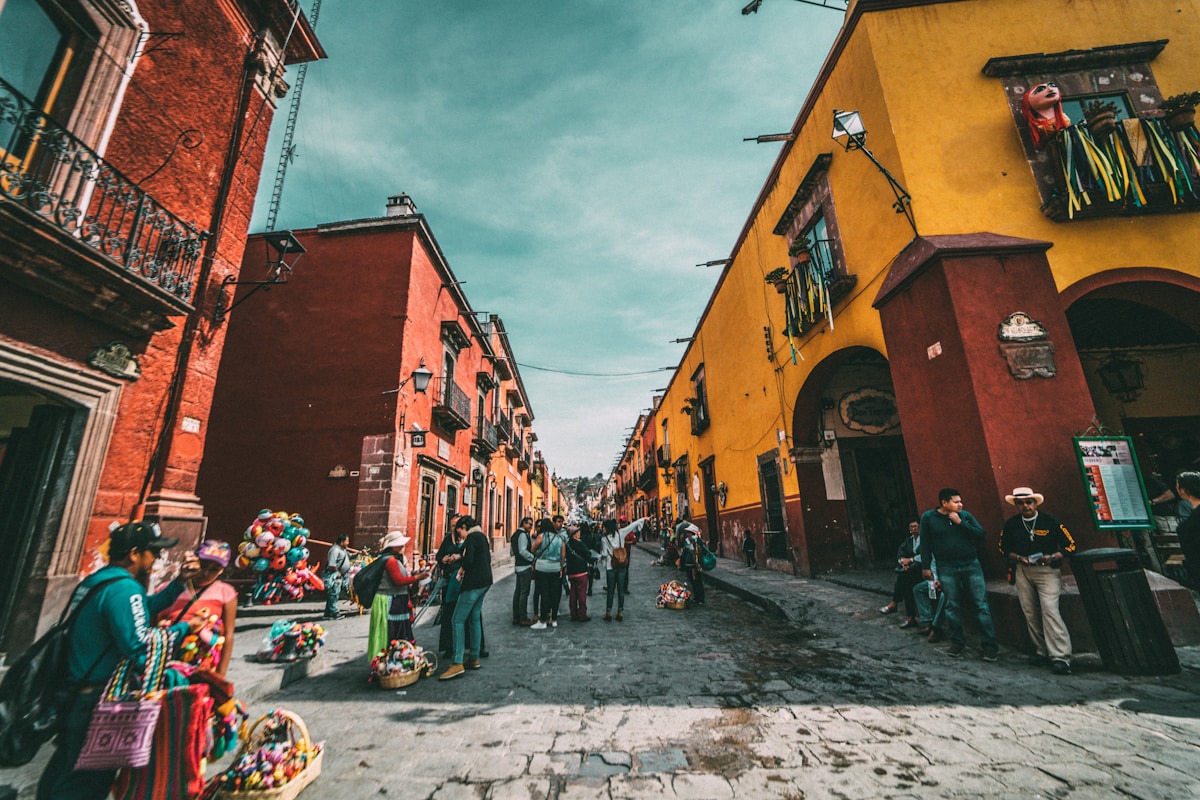
Los Cabos is not just a vacation destination anymore. Over the past three years, it has quietly emerged as one of Mexico's best bases for digital nomads and remote workers — combining fiber internet, US timezone alignment, world-class lifestyle, and a cost of living that lets you live better for less. Here is the complete playbook for making it work in 2026.
Key Takeaways
- ✓ Fiber internet up to 200Mbps available in developed areas; Starlink expanding in remote zones
- ✓ Comfortable monthly budget: $2,000–$4,000 including furnished rental, food, and coworking
- ✓ No special visa needed for stays under 180 days — US and Canadian citizens enter free
- ✓ Mountain Standard Time year-round — full overlap with US business hours
- ✓ San Jose del Cabo, Todos Santos, and Cerritos Beach are the top nomad neighborhoods
- ✓ Many nomads buy property within 12 months of arriving — rental income subsidizes the lifestyle
Thinking About Making Los Cabos Your Home Base?
Whether you are renting first or ready to buy, our team helps remote workers find the right neighborhood and property in Los Cabos.
Schedule a Free Consultation1. Internet Infrastructure: Can You Actually Work from Cabo?
This is the first question every remote worker asks, and the answer is a definitive yes — with caveats about location.
In developed areas of Cabo San Lucas, San Jose del Cabo, and the Corridor, fiber optic internet is widely available. Totalplay and Telmex Infinitum are the two major ISPs, offering residential plans from 100 to 200Mbps for approximately $40 to $80 USD per month. Totalplay tends to deliver more consistent speeds and is the preferred choice among expats who rely on video calls.
Starlink has been a game-changer for nomads in less developed areas. East Cape, the Pacific Side, and rural stretches between towns where terrestrial fiber has not yet reached now have reliable 50 to 150Mbps connections via satellite. The hardware costs around $500 USD with monthly service at approximately $50 USD in Mexico.
A few practical tips from the field:
- Always test the connection before signing a rental lease. Ask the landlord to run a speed test on a video call while you watch.
- Have a backup. A Telcel or AT&T Mexico hotspot with a 20GB data plan ($15 to $25 USD/month) is cheap insurance for outage days.
- Avoid peak-hour congestion in older condo complexes where 50 units share a single building connection. Newer developments tend to have individual fiber drops per unit.
2. Coworking Spaces and Work-Friendly Cafes
The coworking scene in Los Cabos is not Playa del Carmen or Mexico City — but it is growing fast and the options are solid.
IZA Business Centers is the most established option, with locations in Cabo San Lucas offering private offices, hot desks, high-speed internet, meeting rooms, and reception services. Monthly dedicated desks run $200 to $350 USD, with day passes at $15 to $25. The environment is professional — you could take a client call without worrying about blender noise in the background.
In San Jose del Cabo, the Art District is where nomad culture is concentrating. A handful of cafes along Boulevard Mijares and the surrounding streets have leaned into the remote worker market with fast Wi-Fi, comfortable seating, and a "stay as long as you want" attitude. Expect to spend $5 to $10 on coffee and food per session.
Todos Santos takes a different approach. The coworking infrastructure is more informal — think shared tables in boutique hotels, cafe patios, and community spaces organized through local WhatsApp groups. The trade-off is a creative, collaborative atmosphere that attracts writers, designers, and entrepreneurs.
Many long-term nomads eventually set up a dedicated home office. A furnished rental with a solid internet connection and a spare bedroom converted to a workspace is the most productive (and cost-effective) solution for anyone staying more than three months.
3. Cost of Living Breakdown for Nomads
Los Cabos is not the cheapest destination in Mexico — that title belongs to cities like Oaxaca or Merida. But for the lifestyle quality you get, the value is exceptional. Here is a realistic monthly budget for a single digital nomad in 2026:
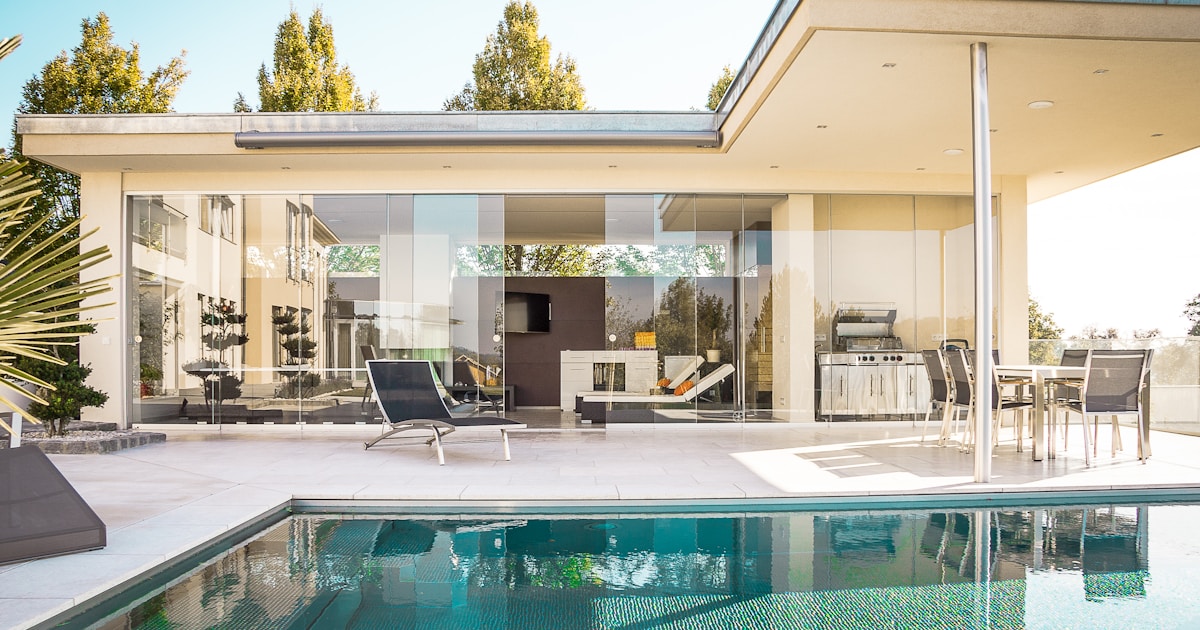
- Furnished rental: $800 to $2,500/month. A one-bedroom in downtown San Jose runs $800 to $1,200. A modern condo in Cabo San Lucas with ocean views and a pool starts at $1,500. Luxury options in the Corridor or beachfront push to $2,500 and above.
- Internet: $50 to $80/month for home fiber. Usually included in furnished rentals.
- Coworking: $0 (home office) to $350/month (dedicated desk)
- Food and dining: $400 to $800/month. Street tacos and local restaurants keep costs low ($3 to $8 per meal). Western restaurants and sushi spots in the tourist zone run $15 to $35 per person.
- Transportation: $100 to $300/month. No car needed in downtown SJD. Uber is available in both towns. A rental car runs $400 to $700/month if you want to explore.
- Health insurance: $80 to $200/month (private Mexican plan) or $100 to $300/month (international nomad insurance like SafetyWing)
- Entertainment and activities: $200 to $500/month. Surfing, diving, golf, nightlife — Los Cabos has it all.
Bottom line: $2,000/month gets you a comfortable life. $3,000/month gets you a great life. $4,000/month and above puts you in luxury territory with a car, premium gym, regular dining out, and weekend adventures.
4. Visa Options for Remote Workers
Mexico makes it easy for digital nomads to stay legally. Here are your options:
Tourist Visa (FMM) — Up to 180 days: US and Canadian citizens do not need a visa to enter Mexico. You receive a free tourist permit (Forma Migratoria Multiple) at the airport, valid for up to 180 days. This is what most nomads use for their initial stay. You cannot legally work for a Mexican employer on this permit, but working remotely for a foreign company is a widely accepted gray area that Mexican immigration does not enforce against.
Temporary Resident Visa — 1 to 4 years: For stays exceeding 180 days, apply for a Temporary Resident visa at your nearest Mexican consulate before traveling. Requirements include proof of income (approximately $2,500 USD/month from employment or investments) or savings (approximately $42,000 USD in bank statements over the past 12 months). The visa is initially issued for one year and renewable up to four years, after which you can apply for permanent residency.
Tax implications: If you spend more than 183 days per calendar year in Mexico, you may be considered a Mexican tax resident. Consult a cross-border tax professional — this is not optional, it is essential. Mexico and the US have a tax treaty to prevent double taxation, but the filing requirements are specific.
Ready to Explore Los Cabos Neighborhoods?
Our team helps remote workers find the perfect neighborhood based on lifestyle, budget, and connectivity needs.
Book a Call5. Best Neighborhoods Ranked for Nomad Life
Not all neighborhoods in Los Cabos are created equal for remote workers. Here is how the main areas stack up:
San Jose del Cabo Downtown — Best Overall for Nomads
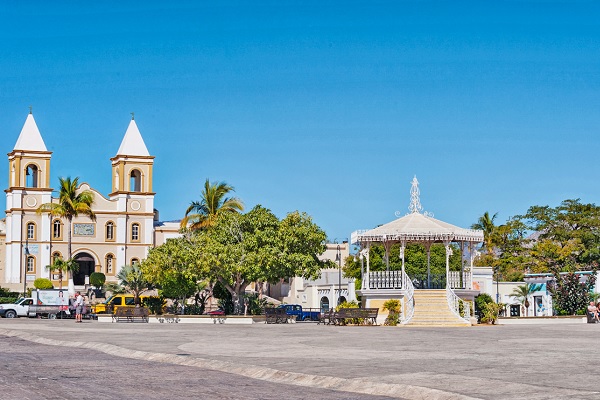
The Art District and surrounding blocks offer the best walkability in Los Cabos. Cafes, restaurants, galleries, grocery stores, and a weekly farmers market are all within a 10-minute walk. Internet infrastructure is strong (100 to 200Mbps fiber widely available). The colonial architecture and slower pace create a more "living here" vibe than a "vacationing here" one. One-bedroom furnished rentals start at $800/month.
Todos Santos — Best for Creatives and Surfers
An hour north on the Pacific Side, Todos Santos is a designated Pueblo Magico (Magic Town) with a bohemian soul. Writers, artists, surfers, and entrepreneurs have built a tight-knit international community here. The town is smaller and quieter — no nightclubs, no mega-resorts. Internet has improved significantly with Starlink adoption, though fiber availability is limited to the town center. Furnished rentals start at $700/month.
Cerritos Beach — Best for Surf and Simplicity
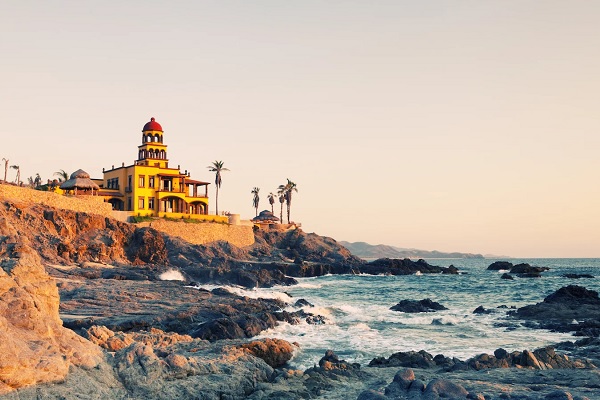
Just south of Todos Santos, Cerritos Beach is the Pacific Side's surf hub. The community is small, the waves are consistent, and the development is deliberately low-key. Starlink has made remote work viable here. It is the most affordable coastal option in Los Cabos, with furnished studios and one-bedrooms starting at $600/month. The trade-off is limited dining and nightlife options — you are here for the ocean, not the scene.
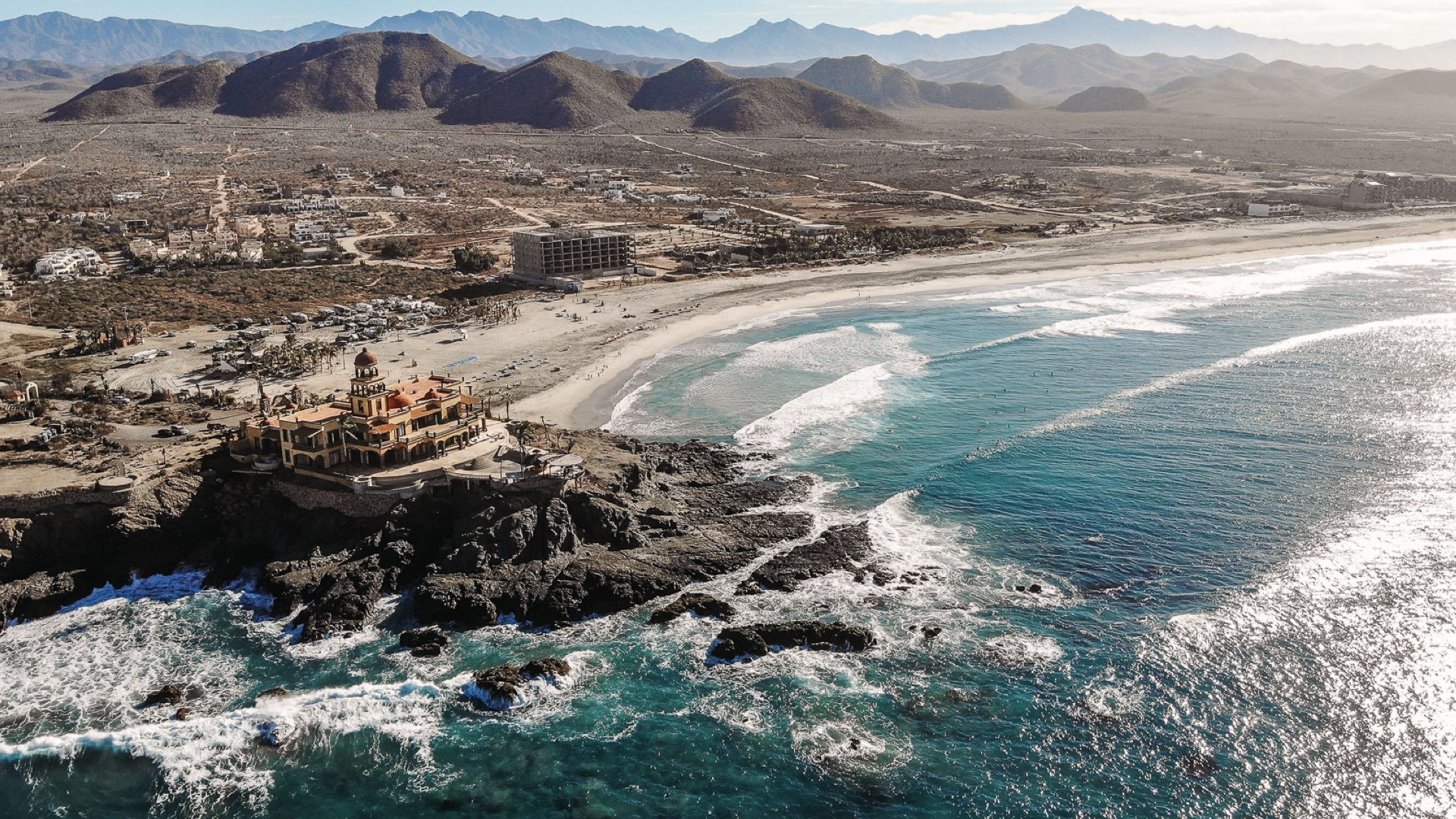
Cabo San Lucas — Best for Nightlife and Networking
If you want energy, Cabo delivers. The marina area and downtown have the highest concentration of restaurants, bars, gyms, and social opportunities. Internet infrastructure is excellent in newer developments. The downside is higher rental costs ($1,500+/month for a decent one-bedroom) and a more transient, tourist-heavy population. That said, the networking opportunities are real — Cabo attracts entrepreneurs and investors year-round.
6. The Timezone Advantage
This is the single biggest practical advantage Los Cabos has over Southeast Asian or European nomad destinations. Los Cabos follows Mountain Standard Time (MST/UTC-7) year-round — Mexico no longer observes daylight saving time.
What this means for your workday:
- US West Coast (PST/PDT): 0 to 1 hour difference depending on season
- US Mountain (MST/MDT): 0 to 1 hour difference
- US Central (CST/CDT): 1 to 2 hours difference
- US Eastern (EST/EDT): 2 to 3 hours difference
A 9-to-5 Eastern schedule means working 7am to 3pm in Cabo — leaving your entire afternoon free for surfing, golf, or exploring. A West Coast schedule maps nearly one-to-one. Compare that to Bali (15 hours ahead of EST) or Lisbon (5 hours ahead), and the timezone math is not even close.
7. Healthcare for Nomads
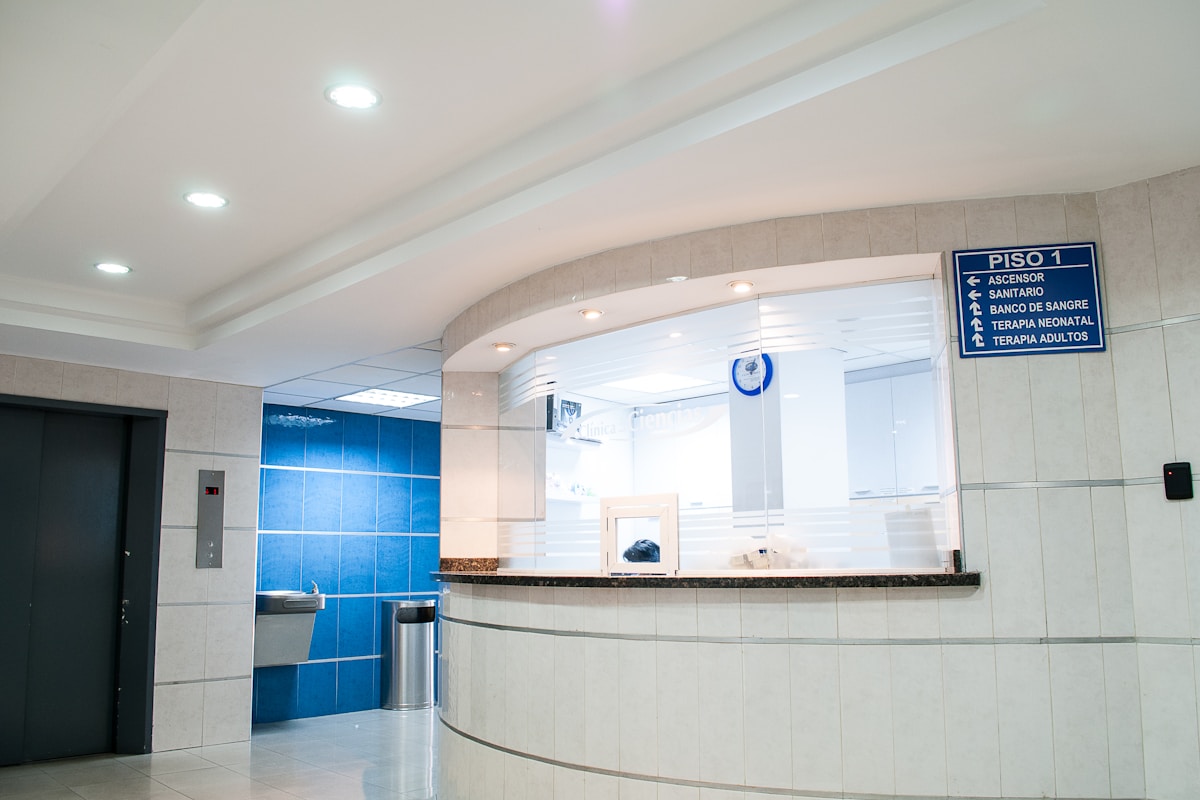
Healthcare quality in Los Cabos is excellent and shockingly affordable compared to the US. The region caters to medical tourists and expats, so bilingual care is standard at private facilities.
Key facilities:
- Blue Diamond Hospital — the newest and most modern private hospital in the region
- H+ Hospital — established private hospital with a full range of specialties
- AmeriMed Hospital — caters specifically to international patients with US-standard protocols
Typical costs (cash pay, no insurance):
- General doctor visit: $30 to $60 USD
- Specialist consultation: $60 to $100 USD
- Dental cleaning: $50 to $80 USD
- Blood panel: $30 to $50 USD
- MRI: $200 to $400 USD (versus $1,000 to $3,000 in the US)
For insurance, most nomads choose one of three paths: international nomad insurance (SafetyWing at $40 to $80/month, World Nomads), a local Mexican private plan (GNP Seguros, Seguros Monterrey — $80 to $200/month), or maintaining a US-based plan and paying out-of-pocket locally. The out-of-pocket route is viable because Mexican healthcare costs are so low that many routine visits are cheaper than a US insurance copay.
8. From Nomad to Property Owner
Here is the pattern we see play out over and over: a remote worker comes to Los Cabos for a three-month test run. They rent a furnished condo, work from the terrace in the mornings, surf or golf in the afternoons, and realize this is not a vacation — this is a viable long-term lifestyle. By month six, they are looking at properties.
The economics often make sense. A $350,000 one-bedroom condo in San Jose del Cabo can generate $25,000 to $40,000 per year in vacation rental income when you are traveling. That rental income can cover your mortgage (if you finance), your HOA fees, your property taxes, and still leave margin. When you are in town, you live in your own place instead of paying rent.
Buying as a foreigner is straightforward through a fideicomiso bank trust. The process takes 40 to 45 days from accepted offer to possession. Many of our buyers started exactly where you are now — working remotely, testing the waters, then making the move permanent.

9. How to Get Started
If you are seriously considering Los Cabos as your next base, here is the practical sequence:
- Do a 30-day test run. Rent a furnished place on Airbnb or Furnished Finder in your top neighborhood pick. Work a full schedule and see how the logistics actually feel.
- Test the internet. Run speed tests at different times of day. Try video calls during peak hours. Identify backup options.
- Explore multiple neighborhoods. Spend time in San Jose, Cabo, and the Pacific Side. They are different worlds despite being close together.
- Connect with the community. Join local expat and nomad Facebook groups and WhatsApp chats. The community is welcoming and full of practical intel.
- Talk to us about real estate. Even if buying is a year away, understanding the market early helps you make better decisions when the time comes.
Los Cabos is not the overcrowded, overpriced nomad hub that Tulum has become. It is not the hectic megacity that Mexico City is. It is a sweet spot — developed enough to work comfortably, beautiful enough to feel like you are living your best life, and positioned in a timezone that does not wreck your schedule. That combination is rare.
Ready to Make Los Cabos Your Home Base?
From short-term rentals to long-term property investments, our team helps remote workers find their perfect spot in Los Cabos.
Contact Us TodayFrequently Asked Questions
How fast is the internet in Los Cabos for remote work?+
Fiber optic internet is available in most developed areas of Los Cabos through providers like Totalplay and Telmex, delivering speeds of 100 to 200Mbps. Starlink is increasingly popular in more remote areas like East Cape and the Pacific Side. Most coworking spaces and modern apartment complexes offer dedicated business-grade connections. Always test the connection before signing a lease.
How much does it cost to live in Los Cabos as a digital nomad?+
A comfortable digital nomad lifestyle in Los Cabos costs between $2,000 and $4,000 USD per month. This includes furnished rental ($800 to $2,500), coworking or home office internet ($50 to $80), food and dining ($400 to $800), transportation ($100 to $300), health insurance ($80 to $200), and entertainment. Living in San Jose del Cabo or Todos Santos is typically 15 to 25 percent cheaper than Cabo San Lucas.
Do I need a special visa to work remotely from Los Cabos?+
No special visa is required for stays under 180 days. US and Canadian citizens receive a free tourist visa (FMM) upon arrival. For stays longer than 180 days, apply for a Temporary Resident visa at your nearest Mexican consulate before traveling. Mexico does not have a formal digital nomad visa, but the temporary resident visa covers remote workers. You cannot legally work for a Mexican employer on a tourist visa, but working remotely for a foreign company is widely practiced and accepted.
What are the best neighborhoods in Los Cabos for digital nomads?+
San Jose del Cabo downtown and the Fonatur hotel zone are the top picks for walkability, cafes, and fast internet. Todos Santos attracts the surf and creative crowd with a bohemian village feel. Cabo San Lucas works for nomads who want nightlife and resort energy. Cerritos Beach on the Pacific Side offers a laid-back surf community with growing infrastructure. Each neighborhood has a distinct vibe, so visit before committing to a long-term rental.
Are there coworking spaces in Los Cabos?+
Yes. IZA Business Centers operates multiple locations in Cabo San Lucas with private offices, hot desks, and meeting rooms. San Jose del Cabo has a growing number of cafe-workspaces in the Art District. Todos Santos has informal coworking setups popular with the creative community. Most spaces charge $150 to $350 USD per month for a dedicated desk, or $10 to $25 per day for a drop-in pass.
What timezone is Los Cabos in and does it work for US meetings?+
Los Cabos follows Mountain Standard Time (MST/UTC-7) year-round — Mexico does not observe daylight saving time. This means Los Cabos aligns with Mountain Time cities like Denver and Phoenix year-round, is one hour behind Central Time (Chicago), and two hours behind Eastern Time (New York). This overlap makes it one of the easiest international destinations for US-based remote workers to maintain normal business hours.
Can I get good healthcare in Los Cabos as a digital nomad?+
Yes. Los Cabos has excellent private healthcare facilities. Blue Diamond Hospital, H+ Hospital, and AmeriMed are the main private hospitals, with bilingual staff and US-trained doctors. A standard doctor visit costs $30 to $60 USD. Private health insurance through Mexican providers like GNP or Seguros Monterrey costs $80 to $200 per month depending on age and coverage. Many nomads use a combination of travel insurance and local private pay.
Do many digital nomads eventually buy property in Los Cabos?+
Yes, and it is one of the most common patterns we see. Nomads arrive for a season, fall in love with the lifestyle, and start looking at condos within 6 to 12 months. The math often works in their favor — a $350,000 condo in San Jose del Cabo can generate $25,000 to $40,000 per year in vacation rental income when they travel, effectively subsidizing their cost of living. Many buy through a fideicomiso bank trust and split time between Cabo and the US.

Aaron Cuha
Real Estate Advisor & Los Cabos Market Expert
Real estate advisor and founder of Living In Cabo. 15+ years helping families navigate complex real estate decisions. Strategic partner with Ronival — Baja's largest brokerage.