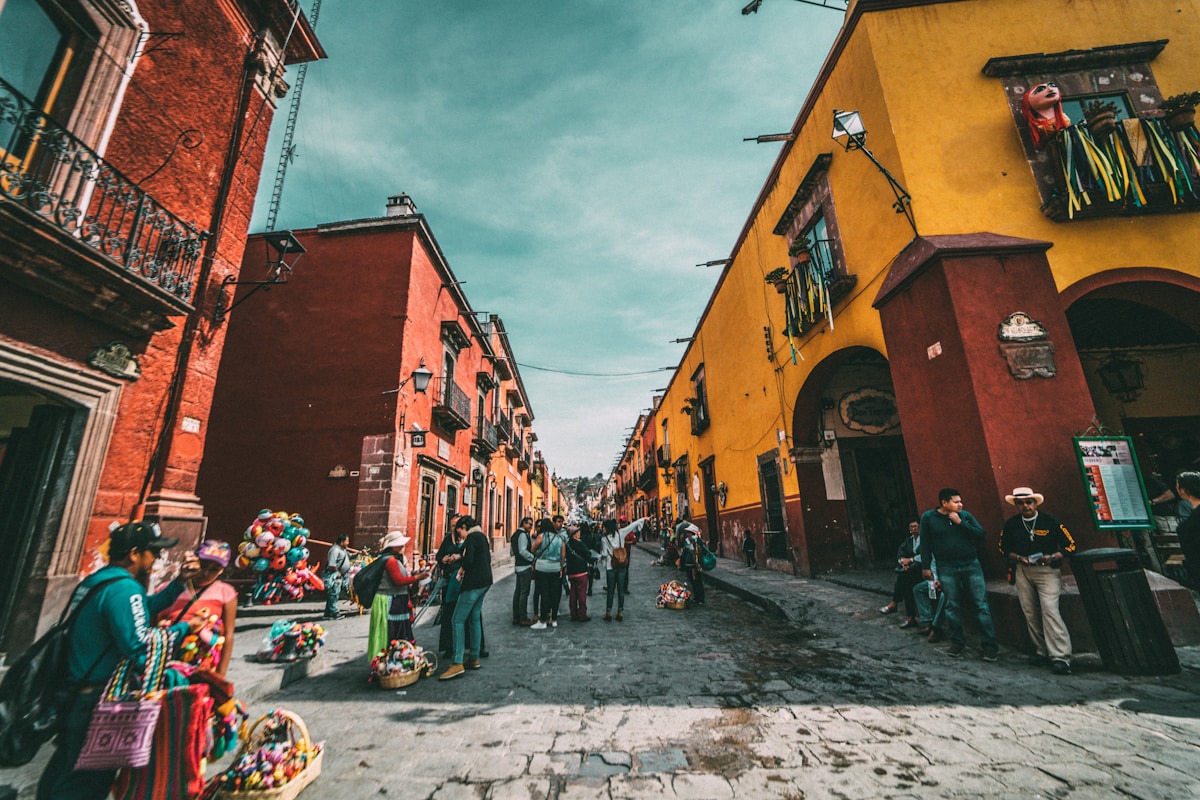
Living in Los Cabos as a digital nomad costs $1,200–$4,000 per month, with fiber internet delivering 60+ Mbps and a time zone that aligns perfectly with US business hours. I have watched the remote work scene here evolve from a handful of laptop warriors at hotel pools to a genuine community of location-independent professionals. Here is the honest guide — the good, the limitations, and who Cabo is really right for.
Key Takeaways
- ✓ Monthly cost: $1,200–$2,000 (budget), $2,200–$4,000 (mid), $5,000+ (premium)
- ✓ Internet: 60–200 Mbps fiber available; Starlink ~$150/month for remote areas
- ✓ Time zone: Mountain Standard Time — aligns with US West Coast and Central
- ✓ Coworking scene is growing but still limited — most nomads work from home or cafes
- ✓ San Jose del Cabo is the emerging nomad hub; Cabo San Lucas is more social/resort-oriented
Thinking About Working Remotely from Cabo?
Whether you are looking for a month-long trial or a permanent base, our team can help you find the right neighborhood and property for your remote work lifestyle.
Schedule a Free ConsultationWhy Cabo Works for Remote Workers
I talk to a lot of remote workers who are evaluating destinations, and Cabo keeps winning for a specific profile of nomad. Here is why:
Time Zone Alignment
This is the killer feature that most "best digital nomad destinations" lists underrate. Los Cabos is on Mountain Standard Time (UTC-7) year-round. If you work with US clients or a US-based company, you are on the same clock as the West Coast and one hour behind Central. Try that from Bali or Lisbon — you will be on calls at 2 AM. From Cabo, your workday looks normal.
Flight Accessibility
SJD airport has direct flights from 35+ US cities. Los Angeles is 2.5 hours. Dallas is 3 hours. If a client needs you in person or you need to fly home for the holidays, you are closer than you would be from Tulum, Costa Rica, or Colombia. This matters when "digital nomad" is not a vacation — it is your actual work life.
Quality of Life
After your last Zoom call, you can be on a beach, at a world-class restaurant, on a golf course, or hiking a desert trail within 15 minutes. The outdoor lifestyle in Los Cabos is genuinely world-class. The weather is 300+ sunny days per year. The food scene is extraordinary. And the community of international residents means you are never isolated.
Monthly Cost Breakdown for Digital Nomads
| Category | Budget | Mid-Range | Premium |
|---|---|---|---|
| Housing | $500–$800 | $1,000–$2,000 | $3,000–$5,000 |
| Food & Dining | $300–$500 | $500–$800 | $1,000–$2,000 |
| Internet | $35–$50 | $50–$80 | $80–$150 |
| Transportation | $100–$200 | $200–$400 | $400–$800 |
| Activities | $100–$200 | $300–$500 | $500–$1,500 |
| Coworking / Cafe | $50–$100 | $100–$200 | $200–$400 |
| Monthly Total | $1,200–$2,000 | $2,200–$4,000 | $5,000+ |
The budget tier assumes you are living like a savvy local: renting a studio or shared apartment, eating mostly at taquerias and cooking at home, and using public transport. Mid-range gives you a comfortable 1-bedroom, dining out regularly, and regular activities. Premium is resort-level living with luxury housing and a full social calendar.
For context, a comparable lifestyle in Austin runs $3,000–$5,000/month. In San Diego, $3,500–$6,000. In Cabo, you get better weather, better food, and the beach — at 30–50% less.
Internet: The Make-or-Break Factor
Let me be direct: the internet situation in Cabo is good but not perfect. Here is the honest assessment:
What Works Well
- Fiber broadband: Telmex/Infinitum and TotalPlay offer fiber connections in most developed areas of Cabo San Lucas and San Jose del Cabo. Speeds of 60–200 Mbps are standard on fiber plans. Monthly cost: $35–$80 USD.
- Starlink: Available in most of Baja California Sur at approximately $150/month. Delivers 50–100 Mbps with low latency. Particularly useful for remote areas like the East Cape, Todos Santos, and Cerritos where fiber is limited.
- Cellular data: Telcel provides reliable 4G/LTE coverage throughout the tourist zones at 10–40 Mbps. A prepaid SIM with unlimited data costs about $15–$25/month.
What to Watch Out For
- Power outages: CFE (Mexico's power utility) has occasional brownouts, especially in summer. A UPS battery backup ($50–$100) is essential for anyone who takes Zoom calls. If you are renting, ask the landlord about the reliability of the power in that specific building.
- Speeds vary by neighborhood: Fiber coverage is not uniform. The Fonatur zone, resort areas, and newer developments typically have the best connectivity. Older neighborhoods may still be on DSL.
- Backup plan: Always have a cellular hotspot as backup. Telcel or AT&T Mexico prepaid plans are cheap and reliable for emergency connectivity.
Best Neighborhoods for Remote Workers
San Jose del Cabo: The Top Pick for Nomads
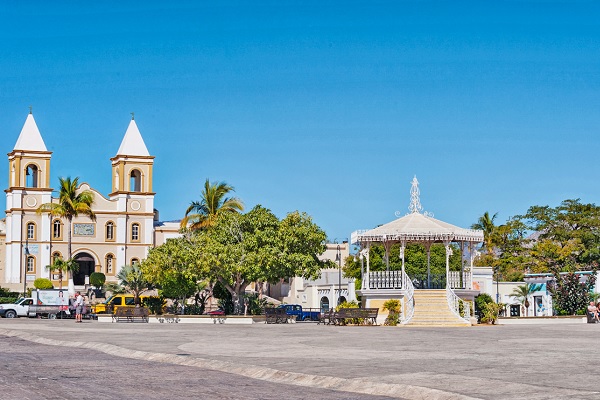
Downtown SJD is my top recommendation for digital nomads. It is walkable, quieter than Cabo San Lucas, and has a growing infrastructure of cafes with good WiFi, affordable local restaurants, and a cultural scene (Art District, galleries, farm restaurants) that enriches daily life beyond work.
Fiber internet is widely available. The organic market on Saturdays is your grocery run. You can walk to dinner at a dozen different restaurants. And when you want resort energy, Cabo San Lucas is a 30-minute drive.
Cabo San Lucas: For the Social Nomad
If your nomad life includes a heavy social component — networking events, beach clubs, nightlife — Cabo San Lucas delivers. The marina area has several cafes and hotels with reliable WiFi. The downside is more noise, more tourist pricing, and a less authentic feel compared to SJD.
Todos Santos & Cerritos: For the Surf Nomad
Todos Santos and Cerritos Beach attract a specific type of remote worker: the surfer-entrepreneur who wants morning waves and afternoon deep work. Internet is more limited (Starlink is the go-to), and amenities are fewer, but the lifestyle is magnetic for the right person. The bohemian food scene in Todos Santos is a major draw.
Ready to Make Cabo Your Home Base?
Book a call to explore housing options, neighborhoods, and the transition from nomad to resident in Los Cabos.
Book a CallVisa & Legal Considerations
Mexico's visa situation for remote workers is straightforward but has some nuances:
- FMM Tourist Permit (under 180 days): US and Canadian citizens get up to 180 days on the free tourist permit (FMM) issued at entry. This is the simplest option for testing the waters. The FMM does not technically authorize employment in Mexico, but remote work for a foreign employer on foreign payroll is widely tolerated.
- Temporary Resident Visa (1–4 years): For stays longer than 180 days, apply for a Temporary Resident visa at a Mexican consulate before travel. You need to demonstrate financial solvency (income of ~$2,800 USD/month or savings of ~$47,000 USD). The visa is renewable for up to 4 years, after which you can apply for Permanent Residency.
- Tax implications: If you spend more than 183 days per calendar year in Mexico, you may become a Mexican tax resident. This does not mean you owe double taxes (the US-Mexico tax treaty prevents double taxation), but it does mean you may need to file Mexican tax returns. Consult a cross-border tax advisor.

Who Cabo Is Really Right For
Let me be honest about fit. Cabo is ideal for:
- US-based remote workers who need same-timezone alignment with their company or clients
- Outdoor enthusiasts who want golf, surfing, hiking, fishing, and water sports as part of their weekly routine
- Higher-income nomads ($4,000+/month budget) who prioritize quality of life over rock-bottom costs
- Couples and families who want safety, infrastructure, and an international school option
- Semi-retired or "slow travelers" who want a luxury lifestyle at a fraction of US costs
Cabo is less ideal for:
- Budget-first nomads looking for $500/month living — Mexico City, Oaxaca, and Merida are better
- Social nomads who need a large coworking community — Playa del Carmen and Mexico City have bigger scenes
- People working European or Asian hours — the time zone becomes a liability, not an asset
The digital nomads I see thriving in Cabo are typically mid-career professionals, freelancers with established client bases, or entrepreneurs who have built their businesses to the point where they can live anywhere. They chose Cabo specifically because the lifestyle — beach clubs, world-class dining, outdoor adventures — enhances their lives in ways that a cheaper city with a bigger coworking space simply cannot match.

From Nomad to Owner: When the Numbers Make Sense
Here is the math that turns digital nomads into property owners. If you are spending $1,500–$2,500/month on Airbnb rentals and you know you will be in Cabo for 6+ months per year, buying a condo starts to make financial sense.
A $350,000 condo in El Tezal with $1,500/month in carrying costs (mortgage, HOA, taxes, insurance) gives you a home base for half the year and rental income the other half. After 3–5 years, the property appreciation alone may cover your living costs. I have seen this path work for dozens of remote workers who came to Cabo "just to try it" and ended up buying.
If you are ready to explore the transition from renting to owning, contact our team. We help remote workers find properties that work as both a personal home base and an income-generating asset when they travel.
Make Cabo Your Base
From short-term rentals to permanent ownership, Los Cabos has options for every stage of the remote work journey. Our team helps nomads become residents — and residents become investors.
Contact Us TodayFrequently Asked Questions
Is Cabo good for digital nomads?+
Cabo is excellent for digital nomads who prioritize quality of life, outdoor activities, and US time-zone alignment. Internet speeds of 60+ Mbps are available in most areas. The cost of living is 27–37% lower than comparable US cities. The main limitations are a smaller coworking scene compared to cities like Mexico City or Playa del Carmen, and the tourist-oriented infrastructure which can feel expensive for long-term stays.
How fast is the internet in Cabo?+
Fiber broadband in Los Cabos delivers 60–200 Mbps in most developed areas. The main providers are Telmex/Infinitum and TotalPlay. Starlink is increasingly available at approximately $150/month and provides 50–100 Mbps, useful in more remote areas like the East Cape. Most upscale cafes and restaurants have reliable WiFi at 20–50 Mbps. Cellular data on Telcel runs 10–40 Mbps with 4G/LTE coverage throughout the tourist zones.
How much does it cost to live in Cabo as a digital nomad?+
Monthly costs for a digital nomad in Cabo: Budget ($1,200–$2,000) — shared housing or studio rental, eating local, minimal going out. Mid-range ($2,200–$4,000) — 1-bedroom furnished apartment, mix of local and restaurant dining, activities. Premium ($5,000+) — luxury condo, resort dining, golf, full social calendar. These costs are 27–37% lower than comparable US/Canadian cities.
Do I need a visa to work remotely from Cabo?+
For stays under 180 days, US and Canadian citizens enter Mexico on an FMM tourist permit. Mexico does not currently have a specific digital nomad visa. For stays longer than 180 days, you will need a Temporary Resident visa. Technically, the FMM does not authorize employment in Mexico — but remote work for a foreign employer is widely tolerated and not actively enforced. Consult an immigration attorney for your specific situation.
Are there coworking spaces in Cabo?+
The coworking scene in Los Cabos is still developing. There are a few dedicated spaces in Cabo San Lucas and San Jose del Cabo, with day passes around $15 (300–500 MXN). Many digital nomads work from cafes, hotel lobbies, and Airbnb-furnished apartments with home offices. San Jose del Cabo is emerging as the quieter, more nomad-friendly hub with more cafe-workspace options.
Which is better for remote workers, Cabo or San Jose del Cabo?+
San Jose del Cabo is generally better for remote workers who want a quieter, more walkable environment with reliable internet, affordable local restaurants, and a cultural scene. Cabo San Lucas is better for nomads who want a more active social life, nightlife, and resort energy but can be noisier and more tourist-oriented. Many nomads split time between both.
Is Cabo expensive compared to other digital nomad destinations in Mexico?+
Cabo is more expensive than Mexico City, Oaxaca, or Playa del Carmen for basic living costs (housing and food). However, it is comparable to or less expensive than Tulum, and significantly cheaper than US resort towns. The trade-off is a higher quality of life — better weather, better outdoor activities, safer environment, and easier US time-zone alignment than destinations further south.

Aaron Cuha
Real Estate Advisor & Los Cabos Market Expert
Real estate advisor and founder of Living In Cabo. 15+ years helping families navigate complex real estate decisions. Strategic partner with Ronival — Baja's largest brokerage.