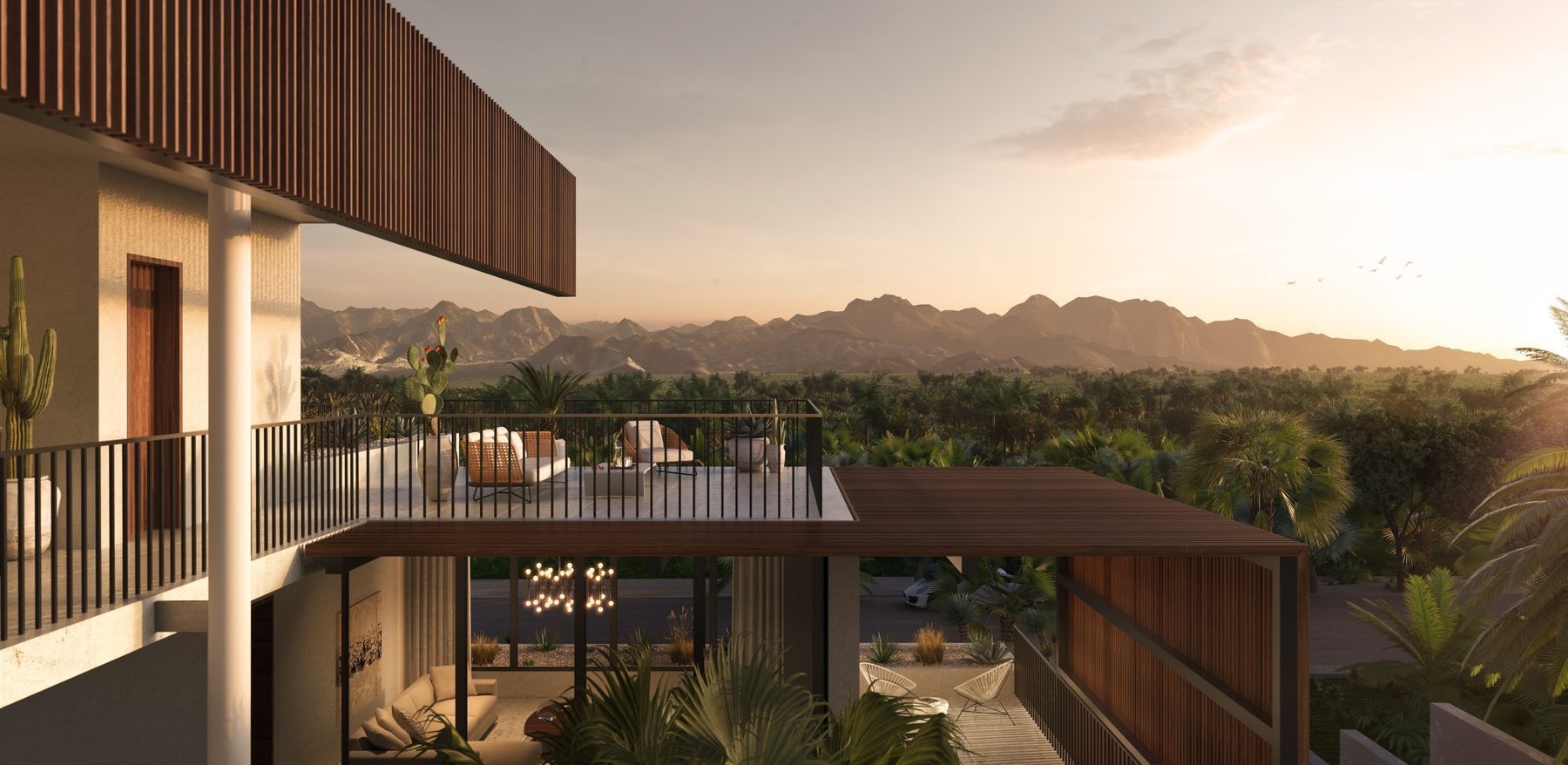
The Six Fears That Stop Americans From Buying
After coaching thousands of buyers and watching hundreds of transactions, I can tell you that the fears Americans have about buying property in Mexico are remarkably consistent. They fall into six categories. Some are rational responses to real risks. Others are pure misinformation, inherited from outdated stereotypes and amplified by people who have never actually bought property in Mexico.
Let me be direct about which is which.
Key Takeaways
- Three legitimate concerns: The legal system is different (not worse, different), distance management is real, and currency exposure is a real financial variable
- Three misinformed fears: "They can take your property" (the fideicomiso provides the same legal protection as fee simple in the US), "Mexico is too dangerous" (Los Cabos has one of the lowest crime rates in Mexico, with 3.8 million visitors in 2025), "You cannot really own property as a foreigner" (you can, through a well-established legal framework)
- Every fear has a specific, addressable solution: Title insurance, dual-jurisdiction attorneys, property management, fideicomiso, and a local support network each eliminate one fear
- The people who buy say the same thing: "It was the best decision we ever made" — not because nothing went wrong, but because the systems worked
- Los Cabos welcomed 3.8 million visitors in 2025 and has 22,000+ hotel rooms, 80% in the five-star category — this is not an unproven frontier market
Fear Is Natural. Misinformation Is Fixable.
I will tell you what is real and what is not. No sugar-coating, no sales pitch — just the facts about buying property in Mexico from someone who has done it and helped hundreds of others do it.
Ask Me AnythingFear 1: "They Can Take Your Property" — MISINFORMED
This is the most common fear and the most unfounded. It comes from a misunderstanding of Mexico's restricted zone laws and the fideicomiso (bank trust) system.
Here is how it actually works: foreigners cannot hold direct title to property within 50 kilometers of the coast or 100 kilometers of an international border (the "restricted zone"). Instead, a Mexican bank holds legal title to the property in a trust, and the foreign buyer is the beneficiary of that trust. The fideicomiso gives the beneficiary all the rights of ownership: the right to use, rent, modify, sell, inherit, and mortgage the property. The bank cannot sell, encumber, or use the property without the beneficiary's written consent.
The fideicomiso system has been in place since 1973. It has survived multiple presidential administrations, economic crises, and constitutional amendments. The expropriation risk that some fear — the government simply seizing your property — is constitutionally limited and practically nonexistent for residential property in tourism zones. No American-owned residential property in Los Cabos has been expropriated in the modern era.
Could the laws change? Theoretically, yes — as they could in any country. But the economic incentive to maintain foreign property rights in tourism zones is enormous. Tourism contributes approximately $7.7 billion annually to the Los Cabos regional economy. The Mexican government has every reason to protect foreign investment, not undermine it.
Fear 2: "Mexico Is Too Dangerous" — MISINFORMED
This fear is based on a legitimate concern (Mexico has areas with significant security challenges) applied to the wrong location. Los Cabos is not Sinaloa, Tamaulipas, or Guerrero. The crime statistics for the Los Cabos municipality are comparable to most mid-sized American cities, and violent crime against foreign property owners is exceptionally rare.
The data: Los Cabos welcomed nearly 3.8 million visitors in 2025. Hotel inventory has expanded from 15,000 to 22,000+ rooms since 2016. The destination's average daily hotel rate of $440 USD is the highest in Mexico. International hotel brands — Ritz-Carlton, Four Seasons, Montage, Aman, Park Hyatt, Nobu — have invested billions in the market. These companies do not invest billions in destinations they consider dangerous.
Is Los Cabos perfectly safe? No place is. Petty crime exists (car break-ins, pick-pocketing in tourist areas). Traffic accidents on the Corridor highway are a real risk. And the US State Department's Mexico travel advisory applies to the entire country, which means Cabo gets painted with the same broad brush as genuinely dangerous areas. But the lived experience of tens of thousands of American property owners in Los Cabos is that personal safety is not a daily concern.
Fear 3: "Foreigners Cannot Really Own Property" — MISINFORMED
Americans absolutely can own property in Mexico. The legal framework is well-established, constitutionally grounded, and has been refined over 50 years of use. In the restricted zone (which includes all of Los Cabos), ownership is through a fideicomiso, which provides full ownership rights. Outside the restricted zone, foreigners can hold fee-simple title directly.
Alternatively, foreigners can own through a Mexican corporation (SA de CV), which holds title directly with no geographic restrictions. Both structures are legally established, widely used, and supported by a robust legal infrastructure.
Fear 4: "The Legal System Is Different and I Do Not Understand It" — LEGITIMATE
This fear is rational. Mexico's legal system IS different from the US system — civil law vs. common law, different notarial requirements, different recording systems, different dispute resolution mechanisms. The notario público system, the Registro Público, the escrow process, and the closing cost structure are all genuinely different from what American buyers are used to.
The solution is not to avoid the system — it is to hire professionals who work within it daily. A qualified Mexican real estate attorney, an experienced notario, and a title insurance policy together provide a level of transactional security comparable to what Americans expect in the US. The system is not worse — it is different. And "different" is navigable with the right team.
Different Does Not Mean Dangerous
I have assembled a team of attorneys, notarios, and advisors who navigate the Mexican legal system for American buyers every day. You do not need to understand every detail — you need professionals who do.
Meet the TeamFear 5: "Managing Property From 2,000 Miles Away Is Too Hard" — LEGITIMATE
Distance management is a real challenge. Your Cabo property is not down the street. You cannot drive over to check on a plumbing leak. You cannot interview a housekeeper in person. You are relying on people you may have met once or twice to manage an asset worth hundreds of thousands of dollars.
The solution: a professional property management company that sends regular reports (with photos), handles maintenance proactively, and communicates transparently about costs and issues. The good ones exist — they cost 15–25% of rental income, and they are worth every dollar. The bad ones also exist, which is why vetting your property manager is as important as vetting the property itself.
Home watch services, smart home technology (security cameras, leak detectors, climate monitoring), and a reliable internet connection at the property further mitigate the distance challenge. Most absentee owners I work with check in on their property weekly via camera feeds and monthly via their property manager's report. It is manageable — but it requires systems.
Fear 6: "The Peso Could Crash and Wipe Out My Investment" — LEGITIMATE (But Overstated)
Currency risk is real. The peso-dollar exchange rate fluctuates, and a significant peso depreciation could affect the dollar-denominated resale value of your property (if the local market prices in pesos) and the dollar cost of peso-denominated expenses (property tax, utilities, household staff).
However, the risk is overstated for most Cabo buyers because:
- Luxury Los Cabos real estate is predominantly priced in US dollars, not pesos. Your purchase price, resale price, and rental income are all USD-denominated.
- Peso-denominated costs (predial, utilities, local services) are a small fraction of total carrying costs — and a weaker peso actually makes these cheaper in dollar terms.
- The near-shoring boom has structurally strengthened the peso through increased FDI and export revenue, providing a more stable floor than historical averages suggest.
The real currency risk is in the buying and selling mechanics: your wire transfer timing, your closing currency (some costs are in pesos), and your capital gains calculation at resale. A currency strategy that accounts for these factors can mitigate the exposure significantly.
What Actually Changes People's Minds
After watching hundreds of people move from fear to purchase, I have noticed a consistent pattern. It is not a spreadsheet or a blog post that changes their mind. It is three things:
- Talking to someone who has done it: Not an agent selling them something — a friend, a colleague, or another buyer who has been through the process and can speak honestly about what worked and what was hard.
- Visiting during non-peak season: The buyer who visits Cabo in January sees the vacation version. The buyer who visits in August sees the real version — the weather, the pace, the community, the infrastructure. If they still love it in August, they buy with confidence.
- Understanding the team: Once they meet the attorney, the notario, the property manager, and the agent — and see that these are competent professionals, not cowboys — the fear dissipates. The legal system is not scary when you have a guide.
Every Owner Was Once Where You Are Now
I was afraid too. Then I learned. Then I bought. Then I helped hundreds of others do the same. The fear is real — and it is fixable. Let me walk you through it.
Start the ConversationFrequently Asked Questions
Is it safe to buy real estate in Cabo San Lucas?+
Yes. The fideicomiso (bank trust) system provides foreigners with full ownership rights and has been in place since 1973. Title insurance is available from major US underwriters. Los Cabos welcomed 3.8 million visitors in 2025 and has 22,000+ hotel rooms with brands like Ritz-Carlton, Four Seasons, and Aman invested there. No American-owned residential property in Los Cabos has been expropriated in the modern era.
Can the Mexican government take my property?+
Constitutional expropriation exists in Mexico (as it does in the US under eminent domain), but it is limited to public purpose and requires just compensation. In practice, expropriation of residential property in tourism zones is nonexistent. The fideicomiso provides the same legal protections as fee-simple ownership, and the economic incentive to protect foreign investment (tourism contributes $7.7 billion annually to the Los Cabos economy) is enormous.
What are the legitimate risks of buying property in Mexico?+
Three legitimate concerns: the legal system is different from the US (mitigated by hiring qualified Mexican attorneys and notarios), managing property from 2,000 miles away requires professional property management (15-25% of rental income), and currency exposure exists for peso-denominated costs (though luxury Cabo real estate is predominantly USD-priced). These are manageable risks, not deal-breakers.
How do Americans protect their Cabo property investment?+
Five protective layers: the fideicomiso bank trust (constitutional ownership protection), title insurance from a US underwriter (financial protection against title defects), a qualified Mexican real estate attorney (legal due diligence), professional property management (distance management), and dual-jurisdiction tax planning with a cross-border CPA (financial compliance).
What changes people's minds about buying property in Cabo?+
Three things consistently move buyers from fear to purchase: talking to someone who has done it (a friend or colleague who speaks honestly about the process), visiting during non-peak season (seeing the real community, not just the vacation version), and meeting the professional team (attorney, notario, property manager, agent) and seeing that they are competent professionals who navigate the system daily.
Is Cabo San Lucas safe for American property owners?+
Los Cabos has one of the lowest crime rates in Mexico for a city its size. Violent crime against foreign property owners is exceptionally rare. The US State Department's travel advisory applies to all of Mexico equally, which means Cabo gets painted with the same brush as genuinely dangerous areas. The lived experience of tens of thousands of American property owners is that personal safety is not a daily concern. Petty crime (car break-ins, pick-pocketing) exists but is comparable to most US resort cities.
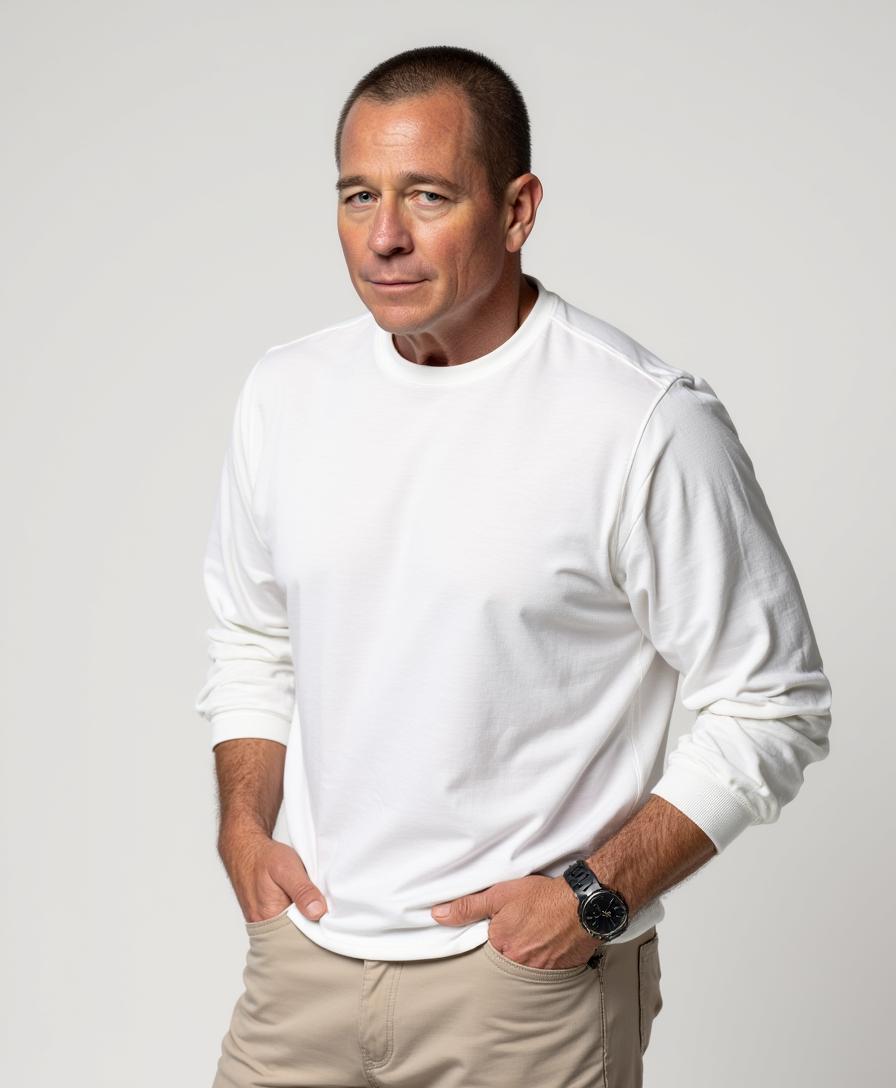
Aaron Cuha
Real Estate Advisor & Los Cabos Market Expert
Real estate advisor and founder of Living In Cabo. 15+ years helping families navigate complex real estate decisions. Strategic partner with Ronival — Baja's largest brokerage.