Palmilla vs Chileno Bay is the comparison I get asked about most often by buyers shopping the Tourist Corridor. Both are top-tier, both sit on prime coastline, and both carry serious name recognition. But they serve different buyers, and choosing the wrong one means either overpaying for amenities you will not use or missing features you will wish you had.
Key Takeaways
- Palmilla is the Corridor's established icon: 27 holes of Jack Nicklaus golf, the One&Only resort, and a price range from roughly $900K to above $25M across its sub-communities.
- Chileno Bay is the newer, design-forward Auberge property: contemporary architecture, a swimmable beach, and residences typically ranging from $2M to $12M+.
- Palmilla has stronger rental demand for golf-centric guests and brand-loyal travelers, while Chileno Bay commands higher nightly rates from a design-conscious audience.
- Palmilla offers more diversity of product — lots, condos, villas, and estates — while Chileno Bay is more curated and homogeneous.
- Both hold value well, but Palmilla's deeper resale history gives it a longer track record of appreciation.
Choosing between Palmilla and Chileno Bay?
Tell me your priorities — golf, beach, rental income, or full-time living — and I will tell you which one fits.
Get My RecommendationLocation and Access
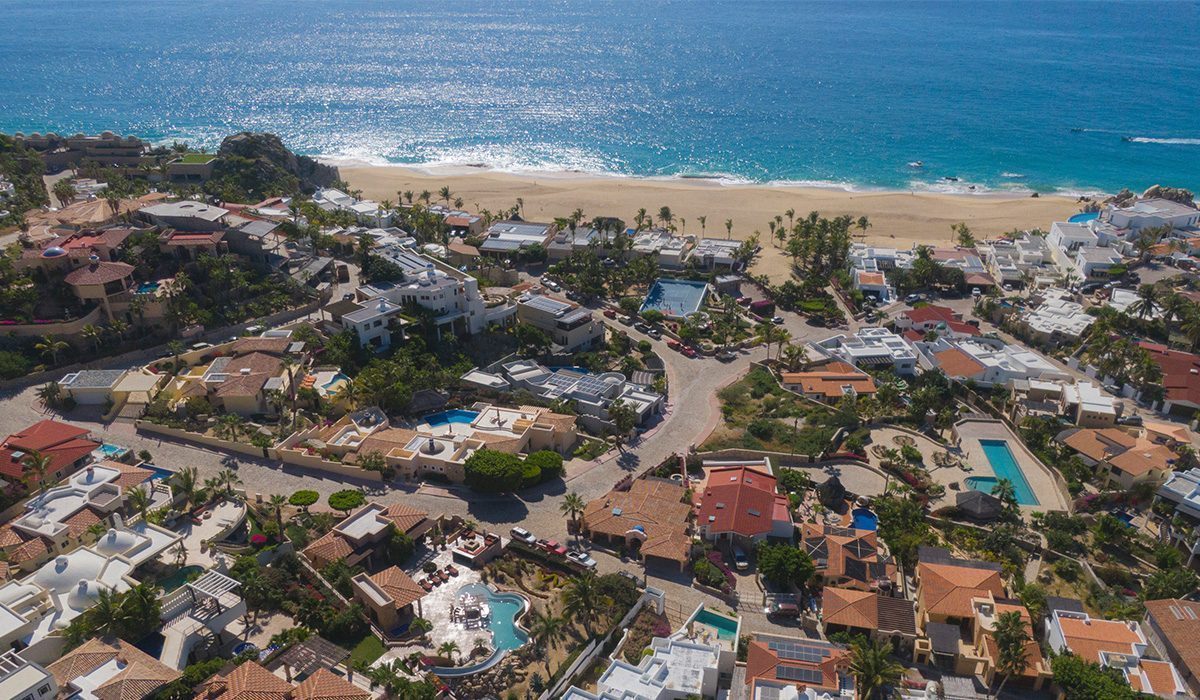
Both communities sit on the Tourist Corridor between Cabo San Lucas and San Jose del Cabo, roughly 10-15 minutes from SJD airport. Palmilla is closer to San Jose, on the eastern end of the Corridor. Chileno Bay sits a few minutes west, closer to the midpoint.
The practical difference is small. Palmilla's proximity to downtown San Jose gives quicker access to the art district, Thursday night art walk, and the restaurants clustered around the historic center. Chileno Bay's position puts you closer to mid-Corridor dining and the beach clubs along the Transpeninsular Highway.
Neither community is isolated. Both are a 20-30 minute drive to Cabo San Lucas and 10-15 minutes to San Jose del Cabo. The Corridor infrastructure continues to improve, and I walk clients through the route in my Chileno Bay community guide and Palmilla community guide.
Beach Access and Water
This is where the two communities diverge most sharply.
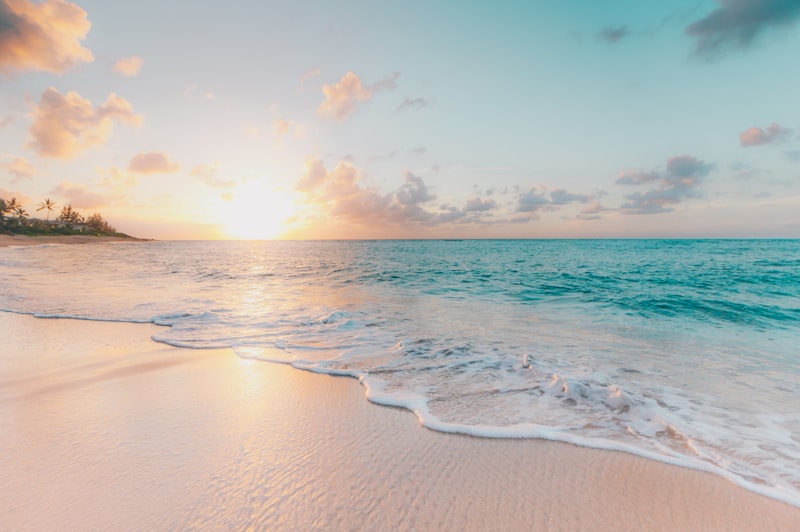
Chileno Bay sits on one of the few swimmable beaches on the entire Corridor. Chileno Beach is a protected cove with calm, clear water suitable for snorkeling, paddleboarding, and swimming. For families with kids or buyers who want to walk from their home to a safe ocean swim, this is a significant advantage. My swimmable beaches guide ranks it among the best.
Palmilla has beautiful beach frontage, but conditions are more variable. The surf can be rough, and swimming is not always safe depending on the season and swell direction. Palmilla Beach is often better for walking and sunset watching than for swimming. The One&Only resort maintains a protected pool and beach area for guests, and homeowners with resort access benefit from that infrastructure.
If beach use is a top priority, Chileno Bay has the edge. If you are a golfer who sees the beach as scenery rather than a daily activity, Palmilla's beach limitations matter less.
Golf
Palmilla wins this category decisively. The Palmilla Golf Club is a 27-hole Jack Nicklaus design with three distinct nines: Mountain, Ocean, and Arroyo. It is one of the original destination courses in Los Cabos and remains one of the most respected. Homeowners get preferred access and rates.
Chileno Bay does not have its own golf course. Residents can access courses at neighboring communities like Cabo del Sol or Querencia, but there is no on-site course and no included membership. If golf is central to your lifestyle, Palmilla is the clear choice.
For a broader comparison of golf communities, my best golf communities guide covers all the options.
Architecture and Design
Palmilla's architecture spans decades. The community has been developed in phases since the 1990s, and you will find everything from traditional Mexican hacienda-style estates to contemporary glass-and-steel villas. Sub-communities like Villas del Mar, Espiritu del Mar, and Oasis each have their own character. This diversity is a strength if you want choice, but it means the community does not have a single cohesive aesthetic.
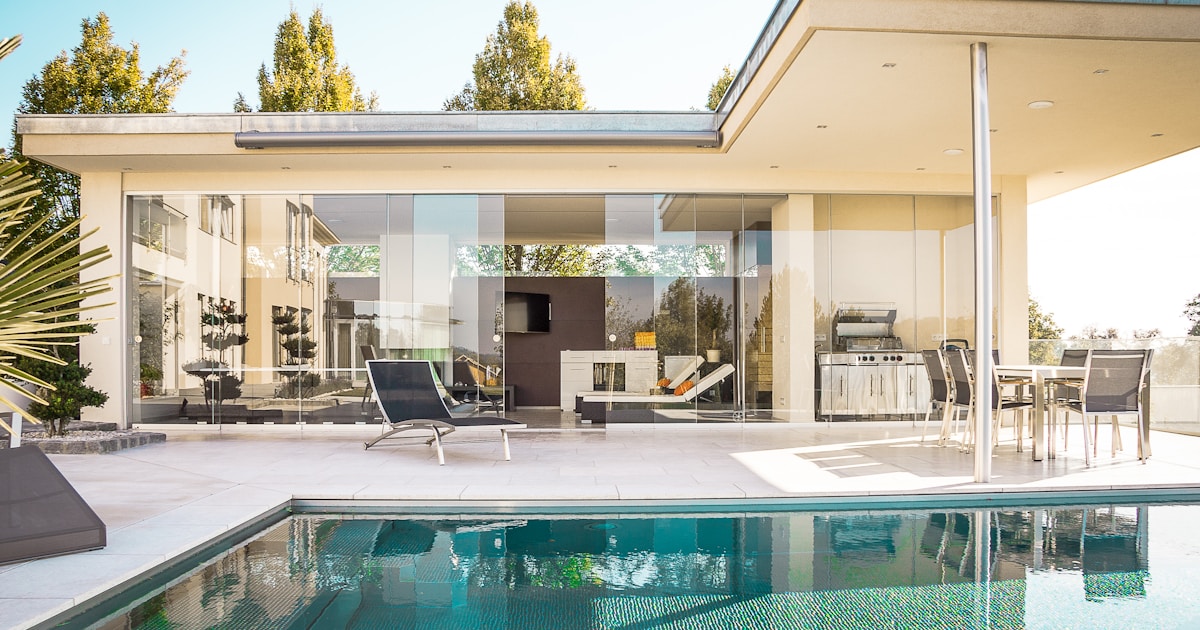
Chileno Bay, developed more recently by the Discovery Land Company and managed by Auberge, has a unified contemporary design language. Clean lines, natural materials, indoor-outdoor flow, and a restrained desert-modern palette. If you are drawn to architectural cohesion and a more curated visual experience, Chileno Bay delivers it. The residences were designed as a collection, not a collection of individual choices.
I cover the broader architectural landscape in my architectural styles guide.
Price Comparison
Palmilla has the wider range because it has more product types. You can enter the community at roughly $900,000 for a smaller condo or lot, and the ceiling exceeds $25 million for prime beachfront estates in Villas del Mar. The 2025 average list price across all property types was approximately $8.3 million, with a median around $6.7 million, according to local brokerage data. Those averages are pulled up by the ultra-luxury segment.
Chileno Bay's pricing is more compressed at the top. Residences typically range from $2 million to $12 million or more, depending on size, location, and view. There are fewer entry-level options than at Palmilla, and the floor price is higher.
On a price-per-square-foot basis, Chileno Bay tends to command a premium for comparable ocean-view product, reflecting the newer construction, the Auberge brand, and the swimmable beach. Palmilla's older inventory offers value for buyers willing to renovate. My price per square foot guide puts both communities in broader Corridor context.
Ongoing Costs
HOA fees in both communities reflect the amenity level. Expect monthly fees in the range of $800 to $2,000 or more, depending on the sub-community and services included. Palmilla's older sections may have lower base fees but higher maintenance reserves as infrastructure ages. Chileno Bay's newer infrastructure keeps near-term maintenance costs lower, but fees have been rising as the community matures. My HOA fees guide covers what to ask before you buy.
Torn between two communities?
Book a call and I will walk you through current inventory, pricing, and rental projections for both Palmilla and Chileno Bay.
Book a Call With AaronRental Income Potential
Both communities perform well as vacation rentals, but the guest profiles differ.
Palmilla attracts golf groups, multi-generational families, and brand-loyal repeat visitors who know the One&Only name. The 27-hole course is a powerful draw for high-spending guests who book longer stays. Occupancy tends to be strong during peak golf season from November through April.
Chileno Bay attracts a younger, design-conscious audience — the kind of travelers who book based on architecture photography and Auberge's reputation. Nightly rates at the resort start above $1,000, and private residences can command premium rates for the right product. The swimmable beach adds rental appeal for families with younger children.
Net rental yields in both communities typically fall in the range I cover in my rental income and ROI guide. The key variable is not the community, it is how well you furnish, photograph, and manage the property.
Lifestyle and Amenities
Palmilla's amenity package is anchored by golf and the One&Only resort relationship. Homeowners who can access the resort's spa, restaurants, pools, and beach club get a lifestyle that few communities can match. The Shoppes at Palmilla provide convenient retail without leaving the community.
Chileno Bay's lifestyle centers on the beach, the resort, and the social scene. The Auberge management creates a curated, almost club-like atmosphere. There is a strong food and beverage program, a fitness center, and a kids' club. The vibe is more boutique-hotel than sprawling master-plan.
If you want a community with a social center of gravity where you will see the same faces at the pool bar and know your neighbors, Chileno Bay is more intimate. If you want space, privacy, and the option to engage or retreat, Palmilla's scale gives you that.
Resale and Appreciation
Palmilla has the deeper track record. Properties have traded through multiple market cycles since the late 1990s, and the data shows consistent long-term appreciation despite periodic corrections. The community's name recognition with international buyers supports liquidity.
Chileno Bay is newer, so the resale data set is thinner. Early indicators are positive — demand for well-positioned Corridor properties with resort branding has been strong — but the community has not yet been tested through a full down-cycle in its current form.
My resale market analysis covers which communities are seeing the strongest transaction volume.
Who Should Buy Where
Buy Palmilla if:
- Golf is central to your lifestyle and you want on-site access to a world-class course.
- You want a wider range of price points and property types.
- You prefer a larger, more established community with a deep resale history.
- You plan to rent to golf-centric guests and multi-generational families.
- You are looking for renovation opportunities in older inventory at value pricing.
Buy Chileno Bay if:
- Beach access and swimmable water is a top priority.
- You want contemporary, cohesive architecture and a curated community aesthetic.
- You are drawn to the Auberge brand and a boutique-hotel lifestyle.
- You want to attract design-conscious, higher-rate rental guests.
- You prefer a more intimate community with a social, clublike atmosphere.
My Take
I have walked both communities dozens of times, and the choice usually comes down to one question: do you see yourself on the first tee or on the beach? Palmilla is the golfer's Corridor. Chileno Bay is the swimmer's Corridor. Everything else, the pricing, the architecture, the guest profile, flows from that fundamental orientation.
Both are excellent investments in the right hands. Neither is wrong. But buying the wrong one for your lifestyle means you will spend your ownership years wishing you had the other one's signature amenity. Pick the one that matches how you actually spend your time, not how you imagine spending it.
Let me show you both communities in person.
I will arrange tours of both Palmilla and Chileno Bay with a Ronival agent who knows every sub-community and current listing.
Schedule My ToursFrequently Asked Questions
Which is more expensive, Palmilla or Chileno Bay?+
Palmilla has a wider range from roughly $900K to above $25M across its sub-communities. Chileno Bay pricing typically starts around $2M and goes above $12M. On a price-per-square-foot basis, Chileno Bay tends to command a premium for comparable ocean-view product, reflecting the newer construction and Auberge branding.
Does Chileno Bay have a golf course?+
No. Chileno Bay does not have its own golf course. Residents can access courses at nearby communities like Cabo del Sol or Querencia, but there is no on-site course or included membership. Palmilla has 27 holes of Jack Nicklaus-designed golf.
Can you swim at Palmilla Beach?+
Conditions vary. Palmilla Beach can have rough surf depending on the season. Chileno Bay sits on a protected cove with one of the few consistently swimmable beaches on the Corridor, making it the better choice for families who prioritize safe swimming.
Which community has better rental income potential?+
Both perform well but attract different guests. Palmilla draws golf groups and brand-loyal travelers for longer stays during peak season. Chileno Bay commands higher nightly rates from a design-conscious, younger audience. Net yields are comparable when properties are well managed.
Is Palmilla or Chileno Bay better for full-time living?+
Palmilla offers more scale, privacy, and proximity to San Jose del Cabo's downtown amenities. Chileno Bay provides a more intimate, curated social scene with a boutique-hotel atmosphere. Full-time residents who want space and quiet tend to prefer Palmilla; those who want a social community center of gravity tend to prefer Chileno Bay.
How old is each community?+
Palmilla has been developed in phases since the 1990s, giving it decades of resale history. Chileno Bay is significantly newer, with the Auberge resort and residences developed in the 2010s. Palmilla has been tested through multiple market cycles; Chileno Bay has not yet faced a full down-cycle.

Aaron Cuha
Real Estate Advisor & Los Cabos Market Expert
Real estate advisor and founder of Living In Cabo. 15+ years helping families navigate complex real estate decisions. Strategic partner with Ronival — Baja's largest brokerage.