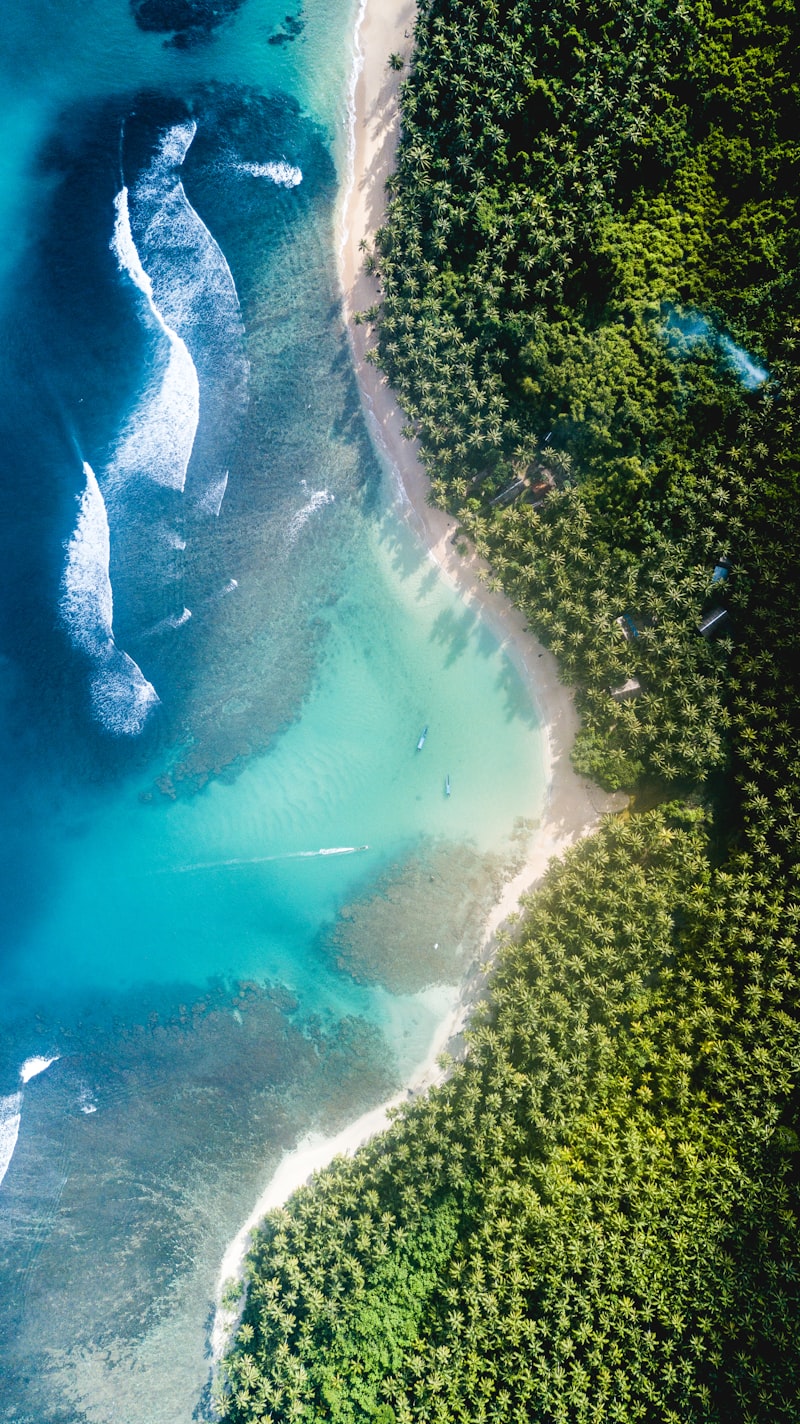
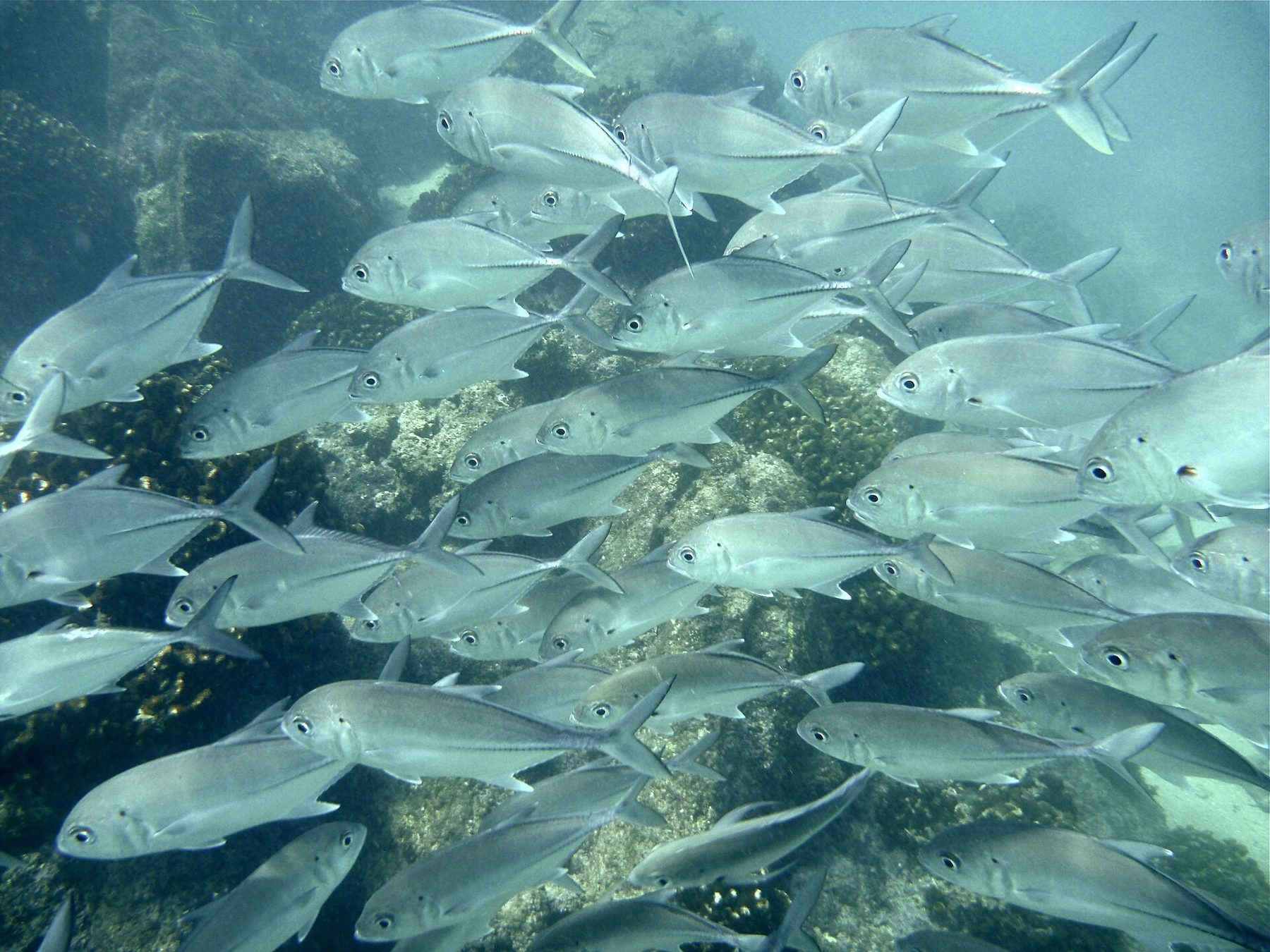
My favorite day trip -- and I've done this probably 15 times now -- is the drive to Cabo Pulmo. You leave Cabo, hit Highway 1, and about 90 minutes later you're snorkeling in a national marine park that Jacques Cousteau called "the aquarium of the world." Last time I went, we swam with a school of jacks so thick you couldn't see through them.
Los Cabos is not just the resort strip between Cabo San Lucas and San Jose del Cabo. Within a 2-hour radius, you have an ancient coral reef, a UNESCO-worthy art town, a historic silver mining village, one of Mexico's most beautiful urban waterfronts, and desert trails that feel like another planet. I have done every excursion on this list -- most of them multiple times -- and these are the ones I keep recommending to friends, clients, and anyone who asks "what should I do in Cabo?"
Key Takeaways
- ✓ Cabo Pulmo (90 min drive) is the standout day trip -- a 20,000-year-old reef with world-class snorkeling for $120-$180/person
- ✓ Todos Santos (1 hr drive) is a designated Pueblo Magico with galleries, organic dining, and the famous Hotel California
- ✓ Whale watching season (December-April) offers 95%+ sighting rates on $75-$150 boat tours from the marina
- ✓ La Paz (2 hr drive) is the only place in the region to swim with whale sharks (October-March)
- ✓ Most excursions run $75-$250 per person, making day trips one of the best lifestyle values in Los Cabos
Exploring Los Cabos for Yourself?
These excursions are a taste of daily life here. When you're ready to make it permanent, we help buyers find the right community and property.
Schedule a Free Consultation1. Land's End and the Arch: The Iconic Starting Point
If you have not seen the Arch (El Arco) from the water, you have not really been to Cabo. This is the postcard shot -- the granite rock formation where the Pacific Ocean meets the Sea of Cortez at the very tip of the Baja Peninsula.
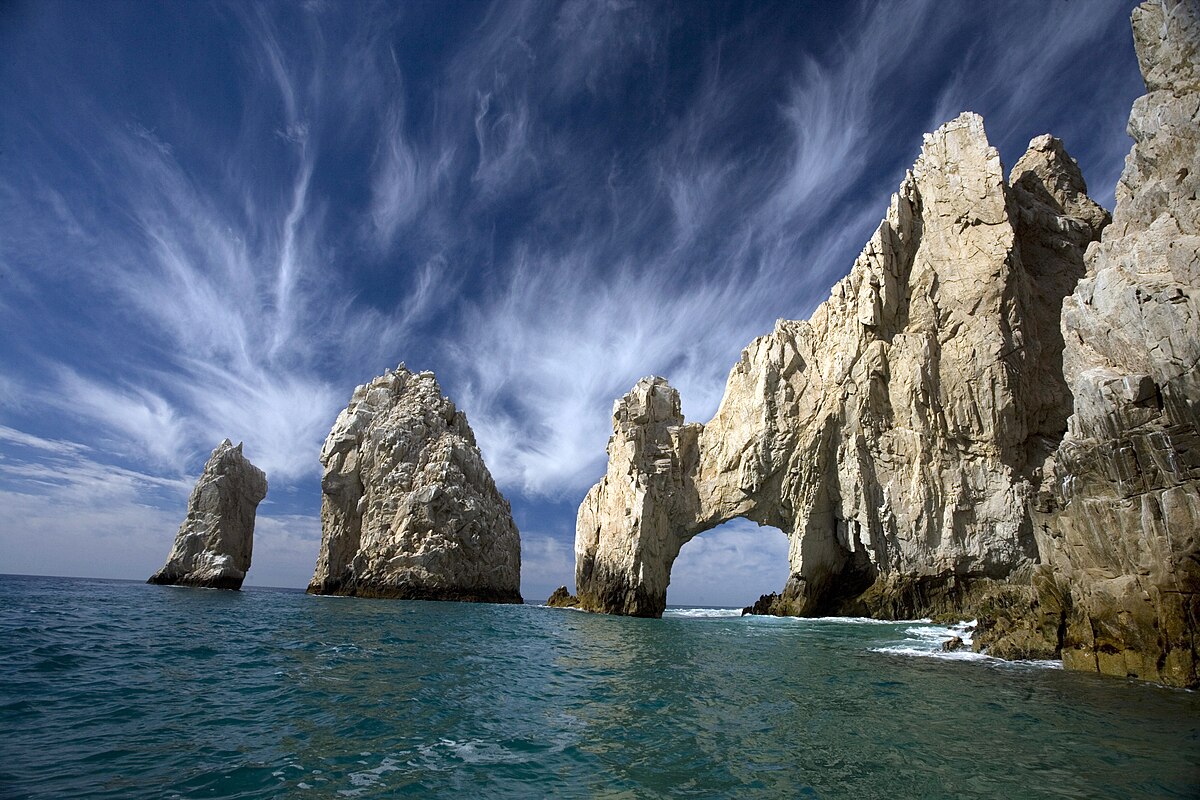
Glass-bottom boat tours depart from Cabo San Lucas Marina every 15-20 minutes and cost $15-$20 per person for a 45-minute loop. You will pass Lover's Beach (swimmable on the Sea of Cortez side), Divorce Beach (Pacific side -- beautiful but dangerous currents), and a sea lion colony that is reliably entertaining. For a more premium experience, private panga boats run $80-$120 for a small group and give you the flexibility to stop and snorkel at Pelican Rock.
I tell everyone to do this on their first morning in Cabo -- it sets the tone. Go before 10 AM to beat the cruise ship crowds.
2. Cabo Pulmo: The Aquarium of the World
This is the one I insist on. Cabo Pulmo National Marine Park protects the only living coral reef in the Sea of Cortez -- a 20,000-year-old reef system that was nearly dead from overfishing in the 1990s. The local community banned fishing, and in one of the most successful marine conservation stories on the planet, biomass increased by over 460% in a decade.
What does that mean for you? It means you are snorkeling in water so full of life it feels surreal. Bull sharks, massive schools of bigeye jacks, sea turtles, manta rays, moray eels, and thousands of tropical fish. My most vivid memory is hovering over a cleaning station and watching a group of four sea turtles lined up to have cleaner fish work on their shells, completely unbothered by us floating six feet away.
Logistics: Cabo Pulmo is roughly 90 minutes from Cabo San Lucas (about 2 hours from the Corridor hotels). The last 15 km is a well-graded dirt road -- an SUV or high-clearance vehicle is recommended but not strictly necessary. Guided tours with transportation, gear, and lunch run $120-$180 per person. If you drive yourself, the park entrance fee is about $5, and you can rent gear from local operators for $15-$25. Go in the morning -- the water is calmest and clearest before the afternoon breeze picks up.
For more on the East Cape's water sports, see my complete Los Cabos water sports guide.
3. Todos Santos: Art, Culture, and the Pacific Coast
Todos Santos is about an hour north of Cabo San Lucas on Highway 19, and it feels like a different world. This is a UNESCO-designated Pueblo Magico -- a former sugar mill town that has reinvented itself as an art colony, farm-to-table destination, and surf-adjacent retreat.
The town center is small enough to walk in an afternoon. The gallery scene along Calle Juarez and Centenario is genuinely impressive -- not resort-shop art, but working studios and galleries representing established Mexican and international artists. Galeria de Todos Santos, La Sonrisa de la Muerte, and Jill Logan Gallery are my regular stops. On a good day, you will find the artists in their studios and can watch them work.
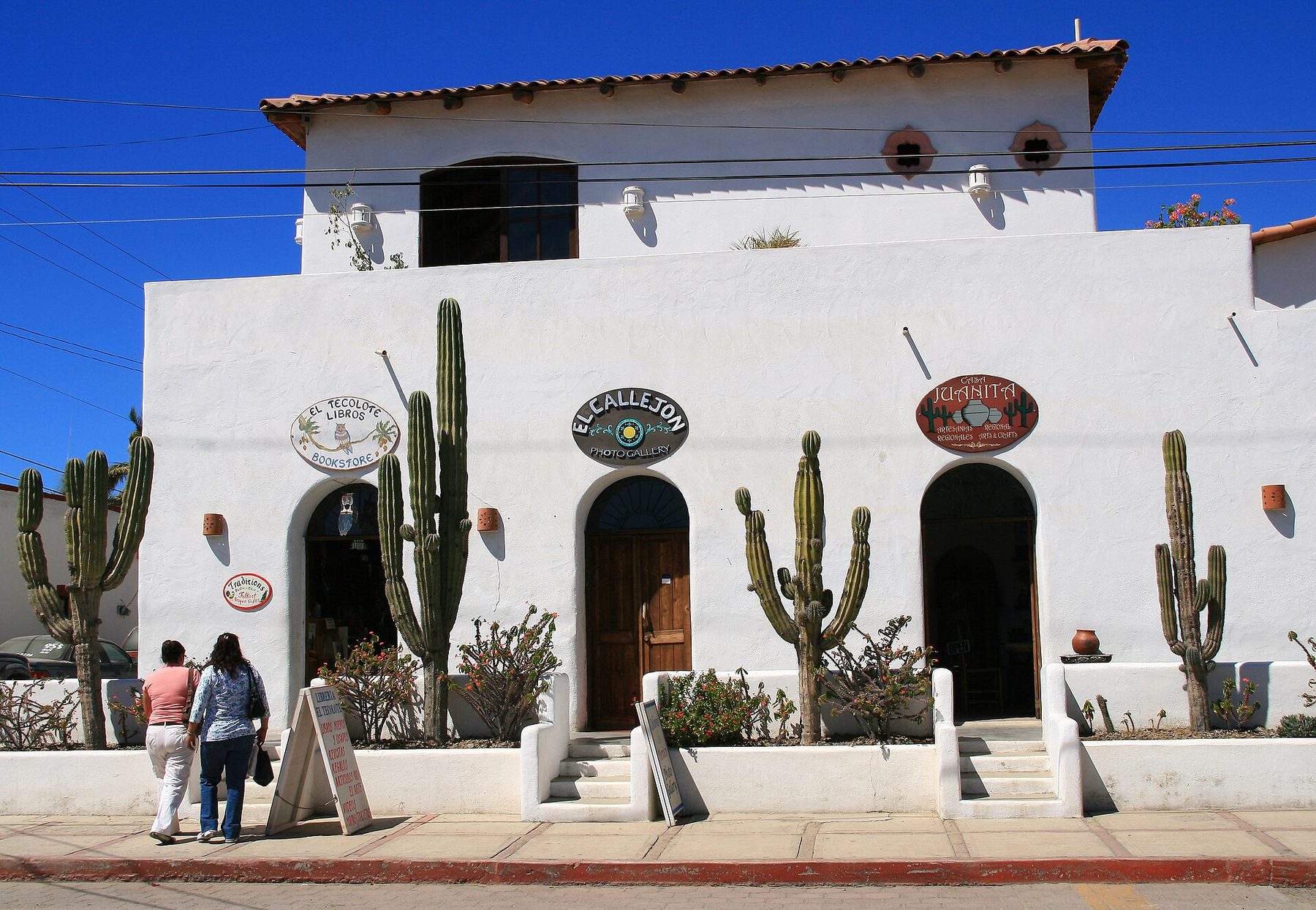
The dining in Todos Santos punches above its weight. Jazamango (Chef Javier Plascencia's farm-to-table restaurant) consistently ranks among the best restaurants in Baja. Cafe Santa Fe does outstanding Italian-Mexican fusion. And if you just want a cold beer and fish tacos, Shut Up Frank's on the main drag delivers.
Yes, Hotel California is here. No, the Eagles song is not about it (Don Henley has said so many times). But the courtyard bar is a great place for a mezcal regardless.
If you are considering buying on the Pacific side, combine this trip with a visit to Cerritos Beach (15 minutes south of Todos Santos) -- the best beginner-friendly surf break in the region. See my Todos Santos real estate guide for the full picture.
4. La Paz: Whale Sharks, Balandra, and Real Mexico
La Paz is a 2-hour drive from Cabo, and it is the excursion that surprises people the most. The capital of Baja California Sur, La Paz is not a resort town -- it is a functioning Mexican city of 300,000 with a spectacular waterfront malecon, one of Mexico's most beautiful beaches, and the only place in the region to swim with whale sharks.
Whale shark season runs October through March. These are the world's largest fish -- up to 40 feet long -- and they congregate in the shallow waters of the Bay of La Paz to feed on plankton. Licensed tour operators take small groups (6-8 people) out in pangas, you slip into the water with a snorkel and mask, and a whale shark the size of a school bus glides past you at arm's length. It is, without exaggeration, one of the most extraordinary wildlife encounters available anywhere on the planet. Tours run $150-$200 per person.
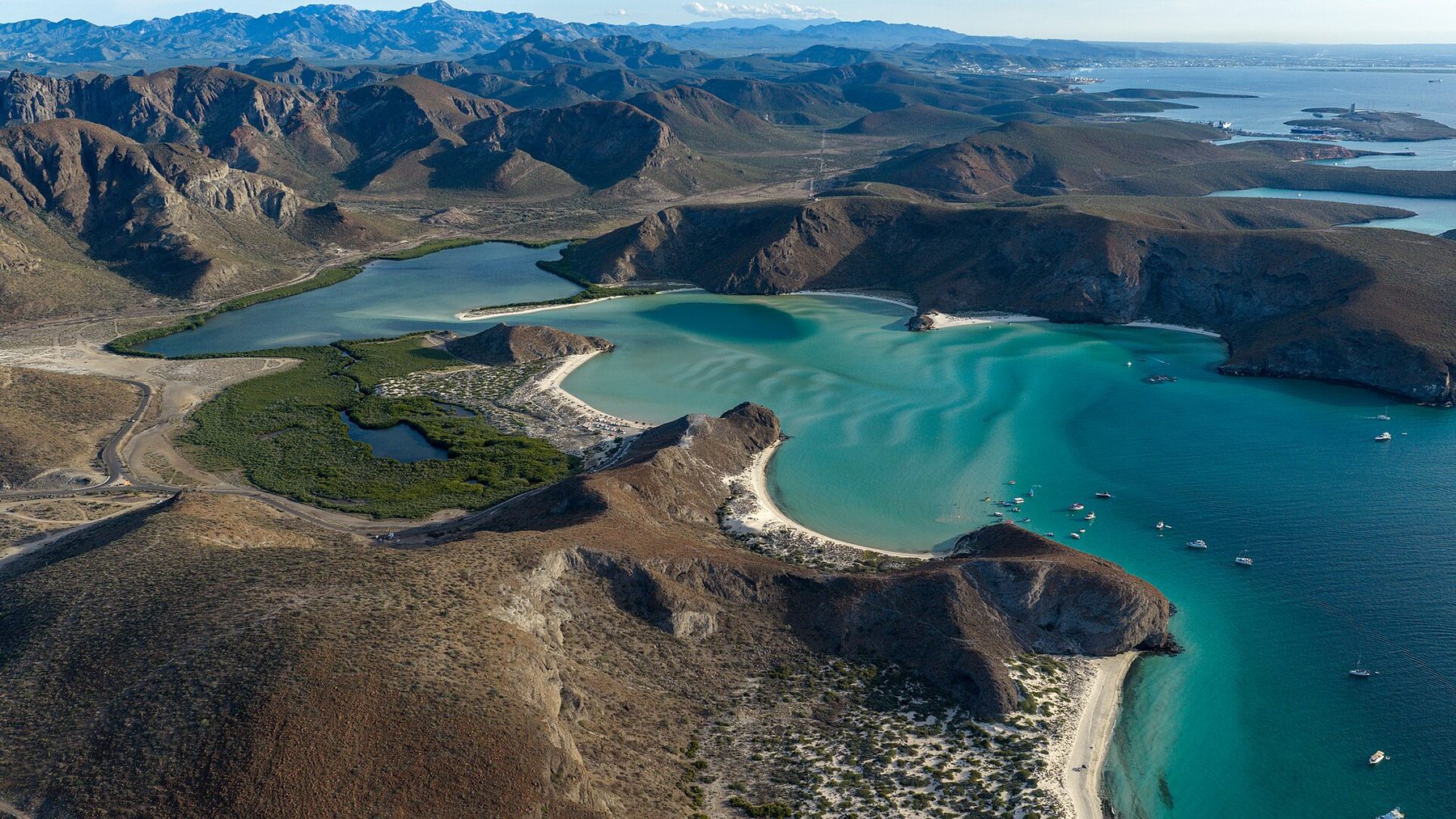
Even outside whale shark season, La Paz is worth the drive. Playa Balandra is consistently ranked among the most beautiful beaches in Mexico -- shallow turquoise water, white sand, and almost no development. The downtown malecon is perfect for an afternoon stroll, and the seafood along the waterfront is some of the best in Baja. I always stop at Bismark for their chocolate clam tostadas.
Tip: Leave Cabo by 7 AM, do the whale sharks in the morning, have lunch on the malecon, hit Balandra in the early afternoon, and drive back. It is a full day but worth every minute.
Thinking About Full-Time Life in Los Cabos?
These day trips become your weekends. Let us show you what daily life looks like in Cabo's best communities.
Book a Call5. Whale Watching: December Through April
Whale watching in Los Cabos is not a maybe -- it is a near certainty during season. From mid-December through late March, humpback whales and gray whales migrate through the corridor between the Pacific and the Sea of Cortez. Peak months are January and February, and sighting rates on tour boats exceed 95%.
I have been on whale watching tours where we had to stop the boat because there were so many humpbacks breaching around us that it felt unsafe to motor through. One trip in February, a mother humpback and her calf surfaced within 30 feet of our boat and the calf spy-hopped -- poking its head vertically out of the water to look at us. Everyone on the boat was crying. Not an exaggeration.
Tours depart from Cabo San Lucas Marina and San Jose del Cabo. Standard tours run $75-$150 per person for a 2-3 hour excursion. For the full seasonal breakdown and what to expect, read my whale watching in Cabo guide.
6. El Triunfo: The Silver Mining Ghost Town
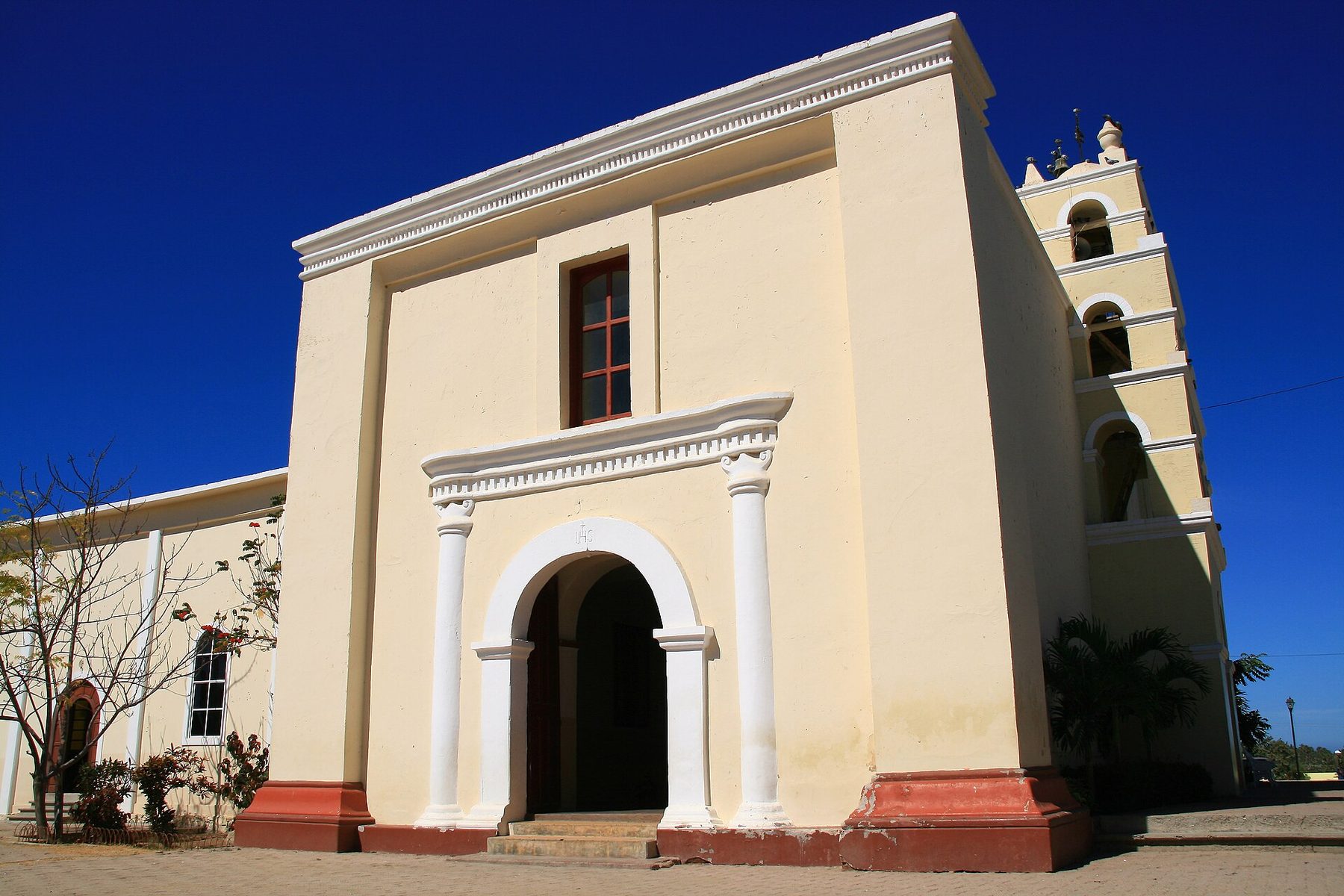
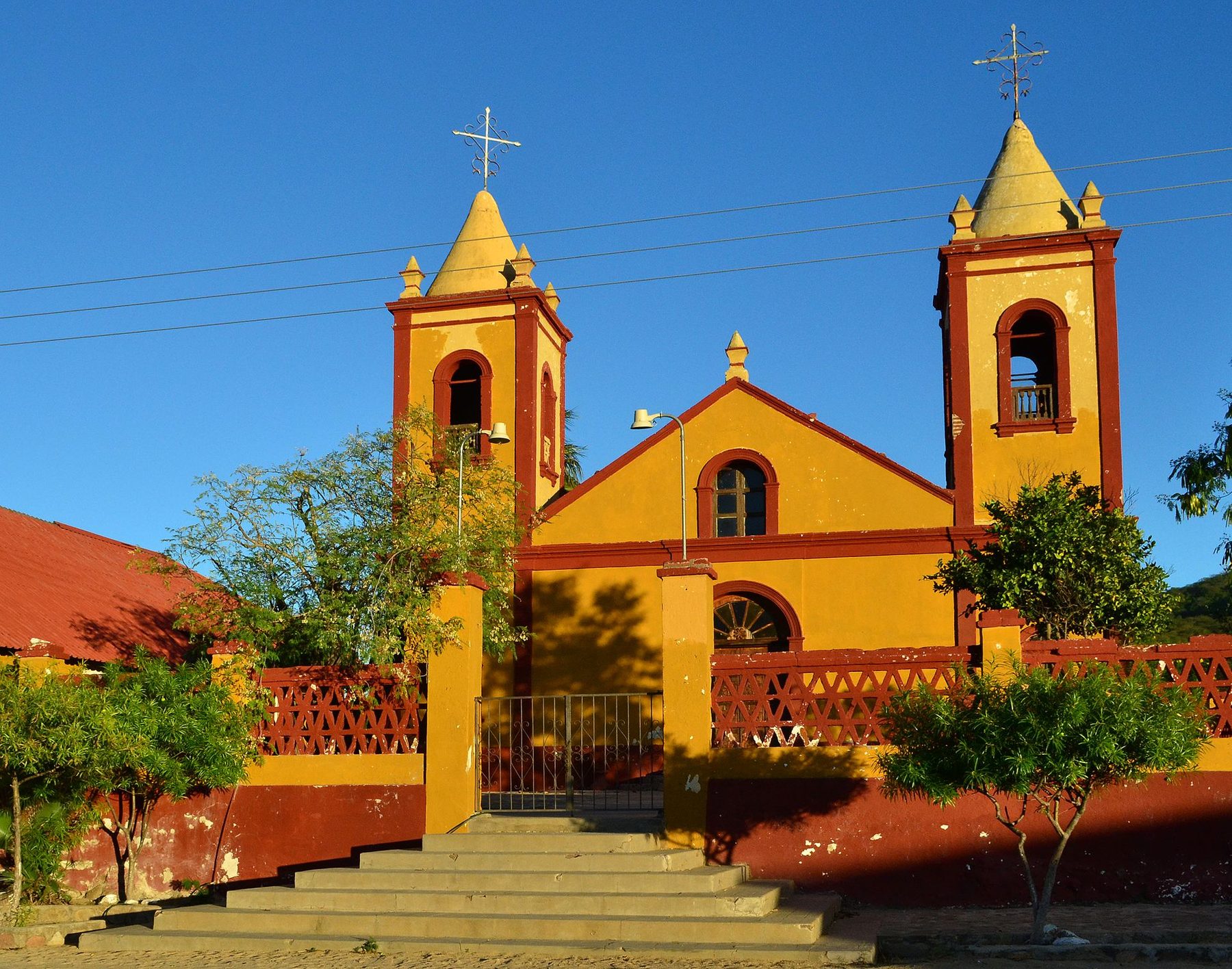
El Triunfo is only 45 minutes from San Jose del Cabo, and almost no tourists know about it. This former silver and gold mining town boomed in the 1800s (it was the largest settlement in Baja at one point) and is now a quiet village of a few hundred people with stunning colonial architecture, a beautifully restored smokestack from the old mining operation, and one of the best coffee shops in all of Baja -- Cafe El Triunfo.
There is a small mining museum, a piano museum (yes, really -- a retired music professor has assembled an extraordinary collection), and a leather workshop where artisans make handmade goods. The whole visit takes 2-3 hours and combines perfectly with a drive to the Santiago hot springs or a loop back through San Bartolo.
7. Adventure Excursions: ATVs, Zip-Lines, Camels, and Sailing
If you want adrenaline without the drive, these are all available within 30 minutes of the resort corridor.
ATV and UTV Desert Tours
The desert landscape around Cabo is dramatic -- cacti the size of buildings, red rock canyons, and Pacific beach overlooks. ATV tours run $80-$180 per person for a 2-3 hour single-rider adventure. UTV (side-by-side) tours cost $250-$400 and are better for couples or families who want to ride together. The Migrinoes Beach route is my favorite -- you end up on a completely empty Pacific beach after 45 minutes of desert riding. Bring a bandana for the dust.
Zip-Lining and Wild Canyon
Wild Canyon Adventure Park sits in a granite canyon between Cabo San Lucas and San Jose del Cabo. The zip-line course sends you across the canyon at heights up to 300 feet. They also offer bungee jumping, a glass-floor gondola, and yes -- camel rides through the desert. The camel experience is surprisingly fun and the views of the canyon are excellent. Wild Canyon packages run $80-$150 depending on which activities you combine.
Sunset Sailing Cruises
A sunset sail around Land's End is the quintessential Cabo evening. Catamarans and sailing yachts depart from the Marina around 5 PM (winter) or 6 PM (summer) for a 2-hour cruise. The sun drops behind the Pacific while you pass the Arch, sea lion colonies, and Lover's Beach. Most cruises include an open bar and appetizers. Prices range from $75-$120 per person on group catamarans to $400-$800 for a private charter.
I have done this tour with probably 30 different groups of friends and clients, and it never gets old. The light on the rocks at sunset is world-class.
8. Santiago Hot Springs: Nature's Hidden Spa
About an hour from San Jose del Cabo, the town of Santiago sits in a lush oasis canyon in the Sierra de la Laguna foothills. The natural hot springs (aguas calientes) are a short hike from the road -- natural rock pools filled with geothermally heated water surrounded by palm trees and canyon walls.
This is not a resort spa. The pools are natural, the trail is moderate (20-30 minutes), and you will likely share them with a handful of locals and a few other explorers. Bring water, wear hiking shoes, and bring a towel. There is no entrance fee, though a local guide is recommended ($20-$30) and supports the community. The Santiago zoo (small, focused on local Baja wildlife) is also worth a quick stop on the way.
9. Sportfishing: Year-Round and World-Class
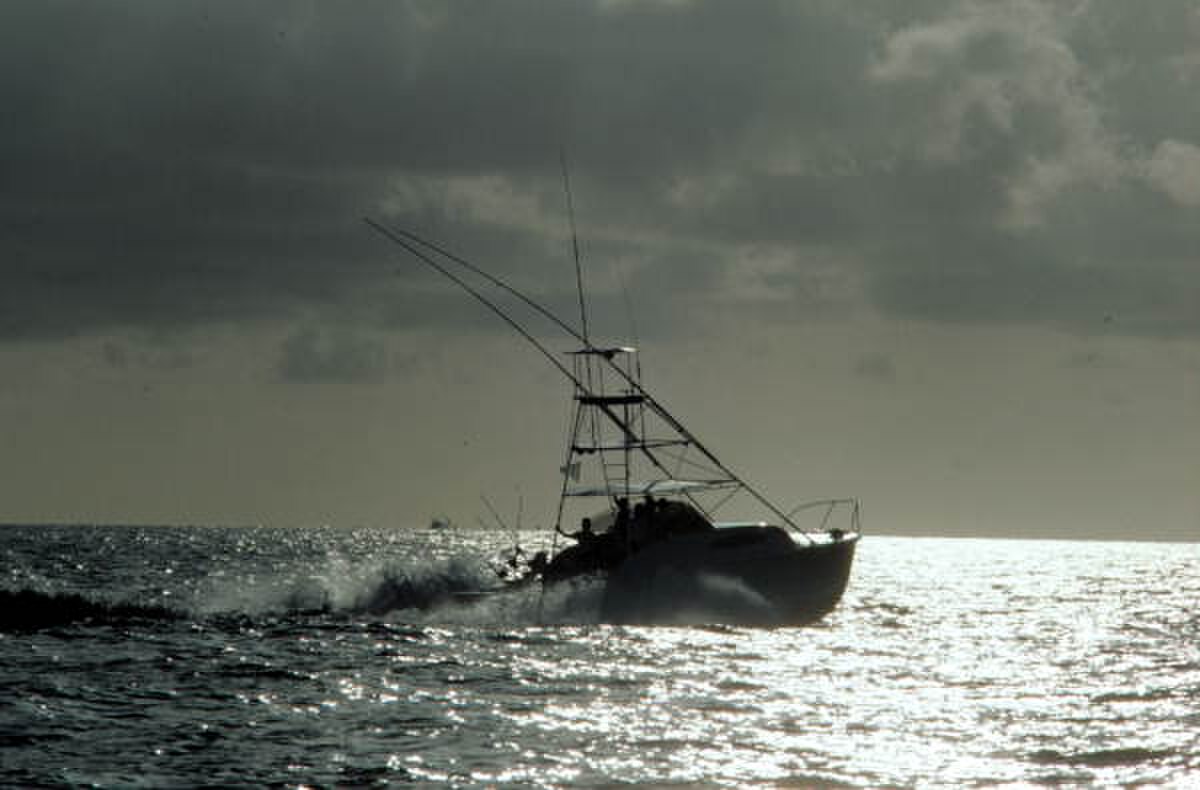
Cabo San Lucas is the Marlin Capital of the World, and a half-day or full-day fishing charter is one of the region's marquee excursions. The Sea of Cortez serves up striped marlin, blue marlin, yellowfin tuna, dorado (mahi-mahi), wahoo, and roosterfish depending on the season.
Charter prices range from $450 for a super panga (small open boat, 4-6 hours) to $3,500 for a luxury sportfisher with fighting chair, captain, and mate for a full day. The marlin bite is best from October through December; tuna peaks in summer; dorado runs strong from June through October. Even if you are not a serious angler, the experience of hooking a 200-pound marlin on the open Pacific is unforgettable.
For the complete rundown of seasons, fleets, and tournaments, see my sportfishing Cabo guide.
10. Planning Tips and Practical Advice
Transportation: A rental car gives you the most flexibility for Cabo Pulmo, Todos Santos, La Paz, and El Triunfo. Rates start at $30-$50 per day. For in-town excursions (whale watching, sunset sails, fishing), most operators include hotel pickup. Uber works in the Cabo San Lucas and San Jose del Cabo urban areas but not for rural day trips.
Best time to visit: November through April is peak season and the sweet spot for weather, whale watching, and sportfishing. Whale sharks in La Paz peak December through February. Summer (June-September) is hotter and quieter, but fishing is excellent and prices are 20-40% lower across the board.
Booking: For guided tours, book 3-5 days in advance during peak season (December-March). Off-season, next-day booking is usually fine. Avoid booking through cruise ship excursion desks -- they mark up prices 30-50%. Book directly with local operators or through your hotel concierge.
What to bring: Reef-safe sunscreen (required at Cabo Pulmo and increasingly enforced across Baja), reusable water bottle, cash for tips and small vendors (US dollars accepted but pesos get better rates), and a light jacket if you are going on the water -- the breeze off the Pacific cools down fast after sunset.
For a broader look at water-based activities, check out my comprehensive water sports guide for Los Cabos.
Ready to Make Los Cabos Your Home Base?
When you live here, these day trips become your weekends. We help buyers find the right community and property in every region of Los Cabos.
Contact Us TodayFrequently Asked Questions
Cover photo: Nathan Dugal, CC BY 2.0, via Wikimedia Commons
Thinking about buying here rather than just visiting? Our free 33-page Buying Property in Mexico guide covers the fideicomiso, closing costs in real dollars, and the 27-point checklist we run on every property.
Frequently Asked Questions
What is the best day trip from Cabo San Lucas?+
Cabo Pulmo National Marine Park is widely considered the best day trip from Cabo San Lucas. It is approximately 90 minutes by car from Cabo and offers world-class snorkeling and diving in a protected reef ecosystem that Jacques Cousteau called the aquarium of the world. The reef is over 20,000 years old and home to over 800 marine species. Tours including transportation, gear, and a guide run $120-$180 per person.
How far is Todos Santos from Cabo San Lucas?+
Todos Santos is approximately 75 kilometers (47 miles) north of Cabo San Lucas, about a 1-hour drive on Highway 19. The route is scenic and well-paved. Todos Santos is a designated Pueblo Magico (Magic Town) known for its art galleries, colonial architecture, organic restaurants, and the Hotel California. Most visitors spend 3-5 hours exploring the town center.
When is whale watching season in Cabo?+
Whale watching season in Los Cabos runs from mid-December through late March, with peak sightings in January and February. Humpback whales and gray whales migrate through the waters between the Pacific and the Sea of Cortez. Tour boats depart daily from Cabo San Lucas Marina and San Jose del Cabo, with prices ranging from $75-$150 per person for a 2-3 hour excursion. Sighting rates during peak season exceed 95%.
Is La Paz worth a day trip from Cabo?+
Absolutely. La Paz is a 2-hour drive from Cabo San Lucas and offers experiences you cannot get anywhere else in Los Cabos: swimming with whale sharks (October-March), the Balandra Beach (consistently rated among Mexico's most beautiful), the downtown malecon, and a genuine Mexican city atmosphere. Budget a full day -- leave early, swim with whale sharks in the morning, lunch on the malecon, and drive back in the late afternoon.
How much do ATV tours cost in Cabo?+
ATV and UTV desert tours in Los Cabos range from $80-$180 per person for a 2-3 hour single-rider ATV tour to $250-$400 for a 4-hour guided UTV adventure that includes beach access and desert trails. Most tours depart from the Cabo San Lucas corridor area. Migrinoes Beach tours combine dune riding with a secluded Pacific beach stop. Wild Canyon also offers ATV packages combined with zip-lining.
Can you do a day trip to Cabo Pulmo from Cabo San Lucas?+
Yes. Cabo Pulmo is about 90 minutes from Cabo San Lucas by car (2 hours from most Corridor hotels). The last 15 kilometers is a dirt road in decent condition but a high-clearance vehicle or SUV is recommended. Most guided tours include round-trip transportation, snorkeling gear, and lunch. Independent visitors should bring water, sunscreen, and cash (there are minimal services at the park). Arrive early -- the best snorkeling is in the morning before afternoon winds pick up.
What excursions are best for families in Los Cabos?+
Top family-friendly excursions include sunset sailing cruises on the bay (kids love spotting sea lions at Land's End), glass-bottom boat tours to the Arch, camel rides at Wild Canyon adventure park, snorkeling at Chileno Bay or Santa Maria Bay (calm, protected coves with abundant fish), and the Todos Santos day trip which combines beaches, ice cream shops, and galleries. Whale watching is outstanding for families during season (December-March). Most operators accommodate children ages 4 and up.

Aaron Cuha
Real Estate Advisor & Los Cabos Market Expert
Real estate advisor and founder of Living In Cabo. 15+ years helping families navigate complex real estate decisions. Strategic partner with Ronival — Baja's largest brokerage.