I run four businesses from Los Cabos, and I have spent the last several years stress-testing every coworking spot, internet setup, and cafe office in the region. Working remotely from Cabo is not just possible — it is genuinely great, if you know the workarounds.
Key Takeaways
- ✓ Telmex fiber delivers 100-200 Mbps in Cabo and SJD; Starlink is the reliable backup at 50-150 Mbps
- ✓ Digital nomad monthly budget: $2,500-$4,000 USD (rent, coworking, food, internet, transport)
- ✓ US/Canadian citizens get 180 days visa-free; Temporary Resident visa covers longer stays
- ✓ San Jose del Cabo has the best coworking scene; Todos Santos attracts the creative crowd
- ✓ Mountain Standard Time (MST) year-round — perfect alignment with US West Coast teams
- ✓ Cabo's safety, infrastructure, and direct US flights make it a top-tier remote work base
Thinking About Making Cabo Your Home Base?
We help remote workers find the right neighborhood, the right rental or purchase, and the right setup for productive living in Los Cabos.
Contact Us1. Why I Chose Cabo Over Every Other Remote Work Hub
I have worked from Tulum, Mexico City, Lisbon, Bali — the usual digital nomad circuit. I kept coming back to Cabo for three reasons that none of those places could match simultaneously: the time zone, the safety, and the weather.
Los Cabos sits in Mountain Standard Time year-round. Mexico dropped daylight saving time in 2022, so Cabo is permanently aligned with Denver and Phoenix. If you work with US West Coast clients, you are one hour behind LA for half the year and perfectly synced the other half. East Coast calls? Start at 7 AM and you are on at 9 AM Eastern. Try doing that from Bali.
Safety is the other non-negotiable. Cabo consistently ranks as one of the safest tourist destinations in Mexico. I have never once felt uncomfortable walking home late from dinner in San Jose del Cabo's Art District or the Cabo Marina. That peace of mind matters when you are focused on building something, not watching your back.
2. Internet Speeds and Providers: The Unfiltered Truth
This is where I will be honest: Cabo's internet used to be a dealbreaker. Five years ago, you were looking at 10-20 Mbps on a good day, and outages were frequent. That has changed dramatically, but you still need to be strategic.
Here is what is actually available in 2026:
- Telmex Infinitum fiber: 100-200 Mbps symmetrical in Cabo San Lucas, San Jose del Cabo, and parts of the Corridor. The most reliable option. Plans run $40-$70 USD/month. Installation can take 1-3 weeks — start that process before you need it.
- Totalplay: 100-200 Mbps, available in newer developments and urban centers. Slightly more expensive than Telmex but competitive on speed. Around $50-$80 USD/month.
- Starlink: 50-150 Mbps with latency of 25-60ms. The game-changer for Cabo. Works everywhere — even in East Cape and El Pescadero where terrestrial fiber has not reached. $50 USD/month after the equipment purchase ($599 one-time). I keep Starlink as my backup on every Zoom call.
- Telcel mobile hotspot: 20-50 Mbps on 4G/5G. Useful as an emergency backup. Prepaid SIMs cost $15-$25 USD/month for 10-20 GB.
My setup: Telmex fiber as primary, Starlink as backup, Telcel hotspot in my bag. Total cost: about $140 USD/month. In two years with this triple-redundancy setup, I have had zero missed calls and zero dropped Zooms during business hours.
3. Coworking Spaces Worth Your Money
The coworking scene in Los Cabos has matured significantly. It is not Mexico City-level density, but you do not need 200 options — you need two or three good ones. Here are the spaces I actually use:
Cabo Cowork (Cabo San Lucas)
- Location: Near the marina, walking distance from restaurants and the downtown strip
- Speed: 150-200 Mbps dedicated fiber
- Cost: Day pass $25, weekly $100, monthly from $200
- Vibe: Professional, quiet, air-conditioned. Good mix of local entrepreneurs and remote workers
- Meeting rooms available for client calls
Common Ground (San Jose del Cabo)
- Location: Art District, surrounded by galleries and restaurants
- Speed: 100-150 Mbps
- Cost: Day pass $20, monthly from $180
- Vibe: More creative and casual. Attracts writers, designers, and startup founders. The outdoor patio is a bonus
Cafe offices that actually work: Baja Beans in Todos Santos has become the unofficial remote work hub for the Pacific Side crowd — strong WiFi, excellent coffee, and nobody looks at you sideways for sitting there for four hours. In San Jose, I rotate between Flora Farms' cafe (stunning setting, decent WiFi), Jazamango, and El Cafecito for morning sessions.
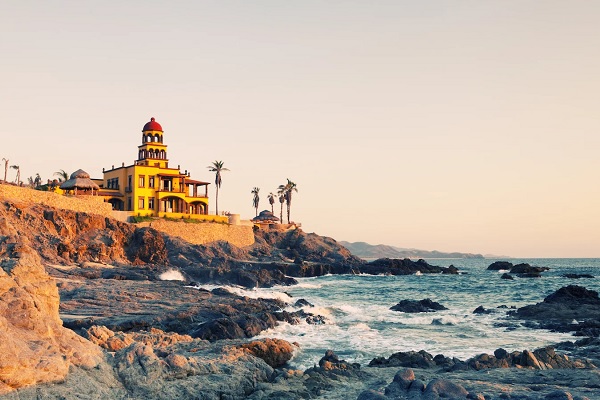
4. Best Neighborhoods for Digital Nomads
Not every Cabo neighborhood works for remote work. You need walkability, reliable internet infrastructure, and proximity to food and amenities. Here is my honest ranking:
Tier 1: San Jose del Cabo — Centro / Art District
The best overall choice. Walking distance to coworking, restaurants, groceries, and the organic market. Furnished one-bedrooms run $1,200-$1,800/month. The Art Walk on Thursday evenings is a built-in social scene. Fiber internet is available in most buildings. This is where I would tell any nomad to start.
Tier 2: Cabo San Lucas — Marina / Downtown
Higher energy, higher prices. More nightlife and tourist infrastructure. Furnished one-bedrooms run $1,500-$2,200/month. The marina area gives you walkable access to Cabo Cowork and dozens of restaurants. Downside: it can feel like a party town when you are trying to focus. Learn more about the Cabo San Lucas lifestyle in our community guide.
Tier 3: Todos Santos / El Pescadero
The boho-creative option. Cheaper ($900-$1,400/month for furnished rentals), incredible surf, and a tight-knit community. The trade-off is limited internet options — you will be relying on Starlink primarily. Grocery runs to a full-size store mean driving 30-45 minutes to San Jose or Cabo. Perfect if you work asynchronously or have flexible hours.
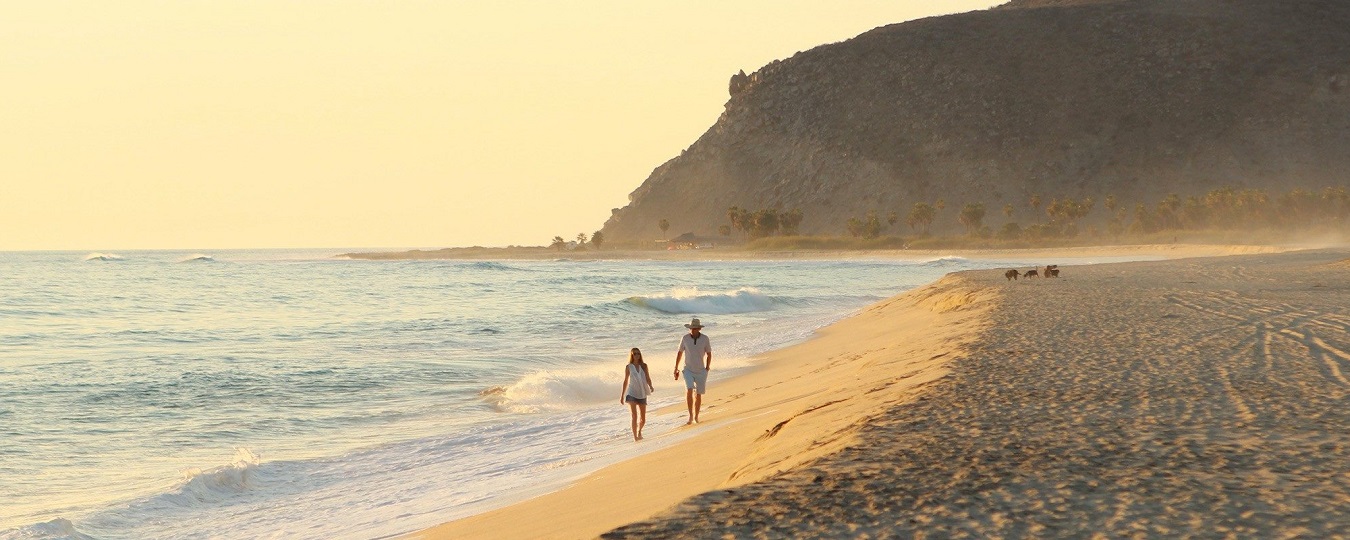
Tier 4: Cerritos Beach
Surf-forward lifestyle at the lowest price point. Studios and one-bedrooms from $800-$1,200/month. Very small town — limited amenities. Starlink-dependent. This is for the nomad who surfs at dawn and works in the afternoon.
Ready to Find Your Cabo Home Base?
Whether you want a furnished rental or are ready to buy, we will match you with the right neighborhood for your remote work lifestyle.
Book a Call5. Monthly Cost Breakdown for Digital Nomads
I track my expenses obsessively — occupational hazard of being a coach. Here is what a comfortable digital nomad lifestyle actually costs in Cabo, broken down by category:
| Expense | San Jose del Cabo | Cabo San Lucas | Pacific Side |
|---|---|---|---|
| Furnished 1BR rental | $1,200-$1,800 | $1,500-$2,200 | $800-$1,400 |
| Coworking membership | $150-$250 | $200-$300 | $0 (cafe-based) |
| Home internet (fiber) | $40-$70 | $40-$70 | $50 (Starlink) |
| Groceries | $300-$450 | $350-$500 | $250-$400 |
| Dining out | $200-$400 | $300-$500 | $150-$300 |
| Transportation | $100-$200 | $100-$200 | $150-$250 |
| Entertainment/activities | $100-$200 | $200-$400 | $100-$200 |
| Health insurance | $150-$300 | $150-$300 | $150-$300 |
| Total | $2,240-$3,670 | $2,840-$4,470 | $1,650-$2,850 |
Compare that to San Francisco ($5,000-$7,000+), Austin ($3,500-$5,500), or Miami ($4,000-$6,000), and the math starts making a lot of sense. For a deep dive on expenses, check out our complete cost of living guide.
6. Visa and Legal Requirements
Mexico makes it remarkably easy for remote workers. Here is the breakdown:
Tourist permit (FMM) — Up to 180 days
US and Canadian citizens do not need a visa. You receive a free FMM (Forma Migratoria Multiple) on arrival, valid for up to 180 days. You can legally work remotely for a non-Mexican employer during this time. Important: always ask for the full 180 days at immigration — officers sometimes stamp less if you say "vacation." Tell them you are visiting for the full permitted period.
Temporary Resident visa — 1 to 4 years
If you want to stay longer than 180 days without border runs, apply for a Temporary Resident visa at a Mexican consulate in the US. Requirements include proof of monthly income of approximately $2,500 USD or savings of around $42,000 USD over the past 12 months. The visa is valid for 1-4 years and renewable.
Tax implications
This is where it gets nuanced. If you spend more than 183 days in Mexico in a calendar year, you may be considered a Mexican tax resident. Under the US-Mexico tax treaty, you will not be double-taxed, but you need to file correctly in both countries. I strongly recommend working with a cross-border tax advisor — the $500-$1,000 annual fee pays for itself in avoided headaches. For more on the financial side, see our guide on Mexico's capital gains tax rules.
7. What a Typical Remote Work Day Looks Like
I will walk you through my actual Tuesday last week because this is what people really want to know:
6:00 AM — Up with the sun. Coffee on the terrace. Check Slack, triage emails. Cabo mornings are impossibly beautiful and distraction-free.
7:00-7:30 AM — Surf session at Costa Azul or a gym workout. You will not find a better way to start a work day anywhere on the planet.
8:30 AM-12:30 PM — Deep work block. I am either at my home office or Common Ground in San Jose. This is when I take East Coast calls (10:30 AM Eastern) and get through the heavy lifting.
12:30-2:00 PM — Long lunch. This is Mexico. I walk to a taco stand or hit Tacos Gardenias near the mercado. A plate of fish tacos and a agua fresca for $5. Try getting that in Manhattan.
2:00-5:00 PM — Afternoon work block. West Coast clients are in full swing. I take my last meetings here and wrap up deliverables.
5:30 PM — Done. Walk to the beach or the estuary. Thursday is Art Walk night in San Jose — that is my networking event, though nobody calls it that. You just end up talking to interesting people over mezcal.
The point is: you can build a serious, productive work rhythm here. The lifestyle does not get in the way — it fuels the work.
8. Community, Networking, and Not Being Lonely
Loneliness kills more nomad runs than bad WiFi. Cabo handles this better than most places because the expat community is small enough that you actually build real friendships — not the revolving-door superficiality of bigger nomad hubs.
Here is how to plug in:
- Cabo Cowork and Common Ground events: monthly mixers, lunch-and-learns, and happy hours. Low-key, high quality.
- San Jose Art Walk (Thursdays): the single best weekly networking event in Los Cabos, disguised as a gallery crawl.
- Sport fishing trips: book a panga with three other people and spend four hours on the water. You will leave with friends.
- Flora Farms community events: cooking classes, farm dinners, live music. The kind of people you want to know show up here.
- Facebook groups: "Cabo San Lucas Community," "San Jose del Cabo Expats" — not glamorous, but useful for practical questions and meetups.
If you are coming from the US and want to understand the full expat experience beyond just remote work, our comprehensive expat guide covers everything from healthcare to banking to making friends.

9. When It Makes Sense to Buy Instead of Rent
Most nomads start with a rental, and that is the right move. But if you have been here six months and you know this is your base, the math shifts. Here is my rule of thumb:
- Staying less than 1 year: Rent furnished. Do not commit.
- Staying 1-2 years: Rent unfurnished and furnish it yourself — saves 20-30% on monthly costs.
- Staying 2+ years: Seriously consider buying. A $300,000 condo in San Jose del Cabo costs roughly $1,800/month in mortgage-equivalent costs (if paying cash, your opportunity cost). Meanwhile, you are building equity in a market appreciating 4-6% annually. When you are not here, vacation rental income can cover your carrying costs.
The fideicomiso (bank trust) process for foreign buyers is straightforward. It takes about 40-45 days and costs $2,000-$3,000 to set up. I have walked through the process in detail in our fideicomiso guide. For a broader look at the best places to buy, see our best areas to buy guide.
10. Practical Tips From Hard-Won Experience
These are the things nobody tells you until you have already made the mistake:
- Get a Mexican phone number. Buy a Telcel SIM at any OXXO ($3) and load a prepaid plan ($15-$25/month). You need it for delivery apps, WhatsApp business contacts, and two-factor authentication that does not work with US numbers.
- Open a Mexican bank account. Intercam and Banorte are the friendliest to foreigners. You need your passport, proof of address (utility bill or rental contract), and your FMM. It takes about an hour. This saves you 3-5% on every ATM withdrawal. Our banking and utilities guide walks through the full process.
- Buy a UPS (uninterruptible power supply). Power fluctuations happen, especially in summer. A $50 UPS keeps your router and laptop running through brief outages. Non-negotiable if you take client calls.
- Learn the seasonal rhythm. October is the rainiest month. Hurricane season runs June through November. Summer is hot (95-100F) and humid. The "golden months" for nomad lifestyle are November through May — perfect weather, manageable prices. Our hurricane season guide covers what to expect.
- Negotiate your rental. Monthly rates drop 30-40% in summer (June-September). If you commit to a 6-month or annual lease, landlords will negotiate. Always ask.

11. Is Cabo Right for Your Remote Work Life?
Cabo is not the cheapest nomad destination. It is not the most connected. And it definitely is not the most "digital nomad influencer" destination — you will not find 47 coworking spaces and a content creator on every corner.
What Cabo is: a place where you can build a real life while working remotely. The infrastructure is good enough, the lifestyle is exceptional, the community is genuine, and the proximity to the US means you are never more than a three-hour flight from home. For Americans and Canadians who want the quality of life upgrade without the 18-hour flight to Southeast Asia, it is hard to beat.
I moved here to test it for six months. That was years ago. I am still here, still productive, and still discovering new reasons to stay.
Ready to Make Cabo Your Remote Office?
Whether you are looking for a short-term rental or ready to invest in your own Cabo home base, our team knows every neighborhood and can match you with the right fit for your work style and lifestyle.
Contact Us TodayFrequently Asked Questions
How fast is the internet in Cabo San Lucas for remote work?+
Internet speeds in Cabo vary widely by location and provider. Telmex fiber delivers 100-200 Mbps in well-connected areas of Cabo San Lucas and San Jose del Cabo. Totalplay offers similar speeds where available. Starlink provides 50-150 Mbps and works anywhere in the region, making it the go-to backup. Most coworking spaces offer dedicated business-grade connections at 100-300 Mbps.
Do I need a visa to work remotely from Cabo?+
US and Canadian citizens can enter Mexico visa-free on an FMM tourist permit for up to 180 days. You can legally work remotely for a non-Mexican employer during this time. For stays beyond 180 days, you will need a Temporary Resident visa, which is valid for 1-4 years and requires proof of income (approximately $2,500/month or $42,000 in savings). Mexico does not have a specific digital nomad visa, but the Temporary Resident visa serves the same purpose.
What are the best coworking spaces in Cabo?+
The top coworking spaces in Los Cabos are Cabo Cowork in Cabo San Lucas (from $200/month), Common Ground in San Jose del Cabo (from $180/month), and several cafe-style workspaces in Todos Santos. Each offers high-speed WiFi, air conditioning, meeting rooms, and a community of remote professionals. San Jose del Cabo has the strongest coworking scene overall.
How much does it cost to live as a digital nomad in Cabo?+
A comfortable digital nomad lifestyle in Cabo runs $2,500 to $4,000 USD per month. This includes rent ($1,200-$2,000 for a furnished one-bedroom), coworking ($150-$300), food ($400-$600), internet ($50-$80 at home plus Starlink backup at $50/month), transportation ($100-$200), and entertainment. Living in San Jose del Cabo or the Pacific Side is 20-30% cheaper than Cabo San Lucas.
Is Cabo a good place for digital nomads compared to other Mexico destinations?+
Cabo offers better infrastructure and safety than most Mexico digital nomad hubs, but at a higher price point. Compared to Mexico City, Playa del Carmen, or Oaxaca, you will pay 30-50% more for housing. The tradeoff is world-class weather year-round, a smaller and more tight-knit expat community, outdoor lifestyle options (surfing, fishing, golf), and proximity to the US West Coast with direct flights under 3 hours.
Do I need to pay taxes in Mexico if I work remotely?+
If you are on a tourist permit (FMM) and working for a non-Mexican employer, you generally do not owe Mexican income tax. However, if you establish tax residency in Mexico by staying more than 183 days in a calendar year, you may be considered a Mexican tax resident. Consult a cross-border tax professional — the rules are nuanced and depend on your specific situation, the US-Mexico tax treaty, and your residency status.
What is the time zone in Cabo for remote work?+
Los Cabos is in the Mountain Standard Time zone (MST/UTC-7) year-round — Mexico eliminated daylight saving time in 2022. This means Cabo is aligned with Phoenix and Denver in winter, and one hour behind LA during US daylight saving time. It is an excellent time zone for working with US West Coast teams and still manageable for East Coast calls if you start early.

Aaron Cuha
Real Estate Advisor & Los Cabos Market Expert
Real estate advisor and founder of Living In Cabo. 15+ years helping families navigate complex real estate decisions. Strategic partner with Ronival — Baja's largest brokerage.