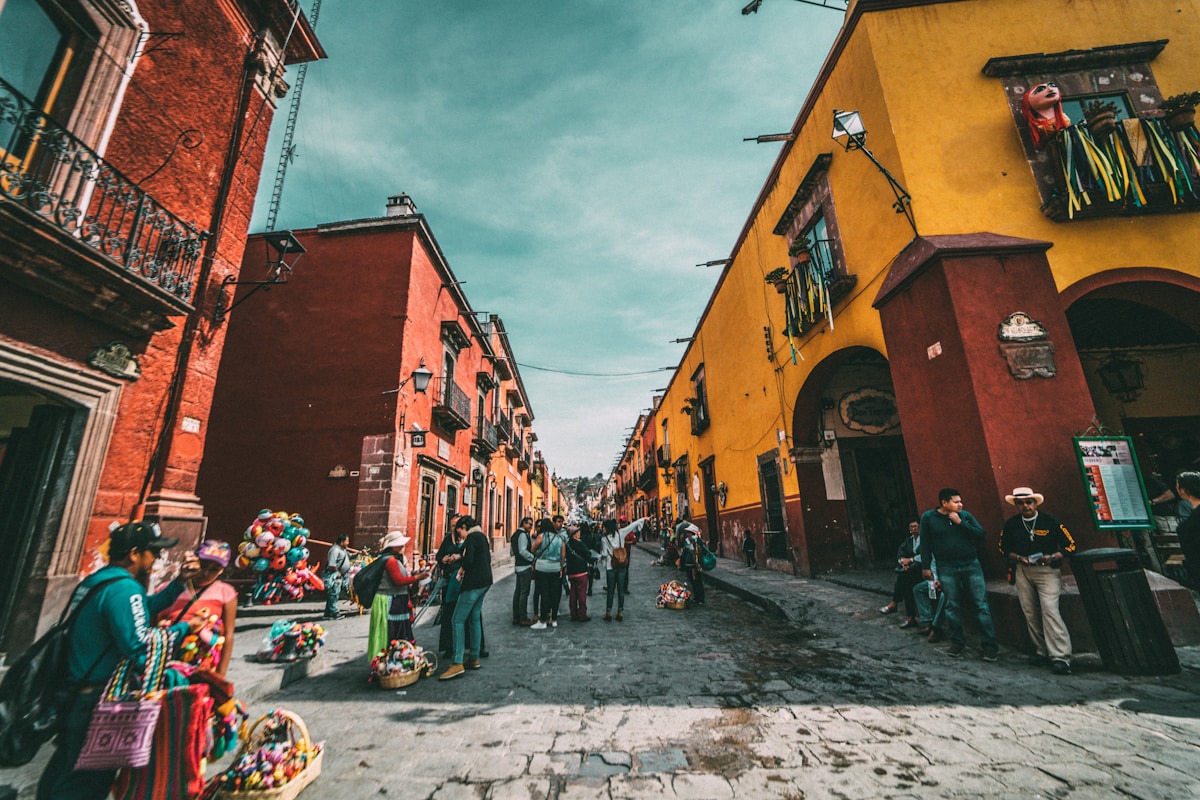
Tap water in Los Cabos is not drinkable. That is not a scare tactic and it is not a maybe — it is the baseline reality of living in a desert peninsula where the municipal water system was built to serve a small fishing town, not a booming international resort corridor. Every long-term expat, every resort GM, and every property manager I have talked to in Cabo will tell you the same thing in the first five minutes: do not drink the tap water.
But here is what the alarmist travel blogs leave out: dealing with water in Cabo is genuinely easy, costs almost nothing, and after your first two weeks you will not think about it any more than you think about changing an air filter in Park City. This guide covers every option, from the cheapest to the most permanent.
Key Takeaways
- Municipal tap water in Los Cabos (supplied by OOMSAPAS) is not potable — use purified water for drinking, cooking, and brushing teeth
- 20-liter garrafones cost $2-$3 USD and are the most common solution — delivery is free
- A whole-house reverse osmosis system runs $300-$800 installed and pays for itself in under a year
- Pedregal operates its own desalination plant — formerly needed 5,000 water truck loads per year, now produces its own potable supply
- Restaurant ice is safe — commercial ice in Los Cabos is made from purified water
- ACCIONA is building a major municipal desalination plant to supplement aquifer supply
Moving to Cabo? Water Is the Easy Part.
We help buyers navigate every detail of relocating to Los Cabos — from water systems to property taxes to choosing the right community.
Get Personalized GuidanceWhy Tap Water Is Not Safe in Los Cabos
The municipal water supply in Los Cabos is managed by OOMSAPAS (Organismo Operador Municipal del Sistema de Agua Potable, Alcantarillado y Saneamiento). It draws primarily from underground aquifers in the San Jose and Cabo San Lucas basins. The water is chlorinated and treated for basic sanitation — it is safe for bathing, laundry, and cleaning — but it does not meet the World Health Organization guidelines for potable drinking water.
The issues are multiple: aging infrastructure means pipes can introduce contaminants between the treatment plant and your faucet, mineral content is high (hard water is the norm in Baja), and during the rainy season or after storms, sediment infiltration can spike. None of this is unique to Cabo — it is the reality across most of Mexico and much of Latin America.
For context, Mexico's own federal health guidelines (NOM-127-SSA1) set stricter standards for potable water than most municipal systems can reliably deliver. That is why bottled and purified water is the default nationwide, not just in tourist areas.
Option 1: Garrafones — The Standard Cabo Solution
The garrafon is the backbone of daily hydration in Mexico. These 20-liter (5.28 gallon) jugs of purified water cost 35 to 55 pesos each — roughly $2 to $3 USD — and are available from every corner store, Oxxo, Soriana, and Chedraui in Los Cabos.
Most families use 2 to 4 garrafones per week depending on household size. The major brands — Ciel (Coca-Cola), Bonafont (Danone), and E-Pura (PepsiCo) — all operate purification plants in Baja California Sur. Local purificadoras (independent water purification shops) are also everywhere and often slightly cheaper.
Delivery services
The real convenience is delivery. Most garrafon suppliers will deliver on a regular schedule — twice a week is standard — at no additional charge. You leave your empties outside the door, they swap them for full ones. Some homeowners set up a monthly account with a local purificadora and never think about it again.
In Cabo San Lucas and San Jose del Cabo, delivery coverage is reliable. In more rural areas like the East Cape, delivery schedules may be less frequent — once a week is typical for communities like Zacatitos or the stretches between Los Barriles and Cabo Pulmo.
The garrafon dispenser
Most expat kitchens have a garrafon stand — a simple ceramic or stainless steel dispenser that inverts the 20-liter jug and provides a spigot. Cost: $20 to $50 USD. Some refrigerator-style water coolers accept garrafones and provide chilled water. These run $100 to $200 USD and are common in larger households.
Option 2: Reverse Osmosis Systems — The Homeowner Upgrade
If you are buying property in Los Cabos, installing a reverse osmosis (RO) system is the single best quality-of-life upgrade you can make to the kitchen. I tell every buyer this, and the ones who do it thank me within the first month.
An under-sink RO system filters tap water through a semi-permeable membrane, removing 95 to 99 percent of dissolved solids, bacteria, chlorine, and heavy metals. The result is clean, odor-free drinking water from your own tap.
Costs
| System Type | Equipment Cost | Installation | Annual Filters |
|---|---|---|---|
| Under-sink RO (kitchen only) | $150-$400 | $50-$100 | $50-$80 |
| Whole-house RO + UV | $300-$800 | $100-$200 | $80-$120 |
| Commercial-grade (large villa) | $800-$2,000 | $200-$400 | $100-$200 |
Compare that to garrafones: at 3 per week and $2.50 each, you spend roughly $390 per year on delivered water. A whole-house RO system pays for itself in under a year and gives you purified water from every faucet — kitchen, bathroom sinks, even the shower if you plumb it that way.
Local plumbing companies in San Jose del Cabo and Cabo San Lucas install RO systems routinely. It is not a specialty service — ask any property manager for a referral and they will have two or three plumbers they trust. Many HOA-managed developments have approved vendors.
UV sterilization
Some homeowners add a UV (ultraviolet) sterilizer as a final stage after the RO membrane. UV light kills any remaining bacteria or viruses that might pass through. The additional cost is $100 to $200 for the UV unit. For families with small children or immunocompromised members, this is worth the peace of mind. The CDC's water treatment guidance considers combined RO and UV sterilization among the most effective household purification methods available.
Pedregal's Private Desalination Plant: A Case Study
Pedregal de Cabo San Lucas offers a glimpse of what happens when a community takes water supply into its own hands — and it is worth understanding whether you buy there or not, because it is a model that other communities are studying.
Before the desalination plant was built, Pedregal required approximately 5,000 water truck deliveries per year to supplement its supply. Think about that — 5,000 trucks hauling water up the hill to one of Cabo's most exclusive neighborhoods. The logistics alone were a headache, and the environmental footprint was enormous.
The desalination plant, designed by Global H2O Investments out of Houston, changed everything. The plant draws seawater, removes salt and contaminants through reverse osmosis membranes, and produces potable-quality water for the entire community. No more trucks. Consistent pressure. Reliable quality.
What is even more interesting is the next chapter: Pedregal is now exploring selling its excess desalination capacity to the municipal water system. A private luxury community potentially becoming a water supplier to the public grid — that is the kind of infrastructure inversion that tells you how rapidly Los Cabos is evolving.
For buyers, the lesson is this: communities with their own water infrastructure carry a structural premium. When you are comparing properties at similar price points, ask whether the development has its own water treatment or relies entirely on the municipal supply. In a desert, water independence is not a luxury — it is a feature that directly affects long-term property value. See our water infrastructure deep dive for the full picture.
Water Infrastructure Matters When You Buy
We know which communities have private water systems, which rely on municipal supply, and what that means for your property's long-term value.
Book a Strategy CallMunicipal Desalination: What Is Coming
Los Cabos is not standing still on the water front. The municipality has contracted ACCIONA, the Spanish infrastructure giant, to build a major desalination plant that will supplement the region's aquifer-based supply.
The aquifers that serve Cabo San Lucas and San Jose del Cabo have been under increasing stress as the region's population has more than doubled over the past 15 years. Tourism growth adds seasonal demand spikes. Climate patterns in Baja California Sur are trending drier. Desalination is not optional — it is the infrastructure that makes continued growth possible.
For property buyers, municipal desalination investment is a positive signal. It means the government and private sector are aligned on ensuring the region's growth is sustainable. Markets where infrastructure investment lags behind population growth create risk; markets where infrastructure leads or keeps pace create opportunity.
Practical Tips for Daily Life
Brushing teeth
Use purified water. This is the one that trips up new arrivals the most — you get up, bleary-eyed, turn on the faucet, and rinse your toothbrush before remembering. Keep a small bottle of purified water next to each bathroom sink until the habit locks in. After a week, it is automatic.
Cooking
Use purified water for anything that does not involve sustained boiling. Rice, pasta, soups that boil for 10+ minutes — tap water is generally fine because the heat kills pathogens. Washing salad greens, making lemonade, filling ice trays — use purified water or your RO tap.
Ice
If you make ice at home, use purified water. If your refrigerator has a built-in ice maker, run the water line through your RO system. At restaurants and bars, commercial ice is safe — it is made from purified water at licensed facilities. The hollow, cylindrical cubes you see everywhere are the telltale sign of machine-made purified ice.
Pets
Give your pets purified water too. Dogs and cats are susceptible to the same waterborne pathogens as humans. A simple garrafon dispenser at floor level works perfectly.
Produce
Wash fruits and vegetables with purified water or a produce wash solution. You can buy Microdyn or similar vegetable washes at any supermarket in Cabo — add a few drops to a bowl of purified water, soak your produce for 10 minutes, rinse. This is standard practice across Mexico and becomes second nature fast. See our cost of living guide for grocery and household budgeting.
What Water Actually Costs in Cabo
Municipal water from OOMSAPAS is inexpensive by US standards. A typical household water bill runs 300 to 800 pesos per month ($17 to $45 USD), depending on usage and the rate tier. Water is billed on a progressive rate structure — basic usage is cheap, heavy usage gets expensive.
Add your drinking water solution on top:
| Solution | Monthly Cost | Annual Cost |
|---|---|---|
| Garrafones (3/week) | $30-$36 | $360-$430 |
| Under-sink RO (after install) | $5-$8 | $50-$80 |
| Whole-house RO + UV (after install) | $7-$10 | $80-$120 |
| Bottled water only (small bottles) | $60-$120 | $720-$1,440 |
The math is clear: buying individual small bottles is the most expensive option by far. Garrafones are the affordable default. And an RO system is the best long-term play for homeowners. If you are buying a home and plan to live in it even part-time, install an RO system before you move in. Your post-closing checklist should include it.
Water Situation by Community
Not every community in Los Cabos has the same water story:
- Pedregal: Private desalination plant. Best water infrastructure of any community in Los Cabos. Potable-quality water delivered to every home.
- Cabo San Lucas proper: Municipal OOMSAPAS supply. Reliable pressure in most areas. Not potable — use garrafones or RO.
- San Jose del Cabo: Municipal supply. Downtown and Fonatur areas have consistent service. Newer developments on the outskirts sometimes have lower pressure during peak season.
- Corridor communities (Palmilla, Chileno Bay, Querencia): Resort communities typically have their own treatment and pressure-boosting systems. Water quality and pressure are generally better than municipal areas.
- East Cape: Water supply varies dramatically. Costa Palmas has its own infrastructure. Smaller communities like Zacatitos may rely on well water, cisterns, or trucked water. Off-grid properties handle their own supply entirely — see our utilities guide.
What to Ask About Water Before You Buy
When evaluating any property in Los Cabos, add these questions to your due diligence checklist:
- Water source: Municipal? Private well? Desalination? Trucked?
- Storage: Does the property have a cistern (tinaco)? What capacity? A 5,000-liter tinaco is standard for houses.
- Pressure: Is there a pressure booster pump (bomba)? These cost $200 to $500 and are essential in areas with inconsistent municipal pressure.
- Filtration: Is there an existing RO or filtration system? How old are the filters?
- HOA water: Does the development have its own water treatment or desalination? What does the HOA charge for water separately from the municipal bill?
- Backup: Is there a secondary water source if the primary fails? In rural East Cape, this is critical.
Your real estate agent should be able to answer all of these. If they cannot, that tells you something about how well they know the property. Our team at Ronival walks every listing's infrastructure before recommending it to buyers.
The Bottom Line
Water in Los Cabos is a solved problem. It is not glamorous, it requires a small adjustment from what you are used to in the States or Canada, and it costs a few bucks a week. That is it.
I have watched first-time visitors worry endlessly about this topic before arriving, and then two weeks in they are filling their garrafon stand on autopilot and wondering why they stressed about it. The water situation in Cabo is no different from using a Brita filter in your US kitchen — it is just one step in your daily routine.
What actually matters for long-term property value is whether your community has invested in its own water infrastructure. That is the question to ask, and it is a question we help our buyers answer every day.
Ready to Find Your Cabo Home?
From water systems to property taxes, we walk you through every detail so you buy with confidence. No guesswork.
Let's TalkFrequently Asked Questions
Can you drink tap water in Cabo San Lucas?+
No. The municipal water supply in Los Cabos, managed by OOMSAPAS, is treated for sanitation but is not considered potable by international standards. All residents and visitors should use purified water for drinking, cooking, and brushing teeth. Restaurants and hotels use purified water and purified ice, so dining out is safe.
How much do garrafones cost in Los Cabos?+
A standard 20-liter garrafon (about 5 gallons) of purified water costs 35 to 55 pesos, roughly $2 to $3 USD. Most families use 2 to 4 garrafones per week. Delivery services like Ciel, Bonafont, or local purificadoras will deliver to your door on a regular schedule for no extra charge.
Is ice safe in Cabo restaurants?+
Yes. Commercial ice in Los Cabos restaurants, bars, and hotels is made from purified water at licensed plants. The cylindrical, hollow ice cubes you see at most restaurants are machine-made from purified water. Avoid irregularly shaped ice only if you are at a very informal roadside stand in a rural area.
How much does a reverse osmosis system cost in Cabo?+
A residential under-sink reverse osmosis system costs $150 to $400 USD installed. A whole-house RO system with pre-filtration and UV sterilization runs $300 to $800 USD for the equipment plus $100 to $200 for installation. Annual filter replacements cost $50 to $100. Most expat homeowners consider this the best long-term investment.
Does Pedregal have its own water supply?+
Yes. Pedregal operates its own desalination plant, which produces potable-quality water for the community. Before the plant was built, Pedregal required approximately 5,000 water truck deliveries per year. The desalination plant, designed by Global H2O Investments out of Houston, eliminated that dependency entirely. The community is now exploring selling excess capacity to the municipal system.
Is Los Cabos building a desalination plant?+
Yes. ACCIONA, the Spanish infrastructure company, is building a major desalination facility for the Los Cabos municipality. The project is designed to supplement the region's aquifer-dependent water supply as population and tourism continue to grow. Several luxury communities already operate their own smaller desalination systems.
Can you use tap water for cooking in Cabo?+
It depends on the cooking method. Boiling water for pasta or rice will kill pathogens, so tap water is generally acceptable for extended boiling. However, for washing fruits and vegetables, making ice, preparing cold drinks, or any cooking that does not involve sustained boiling, use purified water. Most expat homeowners simply default to purified water for all kitchen use.

Aaron Cuha
Real Estate Advisor & Los Cabos Market Expert
Real estate advisor and founder of Living In Cabo. 15+ years helping families navigate complex real estate decisions. Strategic partner with Ronival — Baja's largest brokerage.