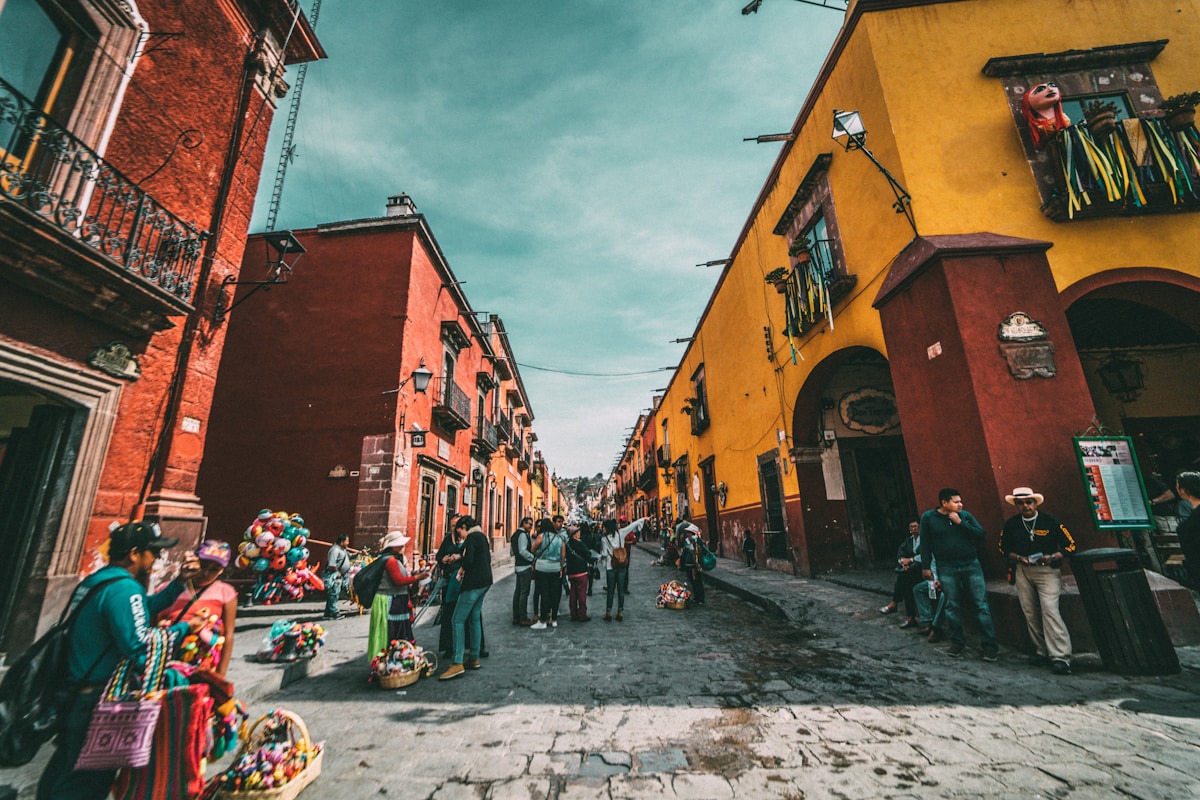
The first time you walk into a Mega Soriana in Cabo San Lucas and find an entire aisle labeled "chiles" — seven varieties you've never seen, none of which is a jalapeño — you realize that grocery shopping in Mexico is an education, not an errand. But once you learn the system, you'll eat better for less than you did back home.
Key Takeaways
- ✓ Groceries in Los Cabos average 20-40% less than comparable US prices, with local produce and alcohol dramatically cheaper.
- ✓ Costco, Walmart, La Comer, and Mega Soriana are all in Cabo San Lucas — same brands, same membership cards, Mexico-adapted inventory.
- ✓ The Saturday Organic Market in San Jose del Cabo is the standout for local produce, artisan goods, and the kind of shopping that feels like an event rather than a chore.
- ✓ Tap water is not for drinking — garrafones (5-gallon jugs) at $2-$3 each or a $300-$600 reverse-osmosis filter under the sink are standard.
- ✓ 90% of American staples are available; the 10% that aren't (specific OTC drugs, niche dietary products) you'll learn to substitute or stockpile on US trips.
Moving to Cabo?
Groceries are just one piece — let's walk through the full daily-life picture for your move.
Get in TouchThe Major Grocery Stores in Los Cabos
Costco
Yes, there's a Costco in Cabo San Lucas, and yes, your US or Canadian membership works. Located on Lázaro Cárdenas, the main boulevard, it's a full-size warehouse with about 70% overlap with an American Costco. Kirkland water, Kirkland olive oil, American cereal brands, bulk toilet paper — all there. The Mexico-specific 30% includes local meats (arrachera, cecina), Mexican dairy (queso Oaxaca, crema), and pantry staples you'll learn to love (bulk avocados, fresh tortillas, Mexican hot chocolate).
Membership runs approximately 1,100 pesos/year (about $65 USD). For most expats, this is the anchor store — the place you hit every 7-10 days for the bulk staples.
La Comer
The nicest conventional supermarket in Los Cabos. Clean, well-organized, strong produce section, decent wine selection, and a deli/bakery that would hold up in any American suburb. Prices run 10-20% higher than Soriana or Walmart, but the shopping experience and product quality justify it for most expats. Located near Costco on Lázaro Cárdenas. If you want the closest thing to a Whole Foods or upscale Kroger experience, this is it.
Mega Soriana
The workhorse Mexican supermarket — large format, comprehensive inventory, competitive prices. The produce section is enormous and rotates seasonally. The meat counter cuts to order. The bakery turns out fresh bolillos and conchas daily. It's not fancy, but it has everything, and the prices on local products are hard to beat. Multiple locations across Los Cabos.
Walmart and Bodega Aurrera
Walmart operates in Mexico under its own brand (full-size stores) and the discount banner Bodega Aurrera (smaller, more price-focused). The Cabo San Lucas Walmart is a serviceable supermarket with a solid selection of both American imports and Mexican staples. Bodega Aurrera is the budget option — less selection, no-frills shopping, but genuinely cheap on basics. For commodity groceries where brand doesn't matter, Bodega Aurrera prices are often 15-20% below Soriana and La Comer.
City Club / Fresko
City Club is the warehouse competitor to Costco (owned by Soriana). Smaller format, fewer imported American brands, but good prices on Mexican staples and household goods. The attached Fresko section carries some premium and organic products.
What Things Actually Cost
Here's a sample grocery basket comparing Los Cabos prices to a mid-range US market (all prices approximate, mid-2026):
| Item | Los Cabos (USD) | US Average (USD) | Difference |
|---|---|---|---|
| Dozen eggs | $2.50-$3.50 | $3.50-$5.00 | -30% |
| 1 kg chicken breast | $3.50-$5.00 | $5.50-$8.00 | -35% |
| 1 kg ground beef | $5.00-$7.00 | $7.00-$10.00 | -30% |
| 1 kg avocados (3-4) | $1.50-$3.00 | $5.00-$8.00 | -60% |
| 1 kg tomatoes | $1.00-$2.00 | $3.00-$4.50 | -55% |
| Gallon of milk | $3.50-$4.50 | $4.00-$5.50 | -15% |
| Loaf of bread (commercial) | $2.50-$3.50 | $3.50-$5.00 | -25% |
| 12-pack domestic beer | $8.00-$12.00 | $14.00-$18.00 | -40% |
| 750ml tequila (mid-shelf) | $12.00-$25.00 | $25.00-$45.00 | -45% |
| Box of US brand cereal | $4.50-$6.00 | $4.00-$5.50 | +10% |
| Peanut butter (imported) | $5.00-$7.00 | $3.50-$5.00 | +30% |
The pattern is clear: anything grown, raised, or produced in Mexico is significantly cheaper. Anything imported from the US — specific American brands, specialty items — costs about the same or more due to import duties and logistics. The smart play is to shift your cooking and eating toward what's local and abundant here, which happens to also be fresher, better quality, and more seasonal than the year-round industrial produce you're used to.
For the full cost-of-living picture beyond groceries, see our complete cost breakdown.
Local Markets and Specialty Shopping
San Jose del Cabo Organic Market
Every Saturday morning on the UABCS campus grounds on Boulevard Mijares in San Jose del Cabo. This is the standout food shopping experience in Los Cabos — local organic produce, artisan bread, fresh tamales, local honey, handmade cheese, homemade salsas, smoked fish, and prepared foods. It's also a social event: live music, coffee, and the expat community doing its weekly shopping. Get there by 9 AM for the best selection; by noon the popular vendors are sold out.
Mercado Municipal
The traditional covered market in downtown San Jose del Cabo, on the corner of Coronado and Castro. This is where locals shop for produce, meat, dried chiles, fresh tortillas, and household goods. Prices are the lowest you'll find for fresh food. Cash only, bargaining is expected but not aggressive, and almost everything is in Spanish. Coming here regularly is one of the fastest ways to learn food vocabulary and feel like you actually live here rather than visiting.
Flora Farms and Acre
Flora Farms is an organic farm in the San Jose del Cabo foothills that operates a farm stand, restaurant, and cooking school. The produce is exceptional — grown in Baja soil, harvested the same day — but prices are premium (2-3x supermarket). It's a splurge, not a weekly shop, but the quality of their greens, herbs, and heirloom tomatoes is genuinely superior to anything at Soriana. The market runs alongside the farm's restaurant and is part of the farm-to-table dining scene that's become one of San Jose's genuine draws.
Tiendas de Abarrotes
The small neighborhood corner stores you'll find on every block in Fonatur, La Playita, and every Mexican residential neighborhood. They stock basics — eggs, bread, milk, beer, sodas, chips, canned goods, toilet paper, phone credit — at convenience-store markups. Their real value is proximity and hours: when you need three limes and a bag of ice at 9 PM, the tienda has you covered and Costco doesn't.
Curious What Daily Life in Cabo Actually Costs?
Groceries, utilities, staff, insurance — let's build a real monthly budget before you commit.
Book a CallDrinking Water
Tap water in Los Cabos is not safe for drinking. This is standard throughout Mexico, not specific to Cabo, and it's not a crisis — it's just a system you adapt to immediately:
- Garrafones (5-gallon jugs): The most common solution. Purified water delivered to your door in 20-liter jugs, typically 30-50 pesos ($2-$3 USD) each. Most homes use a countertop or floor-standing garrafon dispenser. Delivery services like Ciel, Bonafont, or local purificadoras come 1-2 times per week. Budget roughly $15-$25/month for a two-person household.
- Reverse-osmosis filter: An under-sink RO system costs $300-$600 installed and eliminates jug deliveries entirely. The filters need replacing every 6-12 months ($30-$50). This is the preferred long-term solution for full-time residents — no jug storage, no delivery scheduling, clean water from the tap whenever you want it.
- Bottled water: Readily available at every store in sizes from 500ml to 1.5L. More expensive per liter than garrafones and generates plastic waste, but fine for the first weeks while you set up a permanent system.
Tap water is fine for cooking (boiling kills pathogens), showering, and brushing teeth. The concern is long-term mineral content and potential contaminants from aging municipal infrastructure, not acute illness from a glass of water.
What You'll Miss (and What to Do About It)
Most American and Canadian expats find 90% of their grocery list covered within the first month. The remaining 10% falls into a few categories:
- Specific OTC medications: Brand-name cold medicines (NyQuil, DayQuil, Advil Cold & Sinus) are either unavailable or sold in different formulations. Bring your favorites in your suitcase; Mexican farmacias carry effective equivalents for most things.
- Specialty dietary products: Gluten-free pasta, specific plant-based milk brands, sugar-free specialty items — the selection is growing but still limited compared to a US natural foods store. La Comer has the best selection.
- Premium pet food brands: If your dog eats a specific grain-free or prescription diet, bring it or find a local source before you run out. Selection is limited to a few mainstream brands at most stores.
- Baking supplies: Vanilla extract (the quality in Mexico ranges from outstanding to synthetic — know what you're buying), cream of tartar, some specific flours (almond flour, coconut flour) can be hard to find outside Costco.
Most expats develop a "stockpile" habit — filling a suitcase with the specific items they can't find in Cabo every time they fly back to the US. After a year, the list gets very short as you discover Mexican substitutes for most things.
Shopping Tips for New Expats
- Always choose pesos at checkout. When the card terminal asks USD or MXN, choose pesos. Your bank's exchange rate is always better than the store's markup on dollar conversion.
- Bring your own bags. Mexico charges for plastic bags (about 1-2 pesos each) and many stores have eliminated them. Keep reusable bags in the car.
- Learn the produce scale system. In most stores, produce is weighed and price-labeled at a scale station in the produce section — you take your item there, get a sticker, then head to checkout. Going straight to the register with unstickered produce creates a logjam.
- Shop early for produce. The best selection at Soriana and La Comer is in the morning. By afternoon, the ripe avocados and good tomatoes are picked over.
- Use Rappi or Corner Shop for delivery. Both delivery apps operate in Los Cabos and will shop Costco, Walmart, La Comer, and other stores for you. Delivery fees are modest ($2-$5) and the convenience is real, especially in Cabo summer heat.
Frequently Asked Questions
Planning Your Cabo Move?
Let's walk through the daily-life details — from grocery stores to neighborhoods to schools.
Contact MeFrequently Asked Questions
Is there a Costco in Cabo San Lucas?+
Yes. Costco Cabo San Lucas is located in the La Comer shopping center area on Lázaro Cárdenas, the main boulevard through town. It's a full-size Costco warehouse with the same membership cards accepted as in the US and Canada. The product mix is about 70% overlap with a US Costco — you'll find Kirkland brand staples, American cereal brands, imported cheeses, and bulk household goods. The other 30% is Mexico-specific: local meats, Mexican dairy brands, tortillas in bulk, and seasonal items you won't find stateside. Membership costs roughly 1,100 pesos/year (about $65 USD).
How much do groceries cost in Los Cabos compared to the US?+
On average, groceries in Los Cabos cost 20-40% less than comparable items in a mid-range US market, with significant variation by category. Local produce (avocados, tomatoes, limes, mangos, chiles) is dramatically cheaper — often 50-70% less. Meat is generally 20-30% cheaper for comparable cuts. Imported American brands (cereal, peanut butter, specific snack brands) cost about the same or 10-20% more due to import costs. Alcohol is significantly cheaper — domestic beer runs $8-$12 for a 12-pack; tequila and mezcal are a fraction of US prices. Dairy, eggs, and bread are generally cheaper unless you're buying imported specialty items.
What American products are hard to find in Cabo?+
Most American staples are available at Costco, Walmart, or La Comer in Cabo San Lucas. Items that are consistently hard to find or expensive when available include: specific cold medicine and OTC drug brands (Nyquil, Advil PM), certain baking supplies (vanilla extract quality varies; cream of tartar is rare), specialty dietary products (specific gluten-free brands, sugar-free items, plant-based meat substitutes), pet food brands (limited selection of premium brands), and some household cleaning brands. Most expats learn to substitute Mexican equivalents for 90% of their previous shopping list within a few months.
Where is the best organic or farmers market in Los Cabos?+
The San Jose del Cabo Organic Market (Mercado Orgánico) runs every Saturday morning on the grounds of the UABCS campus on Boulevard Mijares. It's the best selection of organic produce, artisan bread, local honey, cheeses, prepared foods, and handmade goods in Los Cabos. The Flora Farms market in the foothills above San Jose is another premium option — higher prices but exceptional quality from their own organic farm. In Todos Santos, the smaller Saturday farmers market offers Pacific-side organic produce. For everyday organic produce, La Comer and Fresko (at City Club) carry limited organic selections.
Can I use my US credit card at Cabo grocery stores?+
Yes. All major supermarkets in Los Cabos — Costco, Walmart/Bodega Aurrera, Soriana/Mega, La Comer, Fresko — accept Visa and Mastercard. You'll be asked at checkout whether to pay in pesos or dollars (always choose pesos to get your bank's exchange rate rather than the store's inflated one). American Express is accepted at some stores but not all. Cash (pesos) is still used at smaller tiendas, the Mercado Municipal, and street vendors. ATMs at major banks (Santander, BBVA, Banorte) are widely available and dispense pesos.
Is tap water safe in Cabo San Lucas?+
No. Tap water in Los Cabos is not considered safe for drinking, which is standard throughout Mexico. Residents use garrafones — 20-liter (5-gallon) jugs of purified water delivered to the home, typically costing 30-50 pesos ($1.75-$3 USD) per jug. Most homes have a garrafon dispenser in the kitchen. Alternatively, a reverse-osmosis filtration system installed under the kitchen sink costs $300-$600 and eliminates the need for jug deliveries. Tap water is fine for cooking (boiling kills pathogens), showering, and brushing teeth — the drinking-water caution is about long-term ingestion of minerals and potential contaminants, not acute illness risk.

Aaron Cuha
Real Estate Advisor & Los Cabos Market Expert
Real estate advisor and founder of Living In Cabo. 15+ years helping families navigate complex real estate decisions. Strategic partner with Ronival — Baja's largest brokerage.