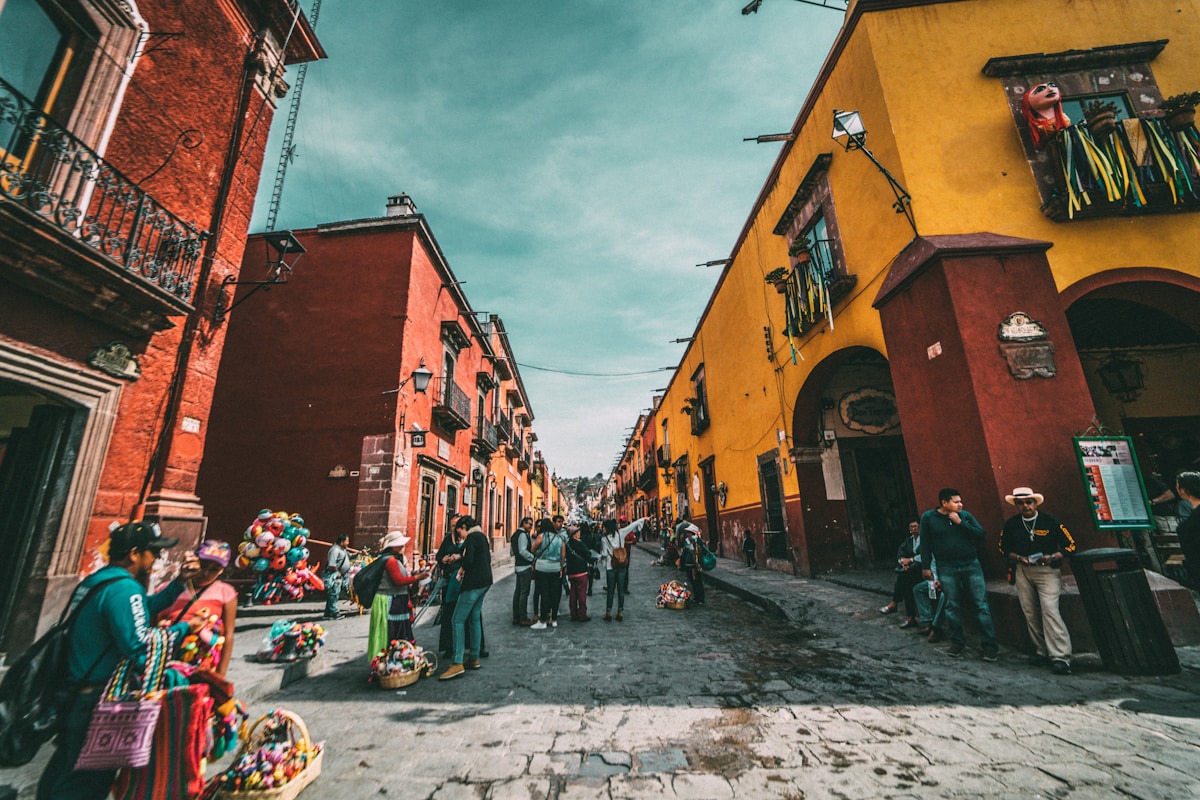
I run my coaching business from Cabo. Not "I visited for a month and posted about it" — I actually run calls, coach clients, and manage a team from here on a regular basis. So when people ask me what remote work in Los Cabos is really like, I skip the influencer answer and give them the operational one.
Key Takeaways
- ✓ Fiber internet in Cabo San Lucas, San Jose del Cabo, and the Corridor runs 100-500 Mbps for $30-$70/month
- ✓ Los Cabos sits on Mountain Standard Time year-round, no daylight saving shift
- ✓ A Temporary Resident Visa is the compliant path for remote workers, not a tourist visa
- ✓ San Jose del Cabo's Centro and El Medano are the two best remote-work-friendly neighborhoods
- ✓ Coworking spaces and remote-friendly cafes exist in both main towns, concentrated near the centers
Thinking About Working Remotely From Cabo?
I'll tell you honestly whether it fits your work setup and point you toward the right neighborhood for your routine.
Ask Me Directly1. The Internet Reality, Not the Marketing Version
Here's the truth: internet in the developed core of Los Cabos is genuinely good. I run video calls, screen shares, and cloud-based tools all day without the connection being the bottleneck. Fiber providers like Telmex and Totalplay offer plans from 100 to 500 Mbps in Cabo San Lucas, San Jose del Cabo, and the Corridor for $30 to $70 USD a month — that's on par with or better than a lot of US markets.
Where it gets less reliable is the further out you go. East Cape towns like Los Barriles and Pacific Side communities near Todos Santos have internet, but service and speed vary property to property, and outages happen more often than in the core towns. If your income depends on being online during specific hours, verify the actual connection at any specific property before you sign a lease or close on a purchase — don't take a listing agent's word for it.
My practical rule: I keep a backup — a Mexican cell carrier hotspot with a solid data plan — running as a failsafe. Power blips happen occasionally, especially during summer storm season, and a five-minute outage during a client call is a five-minute outage too many.

2. Coworking Spaces and Remote-Friendly Cafes
You don't have to work from your kitchen table. Both main towns have real infrastructure for remote workers now, which is a change from even five years ago.
- San Jose del Cabo Centro Historico: the strongest coworking scene in the region, with dedicated desk spaces, private meeting rooms, and a walkable cluster of cafes that cater specifically to laptop workers.
- Cabo San Lucas near the marina and El Medano: fewer formal coworking spaces but a strong cafe culture, plus hotel lobby and beach-club day-pass options that work fine for lighter work days.
- Todos Santos: a smaller, more bohemian coworking and cafe scene that attracts a specific type of remote worker — creative, slower-paced, and less corporate than San Jose del Cabo.
If your work requires client-facing video calls, book a private room rather than working from an open cafe table — background noise and wifi congestion in busy cafes during peak tourist season is a real issue.
3. Time Zones and Working With US/Canada Clients
Los Cabos sits in Baja California Sur, which observes Mountain Standard Time year-round and does not shift for daylight saving. That means your overlap with US and Canadian clients changes slightly depending on the season:
- Same time as Denver in winter (when the rest of the US isn't observing daylight saving)
- One hour behind Denver, two behind Chicago, and three behind New York during the summer daylight saving months
- Roughly one hour ahead of Los Angeles year-round
For most remote workers serving US clients, this is a completely workable overlap — you're not dealing with the 8-12 hour gap that comes with working from Southeast Asia or Europe. I run a full US business day from here without clients noticing a difference.
Considering Buying vs. Renting While You Work Remotely?
Book a call and I'll walk you through the neighborhoods that actually work for a remote schedule, and whether renting first makes more sense before you buy.
Book a Free Call4. Visa Considerations for Remote Workers
This is the part people get sloppy on. A tourist visa (FMM) does not technically authorize you to work — even remotely for a company outside Mexico — though in practice enforcement against remote workers on tourist status has been minimal. I don't recommend relying on "minimal enforcement" as your compliance strategy, especially if you plan to stay long-term.
The cleaner path is Mexico's Temporary Resident Visa, which explicitly permits remote work for a foreign employer. It requires proving sufficient income or savings at a Mexican consulate before you arrive, and it's renewable annually for up to four years before you can apply for permanent residency. If you're serious about basing your work life in Cabo for more than a few months a year, get the visa right rather than stacking 180-day tourist stamps indefinitely.
5. Best Neighborhoods for Remote Workers
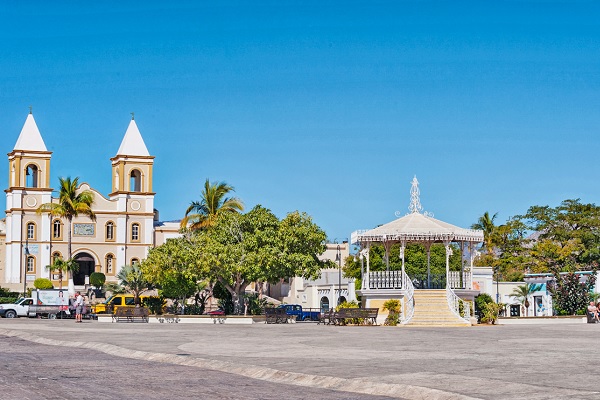
Not every part of Los Cabos suits a laptop-and-wifi lifestyle equally. Here's how I'd rank the options for someone actually working, not just vacationing:
- San Jose del Cabo Centro: the top choice. Walkable, strong coworking and cafe infrastructure, reliable fiber, and a real community of remote workers and expats.
- El Medano, Cabo San Lucas: more energy, beach access right outside your door, solid internet, but noisier and more tourist-dense — better if you want lifestyle over pure focus.
- La Playita: quieter, more residential, close enough to San Jose del Cabo's Centro to access coworking spaces while getting a calmer home base.
- Todos Santos: best for a slower-paced, creative remote work lifestyle — accept a longer drive to the airport and less consistent infrastructure in exchange for a genuinely different pace of life.

6. What It Actually Costs to Work Remotely From Cabo
Beyond the internet bill, there are a handful of recurring costs that catch new remote workers off guard. A dedicated desk at a good coworking space runs roughly $150-$350 per month, depending on the location and whether you want a private office versus an open desk. If you're renting rather than owning, factor that separately — a well-located, remote-work-friendly one-bedroom in San Jose del Cabo or El Medano typically runs $1,200-$2,500 per month depending on building and season.
Health insurance is another line item people underestimate. Mexican private health insurance or a US-based international plan typically runs $100-$400 per month depending on age and coverage level — worth budgeting for separately from routine care, which is often cheaper out of pocket in Mexico than in the US even without insurance.
Add it up and a comfortable remote work setup in Cabo — rent, coworking, health coverage, and daily living — runs meaningfully less than an equivalent setup in most major US coastal cities, which is a big part of why the digital nomad population here keeps growing.
7. Building a Routine That Actually Works
The biggest failure mode I see with new remote workers in Cabo isn't infrastructure — it's routine. The lifestyle here pulls hard toward distraction: the beach is right there, the wind is perfect for kiteboarding most afternoons, and every day feels like it should be a vacation day. That's exactly what derails productivity for people who haven't built real structure into their schedule.
What's worked for me and for clients I've coached through this transition:
- Set fixed work hours that align with your clients' time zone, and protect them the same way you would in any office job
- Separate your workspace physically from your leisure space, even in a smaller property — a dedicated desk, not the couch or the pool deck
- Build in a hard stop each day, then actually use the lifestyle Cabo offers — the whole point of being here is enjoying what's outside your window once the work is done
- Batch in-person coworking days for tasks that need deep focus, and reserve home days for calls and lighter work

8. Practical Setup Checklist
If you're serious about making this work long-term, here's what I'd have in place before your first full remote work week in Cabo:
- A verified fiber connection at your actual address, not a nearby coworking space you'll only use occasionally
- A backup hotspot with a Mexican carrier SIM for outages
- A surge protector or small UPS unit — power fluctuations happen more here than in most US markets
- A Temporary Resident Visa if you plan to stay more than a few months at a time
- A dedicated workspace at home, even if it's just a desk on the terrace — working from bed or the pool deck sounds great for exactly three days before your focus falls apart
Read more in our full expat guide to living in Cabo San Lucas for the broader relocation picture beyond just the work setup.
9. Should You Rent or Buy If You're Testing Remote Life in Cabo?
I tell almost every remote worker considering Cabo the same thing: rent for at least one full season, ideally spanning both peak winter months and the quieter summer stretch, before you buy. Working remotely from a vacation rental for two weeks tells you almost nothing about whether the internet, the noise levels, and the daily rhythm actually support real, sustained work.
Once you've tested a full season and know which neighborhood genuinely fits your work style, buying makes a lot more sense — you'll shop with real criteria instead of guessing from vacation photos. Our condo versus villa comparison is a good next read once you're at that stage, since remote workers tend to have specific needs — reliable power, a quiet workspace, and proximity to coworking — that should factor directly into that decision.

10. Mistakes I See Remote Workers Make
- Signing a long lease before testing the internet at that exact address — ask the landlord for a speed test screenshot, or better, visit and test it yourself during business hours.
- Ignoring the visa question until it becomes urgent — start the Temporary Resident Visa process well before you need it; consulate appointments can book out weeks in advance.
- Underestimating how isolating a slower town can feel without proactively building a routine and community — Cabo rewards people who put in effort to connect, not people who wait for it to happen automatically.
- Choosing a property based on Instagram appeal over practical work needs — a gorgeous infinity pool doesn't matter if the wifi drops every afternoon during your busiest call block.
I made a version of that last mistake myself early on — chasing a beautiful view over a reliable connection — and spent the first month rerouting client calls through a hotspot until I fixed my setup properly. Learn from that so you don't have to repeat it.
11. Finding Your Community
One thing that surprises new remote workers is how genuinely social the digital nomad and expat community in Los Cabos has become. Regular meetups, coworking social hours, and Facebook and WhatsApp groups connect remote workers across San Jose del Cabo, Cabo San Lucas, and even the smaller Pacific Side towns. It's a far cry from the isolated "working alone in a foreign country" image some people expect.
If you're moving down solo, lean into that infrastructure early rather than waiting for it to find you. Show up to a coworking social event in your first week, join the relevant local groups before you even arrive, and treat building your local network as seriously as you'd treat setting up your internet connection — both are foundational to making remote work in Cabo sustainable long-term.
Building a Remote Work Life in Cabo?
I've done it myself. Let's talk through what actually matters for your specific work setup and find the right neighborhood and property to match.
Start the ConversationFrequently Asked Questions
Is internet reliable enough for remote work in Los Cabos?+
Yes, in the developed areas. Fiber internet is widely available in Cabo San Lucas, San Jose del Cabo, and the Corridor, with typical speeds of 100-500 Mbps from providers like Telmex and Totalplay. Reliability drops the further you get from these core areas — East Cape and Pacific Side locations should be evaluated property by property before committing to a lease or purchase.
What time zone is Los Cabos in?+
Los Cabos is on Mountain Standard Time (UTC-7) year-round — Baja California Sur does not observe daylight saving time the way most of Mexico and the US do. That puts it one hour behind Denver in summer and the same as Denver in winter, and two to three hours off West Coast US business hours depending on the season, which is workable for most remote schedules.
Do I need a special visa to work remotely from Mexico?+
Technically, a tourist visa (FMM) does not authorize you to work, even remotely for a foreign company, though enforcement against remote workers on tourist status is rare in practice. The cleaner, compliant path is Mexico's Temporary Resident Visa, which explicitly allows remote work for a foreign employer and can be renewed for up to four years before qualifying for permanent residency.
Are there dedicated coworking spaces in Cabo San Lucas or San Jose del Cabo?+
Yes. Both towns have coworking spaces with dedicated desks, meeting rooms, and reliable backup power — concentrated mostly in San Jose del Cabo's Centro Historico and Cabo San Lucas near the marina. Several cafes in both towns also cater specifically to remote workers with strong wifi and all-day seating.
What's the best neighborhood in Cabo for remote workers?+
San Jose del Cabo's Centro Historico and El Medano in Cabo San Lucas are the top choices — both offer walkable access to coworking spaces, reliable fiber internet, cafes, and a genuine expat and remote-work community, without requiring a car for daily life.
How much does high-speed internet cost in Los Cabos?+
Fiber internet plans in the developed areas of Los Cabos typically run $30-$70 USD per month for 100-500 Mbps service, which is comparable to or cheaper than equivalent US plans.

Aaron Cuha
Real Estate Advisor & Los Cabos Market Expert
Real estate advisor and founder of Living In Cabo. 15+ years helping families navigate complex real estate decisions. Strategic partner with Ronival — Baja's largest brokerage.