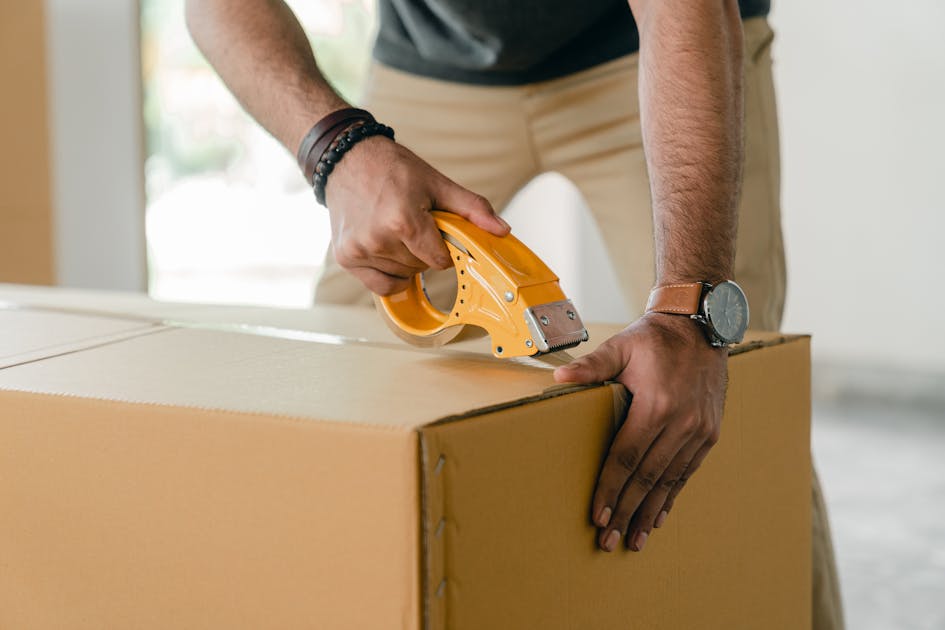
Moving to Los Cabos is the exciting part. Figuring out how to get your furniture, kitchen gear, and that one piece of art you refuse to leave behind across an international border — that is the logistical puzzle nobody warns you about. Mexico offers a generous duty-free import program called Menaje de Casa for new residents, but the process involves customs brokers, Spanish-language inventories, visa timing, and port logistics that trip up even the most organized relocators. According to the Mexican Tax Administration Service (SAT), over 35,000 foreign nationals used the Menaje de Casa exemption in 2025. Here is how to be one of the ones who does it right.
Key Takeaways
- ✓ Menaje de Casa allows one-time duty-free import of household goods for new residents with a temporary or permanent visa
- ✓ You MUST have your resident visa before shipping — tourist visas do not qualify
- ✓ A licensed customs broker (agente aduanal) is legally required — no self-clearing allowed
- ✓ Full container shipping from the US costs $3,000–$8,000; total relocation shipping runs $4,000–$10,000 all-in
- ✓ Timeline: 2–4 weeks by sea, 1–2 weeks by ground from border states
- ✓ Many items (furniture, appliances, basics) are cheaper to buy in Mexico than to ship
Planning Your Move to Los Cabos?
Our team connects you with trusted relocation specialists, customs brokers, and real estate professionals across all five regions of Los Cabos.
Get Relocation SupportWhat Is Menaje de Casa?
Menaje de Casa (literally "household furnishings") is a one-time customs exemption granted to foreign nationals establishing residency in Mexico. It allows you to import your used personal and household belongings without paying import duties — which would otherwise run 16% IVA (value-added tax) plus additional tariffs ranging from 5% to 35% depending on the item category.
The exemption is codified in Mexico's Customs Law (Ley Aduanera) and administered by SAT. It is available to holders of:
- Residente Temporal (Temporary Resident Visa) — valid for 1–4 years, renewable
- Residente Permanente (Permanent Resident Visa) — no expiration
The critical word is "one-time." You get one Menaje de Casa import per visa. If you hold a temporary resident visa and later convert to permanent, some customs offices will allow a second Menaje for the new visa — but this is not guaranteed. Plan to bring everything you want in a single shipment.
What You Can and Cannot Ship
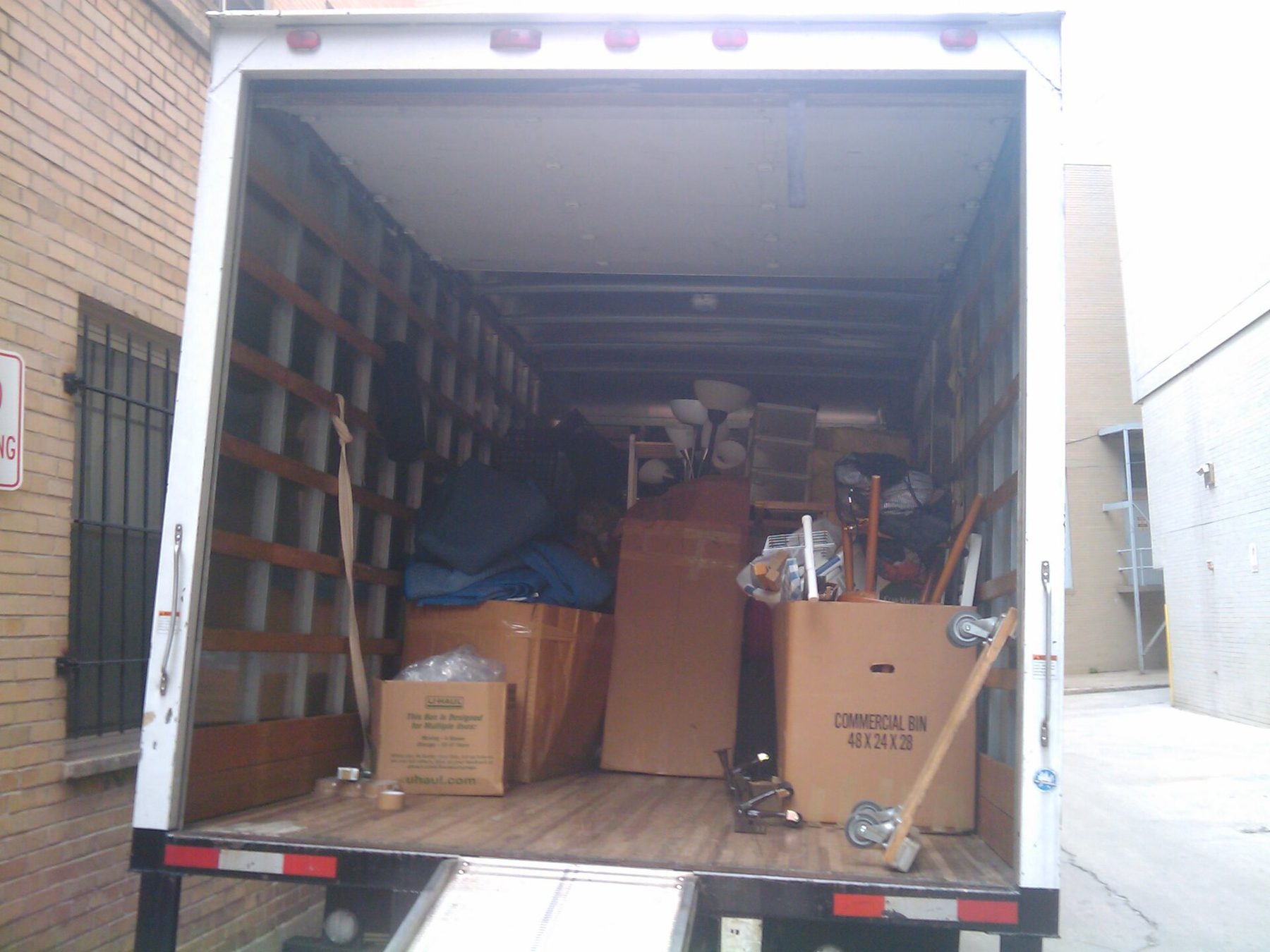
The Menaje de Casa exemption covers used personal and household goods. The emphasis is on "used" and "personal." Mexican customs officers have seen every attempt to abuse this system, and items that appear new, commercial, or intended for resale will be flagged.
What qualifies:
- Furniture — sofas, beds, dining tables, dressers, bookshelves
- Kitchen items — cookware, dishes, small appliances (blender, coffee maker, etc.)
- Electronics — TVs, computers, gaming consoles, audio equipment (used, personal quantities)
- Clothing, shoes, and personal accessories
- Books, artwork, and decorative items
- Linens — bedding, towels, curtains
- Tools — personal workshop tools (not commercial equipment)
- Sporting equipment — golf clubs, surfboards, dive gear, bicycles
- One washer, one dryer, one refrigerator, one stove per household
What does NOT qualify:
- Vehicles (cars, motorcycles, boats — separate import process entirely)
- New items still in original packaging or with tags
- Items in commercial quantities (10 identical items will be flagged)
- Firearms and ammunition (virtually impossible to import legally)
- Agricultural products, fresh food, or live plants
- Prescription drugs beyond a 90-day supply
- Building materials or commercial equipment

Step 1 — Get Your Visa First (This Is Non-Negotiable)
The number one mistake people make: they start packing and booking shipping before their visa is issued. Your temporary or permanent resident visa must be in hand before your shipment can qualify for Menaje de Casa. If goods arrive at a Mexican port and you are on a tourist visa (FMM), you will pay full import duties — 16% IVA minimum, plus item-specific tariffs.
The visa process itself takes 2 to 6 weeks through a Mexican consulate in the US or Canada. According to INM (Mexico's National Immigration Institute), approximately 87,000 US and Canadian citizens held active temporary or permanent resident visas in Baja California Sur as of early 2026. Start the visa process at least 3 months before your planned move date.
When you receive your visa at the consulate, request the Menaje de Casa form at the same appointment. Some consulates issue it automatically; others require you to ask. Do not leave without it — getting it after the fact is significantly more difficult.
Step 2 — Hire a Customs Broker (Agente Aduanal)
This is not optional. Mexican law requires a licensed agente aduanal for all imports, including household goods. The customs broker:
- Prepares the pedimento (customs declaration)
- Translates and formats your inventory list to meet SAT requirements
- Files the Menaje de Casa exemption paperwork
- Coordinates with the port authority for release of your container
- Handles any inspections or questions from customs officers
- Arranges local delivery from the port or border crossing to your home
Customs broker fees range from $800 to $2,000 USD depending on the size and complexity of your shipment. Get referrals from your real estate agent or expat community — an experienced broker who handles Cabo-bound shipments regularly will save you time and headaches.

Step 3 — Create Your Detailed Inventory
Your inventory list is the backbone of the Menaje de Casa process. It must be in Spanish (your customs broker will translate, but start with as much detail as possible), and it must include:
- Description of each item (not just "box 1" — actual descriptions like "mesa de comedor de madera, 6 sillas")
- Quantity of each item
- Estimated value in USD or MXN
- Condition (used — this is important)
Take photographs of every item and every box you pack. If customs decides to inspect your shipment (roughly 20% of imports get a detailed inspection, known as "red light" at the semaforo fiscal), photos help your broker confirm that the physical goods match the declared inventory.
Need Help Planning Your Cabo Relocation?
We connect relocating buyers with vetted customs brokers, immigration attorneys, and property managers across Los Cabos.
Book a Relocation CallStep 4 — Choose Your Shipping Method
Three primary options exist for getting your goods from the US or Canada to Los Cabos, and the right choice depends on your volume, budget, and timeline.
Ocean Freight — Full Container Load (FCL)
Best for full households. A standard 20-foot container holds roughly 1,100 cubic feet — enough for a 2-bedroom home's furnishings. A 40-foot container handles a 3- to 4-bedroom home. Costs by origin:
- West Coast (California, Oregon, Washington): $3,000–$5,000 for 20ft; $4,500–$7,000 for 40ft
- East Coast / Midwest: $5,000–$8,000 for 20ft; $7,000–$11,000 for 40ft
- Canada (Vancouver, Toronto): $5,500–$9,000 for 20ft
Goods enter Mexico via the port of La Paz (Baja California Sur) or Manzanillo (Colima), then travel overland to Los Cabos. La Paz is closer but has more limited port capacity; Manzanillo is Mexico's busiest Pacific port and handles more containerized cargo. Your shipping company and customs broker will recommend the best routing.
Less-Than-Container Load (LCL)
If you are shipping a partial household — a few key furniture pieces, personal items, and some boxes — LCL consolidates your goods with other shipments in a shared container. Costs range from $1,500 to $3,500 depending on cubic footage. The trade-off: LCL shipments take longer (add 1–2 weeks for consolidation and deconsolidation) and have more handling touchpoints, increasing the risk of damage.
Ground Freight
For residents of border states (Arizona, Texas, California), ground freight through border crossings like Nogales, Laredo, or Tijuana can be cost-effective. A full truckload runs $2,000 to $4,000 with transit times of 1 to 2 weeks including customs clearance at the border. Ground freight works well when combined with a driving relocation — ship the heavy goods, drive down with personal items and your vehicle (see our guide to importing a car).
Air Freight
For urgent or high-value items only. Air freight to San Jose del Cabo International Airport (SJD) costs $5 to $8 per pound and arrives in 3 to 7 days. Use this for irreplaceable items, electronics that do not ship well by sea, or essentials you need immediately upon arrival. Not practical for furniture or bulk household goods.

What to Bring vs. What to Buy in Mexico
This is where first-time relocators consistently overspend. Shipping is expensive per cubic foot, and many items are cheaper to buy in Mexico than to ship from the US. The cost of living in Cabo is lower than most US cities, and that extends to furnishings.
Bring from the US/Canada:
- Personal items with sentimental value (artwork, family heirlooms, photo albums)
- High-quality mattresses (Mexican mattress quality varies significantly)
- Specialty kitchen equipment (KitchenAid mixers, high-end cookware)
- Electronics (often 30–50% more expensive in Mexico due to import duties)
- Dive gear, sporting equipment, and hobby-specific items
- Prescription medications (90-day supply with documentation)
- Professional tools or specialized equipment
Buy in Mexico:
- Basic and mid-range furniture — Mexican-made furniture is excellent quality and often less expensive. Coppel and Liverpool are the national chains; local Cabo artisans make beautiful custom pieces.
- Large appliances — voltage differences (Mexico uses 127V vs. US 120V — close enough for most devices, but check your appliance specs) and size standards make local purchase simpler
- Linens and towels — widely available and inexpensive
- Outdoor furniture — salt air and humidity will destroy US patio furniture; buy locally and replace as needed
- Cleaning supplies and household consumables

Common Mistakes That Cost Time and Money
Every relocation professional in Los Cabos has seen these mistakes. Avoid them and you will save thousands of dollars and weeks of frustration.
- Shipping before the visa is issued. Your goods sit at the port accruing storage fees ($50–$150 per day) while you scramble to get paperwork sorted. The port will auction unclaimed goods after 90 days.
- Not hiring a customs broker. You cannot self-clear imports in Mexico. Period. Attempting it means your container stays locked at the port.
- Vague inventory lists. "Miscellaneous household items — 20 boxes" will get flagged for inspection. Detailed inventories clear faster.
- Shipping restricted items. Firearms, large quantities of prescription drugs, and agricultural products will get your entire shipment held and potentially seized. Even an innocent bag of dried herbs can trigger a full inspection.
- Overshipping cheap furniture. Spending $2,000 to ship a $500 IKEA bookshelf makes no financial sense. Ship only items that are expensive to replace, have sentimental value, or are unavailable in Mexico.
- Ignoring insurance. International shipping insurance typically costs 2–3% of declared value. Given the multiple handling points (your home → truck → port → ship → port → customs → truck → your new home), coverage is worth it.
Typical Relocation Shipping Timeline
Here is a realistic timeline for a US-to-Cabo household shipment:
- 3–6 months before move: Apply for resident visa at Mexican consulate. Begin decluttering and deciding what to ship vs. sell vs. buy in Mexico.
- 2–3 months before: Hire customs broker and international moving company. Begin packing and creating inventory. Get shipping quotes and book container.
- 1 month before: Final packing. Movers pick up goods and transport to port. Verify all documentation is complete.
- Ship date: Container loaded and vessel departs. Ocean transit: 2–4 weeks (West Coast) or 3–5 weeks (East Coast).
- Arrival at port: Customs broker files paperwork. Goods clear customs (1–5 business days if documentation is clean). Overland transport to Los Cabos (1–2 days from La Paz).
- Delivery: Goods arrive at your new home. Unpack and enjoy your new life in Cabo.
Total elapsed time from packing to delivery: 5 to 8 weeks. Plan to arrive at your Cabo property at least a few days before your shipment to prepare the space.

Total Cost Summary
Here is a realistic all-in cost breakdown for shipping household goods from the US to Los Cabos:
- Shipping (FCL, West Coast origin): $3,000–$5,000
- Customs broker: $800–$2,000
- Packing and local pickup in US: $500–$1,500
- Insurance (2–3% of declared value): $300–$1,000
- Port fees and handling: $200–$500
- Overland transport (port to Cabo): $300–$800
- Local delivery and unloading: $200–$400
Total range: $5,300–$11,200 USD depending on volume, origin, and services required. Budget $7,000–$8,000 as a reasonable midpoint for a typical 2- to 3-bedroom home's contents shipped from the western US.
Compare that to the overall cost of living in Los Cabos — many relocators find that the money they save on daily expenses in the first year more than covers the shipping costs.
Your Relocation Next Steps
Shipping your household goods is one piece of a larger relocation puzzle. Before you start packing boxes, make sure the foundation is set:
- Secure your property first. You need a delivery address before you can ship. Explore our Cabo San Lucas, San Jose del Cabo, and Todos Santos community guides to find the right neighborhood.
- Start the visa process early. See our temporary resident visa guide for the step-by-step process.
- Set up banking and utilities. Our post-closing checklist covers everything from opening a Mexican bank account to getting internet connected.
- Plan your vehicle situation. Read the complete car import guide before assuming you can just drive your car down.
- Connect with the expat community. Our expat living guide covers the social, practical, and cultural aspects of daily life.

Ready to Start Your Cabo Relocation?
From finding the right property to connecting you with trusted customs brokers and immigration attorneys, we make your move to Los Cabos as smooth as the shipping should be.
Contact Our Relocation TeamCover photo: panza.rayada, CC BY-SA 3.0, via Wikimedia Commons
Frequently Asked Questions
What is Menaje de Casa in Mexico?+
Menaje de Casa is a one-time duty-free import exemption that allows new residents of Mexico to bring their personal household goods into the country without paying import taxes. It applies to foreigners who hold a valid temporary resident (Residente Temporal) or permanent resident (Residente Permanente) visa. The exemption covers used personal belongings including furniture, appliances, electronics, clothing, books, and household items — but not vehicles, commercial goods, or new items in commercial quantities.
Do I need a visa before I can ship my belongings to Mexico?+
Yes. You must have your temporary or permanent resident visa issued before you can use the Menaje de Casa exemption. The visa must be obtained at a Mexican consulate in your home country before shipping. Shipping goods on a tourist visa (FMM) does not qualify for duty-free import, and you would be subject to standard import duties of 16% IVA plus additional tariffs.
How much does it cost to ship household goods from the US to Cabo?+
A full 20-foot container (FCL) from the western US costs approximately $3,000 to $5,000 USD. From the East Coast or Midwest, expect $5,000 to $8,000. Less-than-container (LCL) shipments run $1,500 to $3,500 depending on volume. Ground freight from border states costs $2,000 to $4,000. Add $800 to $2,000 for the customs broker (agente aduanal). Total all-in costs typically range from $4,000 to $10,000 depending on origin and volume.
How long does shipping to Los Cabos take?+
Ocean freight from US West Coast ports takes 2 to 4 weeks. From East Coast ports, add 1 to 2 weeks for routing through the Panama Canal or overland transfer. Ground freight from border states (Arizona, Texas, California) takes 1 to 2 weeks including customs clearance. Air freight is fastest at 3 to 7 days but significantly more expensive — typically $5 to $8 per pound.
Do I need a customs broker to ship to Mexico?+
Yes. Mexican law requires an agente aduanal (licensed customs broker) for all commercial and household imports. The customs broker prepares the pedimento (customs declaration), manages the Menaje de Casa paperwork, coordinates with the port authority, and ensures your shipment clears customs. Fees range from $800 to $2,000 USD. Do not attempt to self-clear — it is not legally permitted and will result in your goods being held at the port.
What items should I NOT ship to Mexico?+
Do not ship firearms or ammunition (illegal without a nearly impossible-to-obtain military permit), prescription medications beyond a 90-day supply, fresh food or agricultural products, certain used clothing in commercial quantities, live plants, or any items that appear new and in commercial packaging. Also avoid shipping cheap furniture or basic appliances — these are often less expensive to buy in Mexico than to ship. Vehicles require a separate import process and cannot be included in a Menaje de Casa shipment.
What documents do I need for Menaje de Casa?+
You need your valid temporary or permanent resident visa (original and copy), a detailed inventory list in Spanish with descriptions, quantities, and estimated values of each item, your passport, proof of address in Mexico, the Menaje de Casa form obtained from the Mexican consulate where you got your visa, and the bill of lading or air waybill from your shipping company. Your customs broker will guide you on the exact requirements, which can vary slightly by port of entry.
Should I ship my car to Mexico separately?+
Vehicle imports are a completely separate process from household goods and cannot be included in a Menaje de Casa shipment. Temporary residents can temporarily import a vehicle for the duration of their visa. Permanent residents cannot temporarily import a vehicle and must either nationalize (pay duties and taxes, typically 30–50% of value) a qualifying vehicle or buy one in Mexico. See our complete guide on importing a car to Mexico for the full process.

Aaron Cuha
Real Estate Advisor & Los Cabos Market Expert
Real estate advisor and founder of Living In Cabo. 15+ years helping families navigate complex real estate decisions. Strategic partner with Ronival — Baja's largest brokerage.