The Contrarian Calendar
The conventional wisdom is simple: fly to Cabo in winter, avoid summer, come back when it cools down. Every snowbird, every peak-season tourist, every high-season rental guest follows the same November-to-April playbook. And that is exactly why summer in Los Cabos is the move they are all missing.
I have spent three summers in Cabo now, and each one has been better than the last. Not because the weather is better than winter — it is hotter and more humid, full stop. But because everything else is dramatically better: the ocean temperature, the marine life, the cost of living, the pace of life, the availability of everything from restaurant tables to surf breaks. Summer Cabo is a different place, and for property owners who can flex their schedule, it is objectively the better season to be there.
Want to See Properties Available for Summer Living?
I'll help you find a community that shines in the green season — with year-round amenities that don't shut down in May.
Get In TouchKey Takeaways
- Ocean water temperatures hit 80–84°F in summer versus 68–72°F in winter — warm enough for hours of snorkeling, diving, and open-water swimming without a wetsuit.
- Long-term summer rentals (May–October) run 40–60% less than peak season rates. A two-bedroom condo in San Jose del Cabo that rents for $4,000/month in January goes for $1,800–$2,400 in July.
- Air temperatures average 88–93°F with humidity rising through August and September. It is genuinely hot — but every modern development has AC, pools, and shaded outdoor spaces designed for it.
- Marine life peaks in summer: whale sharks (May–November), manta rays, sea turtles, and the world-class sportfishing season (striped marlin, yellowfin tuna, dorado) runs June through November.
- Hurricane season (June 1–November 30) is real but manageable — Los Cabos averages a direct tropical storm or hurricane impact once every 8–10 years. Modern developments are built to withstand it.
The Water Temperature Revelation
This is the single biggest reason to be in Cabo in summer, and it shocks first-time visitors. The Sea of Cortez in winter is cold — not Maine cold, but 68–72°F cold. Cold enough that snorkeling requires a wetsuit. Cold enough that you get in, do your 20 minutes, and get out. Cold enough that the pool is more appealing than the ocean.
In summer, the water transforms. By July it hits 80°F. By August, 84°F. You can spend hours in it. Snorkeling at Cabo Pulmo in August is a completely different experience than in January — the visibility is better, the water is warmer, the fish are more active, and you do not want to leave. The dive sites along the Corridor are at their best from July through October.
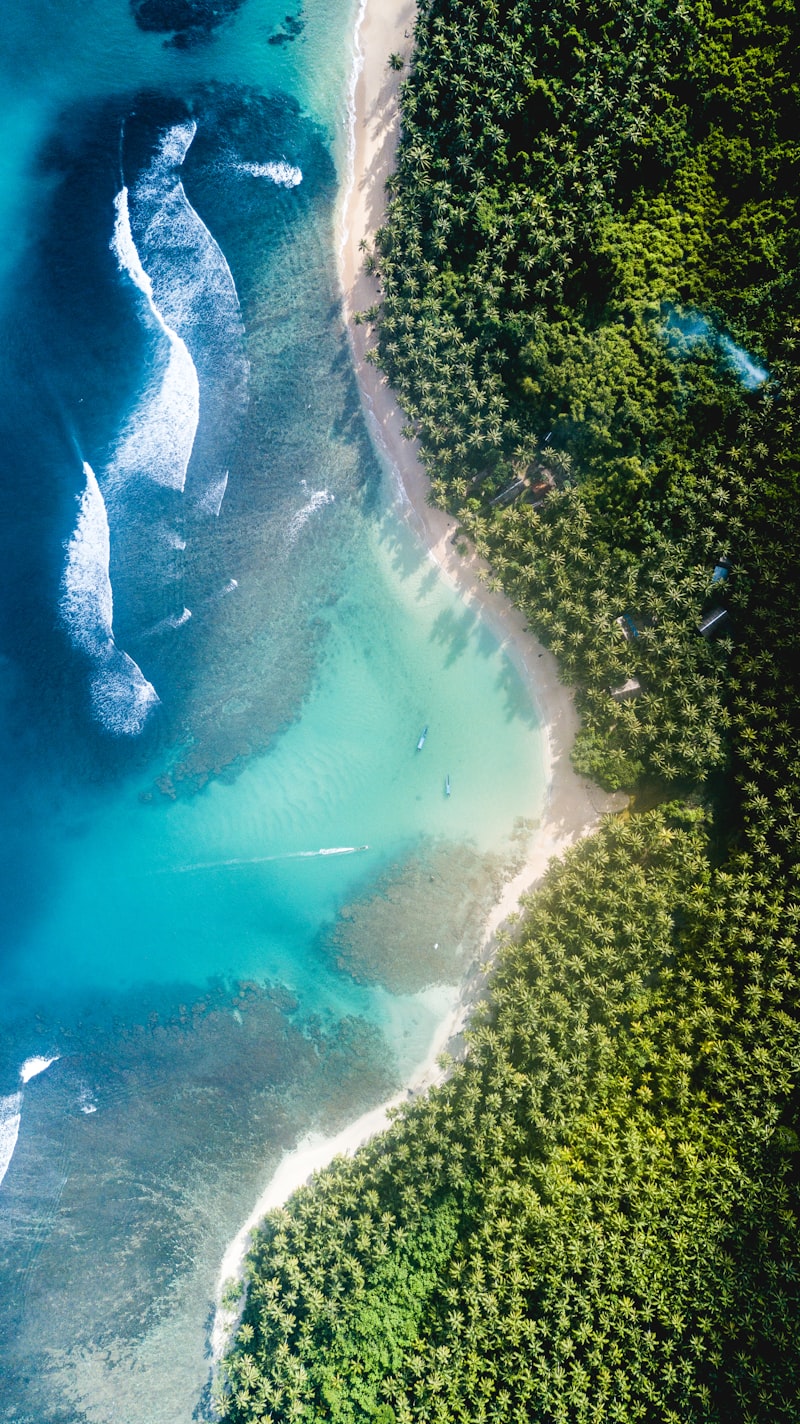
Chileno Bay beach in July: the water is turquoise, 82 degrees, and there are maybe 30 people on the entire beach. That same beach in February has 300 people and 72-degree water. The math is not complicated.
The Cost Savings Are Real
Everything costs less in summer Cabo. Not just a little less — dramatically less:
- Long-term rentals: A furnished two-bedroom condo in the Fonatur zone of San Jose del Cabo runs $3,500–$5,000/month in peak season. In summer, the same unit goes for $1,800–$2,800. That is $5,000–$10,000 saved over a three-month stay.
- Hotel rates: Resort rates drop 30–50% in summer. A Chileno Bay resort room that is $800/night in December is $350–$450 in August. The Waldorf Astoria Pedregal drops from $1,200+ to $600–$700.
- Restaurants: Many restaurants offer summer specials and prix fixe menus that run 20–30% below winter pricing. Some of the best places in San Jose del Cabo's Art District run summer tasting menus that would be impossible to book in February.
- Activities: Sportfishing charters, diving excursions, whale shark tours — all discounted 15–25% versus peak season, with wider availability and smaller group sizes.
- Flights: Round-trip flights from LAX to SJD average $180–$280 in July versus $350–$550 in December. From Dallas, $200–$320 versus $400–$600.
You Get the Local Cabo
This is harder to quantify but might matter more than the cost savings. Summer is when the tourist crowd thins and the local community emerges. The Thursday Art Walk in San Jose del Cabo is still happening, but you can actually browse the galleries without dodging strollers. The Organic Market on Saturday morning is full of the people who actually live here — the year-round expats, the Mexican families, the restaurant owners shopping for their own kitchens.
The surf breaks along the Pacific side — Cerritos, Costa Azul, Monuments — deliver the best swells from June through October. The Southern Hemisphere storm systems send consistent south swells up the Pacific coast, and the lineups are a fraction of winter crowds.
I have had some of my best dinners in Cabo in August. Walk into Flora Farms, Acre, or Huerta Los Tamarindos without a reservation on a Tuesday night and get a table immediately. Try that in January and you are laughing.
The Heat: An Honest Assessment
I am not going to pretend summer in Cabo is comfortable 24/7. Here are the real numbers:
- June: Average high 89°F, humidity 55–65%. The most pleasant summer month. Still relatively dry.
- July: Average high 91°F, humidity 60–70%. Hotter, starting to get humid.
- August: Average high 91°F, humidity 70–80%. The hottest and most humid month. Afternoon thunderstorms become common.
- September: Average high 90°F, humidity 75–85%. Peak hurricane season. The most rain. Still very warm water.
- October: Average high 88°F, humidity 60–70%. Cooling begins. The "shoulder" back to dry season.
The pattern is: hot and dry in June, hot and progressively humid through July–September, then cooling in October. The afternoon thunderstorms in August and September are dramatic — heavy rain for 30–60 minutes, then clearing. The desert blooms green (hence "green season"), which is actually beautiful in a way most visitors never see.
How Property Owners Handle the Heat
Every modern development in Los Cabos is designed for summer heat:
- Mini-splits everywhere: Central AC is rare; mini-split units in every room are standard. Monthly electricity costs run $200–$500 in summer for a 2–3 bedroom unit depending on usage.
- Covered terraces and palapa shading: Good Cabo architecture creates outdoor living spaces that work in full sun.
- Pool-centric living: You live in the pool from June through September. Infinity pools, plunge pools, community pools — they are not luxuries in summer, they are necessities.
- Morning and evening rhythms: Summer residents adopt a Mediterranean schedule — active from 6–10 AM, siesta/AC from noon to 4 PM, back out for sunset drinks and dinner from 5 PM onward.
Interested in a Summer Test-Drive?
Rent before you buy — I can set you up with a furnished summer rental in the community that fits your lifestyle.
Book a CallHurricane Season: The Honest Risk Assessment
Hurricane season runs June 1 through November 30, and it is the primary reason most people avoid summer Cabo. Here is the actual data:
Los Cabos sits at the southern tip of the Baja Peninsula, which means it is exposed to Eastern Pacific hurricanes tracking northwest from the tropics. But direct hits are rare. The most significant recent event was Hurricane Odile in 2014 (Category 3), which caused major damage and was a genuine disaster. Before that, Hurricane John in 2006. The statistical frequency is approximately one direct tropical storm or hurricane impact every 8–10 years.
Modern developments built since 2015 are constructed to post-Odile building codes, which include hurricane-rated windows and shutters, reinforced concrete construction, backup generators, and elevated electrical systems. These are not the same buildings that were damaged in 2014.
Property insurance covering hurricane and windstorm damage runs $1,500–$4,000 annually for a $1–3 million property. It is not optional for summer residents.
The Summer Marine Life Calendar
Summer is when the Sea of Cortez — which Jacques Cousteau called "the world's aquarium" — truly earns that name:
- May–November: Whale sharks congregate around La Paz (2-hour drive from Cabo). Swimming with 40-foot whale sharks in 80°F water is a life-changing experience.
- June–October: Manta ray season. Giant oceanic mantas visit the deep water off the Pacific side.
- June–November: Sea turtle nesting season. Todos Santos and the Pacific beaches host nesting olive ridley and leatherback turtles.
- June–November: Peak sportfishing season. Striped marlin, yellowfin tuna, dorado (mahi-mahi), and wahoo are all at their peak. The Bisbee's Black & Blue Tournament in October is the culmination.
- August–October: Mobula ray migration. Thousands of rays leap from the water in coordinated displays — one of the most spectacular wildlife events on Earth.
Compare that to the winter marine calendar: whale watching (gray whales, December–March) is spectacular, but the diversity of summer marine life is unmatched.
The Revenue Strategy: Rent Peak, Live Green
Here is the play that makes the reverse snowbird approach financially brilliant for property owners: rent your property at peak-season rates from November through April, then live in it yourself from May through October.
A two-bedroom condo at a community like Cabo del Sol can generate $3,000–$5,000/month in rental income during peak season. Over six months, that is $18,000–$30,000 in gross rental revenue. Then you occupy the property for six months when rates are lowest, avoiding the $4,000–$5,000/month you would pay in peak-season rent.
Net effect: your property generates income when demand is highest and serves as your home when costs are lowest. The calendar arbitrage is significant — you are essentially getting paid to live in Cabo for free.
Want to Build a Reverse Snowbird Plan?
I'll model the rental income, living costs, and community fit for your specific situation. The numbers might surprise you.
Contact MeThinking about buying here rather than just visiting? Our free 33-page Buying Property in Mexico guide covers the fideicomiso, closing costs in real dollars, and the 27-point checklist we run on every property.
Frequently Asked Questions
What is the ocean water temperature in Los Cabos in summer?+
The Sea of Cortez water temperature in Los Cabos reaches 80°F by July and 84°F by August, compared to 68–72°F in winter. This makes summer ideal for snorkeling, diving, and open-water swimming without a wetsuit. The warm water also brings whale sharks, manta rays, and peak sportfishing conditions.
How much cheaper is it to live in Cabo in summer versus winter?+
Long-term summer rentals run 40–60% less than peak season. A furnished two-bedroom condo in San Jose del Cabo rents for $1,800–$2,800/month in summer versus $3,500–$5,000 in peak season. Hotel rates drop 30–50%, flights average 40% less, and restaurants commonly offer 20–30% summer specials.
How hot does it get in Cabo in summer?+
Average daily highs run 89°F in June, 91°F in July–August, and 90°F in September. Humidity rises from 55–65% in June to 75–85% in September. August is the hottest and most humid month. Afternoon thunderstorms are common in August–September, typically lasting 30–60 minutes before clearing.
Is hurricane season in Cabo dangerous for property owners?+
Hurricane season runs June 1 through November 30. Los Cabos averages a direct tropical storm or hurricane impact approximately once every 8–10 years. The last major event was Hurricane Odile in 2014 (Category 3). Modern developments built since 2015 use post-Odile building codes with hurricane-rated windows, reinforced concrete, and backup power systems.
What marine life can you see in Cabo in summer?+
Summer brings the richest marine life: whale sharks near La Paz (May–November), manta rays (June–October), nesting sea turtles (June–November), peak sportfishing for striped marlin, yellowfin tuna, and dorado (June–November), and the spectacular mobula ray migration (August–October).
What is the reverse snowbird rental strategy for Cabo property owners?+
Rent your property at peak-season rates from November through April ($3,000–$5,000/month for a two-bedroom), generating $18,000–$30,000 in gross rental income over six months. Then occupy the property yourself from May through October when costs are lowest. The calendar arbitrage means your property generates income in high season and serves as your free home in low season.

Aaron Cuha
Real Estate Advisor & Los Cabos Market Expert
Real estate advisor and founder of Living In Cabo. 15+ years helping families navigate complex real estate decisions. Strategic partner with Ronival — Baja's largest brokerage.